
Traveling often means sacrificing sleep, but a well-rested journey can significantly enhance your experience. From managing jet lag to finding comfort in an unfamiliar hotel bed, achieving quality rest while on the go presents unique challenges. This guide offers practical sleep tips for travelers, equipping you with strategies to improve your slumber no matter where your adventures take you. Discover how to adjust your body clock before departure, create a sleep sanctuary in any room, and manage the effects of diet, hydration, and movement on your rest. We’ll also address common disruptors like uncomfortable bedding and travel anxiety, ensuring you arrive at your destination refreshed and ready to explore.
Beat Jet Lag: Strategies for Time Zone Transitions
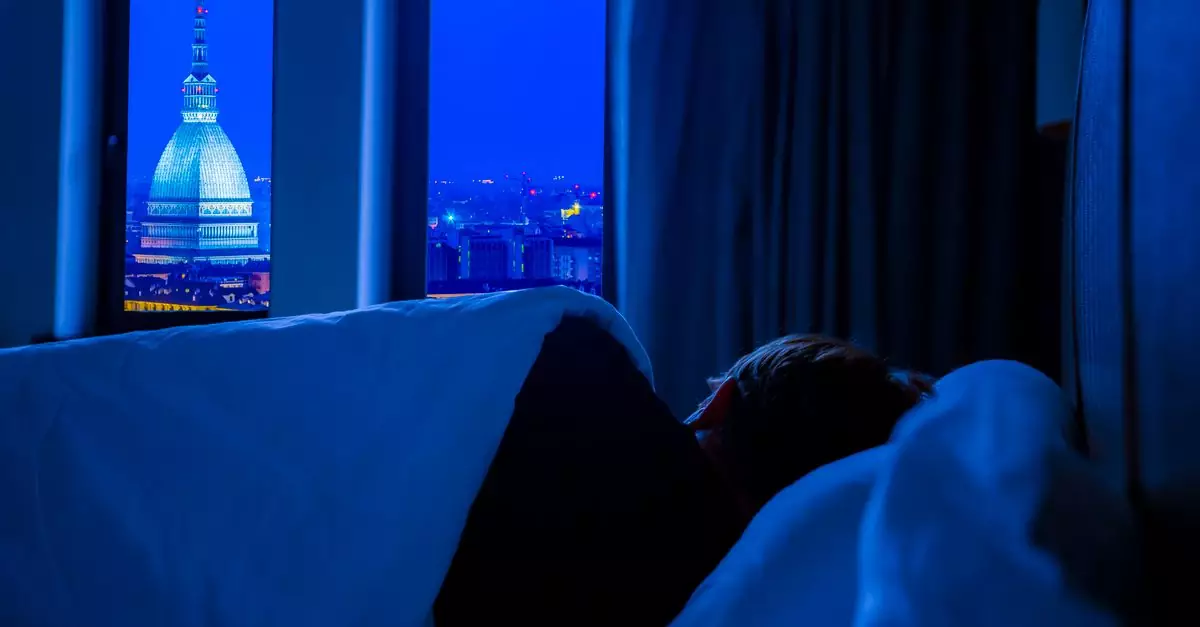
Navigating time zone changes is a frequent challenge for travelers, but with some strategic adjustments, you can reduce the impact of jet lag. Understanding how your body’s internal clock responds to new environments is essential for maintaining energy and enjoying your trip from the moment you arrive. These strategies focus on preparing your body, managing your arrival, and utilizing environmental cues to realign your sleep-wake cycle.
Adjusting Your Sleep Schedule Before Departure
Proactively adjusting your sleep schedule before leaving can make a substantial difference. For eastbound travel, shift your bedtime and wake-up time earlier by 30-60 minutes each day for several days prior to departure. For westbound journeys, gradually push your sleep and wake times later. This gradual acclimation helps your body sync with the destination’s time zone before you even board the plane.
Even small shifts can prime your body for the transition. If you have a long-haul flight, adopt the destination’s meal times in the days leading up to your trip. This reinforces the new schedule through behavioral cues. For example, if you’re heading to South America for an early business meeting, practicing an earlier wake-up call for a week beforehand will ease the shock of a new morning routine.
Navigating Your First Night in a New Time Zone
Upon arrival, the most crucial step is to immediately adopt the local time. Resist the urge to nap for extended periods, especially during daylight hours. If you must rest, limit your nap to 20-30 minutes to avoid disrupting your nighttime sleep. Your goal is to stay awake until a reasonable local bedtime.
Once evening arrives, create a relaxing pre-sleep routine. This could involve reading a book, taking a warm bath, or listening to calming music. Ensure your accommodation promotes sleep; consider bringing an eye mask and earplugs if you’re sensitive to light or noise. If you’re staying in a bustling city like Rio de Janeiro, these aids can be invaluable for blocking out urban sounds.
Combating Daytime Sleepiness with Light Exposure
Light is a powerful regulator of the body’s circadian rhythm. Maximizing your exposure to natural daylight upon arrival is one of the most effective ways to signal to your brain that it’s daytime. Spend time outdoors, especially in the morning, to help reset your internal clock.
Conversely, minimize exposure to bright light in the hours leading up to your intended bedtime. Dim the lights in your hotel room, and avoid screens from electronic devices, as their blue light can interfere with melatonin production. If your destination experiences extended daylight hours, like during summer in parts of South America, being mindful of light exposure in the evening is crucial for achieving restful sleep.
Creating a Sleep Sanctuary in Any Hotel Room
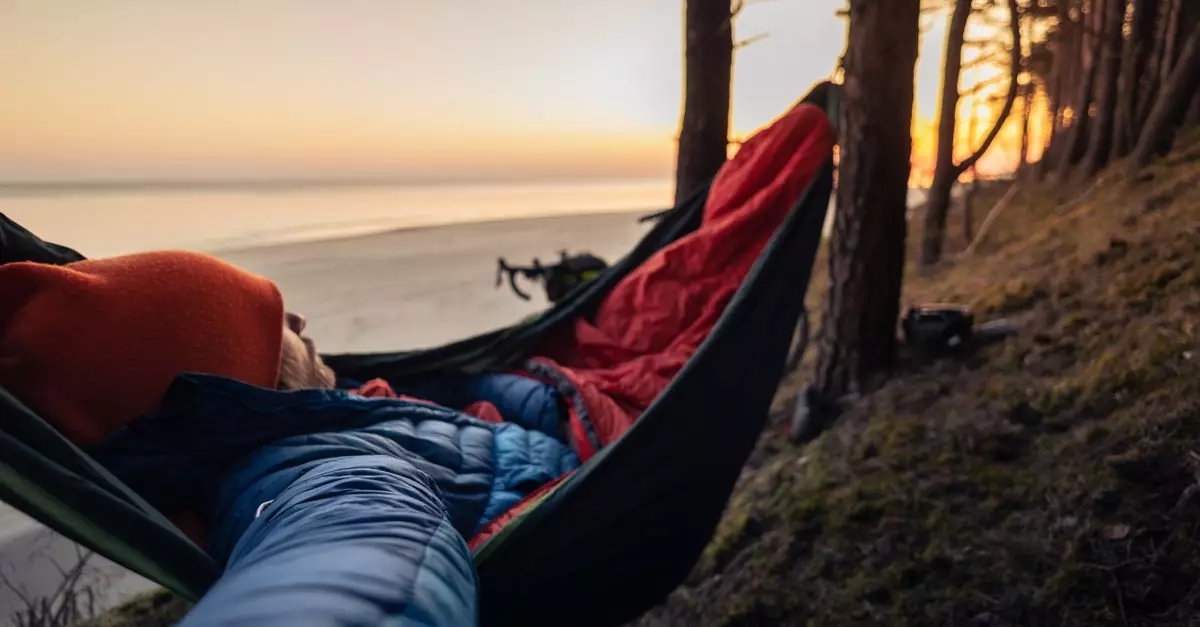
Transforming an unfamiliar hotel room into a haven for rest is essential for mastering sleep on the go. Even the most luxurious accommodations can present challenges, from ambient light to unexpected noises. Implementing a few strategic adjustments can significantly improve your chances of achieving restorative sleep, whether you’re on a business trip or embarking on an adventure across South America.
Blocking Out Light: Eye Masks and Blackout Curtains
Light signals your brain that it’s time to be awake. Even small amounts can disrupt your circadian rhythm and lead to poorer sleep quality. Hotel rooms often have light leakage from under doors, around windows, or from electronic devices.
A high-quality eye mask is an indispensable tool for travelers. Choose one that contours to avoid pressure on your eyelids and is made from a soft, breathable material. If masks are uncomfortable, consider portable blackout curtains that attach to window frames with suction cups or Velcro, creating a dark environment. Some travelers also find success by strategically placing towels or blankets to block light sources.
Minimizing Noise: Earplugs and White Noise Apps
Unfamiliar sounds—traffic, hallway chatter, or air conditioning—can easily disrupt your sleep. Fortunately, simple solutions exist to mitigate noise pollution.
High-fidelity earplugs block disruptive frequencies while still allowing you to hear important sounds like alarms. They are more comfortable than traditional foam earplugs for extended wear. For a more immersive approach, consider using a white noise app on your smartphone or a portable white noise machine. These devices generate consistent, soothing sounds that mask sudden noises and create a tranquil atmosphere for sleep. Experiment with different sounds like white noise, brown noise, or nature sounds to find what works best for you.
Optimizing Room Temperature for Restful Sleep
The ideal sleep temperature is generally cooler than what most people find comfortable during the day, typically between 60-67°F (15-19°C). Hotel thermostats can be finicky, and rooms may be too warm or too cold, interfering with your ability to drift off and stay asleep.
If the room is too warm, lower the thermostat as much as possible. Open a window if it’s safe and the outside temperature is cooler. Using the air conditioning on a low setting can also help. If the room is too cold, layer your bedding with extra blankets or use the hotel’s linen service. Some travelers find packing a lightweight travel blanket provides consistent comfort regardless of the hotel’s climate control. Adjusting the temperature is a crucial step in preparing your body for deep sleep.
The Role of Diet and Hydration in Traveler Sleep Quality
Getting quality sleep while traveling is a common challenge, and what you consume significantly impacts your ability to rest. Understanding how food and drink affect your body can help you make better choices on the road, leading to more restorative sleep. This is crucial for enjoying your adventures, whether you’re navigating vibrant cities in South America or exploring remote landscapes.
Foods to Avoid Before Bed While Traveling
Certain foods can disrupt your sleep cycle, especially when your body is adjusting to new time zones and environments. Heavy, fatty, or spicy meals consumed too close to bedtime can lead to indigestion and discomfort, making it difficult to fall asleep. Sugary snacks and desserts can cause spikes and subsequent crashes in blood sugar, leading to wakefulness.
Consider limiting:
- Fried or greasy foods
- Spicy dishes
- Large portions of red meat
- Rich desserts
Opting for lighter, easily digestible options a few hours before sleep can significantly improve your rest quality.
Hydration Strategies for Better Sleep
Staying adequately hydrated is essential for overall health and plays a role in sleep regulation. However, timing your fluid intake is key. Drinking excessive amounts of water right before bed can lead to frequent nighttime awakenings.
Instead, focus on consistent hydration throughout the day. Carry a reusable water bottle and sip regularly, especially during long transit days or when exploring active destinations. If you’re in a hot climate, like many parts of South America, maintaining hydration is critical to prevent dehydration-related sleep disturbances.
Caffeine and Alcohol: Navigating Their Impact on Sleep
Caffeine and alcohol are common travel companions, but they can disrupt sleep. Caffeine is a stimulant that can linger in your system for hours, interfering with your ability to fall asleep. It’s advisable to avoid caffeinated beverages like coffee, tea, and energy drinks in the late afternoon and evening.
While alcohol might initially make you feel drowsy, it disrupts sleep architecture later in the night. It can lead to fragmented sleep, reduced REM sleep, and more frequent awakenings. While a nightcap may seem relaxing, it often compromises the restorative quality of your sleep. Moderation is key; if you choose to consume alcohol, do so earlier in the evening.
Incorporating Movement and Relaxation for Deeper Sleep

Navigating different time zones and unfamiliar surroundings can make maintaining good sleep hygiene challenging. A balanced approach that includes physical activity and mindful relaxation is key to achieving restful nights. This strategy not only aids in falling asleep faster but also promotes deeper, more restorative sleep cycles, crucial for enjoying your travels to the fullest.
Light Exercise and Its Benefits for Traveler Sleep
Engaging in light to moderate physical activity during the day can significantly improve sleep quality for travelers. Exercise helps regulate your body’s internal clock, making it easier to adjust to new time zones. Aim for activities like brisk walking, jogging, or cycling, preferably earlier in the day to avoid overstimulation close to bedtime. For instance, exploring a new city on foot, perhaps in vibrant Buenos Aires, offers both sightseeing and a beneficial workout.
Even a short 20-30 minute session can make a difference. Avoid strenuous workouts within a few hours of trying to sleep, as this can energize you rather than prepare you for rest. Consider the local environment; if you’re in a mountainous region like the Andes, a hike can be both scenic and sleep-inducing.
Pre-Sleep Relaxation Techniques: Stretching and Meditation
Once your body has had a chance to move, dedicating time to pre-sleep relaxation is essential. Gentle stretching can release physical tension accumulated from travel, such as long flights or bus rides. Focus on simple stretches that target the neck, shoulders, and back. Incorporate deep breathing exercises to calm the nervous system and prepare your mind for sleep.
Meditation apps or guided relaxation recordings can be incredibly helpful, especially in unfamiliar hotel rooms. Even a few minutes of focused breathing or a body scan can quiet racing thoughts and reduce anxiety. This mental preparation is as important as physical relaxation for achieving a state conducive to sleep.
Maximizing Sleep Quality with a Consistent Bedtime Routine
Establishing a consistent bedtime routine, even while traveling, signals to your body that it’s time to wind down. This routine should be simple and repeatable, regardless of your location. It could include activities like reading a physical book, listening to calming music, or enjoying a warm, non-caffeinated beverage.
Try to go to bed and wake up around the same time each day, even on weekends or days with early-start activities. While occasional deviations are unavoidable, consistency is your best ally in combating jet lag and ensuring you get adequate rest. If you’re traveling through South America, where diverse climates and cultural rhythms exist, a personal routine can provide a comforting anchor. Keeping your routine brief and manageable, perhaps 30-60 minutes, makes it easier to stick to across different travel scenarios.
Common Sleep Disruptors for Travelers and How to Overcome Them

Travel inherently disrupts routines, and sleep is often the first casualty. Jet lag, unfamiliar surroundings, and the excitement of new experiences can all conspire against a good night’s rest. Understanding these common challenges and arming yourself with practical strategies is key to maintaining your energy and well-being throughout your journey.
Dealing with Unfamiliar Beds and Pillows
An uncomfortable mattress or a pillow that’s too high, too low, or too firm can significantly impact sleep quality. Your body is accustomed to your own bed, and a sudden change can lead to tossing and turning. This is a frequent complaint for many travelers, whether they’re exploring bustling cities in South America or quiet villages elsewhere.
To mitigate this, consider bringing a small, travel-sized pillow from home if you’re particularly sensitive. Many hotels offer a selection of pillows upon request, so don’t hesitate to ask the front desk for a different type if the one provided isn’t working for you. Some travelers find relief by packing a compact, inflatable travel pillow that offers customizable support. If the mattress feels too soft or too firm, try adjusting your body position or using extra blankets to create a more supportive surface.
Managing Travel Anxiety That Affects Sleep
The anticipation of a trip or worries about navigating a new destination can trigger anxiety that keeps you awake. This is especially true when arriving in a new country or embarking on an extended adventure. The constant mental processing of new information and potential challenges can make it difficult to switch off your mind.
Establishing a pre-sleep routine, even while traveling, can signal to your body that it’s time to wind down. This could include reading a book (a physical one, to avoid blue light from screens), listening to calming music, or practicing deep breathing exercises. Journaling can also help process any lingering thoughts or anxieties before bed. If you’re concerned about safety in an unfamiliar area, researching your surroundings beforehand and sticking to well-lit, populated routes can alleviate some of that stress.
What to Do When You Can’t Fall Asleep on Vacation
It’s a frustrating experience: lying awake in a hotel room, the clock ticking, and sleep stubbornly refusing to come. Panicking will only make it worse. The best approach is to get out of bed after about 20 minutes of restlessness.
Engage in a quiet, non-stimulating activity in dim light, such as reading or listening to a podcast. Avoid screens, as the blue light can interfere with melatonin production. Once you start to feel drowsy, return to bed. If you find yourself consistently struggling with sleep, consider adjusting your daytime habits. Exposure to natural light, especially in the morning, helps regulate your body’s internal clock. Limiting caffeine and alcohol, particularly in the hours before bedtime, is also crucial for promoting restful sleep. For longer trips involving significant time zone changes, gradually adjusting your sleep schedule a few days before departure can ease the transition.
Frequently Asked Questions About Traveler Sleep
Navigating sleep challenges while traveling is a common concern. Here are answers to frequently asked questions about improving your rest on the go.
What are the best natural sleep aids for travelers?
For those seeking natural remedies, consider incorporating magnesium-rich foods into your diet before and during your trip, as magnesium promotes relaxation. Herbal teas like chamomile or valerian root, consumed an hour or two before bed, are also popular for their calming properties. Essential oils, such as lavender, can be applied to your pillow or diffused in your room to create a restful atmosphere. Many travelers find that a light, pre-sleep snack, like a banana or a handful of almonds, can help regulate blood sugar and prevent nighttime awakenings.
How can I improve sleep on long flights or bus rides?
Improving sleep on extended journeys often involves creating a personal sleep sanctuary. Invest in a comfortable neck pillow, noise-canceling headphones, and a soft eye mask to block out distractions. Adjust your watch to the destination’s time zone as soon as you board to begin acclimatizing. Staying hydrated is crucial, but limit caffeine and alcohol intake, which can disrupt sleep cycles. Consider bringing a light blanket or shawl, as cabin temperatures can fluctuate.
For those traveling through South America, long bus rides are common. Packing accordingly, with items that promote comfort and rest, is key to making these journeys more manageable.
Should I use sleep medication while traveling?
Using sleep medication while traveling should be approached with caution and ideally under the guidance of a healthcare professional. While effective for short-term sleep disturbances, they may cause grogginess, affect alertness, or interact with other medications. For occasional use, a low-dose, over-the-counter option might be considered, but it’s wise to test it before your trip to understand its effects. Prioritizing non-pharmacological strategies, such as those mentioned above, is generally recommended for a healthier approach to traveler sleep.