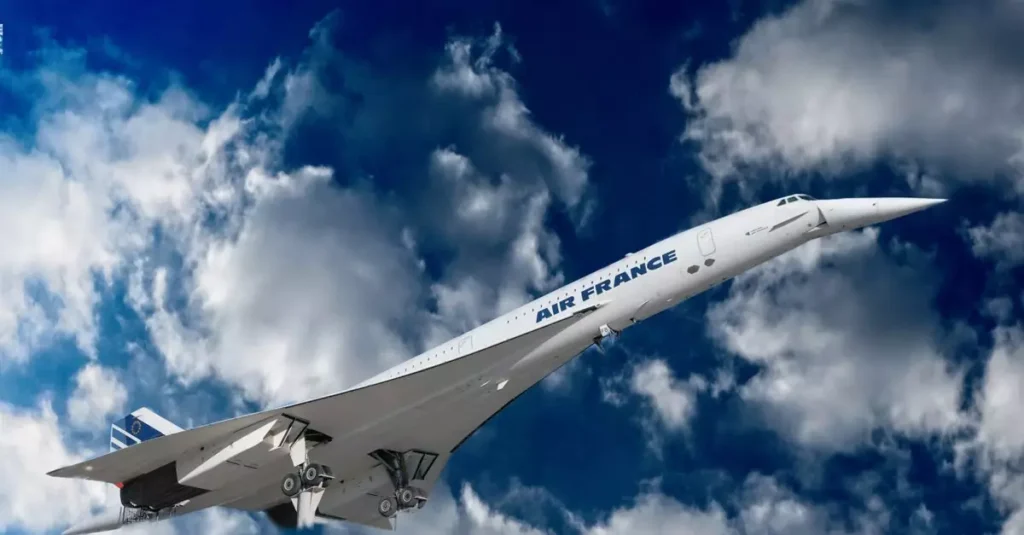
The dream of supersonic commercial flight is closer than ever, with United Airlines making a significant commitment to a new era of rapid air travel. This ambitious venture aims to drastically reduce travel times on popular long-haul routes, potentially reshaping global connectivity.
This guide delves into the specifics of United’s plans, exploring the technology behind the aircraft, projected timelines for service, and the potential routes that will first experience this leap forward. You’ll discover what to expect onboard, how these United Boom supersonic jets compare to current commercial flights, and the scientific innovations making this future possible. Prepare to learn how the skies are about to get a lot smaller.
What Are United’s Supersonic Jets and When Will They Fly?
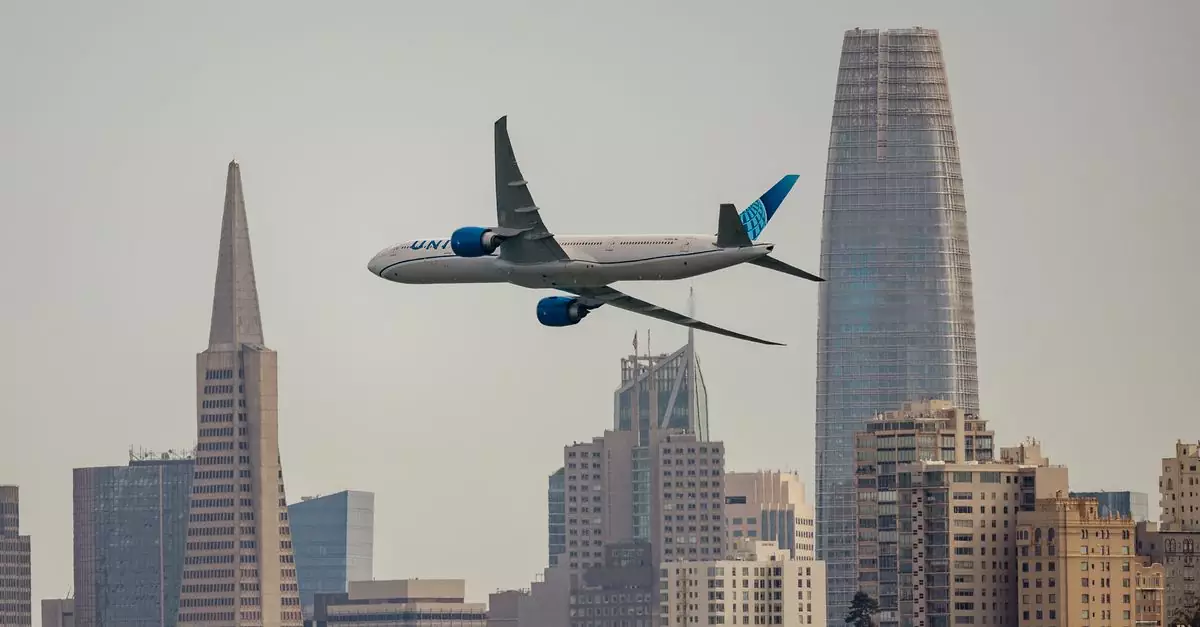
The prospect of supersonic commercial air travel is once again on the horizon, with United Airlines placing a significant bet on a new generation of high-speed aircraft. This initiative aims to drastically cut down flight times on popular long-haul routes, potentially transforming international travel.
Understanding the Overture Supersonic Jet Technology
United’s focus is on the Overture jet, developed by Boom Supersonic. This aircraft is designed to carry between 65 and 88 passengers in business class, achieving speeds of Mach 1.7 (approximately 1,200 miles per hour or 1,900 kilometers per hour). At these speeds, a flight from New York to London, currently taking around seven hours, could be reduced to just over three. The Overture is envisioned as a more sustainable supersonic option, with Boom aiming to utilize 100% sustainable aviation fuel (SAF). The design also incorporates advanced aerodynamic principles to minimize sonic booms over land, a key challenge faced by previous supersonic projects. The cabin experience will prioritize premium comfort, acknowledging the higher ticket prices likely associated with such rapid transit.
Projected Launch Timelines for United’s Supersonic Service
The timeline for United’s supersonic flights remains ambitious, with the first Overture aircraft not expected to enter commercial service until 2030. This projection accounts for the extensive testing and certification processes required for any new aircraft, especially one pushing the boundaries of speed and technology. United has ordered 15 Overture jets, with an option for 35 more, signaling a strong commitment to the program. Before passenger service can commence, Boom Supersonic must successfully complete flight testing, achieve all necessary regulatory approvals, and demonstrate the aircraft’s safety and reliability for commercial operations. This phased approach means that travelers will likely see initial routes connecting major international hubs, such as those across the Atlantic.
The Economic Viability of Supersonic Commercial Travel
The return of supersonic passenger jets hinges on their economic feasibility. While the allure of significantly reduced travel times is undeniable, the operating costs of these advanced aircraft and the premium ticket prices are critical factors. United’s strategy appears to target the premium travel market, where customers are more willing to pay for speed and convenience. The development costs for supersonic technology are substantial, and Boom Supersonic is working to ensure the Overture can be operated profitably. Success will depend on a combination of efficient aircraft design, the availability and cost of sustainable aviation fuels, and sustained demand from business and affluent leisure travelers eager to reclaim time on long journeys. The potential for these jets to connect distant cities like Los Angeles and Tokyo in under five hours presents a compelling proposition for certain segments of the travel market.
The Science Behind Supersonic Speed: Breaking the Sound Barrier
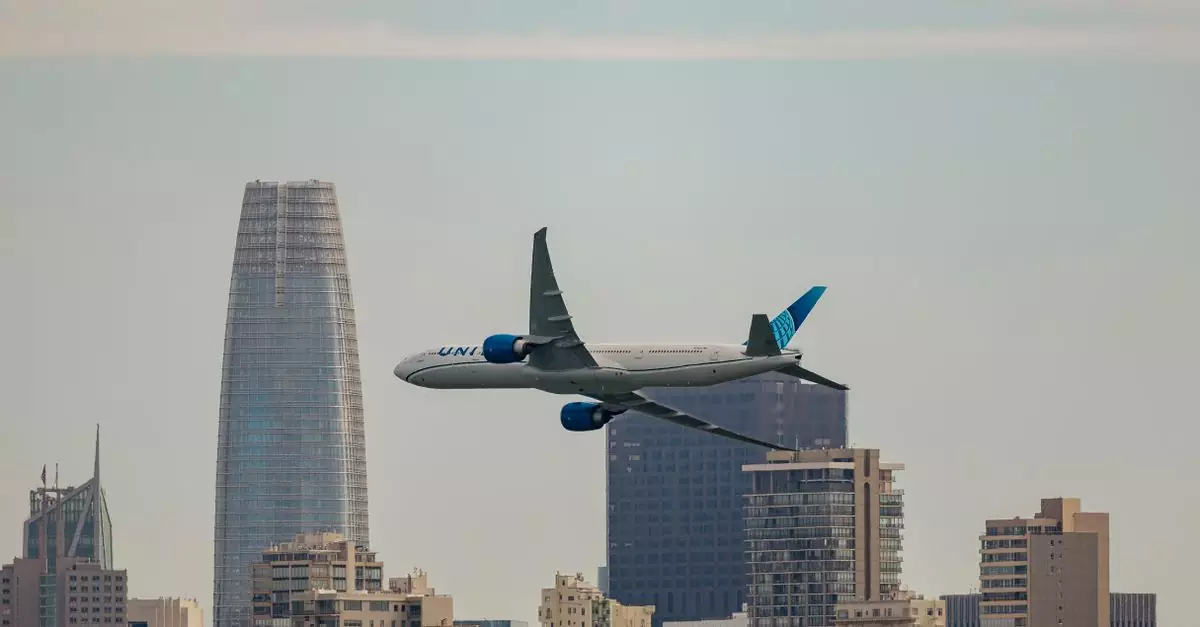
The realization of United’s supersonic jet ambitions hinges on overcoming significant scientific and engineering challenges. Achieving speeds faster than sound—approximately 767 miles per hour (1,235 km/h) at sea level—requires a deep understanding of aerodynamics, advanced propulsion systems, and innovative material science. This technological leap promises to dramatically reduce travel times, potentially connecting continents in a matter of hours.
Aerodynamics and Sonic Booms: Minimizing Environmental Impact
One of the most significant hurdles for supersonic flight is the sonic boom. When an aircraft exceeds the speed of sound, it creates shock waves that, upon reaching the ground, are perceived as a loud boom. For commercial supersonic travel to be viable, these sonic booms must be significantly mitigated or eliminated. Aircraft designers are developing new aerodynamic shapes, often referred to as “low-boom” designs, which spread the shock waves out and reduce their intensity to a mere whisper or even silence. This involves meticulously shaping the aircraft’s nose, wings, and tail to manage airflow and pressure changes. The goal is to make supersonic travel acceptable for overland routes, opening up a much wider range of potential destinations beyond just transoceanic flights.
Advanced Engine Technology for Supersonic Flight
Propelling an aircraft at supersonic speeds demands engines that are far more powerful and efficient than those used in today’s commercial airliners. Traditional jet engines struggle to operate effectively at these velocities, often overheating or losing efficiency. The development of advanced variable-cycle engines is crucial. These engines can adjust their airflow and bypass ratios to optimize performance across a wide range of speeds, from takeoff to supersonic cruise. Additionally, these engines must be exceptionally fuel-efficient to make supersonic flights economically feasible and environmentally responsible. Reducing noise pollution during takeoff and landing is also a critical design consideration for these new propulsion systems.
Materials Science Innovations in Aircraft Construction
The extreme conditions experienced during supersonic flight—high temperatures, immense pressure, and significant structural stress—necessitate the use of advanced materials. Traditional aluminum alloys are often insufficient. Manufacturers are turning to composite materials, such as carbon fiber reinforced polymers, and advanced metal alloys like titanium. These materials offer superior strength-to-weight ratios, allowing for lighter yet more robust aircraft structures. They also possess better thermal resistance, crucial for handling the heat generated by air friction at supersonic speeds. The development and testing of these cutting-edge materials are vital for ensuring the safety and longevity of future supersonic passenger jets.
Where Will United’s Supersonic Jets Fly First?

United Airlines’ ambitious plans for supersonic travel, particularly through its partnership with Boom Supersonic, are poised to redefine long-haul journeys. While the technology is still under development, the airline has outlined initial strategies focusing on routes where speed offers the most significant advantage, primarily across the Atlantic and potentially the Pacific.
Potential Transatlantic Routes: New York to London in Under 3 Hours
The most frequently cited and logical initial application for United’s supersonic jets will be on transatlantic routes. Imagine reducing a flight time of over seven hours from New York to London to less than three. This dramatic reduction in travel time could fundamentally alter how business and leisure travelers approach trips between North America and Europe. Cities like New York, Newark, and Chicago are likely candidates for departure hubs, connecting to major European gateways such as London, Paris, and Frankfurt. The demand for rapid transit between these financial and cultural centers is immense, making these routes prime candidates for the initial rollout of supersonic service.
Exploring New Opportunities for Transpacific Travel
Beyond the Atlantic, United is also eyeing the vast potential of transpacific routes. While the distances are greater, the allure of cutting travel times from cities like San Francisco or Los Angeles to destinations in Asia remains compelling. A flight to Tokyo, which currently takes around 10-11 hours, could potentially be halved. Such advancements would make day trips or short business visits to East Asia far more feasible, fostering deeper economic ties and opening new avenues for tourism. The logistical challenges for transpacific supersonic flights are more complex due to longer distances and potential refueling needs, but the market opportunity is substantial.
The Impact on Business Travel and Global Connectivity
The introduction of United’s supersonic jets will undoubtedly have a profound impact on business travel. The ability to conduct meetings in a European capital and return to the United States on the same day, or vice versa, is a game-changer. This increased efficiency could lead to a resurgence in long-haul business travel, which has seen shifts in recent years. For global connectivity, these aircraft represent a leap forward, shrinking the planet and making distant locations feel more accessible. This could also boost tourism to regions previously considered too far for shorter trips, potentially opening new markets for destinations across South America and beyond. Travelers considering trips to these regions might find that supersonic options, once widely available, significantly alter their planning.
What to Expect Onboard a Supersonic Flight

The prospect of United’s supersonic jets taking to the skies offers a glimpse into a new era of air travel. While specific details for the production aircraft are still evolving, understanding the potential onboard experience requires looking at the principles of high-speed flight and the ambitions of companies like Boom Supersonic. Passengers can anticipate a journey that prioritizes efficiency and a unique sense of speed, shaping everything from cabin design to service.
Cabin Experience: Comfort and Amenities on High-Speed Journeys
Supersonic aircraft cabins present a design challenge: balancing the need for aerodynamic efficiency with passenger comfort. Expect a cabin that is likely narrower than current wide-body jets to minimize drag. Seating arrangements may prioritize a more intimate feel, potentially with fewer seats overall to enhance exclusivity and space. Window design is also crucial; while larger windows are desirable for views, they can compromise structural integrity at high speeds and altitudes. Therefore, passengers might experience smaller, strategically placed windows offering glimpses of the world rushing by below. The cabin environment will be meticulously controlled for air pressure and temperature, crucial for passenger well-being at speeds exceeding Mach 1.
Dining and Service Innovations for Supersonic Passengers
The accelerated journey time will inevitably influence the dining and service experience. With flights potentially halving travel times, the traditional multi-course meal might be rethought. Instead, expect a focus on high-quality, efficiently served options. This could include gourmet bento boxes, express fine dining, or personalized culinary selections prepared for quick delivery. The service will likely be attentive and streamlined, designed to complement the swift nature of the flight. Think of a service that anticipates needs without adding unnecessary delays, ensuring the entire passenger journey, from boarding to arrival, feels seamless and efficient.
The Unique Passenger Psychology of Rapid Air Travel
Traveling at supersonic speeds introduces a fascinating psychological element. The sheer velocity will transform the perception of distance, making journeys that once took hours feel like mere minutes. This rapid transit could lead to a heightened sense of accomplishment and a different perspective on time management for travelers. Passengers might experience a unique blend of excitement and efficiency, arriving at their destination feeling energized rather than fatigued by a long flight. This psychological shift is a significant aspect of the supersonic experience, moving beyond mere transportation to offer a fundamentally altered perception of global connectivity.
Comparing Supersonic Jets to Current Commercial Air Travel
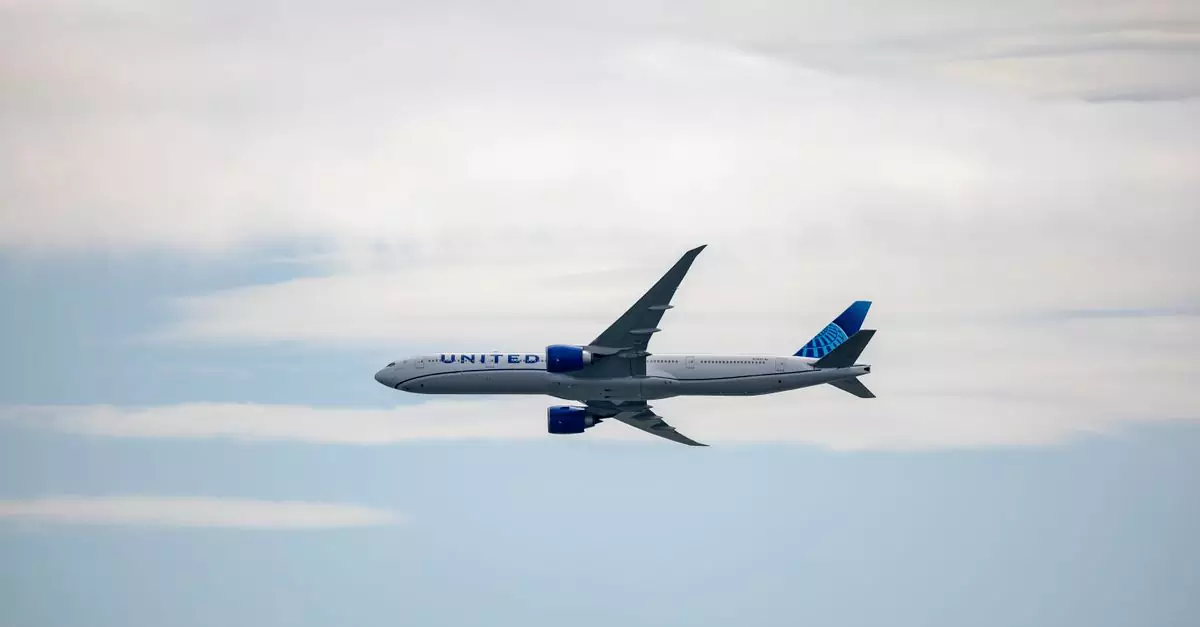
The prospect of United’s supersonic jets returning to the skies raises a compelling question: how do these future-forward aircraft stack up against the commercial air travel we know today? While the allure of dramatically reduced flight times is undeniable, a deeper look at the value proposition, environmental impact, and overall feasibility reveals a complex picture. Travelers accustomed to the current balance of speed, cost, and convenience will find the transition to supersonic travel a significant shift.
Speed vs. Cost: Analyzing the Value Proposition
The primary draw of supersonic flight is its speed. Journeys that currently take many hours could be cut to a fraction of the time. Imagine flying from New York to London in under four hours, a stark contrast to the typical seven to eight hours. This dramatic reduction in travel time has significant implications for business travelers and those prioritizing efficiency.
However, this speed comes at a price. Early projections suggest that supersonic tickets will be considerably more expensive than current first-class or business-class fares. The advanced technology, specialized engines, and the operational complexity required for supersonic flight contribute to these higher costs. For leisure travelers, the economic barrier may be substantial, making supersonic travel a premium experience rather than a mainstream option. The question for many will be whether the saved time justifies the increased expenditure, especially for routes where current travel times are manageable.
Environmental Considerations: Fuel Efficiency and Emissions
A significant challenge for any new aviation technology is its environmental footprint. Supersonic aircraft historically faced criticism for their fuel consumption and emissions, particularly concerning the sonic boom. While Boom Supersonic, United’s partner, is developing the Overture jet with a focus on sustainability, several hurdles remain. The aircraft is designed to run on 100% sustainable aviation fuel (SAF), which is a critical step towards reducing carbon emissions.
However, the energy required to break the sound barrier is inherently high, leading to greater fuel burn per mile compared to subsonic jets. Boom aims to mitigate the sonic boom’s impact through innovative aerodynamic design, potentially allowing flights over land in the future—a restriction that plagued Concorde. The long-term viability and widespread adoption of these jets will depend heavily on advancements in SAF production and the overall efficiency gains that can be achieved. For travelers increasingly conscious of their environmental impact, these factors will play a crucial role in their decision-making process.
The Future of Aviation: Will Supersonic Become the Norm?
The return of supersonic passenger jets represents a potential paradigm shift in air travel, but it’s unlikely to replace current commercial flights entirely in the near future. Instead, supersonic routes will likely emerge as a premium service, catering to specific high-demand city pairs and a clientele willing to pay for speed. Think of routes connecting major financial hubs or destinations where minimizing travel time is paramount, such as between the United States and parts of South America.
The infrastructure and regulatory frameworks required for widespread supersonic travel are also considerable. Airports will need to accommodate these aircraft, and air traffic control systems may require adjustments. Furthermore, the economic feasibility for airlines to operate a mixed fleet of supersonic and subsonic aircraft will need careful consideration. While the dream of faster travel is exciting, achieving a widespread return to supersonic speeds will be a gradual process, influenced by technological advancements, economic realities, and traveler demand. For now, it remains an aspirational leap forward, promising to redefine long-haul journeys for a select few.
Frequently Asked Questions About United’s Supersonic Jets
Will supersonic flights be significantly more expensive than current flights?
It is highly probable that initial fares for supersonic travel will be considerably higher than current economy or even business class tickets. This is typical for pioneering aviation technology due to the immense research, development, and manufacturing costs involved. United’s investment in these United Boom supersonic jets suggests a premium service targeting a clientele willing to pay for drastically reduced travel times. Expect prices to stabilize and potentially decrease over time as the technology matures and more aircraft enter service.
What are the safety regulations for supersonic commercial aircraft?
Safety regulations for commercial supersonic flight are still being developed and refined by aviation authorities like the FAA and EASA. These will build upon existing rigorous standards for commercial aviation but will include specific considerations for the unique challenges of supersonic flight. This includes advanced aerodynamic design, robust engine systems capable of sustained high-speed operation, and sophisticated navigation and air traffic control protocols to manage high-speed trajectories and potential sonic booms. Passengers can expect stringent certification processes to ensure the highest safety margins before any United Boom supersonic jets are cleared for commercial routes.
How will supersonic jets affect airport infrastructure?
The impact on airport infrastructure is expected to be manageable, as the primary design goal for aircraft like Boom’s Overture is compatibility with existing airport facilities. These jets are intended to utilize standard runways and gates, meaning major overhauls are unlikely. However, airports serving these routes may need to adapt their air traffic control procedures to accommodate the higher speeds and specific flight paths associated with supersonic operations. Additionally, terminals might see upgrades to cater to the premium passenger experience associated with this type of travel.
Are there plans for supersonic travel within South America?
While the current focus for United’s United Boom supersonic jets appears to be on transoceanic routes, the potential for supersonic travel within continents like South America is certainly on the horizon. The feasibility depends on factors like population density, demand for rapid transit between major cities, and the ability to manage sonic booms over land. As the technology proves itself on international routes, it is conceivable that airlines and manufacturers will explore shorter, high-demand domestic or regional supersonic services, potentially revolutionizing travel across vast regions.