Embracing the colder months unveils a unique world of travel, swapping bustling summer crowds for serene, snow-dusted landscapes and crisp, invigorating air. Discovering the best winter destinations in the world allows you to experience these places in a new light, whether you’re after thrilling outdoor adventures or cozy cultural immersion. This guide explores a curated selection of these remarkable locales, from the enchanting Northern Lights of Europe to the breathtaking peaks of North America and beyond. You’ll find specific activities that highlight each destination’s winter charm, practical planning tips, and insights into what makes a winter getaway truly unforgettable. Get ready to be inspired for your next cold-weather adventure.
Why Embrace a Winter Getaway: The Allure of the Best Winter Destinations
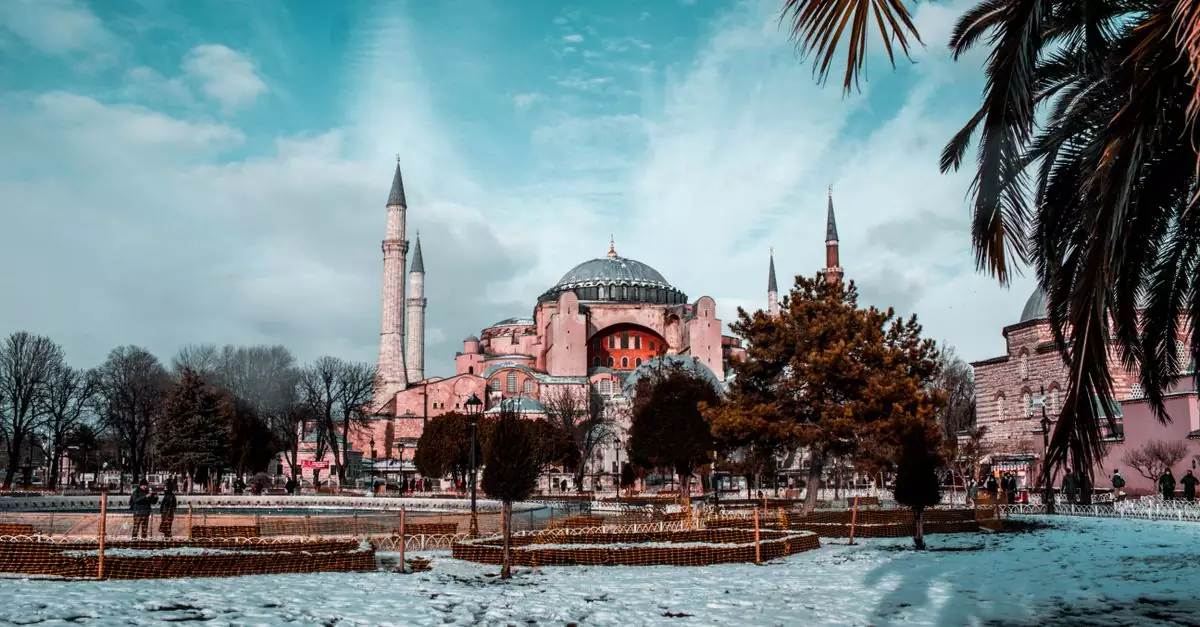
Traveling during the colder months opens up a realm of unique experiences unavailable at other times of the year. Embracing the chill means swapping crowded summer beaches for serene, snow-dusted vistas and discovering destinations in a more intimate light. The allure of the best winter destinations lies in their ability to offer both tranquility and adventure, providing a refreshing change of pace from everyday life.
Experiencing the Magic of Snow-Covered Landscapes
Snow-blanketed landscapes possess a certain enchantment. Picture the crisp air, the muffled silence following a fresh snowfall, and the way sunlight glimmers off icy branches. Destinations that transform into winter wonderlands present breathtaking scenery, from frozen waterfalls to expansive white plains. These sights not only captivate the eye but also evoke a profound sense of peace and wonder, making the journey to these cold-weather locales deeply rewarding. This transformative beauty is a primary draw for many seeking an escape.
Unique Activities Only Possible in Colder Months
Winter unlocks a distinct set of exhilarating activities central to the appeal of the best winter destinations. Consider the thrill of ice skating on a frozen lake, the adrenaline rush of downhill skiing or snowboarding, or the quiet magic of a dog sledding expedition through pristine wilderness. For those who prefer a slower pace, ice fishing or enjoying a warm drink by a crackling fire after a day in the cold offers its own charm. These seasonal pursuits create memorable experiences that foster a deeper connection with each destination.
Finding Fewer Crowds at Popular Spots
One significant advantage of traveling during the off-peak winter season is the noticeable reduction in crowds at popular tourist attractions. This means more personal space at museums, shorter queues for iconic landmarks, and a generally more relaxed atmosphere. You can often experience famous cities or natural wonders with a greater sense of calm and immersion. This quieter, more authentic travel experience encourages many to plan trips during the colder months, allowing for more meaningful engagement with the culture and sights.
Top European Winter Escapes: From Snowy Alps to Festive Cities
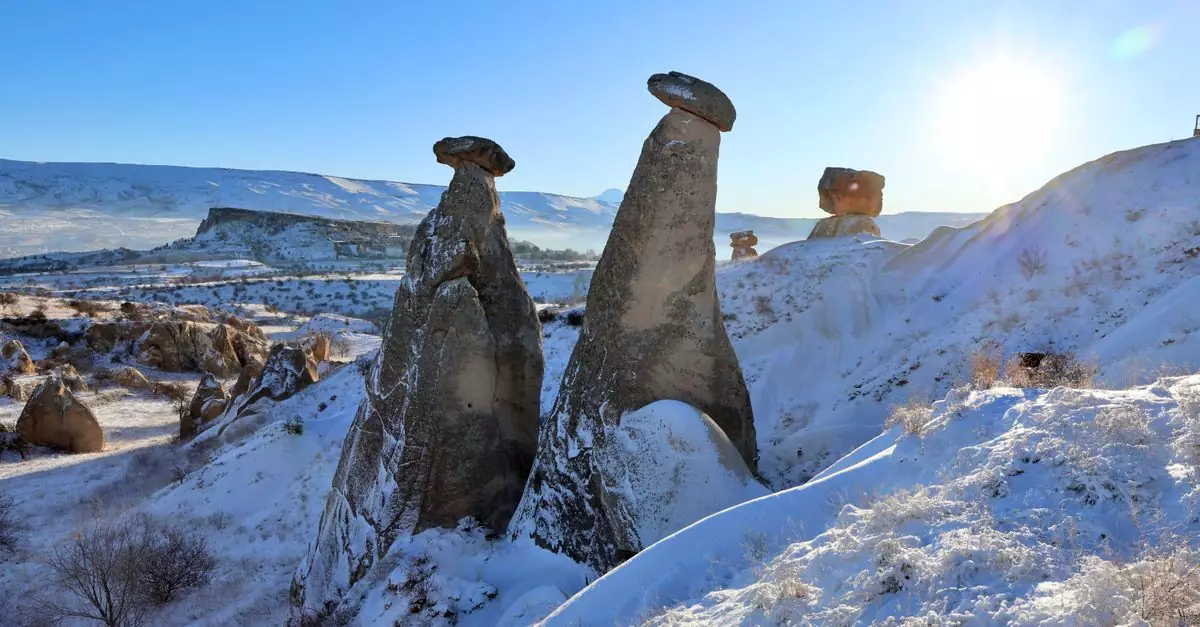
Europe offers a captivating array of winter experiences, from the ethereal glow of the Northern Lights to the cozy charm of Christmas markets. Travelers seeking the best winter destinations will find Europe a rich tapestry of culture, adventure, and festive spirit. Consider these top European escapes for an unforgettable cold-weather journey.
Lapland, Finland: Chasing the Northern Lights and Santa’s Village
Lapland, Finland’s northernmost region, is synonymous with winter magic. It’s a prime location for witnessing the aurora borealis, with clear, dark skies providing excellent viewing opportunities from late autumn through early spring. Beyond the celestial displays, Lapland is home to Santa Claus Village in Rovaniemi, a year-round destination that truly comes alive during the holiday season.
Activities abound, from husky sledding and reindeer sleigh rides through snow-laden forests to snowmobiling and ice fishing. For those dreaming of a white Christmas, Lapland delivers.
- Best Time to Visit: December to March for snow activities and Northern Lights.
- Getting Around: Renting a car offers flexibility, but organized tours and local buses connect major towns.
- Accommodation: Options range from glass igloos with direct aurora views to cozy log cabins and hotels.
Prague, Czech Republic: Enchanting Christmas Markets and Historic Charm
Prague transforms into a fairytale city during winter, especially with its renowned Christmas markets. The Old Town Square and Wenceslas Square host vibrant markets filled with handcrafted gifts, traditional foods like trdelník (sweet pastry), and mulled wine. The city’s Gothic architecture, dusted with snow, creates a picturesque backdrop for exploring its historic streets.
Beyond the markets, Prague offers world-class museums, classical music concerts, and the iconic Charles Bridge, which is often less crowded in winter. It’s a destination that blends festive cheer with deep historical roots.
- Budget Consideration: Prague is generally more affordable than many Western European capitals.
- Getting Around: The city center is highly walkable, supplemented by an efficient public transport system of trams and metro.
- Must-Try: Svíčková (marinated beef sirloin) and a local Czech beer.
Interlaken, Switzerland: Thrilling Winter Sports in the Swiss Alps
For adrenaline seekers and winter sports enthusiasts, Interlaken serves as a gateway to the majestic Swiss Alps. Situated between two stunning lakes and surrounded by towering peaks like the Eiger, Mönch, and Jungfrau, it provides unparalleled access to skiing, snowboarding, and snowshoeing. Resorts like Grindelwald and Wengen are easily accessible, boasting pristine slopes and breathtaking vistas.
Beyond the slopes, Interlaken offers paragliding with panoramic mountain views, ice climbing, and scenic train journeys to Jungfraujoch – Top of Europe. The crisp mountain air and dramatic landscapes make it a truly invigorating winter destination.
- Skiing Access: Direct train links to major ski areas.
- Accommodation: A range of hotels, chalets, and guesthouses catering to different budgets.
- Tip: Consider purchasing a Swiss Travel Pass for cost-effective travel on trains, buses, and boats.
Budapest, Hungary: Thermal Baths and Romantic Winter Evenings
Budapest offers a unique blend of relaxation and exploration during winter. The city is famous for its thermal baths, such as the Széchenyi and Gellért Baths, providing a warm and therapeutic escape from the cold. Soaking in steaming outdoor pools while snow falls around you is a quintessential Budapest winter experience.
The city’s grand architecture, illuminated at night, creates a romantic ambiance. Explore the Buda Castle district, stroll along the Danube, and enjoy hearty Hungarian cuisine. Budapest’s lively ruin bars also offer cozy spots to unwind after a day of sightseeing.
- Winter Activities: Ice skating at City Park, exploring Christmas markets (typically late November through December).
- Getting Around: A compact city center is walkable, with a good public transport network.
- Consider: Booking bath tickets in advance, especially during peak times.
North American Winter Wonders: Majestic Scenery and Cozy Retreats
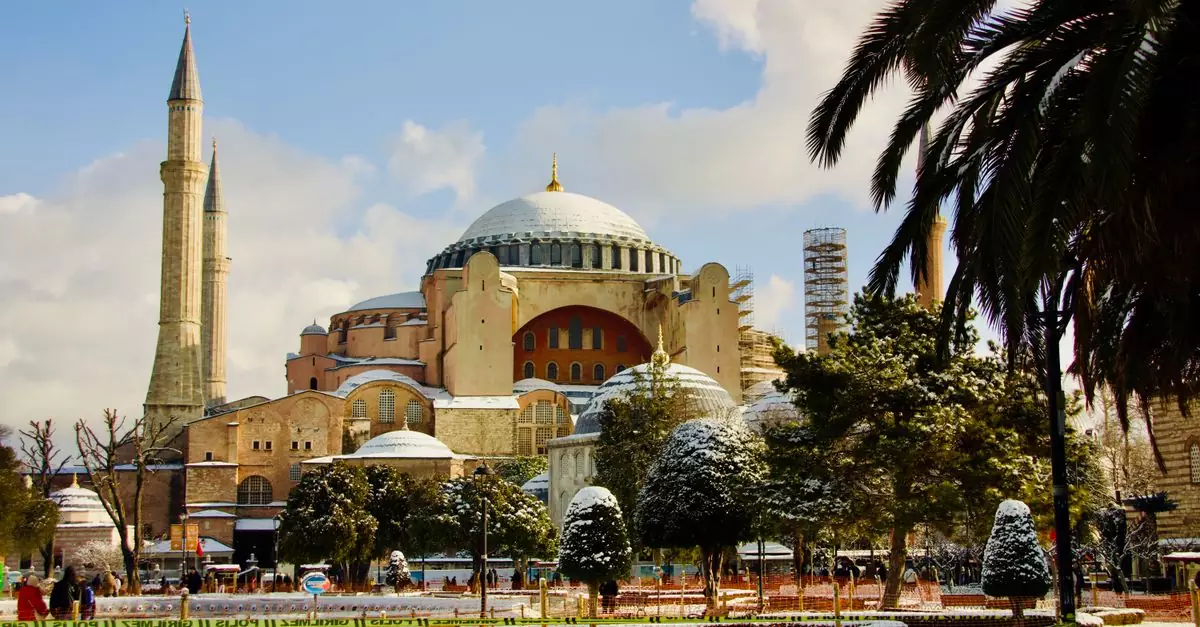
North America transforms into a winter paradise, offering a diverse range of experiences from rugged wilderness to charming European-style cities. These destinations showcase the best winter destinations for those seeking adventure and picturesque landscapes.
Banff National Park, Canada: Frozen Lakes and Skiing Adventures
Banff National Park in Alberta, Canada, is a quintessential winter wonderland. The iconic Lake Louise and Moraine Lake freeze over, creating stunning ice skating rinks surrounded by the majestic Canadian Rockies. Skiers and snowboarders flock to world-class resorts like Sunshine Village, Lake Louise Ski Resort, and Mt. Norquay, known for abundant snowfall and challenging terrain.
Beyond the slopes, opportunities for winter activities abound. Try snowshoeing through silent forests, embark on a scenic ice walk along Johnston Canyon, or take a guided tour to spot wildlife like elk, bighorn sheep, and perhaps even a wolf. The town of Banff offers a vibrant après-ski scene with cozy pubs and excellent restaurants.
Traveler Tip: The best time to visit for prime skiing conditions and frozen lakes is typically from December to March. Book accommodations well in advance, as Banff is a popular winter escape.
Quebec City, Canada: A European Winter Fairytale
Quebec City transports visitors to a bygone era with its snow-dusted historic streets and charming architecture. The UNESCO World Heritage Old Town, a fortified city, feels particularly magical under a blanket of snow. The iconic Fairmont Le Château Frontenac stands as a grand sentinel overlooking the St. Lawrence River.
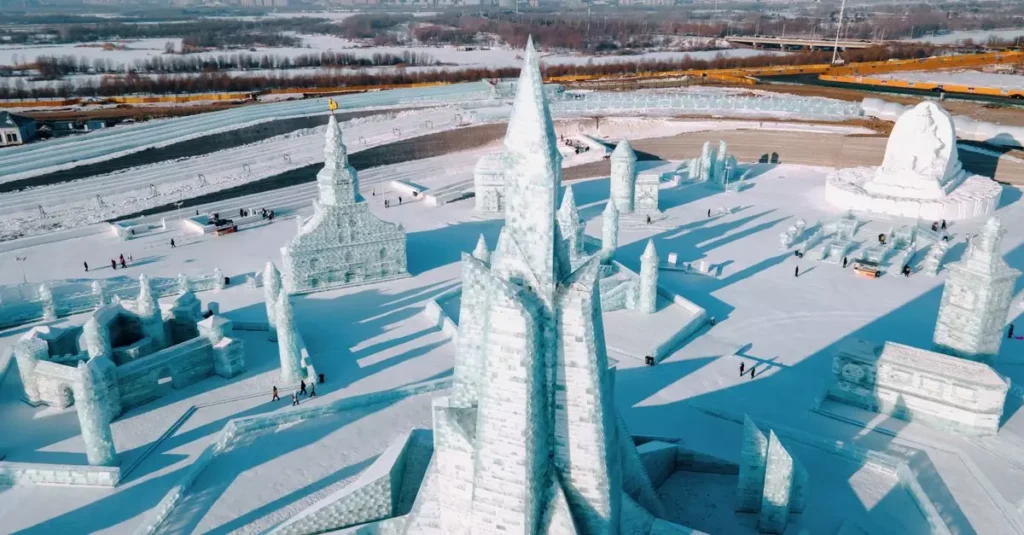
Winter in Quebec City is synonymous with the Winter Carnival, one of the largest winter festivals in the world, usually held in February. This lively event features ice sculptures, snow slides, parades, and a festive atmosphere. Outside the carnival, enjoy ice skating at Place d’Youville, explore the Plains of Abraham, or venture to nearby Mont-Sainte-Anne for skiing and snowboarding.
Getting There: Quebec City Jean Lesage International Airport (YQB) serves the region. Driving is also a viable option, though winter road conditions require caution.
Aspen, Colorado, USA: Luxury Skiing and Vibrant Après-Ski Scene
Aspen, Colorado, is renowned for its upscale winter experience, attracting a discerning crowd to its four distinct ski mountains: Aspen Mountain, Aspen Highlands, Buttermilk, and Snowmass. Each mountain offers unique terrain, from challenging expert runs to gentle beginner slopes. The town itself exudes a sophisticated charm, with designer boutiques, art galleries, and a world-class dining scene.
The après-ski culture in Aspen is legendary, with lively bars and restaurants offering gourmet food and crafted cocktails. Beyond skiing, visitors can enjoy snowmobiling, ice climbing, or simply soaking in stunning mountain vistas from a cozy lodge. For a more relaxed pace, the John Denver Sanctuary offers a peaceful winter walk.
Budget Consideration: Aspen is one of the more expensive winter destinations, with luxury accommodations and high-end dining. Travelers on a tighter budget might consider visiting during the shoulder seasons or looking for package deals.
Yellowstone National Park, USA: Wildlife Spotting in a Winter Wonderland
Yellowstone National Park in Wyoming, Montana, and Idaho offers a dramatically different yet equally breathtaking winter experience. Most park roads close to regular vehicles in winter, making it accessible primarily via snow coach or snowmobile tours, creating a sense of profound solitude. The landscape, draped in snow, contrasts sharply with its summer vibrancy.
This is an exceptional time for wildlife viewing. Bison, elk, wolves, and coyotes are more visible against the white backdrop. Witnessing the steaming geysers and hot springs, like Old Faithful, against the crisp, cold air is an unforgettable sight. Guided tours are highly recommended for safety and to access the park’s interior.
Safety Note: Winter in Yellowstone is extreme. Temperatures can drop significantly, and snow can accumulate rapidly. Always travel with experienced guides and be prepared for harsh conditions. Visitors can find more information on park access and safety at National Park Service.
Beyond the Usual: Unique Winter Destinations for Adventurous Travelers
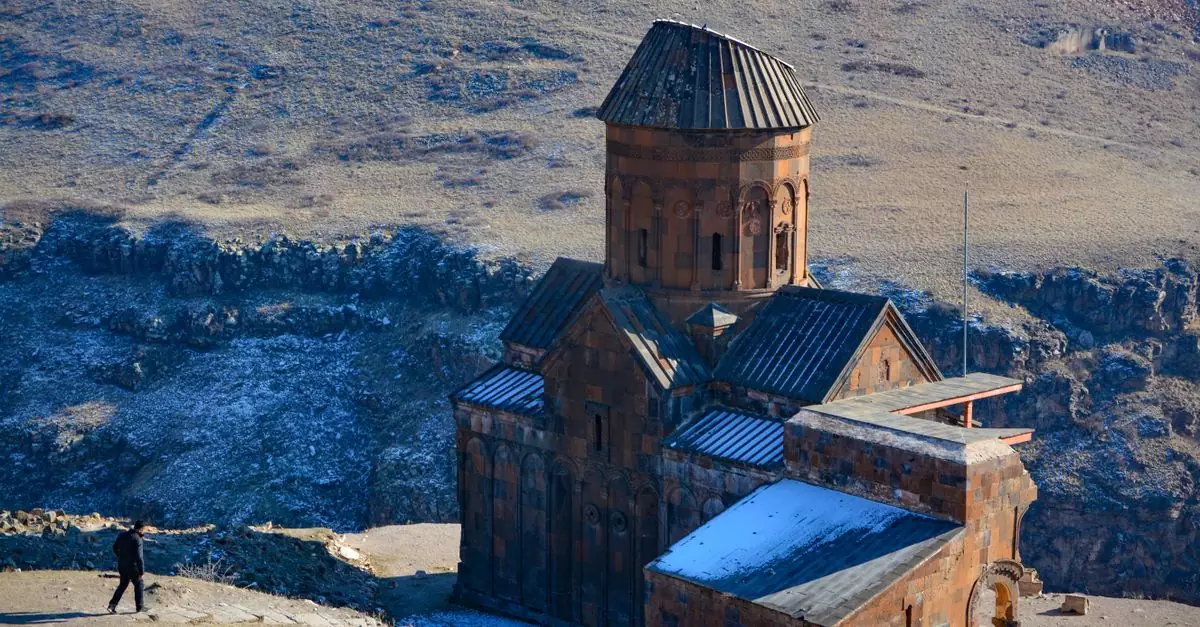
While many travelers flock to predictable snowy landscapes, a world of unique winter adventures awaits those willing to venture off the beaten path. These destinations offer a different kind of magic, from serene cultural experiences to rugged natural beauty, proving that the best winter destinations aren’t always the most obvious.
Kyoto, Japan: Serene Temples and Bamboo Forests in Winter
Kyoto in winter offers a tranquil escape, a stark contrast to its bustling spring and autumn seasons. Snowfall is not guaranteed, but when it arrives, it transforms the city’s iconic temples and gardens into breathtaking scenes. The crisp air makes exploring the Fushimi Inari Shrine’s thousands of vermilion gates or wandering through the Arashiyama Bamboo Grove a deeply peaceful experience.
- Timing: December to February offers fewer crowds and potentially snow-dusted landscapes.
- Activities: Visit Kinkaku-ji (the Golden Pavilion) for its stunning winter reflection, experience a traditional tea ceremony, and enjoy seasonal kaiseki dining.
- Logistics: Kyoto is well-connected by Japan’s efficient rail network. Consider purchasing a Japan Rail Pass if you plan on extensive travel within the country.
Reykjavik, Iceland: Geothermal Wonders and Arctic Adventures
Reykjavik serves as the gateway to Iceland’s dramatic winter landscapes, a prime spot for experiencing the ethereal Northern Lights. The city itself is vibrant, offering cozy cafes and a lively cultural scene, but its true appeal lies in the surrounding natural wonders. Geothermal pools provide a welcome warmth against the cold, and the possibility of witnessing the aurora borealis dancing across the night sky is an unforgettable draw.
- Northern Lights: Aim for late September to early April for the best chances.
- Day Trips: Popular excursions include the Golden Circle (Thingvellir National Park, Gullfoss waterfall, and Geysir geothermal area), the Blue Lagoon, and glacier hiking tours.
- Transportation: Renting a 4×4 vehicle is recommended for independent exploration, especially if venturing outside Reykjavik. Guided tours are a convenient alternative.
Patagonia, South America: Hiking in the Shoulder Season
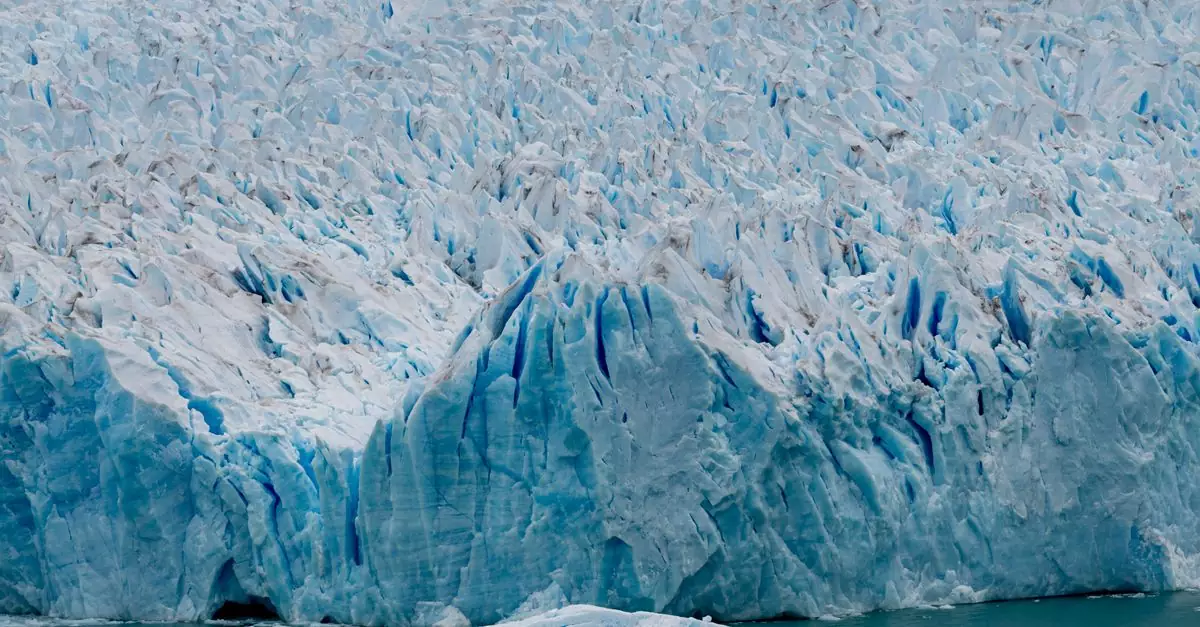
For those seeking dramatic mountain vistas and challenging treks, Patagonia offers an exceptional winter escape during its shoulder seasons. Traveling in May or September means fewer crowds than the peak summer months, with more manageable weather for hiking in areas like Torres del Paine National Park. The dramatic granite spires and vast glaciers are just as impressive, and the crisp, clear air can offer unparalleled visibility.
- Best Months: April-May and September-October provide a good balance of accessibility and fewer tourists.
- Key Attractions: Hiking the W Trek in Torres del Paine, exploring El Chaltén for Fitz Roy views, and whale watching on the coast (seasonal).
- Considerations: Weather can be unpredictable, with strong winds and occasional snow. Pack layers and be prepared for changing conditions. Traveling to South America requires careful planning regarding internal flights and bus routes.
New Zealand’s South Island: Summer Escapes for Southern Hemisphere Winter
When the Northern Hemisphere shivers, New Zealand’s South Island basks in summer sunshine, making it one of the best winter destinations for those seeking outdoor adventures in warmer climes. This is the prime time for hiking, kayaking, and exploring the stunning fjords and mountains. Queenstown buzzes with activity, offering everything from adrenaline sports to scenic cruises on Milford Sound.
- Activities: Hiking the Kepler Track, exploring Fiordland National Park, kayaking in Abel Tasman, and experiencing the adventure sports in Queenstown.
- Weather: Expect pleasant temperatures, though coastal areas can still be breezy.
- Logistics: Domestic flights connect major cities, and car rental is highly recommended for flexibility in exploring the diverse landscapes.
Planning Your Perfect Winter Trip: Essential Tips for Travelers
Choosing the best winter destinations in the world is the first step toward an unforgettable adventure. However, meticulous planning ensures your journey is smooth and enjoyable. From understanding the ideal timing to packing the right gear, several key considerations can elevate your winter travel experience. This section provides practical advice to help you navigate the logistics of a cold-weather vacation.
Best Time to Visit Specific Winter Destinations
The optimal time to visit winter wonderlands varies significantly by region and desired activities. For classic snowy landscapes and winter sports, consider destinations in the Northern Hemisphere from December to February. This period offers peak snow conditions in places like the Swiss Alps or the Canadian Rockies. Conversely, if you’re looking to escape the cold and find warmer winter escapes, consider the Southern Hemisphere during their summer months, which run from December to February. For instance, South America offers diverse climates, with Patagonia experiencing its prime hiking season during this time, while the northern parts of the continent remain warm and inviting.
Timing also influences crowds and prices. Traveling during shoulder seasons, such as late November or early March, can provide a good balance of favorable weather and fewer tourists. Always check local event calendars, as festivals or major sporting events can significantly impact accommodation availability and costs.
Packing Essentials for Cold Weather Travel
Effective packing is crucial for comfort and safety during winter travel. Layering is key. Start with a moisture-wicking base layer, add an insulating middle layer like fleece or down, and top it off with a waterproof and windproof outer shell. Essential items include thermal underwear, warm socks (wool is excellent), a waterproof hat that covers your ears, insulated gloves or mittens, and a scarf or neck gaiter.
Footwear deserves special attention. Waterproof, insulated boots with good traction are essential for snowy or icy conditions. Consider bringing waterproof pants if you plan on participating in snow sports or spending extensive time outdoors. Don’t forget accessories like sunglasses and sunscreen, as the sun’s glare can be intense, especially on snow. For those venturing into extreme cold, hand and foot warmers can be a lifesaver.
Navigating Winter Transportation and Logistics
Winter weather can present unique transportation challenges. Flights can be delayed or canceled due to snowstorms, so building flexibility into your itinerary is wise. When driving, ensure your vehicle is equipped for winter conditions, including snow tires and an emergency kit. Familiarize yourself with local road conditions and any required permits for driving in national parks or mountainous regions.
Public transportation in many popular winter destinations is well-developed. Ski resorts often offer shuttle services, and many European cities have efficient public transit systems that run reliably even in snow. Booking train tickets or rental cars in advance is highly recommended, especially during peak travel times, to secure better prices and availability. Always check the operating status of ferries or cable cars, as they can be affected by severe weather.
Here’s a look at common winter transportation options:
| Transportation Mode | Typical Use Case | Pros | Cons |
|---|---|---|---|
| Flights | Intercontinental or long-distance travel | Speed, convenience for vast distances | Susceptible to weather delays, cost |
| Trains | Scenic routes, city-to-city travel | Comfortable, often bypasses traffic, eco-friendly | Slower than flights, limited by track network |
| Rental Cars | Flexibility, remote area access | Freedom to explore at your own pace | Requires winter driving skills, parking issues |
| Buses/Shuttles | Resort access, local transit | Cost-effective, convenient for specific routes | Can be crowded, less flexible schedule |
| Ferries/Boats | Island hopping, coastal regions | Unique views, relaxing travel | Weather dependent, limited routes |
Budgeting for Your Winter Vacation
Winter travel can range from budget-friendly escapes to luxurious retreats. Costs are often higher during peak holiday seasons like Christmas and New Year’s. To save money, consider traveling in the shoulder months or choosing destinations that are less in demand. Off-season deals can be found for ski resorts and popular tourist areas.
Accommodation costs vary widely. Hostels and budget hotels offer economical options, while chalets and boutique hotels provide a more upscale experience. Look for packages that include lift tickets or other activities if you’re planning a ski trip, as these can offer significant savings. Factor in the cost of activities, food, and local transportation when creating your budget. For example, dining at local markets or preparing some of your own meals can help reduce food expenses, especially when visiting expensive tourist hubs. Researching average daily costs for your chosen destination can provide a realistic financial framework.
Frequently Asked Questions About the Best Winter Destinations
What are the safest winter destinations for solo travelers?
For solo travelers prioritizing safety, consider destinations with well-established tourism infrastructure and low crime rates. Japan, particularly cities like Kyoto and Tokyo, offers an incredibly safe environment with efficient public transport and a respectful culture. Iceland is another excellent choice, known for its minimal crime and stunning natural landscapes that are accessible via guided tours. New Zealand also consistently ranks high for safety, providing opportunities for adventure in a secure setting.
Which winter destinations offer the best budget-friendly options?
Finding affordable winter escapes is possible. Eastern Europe, for instance, offers charming cities like Prague or Budapest with lower costs for accommodation, food, and activities compared to Western Europe. Southeast Asia, while not a traditional snowy winter destination, provides warm-weather budget travel during the Northern Hemisphere’s colder months; countries like Thailand or Vietnam are significantly more affordable than many European or North American locales. For those seeking snow, parts of Eastern Canada can also be more budget-friendly than their US counterparts, especially outside major ski resorts.
| Destination | Estimated Daily Budget (USD) | Accommodation Type |
|---|---|---|
| Prague, Czechia | $60 – $90 | Hostels, budget hotels |
| Budapest, Hungary | $55 – $85 | Guesthouses, hostels |
| Chiang Mai, Thailand | $40 – $70 | Guesthouses, budget hotels |
Are there good winter destinations for families with young children?
Absolutely. Destinations that offer a mix of engaging activities and comfortable amenities are key for family travel. Many ski resorts in the Alps, such as those in Austria or Switzerland, cater specifically to families with dedicated ski schools for children and non-skiing activities like sledding and ice skating. For a warmer option, consider parts of Florida or Southern California, where theme parks and milder weather provide entertainment without the challenges of extreme cold. A trip to a city with engaging indoor attractions, like London with its museums, can also be a hit.
What are the best destinations for experiencing winter wildlife?
Witnessing wildlife in its natural winter habitat is a unique experience. Churchill, Manitoba, Canada, is world-renowned for polar bear viewing during the late autumn and early winter months. For birdwatchers, coastal areas of the United Kingdom or the Pacific Northwest of North America offer opportunities to see migratory birds. In the Southern Hemisphere, visiting Patagonia in South America during its summer (our winter) provides chances to see penguins, seals, and whales in abundance.