South America is a continent of staggering natural beauty, showcasing landscapes that inspire awe. Beyond the well-trodden paths, you can discover some of the planet’s most extraordinary geological formations and ecological marvels. This article explores the best natural wonders across this diverse continent, from Bolivia’s surreal salt flats to Venezuela’s soaring Angel Falls and the dramatic peaks of Patagonia.
You’ll learn about the unique characteristics of each destination, the optimal times to visit, and practical tips for planning your adventure. Get ready to be inspired by South America’s breathtaking natural treasures.
Unveiling South America’s Most Breathtaking Natural Wonders
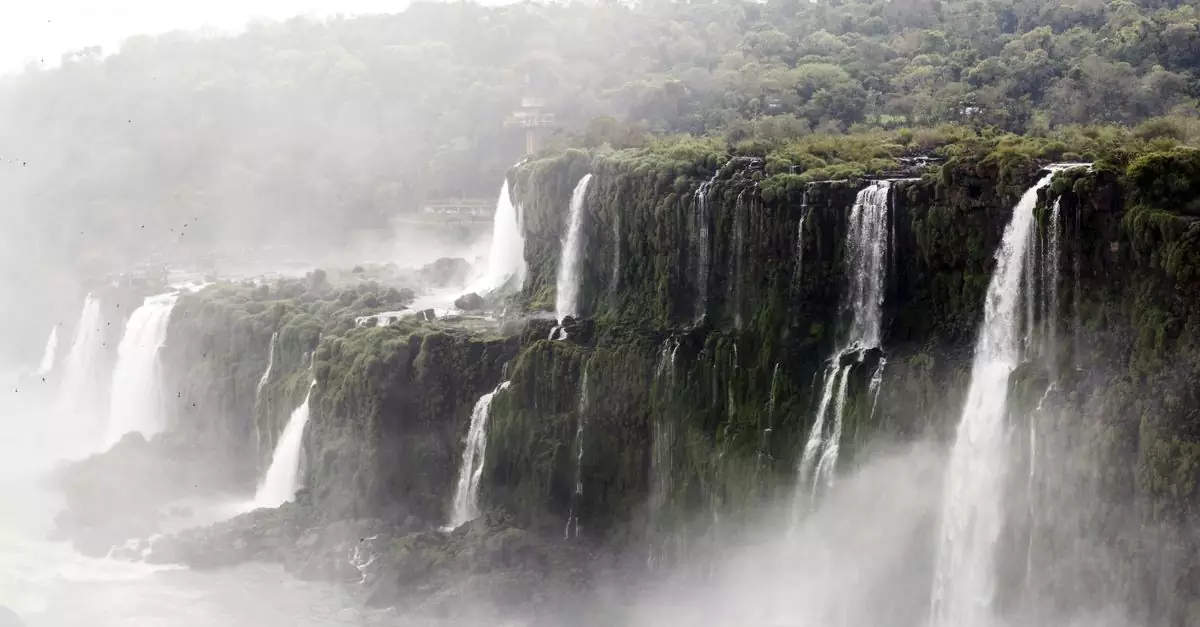
South America offers landscapes that redefine beauty, with extraordinary geological formations and ecological marvels that promise unforgettable adventures for any traveler seeking the spectacular.
Salar de Uyuni, Bolivia: The World’s Largest Salt Flat
Imagine an endless expanse of white stretching to the horizon beneath a brilliant blue sky. Salar de Uyuni in Bolivia is the world’s largest salt flat, a surreal landscape that changes dramatically with the seasons. During the dry season (May to November), the cracked white surface provides endless photographic opportunities and an illusion of infinite space. When the rains arrive (December to April), a thin layer of water creates a mirror effect, reflecting the sky and giving the sensation of walking among clouds.
Getting There and Logistics: Most visitors access Salar de Uyuni via the town of Uyuni. Tours, typically lasting three days, are the most common way to experience the salt flats and nearby attractions like Isla Incahuasi (home to giant cacti) and the colorful lagoons of the Eduardo Avaroa Andean Fauna National Reserve. These tours often include basic accommodation and meals.
- Dry Season (May-Nov): Clear skies and firm ground ideal for mirror photos.
- Wet Season (Dec-Apr): Stunning mirror effect, but some areas may be inaccessible.
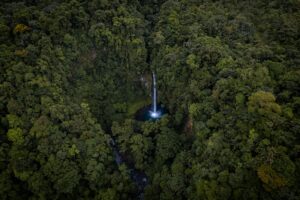
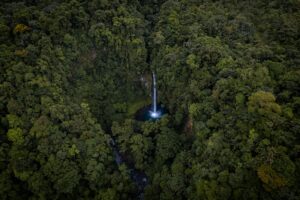
Angel Falls, Venezuela: The Highest Waterfall on Earth
Angel Falls, the world’s highest uninterrupted waterfall, plunges an astounding 979 meters (3,212 feet) from the Auyán-tepui tabletop mountain in Venezuela. The scale is difficult to comprehend until you witness the mist rising from its base, often creating rainbows in the sunlight. Reaching this remote wonder typically involves flights to Canaima National Park, followed by boat trips up the Carrao River.
Travel Considerations: Due to the current political and economic situation in Venezuela, travel to Angel Falls can be challenging and requires careful planning. Access is mainly through organized tours departing from Canaima. The best time to visit is during the rainy season (June to December) when the falls are most powerful.
Torres del Paine National Park, Chile: Patagonia’s Crown Jewel
Torres del Paine National Park in Chilean Patagonia is a UNESCO Biosphere Reserve renowned for its dramatic granite peaks, turquoise lakes, and vast glaciers. This iconic destination is a hiker’s paradise, offering trails for all levels, from day hikes to the challenging “W” Trek and the full “O” Circuit. The park’s diverse wildlife, including guanacos, pumas, and condors, enhances its allure.
Planning Your Visit: The peak season for visiting Torres del Paine is from November to March, featuring longer daylight hours and generally milder weather. However, Patagonian weather is notoriously unpredictable, so be prepared for wind, rain, and sun all in one day. Accommodation ranges from luxury hotels and eco-lodges to campsites within the park. Booking in advance is crucial, especially during peak season.
| Aspect | Salar de Uyuni (Bolivia) | Angel Falls (Venezuela) | Torres del Paine (Chile) |
|---|---|---|---|
| Scenery | Vast salt flats, mirror effect | Highest waterfall, tepuis | Granite peaks, glaciers, lakes |
| Best Season | May-Nov (dry), Dec-Apr (wet) | Jun-Dec (rainy) | Nov-Mar (peak season) |
| Access | Tours from Uyuni | Flights to Canaima, boat | Flights to Punta Arenas, bus/car |
| Adventure | Photography, 4×4 tours | Trekking, boat trips | Hiking, wildlife spotting |
| Budget | Moderate | Moderate to High | High |
Exploring the Amazon Rainforest: A Biodiversity Hotspot
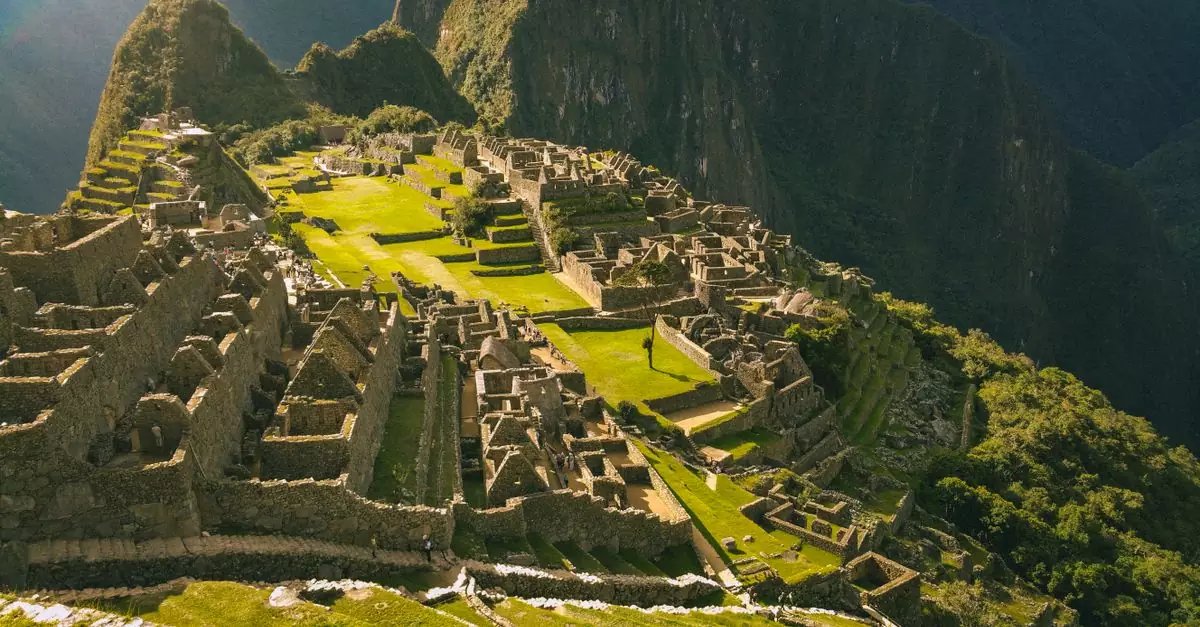
The Amazon Rainforest, a vast and vital ecosystem, is one of the planet’s most significant natural wonders. Spanning nine countries, its sheer scale and unparalleled biodiversity make it a must-see for nature enthusiasts. Experiencing the Amazon requires choosing specific entry points, each offering unique perspectives. Planning your visit involves considering local logistics, the best time to travel, and the type of experience you seek, from wildlife viewing to cultural immersion.
Manaus, Brazil: Gateway to the Amazon River
Manaus, a bustling port city, serves as the primary gateway for many travelers venturing into the Brazilian Amazon. Located at the confluence of the Rio Negro and the Solimões River, it offers a unique starting point to witness the “Meeting of Waters.” From Manaus, numerous lodges and river cruises provide access to the dense jungle. Visitors can arrange excursions for piranha fishing, caiman spotting at night, and guided jungle treks to learn about medicinal plants and local fauna.
Transportation to Manaus is typically by air, with direct flights from major Brazilian cities like São Paulo and Rio de Janeiro. Once in Manaus, boat transfers are the most common way to reach jungle accommodations. The dry season, from July to December, generally provides better conditions for hiking and wildlife spotting as water levels are lower, revealing more trails and concentrating animals near receding riverbanks. However, the wet season (January to June) allows for exploration by canoe through flooded forests, bringing you closer to the canopy.
Accommodation ranges from rustic jungle camps to comfortable eco-lodges and luxury riverboats. Budget travelers might find basic hostels in Manaus, while those seeking a more immersive experience will opt for lodges deep within the rainforest. It’s crucial to book tours and accommodations in advance, especially during peak seasons.
Iquitos, Peru: Immersing in the Peruvian Amazon
Iquitos, the largest city in the world inaccessible by road, is the principal hub for exploring the Peruvian Amazon. This vibrant city on the Amazon River’s banks is a melting pot of indigenous cultures and a launching point for expeditions into protected areas like the Pacaya-Samiria National Reserve. Visitors typically arrive by plane and transition to river travel, embarking on multi-day boat trips.
The Peruvian Amazon is renowned for exceptional wildlife viewing opportunities. Pink river dolphins, giant otters, monkeys, and a staggering array of bird species are commonly sighted. Excursions often include jungle walks, canoe trips through narrow tributaries, and visits to local communities to understand their way of life. The climate in Iquitos is tropical, with high humidity year-round. The high-water season (December to May) is ideal for exploring flooded forests by boat, while the low-water season (June to November) makes land-based excursions more accessible.
Choosing a reputable tour operator is essential for a safe and rewarding experience. Many lodges and cruise companies operate out of Iquitos, catering to various budgets and interests. It’s advisable to pack light, breathable clothing, insect repellent, and sun protection. Travelers should also be aware of health recommendations, such as vaccinations, before their trip.
Yasuni National Park, Ecuador: A UNESCO Biosphere Reserve
Yasuni National Park in Ecuador is celebrated for its extraordinary biodiversity, holding records for the highest number of tree species and amphibian diversity in the Amazon. Designated a UNESCO Biosphere Reserve, it’s a critical area for conservation and offers a pristine jungle experience. Access to Yasuni is primarily through the gateway town of Coca (Puerto Francisco de Orellana), reachable by a short flight from Quito.
From Coca, visitors travel by motorized canoe along the Napo River, a major tributary of the Amazon. Lodges within or near the park offer guided tours focused on deep jungle immersion. Activities often include canopy walks for a bird’s-eye view, night walks to discover nocturnal creatures, and boat excursions to spot anacondas and diverse birdlife. The park’s remoteness contributes to its rich wildlife populations, making it a prime destination for serious nature observers.
The weather in Yasuni is consistently warm and humid. While there isn’t a distinct dry season, rainfall is generally higher between April and July. The best time to visit often depends on specific wildlife viewing goals, but the park is accessible year-round. Accommodations within Yasuni National Park are typically eco-lodges, ranging from comfortable to luxurious, emphasizing sustainability and minimal environmental impact. These lodges often include all-inclusive packages covering transport from Coca, meals, and guided excursions. Travelers planning a visit should consult nationalgeographic.com/travel/destination/south-america for broader regional travel information.
Patagonia’s Glacial Majesty: Ice Fields and Fjords
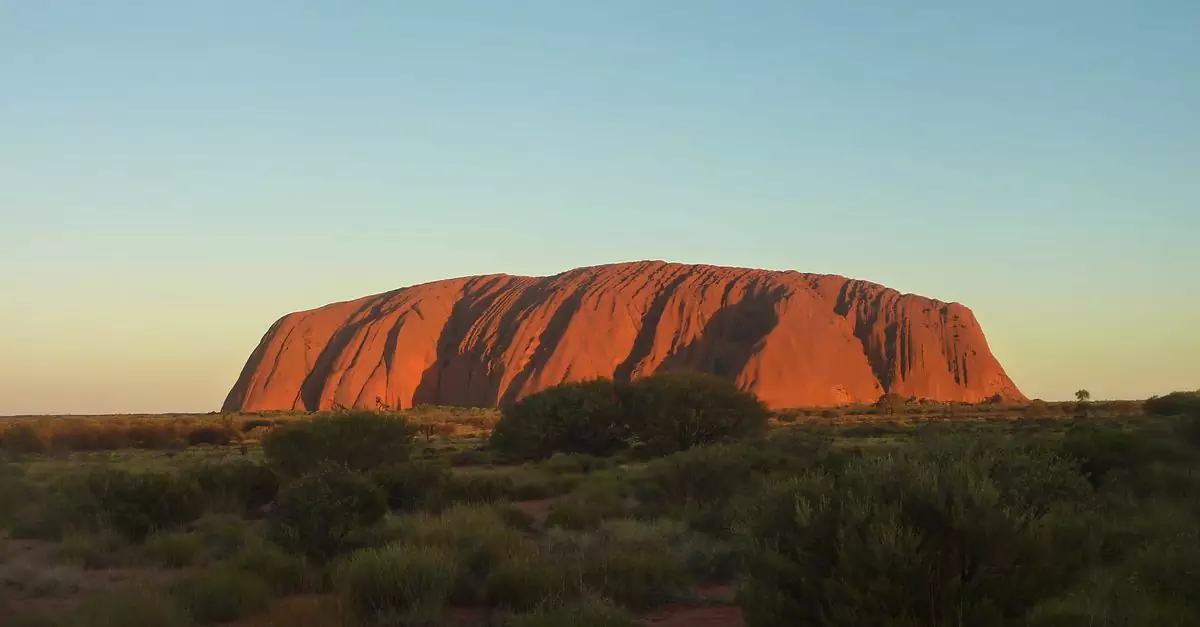
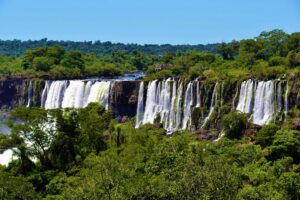
South America boasts some of the planet’s most awe-inspiring natural spectacles, and Patagonia’s glacial landscapes stand out as truly exceptional. This vast region, shared by Argentina and Chile, features colossal ice fields, dramatic fjords, and towering peaks, providing an unparalleled experience for nature lovers and adventurers alike. While Iguazu Falls often takes center stage, Patagonia presents a different yet equally magnificent facet of the continent’s natural wonders.
Perito Moreno Glacier, Argentina: A Dynamic Ice Formation
The Perito Moreno Glacier in Argentina’s Los Glaciares National Park is a testament to glacial power. Unlike many glaciers worldwide that are receding, Perito Moreno remains remarkably stable, advancing into Argentino Lake. Its sheer scale is staggering, stretching over 3 miles wide and standing 240 feet above the water’s surface.
The glacier’s most thrilling characteristic is its constant movement, which causes ice to calve into the lake with thunderous roars. Visitors can witness this spectacle from well-maintained boardwalks offering panoramic views or opt for boat tours that bring you closer to the immense ice wall. For the adventurous, ice trekking excursions allow you to walk on the glacier itself, providing an intimate encounter with this frozen giant.
Getting There: El Calafate is the primary gateway town, with regular bus services connecting to the park. Flights arrive daily at El Calafate’s airport from Buenos Aires.
Best Time to Visit: December to February (summer) offers the warmest weather and longest daylight hours, ideal for outdoor activities.
El Chaltén, Argentina: Hiking Capital of Patagonia
Just a few hours north of El Calafate lies El Chaltén, a charming village renowned as Argentina’s trekking capital. This is the launching point for hikes to iconic peaks like Mount Fitz Roy and Cerro Torre, whose jagged spires dominate the skyline. The trails cater to all fitness levels, from gentle walks to challenging multi-day treks.
The Laguna de los Tres trail, leading to a breathtaking viewpoint of Fitz Roy, is a must-do for serious hikers. Shorter options, such as the Mirador de los Cóndores, offer stunning vistas with less effort. The raw, untamed beauty of the landscape, characterized by windswept grasslands, turquoise lakes, and granite monoliths, makes El Chaltén an unforgettable destination for immersing yourself in the Patagonian wilderness.
Logistics: El Chaltén is accessible by bus from El Calafate. Accommodation ranges from hostels to boutique hotels. It’s advisable to book in advance, especially during peak season.
Cruising the Chilean Fjords: Glaciers and Wildlife Viewing
Venturing into Chile’s Patagonian fjords reveals a captivating glacial environment. These deep, narrow inlets, carved by ancient glaciers, host a rich diversity of marine life and bird species. Cruising through these waterways offers a unique perspective on the region’s natural grandeur.
Many voyages depart from Punta Arenas or Puerto Natales, exploring fjords like Última Esperanza and glaciers such as Balmaceda and Serrano. Keep an eye out for humpback whales, dolphins, sea lions, and various seabirds, including albatrosses and condors. The dramatic scenery, with sheer cliffs plunging into dark waters and icebergs drifting serenely, creates a powerful sense of isolation and natural wonder. These cruises often include opportunities for Zodiac excursions to get closer to calving glaciers and explore remote coves.
Traveler Tip: Several cruise operators offer multi-day expeditions, ranging from luxury voyages to more expedition-focused trips. Consider the duration and itinerary to match your interests and budget. The weather in this region can be unpredictable, so pack layers and waterproof gear regardless of the season.
Unique Geological Formations: From Deserts to Mountains
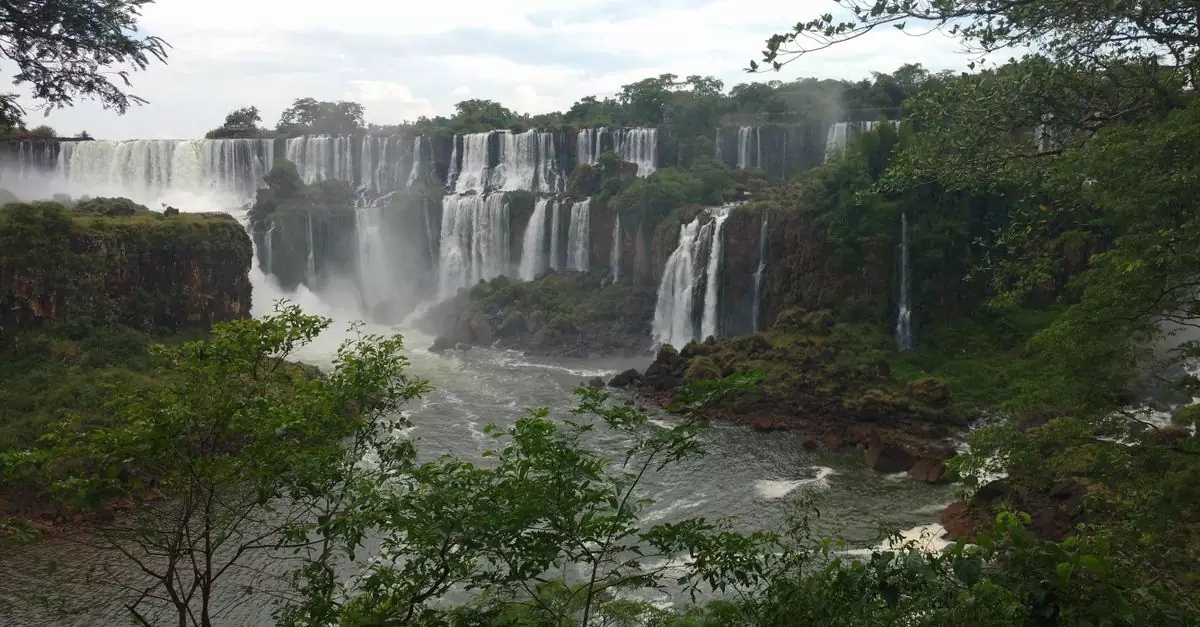
South America’s diverse landscapes offer a dramatic showcase of geological artistry, presenting some of the best natural wonders in the world. Beyond the iconic waterfalls, the continent features arid expanses, towering canyons, and unexpected aquatic oases that challenge conventional notions of natural beauty. These locations provide unique adventures for travelers seeking geological marvels.
Atacama Desert, Chile: Driest Non-Polar Desert on Earth
The Atacama Desert in northern Chile is known as the driest non-polar desert globally. Its stark beauty includes vast salt flats, rugged mountains, and geysers erupting against impossibly clear skies. This arid environment creates unparalleled stargazing opportunities, making it a prime destination for astronomers and casual observers alike.
Travelers often base themselves in San Pedro de Atacama, a charming town that serves as a gateway to the desert’s attractions. Day trips can take you to the Tatio Geysers, Valle de la Luna (Moon Valley) for its lunar-like landscapes, and the Salar de Atacama, a massive salt flat home to flamingos. The altitude can be a factor, so acclimatization is recommended. Visiting between March and May offers pleasant temperatures and fewer crowds.
Lençóis Maranhenses National Park, Brazil: Dunes and Lagoons
Imagine a desert landscape transformed by seasonal rains. Lençóis Maranhenses National Park in northeastern Brazil presents a breathtaking spectacle of vast, rolling sand dunes interspersed with crystal-clear freshwater lagoons. This unique ecosystem is at its most vibrant following the rainy season, typically from May to September, when the lagoons are full and inviting for a swim.
Access to the park is usually via Barreirinhas or Santo Amaro. From these towns, 4×4 vehicles are essential for navigating the sandy terrain to reach the most scenic spots. The sheer scale of the white dunes meeting turquoise waters is unlike any other, offering a surreal and unforgettable experience. Planning your visit during the peak lagoon season is crucial for the full visual impact.
Cañón del Colca, Peru: One of the World’s Deepest Canyons
While the Grand Canyon is widely known, Peru’s Cañón del Colca rivals it in depth and offers a distinct cultural and natural spectacle. This immense canyon, carved by the Colca River, plunges deeper than many of its counterparts and provides a dramatic stage for observing the majestic Andean condor. The Mirador Cruz del Condor is the premier spot to witness these magnificent birds soaring on thermal updrafts, a truly awe-inspiring sight.
The journey to Cañón del Colca typically starts from Arequipa, a beautiful colonial city. The drive is scenic, passing through the Aguada Blanca National Reserve. Visitors can explore traditional villages, hike along the canyon rim, or venture to the canyon floor. The best time to visit is during the dry season, from April to November, for clearer skies and better trekking conditions. Be prepared for varying temperatures due to significant elevation changes.
When is the Ideal Time to Witness South America’s Natural Wonders?
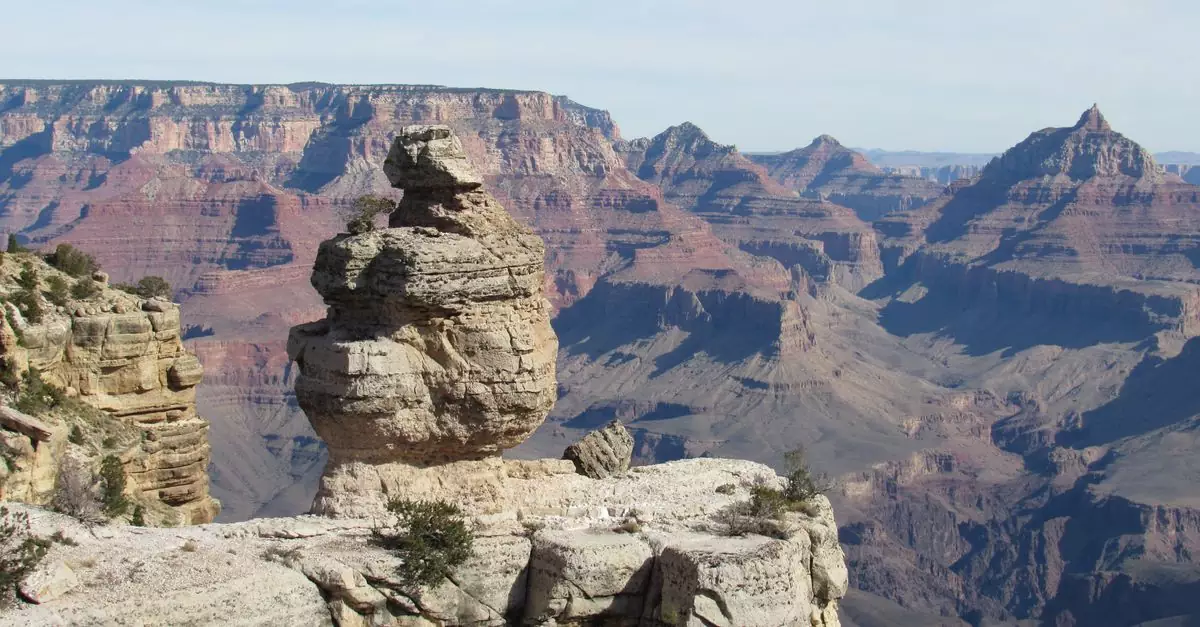
South America’s vast and varied landscapes mean that the “best” time to visit depends heavily on which natural spectacle you aim to experience. Understanding regional climate patterns and specific seasonal phenomena is key to planning an unforgettable trip.
Best Months for Salar de Uyuni’s Mirror Effect
The Salar de Uyuni in Bolivia offers two distinct, breathtaking experiences depending on the season. For the iconic mirror effect, where a thin layer of water perfectly reflects the sky, the wet season is essential, running from December to April. During these months, rainfall transforms the vast white expanse into a colossal mirror, creating surreal photographic opportunities.
However, this period also presents challenges. Roads can become impassable, and tours may need to be rerouted or canceled due to high water levels. Access to certain parts of the salt flat might be limited. The dry season, from May to November, reveals a different kind of beauty. The salt crust hardens, showcasing geometric patterns and allowing easier exploration across the expanse. While the mirror effect is absent, the stark landscape under a clear blue sky is equally stunning.
Navigating Rainy Seasons in the Amazon
The Amazon rainforest, spanning multiple countries including Brazil, Peru, and Ecuador, has a tropical climate with distinct wet and dry seasons, though “dry” is relative in this humid environment. The rainy season typically occurs from December to May in the western Amazon (Peru, Ecuador) and from November to April in the eastern Amazon (Brazil). During this time, rainfall is heaviest, leading to higher river levels.
While heavy rains might deter some, high river levels offer unique advantages for travelers. Boat travel becomes more extensive, allowing access to deeper parts of the rainforest and closer wildlife views along riverbanks. Many lodges provide excursions via canoe or small boat, offering an intimate perspective of the flooded forest. The dry season, from June to November (or May to October in the east), sees receding river levels, exposing more land and making jungle trekking easier while increasing opportunities to spot animals congregating near remaining water sources. Mosquitoes can also be less prevalent during the drier months.
Optimal Seasons for Trekking in Patagonia
Patagonia, shared by Argentina and Chile, is known for its dramatic mountain scenery, glaciers, and windswept plains. Its southern latitude means that seasons are reversed compared to the Northern Hemisphere. The prime trekking season, offering the most stable weather and accessible trails, is during the Patagonian summer: December to February. During these months, days are longer, and temperatures are milder, though strong winds and sudden weather changes are still common.
The shoulder seasons, October to November (spring) and March to April (autumn), can also be excellent times to visit. Spring offers blooming wildflowers and fewer crowds, while autumn showcases stunning fall foliage, particularly in areas like El Chaltén. However, both periods can experience more unpredictable weather, with colder temperatures and increased chances of snow at higher elevations. Winter, from May to September, sees many trails closed due to snow and ice, making it suitable only for experienced, well-equipped adventurers. Planning your visit to Patagonia requires flexibility, as weather can change rapidly at any time of year.
Frequently Asked Questions About South America’s Natural Wonders
What are the essential packing items for visiting diverse natural landscapes?
Packing for South America’s varied natural wonders requires versatility. Given the range from humid rainforests to arid deserts and high-altitude mountains, layering is key. Bring quick-drying clothing, sturdy waterproof hiking boots, and a breathable rain jacket. Don’t forget a wide-brimmed hat and high SPF sunscreen for sun protection, especially at higher elevations. Insect repellent is crucial for jungle and coastal areas.
Consider a reusable water bottle to stay hydrated and reduce plastic waste. A headlamp or flashlight is useful for early morning hikes or exploring caves. Binoculars can enhance wildlife viewing opportunities, and a quality camera will capture breathtaking scenery. For high-altitude regions, thermal layers and a warm hat are essential, even in summer.
How can I travel responsibly to protect these natural sites?
Responsible travel is vital when visiting South America’s natural wonders. Always stay on marked trails to prevent erosion and protect fragile ecosystems. Pack out everything you pack in, leaving no trace behind, including trash and food scraps.
Choose tour operators with strong environmental commitments. Look for companies that employ local guides, support conservation efforts, and minimize their environmental footprint. Respect wildlife by observing from a distance and never feeding animals. When visiting indigenous communities, be mindful of local customs and ask permission before taking photographs. Supporting local economies by purchasing authentic crafts and services also contributes to sustainable tourism. You can find more general information on responsible travel practices through resources like National Geographic.
Are there any lesser-known natural wonders in South America worth exploring?
While Iguazu Falls and Machu Picchu often steal the spotlight, South America holds many other spectacular natural attractions. The Salar de Uyuni in Bolivia, the world’s largest salt flat, transforms into a giant mirror during the wet season, creating surreal photographic opportunities. Its stark white landscape during the dry season is equally mesmerizing, dotted with cacti and flamingos.
Another gem is the Lençóis Maranhenses National Park in Brazil. This unique desert landscape features vast white sand dunes interspersed with crystal-clear freshwater lagoons that form during the rainy season. It offers a stark contrast to Brazil’s more typical tropical scenery. For dramatic fjords and glaciers, consider exploring Patagonia’s less-visited corners beyond the popular Torres del Paine. The Cerro Castillo National Park in Chile offers challenging hikes and stunning vistas with fewer crowds. These destinations provide incredible natural beauty with a more intimate travel experience.