South America is home to some of the planet’s most awe-inspiring arid environments, from the world’s driest non-polar desert to vibrant oasis towns and ancient geological wonders. If you’re in search of dramatic vistas, unique geological formations, and unparalleled stargazing opportunities, these regions should be high on your list. This guide explores the best desert landscapes across the continent, highlighting the unique characteristics of each destination. You’ll discover what makes the Atacama Desert in Chile a stargazer’s paradise, uncover the thrilling adventures awaiting you in Peru’s Huacachina oasis, and journey through Argentina’s paleontological treasures in Ischigualasto and Talampaya National Parks. Prepare to be captivated by the stark beauty and profound geological history etched into these remarkable South American deserts.
Exploring the Atacama Desert: Chile’s Driest Place
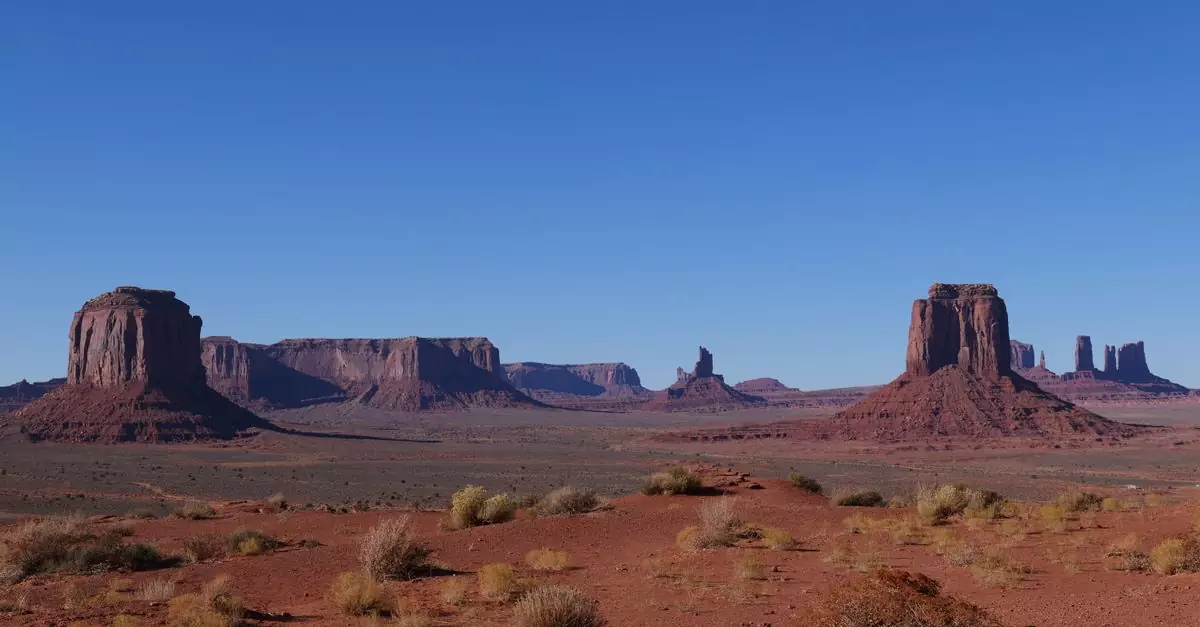
The Atacama Desert in northern Chile exemplifies South America’s stark, arid beauty. Often cited as the driest non-polar desert on Earth, its landscapes include salt flats, volcanoes, geysers, and canyons. San Pedro de Atacama serves as the main gateway town, providing a base for numerous excursions into this extraordinary environment. Visiting the Atacama requires planning, particularly regarding altitude and sun protection, but the rewards are unparalleled vistas and unique geological phenomena.
Valle de la Luna and Valle de la Muerte: Otherworldly Rock Formations
The “Valley of the Moon” and “Valley of Death” are iconic destinations within the Atacama, renowned for their surreal, lunar-like topography. Erosion has sculpted the landscape into dramatic sand dunes, salt crusts, and rock formations resembling sculptures. Valle de la Luna, in particular, offers stunning views, especially at sunset when the changing light casts long shadows and paints the rocks in hues of orange, red, and purple. Valle de la Muerte is popular for sandboarding.
Tours to these valleys typically depart from San Pedro de Atacama in the afternoon, allowing visitors to experience the dramatic sunset. Comfortable walking shoes are essential, as you’ll navigate uneven terrain and sand. Be prepared for intense sun exposure, even on cooler days, and carry plenty of water.
Salar de Atacama: Salt Flats and Flamingo Sightings
Spanning over 3,000 square kilometers, the Salar de Atacama is the largest salt flat in Chile and a crucial habitat for several species of flamingos. The vast expanse of salt crystals, punctuated by turquoise lagoons, creates a striking contrast. Within these lagoons, you can observe Chilean, Andean, and occasionally the rare James’s flamingos feeding on brine shrimp.
Laguna Chaxa is a popular spot for flamingo viewing, featuring accessible boardwalks. The sheer scale of the salt flat is impressive, and the mineral-rich waters contribute to the unique ecosystem. Visiting in the morning or late afternoon offers more comfortable temperatures and better light for photography. The high salt concentration means swimming is more akin to floating, similar to the Dead Sea.
El Tatio Geysers: High-Altitude Geothermal Wonders
Located at over 4,300 meters (14,000 feet), El Tatio is the third-largest geyser field in the world. The best time to visit is at dawn, when the temperature difference between the superheated steam and frigid air creates dramatic plumes rising from the earth. The landscape features numerous geysers, fumaroles, and hot springs.
An early morning departure from San Pedro is necessary, often around 4 AM, to witness the geysers at their most active. The thin air at this altitude can affect some visitors, so acclimatization is recommended. Many tours include breakfast and an opportunity to bathe in a geothermally heated pool. Warm clothing is essential, as temperatures can drop well below freezing before sunrise.
Stargazing in San Pedro de Atacama: A Celestial Spectacle
The Atacama Desert’s exceptionally clear skies, high altitude, and minimal light pollution make it one of the premier stargazing destinations globally. Astronomers have established observatories in the region, including the ALMA (Atacama Large Millimeter/submillimeter Array). Visitors can experience this celestial wonder through various stargazing tours offered in San Pedro.
These tours typically involve a guide who explains constellations, planets, and astronomical phenomena. Many provide telescopes for closer viewing. The dry air and consistent weather patterns contribute to the incredible clarity of the night sky. It’s advisable to book stargazing tours in advance, especially during peak season, to secure a spot. Remember to dress warmly, as desert nights can be surprisingly cold.
The Otherworldly Beauty of Huacachina, Peru
Huacachina, a tiny village built around a natural desert oasis, offers a unique and exhilarating experience for travelers seeking the best desert landscapes in South America. This vibrant spot, set against the vast Ica Desert, feels like stepping onto another planet. It’s a popular stop for backpackers and adventure seekers, easily accessible from the coastal city of Paracas or the larger city of Ica.
Dune Buggy Adventures and Sandboarding Thrills
The primary draw of Huacachina is its dramatic sand dunes, best experienced via a thrilling dune buggy ride. These robust vehicles, piloted by skilled local drivers, ascend and descend the steep sandy slopes with surprising speed. The tours typically include opportunities for sandboarding, where you can slide down the dunes on a board, similar to snowboarding. You can choose to stand up or lie on your stomach for a faster, more intense ride.
Many tour operators offer these excursions directly from the main square in Huacachina. Prices are generally affordable, often around $15-$25 USD per person for a 1-2 hour tour, which usually includes sandboarding equipment. It’s advisable to book your tour upon arrival, as operators are plentiful. Remember to wear sunglasses and a scarf or bandana to protect yourself from the sand.
Lagoon Activities and Oasis Relaxation
While adventure is a major part of the Huacachina experience, the oasis itself provides a tranquil contrast. The emerald-green lagoon is surrounded by palm trees and towering sand dunes, creating a picturesque scene. You can rent paddleboats or rowboats to spend a relaxing afternoon on the water. The water can be cool, offering a refreshing respite from the desert heat.
Accommodations in Huacachina range from budget-friendly hostels to more comfortable hotels, many with pools overlooking the oasis and dunes. Booking in advance is recommended, especially during peak season, which typically runs from June to August. The small size of the village means accommodations fill up quickly.
Sunset Views from the Ica Desert Dunes
As the day draws to a close, the towering dunes surrounding Huacachina transform into a spectacular natural amphitheater for sunset. Climbing to the top of a high dune offers panoramic views of the desert stretching to the horizon, bathed in the warm, golden light of the setting sun. This is a magical time, offering a sense of profound peace and awe.
Many dune buggy tours time their return to coincide with sunset, allowing participants to witness this breathtaking spectacle from a prime vantage point. If you opt for a self-guided walk up the dunes, be sure to bring water and wear sturdy shoes. The sand can be surprisingly hot even in the late afternoon. The experience of watching the colors shift across the vast expanse of sand is truly unforgettable.
Argentina’s Painted Deserts: Ischigualasto and Talampaya National Parks
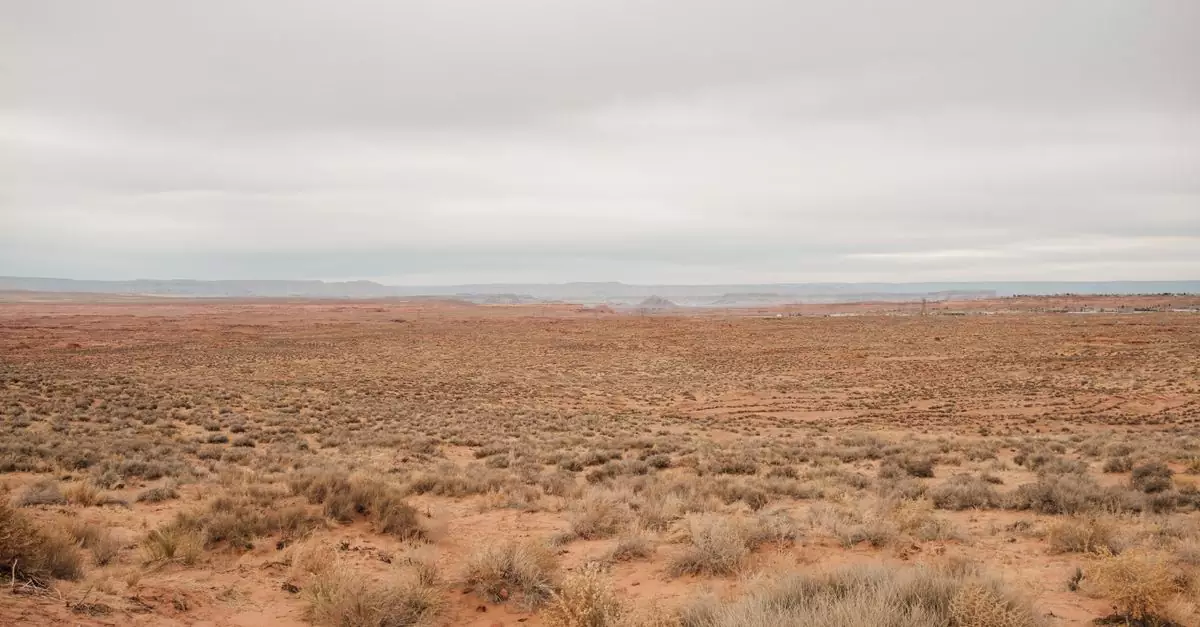
Argentina boasts some of South America’s most striking arid landscapes, with Ischigualasto and Talampaya National Parks offering a journey through geological time. Located in the San Juan and La Rioja provinces, respectively, these parks are UNESCO World Heritage sites celebrated for their unique rock formations and significant paleontological discoveries. Visiting these parks provides a vivid glimpse into the planet’s ancient past, shaped by millions of years of erosion.
Ischigualasto Provincial Park: The Valley of the Moon
Ischigualasto Provincial Park, often called the “Valley of the Moon” (Valle de la Luna), is renowned for its otherworldly rock formations. Wind and water have sculpted the landscape into an array of shapes, including towering mushroom-like hoodoos and smooth, undulating hills. The park’s name, Ischigualasto, comes from the indigenous Quechua language and means “place where the moon fell.”
The geology here is exceptionally well-preserved, showcasing sedimentary layers dating back to the Triassic period. This makes it a crucial site for understanding the evolution of early dinosaurs and mammals. Visitors typically explore the park via guided tours in their own vehicles or rented cars, following a designated circuit that stops at key points of interest like “El Submarino” (The Submarine) and “La Esfinge” (The Sphinx).
Visitor Information:
- Access: The closest town is San Agustín del Valle Fértil, about 70 km away.
- Tours: Entry is usually by guided tour, with departure times set in the morning and afternoon.
- Best Time to Visit: Spring (September-November) and Autumn (March-May) offer pleasant temperatures. Summers can be extremely hot.
Talampaya National Park: Red Rock Canyons and Dinosaur Fossils
Adjacent to Ischigualasto, Talampaya National Park offers a different yet equally spectacular desert experience. This park is characterized by towering red sandstone cliffs, deep canyons, and ancient petroglyphs. It is also a treasure trove for paleontologists, with numerous dinosaur fossils discovered within its boundaries, including the Arcodontosaurus Talampayensis.
The park’s signature feature is the Talampaya Canyon, a dramatic gorge carved by the now-dry Talampaya River. Tours often include a drive through the canyon and stops at archaeological sites. Popular excursions feature visits to the “Cañón de Talampaya” and the “Ciudad Perdida” (Lost City), where ancient cave paintings can be found.
Visitor Information:
- Access: The main entrance is near the town of Villa Unión, La Rioja Province.
- Tours: Guided excursions, often in 4×4 vehicles, are required for deeper exploration beyond the visitor center.
- Activities: Besides scenic drives and geological exploration, birdwatching is also popular.
Road Trip Itinerary: Connecting the Argentinian Desert Parks
Visiting both Ischigualasto and Talampaya National Parks can be combined into a memorable desert road trip. The distance between the two parks is approximately 200 kilometers, making them accessible for a multi-day adventure. Many travelers base themselves in either San Agustín del Valle Fértil or Villa Unión and take day trips to the respective parks.
Suggested Itinerary:
| Day | Location | Activity |
|---|---|---|
| 1 | San Agustín del Valle Fértil | Arrive, settle in. Explore the town. |
| 2 | Ischigualasto Park | Full-day guided tour of the Valley of the Moon. |
| 3 | Drive to Villa Unión | Travel (approx. 3-4 hours). Check into accommodation. |
| 4 | Talampaya National Park | Full-day guided 4×4 tour of canyons and rock formations. |
| 5 | Depart Villa Unión |
This journey offers a profound appreciation for the unique geological and paleontological significance of these arid regions. For those interested in ancient life and dramatic natural formations, these Argentinian parks are among the best desert landscapes to experience in South America. Traveling between these parks requires careful planning, especially regarding vehicle suitability and tour availability, as services can be limited in these remote areas.
When is the Best Time to Visit South America’s Desert Landscapes?
Choosing the right time to visit South America’s unique arid regions significantly impacts your experience, from clear stargazing nights to comfortable hiking conditions. Each desert boasts its own microclimate and peak seasons.
Atacama Desert: Optimal Months for Clear Skies and Mild Temperatures
For the best chance of experiencing the Atacama Desert’s famously clear skies, ideal for astronomical observation, and mild daytime temperatures, aim for the months between March and May, and again from September to November. During these shoulder seasons, summer crowds have thinned, and the intense heat of January and February has subsided. While the Atacama is a desert, it does have a “winter” (June to August) which brings cooler temperatures, especially at night, and a slight chance of cloud cover in some higher altitude areas. However, even during these months, the daytime is often pleasant, and stargazing remains unparalleled.
Huacachina: Peak Season for Adventure Activities
The oasis town of Huacachina, near Ica, Peru, is most vibrant and offers the most stable weather for its renowned dune buggy rides and sandboarding during the dry season, which runs from April to October. This period sees minimal rainfall, ensuring firm sand for thrilling descents and consistent conditions for desert tours. While the sun can be intense, especially in the midday heat, the evenings and early mornings provide a welcome respite. Visiting outside this window, during the wetter months of November to March, can bring occasional rain showers that might disrupt activities and make the sand softer, though it also brings lusher, albeit temporary, greenery to the oasis itself.
Argentinian Desert Parks: Shoulder Seasons for Comfortable Exploration
Argentina’s vast desert landscapes, including regions like the Cuyo and Patagonia’s arid zones, are best explored during their spring (September to November) and autumn (March to May) shoulder seasons. These periods offer a comfortable middle ground, avoiding the scorching heat of summer (December to February) and the biting cold of winter (June to August), especially in Patagonia where temperatures can plummet drastically. Spring brings blooming desert flora, adding color to the rugged terrain, while autumn offers crisp air and stunning golden hues across the landscapes. Planning your trip around these times allows for more enjoyable hiking, photography, and exploration of national parks like Talampaya and Ischigualasto.
Getting Around South America’s Desert Regions
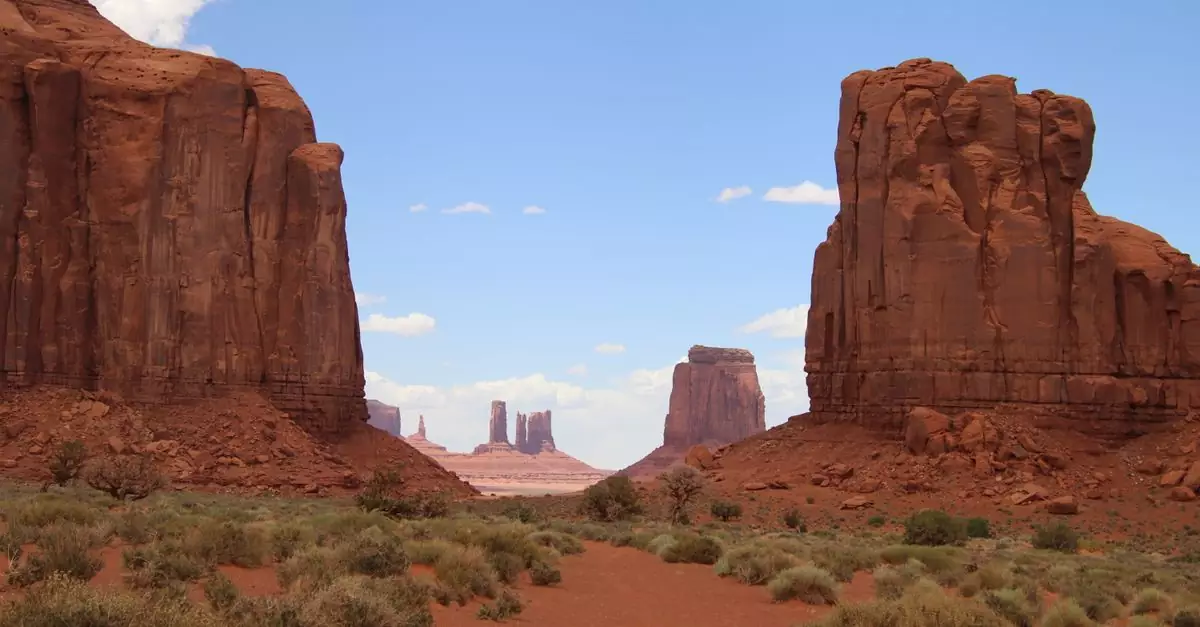
Navigating the vast and varied desert landscapes of South America requires careful planning, especially considering the distances involved. Whether you’re heading to the otherworldly Atacama Desert or the wine country’s drier fringes, understanding your transportation options is key to a successful trip.
Flights to Key Desert Gateways: Calama, Ica, and Mendoza
For many travelers, flying is the most efficient way to reach the primary hubs for desert exploration. Calama, Chile, serves as the main gateway to the Atacama Desert, with frequent flights from Santiago. From Calama, local buses or pre-booked transfers are readily available to San Pedro de Atacama, the region’s main tourist town.
In Peru, Pisco or Lima airports are common entry points for visiting the coastal desert areas and oases like Huacachina near Ica. Flights into Pisco are less frequent, so many opt to fly into Lima and then take a bus. Mendoza, Argentina, is the central point for those interested in the arid landscapes of the Cuyo region, and its international airport receives flights from various South American capitals and Buenos Aires.
Bus Travel: Connecting Major Cities and Desert Towns
Long-distance bus travel is a staple for many journeys across South America and offers a budget-friendly way to reach many desert-adjacent locations. Companies like Cruz del Sur in Peru or TurBus in Chile provide comfortable services connecting major cities to smaller towns closer to the desert.
For instance, a bus journey from Lima to Ica takes around four to five hours, offering glimpses of the changing scenery as you approach the coast. Similarly, traveling by bus from Santiago to San Pedro de Atacama is a common route, though it’s a long overnight journey of about 20 hours. Booking tickets in advance is advisable, especially during peak seasons.
Renting a Car: Flexibility for Desert Exploration
Renting a car offers flexibility for those wanting to venture off the beaten path in South America’s desert regions. This is particularly appealing if you plan to explore areas beyond the main tourist centers or want to set your own pace. In Chile and Argentina, rental agencies are readily available in major cities like Calama and Mendoza.
However, consider the conditions. Roads leading to more remote desert attractions might be unpaved or require a four-wheel-drive vehicle, especially for excursions into high-altitude deserts or sand dunes. Always check the rental agreement regarding driving on unpaved roads and ensure you have adequate insurance. GPS or offline maps are essential, as cell service can be unreliable in remote desert areas.
Guided Tours vs. Self-Drive: Choosing Your Adventure
Deciding between a guided tour and a self-drive adventure depends on your comfort level and desired experience. Guided tours, often departing from San Pedro de Atacama, Ica, or Mendoza, are excellent for accessing specific sites like geysers, salt flats, or stargazing locations without the stress of navigation and logistics.
Local guides provide invaluable insights into the geology, flora, and fauna of these unique environments. For example, a guided tour of the Atacama Desert can take you to the El Tatio geysers at sunrise, a feat best managed with local expertise. On the other hand, self-driving offers unparalleled freedom to discover hidden canyons, remote petroglyphs, or spend extra time at viewpoints that catch your eye. If you are visiting wine regions like Mendoza, renting a car allows for easy hopping between vineyards.
A comparison of transportation approaches can help illustrate the trade-offs:
| Option | Pros | Cons | Best For |
|---|---|---|---|
| Flights | Fastest way to cover long distances to gateway cities. | Most expensive option; requires additional ground transport. | Travelers with limited time; reaching distant desert regions efficiently. |
| Buses | Budget-friendly; extensive network connecting towns. | Can be slow; limited flexibility for spontaneous stops or remote access. | Budget-conscious travelers; moving between cities and established desert towns. |
| Car Rental | Maximum flexibility; ability to explore off-the-beaten-path sites. | Can be costly; requires careful navigation and awareness of road conditions. | Adventurous travelers; those seeking to customize their itinerary and reach remote areas. |
| Guided Tours | Expert knowledge; hassle-free logistics; access to specific sites. | Less flexibility; fixed itineraries; can be more expensive than self-drive. | First-time visitors; those seeking in-depth understanding; travelers prioritizing convenience. |
Frequently Asked Questions About South American Deserts
What are the essential items to pack for a desert trip?
Packing for South America’s arid regions requires focusing on sun protection and hydration. High SPF sunscreen, a wide-brimmed hat, and sunglasses are essential. Lightweight, long-sleeved clothing will shield your skin from intense UV rays and help regulate body temperature.
Don’t forget a reusable water bottle or hydration pack, as staying hydrated is crucial. Comfortable, sturdy hiking boots are necessary for navigating uneven terrain. Consider packing lip balm with SPF and a light scarf or bandana for dust protection. A small first-aid kit is also a wise addition for any adventure.
Are there any safety concerns specific to these desert landscapes?
While generally safe, these unique environments present specific challenges. Dehydration and heatstroke are significant risks, so always carry ample water and pace yourself. Flash floods can occur in canyons and dry riverbeds, even with no rain in sight, so be aware of weather forecasts and local warnings.
Wildlife encounters, though usually rare, can include venomous snakes or scorpions; watch where you step and place your hands. Navigation can be difficult due to vast, featureless expanses, especially in more remote areas. It’s advisable to travel with a guide or inform someone of your itinerary. Respecting the fragile desert ecosystem is crucial; stay on marked trails to avoid damaging vegetation and disturbing wildlife.
What are some lesser-known desert gems to explore in South America?
Beyond the famous Atacama, South America holds several under-the-radar desert destinations. The Talampaya National Park in Argentina offers striking red rock formations and ancient petroglyphs, often less crowded than its more famous counterparts. For a truly remote experience, consider the Islas Ballestas off the coast of Peru, often called the “Galapagos of Peru,” which feature arid islands teeming with marine life and seabirds, a stark contrast to the mainland desert.
Another captivating spot is the Ischigualasto Provincial Park (also known as the Valley of the Moon) in Argentina, famous for its bizarre geological formations sculpted by wind and water over millions of years. These locations provide a more intimate encounter with the continent’s arid beauty, away from large tour groups.
What is the best way to photograph the unique desert scenery?
Capturing the essence of these arid landscapes often involves playing with light and scale. The “golden hours” – shortly after sunrise and before sunset – offer soft, dramatic lighting that accentuates textures and colors. Look for strong silhouettes, patterns in the sand dunes, or the stark contrast between the sky and the earth.
Wide-angle lenses are excellent for showcasing the vastness of the terrain, while telephoto lenses can isolate interesting geological features or distant mountain ranges. A single, striking rock formation against a clear blue sky can be incredibly impactful. Remember to protect your camera gear from dust and sand; a good camera bag and lens cleaning kit are essential for any trip to these best desert landscapes.