South America is a continent of exceptional natural beauty, featuring a diverse range of landscapes rich in unique wildlife. From the misty cloud forests of the Andes to sprawling wetlands and dense rainforests, pinpointing the best scenic wildlife areas involves knowing where to look. This guide explores five remarkable destinations, each offering unforgettable opportunities to observe animals in their breathtaking habitats. You’ll learn what makes each location special, the iconic species you might encounter, and practical tips for planning your visit. Get ready to be inspired by the incredible diversity of South America’s wild heart.
Top 5 Scenic Wildlife Areas for Unforgettable Encounters
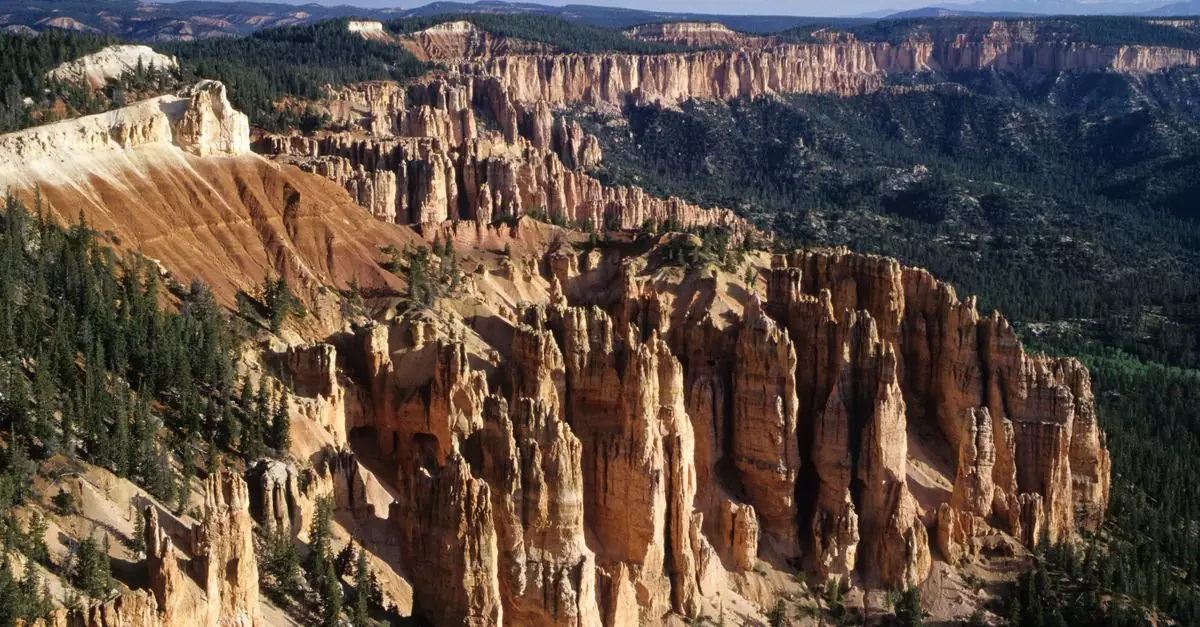
South America boasts a remarkable array of landscapes, each filled with unique wildlife. From lush rainforests to expansive plains, identifying the best scenic wildlife areas requires focused exploration. These five locations stand out for their natural beauty and exceptional opportunities for observing animals in their habitats.
Amazon Rainforest: Brazil, Peru, Ecuador
The Amazon reigns supreme in biodiversity, a vast green expanse spanning several South American countries. The ecosystem here supports an astounding variety of life, much of which remains elusive. A journey into the Amazon immerses you in emerald canopies, winding rivers, and a symphony of animal sounds.
Key wildlife sightings often include playful river dolphins, elusive jaguars (though sightings are rare), capybaras, and a dazzling variety of monkeys. Birdwatchers will delight in spotting macaws, toucans, and many other species. To fully experience the Amazon, consider a riverboat or a jungle lodge, which provides a comfortable base for guided excursions.
- Best time to visit: The dry season (roughly July to December) offers easier navigation and better wildlife visibility along riverbanks. The wet season (January to June) can reveal different species and provide unique flooded forest experiences.
- Getting around: Start with flights to gateway cities like Manaus (Brazil), Iquitos (Peru), or Coca (Ecuador), followed by boat transfers to lodges or cruise ships.
Galapagos Islands: Ecuador’s Unique Marine Life
A UNESCO World Heritage site, the Galapagos Islands serve as a living laboratory of evolution. This volcanic archipelago, located off Ecuador’s coast, is famous for its fearless wildlife, a direct result of its isolation. Visitors can walk among giant tortoises, swim with marine iguanas, and observe blue-footed boobies performing their courtship displays.
The marine environment is equally spectacular, offering opportunities to snorkel or dive alongside sea lions, penguins, sea turtles, and even sharks. Each island presents a slightly different landscape and unique endemic species, making a multi-island cruise the best way to explore. The absence of natural predators has made the animals remarkably unafraid of humans, allowing for close encounters.
- Logistics: Flights depart from mainland Ecuador (Quito or Guayaquil) to Baltra or San Cristobal islands. Cruises are the primary means of visiting multiple islands.
- Conservation: Strict regulations protect the delicate ecosystem. Always follow your guide’s instructions and maintain a respectful distance from wildlife.
Pantanal Wetlands: World’s Largest Tropical Wetland
The Pantanal, spanning parts of Brazil, Bolivia, and Paraguay, is a wildlife paradise that often surpasses the Amazon in animal density. This vast, seasonally flooded grassland provides an open environment, making wildlife spotting considerably easier. It’s particularly famous for its jaguar population, offering some of the best chances globally to see these magnificent cats.
In addition to jaguars, expect to see capybaras, numerous caimans, giant river otters, and a remarkable variety of birds, including hyacinth macaws and jabiru storks. The best way to explore is via a lodge or safari-style tour, often utilizing 4×4 vehicles and boat trips along the rivers and wetlands.
- Peak season: The dry season (May to October) concentrates wildlife around remaining water sources, enhancing sightings.
- Budget tip: While luxury lodges exist, more rustic guesthouses and working ranches (fazendas) provide budget-friendly alternatives.
Torres del Paine National Park: Patagonia’s Majestic Wildlife
Nestled in Chilean Patagonia, Torres del Paine National Park showcases dramatic landscapes of granite peaks, turquoise lakes, and windswept steppes. This rugged beauty is home to iconic Patagonian wildlife, including guanacos, wild relatives of llamas that graze in large herds. The park also provides habitat for the elusive puma, with guided treks offering opportunities to spot these apex predators.
Other notable species include Andean condors soaring overhead, rheas (large, flightless birds), and various waterfowl. Hiking is the primary way to experience the park, with well-maintained trails ranging from day hikes to multi-day treks like the famous “W” circuit. The sheer scale of the scenery creates a stunning backdrop for wildlife viewing.
- When to go: The shoulder seasons (spring: September-November, autumn: March-May) feature fewer crowds and beautiful fall colors, while summer (December-February) offers the best weather but is the busiest.
- Getting there: Fly into Punta Arenas or Puerto Natales in Chile, then take a bus to the park entrance.
Iguazu Falls National Park: Diverse Ecosystems Surrounding Waterfalls
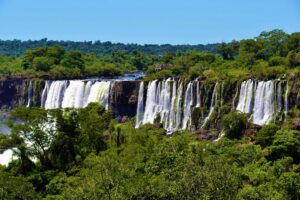
While the awe-inspiring Iguazu Falls themselves are a natural wonder, the surrounding national parks in both Brazil and Argentina protect a vibrant ecosystem brimming with life. The humid subtropical climate and dense Atlantic rainforest create a haven for numerous species, many of which are accustomed to the presence of park visitors.
Expect to see coatis, colorful toucans, playful monkeys, and a dazzling array of butterflies. The sheer volume of water also supports unique aquatic life. Exploring the well-developed network of walkways and boardwalks allows for intimate encounters with the falls and the wildlife that inhabits the spray-laden jungle.
- Best viewing: Both sides offer unique perspectives; the Argentinian side allows for closer proximity to the falls via extensive walkways, while the Brazilian side provides panoramic vistas.
- Traveler tip: Wear comfortable, waterproof shoes and be prepared for humidity, especially during the warmer months.
When to Visit South America’s Best Scenic Wildlife Areas
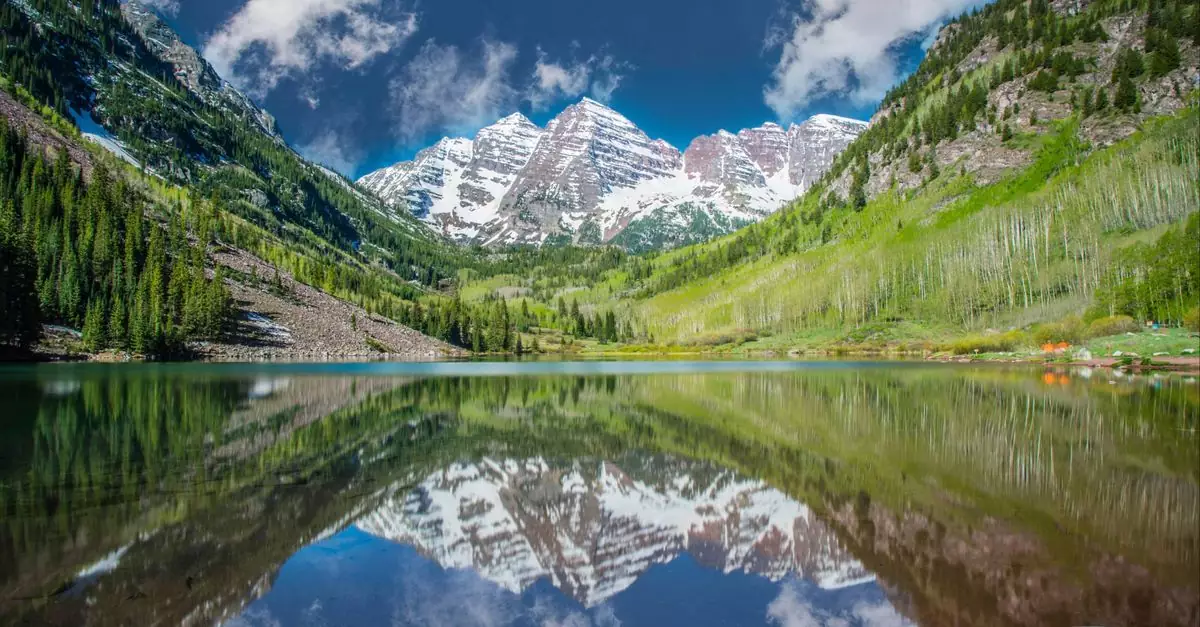
Timing your visit to South America’s diverse wildlife hotspots can greatly enhance your experience, from maximizing animal sightings to avoiding challenging weather conditions. Each region has unique seasonal patterns that influence animal behavior and accessibility, helping you plan a rewarding trip.
Best Time to Visit the Amazon for Wildlife Spotting
The Amazon rainforest presents two main seasons: the wet season (roughly December to May) and the dry season (June to November). During the wet season, rising water levels allow boat access to flooded forests, bringing you closer to arboreal animals and aquatic species like pink river dolphins. Many travelers find this period excellent for observing wildlife from canoes.
Conversely, the dry season concentrates animals around remaining water sources, making them easier to spot on riverbanks and trails. This period also provides better hiking conditions and fewer mosquitoes. For many, the dry season is considered the prime time for wildlife viewing due to easier navigation and more concentrated animal activity.
Optimal Seasons for Galapagos Wildlife Tours
The Galapagos Islands offer remarkable wildlife encounters year-round, but specific periods highlight different natural phenomena. The warm, wet season (December to May) brings calmer seas, ideal for snorkeling and diving, and it’s breeding season for many iconic species like marine iguanas and sea turtles. You’ll also witness blue-footed boobies performing their mating dances.
The cooler, dry season (June to November), known as the “Garúa” season, features misty conditions and cooler ocean temperatures. This period is excellent for observing sea lions, penguins, and flightless cormorants, as cooler waters attract more marine life. Whales and dolphins are also more frequently sighted during these months. Both seasons provide unique opportunities, making the Galapagos a year-round destination.
Dry vs. Wet Season in the Pantanal: Pros and Cons
The Pantanal, the world’s largest tropical wetland, has distinct dry and wet seasons that dramatically alter the landscape and wildlife viewing. The wet season (approximately November to March) transforms the region into a vast network of lakes and flooded plains. While travel can be more challenging due to high water levels, this period is superb for spotting aquatic birds and jaguars, often seen hunting along riverbanks.
The dry season (April to October) sees water levels recede, concentrating wildlife into smaller areas and making them more visible. This is often regarded as the peak season for jaguar sightings, as they are easier to find near remaining water bodies. It’s also the best time for hiking and exploring land-based habitats.
| Season | Pros | Cons | Best For |
|---|---|---|---|
| Wet Season | Excellent for jaguars, aquatic birds, boat access to flooded areas | Difficult overland travel, higher mosquito presence, some areas inaccessible | Jaguar photography, birdwatching from boats |
| Dry Season | High visibility of most wildlife, excellent jaguar sightings | Can be very hot, less lush vegetation, overland travel is easier | Land-based safaris, jaguar tracking |
Patagonia’s Shoulder Seasons: Avoiding Crowds in Torres del Paine
For those visiting Torres del Paine National Park, the shoulder seasons provide a balance of good weather and fewer crowds. The peak summer months (December to February) feature the warmest weather and longest daylight hours but are also the busiest and most expensive. For a more tranquil experience, consider visiting in spring (September to November) or autumn (March to May).
During these shoulder months, excellent hiking conditions can still be found, though weather can be unpredictable with potential for wind and snow. Wildlife, including guanacos, condors, and possibly pumas, remains active. Autumn, in particular, offers stunning fall foliage, adding another layer of scenic beauty to the dramatic Patagonian landscapes.
Wildlife Viewing Around Iguazu Falls Throughout the Year
Iguazu Falls, a UNESCO World Heritage site, is surrounded by subtropical rainforest that supports a rich diversity of wildlife. While the falls are a spectacle year-round, wildlife viewing opportunities can vary. The wet season (December to March) often brings heavier rainfall, which can affect trail access and visibility. However, the lush vegetation is at its peak, and many animals are more active.
The drier months (April to November) typically offer more stable weather for exploring the many trails and walkways around the falls. This period is excellent for spotting various bird species, coatis, monkeys, and perhaps even a glimpse of a jaguar. Regardless of the season, the surrounding Atlantic Forest provides a vibrant backdrop for observing nature.
Getting to and Around South America’s Wildlife Hotspots
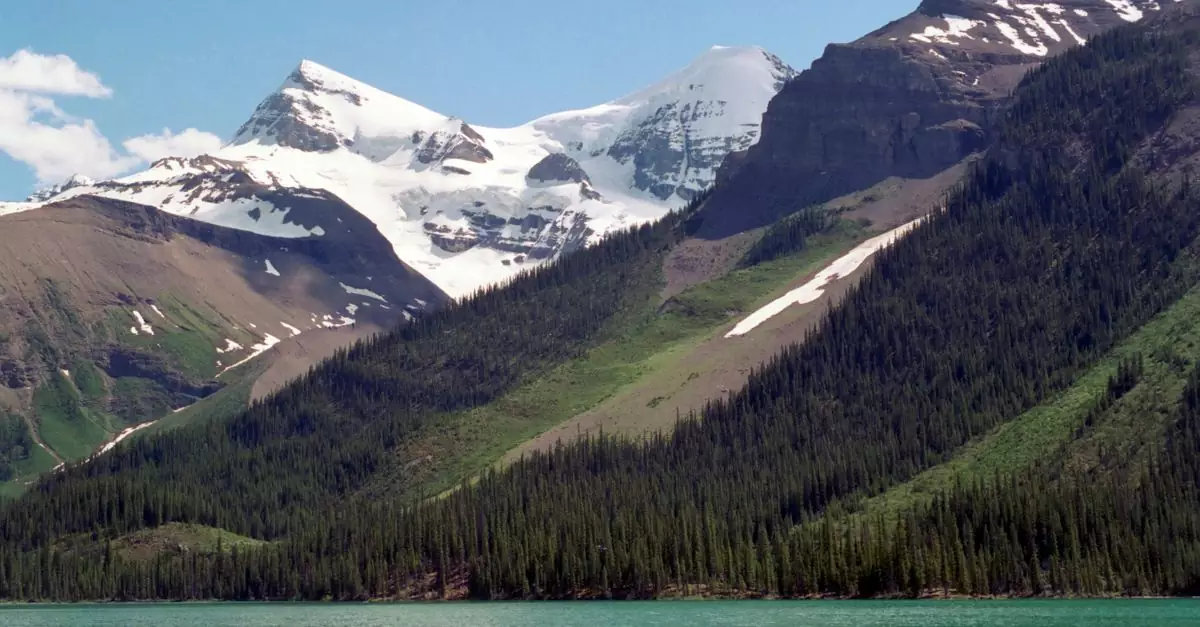
Reaching the continent’s premier wildlife destinations requires planning, but the rewards are significant. Understanding your transportation options will streamline your journey and maximize your time observing nature.
Flights to Gateway Cities for Amazon Expeditions
Most travelers entering the Amazon rainforest will fly into a major gateway city. Iquitos in Peru and Manaus in Brazil are common entry points, offering direct flights from major South American hubs like Lima and São Paulo. From these cities, arrange boat transfers or smaller charter flights to reach your chosen lodge or research station. Booking flights in advance is crucial, especially during peak travel seasons, to secure better fares.
Navigating the Galapagos: Cruises vs. Land-Based Options
The Galapagos Islands present a unique logistical choice: a live-aboard cruise or a land-based approach. Cruises enable access to more remote islands, maximizing wildlife viewing opportunities with daily excursions. They often include all-inclusive packages for meals and guided tours.
Land-based stays in towns like Puerto Ayora on Santa Cruz Island provide more flexibility and can be more budget-friendly. Day trips by boat to nearby islands and snorkeling spots are readily available. This option also allows for greater interaction with local culture and varied dining experiences.
| Option | Pros | Cons |
|---|---|---|
| Cruise | Access to remote islands, efficient itinerary, all-inclusive | Higher cost, less flexibility, potential for seasickness |
| Land-Based | More budget-friendly, greater flexibility, cultural immersion | Limited to accessible islands from base, requires more day-trip planning |
Road Trip Itinerary from Cuiabá to the Pantanal
For those seeking to experience the Pantanal, a road trip from Cuiabá, Brazil, is a popular and rewarding adventure. Cuiabá serves as the primary gateway to the Northern Pantanal. The journey involves driving along the scenic Transpantaneira highway, a dirt road that stretches for over 140 kilometers.
This unpaved road itself is a wildlife viewing opportunity, with caimans, capybaras, and numerous bird species often visible from the car. Along the way, various lodges and pousadas offer guided tours, boat trips, and horseback riding. Renting a 4×4 vehicle is advisable for this trip, especially during the wet season (November to March), though the dry season (May to October) generally offers easier driving conditions.
Transportation Options to Torres del Paine
Reaching Torres del Paine National Park in Chile typically involves flying into Punta Arenas or El Calafate (in Argentina) and then taking a bus or renting a car. Punta Arenas is the closest major airport, with regular flights from Santiago. From Punta Arenas, a bus journey of about 5-6 hours will take you to Puerto Natales, the main gateway town to the park.
Alternatively, renting a car offers flexibility for exploring the park at your own pace and stopping at various viewpoints. The roads within the park are mostly unpaved gravel, requiring careful driving. If opting for public transport, booking bus tickets in advance is recommended, especially during high season (December to February).
Accessing Iguazu Falls National Park from Brazil and Argentina
Iguazu Falls straddles the border of Brazil and Argentina, and visiting both sides offers distinct perspectives. The Brazilian side provides panoramic, sweeping views of the falls, while the Argentinian side allows for closer, more immersive experiences with trails leading right up to and over the cascades.
To access the Brazilian side, fly into Foz do Iguaçu (IGU). From the airport, taxis or local buses can take you to the park entrance. For the Argentinian side, fly into Puerto Iguazú (IGR). Both towns offer accommodation and dining options. Traveling between the two sides involves crossing the border, which can be done via taxi or bus, but be prepared for potential delays at border control. Many visitors opt for multi-day tours covering both park entrances for a comprehensive experience.
What Wildlife Can You See in South America’s Scenic Areas?
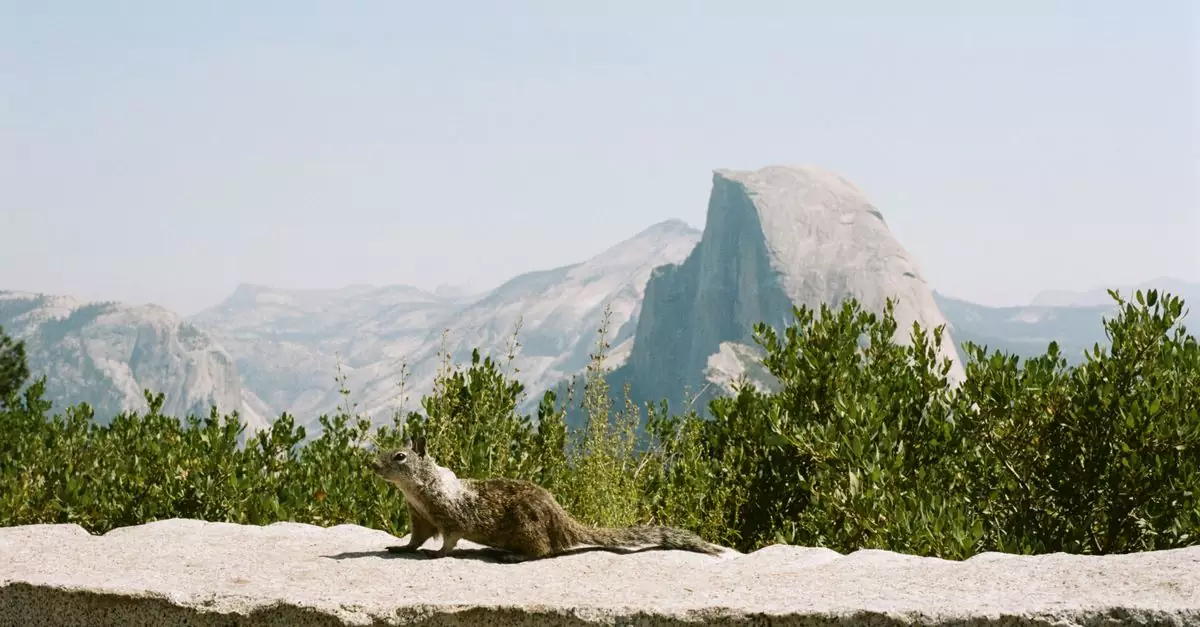
South America boasts an unparalleled diversity of ecosystems, each teeming with unique and often iconic wildlife. From dense rainforests to vast wetlands and rugged coastlines, the continent offers incredible opportunities for nature enthusiasts to witness remarkable creatures in their natural habitats. Understanding the species that inhabit these scenic wildlife areas can help shape your travel plans and expectations.
Iconic Amazonian Species: Jaguars, Macaws, and Pink River Dolphins
The Amazon rainforest, the largest tropical rainforest in the world, is a prime destination for spotting some of South America’s most sought-after animals. Jaguars, the apex predators of this region, are elusive but can sometimes be seen resting on riverbanks or hunting. Vibrant macaws, including scarlet and blue-and-yellow varieties, paint the sky with color as they fly in flocks, their calls echoing through the trees.
One of the most unique encounters is with the Amazon river dolphin, often referred to as the “pink river dolphin” due to its distinctive coloration. These intelligent mammals are a common sight in the Amazon’s waterways. Observing them requires patience, often best achieved on boat tours in areas like the Pacaya-Samiria National Reserve in Peru or near Manaus in Brazil. Traveling during the dry season (roughly June to November) can concentrate wildlife along shrinking riverbanks, enhancing viewing opportunities.
Endemic Wildlife of the Galapagos: Giant Tortoises and Marine Iguanas
The Galapagos Islands, a volcanic archipelago off Ecuador’s coast, are a living laboratory of evolution, famous for their fearless and unique wildlife. Giant tortoises, some weighing over 500 pounds, are the undisputed stars, lumbering across the highlands of islands like Santa Cruz and Isabela. These ancient reptiles can live for over a century, offering a glimpse into a prehistoric world.
Marine iguanas, the world’s only sea-going lizards, are another Galapagos marvel. They can be seen basking on volcanic rocks or swimming in the ocean to feed on algae. The islands also host blue-footed boobies, Galapagos penguins, and sea lions, all remarkably unafraid of human presence. Visiting the Galapagos is a significant investment, with most travelers opting for multi-day cruises that navigate between islands, allowing access to diverse visitor sites. Planning your trip outside peak summer months can yield lower prices and fewer crowds.
Mammals of the Pantanal: Capybaras, Giant Otters, and Hyacinth Macaws
The Pantanal, primarily in Brazil but extending into Bolivia and Paraguay, is the world’s largest tropical wetland and an exceptional place for wildlife viewing. It offers a more accessible experience than much of the Amazon for observing large mammals. Capybaras, the world’s largest rodents, are abundant and often seen in large social groups near water.
Giant otters, with their playful nature and distinctive calls, are a highlight for many visitors. These sleek predators often fish in the Pantanal’s extensive river systems. The area is also a stronghold for the magnificent hyacinth macaw, the largest parrot species, recognizable by its striking cobalt-blue plumage. Boat safaris and horseback riding excursions are popular ways to explore the Pantanal, with the dry season (May to September) generally considered the best time to visit as water levels recede, concentrating animals.
Patagonian Predators and Grazers: Pumas, Guanacos, and Condors
At the southern tip of South America, Patagonia presents a dramatic landscape of mountains, glaciers, and steppes, supporting a distinct set of wildlife. While often associated with harsh conditions, it’s a prime location for spotting pumas, South America’s largest cat. Torres del Paine National Park in Chile is particularly renowned for its puma population, offering guided treks for dedicated trackers.
Guanacos, wild relatives of the llama, frequently graze in herds across the open plains, their graceful forms silhouetted against the rugged terrain. Soaring above, the Andean condor, one of the world’s largest flying birds, is an awe-inspiring sight. Its impressive wingspan allows it to glide effortlessly on thermal currents. The shoulder seasons, spring (September-November) and autumn (March-May), often provide the best balance of moderate weather and fewer visitors in this windswept region.
Birdlife and Mammals Amidst the Iguazu Waterfalls
While the thundering Iguazu Falls are a spectacle of nature, the surrounding Iguazu National Park is also a haven for wildlife. The humid subtropical forest provides a rich habitat for a variety of bird species, including toucans, parrots, and hummingbirds, their vibrant colors contrasting with the lush greenery.
Mammals like coatis, small raccoon-like omnivores, are commonly seen around visitor areas, often foraging for scraps. Larger mammals such as tapirs, capuchin monkeys, and even jaguars inhabit the deeper forest, though sightings are rarer. The sheer scale of the falls and the dense surrounding jungle create a unique environment where dramatic geological features and diverse fauna coexist. Exploring the numerous boardwalks and trails offers excellent opportunities for birdwatching and casual mammal sightings.
Planning Your South America Wildlife Adventure: Essential Tips
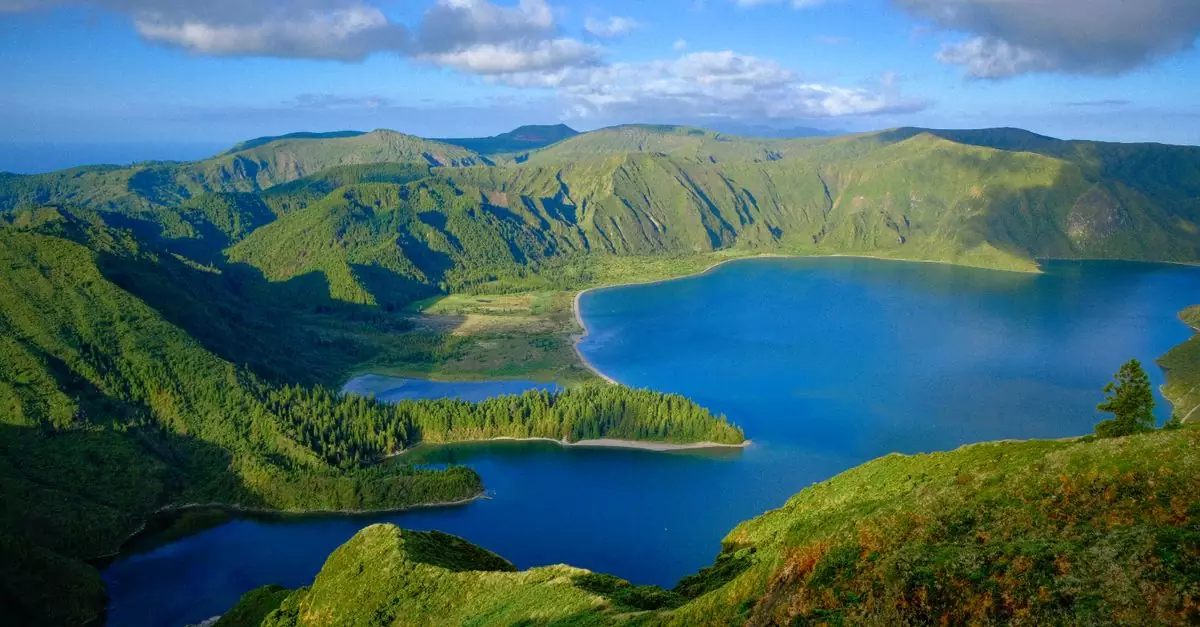
Embarking on a journey to witness South America’s incredible biodiversity requires thoughtful preparation. From the dense Amazon rainforest to the high-altitude Andes, each ecosystem presents unique challenges and rewards. Understanding logistics, packing appropriately, and practicing responsible tourism will significantly enhance your experience.
Choosing the Right Wildlife Tour Operator
Selecting a reputable tour operator is crucial for a safe and rewarding wildlife trip. Look for companies with a strong track record in responsible tourism, employing local guides, and adhering to ethical wildlife viewing practices. Consider operators that specialize in the specific habitats you wish to visit, such as Amazonian lodges or Andean trekking companies.
Many operators offer varying levels of comfort and immersion. Some focus on luxury lodges with guided excursions, while others cater to more adventurous travelers seeking remote expeditions. Researching reviews and understanding their conservation efforts can help you find the best fit for your adventure.
Packing Essentials for Tropical Rainforests and Wetlands
Packing for South America’s diverse wildlife destinations requires a strategic approach. For humid regions like the Amazon basin, lightweight, quick-drying clothing is essential. Include long-sleeved shirts and trousers to protect against insects and the sun. A quality insect repellent with DEET is a must, alongside a wide-brimmed hat and high SPF sunscreen.
Waterproof gear is also vital. A lightweight rain jacket and waterproof trousers will keep you dry during sudden downpours. Comfortable, broken-in hiking boots with good ankle support are indispensable for navigating muddy trails. Don’t forget binoculars for spotting distant wildlife and a reusable water bottle to stay hydrated.
Photography Gear for Capturing South American Wildlife
Capturing the vibrant wildlife of South America requires more than just a smartphone. For serious photographers, a DSLR or mirrorless camera with a telephoto lens (e.g., 300mm or longer) is highly recommended for close-up shots of animals without disturbing them. A wide-angle lens can be useful for landscape shots of stunning environments.
Consider bringing extra batteries and memory cards, as power sources can be limited in remote areas. A sturdy, waterproof camera bag will protect your equipment from humidity and rain. For low-light conditions, such as early morning or late evening wildlife viewing, a camera with good low-light performance or a fast lens is beneficial.
Responsible Wildlife Tourism Practices
Traveling responsibly ensures the preservation of South America’s natural wonders for future generations. Always maintain a respectful distance from wildlife and avoid feeding animals, as this can disrupt their natural behaviors and diets. Follow the guidance of your tour guides regarding safe viewing distances and ethical interactions.
Choose tour operators that actively contribute to conservation efforts and support local communities. Minimize your environmental impact by staying on marked trails, avoiding single-use plastics, and properly disposing of waste. Ethical wildlife tourism prioritizes the well-being of animals and their habitats above all else.
Budgeting for Your South American Wildlife Trip
The cost of a wildlife adventure in South America can vary significantly depending on the destination, duration, and level of accommodation. Major hubs like Lima, Peru, or Rio de Janeiro, Brazil, offer a range of travel options, but remote wildlife lodges and expeditions can be pricier.
Consider the following factors when budgeting:
| Cost Category | Estimated Range (USD) | Notes |
|---|---|---|
| Flights to Continent | $800 – $1500+ | Varies by departure city and time of booking |
| Internal Flights/Buses | $100 – $500 | Depends on travel within the continent |
| Accommodation | $50 – $500+ per night | Ranges from budget hostels to luxury eco-lodges |
| Tours & Activities | $50 – $300+ per day | Amazon tours, Galapagos cruises, trekking expeditions are costly |
| Food & Drink | $30 – $70 per day | Varies by location and dining choices |
| Visas & Insurance | $50 – $200 | Check requirements for your nationality |
Many wildlife-focused trips, particularly those involving specialized lodges or cruises in areas like the Galapagos Islands or the Pantanal, often include most meals and activities, simplifying budgeting once you arrive. Booking in advance, especially for peak seasons, can sometimes secure better rates.
Frequently Asked Questions About South America’s Wildlife Destinations
Are South America’s wildlife areas safe for tourists?
Safety in South America’s wildlife areas largely depends on the specific location and the precautions taken. Major tourist destinations, such as national parks in Ecuador or popular Amazon lodges, generally have established safety protocols and experienced guides. It’s crucial to research your chosen destination, follow guide instructions diligently, and be aware of your surroundings. Avoiding remote, unguided excursions is advisable for most travelers.
What are the best family-friendly wildlife viewing locations?
Several locations cater well to families. The Galápagos Islands in Ecuador offer close encounters with unique, unafraid wildlife, making it a top choice for all ages. Costa Rica, though not strictly South America, shares many similar accessible rainforest experiences. Within South America, parts of the Pantanal in Brazil provide boat tours and lodges with good viewing opportunities for caimans, capybaras, and numerous bird species, often with less strenuous travel than deep Amazon expeditions. The Peruvian Amazon also offers family-friendly lodges with organized activities.
Can I spot rare animals in these areas?
Spotting rare animals is always a possibility in South America’s diverse ecosystems, but it’s never guaranteed. The Manu National Park in Peru is renowned for its incredible biodiversity, offering chances to see jaguars, giant otters, and macaws, though sightings require luck and patience. Similarly, the Galápagos Islands are home to endemic species like marine iguanas and blue-footed boobies that are rare elsewhere. The Pantanal is one of the best places in the world to see jaguars in the wild, especially during the dry season. Success often depends on the expertise of your guides, the time of year, and a bit of fortune.
What is the most affordable way to see South America’s wildlife?
Traveling independently and opting for more rustic accommodations can significantly reduce costs. Instead of exclusive lodges, consider staying in local towns near natural reserves and hiring local guides for day trips. Bus travel between cities is generally inexpensive across much of the continent. For instance, exploring wildlife around Puerto Maldonado in Peru or Bonito in Brazil can be more budget-friendly than flying into more remote Amazonian regions or the Galápagos. Camping or staying in hostels can also lower accommodation expenses. However, balance cost with safety and the quality of wildlife viewing experiences.