South America beckons with a remarkable array of landscapes, and experiencing them from the window of a train offers a unique perspective. For travelers seeking the best scenic rail adventures, this continent presents journeys that traverse dramatic Andean peaks, lush valleys, and vast Patagonian steppes. This guide will unveil breathtaking rail routes, from the iconic Tren a las Nubes in Argentina to the historic pathways leading to Machu Picchu in Peru. You’ll discover essential tips for planning your trip, including the best times to travel, how to book tickets, and what to expect onboard. Prepare to be inspired by the magic of train travel through South America’s stunning vistas and vibrant cultures.
Why Choose South America for Your Next Scenic Rail Journey?
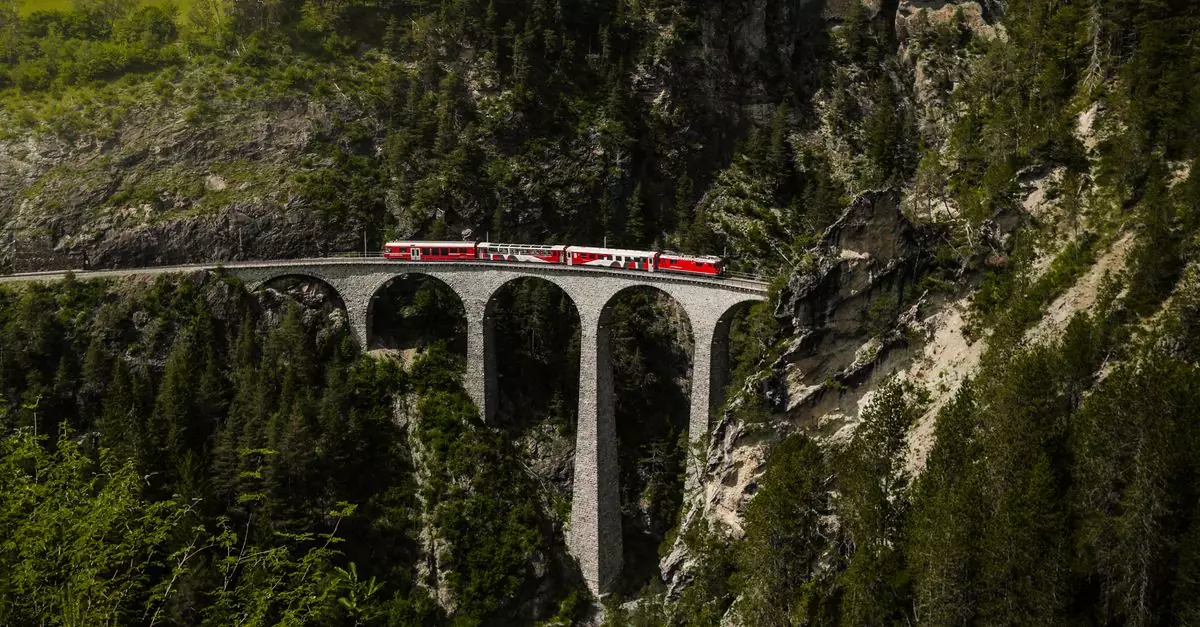
South America offers a captivating tapestry of landscapes and cultures, making it an exceptional choice for those seeking scenic rail adventures. Beyond the well-trodden paths, its railway network provides a unique lens through which to experience the continent’s dramatic geography and rich heritage. Opting for a train journey here means choosing immersion over mere transit.
Unveiling the Unique Appeal of South American Railways
The appeal of South American railways lies in their ability to access remote and breathtaking locations often unreachable by other means. These routes are not merely about getting from point A to point B; they are journeys through living history and geological wonders. Imagine traversing the Andes, where engineering marvels and unparalleled vistas unfold. Many lines, especially the historic ones in Peru, were built during significant economic and social developments, connecting you to that rich past.
The pace of train travel allows for a deeper appreciation of the surroundings. Witness the subtle shifts in vegetation as you climb in altitude, observe local life in passing villages, and absorb the vastness of the continent. This deliberate pace contrasts sharply with the rush of modern air travel, offering a more sustainable and engaging way to explore. For those interested in the broader context of the region, exploring South America by rail provides an intimate perspective.
Connecting Cultures: Trains as Cultural Bridges
Historically, trains have played a crucial role in connecting diverse communities across South America, and this legacy continues today. Aboard these carriages, you’ll meet a diverse mix of travelers—locals, intrepid backpackers, and international tourists—all sharing a common interest in the journey. This shared experience fosters a unique sense of camaraderie.
The routes often pass through regions rich in distinct indigenous cultures and traditions. Observing these communities from the train, or stopping in smaller towns along the way, offers a glimpse into their way of life. It’s an opportunity to understand the human element that shapes the continent, moving beyond iconic landmarks to the everyday rhythms of its people. This cultural exchange enriches the scenic rail adventure significantly.
From Andes Peaks to Amazonian Jungles: Diverse Landscapes by Rail
South America’s geographical diversity is astonishing, and its railways offer front-row seats to this spectacle. Iconic routes often ascend into the high Andes, revealing snow-capped peaks, deep canyons, and ancient Incan ruins. The journey to Machu Picchu, for instance, is not just about the destination but also the spectacular valley views along the way.
Conversely, some lines venture into tropical regions, offering glimpses of lush cloud forests and the fringes of the Amazon basin. The contrast between these environments is dramatic and best appreciated from the comfort of a train carriage. Whether it’s the stark beauty of the Atacama Desert or the verdant slopes of coffee regions, the continent’s natural splendor unfolds magnificently. These rail lines are gateways to some of the most visually stunning and ecologically significant areas on Earth, as highlighted by National Geographic.
Top Scenic Rail Routes in South America for Unforgettable Views
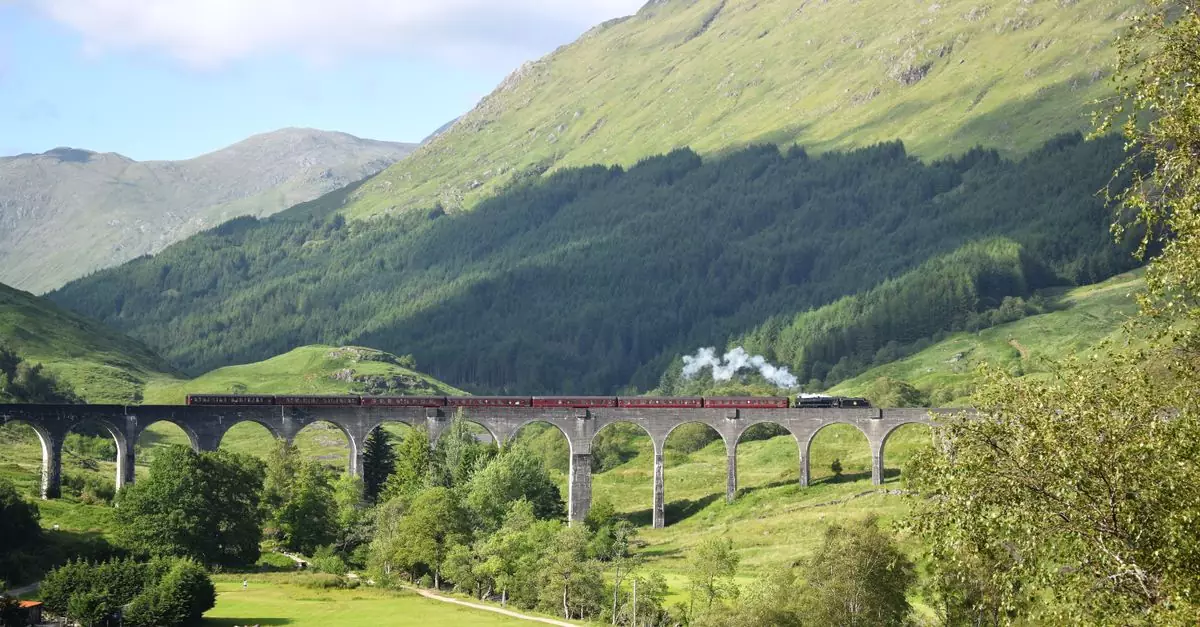
South America offers a wealth of breathtaking landscapes, and experiencing them from the comfort of a train is an unparalleled adventure. These rail journeys traverse diverse terrains, from arid highlands to lush valleys and glacial fjords, providing unique perspectives on the continent’s beauty and cultural heritage. For travelers seeking the best scenic rail adventures, these routes stand out for their dramatic vistas and memorable experiences.
The Iconic Tren a las Nubes: Journey Above the Clouds in Argentina
The Tren a las Nubes, or “Train to the Clouds,” is one of Argentina’s most famous rail journeys, ascending into the high-altitude puna of the Andes. This engineering marvel winds its way up steep gradients, crossing impressive viaducts and tunnels to reach an elevation of over 4,200 meters (13,800 feet). The journey from Salta offers panoramic views of the Quebrada del Toro, a dramatic desert landscape dotted with cacti and ancient rock formations.
Travelers should book tickets well in advance, as this popular route sells out quickly, especially during peak season from March to October. The full-day trip includes commentary on the region’s geology and history, and the highest point, the Viaducto la Polvorilla, provides an awe-inspiring vantage point. Be prepared for the altitude; staying hydrated and avoiding strenuous activity upon arrival is advisable.
PeruRail’s Sacred Valley Train: Gateway to Machu Picchu’s Majesty
For those venturing to the iconic Inca citadel of Machu Picchu, PeruRail’s Sacred Valley train offers a scenic and comfortable approach. The journey from Ollantaytambo or Poroy stations follows the Urubamba River through the stunning Sacred Valley, with towering Andean peaks on either side. This route focuses on immersing yourself in the dramatic, verdant landscapes that lead to one of the world’s most significant archaeological sites.
PeruRail offers different service classes, from the economical Expedition to the luxurious Hiram Bingham, a Belmond train featuring gourmet dining and live entertainment. The shorter travel time compared to bus routes allows more time for exploration at Machu Picchu itself. Booking tickets, especially for the Hiram Bingham, is essential months in advance, particularly during the dry season (May to October).
The Old Patagonian Express: Chasing Glaciers and Wild Horses
Embarking on the “La Trochita,” or Old Patagonian Express, is a step back in time. This narrow-gauge steam train, operating in Argentinian Patagonia, travels through vast, windswept steppe landscapes, offering glimpses of the region’s wild beauty. While not as high-altitude as the Tren a las Nubes, its charm lies in its vintage appeal and the remote, rugged scenery it traverses.
The most common route runs between Ingeniero Jacobacci and Esquel. The journey can take several hours, winding past estancias and offering potential sightings of guanacos and condors. This slower-paced adventure appeals to those who appreciate a nostalgic travel experience and the raw spirit of Patagonia. Services can be seasonal and infrequent, so checking the official schedule and booking well in advance is crucial.
Trans-Andean Railway: Crossing the Andes Between Argentina and Chile
The Trans-Andean Railway is a historic and challenging route that once connected Mendoza, Argentina, with Los Andes, Chile, traversing the mighty Andes Mountains. While the full route is not currently operational for regular passenger service, sections are sometimes offered as special excursions, and its legacy remains significant for pioneering rail travel across this formidable mountain range. The original line was an engineering feat, featuring over 200 bridges and 25 tunnels, including the famous Christ the Redeemer tunnel.
Travelers interested in the history and engineering of this route might find limited heritage tours or segments available. For those seeking to experience the Andes by rail, researching current operational statuses and available heritage journeys is recommended. The dramatic mountain scenery, including views of Aconcagua, South America’s highest peak, makes any part of this journey memorable. For a complete overview of the continent’s diverse travel opportunities, exploring South America can provide further context.
Planning Your South American Rail Itinerary: Essential Tips
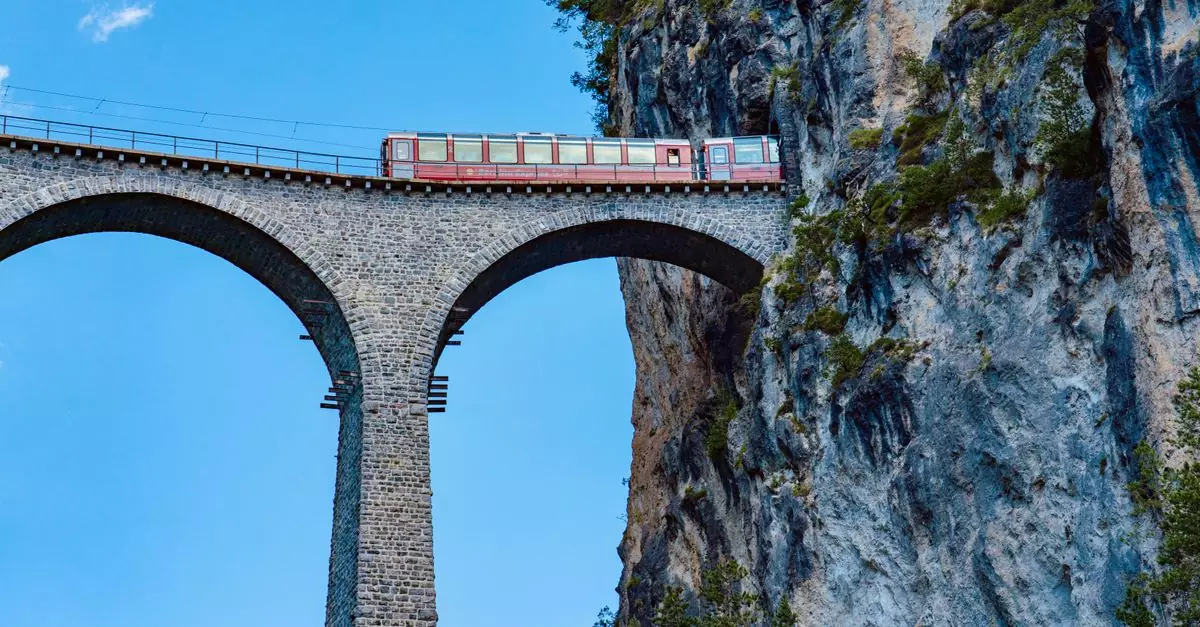
Embarking on South America’s best scenic rail adventures requires thoughtful planning, especially given the continent’s vastness and diverse landscapes. Understanding the best times to travel, how to book tickets, and potential itinerary structures will ensure a smoother and more rewarding journey.
Best Time to Travel for Optimal Weather and Scenery
The ideal time for a scenic rail journey in South America largely depends on the specific route and its altitude. For the Andean regions, like Peru and Ecuador, the dry season from May to October offers clear skies and vibrant views, minimizing the risk of rain disrupting your experience. This period generally coincides with cooler temperatures, which can be pleasant at higher elevations.
Conversely, if your adventure takes you to Patagonia, the austral summer (December to February) provides the warmest weather and longest daylight hours, ideal for appreciating the dramatic glacial and mountainous scenery. However, this is also peak tourist season, meaning higher prices and more crowds. Shoulder seasons, such as April-May or September-November, can offer a good balance of decent weather and fewer tourists, though some services might have reduced schedules. Always check the specific climate patterns for your chosen route.
Booking Your Tickets: Navigating Rail Companies and Schedules
Booking train tickets in South America can be more complex than in other regions. Several routes are operated by distinct companies, and schedules can vary seasonally. For iconic journeys like the Tren a las Nubes in Argentina or the Belmond Andean Explorer in Peru, it’s advisable to book well in advance, especially during peak travel months.
Some railways are managed by private operators, while others have government oversight. Online booking platforms are becoming more common, but direct booking through the official railway websites or reputable local travel agents often provides the most accurate and up-to-date information on schedules and fares. Be prepared for potentially limited English-speaking support on some booking sites.
Here’s a general comparison of booking considerations:
| Feature | Online Platforms | Direct Railway Websites | Local Travel Agents |
|---|---|---|---|
| Convenience | High, can compare multiple options | Moderate, requires knowing specific operators | Moderate, requires communication |
| Information | Can be fragmented, may lack real-time updates | Most accurate for specific routes | Excellent local knowledge, personalized advice |
| Language | Varies, often English available | Varies, can be primarily Spanish/Portuguese | Usually fluent in English for tourist services |
| Pricing | Competitive, potential for deals | Standard fares, direct booking | Can offer package deals, may include markups |
| Support | Customer service varies | Direct contact with operator | Dedicated support for your trip |
Crafting a Multi-City Rail Adventure: Sample Itineraries
Designing a multi-city rail adventure across South America offers incredible diversity. While direct train connections between major cities are rare, you can strategically combine train segments with other forms of transport.
For instance, a classic Andean journey might start in Cusco, Peru, taking the train to Machu Picchu, and then connecting via bus or flight to Arequipa to experience the Andean Explorer for a luxury overnight journey towards Puno. From Puno, you can take the scenic Inca Rail or PeruRail across Lake Titicaca to Copacabana, Bolivia, and then continue by bus towards La Paz. This approach allows you to experience both iconic historical sites and stunning high-altitude landscapes.
Alternatively, a Patagonian rail experience could involve a segment of the La Trochita (Old Patagonian Express) in Argentina for a taste of historical steam travel, combined with bus travel between El Calafate and El Chaltén to witness glaciers and trekking routes. Planning these longer journeys requires careful consideration of travel times between stations and the logistics of onward travel. For a broader overview of the continent, consult resources like National Geographic’s South America travel guide.
Beyond the Rails: Exploring Destinations Along the Routes
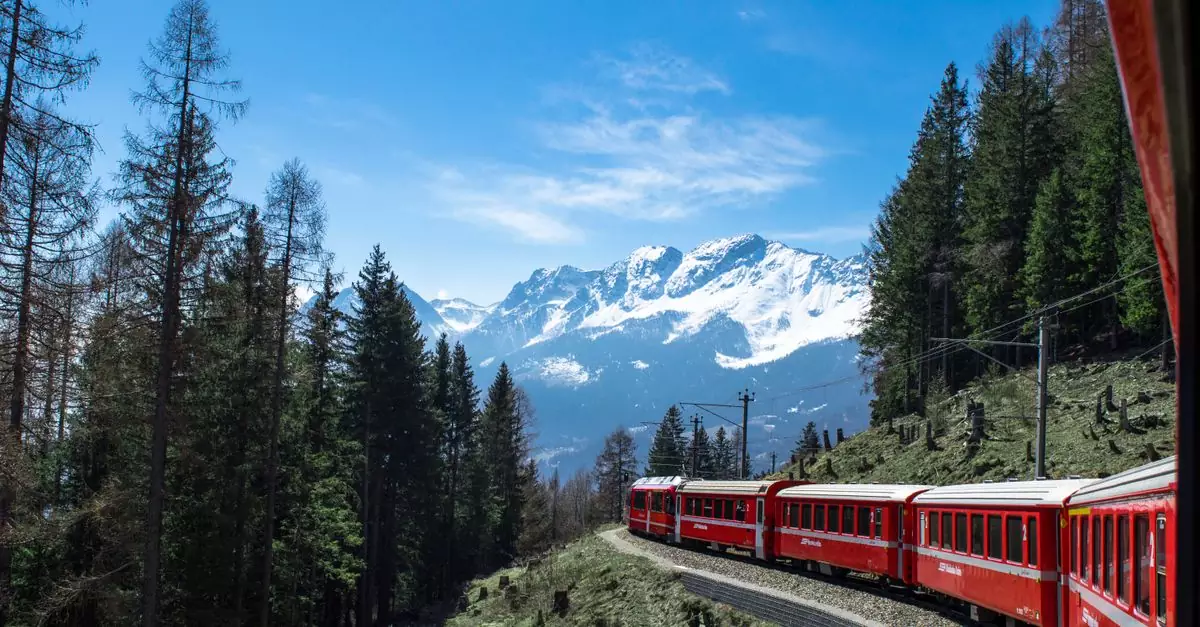
The journey on South America’s most scenic railways is often an adventure in itself, but the destinations at either end offer rich experiences that complement the train travel. Planning your trip to include these locations can transform a scenic ride into a comprehensive exploration of the continent’s diverse cultures and landscapes. Consider these hubs as starting points, endpoints, or extended stopovers to fully appreciate the regions connected by these remarkable train routes.
Salta’s Colonial Charm: A Pre- or Post-Train Stop in Argentina
For those embarking on the Tren a las Nubes (Train to the Clouds) in Argentina, the city of Salta provides a charming base. Known as “Salta la Linda” (Salta the Beautiful), its well-preserved colonial architecture, vibrant plazas, and lively peñas (folk music clubs) offer a delightful introduction to the Northwest’s unique culture. Allow at least two to three days here to wander through the historic center, visit the MAAM (Museum of High Altitude Archaeology), and sample regional specialties like empanadas salteñas and locro.
Getting to Salta is typically done by air via Salta-San Felipe Airport (SLA), which has domestic connections from Buenos Aires. The city itself is very walkable, with most attractions concentrated downtown. Accommodation ranges from boutique hotels in historic buildings to budget-friendly hostels. Be aware that Salta’s altitude is around 1,187 meters (3,894 feet), so take it easy on your first day to acclimatize.
Cusco’s Sacred Valley: Immersing in Inca History
The gateway to Machu Picchu and a critical hub for PeruRail and Inca Rail services, Cusco is an essential stop for anyone traveling to the Andes. This ancient Inca capital, now a UNESCO World Heritage site, is a fascinating blend of Inca ruins and Spanish colonial architecture. Spend a few days exploring the Plaza de Armas, the Qorikancha (Temple of the Sun), and the Sacsayhuamán fortress overlooking the city.
From Cusco, the Sacred Valley stretches out, dotted with impressive Inca sites like Ollantaytambo and Pisac. These locations are easily accessible via local buses, taxis, or organized tours from Cusco. Many travelers opt to stay a night or two in towns within the Sacred Valley, such as Urubamba or Ollantaytambo, to be closer to the train stations for Machu Picchu and to experience the valley’s serene beauty. Cusco’s altitude is significant (around 3,400 meters or 11,150 feet), so acclimatization is crucial.
Bariloche’s Alpine Beauty: Switzerland of South America
San Carlos de Bariloche, often simply called Bariloche, serves as the departure or arrival point for the scenic El Tren Patagónico route, connecting the Andes to the Atlantic coast. Situated on the shores of Nahuel Huapi Lake, Bariloche is renowned for its stunning mountain scenery, clear blue waters, and European-style architecture, earning it the nickname “Switzerland of South America.” It’s a hub for outdoor activities year-round, from skiing in winter to hiking and boating in summer.
Travelers can reach Bariloche by air through San Carlos de Bariloche Airport (BRC), with regular flights from Buenos Aires and other major Argentine cities. The town offers a wide range of accommodations, from luxury lakeside resorts to cozy mountain cabins. Renting a car can be beneficial for exploring the surrounding Circuito Chico (Little Circuit) and the Arrayanes Forest, though local buses and organized tours are also available.
Santiago’s Vibrant Culture: A Chilean Urban Escape
While not directly on a major scenic rail line in the same vein as the others, Santiago, Chile, offers a sophisticated urban contrast and is a convenient gateway for exploring other parts of the country, including potential excursions to the Chilean Lake District. This sprawling capital city, nestled against the Andes mountains, boasts world-class museums, a burgeoning culinary scene, and vibrant neighborhoods like Bellavista, known for its bohemian atmosphere and street art.
Santiago is well-connected internationally via Arturo Merino Benítez International Airport (SCL). The city has an excellent public transportation system, including a modern metro that makes navigating its diverse districts easy. Consider spending a few days here to enjoy its cultural offerings, day trip to the nearby wineries of the Maipo Valley, or visit the coastal city of Valparaíso. Santiago offers a different pace and perspective, showcasing the modern face of South America before or after venturing into its more remote natural wonders.
What to Expect on South America’s Scenic Trains?
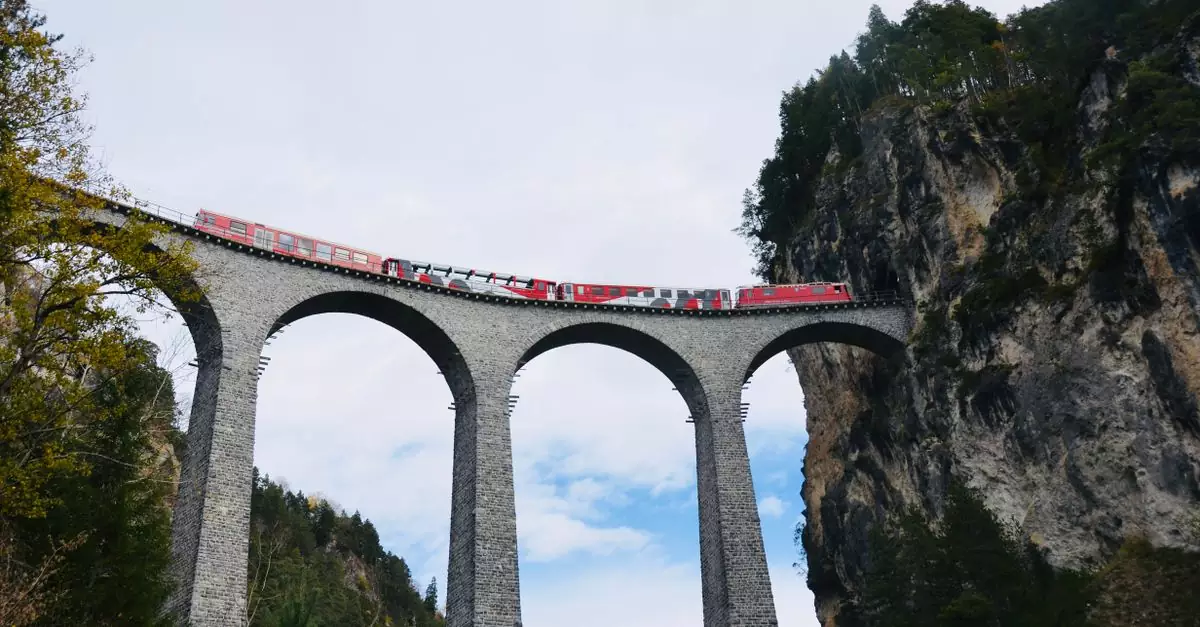
South America offers some of the world’s most breathtaking train journeys, winding through dramatic landscapes from Andean peaks to lush Amazonian frontiers. These routes are more than just transportation; they are immersive experiences designed to showcase the continent’s natural splendor and cultural richness. Understanding what to expect onboard and during your trip will help you plan the best scenic rail adventures.
Onboard Amenities: Comfort, Dining, and Views
The level of comfort and amenities varies significantly between different scenic rail lines across South America. Luxury services, like the Belmond Andean Explorer in Peru, offer plush private cabins, gourmet dining featuring local ingredients, and attentive service. These trains often provide observation cars with large windows, perfect for soaking in panoramic vistas.
More modest services might offer comfortable seating in shared carriages with good visibility but without extensive dining options or private suites. Regardless of the class, the primary focus remains on the journey and the unparalleled views. Expect opportunities to disembark at key points for guided tours or to simply stretch your legs and breathe in the unique atmosphere.
Photography Hotspots: Capturing the Best Rail Scenery
Capturing stunning scenery from a moving train presents unique challenges and rewards. Many trains are designed with photography in mind, featuring large, clean windows. For the best shots, position yourself near the window in observation cars or, if permitted and safe, consider open-air viewing platforms.
Key photographic opportunities often arise during sunrise and sunset, when the light dramatically transforms the landscapes. Look for dramatic mountain passes, winding rivers, and traditional villages that appear as the train glides through them. A camera with good low-light capabilities can be beneficial for capturing twilight views or images within the train’s dining or lounge cars. Always be mindful of other passengers and the train’s movement to ensure both safety and courtesy.
Budgeting Your Rail Adventure: Costs and Savings
The cost of scenic rail journeys in South America can range from relatively affordable to quite luxurious. High-end services like the Hiram Bingham in Peru, which travels to Machu Picchu, can cost several hundred dollars per person for a day trip, covering meals, excursions, and the train ticket itself. Other routes, particularly those that are part of longer overland journeys or are less marketed as luxury experiences, may be significantly cheaper.
To save money, consider traveling during the shoulder seasons, which often see lower prices and fewer crowds. Booking in advance is crucial, especially for popular routes, as tickets can sell out months ahead of time. For those on a tighter budget, opting for standard class seating over private cabins, or choosing day trips instead of multi-day journeys, can make these incredible trips more accessible.
Packing Essentials for High-Altitude and Diverse Climates
Packing for South America’s scenic rail adventures requires preparation for variable conditions. Many of these routes traverse high altitudes in the Andes, where temperatures can drop significantly, even in summer. Layers are key: bring thermal base layers, fleece or down jackets, and a waterproof outer shell.
Don’t forget sun protection, including sunscreen, a wide-brimmed hat, and sunglasses, as the sun is intense at high elevations. Comfortable walking shoes are essential if you plan to disembark for excursions. For onboard comfort, a small backpack with essentials like a water bottle, snacks, a book, and any personal medications is advisable. Given the diverse climates you might encounter, from arid highlands to potentially humid valleys, packing versatile clothing items will ensure you are prepared for any weather.
Frequently Asked Questions About South America’s Best Scenic Rail Adventures
Are South American trains generally safe for tourists?
Safety on South American trains varies by route and operator. Reputable tourist-focused services, such as luxury trains in the Andes, generally adhere to high safety standards. It’s wise to research specific train lines and book through established companies.
For general safety information when traveling in South America, it’s always recommended to stay informed about local conditions and take standard precautions. Keep valuables secure and be aware of your surroundings, especially in crowded areas or during overnight journeys.
What is the most luxurious scenic train experience in South America?
The most luxurious scenic train experience in South America is often considered to be the Andean Explorer, A Belmond Train, which travels through the Peruvian Andes. This journey offers opulent private cabins, gourmet dining, and breathtaking views as it winds from Cusco to Puno, near Lake Titicaca. Another notable luxury option is the Hiram Bingham, A Belmond Train, which also connects Cusco to Machu Picchu.
These trains provide an all-inclusive experience, focusing on comfort and exceptional service while showcasing some of the continent’s most iconic landscapes.
Can I combine multiple scenic rail journeys into one trip?
Yes, combining multiple scenic rail journeys is a fantastic way to experience the diversity of South America’s landscapes and cultures. For instance, you could start with a journey in Peru, perhaps to Machu Picchu, and then travel to Ecuador to ride the Devil’s Nose train.
Logistics can be complex, involving flights or overland travel between rail lines. Planning well in advance is crucial. Consider focusing on a specific region, like the Andes, to minimize travel time between different rail routes.
What are the best hidden gem rail routes in South America?
Beyond the well-known routes, South America offers several less-traveled but equally stunning rail adventures. The Tren a las Nubes (Train to the Clouds) in Argentina, while popular, provides a dramatic high-altitude experience that feels more remote than some other journeys.
For a truly off-the-beaten-path experience, consider the Ferrocarril Austral (Southern Railway) in Patagonia, Chile, which operates seasonally and provides access to remote fjords and forests. Another option is the Linha Turística do Funicular in Brazil, offering unique views within the Tijuca Forest National Park, though it’s a shorter, more accessible trip. These routes often require more independent planning but reward travelers with fewer crowds and a more authentic feel.