South America is a continent that truly shines when explored from the window of a train. Offering some of the best train travel experiences globally, its railways serve as gateways to breathtaking landscapes, rich cultural encounters, and a more immersive journey. From the majestic Andes to the rugged Patagonian wilderness, these routes provide exceptional access to some of the planet’s most spectacular scenery and vibrant communities.
In this guide, we’ll explore unforgettable train journeys across this diverse continent. You’ll discover iconic luxury services that whisk travelers to ancient wonders, historic lines that tell tales of the past, and hidden gems that reveal the heart of South America’s distinct regions. Prepare to be inspired by the romance and adventure of rail travel in this remarkable part of the world.
Why South America Offers Some of the World’s Best Train Travel Experiences
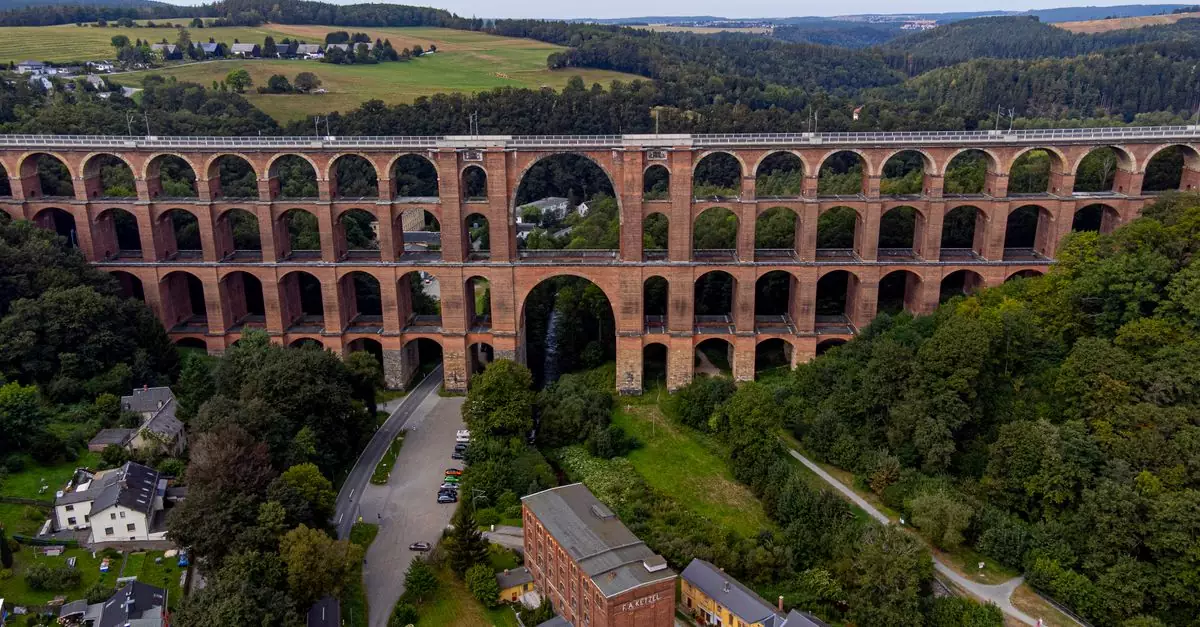
South America, with its dramatic landscapes and rich cultural tapestry, presents some of the finest train travel experiences. Beyond mere transportation, rail journeys here offer a unique lens through which to view stunning scenery and connect with local life. These routes often traverse areas inaccessible by road, providing unparalleled access to remote regions and iconic landmarks. For those seeking an immersive and unforgettable journey, the continent’s railways are an enticing choice.
Scenic Routes Through the Andes
The Andes mountain range forms the spine of South America, and its towering peaks and deep valleys create some of the most spectacular train routes imaginable. Picture winding through high-altitude passes, with snow-capped mountains on one side and lush cloud forests on the other. These journeys are not just about the destination but the ever-changing, awe-inspiring panorama outside your window.
One of the most celebrated routes is the Belmond Hiram Bingham service to Machu Picchu. This luxury train glides through the Sacred Valley, offering exquisite views of the Urubamba River and surrounding Andean foothills. While this specific service is premium, many other Andean routes provide equally stunning vistas at more accessible prices. The engineering feats required to build these railways, clinging to mountainsides and crossing deep gorges, showcase human ingenuity against a backdrop of raw natural beauty.
Cultural Immersion on Rails
Train travel in South America is more than just sightseeing; it’s a journey into the heart of diverse cultures. As the train chugs along, you witness rural life unfold: small villages, agricultural fields, and local communities in their daily routines. These journeys allow for genuine connections with the places you pass through, promoting a slower, more reflective way to travel.
Onboard, you’ll often encounter a mix of local passengers and international travelers, creating a unique social dynamic. Sharing a compartment or dining car can lead to fascinating conversations and insights into different perspectives. Many services incorporate local cuisine and music, enhancing the cultural experience. This authenticity stands in stark contrast to the often-impersonal nature of air travel, making train journeys a preferred method for those who value deeper engagement with their destinations. Understanding the logistics of South American travel can be complex, but focusing on a specific train route simplifies planning considerably.
Unique Wildlife Viewing Opportunities
The diverse ecosystems of South America are home to an astonishing array of wildlife, and certain train routes offer exceptional opportunities for viewing these creatures in their natural habitats. Traveling through national parks and remote wilderness areas by train provides a stable platform for observation without the disturbances often associated with road travel.
Consider the routes in regions like the Amazon basin or the Patagonian plains. While not all train journeys focus on wildlife spotting, the slow pace and large windows can reveal glimpses of exotic birds, capybaras, llamas, or even more elusive mammals. For instance, journeys that traverse wetlands or river valleys increase the chances of seeing aquatic life and diverse bird species. These unexpected encounters add an element of surprise to the overall travel experience, making each journey uniquely memorable.
The Iconic Hiram Bingham Train: Luxury to Machu Picchu
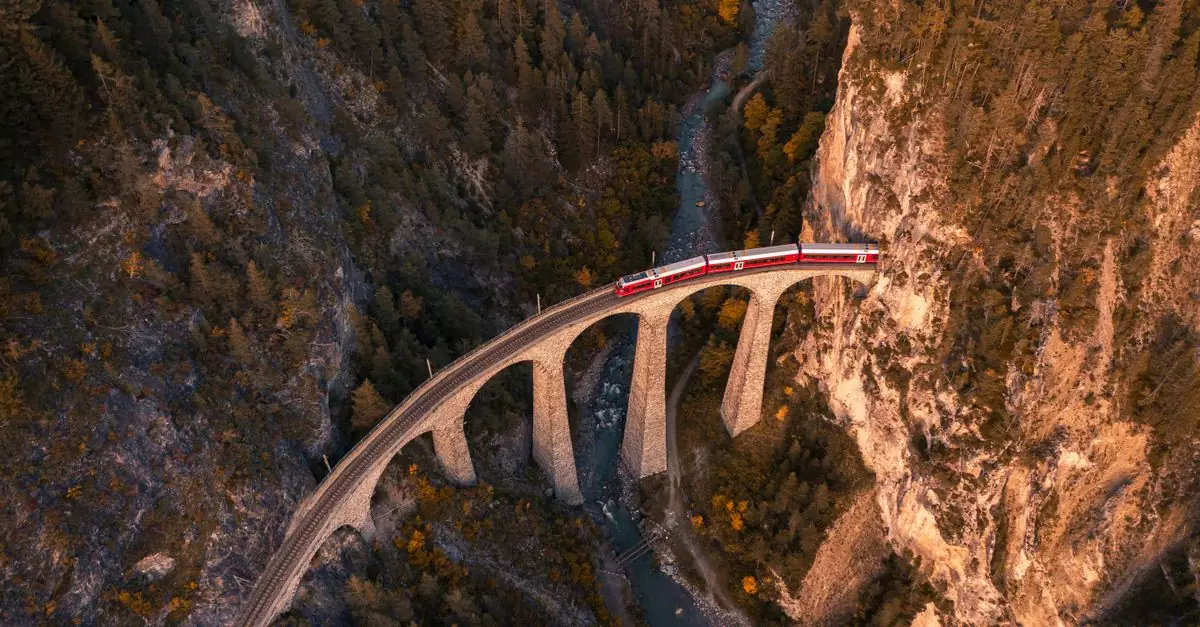
For travelers seeking the ultimate in comfort and style en route to the ancient citadel, the Hiram Bingham train offers one of the most celebrated experiences in South America. Operated by Belmond, this luxury service winds its way through the Sacred Valley, providing a sophisticated journey that complements the awe-inspiring destination. It’s more than just transportation; it’s an integral part of the adventure, setting a tone of elegance from the moment you board.
What to Expect on the Hiram Bingham Journey
The Hiram Bingham experience begins with a welcome reception and gourmet brunch before boarding meticulously restored 1920s-era Pullman carriages. Expect plush seating, panoramic windows for unobstructed views of the Andean landscape, and attentive onboard service. Throughout the roughly three-and-a-half-hour journey from Poroy (near Cusco) to Aguas Calientes, passengers enjoy exquisite multi-course meals, fine wines, and live entertainment. Afternoon tea at the Belmond Sanctuary Lodge near Machu Picchu is included, adding a final touch of indulgence. The route itself is a visual feast, tracing the Urubamba River as it carves through dramatic gorges and lush vegetation.
Booking Your Luxury Train Ticket
Securing a seat on the Hiram Bingham requires advance booking, especially during peak travel seasons. Tickets are available directly through the Belmond website or via reputable tour operators specializing in South American travel. Prices reflect the all-inclusive nature of the journey and the high level of service. It’s advisable to book several months ahead, particularly if your travel dates fall between May and October. The ticket price typically includes round-trip train fare, meals, beverages, and the entrance fee to Machu Picchu itself, simplifying logistics for travelers.
Best Time of Year for This Andean Train Trip
The optimal time to embark on the Hiram Bingham journey aligns with the dry season in the Andes, which generally runs from May to October. During these months, expect clearer skies and less rainfall, enhancing the already spectacular views from the train and at Machu Picchu. September and October offer pleasant temperatures and fewer crowds than the peak summer months of June, July, and August. Traveling during the shoulder months of May or October provides a good balance of favorable weather and slightly reduced visitor numbers. While the train operates year-round, the rainy season (November to April) can bring overcast skies and potential travel disruptions, though it also means lusher landscapes and fewer tourists.
Exploring Patagonia by Rail: The Train to the End of the World
When considering the best train travel experiences in South America, few rival the unique charm of Ushuaia’s “Train to the End of the World.” This historic railway offers a glimpse into the region’s past while showcasing the dramatic Patagonian landscape.
The End of the World Train Route from Ushuaia
The Ferrocarril Austral Fueguino, affectionately known as the “End of the World Train,” operates a scenic route from Ushuaia. This narrow-gauge railway follows part of the original penal colony railway line, used by prisoners to transport timber from the mountains to the town in the early 20th century. Today, the train journey is a tourist attraction, taking passengers through the picturesque valley of the Pipas River, past waterfalls, and into the heart of Tierra del Fuego National Park. The experience is both educational and visually stunning, with commentary detailing the history of the prisoners and the area.
The train departs from a small but well-maintained station just outside Ushuaia. The journey lasts about an hour, with passengers choosing between different classes of service, some offering more comfortable seating and light refreshments. The route concludes at the national park’s entrance, allowing visitors to disembark and continue exploring the park’s hiking trails and natural beauty. Booking tickets in advance is highly recommended, especially during peak season.
Wildlife Spotting Along the Patagonian Tracks
While the primary draw is the historical significance and scenery, the train journey also presents opportunities for wildlife spotting. Keep an eye out for various bird species, including condors soaring overhead and native waterfowl along the riverbanks. Occasionally, guanacos, the wild relatives of llamas, can be seen grazing in the distance. The train moves at a moderate pace, allowing for decent views, but it’s important to remember that this is not a dedicated wildlife safari.
The surrounding environment adds to the appeal. The dense forests of lenga and ñire trees, characteristic of Tierra del Fuego, create a vibrant backdrop. During autumn, these forests transform into a spectacular display of reds, oranges, and yellows, making the train ride particularly memorable in this season.
Combining Train Travel with Ushuaia Adventures
The “End of the World Train” serves as an excellent starting point for a day of adventure in Tierra del Fuego National Park. Upon arrival at the park station, travelers can opt for guided tours, embark on hikes, or simply enjoy the natural surroundings. Popular activities include visiting Lapataia Bay, the official end of the Pan-American Highway, and exploring the diverse ecosystems within the park.
For those seeking a broader Patagonian experience, combining the train journey with other activities in and around Ushuaia is straightforward. Consider a boat trip on the Beagle Channel to see sea lions and penguins or explore the city’s museums, such as the Maritime Museum housed in the former prison. The train offers a unique perspective on the region’s history and natural heritage, complementing the many outdoor pursuits available in this southern tip of South America.
A typical day combining the train and park exploration might look like this:
| Activity | Duration (approx.) | Notes |
|---|---|---|
| Train to the End of the World | 1 hour | Scenic historical journey |
| Tierra del Fuego NP Visit | 3–5 hours | Hiking, wildlife viewing, Lapataia Bay |
| Beagle Channel Cruise | 2–3 hours | Optional, sea lions, penguins, lighthouse views |
| Ushuaia City Exploration | 1–2 hours | Museums, local shops, dining |
Beyond the Classics: Hidden Gem Train Routes in South America
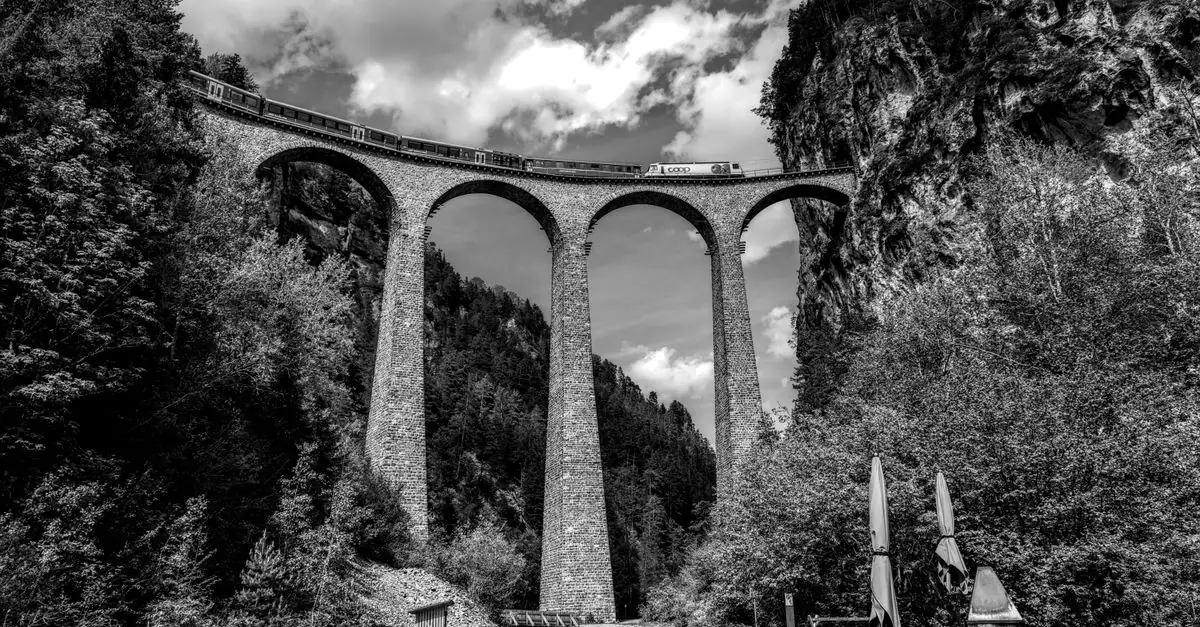
While iconic rail journeys often capture the imagination, South America offers a wealth of lesser-known but equally spectacular train experiences. These routes provide unique perspectives on the continent’s diverse landscapes and cultures, often with fewer crowds and a more authentic feel. Moving beyond the most famous tourist trails can reveal some of the best train travel experiences, offering a deeper connection to the places you visit.
The Devil’s Nose Railway in Ecuador: A Terraced Descent
The Ferrocarril Trasandino, or Devil’s Nose Railway, in Ecuador is a marvel of engineering and a thrilling journey. This historic line descends from the town of Alausí, nestled high in the Andes, to Sibambe in the valley below. The most dramatic section is the switchback descent down the sheer face of the Devil’s Nose mountain, a feat once considered impossible.
The train ride lasts about two to three hours round trip, packed with breathtaking views. You’ll witness dramatic ravines, cascading waterfalls, and the stark beauty of the Andean foothills. The journey is a testament to the ingenuity of early 20th-century railway construction.
Logistics and Tips:
- Departure Point: Alausí, Ecuador.
- Frequency: Services typically run daily, but it’s wise to check the schedule in advance, especially during the off-season.
- Booking: Tickets can often be purchased at the Alausí station. Booking a few days ahead is recommended during peak travel times.
- What to Expect: The train is a vintage diesel locomotive pulling passenger cars. While not luxurious, it’s functional and offers excellent viewing opportunities.
- Nearby Attractions: Alausí is a charming colonial town worth exploring. The nearby Cajas National Park offers stunning páramo landscapes.
The Coffee Train of Colombia: From Manizales to Armenia
Colombia’s Tren de la Sabana (Savanna Train) is famous, but for a truly unique coffee region experience, consider the routes that traverse the lush landscapes of the Eje Cafetero. While there isn’t one single continuous “Coffee Train” like older European lines, regional initiatives and heritage railways offer glimpses into this iconic Colombian industry. The journey from Manizales to Armenia, or sections thereof, can be undertaken by various means, including some revived heritage rail operations.
These routes wind through rolling hills carpeted with coffee plantations, small towns, and vibrant green valleys. The air is often filled with the aroma of roasting coffee. It’s a slower pace of travel that allows you to soak in the scenery and the agricultural heart of Colombia.
Planning Your Trip:
- Route Variations: Research current operational routes. Some may be short excursions from towns like Salento or Filandia, while others might offer longer segments connecting cities.
- Transportation: This region is well-connected by bus, but seeking out specific heritage rail services offers a different perspective. Always verify operational status and schedules directly with local tourism operators.
- Coffee Experiences: Many train journeys in this area are complemented by visits to coffee fincas (farms) where you can learn about coffee cultivation and processing.
- Best Time to Visit: The coffee region enjoys a relatively stable climate year-round, but the dry seasons (December to March and July to August) are generally preferred for clearer skies and pleasant temperatures.
Exploring the Bolivian Altiplano by Rail
For a truly epic and high-altitude train adventure, the railways of Bolivia offer an unparalleled experience. The Ferroviaria Oriental and Empresa de Ferrocarriles del Estado (EFE) operate lines that cross the vast, windswept Altiplano, the high plateau of the Andes. This is not about luxury; it’s about rugged landscapes, remote communities, and a sense of raw adventure.
The most notable route connects Oruro and Uyuni, the gateway to the famous Salar de Uyuni salt flats. Traveling through the Altiplano means encountering stark, breathtaking scenery: immense plains, distant snow-capped volcanoes, and hardy vicuñas grazing. The journey can be long, but the visual rewards are immense.
Key Considerations for Bolivian Rail Travel:
- Routes: Major routes include Oruro to Uyuni, and connections to Villazón (bordering Argentina) and Arica (Chile).
- Train Types: Expect basic, often crowded, carriages. There are usually different classes, with first class offering slightly more comfort.
- Budget: Bolivian rail travel is generally very affordable, making it an excellent option for budget-conscious travelers.
- Safety: While generally safe, it’s wise to be aware of your surroundings, especially in stations and on crowded trains. Keep valuables secure.
- Seasonality: The dry season (May to October) is best for clear skies and easier travel. The wet season (November to April) can bring disruptions due to rain and potential landslides.
- Logistics: Schedules can be infrequent and subject to change. Purchasing tickets in advance at the station is recommended. Consider the longer journey times compared to bus travel, but the unique views are often worth it. The vastness of the Bolivian Altiplano is best appreciated from the train.
Planning Your South American Train Adventure: Essential Traveler Tips
Embarking on a train journey across South America offers a unique perspective on its diverse landscapes and cultures. To make the most of these iconic trips, careful planning is key. Understanding the nuances of timing, budget, and logistics can transform a good journey into an unforgettable experience.
Best Time to Travel for Train Journeys Across the Continent
The ideal time to experience South America’s best train travel often depends on the specific region and its climate. For Andean routes, the dry season, typically from May to October, is highly recommended. This period offers clearer skies, reducing the chances of fog or heavy rain obscuring dramatic mountain vistas. For instance, the journey to Machu Picchu via the Inca Rail is best enjoyed under sunny skies.
Conversely, coastal or Amazonian regions may have different optimal travel windows. It’s wise to research the weather patterns for your chosen route. Traveling during shoulder seasons, like April or November, can sometimes offer a balance of good weather and fewer crowds, potentially leading to lower prices for both tickets and accommodations.
Budgeting for Iconic Train Experiences
The cost of train travel in South America varies significantly. Luxury services like the Belmond Andean Explorer or the Hiram Bingham train to Machu Picchu can be quite expensive, often including meals and excursions. These premium options are comparable to high-end travel experiences globally.
More budget-friendly options exist, particularly for regional travel or standard services. Purchasing tickets in advance can sometimes secure better rates, especially for popular routes. Consider factoring in the cost of meals and potential overnight stays if your journey spans multiple days.
Here’s a general budget comparison for popular routes:
| Train Journey | Estimated Cost (USD) | Duration | Notes |
|---|---|---|---|
| Hiram Bingham, Peru | $500+ (one-way) | ~3.5 hours | Luxury service, includes meals & excursions |
| Inca Rail (to Machu Picchu) | $80 – $200 (round trip) | ~3.5 hours | Various service levels available |
| El Tren de la Costa, Chile | $20 – $40 (round trip) | ~3 hours | Scenic coastal route |
| El Chepe, Mexico (Copper Canyon) | $100 – $200 (full route) | ~13 hours | Covers significant distance |
Note: Prices are estimates and can fluctuate based on season, booking time, and service class.
Accommodation Options Near Train Stations
Proximity to train stations can significantly simplify logistics, especially for early departures or late arrivals. Many major cities and tourist hubs in South America have a range of accommodations located within walking distance or a short taxi ride from their primary rail terminals.
In Cusco, for example, hotels and guesthouses catering to travelers heading to Machu Picchu are abundant near the San Pedro or Poroy stations. Similarly, in Buenos Aires, hotels near Retiro or Constitución stations offer convenience for long-distance travelers. It’s advisable to book accommodation in advance, particularly during peak tourist seasons, to ensure availability and potentially better rates. Consider your budget, as options range from hostels and budget hotels to more upscale establishments.
Navigating Train Bookings and Ticketing
Booking train tickets in South America can sometimes require advance planning, especially for the most sought-after routes. For popular tourist trains like those serving Machu Picchu or luxury services, booking months ahead is often recommended. Many of these services have dedicated websites for online bookings.
For longer-distance or regional train lines, booking can sometimes be done at the station, but this carries the risk of sold-out trains. It’s prudent to check the official railway company websites or reputable online travel agencies for booking procedures and schedules. Be aware of potential scams and only book through official channels or trusted third-party providers. Having your passport details ready is often a requirement for booking and boarding.
Frequently Asked Questions About South America’s Best Train Travel
Are South American trains generally safe for tourists?
Safety on South American trains varies by route and operator. Reputable companies operating popular tourist lines, such as PeruRail or Inca Rail in Peru, generally maintain good safety standards. However, as with any travel, it’s wise to remain aware of your surroundings, secure your belongings, and avoid displaying valuables. Researching the specific train service you plan to use is recommended.
What is the most scenic train journey in South America?
While many routes offer stunning vistas, the Tren a las Nubes (Train to the Clouds) in Argentina is frequently cited as one of the most spectacular. This engineering marvel climbs through the Andes, reaching altitudes over 4,000 meters, with breathtaking panoramas of mountains, valleys, and viaducts. Another contender for the most scenic train journey is the route to Machu Picchu in Peru, offering glimpses of the Sacred Valley’s dramatic landscapes.
How far in advance should I book train tickets?
Booking train tickets well in advance is crucial, especially for popular routes and during peak travel seasons. For journeys like the train to Machu Picchu, booking three to six months ahead is advisable to secure your preferred travel dates and times, and to ensure availability. Less popular routes might offer more flexibility, but early booking is always a safe bet for the best train travel experiences.
What should I pack for a train trip in South America?
Packing for a South American train trip requires versatility. Layers are key, as temperatures can fluctuate significantly, especially at higher altitudes. Essential items include comfortable clothing, sturdy walking shoes, a rain jacket, sun protection (hat, sunglasses, sunscreen), a reusable water bottle, and any necessary medications. Don’t forget a good book or camera to capture the incredible scenery.
| Item | Recommendation |
|---|---|
| Clothing | Layers (t-shirts, fleece, jacket) |
| Footwear | Comfortable walking shoes |
| Sun Protection | Hat, sunglasses, high SPF sunscreen |
| Health | Personal medications, basic first-aid kit |
| Accessories | Reusable water bottle, camera, portable charger |
| Documents | Passport, visa (if required), train tickets |