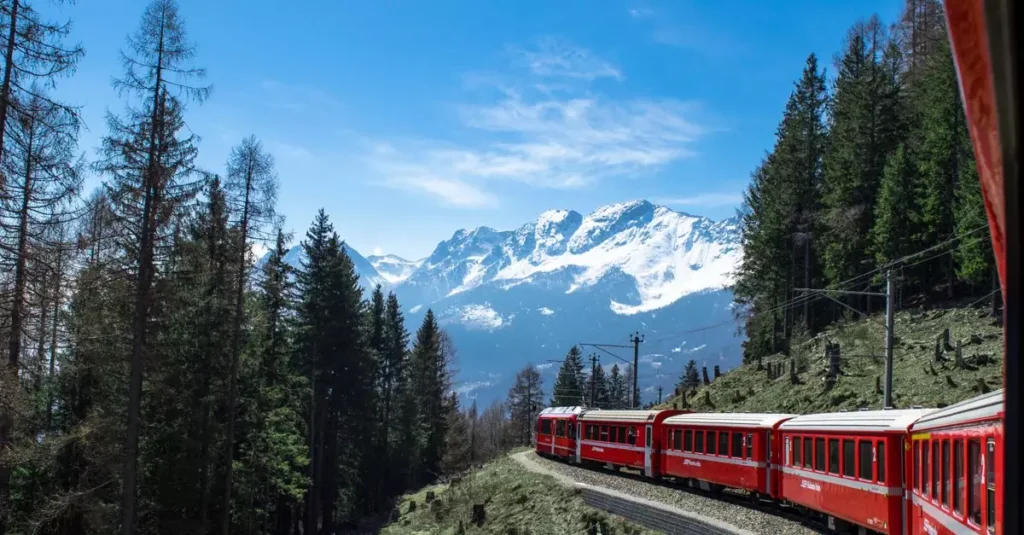
South America’s dramatic landscapes offer some of the world’s most awe-inspiring mountain train journeys, combining breathtaking scenery with remarkable engineering feats. From the towering Andes to lush cloud forests, these routes provide a unique and comfortable way to experience the continent’s natural beauty and rich cultural heritage. If you’re seeking an unforgettable adventure that merges stunning vistas with a touch of history, exploring these rail lines is an excellent choice.
This guide will introduce you to the best mountain train journeys South America has to offer. You’ll discover what makes each route special, from panoramic windows framing iconic landmarks to the unique biodiversity and historical significance of the railways themselves. We’ll cover essential planning tips, including the best times to travel and how to book your tickets, ensuring you’re well-prepared for an incredible rail expedition. Get ready to explore the majestic peaks and valleys from a truly remarkable perspective.
Why South America Offers the Best Mountain Train Journeys
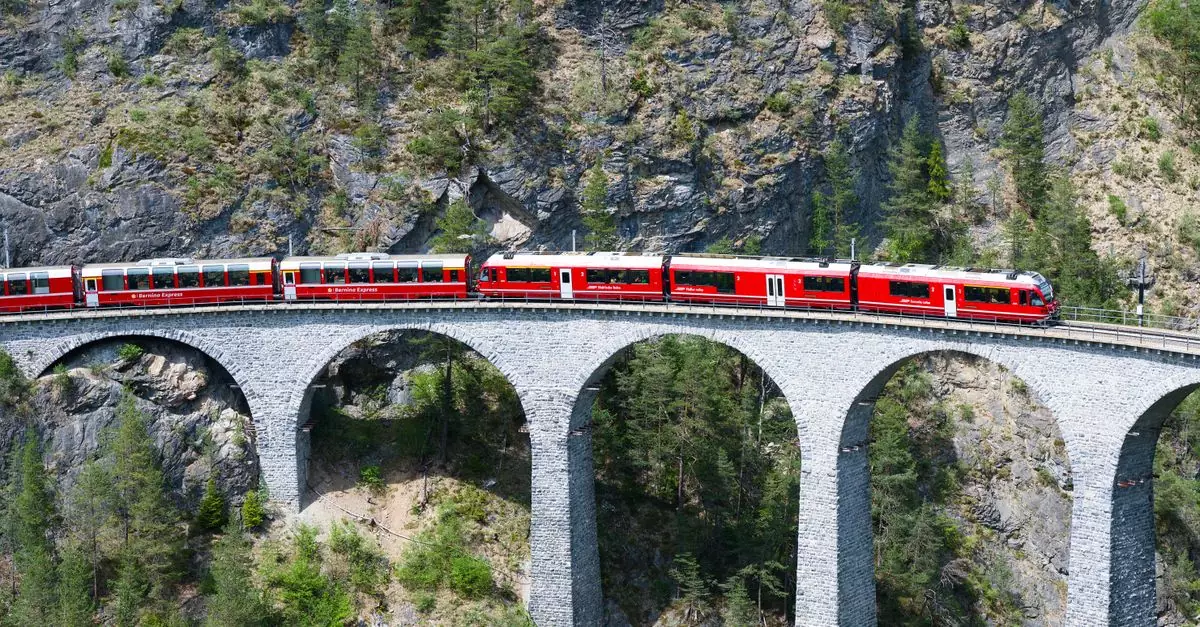
South America’s dramatic topography and rich history create an unparalleled landscape for memorable rail adventures. The continent’s iconic mountain ranges, particularly the Andes, serve as a magnificent backdrop for some of the world’s most scenic and historically significant train routes. These journeys offer not just breathtaking views but also a unique window into the region’s natural wonders and cultural heritage.
The Majestic Andes: A Natural Playground for Rail Adventures
The Andes Mountains, stretching along the continent’s western edge, are the primary reason South America boasts exceptional mountain train journeys. This colossal mountain range features dramatic elevations, deep valleys, and stunning vistas that are often inaccessible by road. Railways here are engineered to navigate challenging terrains, traversing switchbacks, tunnels, and high-altitude passes.
These routes often climb to elevations exceeding 10,000 feet, offering panoramic views of snow-capped peaks, glacial lakes, and rugged canyons. The engineering marvels required to construct these lines are as impressive as the scenery itself. Travelers can witness firsthand how tracks were laid through seemingly impassable landscapes, a testament to early 20th-century ingenuity. For anyone seeking awe-inspiring natural beauty, the Andean rail routes deliver an unforgettable experience. The sheer scale of the mountains provides a constant sense of wonder, making each mile of the journey visually spectacular.
Unique Biodiversity and Landscapes Accessible by Train
Beyond the grandeur of the mountains, South America’s train routes offer access to incredibly diverse ecosystems. Many journeys traverse multiple climate zones within a single trip, showcasing a remarkable array of flora and fauna. From arid coastal regions to lush cloud forests and high-altitude puna grasslands, the changing landscapes are a highlight.
Travelers might spot vicuñas grazing on high plains, condors soaring overhead, or even glimpse rare orchids in humid cloud forest environments. These trains act as moving observation decks, allowing passengers to witness this biodiversity without the environmental impact of extensive road construction. Some routes pass through protected national parks and reserves, offering a privileged view of pristine natural environments. The opportunity to see such varied landscapes and wildlife from the comfort of a train car makes these journeys exceptionally rewarding.
Historical Significance of South American Railway Networks
Many of South America’s mountain railways are not just scenic routes but living historical artifacts. Developed during the late 19th and early 20th centuries, these lines were crucial for connecting remote mining towns, agricultural centers, and colonial cities. They played a vital role in economic development and facilitated the movement of people and goods across vast distances.
Riding these trains offers a tangible connection to this past. Many locomotives and carriages have been preserved, providing a nostalgic journey back in time. The stories behind their construction, often involving immense human effort and overcoming formidable natural obstacles, add a rich layer of historical context to the travel experience. Understanding this history enhances appreciation for the engineering feats and cultural significance of these railway lines. For those interested in history and engineering, these journeys are as educational as they are visually stunning. Exploring the history of these lines provides context for the development of South America as a whole.
Top 5 Best Mountain Train Journeys in South America
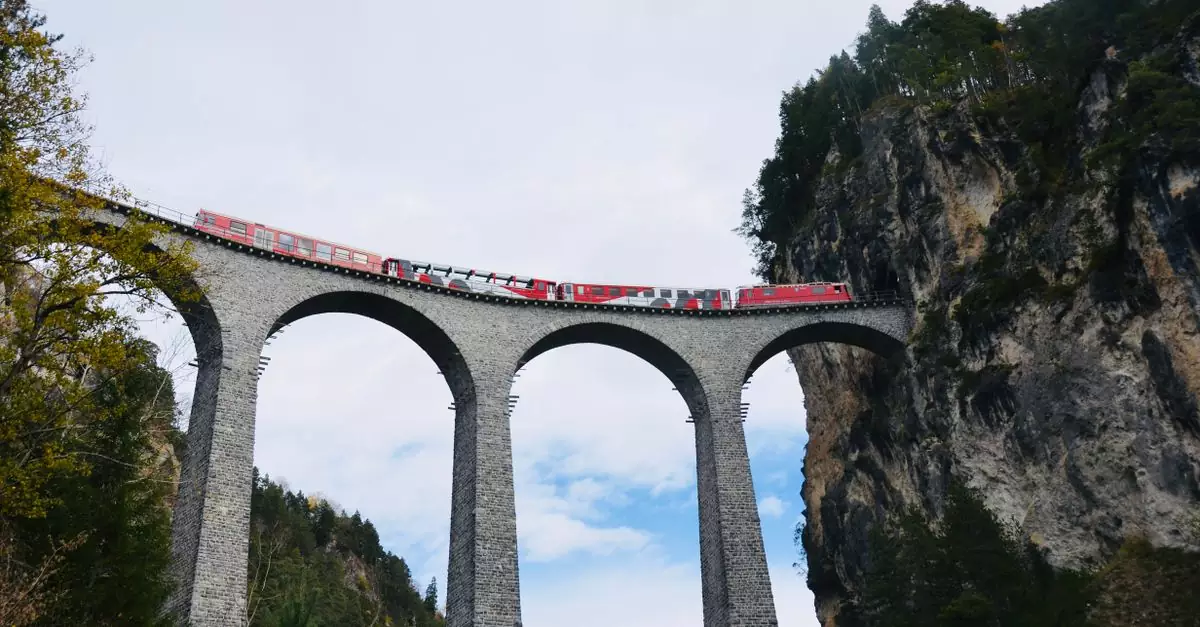
South America offers some of the most dramatic and breathtaking mountain scenery on Earth, and experiencing it from the window of a train is an unforgettable adventure. These railway routes are immersive journeys that showcase incredible engineering feats, vibrant cultures, and unparalleled natural beauty. From the iconic peaks of the Andes to lush rainforests, these best mountain train journeys provide a unique perspective on the continent.
The PeruRail Vistadome to Machu Picchu: A Classic Andean Experience
The journey to the lost city of the Incas is arguably one of the most famous train rides in the world. The PeruRail Vistadome features panoramic windows that stretch to the ceiling, offering stunning views of the Sacred Valley as the train winds along the Urubamba River toward Aguas Calientes, the gateway town to Machu Picchu.
This route is popular year-round, but the dry season (May to October) generally offers clearer skies and more comfortable temperatures. Services depart from Poroy (near Cusco) and Ollantaytambo. Booking tickets in advance is highly recommended, especially during peak tourist season. The journey itself is relatively short, typically around 3.5 to 4 hours from Ollantaytambo, allowing ample time for exploration of the ancient citadel upon arrival.
The Tren a las Nubes (Train to the Clouds) in Argentina: High-Altitude Marvel
For an extreme altitude experience, the Tren a las Nubes in Argentina’s Salta province is unparalleled. This engineering marvel climbs over 4,200 meters (13,800 feet) above sea level, traversing viaducts, tunnels, and switchbacks through the rugged Andean landscape. The route offers spectacular views of deep canyons, remote villages, and vast, arid plateaus.
The train operates seasonally, typically from March to November, to avoid the harshest winter conditions. Departures are from Salta city. Due to the high altitude, it’s advisable to take precautions against altitude sickness; tours often include brief stops to acclimatize. The full journey is a day trip, making it a substantial undertaking but one that rewards with truly unique vistas of the Puna de Atacama.
The Devil’s Nose Railway (Nariz del Diablo) in Ecuador: Engineering Feat
The Nariz del Diablo, or Devil’s Nose, is a testament to human ingenuity in overcoming formidable terrain. This historic railway in Ecuador descends the steep Andean slopes near Alausí via a series of dramatic switchbacks. The train itself is a charming experience, often featuring open-air cars that allow passengers to feel the mountain air and witness the sheer drops and surrounding cloud forest.
This route is accessible year-round, though weather can be unpredictable in the mountains. The journey is relatively short, offering a fascinating glimpse into the challenges of building railways in such challenging topography. It’s a popular addition for travelers exploring the Avenue of the Volcanoes, connecting highlands to the coast.
The Lake Titicaca Train (PeruRail & Inca Rail): Journey Between Cusco and Puno
Connecting the imperial city of Cusco with the shores of the world’s highest navigable lake, Lake Titicaca, this luxurious train journey offers a serene and scenic passage through the Andean highlands. Both PeruRail and Inca Rail operate services on this route, with options ranging from elegant dining cars to more contemporary carriages. The landscape is characterized by rolling hills, traditional farming communities, and distant snow-capped peaks.
This route is best enjoyed during the dry season (April to October) for clearer views and more stable weather. The journey is an all-day affair, allowing passengers to relax and soak in the changing scenery. It’s an excellent way to travel between Cusco and Puno, offering a comfortable and visually rich alternative to bus or plane travel.
The Serra Verde Express in Brazil: Atlantic Forest Scenic Route
While not at extreme altitudes, the Serra Verde Express in Brazil offers a stunning journey through the remnants of the Atlantic Forest, a UNESCO World Heritage site. This route connects the historic city of Curitiba with the coastal town of Morretes and is renowned for its lush vegetation, waterfalls, and deep valleys. The train descends from the highlands, offering spectacular panoramic views.
The route operates year-round, though the rainy season (December to March) can bring more dramatic misty landscapes. The journey is a day trip and a popular excursion from Curitiba. It provides a beautiful contrast to the arid landscapes found in other South American mountain ranges, showcasing the rich biodiversity of Brazil’s coastal mountains.
| Train Journey | Country | Max Altitude (approx.) | Scenery Type | Best Season | Typical Duration |
|---|---|---|---|---|---|
| PeruRail Vistadome | Peru | 2,430 m (7,970 ft) | Andes, Sacred Valley | May – Oct | 3.5 – 4 hours |
| Tren a las Nubes | Argentina | 4,200 m (13,800 ft) | Andes, Puna, Canyons | Mar – Nov | Full Day Trip |
| Devil’s Nose Railway | Ecuador | 2,400 m (7,870 ft) | Andes, Cloud Forest | Year-round | ~3 hours round trip |
| Lake Titicaca Train | Peru | 3,800 m (12,500 ft) | Andean Highlands, Lake | Apr – Oct | Full Day Trip |
| Serra Verde Express | Brazil | 930 m (3,050 ft) | Atlantic Forest, Valleys | Year-round | ~3 hours (one way) |
Planning Your Scenic South American Train Adventure
Embarking on one of the best mountain train journeys in South America requires thoughtful planning. These routes often traverse remote and challenging terrains, making timing, booking, and choosing the right comfort level crucial for a memorable experience. Understanding these elements will help you maximize your enjoyment and minimize potential logistical hurdles.
Best Time to Travel for Optimal Mountain Views and Weather
The ideal time to experience South America’s mountain railways often hinges on the dry season, which typically runs from May to October. During these months, skies are generally clearer, offering unobstructed panoramic views of the dramatic Andean landscapes. Traveling outside this window can mean encountering heavy rains, which can obscure vistas and potentially lead to route disruptions.
Consider the specific region you plan to visit. For instance, the Peruvian Andes, home to the famous Machu Picchu train routes, experiences its driest period from May through September. This coincides with peak tourist season, so booking well in advance is essential. Conversely, some routes in Ecuador or Bolivia might have slightly different weather patterns. Always check the localized weather forecasts for your chosen destination.
A table summarizing seasonal considerations can be helpful:
| Region | Dry Season (Best Views) | Shoulder Season (Fewer Crowds) | Rainy Season (Potential Disruptions) |
|---|---|---|---|
| Peruvian Andes | May – September | April, October | November – March |
| Ecuadorian Andes | June – January | February – May | N/A (less distinct) |
| Bolivian Andes | May – October | April, November | December – March |
Booking Your Tickets: Essential Tips for Popular Routes
Securing tickets for the best mountain train journeys, particularly those leading to iconic sites like Machu Picchu, is a critical step. Many of these services are operated by a limited number of companies, and demand can be exceptionally high, especially during peak travel months. It’s advisable to book your tickets several months in advance, sometimes up to six months or more, to guarantee your preferred travel dates and times.
When booking, ensure you are using official websites or reputable travel agencies. Be wary of unofficial sellers or offers that seem too good to be true, as these can lead to fraudulent tickets. Familiarize yourself with the different departure points and arrival stations, as some routes may have multiple options. For example, trains to Machu Picchu depart from Cusco, Ollantaytambo, and Poroy, each offering a slightly different journey length and scenery.
It’s also worth noting that some tickets may be non-refundable or have strict change policies. Read the terms and conditions carefully before completing your purchase. For routes that are part of a larger itinerary, consider booking train tickets as soon as your overall travel dates are confirmed. This proactive approach helps avoid disappointment and ensures you can build your South American adventure around confirmed train schedules.
Choosing the Right Train Class for Your Budget and Comfort
The train companies operating scenic routes in South America typically offer various service classes, catering to different budgets and comfort preferences. Understanding these options can significantly enhance your travel experience.
- Basic/Economy Class: This is usually the most affordable option. Seats are generally comfortable but may be less spacious. Amenities are basic, focusing on getting you to your destination safely. This class is a good choice for budget-conscious travelers who prioritize the scenery over onboard luxury.
- Tourist/Standard Class: This mid-range option often provides a step up in comfort, with more legroom and potentially larger windows. Some services may include light snacks or beverages. It’s a popular choice for many travelers seeking a balance between cost and comfort.
- First Class/Luxury Class: For those seeking a premium experience, these classes offer superior seating, gourmet dining, attentive service, and often panoramic observation cars. The journey becomes an event in itself, with fine wines, multi-course meals, and exclusive lounges. While significantly more expensive, these options provide an unforgettable level of indulgence.
When making your selection, consider the length of the journey. For shorter trips, the differences between classes might be less pronounced. However, on longer routes, the added comfort and services of higher classes can make a substantial difference. Review the specific inclusions for each class on the operator’s website to make an informed decision that aligns with your expectations and financial plan for exploring this incredible continent.
What to Expect on South America’s Best Mountain Train Routes
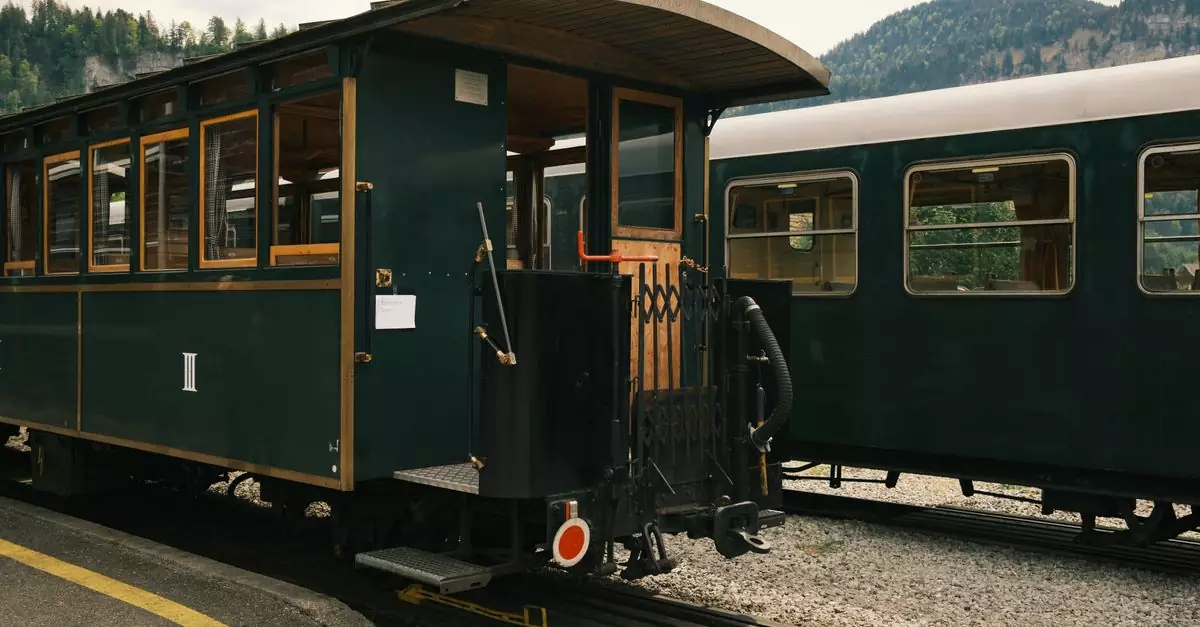
Embarking on a mountain train journey in South America offers a unique perspective on the continent’s dramatic landscapes. These routes are more than just transportation; they are immersive experiences designed to showcase breathtaking scenery, rich cultural heritage, and impressive engineering feats. Travelers can anticipate comfortable, often luxurious, onboard services that complement the visual spectacle outside.
Onboard Amenities and Dining Experiences
The quality of onboard amenities varies significantly across South America’s scenic railways. For instance, the Belmond Andean Explorer in Peru provides private cabins, fine dining with locally sourced ingredients, and even a sophisticated bar car, offering a luxury travel experience. In contrast, other routes might offer more basic seating and simpler snack services. Many journeys focus on maximizing window views, with large panoramic windows becoming a key feature. Dining often highlights regional flavors, allowing passengers to savor Peruvian ceviche, Bolivian quinoa dishes, or Ecuadorian specialties as the mountains roll by. Booking in advance is crucial, especially for premium services and dining options, as these popular journeys fill up quickly.
Photography Hotspots Along the Tracks
Every curve and climb on these mountain railways presents a new photographic opportunity. Keep your camera ready for dramatic vistas of snow-capped peaks, deep canyons, and verdant valleys. Specific points of interest often include ancient Inca ruins visible from the train, such as Machu Picchu from the Sacred Valley train in Peru, or the striking geological formations in the Bolivian Andes. Many trains are designed with observation decks or open-air cars, providing unobstructed views and excellent angles for capturing the scenery. Passengers often find themselves drawn to the engineering marvels themselves, like the switchbacks and viaducts that allow trains to ascend steep gradients. Timing your shots for the golden hours of sunrise and sunset can yield particularly spectacular results.
Navigating Altitude Sickness on High-Elevation Journeys
Several of South America’s most spectacular mountain train routes traverse high altitudes, making altitude sickness a potential concern for travelers. Journeys like the one to Potosí in Bolivia or those in the Peruvian Andes can reach elevations exceeding 13,000 feet (4,000 meters). Symptoms can include headaches, nausea, and fatigue. It is advisable to acclimatize gradually to the altitude before boarding, spending a few days in cities like Cusco or La Paz. Staying hydrated, avoiding alcohol and heavy meals, and opting for lighter physical activity upon arrival are key strategies. Some trains offer oxygen on board as a precautionary measure. Consulting with your doctor about preventative medication before your trip is also a wise step. This preparation ensures you can fully enjoy the stunning scenery without discomfort.
Beyond the Tracks: Exploring Destinations Linked by Mountain Trains
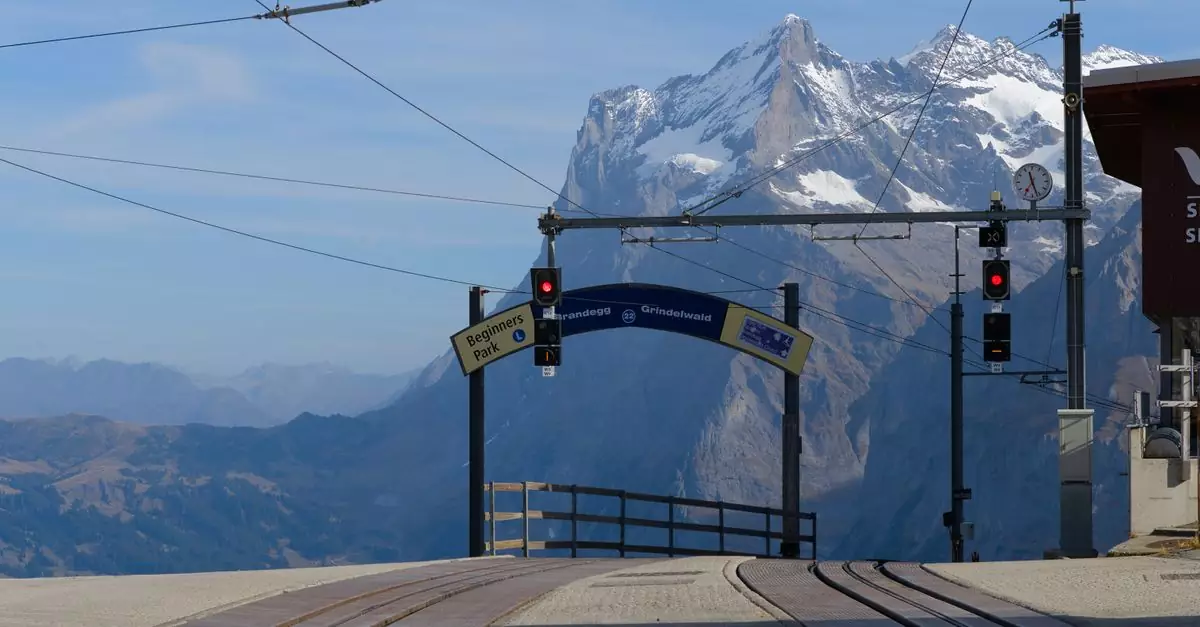
The allure of South America’s most scenic train routes extends far beyond the journey itself. These railways often serve as vital arteries, connecting vibrant towns, ancient ruins, and breathtaking landscapes. Planning your trip around these train experiences opens up opportunities to delve deeper into the region’s rich culture and natural wonders.
Cusco and the Sacred Valley: Gateway to Machu Picchu by Rail
Cusco, the historic capital of the Inca Empire, is the primary jumping-off point for many travelers seeking the best mountain train journeys. From here, the train to Machu Picchu winds through the dramatic Urubamba Valley, offering glimpses of agricultural terraces and Andean villages. The journey itself is an experience, but it’s the surrounding Sacred Valley that truly enriches the adventure.
Consider spending several days in the Sacred Valley before or after visiting Machu Picchu. Towns like Ollantaytambo and Pisac offer fascinating Inca ruins, bustling local markets, and opportunities to acclimate to the altitude. The train from Cusco to Aguas Calientes (the town at the base of Machu Picchu) is operated by PeruRail and Inca Rail, with different service levels available. Booking tickets in advance, especially during peak season, is essential.
| Operator | Route | Service Levels | Notes |
|---|---|---|---|
| PeruRail | Cusco – Aguas Calientes | Expedition, Vistadome | Offers dining and panoramic windows |
| Inca Rail | Cusco – Aguas Calientes | The Voyager, First Class | Luxurious options available |
Salta and the Northwest: Exploring the Train to the Clouds’ Surroundings
In Argentina’s northwest, the Tren a las Nubes (Train to the Clouds) offers a spectacular journey through the Andes, reaching dizzying altitudes. While the train itself is a highlight, the region around Salta provides a wealth of cultural and natural attractions. The city of Salta, with its well-preserved colonial architecture and lively peñas (folk music venues), is a charming base.
Beyond Salta, the colorful Quebrada de Humahuaca, a UNESCO World Heritage site, is a must-see. This dramatic canyon features striking rock formations and ancient indigenous villages like Tilcara and Purmamarca. Renting a car is a popular way to explore these areas at your own pace, allowing you to stop at viewpoints and smaller towns not served by the train. The Train to the Clouds typically operates from March to November, so check schedules and book tickets well in advance.
Quito and the Avenue of the Volcanoes: The Devil’s Nose Connection
Ecuador’s “Avenue of the Volcanoes” is a spectacular mountain landscape, and the historic Tren Ecuador offers a unique way to experience it. The most famous segment is the thrilling descent down the Nariz del Diablo (Devil’s Nose) near Alausí. This engineering marvel features switchbacks and sheer drops, offering an unforgettable ride.
The broader Tren Ecuador network connects Quito with various towns, providing access to diverse Andean scenery. Travelers can explore Otavalo, famous for its vibrant indigenous market, or the colonial charm of Riobamba. The full journey can take several days, allowing for in-depth exploration of the region. Due to its popularity and the specialized nature of the tracks, booking this train journey well in advance is highly recommended.
Puno and Lake Titicaca: Lakeside Towns and Island Hopping
While not a traditional mountain train journey in the same vein as others, the scenic train routes connecting Cusco to Puno offer stunning Andean vistas before arriving at the shores of Lake Titicaca. The most notable service is the luxurious Andean Explorer, a Belmond train that makes the journey between Cusco and Puno, providing a comfortable and scenic way to travel.
Upon arrival in Puno, the focus shifts to the vast, high-altitude lake. From Puno, boat tours are the primary mode of transport to visit the unique floating islands of the Uros people and the natural islands of Taquile and Amantani. These excursions offer a deep dive into local Aymara culture and provide breathtaking views of the lake and surrounding mountains. The altitude in Puno is significant, so allow time to acclimatize before embarking on strenuous activities.
Frequently Asked Questions About South American Mountain Trains
Are South American mountain trains suitable for families?
Many scenic train journeys in South America are indeed family-friendly, offering a unique and engaging way to experience the landscape. Routes like the train to Machu Picchu in Peru or the Tren a las Nubes in Argentina provide comfortable seating and breathtaking views that can captivate children and adults alike. Some services may offer specific family packages or activities, though it’s always wise to check directly with the operator for age restrictions or amenities.
What is the average cost of a scenic train journey?
The cost of a scenic train journey in South America can vary significantly based on the route, class of service, and duration. For popular routes like the journey to Machu Picchu, expect prices to range from $60 to over $200 USD for a round trip, depending on the train operator and class. Less-trafficked or shorter routes might be considerably more affordable. Booking in advance is often recommended, especially during peak season, and can sometimes secure better rates.
Here’s a general cost comparison for popular routes:
| Train Journey | Typical Round-Trip Cost (USD) | Duration | Notes |
|---|---|---|---|
| Machu Picchu (Peru) | $120 – $250 | ~3.5 hours | Multiple operators, various classes |
| Tren a las Nubes (Argentina) | $150 – $250 | ~12 hours | High altitude, weather dependent |
| The Devil’s Nose (Ecuador) | $40 – $60 | ~2.5 hours | Steep descent, cultural performances |
| El Chepe (Mexico*) | $100 – $200 | ~9 hours | *Often included in South America lists |
Note: El Chepe is technically in Mexico, but frequently appears in discussions of major North and South American train routes.
What should I pack for a mountain train trip in South America?
Packing for a mountain train trip requires consideration for varying altitudes and weather conditions. Layers are essential. Pack a waterproof and windproof outer jacket, warm sweaters or fleeces, and comfortable trousers. Good walking shoes are advisable if you plan to disembark at stops or explore destinations like Aguas Calientes. Don’t forget sun protection, including sunscreen, a hat, and sunglasses, as the sun can be intense at higher elevations. A reusable water bottle is also a good idea.
Are there any hidden gem train routes worth exploring?
While the routes to major attractions like Machu Picchu are well-known, several lesser-known mountain train journeys offer unique experiences. The Tren a las Nubes in Argentina, though popular, is a remarkable feat of engineering and offers stunning Andean vistas. In Ecuador, the Devil’s Nose (Nariz del Diablo) train provides a thrilling descent with dramatic scenery. For those venturing further afield, researching local or regional lines in countries like Colombia or Chile might uncover shorter, more intimate rail experiences that showcase specific landscapes without the crowds. Always verify operational status and schedules for these less common routes.