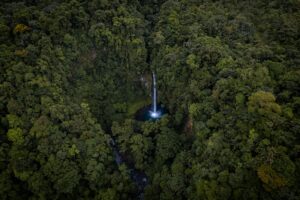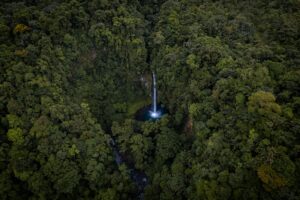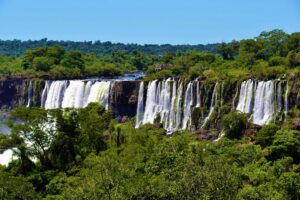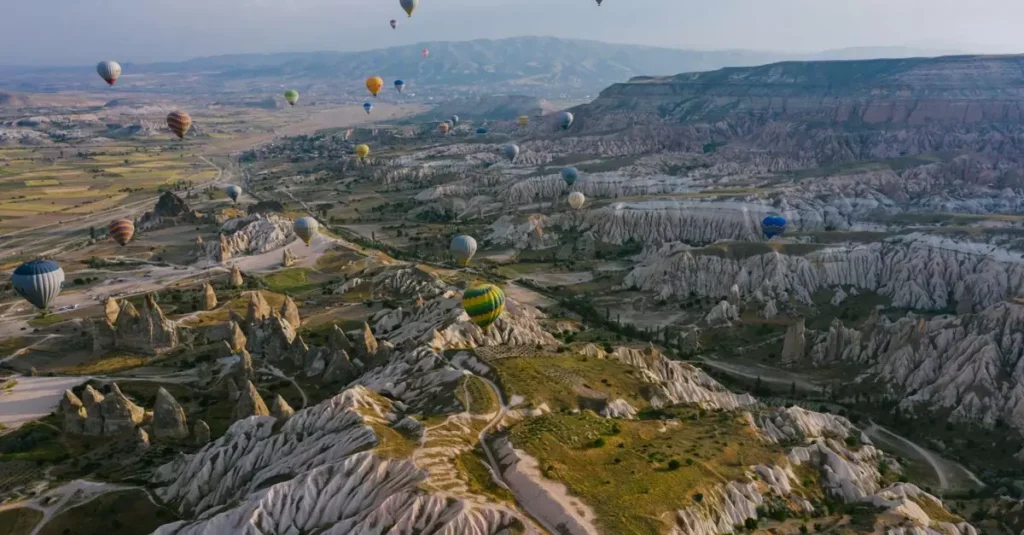
South America beckons with a tapestry of unparalleled adventures, from ancient wonders to breathtaking landscapes. If you’re dreaming of unforgettable journeys for 2026, you’re in the right place. This guide explores some of the best bucket list travel experiences the continent has to offer, providing essential insights to help you plan your ultimate trip.
Discover how to conquer the iconic Inca Trail to Machu Picchu, navigate the surreal beauty of the Salar de Uyuni salt flats, and immerse yourself in the vibrant street art and culture of Cartagena. We’ll also explore the contrasting hiking paradises of Patagonia, the unique wildlife encounters awaiting in the Galápagos Islands, and much more. Prepare to be inspired as we unveil the experiences that make South America a remarkable destination.
Conquer the Majestic Inca Trail to Machu Picchu
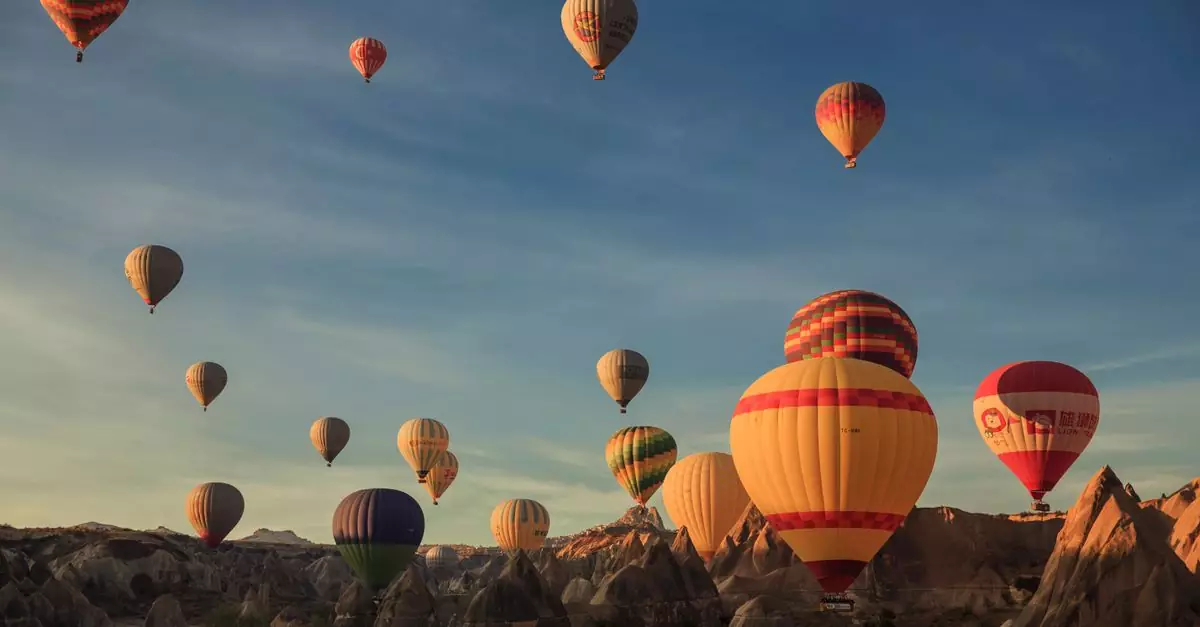
Trekking the Inca Trail to Machu Picchu remains one of the most sought-after best bucket list travel experiences in South America. This ancient pilgrimage, carved by the Incas centuries ago, winds through the Andes Mountains, offering breathtaking vistas and a profound connection to history. Completing this trek is more than just a hike; it’s an immersive journey into the heart of the Inca Empire, culminating in the awe-inspiring sight of the citadel at sunrise.
Booking Your Inca Trail Permit: Essential Steps
Securing your permit for the Classic Inca Trail is a critical first step, as numbers are strictly limited. Permits go on sale in September for the following year, and popular dates, especially during the dry season (May to September), sell out quickly. You must book through a licensed tour operator, which will handle the permit application on your behalf.
It’s advisable to book your tour and permit at least six months in advance, ideally a year ahead for peak season travel. The Peruvian Ministry of Culture manages permit releases, and your chosen operator will require your passport details for the booking. Note that the trail is closed for maintenance every February.
Best Time of Year for Trekking the Inca Trail
The optimal time to embark on the Inca Trail is during the dry season, which runs from May to September. During these months, expect sunny days with clear skies, though nights can be cold. This period offers the most stable weather for trekking and the clearest views of the surrounding Andean landscape.
The shoulder months of April and October can also be excellent choices. While there’s a slightly higher chance of rain, you’ll often find fewer crowds and potentially lower prices. The rainy season, from November to March, brings frequent downpours, making trails muddy and potentially hazardous. Remember that the trail is closed for maintenance throughout February.
| Month | Weather Conditions | Crowd Levels | Notes |
|---|---|---|---|
| May | Dry, sunny days; cold nights; occasional showers | Moderate | Start of dry season, beautiful scenery. |
| June | Dry, sunny days; very cold nights | High | Peak season, clear skies, chilly at altitude. |
| July | Dry, sunny days; very cold nights | High | Popular for summer holidays, significant crowds. |
| August | Dry, sunny days; cold nights | High | Similar to June and July, book well in advance. |
| September | Dry, sunny days; cold nights; occasional showers | Moderate | End of dry season, good balance of weather and crowds. |
| October | Variable; some rain possible; cooler temperatures | Moderate | Shoulder season, fewer trekkers than peak months. |
| November | Increasing rain; cooler temperatures | Low | Start of rainy season, trail conditions can be wet. |
| December | Rainy; overcast skies; cooler temperatures | Low | Rainy season, higher chance of mud and reduced visibility. |
| January | Rainy; overcast skies; cooler temperatures | Low | Rainy season, trail closure possible due to heavy rain. |
| February | Trail Closed for Maintenance | N/A | Annual closure for trail upkeep. |
| March | Variable; some rain possible; cooler temperatures | Low | End of rainy season, trails may still be wet. |
| April | Variable; some rain possible; cooler temperatures | Moderate | Shoulder season, good option if avoiding peak crowds. |
Packing Essentials for Your High-Altitude Adventure
Trekking the Inca Trail requires careful packing to ensure comfort and safety at high altitudes. Layers are key, as temperatures can fluctuate dramatically between day and night, and with changes in elevation.
Essential items include sturdy, broken-in hiking boots, moisture-wicking socks, thermal base layers, and a warm fleece or down jacket. A waterproof and windproof outer shell is crucial for unpredictable mountain weather. Don’t forget a wide-brimmed hat and sunglasses for sun protection, along with gloves and a warm hat for chilly evenings.
Other vital gear includes a headlamp with extra batteries, a reusable water bottle or hydration reservoir, sunscreen, insect repellent, and a basic first-aid kit. Trekking poles can significantly reduce strain on your knees, especially on descents. Your tour operator will provide tents and cooking equipment, but you’ll need your own sleeping bag and mat. A quality backpack (40-60 liters) is necessary to carry your personal belongings. For more information on traveling in the region, exploring South America offers a wealth of possibilities.
Witness the Otherworldly Salar de Uyuni Salt Flats
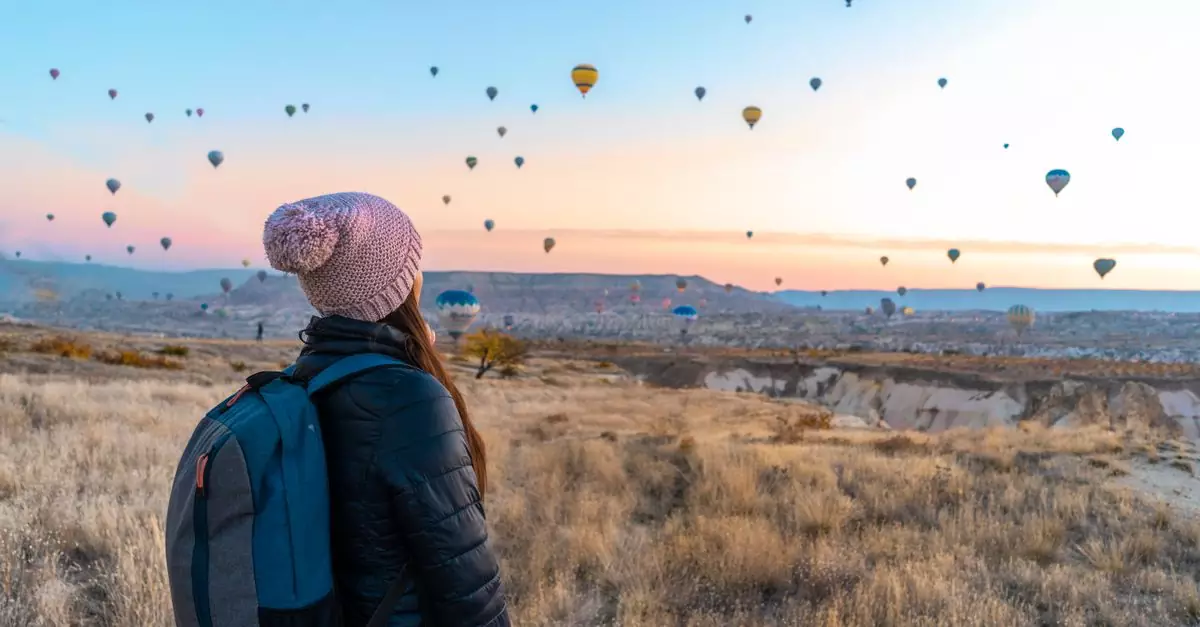
The Salar de Uyuni in Bolivia offers one of the most surreal and unforgettable travel experiences in South America. Spanning over 10,000 square kilometers, this vast salt desert transforms into a giant mirror during the wet season, reflecting the sky in a way that blurs the line between earth and heavens. Visiting this natural wonder is a highlight for many travelers seeking unique adventures.
Uyuni Tours: Choosing the Right 4×4 Expedition
Exploring the Salar de Uyuni is typically done via a 4×4 tour, as the sheer scale and remoteness of the area make independent travel impractical and potentially dangerous. Tours usually range from one to four days, departing from the town of Uyuni. The most popular option is the three-day tour, which covers the salt flats, colorful lagoons, geysers, hot springs, and the Dali-esque landscapes of the Eduardo Avaroa Andean Fauna National Reserve.
When selecting a tour, consider the following:
- Group Size: Smaller groups often provide a more intimate experience.
- Vehicle Condition: Inquire about the age and maintenance of the 4x4s.
- Itinerary: Ensure the tour covers the sights most important to you. Some tours focus more on photography, while others emphasize wildlife viewing.
- Accommodation: Basic hostels are standard, but some higher-end tours offer more comfortable lodging.
Budget tours can be found for as little as $100-$150 USD for a three-day trip, while more premium options can cost upwards of $300 USD. It’s wise to book in advance, especially during peak season, although some operators in Uyuni offer last-minute bookings. Be prepared for rustic conditions; accommodation is often shared and basic.
Photography Tips for Capturing the Mirror Effect
The Salar de Uyuni’s most iconic feature is its mirror effect, which is most pronounced during the rainy season (roughly December to April). Even a thin layer of water transforms the flats into a reflective surface, creating mind-bending photographic opportunities. To maximize your shots:
- Timing: Aim for early morning or late afternoon for softer light and dramatic reflections.
- Perspective: Experiment with low angles to emphasize the reflection. Toys and small props can create fun optical illusions.
- Gear: A wide-angle lens is highly recommended to capture the vastness. A polarizing filter can help manage glare and enhance colors.
- Patience: Wait for the right moment when the water is still and the sky is clear or filled with interesting clouds.
Even outside the rainy season, the salt crust offers unique photographic possibilities. The vast, white expanse creates a minimalist canvas, perfect for playing with perspective and scale.
Experiencing the Incahuasi Island Cactus Forest
A common stop on Salar de Uyuni tours is Incahuasi Island, a rocky outcrop rising dramatically from the salt flats. This island is famous for its towering ancient cacti, some reaching over 10 meters in height and estimated to be hundreds of years old. Walking among these giant succulents provides a striking contrast to the surrounding white desert.
The island offers panoramic views of the Salar, making it a prime spot for photos and soaking in the immense scale of the landscape. There’s a small entrance fee, typically around 30 Bolivianos (approximately $4 USD), usually included in multi-day tours. Allow at least an hour to explore the island and capture its unique beauty. The stark white of the salt, the vibrant green of the cacti, and the impossibly blue sky create a visually stunning scene.
Explore the Vibrant Colors of Cartagena’s Getsemaní Neighborhood
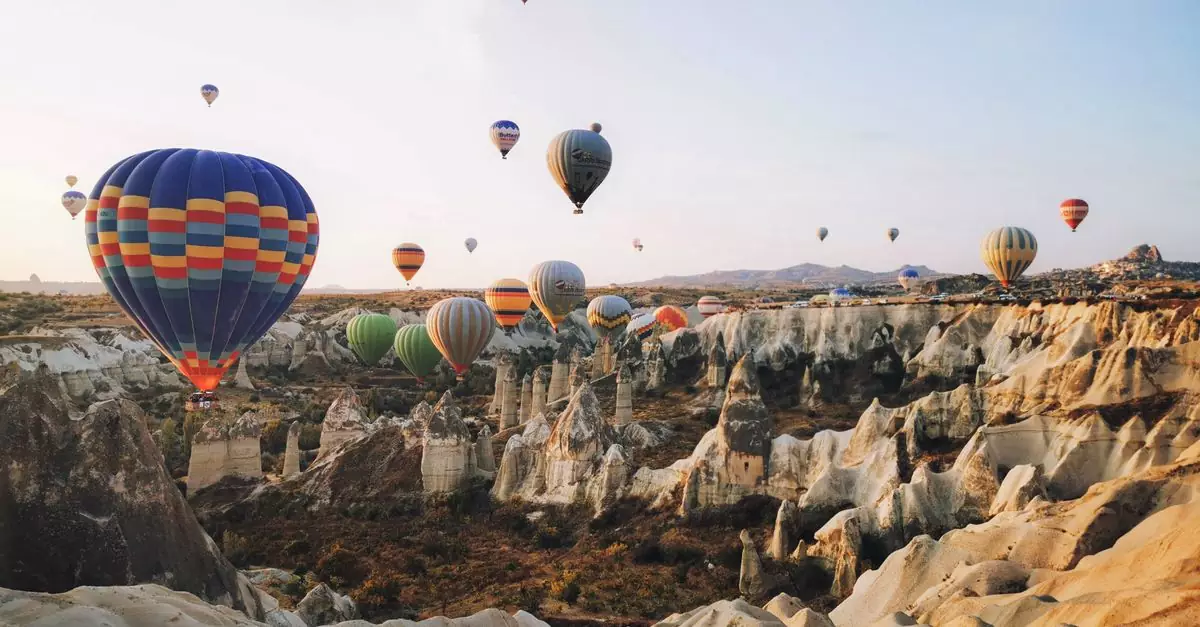
Cartagena, Colombia, offers a sensory explosion, and its Getsemaní neighborhood is the epicenter of this vibrant energy. Once a working-class district, Getsemaní has transformed into a bohemian hub, renowned for its pulsating street art, lively plazas, and authentic Colombian spirit. It’s a must-visit for anyone seeking the best bucket list travel experiences in South America, providing a stark contrast to the colonial grandeur of the nearby Walled City.
Street Art Hunting in Getsemaní
Wandering through Getsemaní is like walking through an open-air art gallery. The walls of its narrow streets are canvases for striking murals that tell stories of Colombian culture, history, and everyday life. Keep an eye out for the iconic portraits by local artist Ledania, known for her vibrant, kaleidoscopic style, and the powerful social commentary pieces adorning many buildings. The Plaza de la Trinidad serves as a central point, often bustling with performers and vendors, making it a great starting point for your art discovery.
Allow at least half a day to truly immerse yourself in the street art scene. Early mornings offer softer light for photography and fewer crowds. For a deeper understanding, consider joining a guided street art tour; local guides can provide invaluable insights into the artists and the meanings behind their work. Many tours depart from the Plaza de la Trinidad.
Sampling Authentic Colombian Cuisine in Cartagena
Beyond its visual appeal, Getsemaní is a culinary hotspot. You’ll find a range of dining options, from humble street food stalls to sophisticated restaurants, all serving up delicious Colombian flavors. Don’t miss trying arepas, a cornmeal flatbread often filled with cheese or meat, and empanadas, savory fried pastries. For a taste of the Caribbean coast, sample fresh seafood dishes, particularly posta negra, a slow-cooked beef stew.
For an authentic experience, venture beyond the main tourist squares. Look for smaller eateries packed with locals, often a sign of good food at reasonable prices. The street food scene is particularly vibrant in the evenings around Plaza de la Trinidad.
Here are a few local specialties to seek out:
- Bandeja Paisa: While originating from the Antioquia region, this hearty platter includes beans, rice, ground beef, chicharrón (pork belly), plantain, and a fried egg.
- Ceviche: Fresh seafood marinated in lime juice, often with onion and cilantro. Cartagena’s coastal location means you’ll find excellent variations.
- Arequipe: A sweet caramel-like spread, often used in desserts or as a topping.
Best Boutique Hotels in Cartagena’s Historic Center
While Getsemaní itself has a growing number of charming guesthouses, many travelers opt to stay in the nearby historic Walled City, which offers a concentrated selection of boutique hotels. These accommodations often reside in beautifully restored colonial mansions, featuring courtyards, balconies, and rooftop pools with stunning views. Staying within the Walled City provides easy walking access to major historical sites like the Clock Tower and the Inquisition Palace.
When choosing a hotel, consider proximity to the areas you wish to explore. Hotels closer to the main plazas will be livelier, while those on quieter side streets offer more tranquility. Many boutique hotels in the historic center of Cartagena pride themselves on personalized service and unique architectural details.
Here’s a general comparison of accommodation types:
| Accommodation Type | Average Price (USD/night) | Vibe | Best For |
|---|---|---|---|
| Boutique Hotel | $150 – $400 | Historic charm, intimate | Couples, travelers seeking character |
| Luxury Hotel | $300 – $700+ | Upscale amenities, service | Honeymooners, discerning travelers |
| Guesthouse/Hostel | $30 – $100 | Budget-friendly, social | Backpackers, solo travelers |
| Vacation Rental | $100 – $300+ | Home-like, flexible | Families, groups, longer stays |
Hike Through Patagonia’s Glacial Wonders: El Chaltén or Torres del Paine?
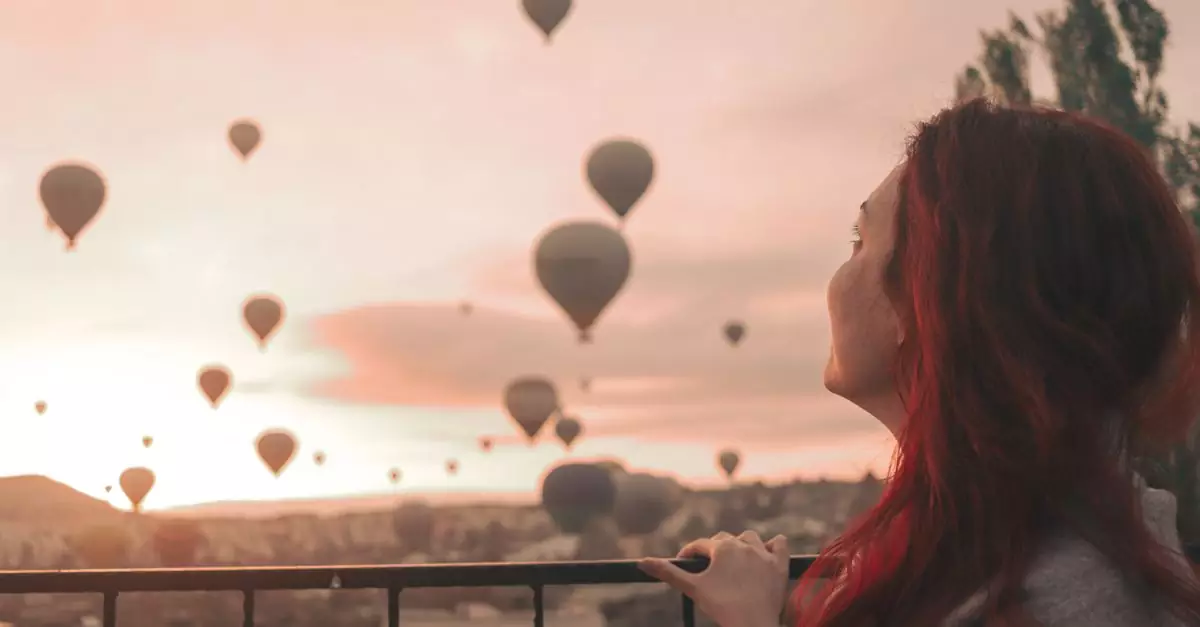
Choosing between El Chaltén, Argentina, and Torres del Paine National Park, Chile, for a Patagonian hiking adventure often comes down to personal preference and the type of experience you seek. Both offer dramatic landscapes, challenging trails, and the chance to witness glaciers up close, making them prime destinations for unforgettable South America bucket list travel experiences. El Chaltén, known as Argentina’s trekking capital, provides a more laid-back, town-centric approach to hiking, with trails starting directly from the village. Torres del Paine, a UNESCO Biosphere Reserve, offers a more immersive, park-focused experience, requiring more logistical planning for accommodation within or near the park boundaries.
Comparing Hiking Trails in El Chaltén and Torres del Paine
El Chaltén’s trail system is renowned for its accessibility and variety. The iconic Laguna de los Tres hike, leading to a breathtaking viewpoint of Mount Fitz Roy, is a challenging but rewarding day trip. For a slightly less strenuous option, the hike to Laguna Torre offers stunning views of the Cerro Torre massif and its glacier. These trails are generally well-maintained and marked, catering to a range of fitness levels, with many starting right from the edge of town.
In contrast, Torres del Paine is famous for its multi-day treks, most notably the “W” circuit and the more extensive “O” circuit. The “W” typically takes 4-5 days and covers the park’s most famous sights, including the Towers base, the French Valley, and Grey Glacier. The “O” circuit, a full loop, requires 7-10 days and ventures into more remote areas. While day hikes are possible, the park truly shines when experienced over several days, allowing for deeper immersion in its raw beauty.
| Feature | El Chaltén, Argentina | Torres del Paine, Chile |
|---|---|---|
| Vibe | Trekker’s town, relaxed | National park immersion, wilderness focus |
| Iconic Hikes | Laguna de los Tres (Fitz Roy), Laguna Torre | “W” Circuit, “O” Circuit, Base of the Towers, Grey Glacier |
| Trail Access | Trails start from town | Requires park entry, shuttle/boat transfers may be needed |
| Accommodation | Hostels, hotels, campgrounds in town | Refugios (mountain huts), hotels, campsites within/near park |
| Best For | Day hikers, independent trekkers, budget travelers | Multi-day trekkers, those seeking a complete park experience |
When to Visit Patagonia for Optimal Weather Conditions
The prime season for visiting both El Chaltén and Torres del Paine is during the Patagonian summer, from December to February. During these months, you’ll find the longest daylight hours and generally the most stable weather, with average temperatures ranging from 10-15°C (50-59°F). However, Patagonia is notorious for its unpredictable weather, and strong winds, rain, and even snow can occur at any time of year.
The shoulder seasons, October to November (spring) and March to April (autumn), offer fewer crowds and beautiful scenery, especially during autumn with its vibrant foliage. However, days are shorter, and weather can be more erratic. Winter (June to August) sees significantly colder temperatures, snow, and limited access to some trails, making it suitable only for experienced adventurers prepared for harsh conditions.
Logistics for Reaching El Chaltén and Torres del Paine
Getting to El Chaltén typically involves flying into El Calafate (FTE) airport in Argentina, followed by a 3-hour bus journey. El Calafate itself is accessible by flights from Buenos Aires and other major Argentine cities. From El Chaltén, trails are easily accessible on foot from most accommodations.
Reaching Torres del Paine requires flying into Punta Arenas (PUQ) or Puerto Natales (PNT) in Chile. Puerto Natales is the closest major town to the park and serves as the primary gateway. From Puerto Natales, you can take a bus or arrange private transport to the park entrance, which takes approximately 2-3 hours. Within Torres del Paine, transport between trailheads or to accommodation points might involve park buses or catamaran services, adding a layer of logistical planning. Booking accommodation in the park’s refugios or campsites well in advance is crucial, especially during peak season, as they fill up months ahead of time. For more information on planning your trip to South America, consult resources like National Geographic.
Discover the Unique Wildlife of the Galápagos Islands
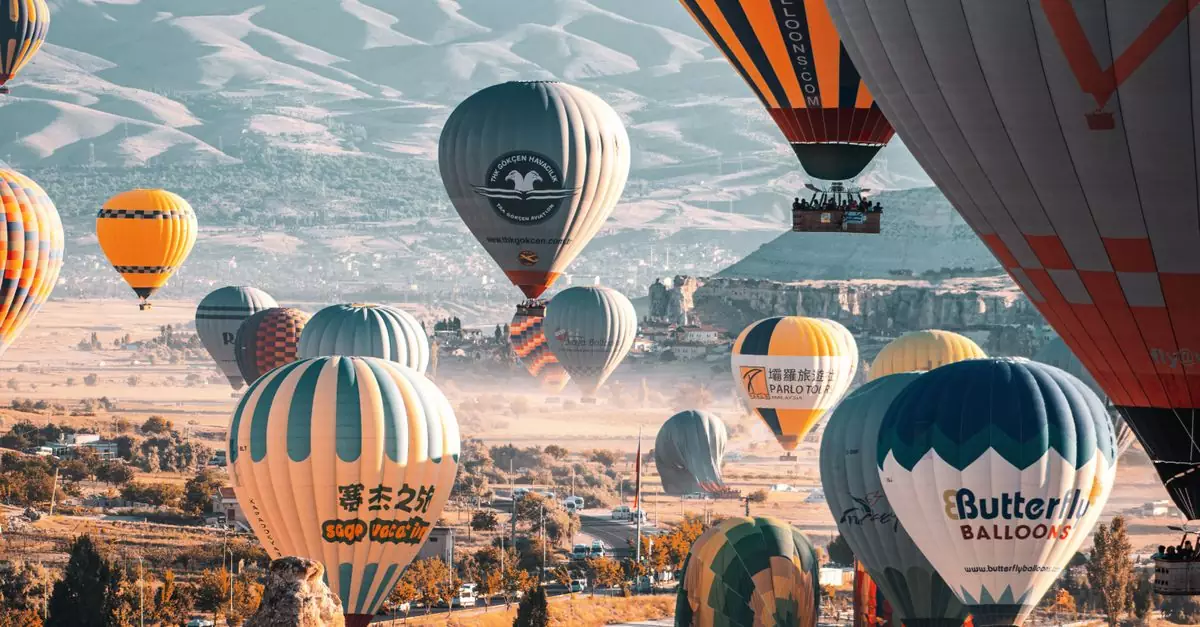
The Galápagos Islands offer an unparalleled opportunity to witness evolution in action, a truly distinct wildlife encounter that ranks high on many travelers’ bucket lists. This volcanic archipelago, situated off the coast of Ecuador, is a living laboratory where endemic species, unafraid of humans, allow for remarkably close observations. From giant tortoises lumbering through highlands to marine iguanas basking on lava rocks and blue-footed boobies performing their mating dances, the islands teem with life found nowhere else on Earth. Planning a trip to South America often includes this iconic destination for its sheer natural wonder.
Galápagos Cruise vs. Land-Based Itinerary: Which is Best?
Deciding between a cruise and a land-based stay is a pivotal first step in planning your Galápagos adventure. Each offers a different perspective and caters to varied travel styles and budgets.
A cruise allows access to more remote islands, often providing an all-inclusive experience where meals, activities, and naturalist guides are part of the package. This is ideal for maximizing wildlife viewing opportunities and covering more ground in a limited time. Cruises range from small expedition vessels to larger yachts, each with different itineraries and comfort levels. Booking well in advance is crucial, especially for popular routes and peak seasons.
Land-based trips involve staying in hotels on inhabited islands like Santa Cruz, Isabela, or San Cristóbal, and taking day trips by boat to nearby islands and dive sites. This approach can be more budget-friendly and offers flexibility, allowing for deeper immersion into local culture and the freedom to explore towns at your own pace. You can arrange day tours for snorkeling, hiking, and wildlife watching directly from your accommodation.
Here’s a quick comparison to help you decide:
| Feature | Galápagos Cruise | Land-Based Itinerary |
|---|---|---|
| Island Access | Wider access, including remote, uninhabited islands | Primarily inhabited islands with day trips |
| Pace | Faster-paced, covers more ground | Slower, more relaxed, deeper island experience |
| Cost | Generally higher, all-inclusive | Can be more budget-friendly, more control over spending |
| Accommodation | Onboard ship | Hotels/guesthouses on inhabited islands |
| Flexibility | Limited once booked | High, easy to adjust plans |
| Wildlife Focus | Maximized, diverse locations | Excellent, focused on accessible sites |
Snorkeling and Diving Hotspots in the Galápagos
The underwater world of the Galápagos is as spectacular as its terrestrial landscapes. The convergence of several ocean currents creates a nutrient-rich environment that supports an incredible diversity of marine life. For snorkelers and divers, this translates into unforgettable encounters.
Kicker Rock (León Dormido), off the coast of San Cristóbal, is a famous geological formation offering a dramatic underwater experience. Here, you can swim alongside hammerhead sharks, Galapagos sharks, sea turtles, and rays. The currents can be strong, making it more suitable for experienced snorkelers and divers.
Devil’s Crown on Floreana Island is another prime snorkeling site. This volcanic cone, partially submerged, creates a natural aquarium teeming with colorful fish, sea lions, and reef sharks. The swirling currents attract a vibrant array of marine species.
For those staying on Santa Cruz, Las Tintoreras near Puerto Villamil on Isabela Island offers calmer waters and frequent sightings of white-tip reef sharks, marine iguanas, penguins, and sea lions. Day trips from Puerto Ayora often visit nearby bays and islets for excellent snorkeling.
Responsible Tourism Practices on the Galápagos Islands
Preserving the unique ecosystem of the Galápagos is paramount, and responsible tourism plays a critical role. As visitors, adopting mindful practices ensures the islands remain pristine for future generations and the wildlife continues to thrive.
Adhere strictly to the guidelines set by the Galápagos National Park, including staying on marked trails, never touching or feeding wildlife, and maintaining a respectful distance. Your naturalist guide will provide essential information on these regulations.
Choose tour operators and accommodations that demonstrate a commitment to sustainability. Look for businesses that minimize waste, conserve water and energy, and support local communities. Supporting local artisans and dining at locally-owned restaurants also contributes positively to the islands’ economy.
When on a Galápagos cruise, pay attention to waste disposal protocols. Avoid single-use plastics and ensure all waste is handled appropriately. These small actions collectively make a significant difference in protecting this extraordinary natural heritage.
Frequently Asked Questions About South America Bucket List Adventures
What is the safest way to travel solo in South America?
Solo travel in South America can be incredibly rewarding, but prioritizing safety is key. Research your destinations thoroughly and stay informed about local conditions. Opt for well-established transportation methods, like reputable bus companies or pre-booked airport transfers. When choosing accommodations, look for places with good reviews, secure entry, and perhaps a 24-hour reception.
It’s also wise to blend in as much as possible. Avoid displaying expensive jewelry or electronics openly, and be mindful of your surroundings, especially in crowded areas or at night. Learning a few basic phrases in Spanish or Portuguese can be immensely helpful for communication and navigating situations. Trust your intuition; if a place or situation feels unsafe, it’s best to leave.
What are the must-try local foods across South America?
South America offers a diverse culinary landscape, with regional specialties that are absolute must-tries. In Peru, ceviche is king – fresh fish cured in lime juice with chilies and onions. Argentina is renowned for its asado, a traditional barbecue featuring high-quality beef, and empanadas, savory pastries filled with meat, cheese, or vegetables.
In Brazil, feijoada, a hearty black bean stew with various meats, is a national dish. Colombia offers bandeja paisa, a substantial platter with beans, rice, plantain, avocado, and meat. Don’t miss arepas in Venezuela and Colombia, versatile cornmeal patties that can be filled with almost anything. Trying these local flavors is an essential part of the best bucket list travel experiences.
How can I budget for a multi-country South America trip?
Budgeting for a multi-country trip across South America depends heavily on your travel style, the countries you visit, and the length of your stay. Generally, countries like Bolivia and Ecuador tend to be more budget-friendly than Brazil, Argentina, or Chile.
Consider the following breakdown for a rough daily estimate, excluding international flights:
| Country Type | Budget Traveler ($USD/day) | Mid-Range Traveler ($USD/day) |
|---|---|---|
| Most Affordable | $30 – $50 | $60 – $100 |
| Mid-Priced | $50 – $70 | $100 – $150 |
| Most Expensive | $70 – $100 | $150 – $250+ |
Note: These are estimates and can vary significantly based on specific activities and accommodation choices.
For transportation, overnight buses are a cost-effective way to cover long distances between cities and countries, saving on accommodation costs as well. Look for deals on internal flights if booking in advance, especially for longer hops. Accommodation can range from hostels ($10-$25/night) to budget hotels ($30-$70/night) and mid-range hotels ($70-$150+/night). Eating at local markets and comedores (small, local eateries) will significantly reduce food expenses compared to tourist-oriented restaurants. Planning your itinerary with a mix of countries can help balance your overall budget.