South America is a continent defined by its extraordinary natural beauty, showcasing some of the planet’s most breathtaking landscapes. From the icy peaks of Patagonia to the vibrant biodiversity of the Amazon and the surreal expanse of the Uyuni Salt Flats, planning your trip to witness these wonders requires thoughtful consideration. This guide explores the best natural wonder vacations available, offering practical advice for 2026. You’ll find essential tips on when to visit each unique destination, how to navigate these vast regions, where to find memorable accommodations, and what to pack for your adventure. Prepare to explore the unparalleled natural heritage of South America.
Top South American Natural Wonder Vacations for 2026
South America is rich in stunning natural landscapes, providing unforgettable experiences for every type of traveler. To fully appreciate these wonders, understanding the nuances of each destination is essential. Here are some of the best natural wonder vacations to consider for your 2026 travels.
Exploring Patagonia’s Glaciers and Peaks
Patagonia, shared by Argentina and Chile, is a rugged frontier known for its dramatic mountain ranges, vast ice fields, and pristine lakes. The iconic peaks of Torres del Paine National Park in Chile and Los Glaciares National Park in Argentina, which features the Perito Moreno Glacier, are major attractions. These areas offer exceptional trekking opportunities, ranging from challenging multi-day hikes to more accessible day trips.
Timing your visit to Patagonia is crucial. The austral summer (December to February) offers the most stable weather, though it is also the busiest and most expensive period. The shoulder seasons, October-November and March-April, present fewer crowds and beautiful autumn colors, albeit with a higher chance of unpredictable weather.
Getting to Patagonia:
- By Air: Fly into El Calafate (Argentina) for Los Glaciares or Punta Arenas (Chile) for Torres del Paine. Connections are typically made through Buenos Aires or Santiago.
- By Bus: Long-distance bus services connect major Patagonian towns, providing a scenic but time-consuming journey.
Budgeting for Patagonia: Patagonia can be costly, especially for accommodations and guided tours. Budget travelers can opt for hostels and self-catering, while those seeking comfort will find a variety of lodges and luxury hotels.
Discovering the Amazon Rainforest’s Biodiversity
The Amazon basin, spanning nine countries but primarily Brazil, Peru, and Colombia, is the world’s largest tropical rainforest and a biodiversity hotspot. A vacation here allows you to immerse yourself in an ecosystem like no other, with opportunities to see exotic wildlife, navigate winding rivers, and learn about indigenous cultures.
Most visitors experience the Amazon through organized tours departing from gateway cities like Manaus (Brazil), Iquitos (Peru), or Leticia (Colombia). These tours often include stays in jungle lodges, boat excursions, and guided hikes led by local naturalists.
Best Time to Visit: The Amazon has two main seasons: the wet season (roughly December to May) and the dry season (June to November). The wet season features higher water levels, facilitating deeper exploration by boat. The dry season offers more accessible hiking trails and is often better for wildlife spotting along riverbanks.
Wildlife Spotting Tips: Patience and a knowledgeable guide are essential. Look for monkeys, sloths, caimans, river dolphins, and a stunning array of bird species. Don’t forget to pack insect repellent and light, breathable clothing.
Marveling at Iguazu Falls’ Immense Power
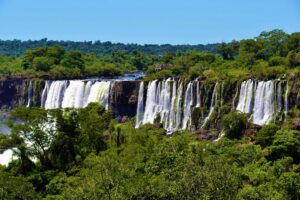
Located on the border of Brazil and Argentina, Iguazu Falls is a spectacular system of 275 individual cascades, forming one of the largest and most impressive waterfall systems in the world. The sheer scale and thundering roar of the falls are awe-inspiring.
Both sides of the falls offer distinct experiences. The Argentinian side allows for closer access to many of the falls, with boardwalks extending over the water, including the dramatic Devil’s Throat. The Brazilian side provides panoramic views of the entire horseshoe-shaped falls.
Logistics for Iguazu:
- Getting There: Fly into Foz do Iguaçu (Brazil) or Puerto Iguazú (Argentina). Both airports are a short taxi or bus ride from the falls.
- Crossing Borders: It’s relatively easy to cross between the Brazilian and Argentinian sides for day trips, but check visa requirements based on your nationality.
- Best Views: Allocate at least one full day for each side to fully appreciate the falls.
Consider visiting during the rainy season (December to February) for the most powerful flow, though expect increased humidity and crowds. The dry season (April to June) offers lower water levels but potentially clearer skies.
Witnessing the Uyuni Salt Flats’ Mirror Effect
Salar de Uyuni in Bolivia is the world’s largest salt flat, a vast expanse of white that transforms into a giant mirror during the wet season (typically December to March). This surreal landscape provides incredible photographic opportunities and a unique travel experience.
Day tours are the most common way to visit the salt flats, often including visits to Isla Incahuasi (an island covered in giant cacti) and nearby colored lagoons teeming with flamingos. Multi-day tours can venture further into the Eduardo Avaroa Andean Fauna National Reserve.
Key Considerations for Uyuni:
- Altitude: Uyuni is situated at over 3,650 meters (12,000 feet), so acclimatization is essential to avoid altitude sickness.
- Transportation: 4×4 vehicles are necessary for navigating the salt flats and surrounding desert. Tours are the most practical option for most travelers.
- What to Pack: Sunscreen, sunglasses, a hat, and layers of clothing are vital due to the intense sun and temperature fluctuations.
While the mirror effect is the main draw, the stark beauty of the salt flats captivates year-round. Visiting outside the peak wet season can offer a different yet equally stunning perspective. For more information on exploring South America, consider resources from National Geographic.
Planning Your South American Natural Wonder Itinerary
South America offers a breathtaking array of natural wonders, from glacial landscapes to lush rainforests and otherworldly salt flats. When planning your trip, consider how much time you have and which unique environments you want to experience. Tailoring your itinerary to specific regions allows for a more immersive and logistically sound adventure.
Crafting a 10-Day Patagonia Adventure
A 10-day trip to Patagonia provides a solid introduction to its dramatic glacial landscapes. This region, shared by Argentina and Chile, requires efficient planning due to its vastness and remote nature. Focus on either the Argentinian side (El Calafate and El Chaltén) or the Chilean side (Torres del Paine National Park) to minimize travel time.
For an Argentinian focus, begin in El Calafate, the gateway to Perito Moreno Glacier. Spend two days here, dedicating one to viewing the glacier from the boardwalks and another to a boat tour for a closer perspective. Then, travel to El Chaltén, Argentina’s trekking capital. Allow three to four days for hiking trails like Laguna de los Tres for Fitz Roy views and Laguna Torre. Use the remaining days for travel between locations and buffer time.
Transportation within Patagonia often involves buses, which are reliable but can be time-consuming. Renting a car offers more flexibility, especially for reaching trailheads in El Chaltén. Accommodations range from hostels to luxury lodges, with early booking crucial, particularly during the peak season of December to February. Expect variable weather; packing layers is essential.
Designing a 7-Day Amazon Rainforest Expedition
A week in the Amazon rainforest provides a glimpse into one of the planet’s most biodiverse ecosystems. Most expeditions depart from gateway cities like Iquitos (Peru), Manaus (Brazil), or Coca (Ecuador). Your experience will largely depend on the lodge or cruise you choose, as they dictate access to wildlife viewing opportunities and guided excursions.
A typical 7-day itinerary might involve flying into your chosen gateway city, transferring to a jungle lodge or cruise ship, and immersing yourself in daily activities. These usually include guided jungle walks to learn about medicinal plants and local fauna, canoe trips on tributaries for spotting river dolphins and caimans, and night walks to observe nocturnal creatures. Birdwatching is a significant draw, with early morning excursions often yielding the best sightings.
Budget can vary significantly based on the level of comfort and exclusivity of your chosen accommodation. All-inclusive packages are common, covering transfers, meals, and guided tours. It’s advisable to book through reputable tour operators who prioritize sustainable tourism practices. Be prepared for high humidity and temperatures, and pack insect repellent and lightweight, long-sleeved clothing.
Structuring a 3-Day Iguazu Falls Experience
Iguazu Falls, straddling the border of Argentina and Brazil, is an awe-inspiring spectacle that can be appreciated in a focused 3-day visit. This allows ample time to explore both the Argentinian and Brazilian sides of the falls, each offering distinct perspectives.
Begin by flying into either Puerto Iguazú (Argentina) or Foz do Iguaçu (Brazil). Dedicate one full day to the Argentinian side, which features extensive networks of walkways that bring you incredibly close to many of the falls, including the thundering Devil’s Throat. Consider taking the “Gran Aventura” boat tour for a thrilling ride under some of the cascades.
Spend the second day on the Brazilian side, which offers panoramic views of the entire falls system. The walkways here are shorter but provide breathtaking vistas. Factor in travel time between the two countries, which involves border crossings. Depending on your interests, a third day could be used for visiting the nearby Itaipu Dam or the Güirá Oga wildlife rescue center. Accommodation is readily available in both gateway towns.
Creating a 2-Day Uyuni Salt Flats Tour
The Salar de Uyuni in Bolivia is the world’s largest salt flat, creating a surreal, boundless white landscape. A 2-day tour is the minimum required to experience its unique beauty, though 3-day tours offer more depth. Tours typically start and end in Uyuni town.
Day one usually involves exploring the vast salt flats, visiting the “eyes of the salt” (natural brine pools), and seeing the salt-mining operations. The iconic photos with distorted perspectives are best captured here. You’ll also likely visit Incahuasi Island, a rocky outcrop covered in giant cacti, offering panoramic views. Overnight stays are often in basic salt hotels, a unique experience in itself.
Day two might take you further into the surrounding altiplano, visiting colored lagoons, geysers, hot springs, and diverse wildlife like flamingos. This part of the tour provides a stark contrast to the white expanse of the salt flats. The unpaved roads can be rough, and temperatures can drop significantly, especially at night. Opt for tours with reliable operators and be prepared for basic facilities. The best time to visit is during the dry season (May to October) for clear skies and firm ground, though the wet season (December to April) creates a stunning mirror effect. For a broader overview of South American travel, consider resources like National Geographic’s South America guide.
When Is the Best Time to Visit South America’s Natural Wonders?
Choosing the right time to visit South America’s diverse natural landscapes is crucial for an optimal experience. The continent’s vastness means seasons vary dramatically, impacting everything from accessibility to the visual spectacle. Understanding these nuances will help you plan your trip for the best possible weather, fewer crowds, and the most breathtaking views.
Patagonia: Summer vs. Shoulder Seasons
Patagonia, a region renowned for its dramatic glaciers, jagged peaks, and windswept plains, experiences distinct seasons. The Patagonian summer, from December to February, offers the warmest temperatures and longest daylight hours, making it ideal for extensive hiking and trekking. However, this peak season also brings the largest crowds and highest prices for accommodations and flights.
For those seeking a balance of good weather and fewer tourists, the shoulder seasons—spring (October-November) and autumn (March-April)—are excellent alternatives. Spring brings blooming wildflowers and migratory birds, while autumn showcases stunning fall foliage in shades of red and gold. Temperatures are cooler, and winds can still be strong, but you’ll often find more affordable travel options and a more tranquil atmosphere. Traveling outside these periods, during winter (May-September), means significant snow, limited access to many trails, and shorter days, though it can be appealing for dedicated winter sports enthusiasts.
Amazon: Dry Season vs. Wet Season Travel
The Amazon rainforest, the world’s largest tropical rainforest, presents two main travel seasons, each offering a unique perspective. The dry season, generally from June to November, is often preferred by travelers. During these months, water levels in the rivers recede, revealing more of the jungle floor and creating more accessible hiking trails. Wildlife is also more concentrated around remaining water sources, potentially increasing sightings of mammals, birds, and reptiles.
Conversely, the wet season, from December to May, sees significantly higher rainfall and swollen rivers. While this means more mosquitoes and potentially challenging travel conditions, it also opens up unique opportunities. Higher water levels allow boats to navigate deeper into the flooded forest (várzea), offering intimate access to a different ecosystem. The lush vegetation is at its most vibrant, and the sheer volume of water creates a powerful, immersive experience. Many lodges operate year-round, but it’s wise to check specific conditions and recommended gear for either season.
Iguazu Falls: Peak Flow and Crowd Considerations
Iguazu Falls, a magnificent system of waterfalls on the border of Argentina and Brazil, is a spectacle year-round. However, the volume of water and the visitor experience can vary. The wet season, from December to February, typically brings the highest rainfall, resulting in the most powerful and voluminous cascades. This is when the falls are at their most awe-inspiring, with mist rising high and the roar of the water at its loudest.
The downside to visiting during this peak flow is that it coincides with summer holidays, leading to larger crowds at both the Argentinian and Brazilian sides of the park. For a similar water volume with fewer people, consider the shoulder months of March, April, September, and October. During the drier months of May to August, the falls may appear less dramatic, with some smaller cascades receding, but you’ll encounter significantly fewer tourists, allowing for a more peaceful appreciation of the natural wonder.
Uyuni Salt Flats: Rainy Season Reflections vs. Dry Season Expanse
The Salar de Uyuni in Bolivia, the world’s largest salt flat, offers two dramatically different yet equally stunning visual experiences depending on the season. The dry season, typically from May to October, presents an endless, blindingly white expanse of hexagonal salt tiles stretching to the horizon. This season is excellent for driving across the vastness, enjoying surreal optical illusions, and visiting Incahuasi Island, known for its giant cacti. The weather is generally clear and sunny, though temperatures can drop significantly at night.
The rainy season, from November to April, transforms the salt flats into a giant, natural mirror. When a thin layer of water covers the salt, the sky perfectly reflects on the surface, creating an otherworldly illusion where the earth and sky merge. This is a photographer’s dream and a truly magical time to visit, offering unparalleled vistas. However, travel can be more restricted during this period, as some areas may become impassable due to water levels, and tours are often adjusted accordingly. Planning your visit to the Uyuni Salt Flats requires deciding whether the dry season’s vastness or the rainy season’s reflective magic appeals most.
Getting Around South America’s Natural Destinations
Navigating the vast and diverse natural landscapes of South America requires careful planning. While some destinations are easily accessible, others demand specific modes of transport and logistical considerations. Understanding these nuances is key to crafting your best natural wonder vacations.
Flights and Ground Transportation for Patagonia
Reaching Patagonia, famed for its dramatic glaciers and mountains, typically involves flying into major gateways like El Calafate (Argentina) or Punta Arenas (Chile). From these hubs, ground transportation becomes essential. Buses are a common and economical way to travel between towns like El Calafate and El Chaltén, offering scenic views along the way. For more flexibility, renting a car is an option, especially if you plan to venture off the main routes. However, be prepared for unpaved roads in certain areas and always check road conditions, particularly outside of peak season. Many travelers also opt for organized tours that handle transportation between key sights, simplifying logistics for those seeking a more guided experience.
Boat Travel and Jungle Lodges in the Amazon
The Amazon rainforest presents a unique transportation challenge: water is often the primary highway. Accessing remote jungle lodges usually involves flights to gateway cities like Manaus (Brazil) or Iquitos (Peru), followed by boat transfers. These boat journeys can range from a few hours to a full day, depending on the lodge’s location. Speedboats are common for quicker transfers, while larger, slower boats offer a more immersive experience. Staying in a jungle lodge typically includes these transfers as part of the package, making it a convenient choice for experiencing the heart of the Amazon. It’s advisable to book these transfers well in advance, especially during busy periods.
Accessing Iguazu Falls from Brazil and Argentina
Iguazu Falls, a breathtaking spectacle of cascading water, straddles the border of Brazil and Argentina, and visiting both sides offers distinct perspectives. The most common entry points are Foz do Iguaçu in Brazil and Puerto Iguazú in Argentina. Flights arrive at airports in both cities. From the airports, taxis and shuttle services are readily available to take you to the respective national parks. Traveling between the Brazilian and Argentinian sides is straightforward; you can take a bus or a taxi across the Tancredo Neves Bridge. While you can visit the falls from either country independently, combining both sides provides a comprehensive appreciation of their scale and power. Many travelers choose to stay in one of the towns and make day trips to the falls or opt for accommodations closer to the park entrances.
4×4 Tours and Logistics for the Uyuni Salt Flats
The Salar de Uyuni, the world’s largest salt flat, is an otherworldly destination that requires specialized transportation. Independent travel in a standard car is not recommended due to the vast, unmarked terrain and challenging conditions. The most popular way to visit is by joining a guided 4×4 tour, typically departing from the town of Uyuni in Bolivia. These tours range from one to four days, taking you across the dazzling white expanse and to surrounding natural attractions like colorful lagoons, geysers, and hot springs. Booking a tour generally includes transportation, accommodation (often basic salt hotels or hostels), and meals. It’s crucial to choose a reputable tour operator, as safety and the quality of the experience can vary significantly. Ensure your chosen tour covers the specific sights you wish to see and factor in the altitude, as Uyuni is situated at over 3,600 meters (11,800 feet).
Unique Stays and Local Flavors Near Natural Wonders
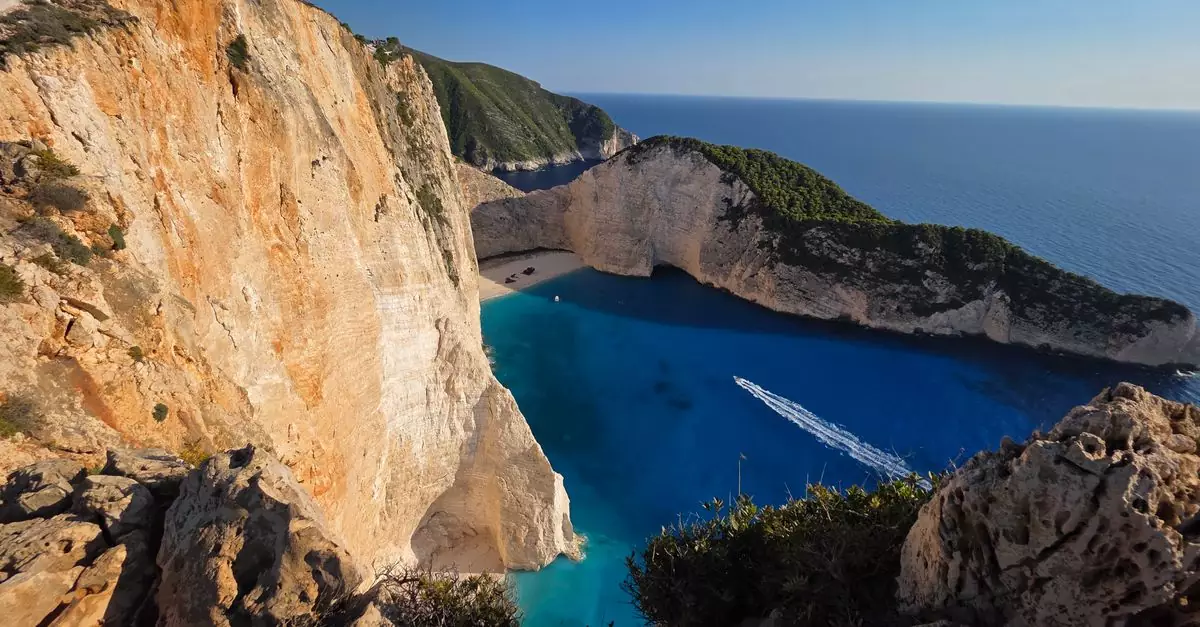
Choosing the right accommodation enhances any trip, especially when venturing to South America’s most awe-inspiring natural landscapes. Beyond just a place to sleep, these unique stays offer immersion into local culture and a comfortable base for your adventures. From remote eco-lodges to charming town hotels, the options cater to various budgets and travel styles, making your journey to these natural wonders even more memorable.
Eco-Lodges in the Amazon Rainforest
For an immersive experience in the Amazon, consider staying at an eco-lodge. These lodges are typically situated deep within the rainforest, accessible by boat, and offer a chance to disconnect and reconnect with nature. Many are built with sustainable materials and operate with minimal environmental impact, often providing guided excursions led by local naturalists. Expect simple yet comfortable rooms, often with mosquito netting and private or shared bathrooms. Meals are usually included and feature local ingredients.
A stay here offers unparalleled access to wildlife viewing, jungle treks, and river excursions. Nights are filled with the sounds of the rainforest, and mornings often begin with birdwatching from your balcony. While remote, these lodges provide a unique opportunity to understand the delicate ecosystem of the Amazon Rainforest.
Charming Hotels in El Calafate for Patagonia
El Calafate, the gateway to Los Glaciares National Park, offers a range of accommodations from rustic cabins to more polished hotels. Many establishments boast views of Lago Argentino and provide a cozy retreat after a day of exploring glaciers. Look for hotels that offer guided tours or can assist with booking excursions to Perito Moreno Glacier or boat trips to see Upsala and Spegazzini glaciers.
The town itself has a pleasant atmosphere, with local restaurants serving Patagonian lamb and craft beers. Many hotels are within walking distance of the main street, making it easy to access shops and tour operators. This region is best visited during the Patagonian summer (December to February) for the most favorable weather conditions.
Accommodation Options Near Iguazu Falls
The area surrounding Iguazu Falls, straddling the border of Argentina and Brazil, provides diverse lodging choices. On the Argentinian side, hotels range from luxury resorts with direct views of the falls to more budget-friendly guesthouses in the town of Puerto Iguazú. Staying closer to the park entrance allows for early access to witness the falls’ grandeur before the crowds arrive.
Brazilian options often include hotels in Foz do Iguaçu, offering different perspectives of the falls and access to the Parque das Aves (Bird Park). Consider the time of year for your visit; the rainy season (December to February) means fuller falls but also more humidity and potential for thunderstorms.
Salt Hotels and Basic Hostels in Uyuni
Salar de Uyuni, the world’s largest salt flat, offers a truly unique accommodation experience. Salt hotels, constructed almost entirely from salt blocks, provide a surreal and comfortable stay right on the edge of the dazzling white expanse. These hotels often feature unique architecture and offer incredible stargazing opportunities due to the minimal light pollution.
For budget travelers, basic hostels and guesthouses are available in the town of Uyuni and in some smaller communities surrounding the salt flats. These options are more rudimentary but offer a glimpse into local life. A 4×4 tour is essential for navigating the salt flats and surrounding desert landscapes, and most multi-day tours include accommodation and meals. Planning your trip outside the wet season (roughly December to March) will ensure better road conditions and clearer views of the salt formations.
Frequently Asked Questions About Natural Wonder Vacations
What are the essential packing tips for diverse South American climates?
Packing for South America requires versatility. You’ll likely encounter a range of temperatures and weather conditions, even within a single trip. Lightweight, moisture-wicking layers are key. Include a waterproof and windproof outer shell, especially if visiting the Andes or Patagonia. Don’t forget a wide-brimmed hat, sunglasses, and high SPF sunscreen for sun protection at high altitudes and near the equator. Comfortable, broken-in hiking boots are essential for exploring natural sites.
For varied climates, consider packing:
- Moisture-wicking base layers
- Fleece or down mid-layers
- Waterproof and windproof jacket and pants
- Quick-dry hiking pants or convertible pants
- Sun hat and sunglasses
- High SPF sunscreen and lip balm
- Insect repellent, particularly for Amazonian regions
- Reusable water bottle
- First-aid kit with personal medications
Are there any safety concerns for travelers visiting these natural sites?
While South America offers incredible natural beauty, it’s wise to be prepared. Altitude sickness can affect visitors in the Andes; acclimatize gradually and stay hydrated. Research specific risks for each location, such as wildlife encounters in the Amazon or extreme weather in Patagonia. Always stick to marked trails and inform someone of your hiking plans.
Regarding safety:
- Altitude: Acclimatize slowly in places like Cusco or La Paz. Drink coca tea and avoid strenuous activity on your first day.
- Wildlife: Maintain a safe distance from all animals. Never feed wildlife.
- Terrain: Be aware of uneven surfaces and potential hazards on trails.
- Local Guidance: Hiring local guides can enhance safety and provide valuable insights.
- Water: Drink bottled or purified water to avoid stomach issues.
What are some lesser-known natural attractions in South America?
Beyond the iconic destinations, South America holds many hidden natural gems. Consider the colorful Caño Cristales in Colombia, often called the “River of Five Colors,” visible from July to November. The Chapada Diamantina National Park in Brazil offers stunning table mountains, waterfalls, and caves, with fewer crowds than Iguazu Falls. For a unique desert landscape, explore the Talampaya National Park in Argentina, known for its red rock formations and fossils.
How can I budget for an extended natural wonder trip in South America?
Budgeting for an extended trip depends heavily on your travel style and the destinations you choose. Flights within South America can add up, so booking in advance or looking for multi-city tickets can save money. Accommodation ranges from budget hostels to mid-range hotels and luxury lodges.
Consider these factors for budgeting:
- Transportation: Internal flights, long-distance buses, and local taxis.
- Accommodation: Hostels, guesthouses, mid-range hotels, eco-lodges.
- Activities & Entrance Fees: National park fees, guided tours, adventure activities.
- Food: Eating at local markets and smaller restaurants is more affordable than tourist-focused establishments.
- Duration: Longer trips naturally increase overall costs.
A general daily budget might range from $50-$150 USD per person, excluding international flights, depending on the country and activities. For instance, countries like Bolivia and Ecuador tend to be more budget-friendly than Chile or Argentina. Planning an itinerary that balances expensive and affordable destinations can help manage costs for an extended journey to see the best natural wonder vacations the continent has to offer.