South America is a continent bursting with life, and its vibrant seasonal festivals provide an extraordinary opportunity to experience its rich culture firsthand. From the electrifying samba parades of Rio Carnival to the ancient Incan sun worship of Inti Raymi and the joyous grape harvests in Mendoza, these celebrations are deeply ingrained traditions that showcase the continent’s diverse heritage. If you seek the best seasonal festivals worldwide, planning a trip around these South American spectacles promises an unforgettable journey.
This guide will help you navigate the magic of these festivals, offering insights into the best times to visit, essential travel tips for getting around, and a taste of the unique culinary delights you can savor. Prepare to immerse yourself in the heart of South American celebration.
Unveiling South America’s Most Vibrant Seasonal Festivals
South America comes alive with color, music, and tradition, especially when its renowned seasonal festivals take center stage. From the pulsating rhythms of Carnival to ancient Incan ceremonies and the joyful celebration of wine harvests, these events provide a unique window into the continent’s diverse cultures. Planning a trip around one of these spectacles can transform a standard vacation into an unforgettable cultural immersion.
Carnival in Rio de Janeiro: A Spectacle of Samba and Celebration
Rio de Janeiro’s Carnival is arguably the most famous festival in South America, drawing millions for its electrifying parades, vibrant street parties (blocos), and infectious energy. The Sambadrome, a purpose-built parade avenue, hosts elaborate competitions where samba schools showcase intricate costumes, dazzling floats, and synchronized dance routines. Beyond the official parades, spontaneous celebrations erupt throughout the city, with blocos taking over neighborhoods, offering a more intimate experience.
Planning Your Visit to Rio Carnival:
- Timing: Carnival typically occurs in February or early March, leading up to Ash Wednesday. Dates vary annually, so check the official schedule.
- Tickets: Book Sambadrome tickets well in advance, especially for prime seating.
- Accommodation: Reserve hotels and apartments months ahead, as prices surge and availability plummets. Consider neighborhoods like Copacabana, Ipanema, or Leblon for proximity to events and beaches.
- Budget: Rio can be expensive during Carnival. Factor in costs for accommodation, tickets, food, drinks, and transport. Street parties are often free, providing a budget-friendly way to enjoy the festivities.
- Safety: Stay aware of your surroundings, especially in crowded areas. Keep valuables secure and avoid displaying them openly.
Inti Raymi in Cusco: Honoring the Sun God in the Andes
Inti Raymi, or “Festival of the Sun” in Quechua, is an ancient Incan ceremony revived and celebrated annually in Cusco, Peru. Held on the winter solstice, this reenactment honors Inti, the most significant Incan deity. The main events occur at the Sacsayhuamán fortress, overlooking the historic city, where participants in traditional attire perform rituals, music, and dances, culminating in a symbolic offering.
This reenactment provides a profound connection to the Inca Empire’s spiritual heritage. Attending Inti Raymi offers a unique chance to witness a living piece of history against the stunning backdrop of the Andes. The festival is a significant cultural event for the region, showcasing traditional music, dance, and elaborate costumes that reflect Andean artistry.
Key Aspects of Inti Raymi:
- Date: June 24th annually.
- Location: Primary ceremonies at Sacsayhuamán, with related events throughout Cusco.
- Tickets: Seating at Sacsayhuamán requires purchased tickets, which can sell out quickly.
- Experience: The festival is a solemn yet grand affair, offering insight into Incan cosmology and societal structure.
- Logistics: Cusco is a high-altitude city; acclimatization is crucial before attending events. Plan your transportation to Cusco well in advance, as it is a popular destination year-round, especially during this festival.
La Fiesta de la Vendimia in Mendoza: Wine Harvest Merriment
Mendoza, Argentina, the heart of the country’s wine region, celebrates its annual grape harvest with La Fiesta de la Vendimia (Grape Harvest Festival). This vibrant event, typically held during the first week of March, spans multiple days and features parades, traditional music and dance, wine tastings, and the crowning of the Vendimia Queen. The main events include the Blessing of the Fruits and a grand parade through the city, showcasing floats adorned with grapes and wine-related motifs.
The festival culminates in a spectacular open-air show at the Frank Romero Day amphitheater, featuring music, dance, and a dazzling light display, all celebrating the harvest and the passion for winemaking. Visitors can also enjoy vineyard tours and tastings throughout the region during this festive period.
Planning for Mendoza’s Harvest Festival:
- Timing: Early March.
- Activities: Beyond the official events, many wineries host special tastings and harvest-related activities.
- Accommodation: Mendoza city offers a range of hotels, while the surrounding wine regions have charming boutique lodges and estancias. Book early, especially if you wish to stay near the vineyards.
- Transportation: Renting a car or hiring a driver is recommended for exploring the wine routes. Local buses and taxis are available within Mendoza city.
- Budget: Mendoza offers options from budget-friendly guesthouses to luxury vineyard stays. Wine tastings and vineyard tours are significant parts of the budget.
These festivals represent just a fraction of the rich cultural tapestry found across South America. Each offers a distinct experience, inviting travelers to connect with local traditions, history, and the sheer joy of celebration.
When to Experience South America’s Top Seasonal Celebrations

Planning a trip around South America’s vibrant festivals requires understanding the best times to visit each unique celebration. Timing is crucial for experiencing the full energy and atmosphere of these events, from the electric streets of Rio de Janeiro to the ancient traditions of Cusco and the rolling vineyards of Mendoza.
Optimal Timing for Rio Carnival: Planning Your February Visit
Rio Carnival, arguably the world’s most famous festival, takes place annually in February. The exact dates shift each year, aligning with the days leading up to Ash Wednesday, but it consistently falls in late February or early March. This is the height of summer in Brazil, meaning hot and humid weather, so pack light clothing and stay hydrated.
Booking accommodation and flights well in advance is essential, as prices surge and availability dwindles rapidly. Many travelers opt to stay in neighborhoods like Copacabana, Ipanema, or Leblon for easy access to beaches and major events. For those seeking an authentic experience, consider looking into Sambadrome tickets for the parade competitions or exploring smaller neighborhood blocos (street parties) that offer a more intimate feel. Budget for transportation within the city, as traffic can be intense during Carnival, and consider using local buses or ride-sharing services.
Best Months for Cusco’s Inti Raymi: June’s Solstice Magic
Inti Raymi, the Festival of the Sun, is a significant cultural event held in Cusco, Peru, on June 24th each year. This ancient Inca ceremony honors the sun god, Inti, and coincides with the winter solstice in the Southern Hemisphere. While the main ceremony occurs on a single day, Cusco buzzes with related festivities throughout June, making it an ideal time to visit the Sacred Valley.
The weather in Cusco during June is generally dry and sunny, but temperatures can drop significantly at night due to the high altitude. Pack layers, including warm clothing for evenings. Accommodation in Cusco ranges from budget hostels to luxury hotels, with many situated in the historic San Blas neighborhood. Advance booking is highly recommended, especially for June. Transportation to Cusco typically involves flying into Alejandro Velasco Astete International Airport (CUZ). Many visitors combine their Inti Raymi experience with treks to Machu Picchu, which can be arranged through local tour operators.
Harvest Season in Mendoza: March and April for Wine Lovers
For wine enthusiasts, the harvest season in Mendoza, Argentina, offers a unique and flavorful festival experience. From March to April, the region celebrates the grape harvest, known as Vendimia. This period is characterized by sunny days and cooler evenings, perfect for vineyard visits and wine tasting.
The main Grape Harvest Festival (Fiesta de la Vendimia) usually takes place in early March, featuring parades, music, dancing, and the crowning of the Vendimia Queen. Throughout March and April, many wineries host special events, including grape stomping, harvest dinners, and tours focusing on the winemaking process. Mendoza is Argentina’s premier wine region, with thousands of vineyards, particularly in areas like Luján de Cuyo and the Uco Valley.
Getting around Mendoza’s vast wine country often requires a car or organized tours. Many visitors rent a car to explore at their own pace, while others opt for wine tours that handle transportation and winery visits. Accommodations range from charming boutique hotels and estancias (ranches) to standard hotels in Mendoza city. This season provides a fantastic opportunity to sample world-class Malbec and other varietals directly from the source.
Navigating Your Festival Journey: Flights, Buses, and Local Transit
Planning a South American festival adventure involves understanding the region’s diverse transportation networks. From international flights to local buses, efficient travel is key to experiencing the continent’s best seasonal festivals. This section provides practical advice for navigating between and within festival destinations across South America.
Flying into Major Festival Hubs: Rio, Cusco, and Mendoza Airports
Major international airports serve as gateways to popular festival locations. Rio de Janeiro’s Galeão International Airport (GIG) is the primary entry point for Carnival. For Inti Raymi in Cusco, Alejandro Velasco Astete International Airport (CUZ) is the closest option, though it’s smaller with fewer international connections. Wine harvest festivals in Mendoza, Argentina, are typically accessed via El Plumerillo International Airport (MDZ). Booking flights well in advance is crucial, especially during peak festival seasons, as prices can rise significantly. Consider budget airlines that operate within South America for more affordable options, but be mindful of baggage restrictions.
Intercity Travel: Scenic Bus Routes and Budget Flights
Once in South America, intercity travel can be an adventure in itself. Long-distance bus services are popular and economical, offering opportunities to see diverse landscapes. Companies like Cruz del Sur in Peru or Andesmar in Argentina provide comfortable, overnight services that can save on accommodation costs. For longer distances or when time is limited, budget airlines such as LATAM or Sky Airline offer competitive fares. Comparing prices across carriers and booking in advance can yield significant savings. Remember to factor in travel time to and from airports, which can add several hours to your journey.
A comparison of intercity travel options highlights key differences:
| Mode of Transport | Typical Cost (USD) | Travel Time | Comfort Level | Scenery |
|---|---|---|---|---|
| Overnight Bus | $30 – $100 | 8-24 hours | Varies | High |
| Budget Flight | $70 – $250+ | 2-5 hours | Good | Limited |
| Domestic Flight | $50 – $150 | 1-3 hours | Good | Limited |
Getting Around Festival Cities: Taxis, Ride-Sharing, and Public Transport
Navigating local transport within festival cities is essential for reaching event venues and attractions. Taxis are readily available in most urban centers, but it’s advisable to use official taxi services or those booked through reputable apps to ensure safety and fair pricing. Ride-sharing apps like Uber or Cabify are operational in many major cities, often providing a convenient and cost-effective alternative. For budget-conscious travelers, public transport, including buses and subways in larger cities like Buenos Aires or Santiago, offers an authentic local experience. Familiarize yourself with local routes and schedules or ask your accommodation for guidance. Stay aware of your surroundings, especially during crowded festival times, and keep valuables secure.
Beyond the Main Events: Hidden Festival Gems and Local Experiences
While iconic celebrations like Carnival draw global attention, South America’s true festival spirit often resides in its less-publicized, authentic local events. These gatherings offer a more intimate glimpse into regional cultures and traditions, providing travelers with unique opportunities to connect with communities. Moving beyond major tourist circuits reveals a wealth of experiences that showcase the continent’s diverse heritage.
Salvador’s Afro-Brazilian Festivals: A Deeper Cultural Dive
Salvador, Bahia, pulsates with Afro-Brazilian culture year-round, but specific festivals offer profound insights. Beyond the main Carnival parades, the Festas de Iemanjá (Festival of the Sea Goddess) in February and the Lavagem do Bonfim (Washing of the Bonfim Church) in January are deeply spiritual and visually striking. These events are not mere performances; they are living expressions of Candomblé, an African-diasporic religion, featuring vibrant processions, music, dance, and offerings.
Attending these festivals requires an understanding of their religious significance. Visitors should approach with respect, observing from a distance unless invited closer. Transportation within Salvador can be challenging due to crowds; local buses and taxis are options, but walking in designated areas is often best. Staying in the historic Pelourinho district puts you at the heart of many events, though booking well in advance is crucial.
Quito’s Fiestas de Quito: A City-Wide Celebration
Quito’s Fiestas de Quito in early December is a testament to the capital’s vibrant spirit, transforming the city into a massive open-air party. This week-long celebration commemorates the city’s founding and features a diverse array of events catering to all ages and tastes. From traditional chivas (open-air party buses) parading through the streets to pases del niño (religious parades with children dressed as saints) and verbenas (neighborhood street parties with music and dancing), the energy is infectious.
The Ronda de las Verbenas is particularly engaging, allowing visitors to experience authentic neighborhood celebrations. Food stalls pop up everywhere, offering local delicacies like fritada (fried pork) and hornado (roasted pork). While many events are free, some concerts and bullfights (a controversial but traditional element) require tickets. Navigating Quito during this period involves increased traffic and crowds, so utilizing taxis or ride-sharing services is recommended. Many hotels offer special packages during this festive period.
Barichara’s ‘Festival de Verano’: Artisanal Charm in Colombia
Nestled in the Santander department of Colombia, the picturesque town of Barichara hosts its Festival de Verano (Summer Festival) typically in August. This event celebrates the town’s rich artisanal heritage, showcasing local crafts, music, and gastronomy. Barichara, often lauded as one of Colombia’s most beautiful villages, provides a stunning backdrop for the festival, with its well-preserved colonial architecture and tranquil atmosphere.
The festival features artisan markets where visitors can purchase handmade goods, from ceramics and textiles to leatherwork. Local musicians perform traditional Colombian folk music, and culinary events highlight regional specialties. It’s a more laid-back affair compared to larger city festivals, offering a chance to connect with the local community and appreciate their artistry. Getting to Barichara usually involves flying into Bucaramanga and then taking a bus or private transfer, a journey of about two hours. Accommodation options range from charming boutique hotels to comfortable guesthouses.
Festival Foodie Guide: Must-Try Dishes During South American Celebrations
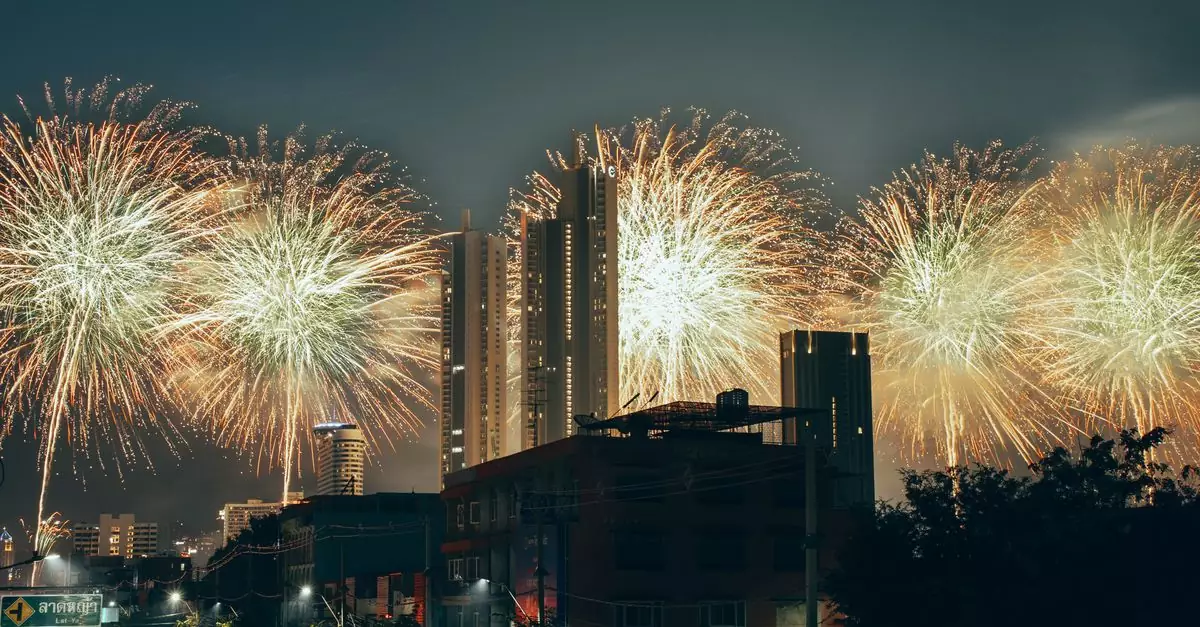
South America’s vibrant festivals offer a feast for the senses, with culinary experiences as diverse and captivating as the continent itself. Beyond the parades and music, food is a crucial element of any celebration, providing a delicious window into local traditions and flavors. Planning a trip around a festival often means diving into regional specialties, so here’s a guide to must-try dishes that define these unforgettable events.
Feijoada and Caipirinhas at Rio Carnival
Rio de Janeiro’s Carnival is not only famous for its parades but also for its culinary offerings. No visitor should leave without indulging in feijoada, a hearty, slow-cooked stew of black beans with various cuts of pork and beef, considered Brazil’s national dish. It’s typically served with rice, farofa (toasted cassava flour), collard greens, and orange slices, creating a rich and satisfying meal that fuels festival-goers.
To wash it down, the ubiquitous caipirinha is essential. Brazil’s national cocktail, made with cachaça (a spirit distilled from sugarcane juice), sugar, and muddled lime, offers a refreshing kick that complements the tropical heat and the intensity of Carnival. Vendors sell them on almost every corner, but seeking out a well-made one at a local boteco (bar) is highly recommended. While Carnival spans several days, feijoada is a weekend staple, often enjoyed on Saturdays.
Cuy and Chicha During Cusco’s Inti Raymi
The ancient Inca festival of Inti Raymi, celebrated in Cusco, Peru, every June 24th, is a powerful reenactment of one of the most important Inca ceremonies. This cultural immersion is also an opportunity to sample traditional Andean cuisine. A prominent dish during this period is cuy (guinea pig). Prepared roasted, fried, or stewed, cuy is a delicacy with a history stretching back thousands of years. Its flavor is often compared to rabbit or dark chicken, offering a profound connection to the region’s indigenous heritage.
Another essential taste of the Andes is chicha, a fermented corn beverage. Traditionally, it’s made by women chewing corn and spitting it into a communal pot, where it ferments. Modern versions often use other ingredients and methods, but the earthy, slightly sour drink remains a staple. For those less adventurous, chicha morada, a non-alcoholic sweet drink made from purple corn, spices, and fruit, offers a delightful alternative. Inti Raymi takes place in the heart of Cusco’s historic center, making it easy to find local eateries serving these traditional foods.
Malbec Pairings and Asado at Mendoza’s Grape Harvest Festival
Argentina’s wine country, particularly around Mendoza, celebrates the grape harvest, usually in March, with festivals that honor Malbec. This is the time to experience asado, the Argentine barbecue, at its finest. More than just a meal, asado is a social ritual, with various cuts of meat—beef, lamb, pork—slow-cooked over an open fire, often for hours. The smoky, tender meat is typically seasoned simply with salt, allowing the quality of the ingredients to shine.
The perfect accompaniment to an Argentine asado, especially in Mendoza, is local wine. The region is world-renowned for its Malbec, and attending a harvest festival provides the ideal opportunity to taste different varietals directly from the producers. Many festivals include wine tastings and pairings where you can learn to match the rich flavors of asado with the robust notes of Mendoza’s signature red wine. Beyond the main events, exploring local bodegas (wineries) offers further culinary discoveries, often featuring regional cheeses and olive oils alongside their acclaimed wines. The harvest season typically falls in late summer in the Southern Hemisphere, making March a prime time for these festivities.
Frequently Asked Questions About South America’s Best Seasonal Festivals
What are the essential things to pack for a festival trip to South America?
Packing for South American festivals requires a blend of practicality and preparedness. Lightweight, breathable clothing is key, as many celebrations occur in warm climates. Include layers, such as a light jacket or sweater, for cooler evenings or higher altitudes. Comfortable walking shoes are essential; you’ll be on your feet a lot. Don’t forget sun protection: a wide-brimmed hat, sunglasses, and high-SPF sunscreen are crucial. Insect repellent is also advisable, especially for outdoor events.
Consider packing a small, secure day bag or a cross-body purse to keep your belongings safe. A reusable water bottle can help you stay hydrated and reduce plastic waste. If attending religious or more traditional festivals, pack modest clothing options that cover your shoulders and knees. A portable power bank for your phone is a smart addition for staying connected and capturing memories.
How can I book accommodation and tickets for popular festivals in South America?
Securing accommodation and tickets well in advance is crucial for popular South American festivals. For major events like Carnival in Rio de Janeiro or Inti Raymi in Cusco, booking flights and hotels at least six months to a year ahead is highly recommended. Many travelers opt for hotels, hostels, or vacation rentals, which fill up quickly. Consider staying slightly outside the main event areas for potentially better rates, but factor in transportation time and costs.
Tickets for specific festival events, such as parades or concerts, should also be purchased as early as possible through official websites or reputable ticketing platforms. Be cautious of unofficial sellers, as scams can occur. For more spontaneous travel, exploring smaller, regional festivals might offer more flexibility, but even then, booking accommodation a few months ahead is wise. Researching the specific festival’s official tourism website or local government pages is the best way to find legitimate booking channels.
What are some common tourist mistakes to avoid during these events?
A common mistake is underestimating the crowds and pace of these vibrant celebrations. Many festivals involve large gatherings, so staying aware of your surroundings and keeping valuables secure is paramount. It’s easy to get lost in the excitement, but maintaining caution, especially in densely populated areas, is important for safety.
Another pitfall is not budgeting adequately. While some parts of South America can be affordable, festival periods often see inflated prices for accommodation and services. Research average costs beforehand and add a buffer for unexpected expenses. Lastly, respecting local customs and traditions is vital. Familiarize yourself with the cultural significance of the festival you are attending and behave respectfully. Avoid disruptive behavior, and always ask permission before taking photos of people, especially in more intimate or religious settings.