The Earth’s fiery heart is on full display at volcanoes around the globe, offering adventurous travelers a chance to witness raw geological power. From the steaming craters of Hawaii to the majestic cones of the Andes, these destinations provide a unique connection to our planet’s dynamic forces. If you’re seeking an adventure that combines breathtaking landscapes with the extraordinary, exploring famous volcanoes you can visit is an unparalleled experience.
This guide will take you on a journey to some of the most accessible and awe-inspiring volcanic sites worldwide. You’ll discover what makes each location special, learn about the best times to visit, understand essential safety precautions for active volcanic areas, and find practical tips for planning your expedition. Prepare to be humbled by the sheer scale and beauty of these natural wonders.
Why Visit Active Volcanoes Safely?
The Thrill of Witnessing Volcanic Power
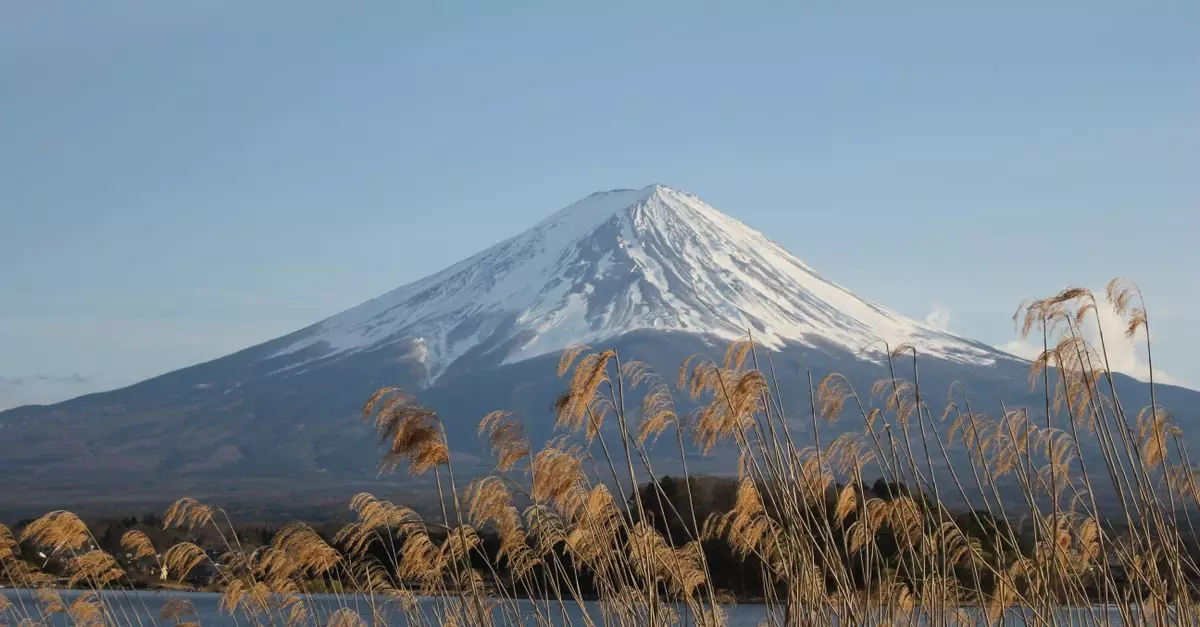
The raw energy of a volcano draws adventurous travelers. Standing near these geological formations offers a unique perspective on Earth’s dynamic forces. Observing steam vents, vibrant mineral deposits, or even the distant glow of a lava flow creates an unforgettable experience, connecting you directly to natural processes that are both awe-inspiring and humbling. These are not static landscapes; they are living, breathing geological wonders.
Understanding Volcanic Activity and Safety Measures
Visiting active volcanic sites requires awareness of potential risks and a commitment to safety. Volcanic activity can be unpredictable, with hazards including toxic gas emissions, rockfalls, and sudden eruptions. Reputable tour operators and park rangers provide crucial guidance on safe viewing distances and designated trails. Always heed local advisories, as conditions can change rapidly. Researching a specific volcano’s history and current alert levels is vital for planning a responsible visit.
For travelers heading to South America, where many impressive volcanic peaks are found, resources like National Geographic’s South America travel guide can offer valuable insights into regional safety considerations and popular volcanic destinations.
Choosing the Right Volcano for Your Adventure
Selecting the right volcano depends on your desired experience, fitness level, and comfort with potential risks. Some volcanoes offer accessible viewpoints and well-maintained trails, making them suitable for families and casual hikers. Others demand significant trekking, climbing expertise, and a higher tolerance for challenging conditions. Consider factors like the type of volcanic activity you wish to see—whether it’s a steaming crater, geothermal pools, or the possibility of lava viewing—and the season, as weather can significantly impact accessibility and visibility.
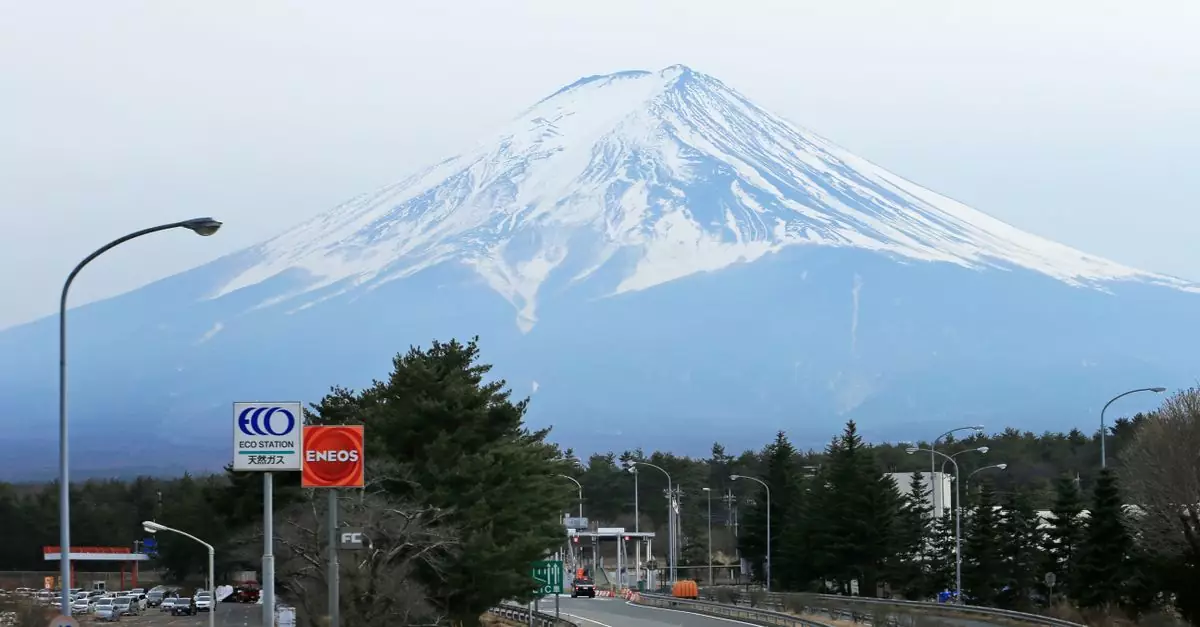
For instance, Mount Fuji in Japan, while iconic, is primarily dormant and visited for its cultural significance and hiking opportunities during its open season. In contrast, active stratovolcanoes in Indonesia or Central America might offer more dramatic displays of geothermal energy but require stricter adherence to safety protocols.
Here’s a brief comparison of volcano types and what they offer:
| Volcano Type | Typical Activity | Traveler Appeal | Safety Considerations |
|---|---|---|---|
| Stratovolcano | Explosive eruptions, lava flows, ash plumes | Dramatic landscapes, powerful geological displays | High risk of sudden activity, gas emissions, lahars |
| Shield Volcano | Effusive lava flows, less explosive | Gentle slopes, easier access, potential lava viewing | Lava flow hazards, gas emissions |
| Caldera | Collapse features, hydrothermal activity | Unique geological formations, hot springs, geysers | Gas emissions, unstable ground, hydrothermal explosions |
| Cinder Cone | Short-lived, explosive eruptions, lava bombs | Distinctive cone shape, interesting for geology buffs | Rockfalls, limited access to active cones |
When planning your trip, think about the accessibility of the volcano. Some famous volcanoes you can visit are easily reached by car with short walks to viewpoints, while others require multi-day treks. Researching transportation options and accommodation near your chosen destination is key to a smooth journey. For those interested in the diverse geological wonders of South America, understanding regional travel logistics is essential.
Iconic Volcanoes in North America: From Hawaii to Mexico
North America boasts a dramatic volcanic landscape, offering adventurers the chance to witness geological power up close. From the steaming vents of Hawaii to the imposing cones of Mexico, these destinations provide unique experiences for those interested in active geology and stunning natural beauty. Planning a visit to these famous volcanoes requires understanding local conditions, safety guidelines, and the best times to go.
Hiking Kīlauea: Hawaii Volcanoes National Park
Kīlauea, located on Hawaii Island, is one of the world’s most active volcanoes and a prime example of a famous volcano you can visit. While direct lava viewing is not always possible due to the dynamic nature of eruptions, the park offers numerous hiking trails that showcase its raw power. Visitors can walk through lava tubes, witness steam vents, and observe the stark beauty of recent lava flows.
The Jaggar Museum overlook provides panoramic views of Halemaʻumaʻu crater, often a hub of activity. For those seeking a more immersive experience, guided hikes into specific areas might be available, depending on current volcanic conditions and safety advisories. Always check the Hawaii Volcanoes National Park website for the latest updates on closures, trail conditions, and safety recommendations before your visit.
Logistics for Visiting Kīlauea:
- Best Time to Visit: Year-round, though weather can be unpredictable with rain showers. Evening visits offer a unique perspective if the crater is glowing.
- Getting There: Fly into Hilo International Airport (ITO) or Ellison Onizuka Kona International Airport at Keāhole (KOA) and rent a car. The park is accessible via Highway 11.
- Accommodation: Options range from hotels in nearby Hilo or Volcano Village to campgrounds within the national park. Booking in advance is highly recommended, especially during peak seasons.
- Safety: Stay on marked trails, heed all warning signs, and be aware of volcanic gases (vog).
Climbing Popocatépetl: A Glimpse of Mexico’s Fiery Giant
Popocatépetl, an active stratovolcano near Mexico City, is a truly iconic sight and a prominent feature of the Mexican landscape. While climbing directly to the summit is generally restricted due to its active status and potential hazards, viewing platforms and nearby hiking opportunities offer a compelling experience. The volcano’s imposing presence, often capped with snow, creates a breathtaking panorama.
The nearby Izta-Popo Zoquiapan National Park provides trails that offer spectacular views of Popocatépetl, often alongside its dormant neighbor, Iztaccíhuatl. Visitors can hike through pine forests and enjoy the crisp mountain air, with the volcano serving as a constant, awe-inspiring backdrop. It’s crucial to stay informed about Popocatépetl’s current alert level, as access to certain areas can change rapidly.
Planning Your Popocatépetl Visit:
- Best Time to Visit: The dry season (November to April) offers clearer skies and better visibility of the volcano.
- Getting There: Most visitors base themselves in Mexico City or Puebla. Day trips to view Popocatépetl are common, often involving organized tours or private transport.
- Safety: Always consult the latest civil protection advisories regarding volcanic activity. Respect any restricted zones and follow local guidance.
- Alternatives: For a safe and accessible experience, consider visiting the Paso de Cortés viewpoint, which offers stunning vistas of both Popocatépetl and Iztaccíhuatl.
Exploring Lassen Volcanic National Park’s Geothermal Wonders
Lassen Volcanic National Park in Northern California showcases a different kind of volcanic activity, focusing on hydrothermal features rather than dramatic cone structures. This park is home to some of the world’s most diverse hydrothermal features, including boiling mud pots, fumaroles, and colorful hot springs. It’s a fascinating destination for understanding the Earth’s internal heat at work.
The park’s centerpiece is Lassen Peak, the southernmost active volcano in the Cascade Range. While summit hikes are available, many visitors are drawn to the park’s geothermal areas, such as Bumpass Hell. This boardwalk trail winds through a landscape dotted with steaming vents and bubbling mud, offering a sensory experience of volcanic forces. The park also features beautiful alpine lakes and dense forests, making it a diverse natural playground.
Tips for Lassen Volcanic National Park:
- Best Time to Visit: Summer (July to September) is ideal for accessing all park roads and trails, as heavy snowfall can block access for much of the year.
- Getting There: The closest major airports are Redding Municipal Airport (RDD) or Sacramento International Airport (SMF). A car is essential for reaching and exploring the park.
- Accommodation: Lodging options include the historic Lassen Peak Lodge (seasonal), campgrounds within the park, and hotels in nearby towns like Mineral or Shingletown.
- Park Entry: An entrance fee is required. Consider purchasing a national park pass if you plan to visit multiple parks within a year.
South America’s Majestic Peaks: Andes Volcanoes for Explorers
The Andes mountain range in South America is a playground for those drawn to dramatic landscapes and volcanic wonders. Here, you can encounter some of the continent’s most iconic and accessible famous volcanoes you can visit, offering adventures ranging from challenging treks to thrilling summit climbs. Planning a trip to these destinations involves considering altitude, weather, and local logistics, but the rewards are unparalleled views and unforgettable experiences.
Trekking Cotopaxi: Ecuador’s Most Famous Volcano
Cotopaxi National Park in Ecuador is home to Cotopaxi, one of the world’s highest active volcanoes. Its near-perfect conical shape makes it instantly recognizable and a prime target for climbers and hikers. Day trips from Quito are common, but for those aiming for the summit, acclimatization and guided tours are essential.
The ascent requires glacier travel experience and is typically done with crampons and ice axes. The climb is strenuous, often starting in the early morning to reach the summit by sunrise. Altitude sickness is a significant consideration, so spending a few days at lower elevations in the surrounding Andean region is highly recommended.
Cotopaxi Logistics:
- Best Time to Visit: The dry season, from June to August, offers the most stable weather conditions for climbing.
- Getting There: Tours typically depart from Quito, Ecuador’s capital. Transportation within the park is often arranged by tour operators.
- Accommodation: Options range from basic refuges near the summit to comfortable lodges and hotels in surrounding towns like Latacunga.
- Safety: Always hire a certified guide. The volcano’s activity can change, and conditions on the glacier can be hazardous.
Summiting Villarrica: An Active Volcano Adventure in Chile
Villarrica, located in Chile’s Lake District, is one of South America’s most active volcanoes, known for its persistent lava lake. This presents a unique opportunity for adventurers to witness volcanic activity up close, though safety protocols are paramount. Guided ascents are mandatory and offer a thrilling experience, often involving rappelling into the crater rim (conditions permitting) or hiking to viewpoints overlooking the glowing lava.
The trek to Villarrica’s summit is challenging due to steep, often icy slopes, especially at higher altitudes. Hikers should be prepared for varying weather, including strong winds and potential snow. The views from the top, with the glowing crater and surrounding lakes and mountains, are a significant draw.
Villarrica Climbing Details:
- Seasonality: The climbing season generally runs from December to March, during the Southern Hemisphere’s summer, offering better weather.
- Tours: Numerous tour operators in the nearby town of Pucón provide guided ascents, including equipment rental.
- Budget: Expect costs for guided tours to be in the mid-range for adventure activities in Chile.
- Preparation: Good physical condition is necessary. Layers of clothing, sturdy hiking boots, and sun protection are vital.
The Otherworldly Landscapes of Ojos del Salado
Ojos del Salado, on the Argentina-Chile border, is the world’s highest active volcano. While less frequently climbed than Cotopaxi or Villarrica, its sheer scale and unique volcanic features, including sulfur deposits and a small crater lake, attract serious mountaineers. The landscape is stark and arid, resembling an alien terrain.
Reaching Ojos del Salado is an expedition. The area is remote, and travel requires sturdy 4×4 vehicles to navigate the high-altitude desert roads. There are basic refuges along the route, but self-sufficiency is key. The altitude is extreme, and acclimatization is critical for any attempt to reach the summit.
Ojos del Salado Expedition Notes:
- Access: Typically approached from both the Argentinian side (via Fiambalá) and the Chilean side (via Copiapó).
- Logistics: Requires significant planning, including vehicle rental, fuel, food, and camping gear if not utilizing refuges.
- Challenge: This is a high-altitude trek for experienced mountaineers due to the extreme elevation and harsh conditions.
- Scenery: The barren, volcanic landscapes offer a stark beauty unlike any other, with vast salt flats and rugged peaks. For more information on the diverse natural wonders of the region, National Geographic provides extensive resources.
Europe’s Volcanic Hotspots: Italy’s Fiery Heart and Beyond
Mount Etna: Europe’s Most Active Volcano in Sicily
Mount Etna, a UNESCO World Heritage site, dominates the eastern Sicilian landscape. As Europe’s most active volcano, it offers a dynamic geological spectacle for visitors. Hiking and guided tours are popular ways to experience its power, with trails ranging from gentle walks through lava fields to more challenging ascents.
The best time to visit Mount Etna is generally during the spring (April to June) and autumn (September to October) when the weather is pleasant and crowds are smaller. Summer can be very hot, and winter may bring snow, potentially closing higher trails. Access is typically via the town of Nicolosi or Linguaglossa, with cable car and jeep options available to reach higher elevations.
Exploring Stromboli’s Nightly Eruptions
Stromboli, one of the Aeolian Islands north of Sicily, is renowned for its persistent volcanic activity. Known as the “Lighthouse of the Mediterranean,” it erupts every few minutes, sending glowing lava fragments into the night sky. Boat tours are the most common way to witness these spectacular, albeit distant, eruptions from the sea, offering a safe and unforgettable experience.
Visiting Stromboli requires careful planning. The island is accessible by ferry from Sicily or mainland Italy. While daytime visits are pleasant for exploring the island’s charming village and black sand beaches, the true magic happens after dark. For those seeking a closer view, guided hikes to the crater rim are available but are strenuous and require good physical condition and a guide. Safety regulations are strict, and access can be restricted due to volcanic activity.
The Geothermal Marvels of Iceland’s Volcanoes
Iceland, situated on the Mid-Atlantic Ridge, is a land shaped by volcanic forces. While many of its famous volcanoes are dormant or exhibit less dramatic activity than their Italian counterparts, the island’s geothermal landscapes are breathtaking. Areas like the Reykjanes Peninsula, home to recent eruption sites, offer stark, powerful scenery.
Travelers can experience Iceland’s volcanic nature through various activities. The Golden Circle route includes Þingvellir National Park, where tectonic plates meet, and geothermal areas like Geysir. For a more immersive experience, consider visiting the Blue Lagoon, a geothermal spa set in a lava field, or exploring lava tubes and volcanic craters on guided tours. The timing for visiting Iceland’s volcanic sites is year-round, though winter offers the unique possibility of seeing volcanic activity against a snowy backdrop, while summer provides longer daylight hours for exploration.
Asia and Oceania’s Volcanic Wonders: From Japan to Indonesia
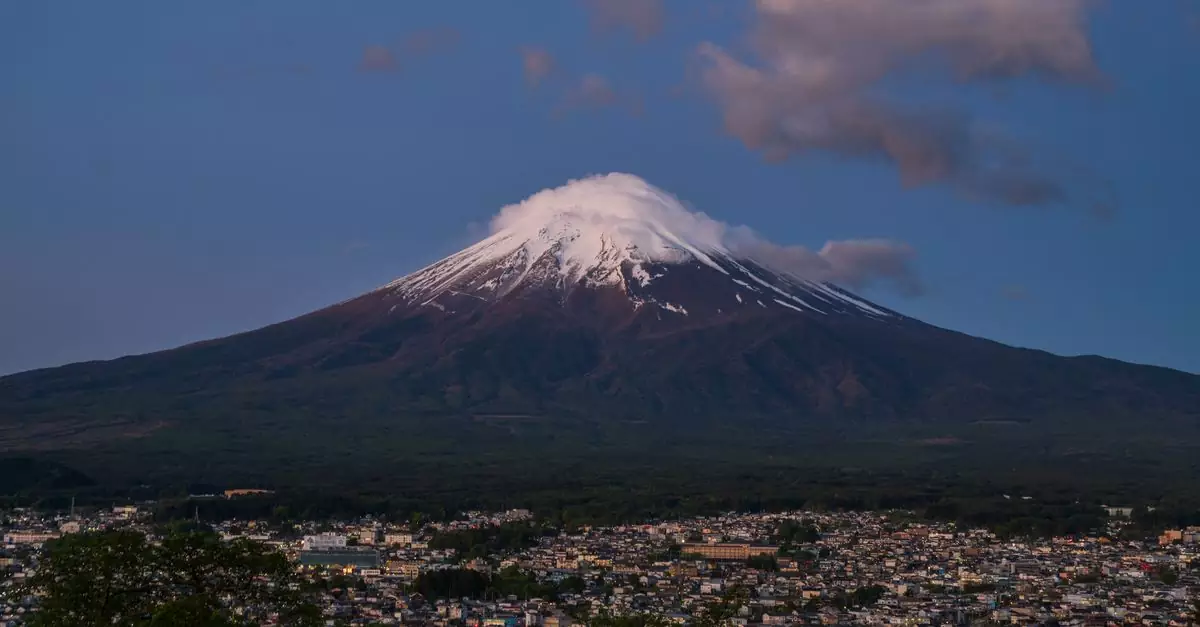
This region boasts some of the most iconic and accessible volcanic landscapes on Earth, offering everything from spiritual climbs to dramatic caldera views. Travelers can witness the raw power of nature and immerse themselves in unique cultural experiences tied to these majestic peaks.
Climbing Mount Fuji: Japan’s Sacred and Famous Volcano
Mount Fuji is arguably one of the most recognizable mountains globally, revered as a sacred site in Japan. This stratovolcano, standing at 3,776 meters (12,389 feet), offers a challenging yet rewarding climb for those seeking an unforgettable adventure. The official climbing season typically runs from early July to mid-September, when trails are clear of snow and mountain huts are open.
Getting to the Trails:
Most climbers access Mount Fuji via the Yoshida Trail, the most popular route. Buses run regularly from Tokyo and surrounding cities to the Fuji Subaru Line 5th Station, the starting point for this trail. Planning transportation in advance is crucial, especially during peak season.
Climbing Experience:
The ascent is typically divided into 8-10 stations, with the 5th station being the most accessible. The climb can be completed in a single day, but many opt for an overnight ascent to witness the sunrise, known as goraiko, from the summit. This requires careful pacing and acclimatization to the altitude.
What to Pack:
- Warm layers (temperatures can be near freezing at the summit)
- Rain gear
- Sturdy hiking boots
- Headlamp with extra batteries
- Water and snacks
- Cash for hut accommodations and souvenirs
The Breathtaking Caldera of Mount Bromo, Indonesia
Located in East Java, Indonesia, Mount Bromo is an active volcano and part of the Tengger massif. Its dramatic landscape, characterized by a vast caldera and an ash-covered “Sea of Sand,” makes it a photographer’s dream and a popular destination for sunrise viewing. The best time to visit is during the dry season, from April to October.
Accessing Bromo:
The most common gateway town is Cemoro Lawang, perched on the caldera rim. From here, visitors can arrange jeep tours to cross the Sea of Sand and ascend to viewpoints overlooking the volcano. Many accommodations in Cemoro Lawang offer direct views of the smoking crater.
Sunrise Tours:
Early morning jeep tours are the highlight for most visitors. Jeeps depart before dawn, taking travelers to viewpoints like Penanjakan, offering panoramic vistas of Mount Bromo, Mount Batok, and Mount Semeru (Indonesia’s highest peak) under the soft morning light. After sunrise, the tour proceeds to the Sea of Sand, allowing a walk or horseback ride to the base of Mount Bromo.
Local Culture:
The Tenggerese people, a Javanese Hindu minority, consider Mount Bromo a sacred site. Visitors might witness local ceremonies or the annual Kasada Festival, where offerings are thrown into the crater.
Adventure on Whakaari/White Island, New Zealand (with caution)
Whakaari/White Island, located off the coast of the North Island of New Zealand, is an active marine volcano and one of the country’s most spectacular geological features. It offers a unique opportunity to witness geothermal activity up close, with steaming vents, bubbling mud pools, and sulfurous fumaroles. However, it is crucial to acknowledge the inherent risks associated with visiting an active volcano.
Access and Safety:
Access to Whakaari/White Island is strictly controlled and only possible via guided tours operated by licensed boat or helicopter companies. These operators are trained to assess volcanic activity and ensure visitor safety. It is imperative to choose reputable tour operators and adhere to all safety instructions.
Tour Experience:
Boat tours typically depart from Whakatāne and include a scenic cruise to the island, followed by a guided walk through the crater floor. The air is often thick with sulfurous fumes, and the ground is hot in places, so protective gear is usually provided. Helicopter tours offer a different perspective, often including aerial views of the island’s dramatic coastline and crater.
Important Considerations:
Due to its active nature, visits can be unpredictable and subject to cancellation due to volcanic activity. Travelers should always check current conditions and heed the advice of tour operators and local authorities. The island’s environment is fragile and potentially hazardous, demanding respect and caution.
Planning Your Volcano Visit: Essential Tips and FAQs
Visiting a famous volcano offers a unique glimpse into Earth’s powerful geological forces. Proper planning ensures a safe and memorable adventure. Consider the season, transportation, necessary gear, and crucial safety protocols before you embark on your journey.
Best Time to Visit Popular Volcanoes by Season
The ideal time to visit most volcanic destinations depends heavily on the specific region’s climate and the volcano’s activity level.
- Spring (March-May): Generally offers pleasant temperatures and blooming landscapes in many temperate zones. It’s a good time to visit locations like Mount Fuji in Japan before the summer crowds arrive.
- Summer (June-August): Peak tourist season for many destinations, but can be hot and humid in equatorial regions. High-altitude volcanoes might be more accessible with less snow.
- Autumn (September-November): Often brings cooler, drier weather, making it excellent for hiking and viewing volcanic scenery. The fall foliage can add extra beauty to the surroundings.
- Winter (December-February): Some volcanoes may be inaccessible due to snow or ice, while others, particularly in the Southern Hemisphere, offer unique winter landscapes. It’s crucial to check local conditions.
Getting There: Transportation Options to Volcano Sites
Reaching famous volcanoes often involves a combination of transport methods.
- Flights: International and domestic flights are usually the first step to get you to the nearest major city or airport.
- Rental Cars: Offer the most flexibility for reaching trailheads or visitor centers, especially in regions like Iceland or Hawaii.
- Public Transportation: Buses and trains can be viable options for reaching towns near volcanoes, but may require additional local transport like taxis or shuttles.
- Organized Tours: Many tour operators provide comprehensive packages including transportation from major hubs directly to volcano sites, simplifying logistics.
For those venturing to South America, exploring the diverse landscapes often begins with flights into cities like Quito or Cusco, followed by local transport options. National Geographic’s South America offers a good overview of regional travel.
What to Pack for a Volcano Expedition
Packing appropriately is key for comfort and safety when visiting volcanic areas.
- Sturdy Hiking Boots: Essential for navigating uneven terrain. Ensure they are well broken-in.
- Layered Clothing: Volcanic environments can experience rapid weather changes. Pack moisture-wicking base layers, insulating mid-layers, and a waterproof/windproof outer shell.
- Sun Protection: High altitudes and volcanic landscapes offer little shade. Include sunscreen, a wide-brimmed hat, and sunglasses.
- Water and Snacks: Carry plenty of water, as dehydration is a risk, especially at higher elevations. High-energy snacks are also recommended.
- Navigation Tools: A map, compass, or GPS device is advisable, especially if venturing off well-marked paths.
- First-Aid Kit: A basic kit with essentials like bandages, antiseptic wipes, and pain relievers is a must.
Safety First: Essential Precautions for Visiting Active Volcanoes
Safety is paramount when exploring active volcanic regions. Always prioritize official guidance.
- Check Current Conditions: Before and during your visit, consult the local volcano observatory or park service for any alerts, closures, or evacuation orders. Websites like the USGS Volcano Hazards Program provide valuable information for U.S. locations.
- Stay on Marked Trails: Venturing off designated paths can lead to unstable ground, hidden steam vents, or dangerous gases.
- Respect Warning Signs: Heed all signs indicating hazardous areas or restricted access.
- Monitor Weather: Volcanic areas can experience sudden storms, heavy fog, or extreme temperatures. Be prepared for changing conditions.
- Avoid Gas Emissions: If you encounter sulfurous gases, move to a different area immediately, as prolonged exposure can be harmful.
Are there any famously dormant volcanoes that are safe to visit?
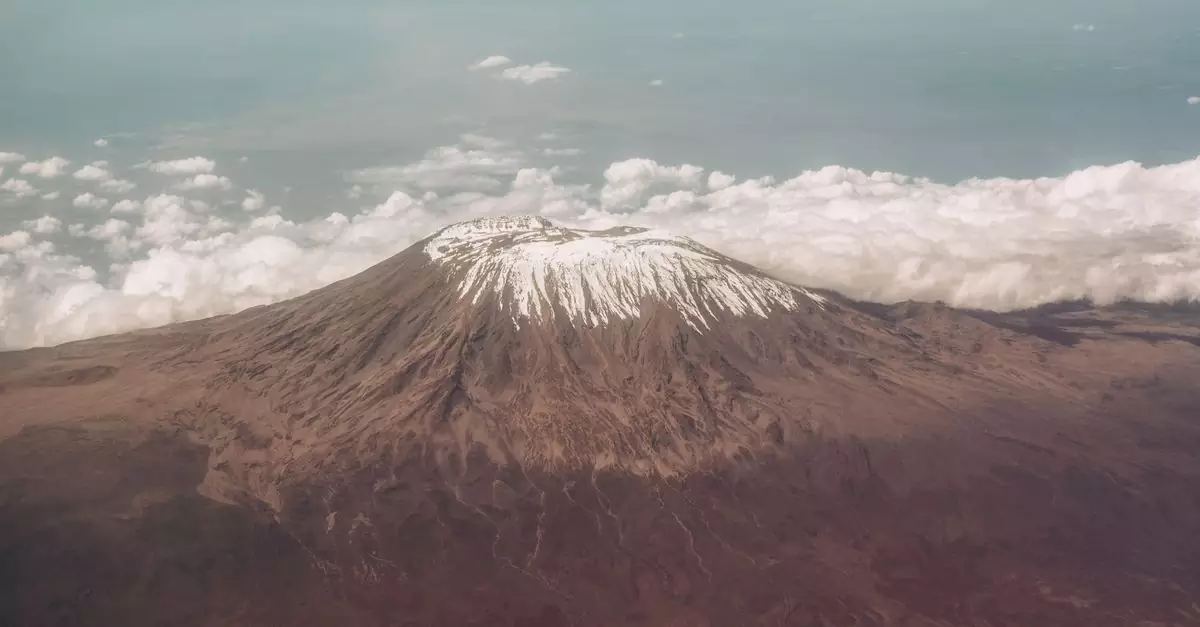
Yes, many famously dormant volcanoes are safe and popular tourist destinations. These volcanoes have not erupted in recorded history or have long periods of inactivity, making them stable for exploration. For instance, Mount Kilimanjaro in Tanzania, a dormant stratovolcano, is a well-trafficked trekking destination. Similarly, Mount Rainier in Washington State, USA, is considered dormant, though it is closely monitored. These sites typically offer well-maintained trails and established visitor infrastructure, prioritizing visitor safety while allowing access to their impressive geological features. Always check with local park authorities for the most up-to-date safety information, as even dormant volcanoes can exhibit minor seismic activity or gas emissions.