Planning an unforgettable journey across Africa requires more than a sense of adventure; it demands informed preparation. Navigating the continent’s immense diversity—ranging from varied landscapes to a rich cultural tapestry—can feel daunting. That’s where the best Africa travel guides become essential. These resources provide practical insights and details that can elevate a good trip into an extraordinary one.
In this article, we’ll explore the top guides available, breaking down what makes each one a valuable companion for your travels. You’ll learn which guides excel in specific areas, whether you’re planning a budget-friendly backpacking adventure, a luxurious safari experience, or an exploration of the continent’s incredible wildlife. Get ready to find the perfect guide to help you craft a seamless and enriching African journey.
Why You Need a Specialized Africa Travel Guide
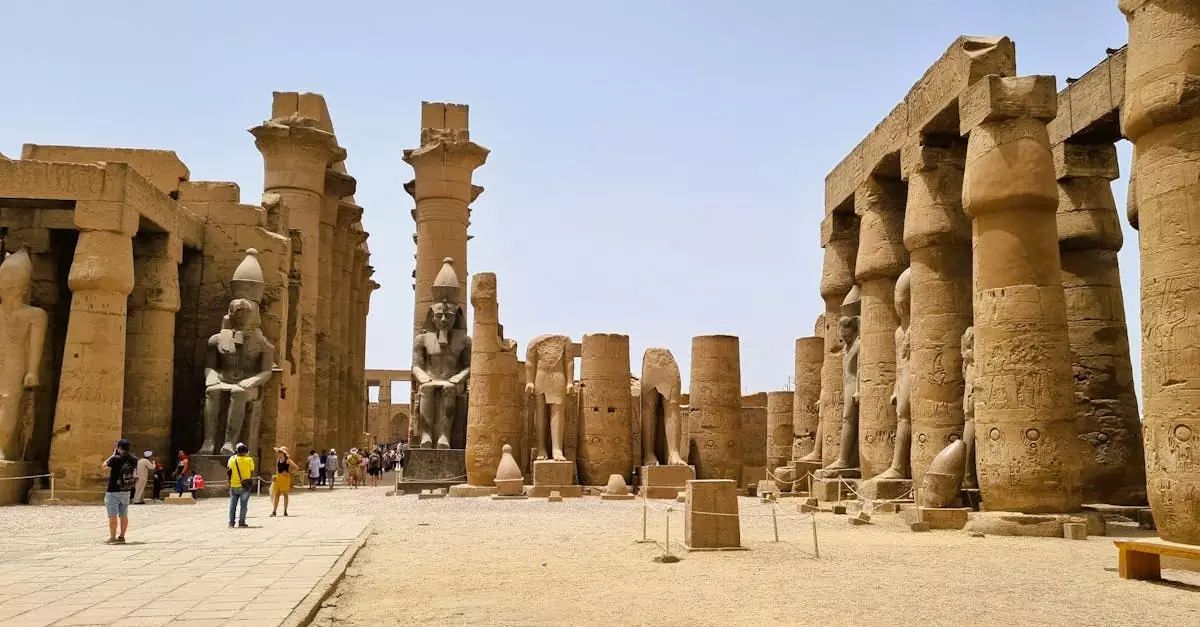
Planning a trip to Africa requires more than just a standard travel book. The continent, a vast mosaic of over 50 countries, presents complexities that demand specialized knowledge. Relying on a generic guide could mean missing crucial details or facing unexpected challenges. A well-chosen Africa travel guide serves as your indispensable compass, helping you navigate its unique offerings and ensuring a smoother, more rewarding journey.
Navigating the Diverse Landscapes of Africa
Africa’s geography spans from the arid Sahara Desert and lush Congo rainforest to the savannas of the Serengeti and dramatic Drakensberg Mountains. Each region boasts distinct ecosystems, climates, and accessibility challenges. For example, a safari in Botswana involves different logistical considerations than trekking through Morocco’s Atlas Mountains or exploring the coastal cities of West Africa.
A good guide will break down these diverse landscapes, offering practical advice on:
- Transportation: Internal flights, reputable safari operators, local bus networks, and 4×4 rentals.
- Terrain and Climate: Weather patterns and packing tips for specific environments.
- Key Attractions: Must-see natural wonders and optimal visiting times, such as the Great Migration in East Africa or Victoria Falls.
Understanding these environmental differences is fundamental to crafting a realistic itinerary and preparing adequately for your adventures across Africa.
Understanding Unique Cultural Nuances
Africa is home to thousands of distinct ethnic groups, each with its own traditions, languages, and social customs. Generalizing about “African culture” is impossible. A specialized guide delves into specific cultural etiquette relevant to the regions you plan to visit, covering appropriate greetings, dress codes, dining customs, and the significance of local ceremonies.
This knowledge is invaluable for fostering respectful interactions and avoiding unintentional offense. It can also unlock deeper, more authentic experiences. Learning a few basic phrases in a local language can significantly enhance your engagement with communities. A guide can also provide insights into local markets, religious sites, and community-based tourism initiatives, enriching your cultural immersion.
Avoiding Common Tourist Pitfalls
Like any major travel destination, Africa has its share of potential challenges that a good guide can help you circumvent. These might include:
- Health and Safety: Information on necessary vaccinations, malaria precautions, and general safety advice for different areas. Reputable guides will also offer tips on avoiding common scams and understanding local emergency procedures.
- Visa Requirements: Navigating the often complex visa processes for various nationalities entering different African countries.
- Currency and Budgeting: Realistic cost estimates for accommodation, food, activities, and transportation, along with advice on currency exchange and payment methods.
- Ethical Tourism: Guidance on supporting sustainable tourism practices, respecting wildlife, and engaging with local communities responsibly.
By anticipating these issues, a specialized guide empowers you to plan with confidence, ensuring your journey is not only memorable but also safe and responsible. For official tourism information, the African Tourism Board offers valuable resources.
Top Africa Travel Guides for Budget Backpackers
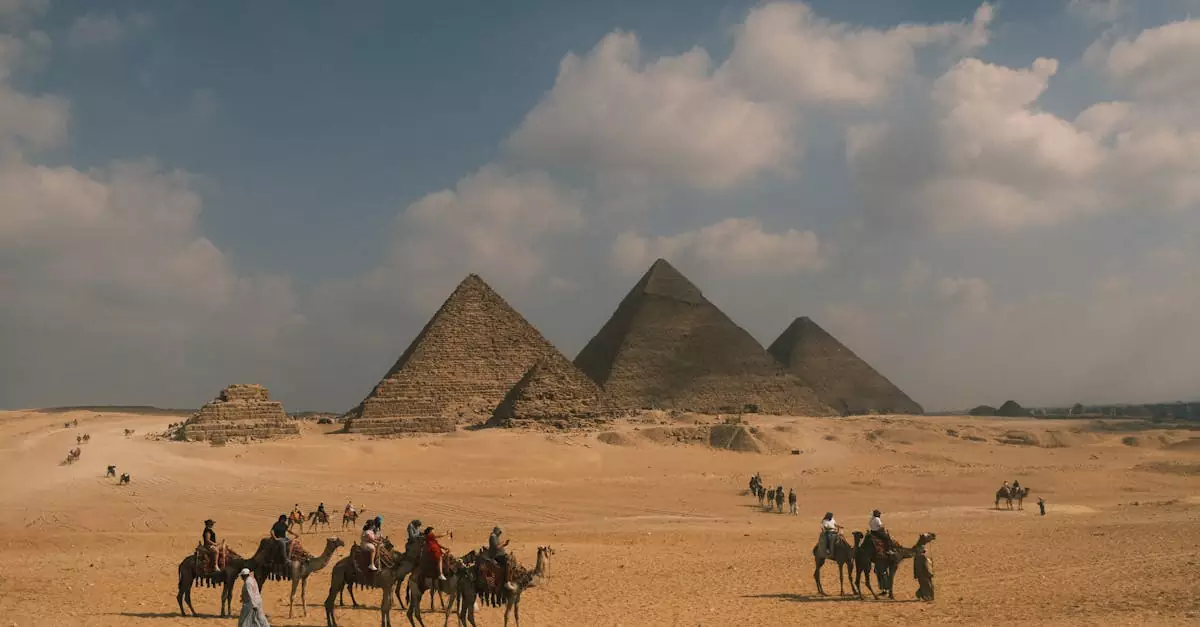
Planning an African adventure on a tight budget requires strategic research and a keen eye for value. The best Africa travel guides for backpackers don’t just list attractions; they offer practical advice on navigating local transport, finding affordable accommodations, and enjoying delicious food without overspending. These resources are crucial for experiencing the continent’s diversity while keeping costs in check.
Finding Affordable Accommodation in Nairobi
Nairobi, Kenya, can present challenges for budget travelers, but numerous affordable options exist beyond luxury hotels. Hostels are plentiful, offering dorm beds for as little as $10-$20 per night, providing a social atmosphere and often organized budget tours. Look for options slightly outside the central business district for even better rates, ensuring they are in safe, well-lit neighborhoods with accessible public transport. Guesthouses and budget hotels in areas like Westlands or Kilimani can also offer private rooms at reasonable prices, often including basic breakfast. Always check recent reviews for cleanliness and safety before booking. For longer stays, consider Airbnb for rooms or shared apartments, which can significantly reduce costs.
Cost-Effective Transportation Options Across East Africa
Navigating East Africa on a budget relies heavily on public transportation. For inter-city travel, “matatus” (minibuses) are the most common and economical option in Kenya and Tanzania. While they can be crowded and schedules flexible, they provide an authentic local experience. For longer distances between major cities like Nairobi and Kampala or Nairobi and Dar es Salaam, consider overnight buses. Companies like Modern Coast or Akamba offer comfortable seating and are generally safe. For crossing borders, booking a shared taxi or a dedicated overland truck can be more efficient than piecing together multiple local buses, though it comes at a slightly higher cost. Within cities, walking is often the best way to explore central areas, supplemented by local buses or motorcycle taxis (boda-bodas) for shorter distances. Always agree on the fare before starting your journey with motorcycle taxis.
| Transportation Type | Typical Cost (USD) | Frequency/Availability | Comfort Level | Best For |
|---|---|---|---|---|
| Matatu (Minibus) | $0.50 – $5 | High | Basic | Short hops, local travel |
| Overnight Bus | $20 – $50 | Daily/Frequent | Moderate | Inter-city, long distances |
| Shared Taxi | $30 – $100 | Varies | Moderate | Border crossings, groups |
| Motorcycle Taxi | $1 – $5 | High | Basic | Quick local trips |
Eating Well on a Shoestring in Marrakech
Marrakech, Morocco, is a paradise for food lovers, and enjoying its culinary delights doesn’t require a large budget. The Djemaa el-Fna square comes alive at night with food stalls offering grilled meats, tagines, and fresh juices at incredibly low prices. Don’t shy away from these vibrant stalls; they are a quintessential Marrakech experience. For lunch, seek out smaller local eateries tucked away in the medina’s side streets, serving authentic Moroccan staples like couscous, harira soup, and various tagines for just a few dollars. Look for places frequented by locals, as this is usually a good indicator of quality and value. Bakeries offer cheap and tasty pastries and bread, perfect for quick snacks. While dining in the main tourist areas of the medina can be pricier, venturing just a block or two away often reveals more affordable and equally delicious options. For truly budget-friendly meals, consider a simple bread and olive oil breakfast or a hearty lentil soup from a street vendor.
Luxury Africa Travel Guides: Beyond the Safari Lodge
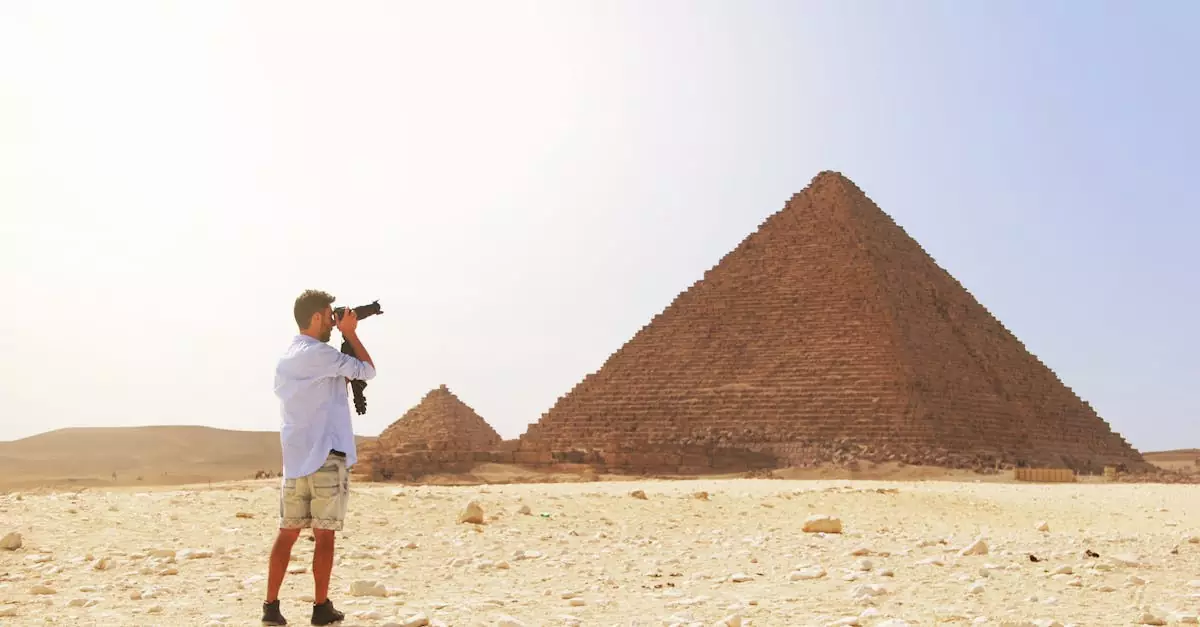
For travelers seeking a refined experience, Africa offers a wealth of sophisticated destinations that transcend the traditional safari lodge. These experiences often involve exclusive accommodations, personalized service, and access to unique cultural and culinary scenes. Planning such a trip requires a different approach, focusing on niche operators and specialized guides who understand the nuances of luxury travel.
Exclusive Boutique Hotels in Cape Town
Cape Town consistently ranks as a premier destination for luxury travel in Africa, and its boutique hotel scene is a significant draw. These establishments often provide a more intimate and personalized stay than larger resorts, with many located in desirable neighborhoods like Camps Bay or the Constantia Winelands. Expect exceptional service, unique architectural designs, and often breathtaking views.
For example, The Silo Hotel, situated atop the Zeitz MOCAA museum in the V&A Waterfront, offers unparalleled city and ocean vistas from its striking glass-fronted suites. Alternatively, Tintswalo Atlantic, perched on the rocks overlooking the ocean near Hout Bay, provides a secluded sanctuary with lavish suites and direct beach access. Booking these sought-after properties often requires advance planning, especially during peak seasons like the South African summer (December to February).
Private Guided Tours of Victoria Falls
While Victoria Falls is a natural wonder visited by many, a private guided tour significantly elevates the experience. This approach allows for a deeper understanding of the falls’ geology, history, and surrounding ecosystem, often with exclusive access to certain viewpoints or less crowded areas. Local guides can share insights that enhance your appreciation of this majestic site.
Many luxury operators offer private guided experiences tailored to your interests. This might include a helicopter tour for a bird’s-eye view, a sunset cruise on the Zambezi River with fine dining, or a guided walking tour through the rainforest that fringes the falls. For those interested in the broader region, consider extending your trip to include other attractions in Zimbabwe or Zambia. The best time to visit is typically during the high-water season (February to May) for the most dramatic spectacle, though this can mean getting quite wet.
Gourmet Dining Experiences in Johannesburg
Johannesburg, South Africa’s vibrant economic hub, has developed a sophisticated culinary landscape that rivals many international cities. Beyond typical tourist fare, the city boasts several world-class restaurants and innovative dining concepts that cater to discerning palates. These establishments often focus on locally sourced ingredients, fusion cuisine, and exceptional service.
For an unforgettable gastronomic journey, consider booking a table at acclaimed restaurants like La Colombe (though technically in the Cape Winelands) or The Test Kitchen, both known for their creative tasting menus and impeccable execution. Johannesburg also offers numerous fine-dining establishments specializing in modern African cuisine, showcasing the continent’s diverse flavors. Reservations are essential, often weeks or months in advance, particularly for award-winning venues. Exploring these culinary highlights provides a compelling facet of luxury travel in Africa.
Best Africa Travel Guides for Wildlife Enthusiasts
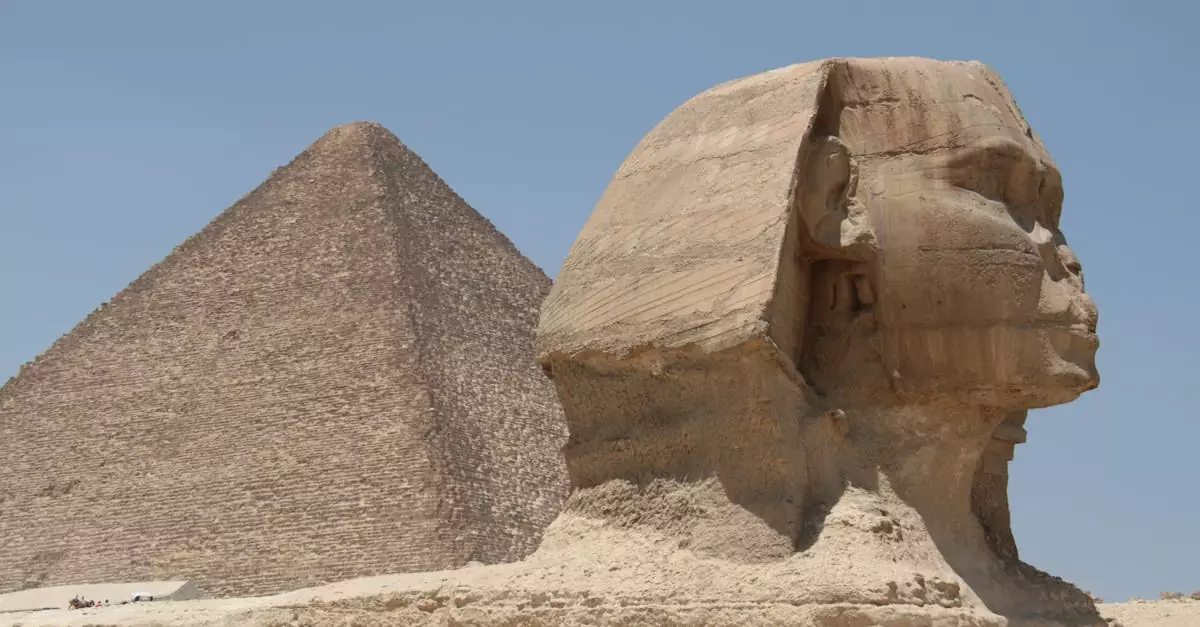
For travelers whose primary goal is to witness Africa’s unparalleled wildlife, specialized guides are indispensable. These resources offer in-depth knowledge on animal behavior, optimal viewing times, and the specific logistics required for successful safaris and wildlife expeditions. Focusing on these niche areas ensures a richer, more rewarding experience for those keen on observing Africa’s magnificent creatures in their natural habitats.
Planning Your Serengeti Migration Safari Itinerary
Witnessing the Great Migration in the Serengeti is a bucket-list event for many, but it requires careful planning. The sheer scale of this natural spectacle, involving millions of wildebeest, zebras, and gazelles, means timing and location are everything. A good guide will detail the migration’s predictable, yet fluid, path across the Serengeti ecosystem, highlighting the best months to be in specific areas like the Grumeti River for crocodile crossings or the northern Serengeti for the Mara River crossings.
Understanding the nuances of each month’s location is key to a successful safari. Early in the year, the herds typically calve in the southern Serengeti. As the dry season approaches, they move north and west in search of greener pastures and water.
| Month | Location | Highlight |
|---|---|---|
| January-March | Southern Serengeti | Calving season, abundant predators |
| April-May | Central/Western | Transition period, fewer tourists |
| June-July | Western/Northern | Grumeti River crossings, dramatic action |
| August-October | Northern Serengeti | Mara River crossings, prime viewing |
| November-December | Central/Southern | Return journey, post-rain greenery |
Choosing the right accommodation also plays a role, with mobile camps offering the advantage of being repositioned to follow the migration. For those seeking an unforgettable wildlife adventure, consulting a detailed guide on the Serengeti migration is the first step.
Spotting Gorillas in Rwanda: A Comprehensive Guide
Trekking to see mountain gorillas in Rwanda’s Volcanoes National Park is a profoundly moving experience. This activity is highly regulated to protect the gorillas and their habitat, making a comprehensive guide essential for understanding the process. Permits are limited and must be booked well in advance, often months ahead, especially during peak seasons.
A detailed guide will outline the trek’s difficulty, which can range from easy to strenuous depending on the gorillas’ location within the park. It will also explain vital rules for interacting with the gorillas, such as maintaining a safe distance, avoiding direct eye contact, and refraining from eating or drinking near them. Safety is paramount, and guides emphasize that gorilla trekking is a physically demanding activity requiring a reasonable level of fitness.
The Rwandan Development Board oversees gorilla tourism, and understanding their guidelines is crucial. Guides will also provide insights into the different gorilla families habituated for tourism, helping travelers understand what to expect regarding group size and behavior. The cost of permits is significant, and knowing where this revenue goes—towards conservation efforts and local community development—adds another layer to the experience.
The Ultimate Kruger National Park Photography Guide
Kruger National Park in South Africa is renowned for its diverse wildlife and accessibility, making it a prime destination for photographers. A specialized photography guide for Kruger will focus on practical advice for capturing stunning wildlife images. This includes identifying the best times of day for photography, typically early morning and late afternoon when the light is softer and animals are more active.
Such a guide will offer tips on positioning your vehicle for optimal shots, understanding animal behavior to anticipate photo opportunities, and recommendations for camera gear suited to wildlife photography in the African bush. It might also detail specific areas within Kruger known for particular species, such as the northern regions for wild dogs or the Sabie Sand Game Reserve (a private concession bordering Kruger) for leopard sightings.
Understanding the park’s layout and the types of vehicles available for game drives is also key. While self-driving is an option, guided drives, especially those focused on photography, can offer access to areas and insights that might be missed otherwise. A photography-centric guide can transform a good safari into an exceptional photographic expedition, helping you capture the essence of Kruger’s wild inhabitants. For broader travel information on the continent, resources like the African Tourism Board can provide additional context.
Which Africa Travel Guide is Best for First-Time Visitors?
Choosing the best Africa travel guides for a first-time visit hinges on your specific interests and travel style. While a single guide can’t cover the vast diversity of the continent, certain resources excel at providing foundational knowledge for newcomers. For those venturing into West Africa, understanding local customs is paramount.
Essential Safety Tips for Solo Travelers in Accra
Solo travel in Accra, Ghana, can be incredibly rewarding, but preparation is key. Prioritize your safety by staying aware of your surroundings, especially in crowded markets like Makola. It’s advisable to avoid walking alone after dark in less familiar areas. Utilize reputable taxi services or ride-sharing apps, confirming the driver’s identity and vehicle details before getting in. Keeping your accommodation details private and informing a trusted contact of your daily plans offers an extra layer of security.
For those seeking guidance on navigating the continent, comprehensive resources often include dedicated sections on safety protocols. These guides can help you anticipate potential challenges and equip you with strategies to mitigate risks, ensuring a more secure and enjoyable experience.
Cultural Etiquette for Visiting Ancient Egyptian Sites
When planning a trip to Egypt, understanding local etiquette, particularly at ancient sites, is crucial for respectful engagement. Dress modestly when visiting religious sites and around historical monuments; covering shoulders and knees is generally appreciated. Bargaining is common in markets, but approach it with good humor and respect. When interacting with locals, a polite greeting goes a long way.
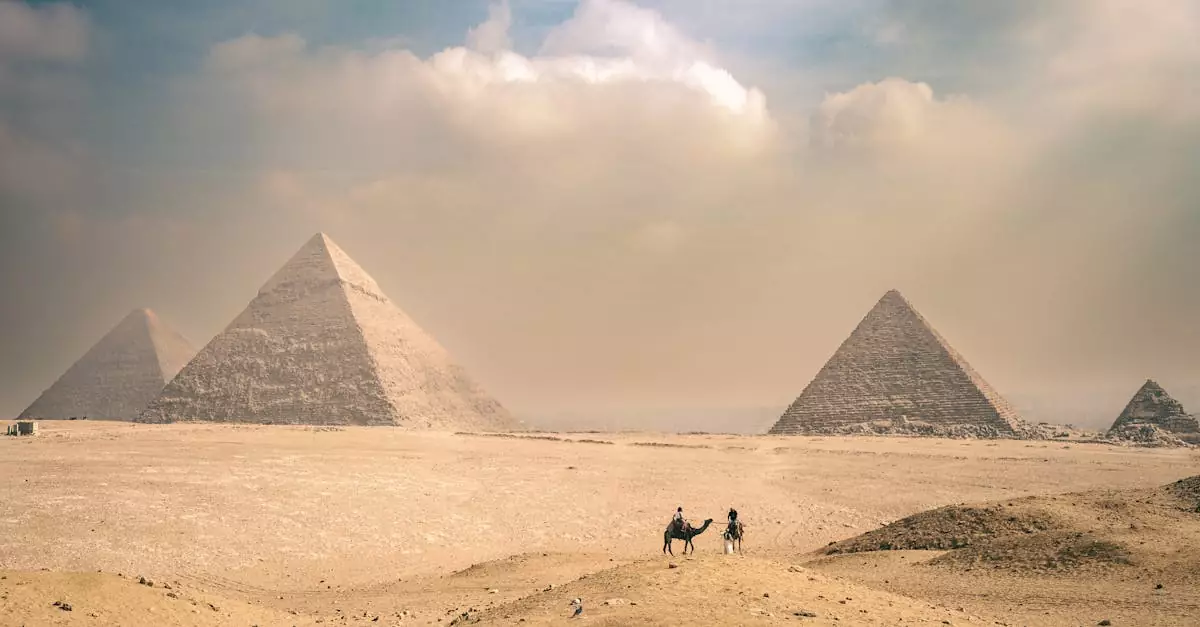
For instance, at the Pyramids of Giza or within the temples of Luxor, remember that these are not just tourist attractions but also hold deep cultural and historical significance. Avoid touching hieroglyphs or artifacts, and always ask permission before taking photos of people. Guides are invaluable for navigating the complexities of Egyptian history and culture, offering insights that enrich your visit.
Navigating Cairo’s Bustling Souks with Confidence
Cairo’s souks, such as the famous Khan el-Khalili, offer an immersive sensory experience. To navigate these vibrant marketplaces with confidence, be prepared for enthusiastic vendors. Decide on your budget beforehand and be firm but polite if you’re not interested in a purchase. Learning a few basic Arabic phrases, like “Shukran” (thank you) and “La, shukran” (no, thank you), can be very helpful.
Keep your belongings secure, as pickpocketing can occur in crowded areas. It’s also wise to have small denominations of Egyptian pounds readily available for purchases. A good travel guide will often provide a map of the souk and tips on common scams to watch out for, helping you focus on the unique crafts and atmosphere. For a broader overview of travel in Africa, consulting resources from the African Tourism Board can also offer valuable regional perspectives.
Frequently Asked Questions About Africa Travel Guides
Are digital or print travel guides better for Africa?
The choice between digital and print travel guides for your African journey depends on your travel style and connectivity. Digital guides offer portability, allowing you to carry multiple resources on a single device. They are easily searchable and can be updated remotely, a significant advantage for rapidly changing travel information. However, relying solely on digital formats requires consistent access to power and a stable internet connection, which can be challenging in remote areas of Africa.
Print guides provide a tactile experience and don’t depend on battery life or Wi-Fi. They can be more durable in harsh conditions and offer a focused reading experience away from digital distractions. For extensive trips covering diverse regions, a combination of both might be the most practical solution. A well-chosen print guide can serve as a reliable backup, while a digital version offers on-the-go convenience for quick lookups.
How up-to-date should my Africa travel guide be?
When selecting an Africa travel guide, prioritize the most recent edition available. Travel conditions, visa regulations, transportation options, and safety advisories in many African countries can change frequently. A guide that is only a year or two old might still contain relevant historical and cultural information, but its practical details could be outdated.
Look for guides published within the last 18 months for the most accurate information on current prices, accommodation availability, and recommended routes. For specific, rapidly evolving situations, such as political stability or health advisories, always cross-reference information with official government travel warnings and local news sources. The African Tourism Board is also a valuable resource for current updates.
Can a single guide cover multiple African countries effectively?
While some comprehensive guides attempt to cover multiple African countries, their depth is often limited. Africa is a vast continent with incredible diversity in landscapes, cultures, and travel infrastructure. A guide attempting to cover, for example, East Africa might offer broad overviews but may lack the granular detail necessary for in-depth exploration of a specific country like Tanzania or Kenya.
For travelers planning to visit several countries, it’s often more beneficial to use a combination of resources. A general overview guide can help with initial planning and understanding regional connections, but supplementing it with country-specific guides or detailed regional guides will provide more actionable advice. Consider the scope of your trip; if you’re focusing on a particular region, like Southern Africa or West Africa, a specialized guide for that area will likely be more useful than a continent-wide overview.