Africa is a continent of unparalleled biodiversity, offering thrilling wildlife encounters. While the wilderness itself is the main attraction, choosing the right gateway city can streamline your travel plans and enhance your safari experience. These urban hubs serve as vital logistical centers, providing access to international flights, local transport, accommodations, and essential services before you venture into the bush. Understanding their unique offerings can help you select the best safari cities in Africa for your adventure.
In this guide, we’ll explore key cities that act as springboards to some of the continent’s most iconic wildlife destinations. You’ll discover which cities provide the most convenient access to legendary parks like the Maasai Mara and Serengeti, learn about their advantages for travelers, and find practical tips for planning your journey. Prepare to see how the right urban starting point can set the stage for an unforgettable African safari.
Gateway Cities to Africa’s Premier Safari Destinations
Africa boasts unmatched biodiversity, offering some of the most thrilling wildlife encounters. While the wilderness is the main draw, selecting the right gateway city can significantly streamline your travel plans and enhance your overall safari experience. These urban centers provide vital logistical support, including access to international flights, local transport, accommodations, and essential services before you head into the bush. Understanding their unique offerings is key to planning your adventure in the best safari cities in Africa.
Nairobi, Kenya: Your Launchpad to the Maasai Mara
Nairobi, Kenya’s vibrant capital, is a bustling metropolis that serves as a primary entry point for travelers heading to East Africa’s iconic wildlife reserves. It’s a city of contrasts, where modern skyscrapers coexist with lively markets and green spaces. For those aiming for the renowned Maasai Mara National Reserve, Nairobi is the most convenient starting point.
From Nairobi, you can arrange direct charter flights or overland transfers to the Maasai Mara. The city offers a range of accommodations, from luxury hotels to budget-friendly guesthouses, catering to all traveler needs. Jomo Kenyatta International Airport (NBO) is a major hub, with extensive connections across the continent and beyond. Nairobi also provides opportunities to visit attractions like the David Sheldrick Wildlife Trust elephant orphanage and the Giraffe Centre, giving you a taste of wildlife conservation before your safari begins.
- Logistics: Pre-booking safari tours and transfers is highly recommended.
- Best time to visit: June to October for the Great Migration, and December to March for drier weather.
Arusha, Tanzania: The Doorway to Serengeti and Ngorongoro
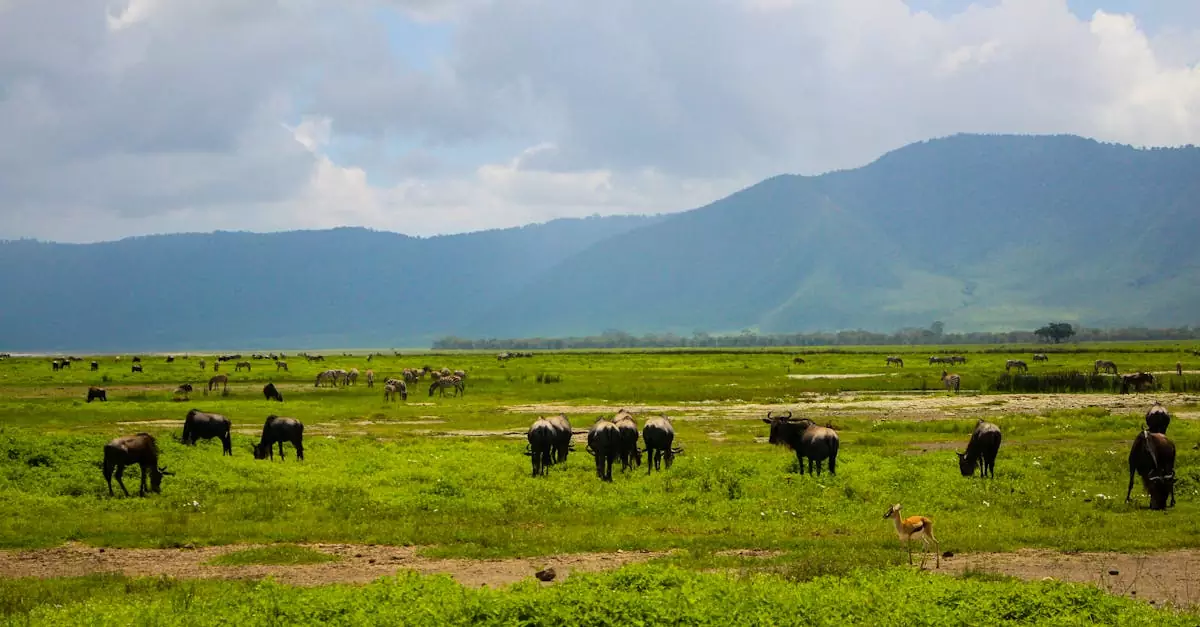
Arusha, nestled at the northern foothills of Mount Meru, is Tanzania’s primary safari gateway. It serves as an essential staging post for expeditions into Serengeti National Park, the Ngorongoro Conservation Area, and the northern circuit of Tanzania’s national parks. Its location makes it ideal for accessing these world-famous wildlife destinations.
Kilimanjaro International Airport (JRO), situated between Arusha and Moshi, handles most international arrivals. From Arusha, safaris typically depart by 4×4 vehicle or light aircraft to various airstrips within the parks. The town itself is relatively small and laid-back compared to Nairobi, offering a more relaxed atmosphere to prepare for your safari. Numerous tour operators are based here, making it easy to arrange everything from camping trips to luxury lodge stays.
| Destination | Key Wildlife Highlights | Typical Safari Duration |
|---|---|---|
| Serengeti National Park | Great Migration, Big Five, diverse predator-prey interactions | 3-5 days |
| Ngorongoro Conservation Area | Big Five in caldera, abundant herbivores, birdlife | 1-2 days |
| Tarangire National Park | Elephants, baobab trees, birdwatching | 1-2 days |
- Transportation: 4×4 safari vehicles are standard for park excursions.
- Budget: Tanzania can be more expensive than Kenya, especially regarding park fees and accommodation.
Kigali, Rwanda: Accessing Mountain Gorilla Trekking Safaris
Kigali, Rwanda’s capital, has transformed into a clean, safe, and organized city, making it an excellent starting point for gorilla trekking in Volcanoes National Park. While not a traditional safari city in terms of vast savannahs, it offers a unique wildlife experience: encountering mountain gorillas in their natural habitat.
The drive from Kigali to Volcanoes National Park takes approximately 2-3 hours, passing through scenic Rwandan countryside. Kigali International Airport (KGL) is well-connected, and the city offers comfortable hotels and a growing culinary scene. Permits for gorilla trekking are limited and must be booked well in advance, often through tour operators based in Kigali. Beyond gorillas, Rwanda also offers chimpanzee trekking in Nyungwe Forest National Park, which can be combined with a Kigali-based trip.
- Safety: Kigali is known for its high safety standards.
- Permits: Gorilla trekking permits are essential and expensive; book months ahead.
Victoria Falls, Zimbabwe/Zambia: Combining Natural Wonders with Wildlife Viewing
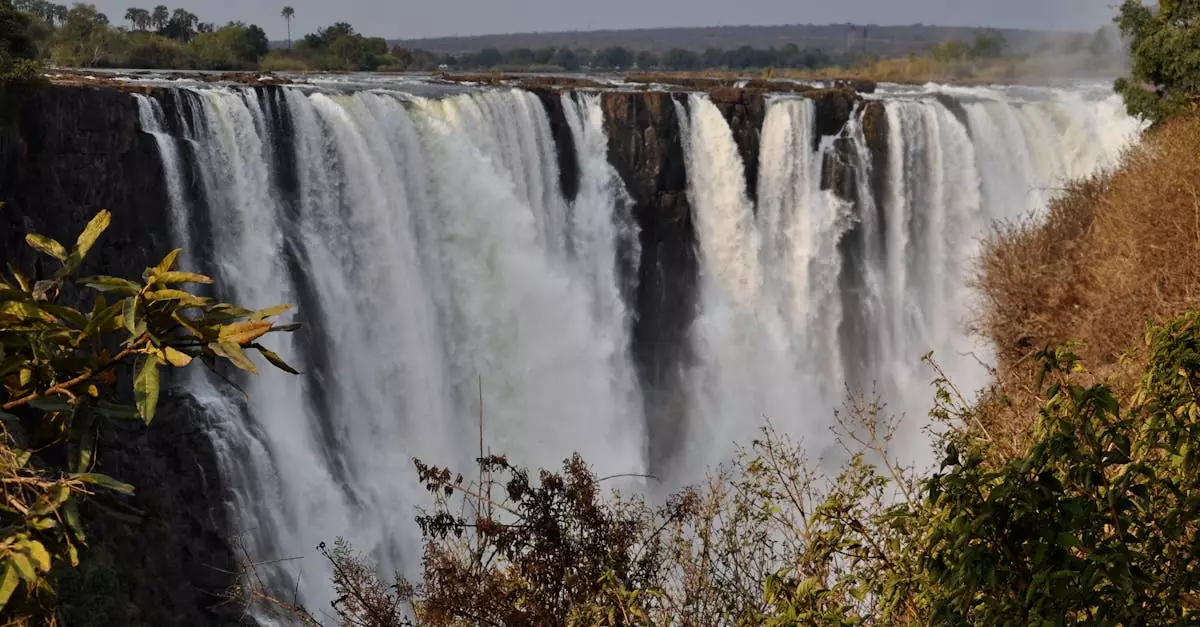
Victoria Falls, one of the world’s largest and most spectacular waterfalls, straddles the border between Zambia and Zimbabwe. While the falls themselves are the main attraction, the surrounding region offers excellent opportunities for wildlife viewing and serves as a popular gateway for safaris in nearby national parks.
The closest airports are Victoria Falls Airport (VFA) in Zimbabwe and Harry Mwanga Nkumbula International Airport (LVI) in Livingstone, Zambia. From these towns, you can easily access Chobe National Park in Botswana, famous for its large elephant herds, or Hwange National Park in Zimbabwe, which boasts a significant population of the Big Five. Many lodges and hotels are situated in or near the falls towns, offering a blend of adventure activities and wildlife excursions. This destination is ideal for travelers looking to combine a natural wonder with traditional safari experiences.
- Activities: Beyond wildlife, consider activities like white-water rafting and sunset cruises on the Zambezi River.
- Border Crossing: Be prepared for border formalities if planning to visit both the Zambian and Zimbabwean sides of the falls or neighboring countries like Botswana. For more information on African travel, the African Tourism Board is a valuable resource.
Why Choose a City as Your Safari Base?
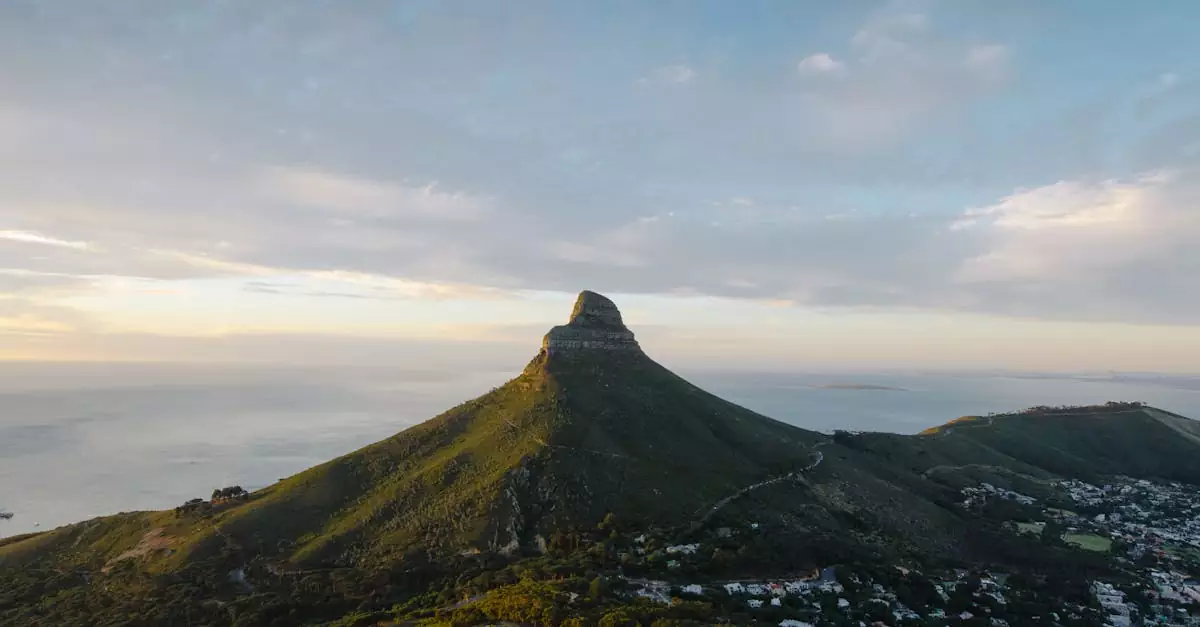
While the allure of sleeping under the stars in the wilderness is undeniable, basing yourself in a city before or after your safari offers advantages that can significantly enhance your African adventure. These urban hubs serve as gateways to the continent’s incredible wildlife, providing essential infrastructure and cultural experiences that complement the raw beauty of the bush. Understanding these benefits can help you plan a more seamless and enriching trip.
Convenience and Accessibility for International Travelers
For many international visitors, arriving in Africa means landing at a major international airport. Cities like Nairobi, Kenya, or Johannesburg, South Africa, serve as primary entry points for travelers heading to some of the continent’s most famous national parks. Choosing one of these cities as your starting or ending point streamlines your travel logistics, reducing the need for multiple internal flights or long overland journeys to begin your wildlife viewing. This accessibility is crucial for those with limited time or who prefer a straightforward arrival experience.
Diverse Accommodation Options from Budget to Luxury
Cities offer a wide range of lodging that caters to every budget and preference. From comfortable guesthouses and hostels for budget-conscious travelers to lavish five-star hotels and boutique lodges for those seeking ultimate comfort, you’ll find options that suit your needs. This variety extends to amenities, with many city hotels offering swimming pools, fine dining, and spa services, providing a welcome respite after days spent in the wild. You can easily find accommodations that serve as a relaxing base for planning your safari excursions.
Access to Pre-Safari Briefings and Tour Operators
One practical reason to stay in a city is the concentrated presence of safari tour operators and travel agencies. These urban centers are hubs for safari planning, allowing you to arrange last-minute bookings, attend pre-safari briefings, or meet with your guides to finalize details. Many operators offer airport transfers and can coordinate your onward journey to the parks. This proximity to essential services simplifies the organizational aspects of your trip, ensuring you’re well-prepared for your wildlife encounters. Engaging with local experts in these cities can also provide invaluable insights into the best times to visit specific parks and what to expect.
Opportunities to Experience Local Culture Beyond the Bush
While the primary goal of a safari is wildlife, experiencing the local culture adds another rich dimension to your African journey. Cities are vibrant melting pots of traditions, offering opportunities to visit bustling markets, explore historical sites, and savor authentic cuisine. You can immerse yourself in the local way of life, interact with residents, and gain a deeper understanding of the region. This cultural engagement can be a profoundly rewarding part of your trip, providing a broader perspective than wildlife viewing alone. Cities like Cape Town offer a unique blend of urban sophistication and natural beauty, making them excellent bases for exploring the surrounding wildlife areas.
Planning Your Safari from These African Hubs
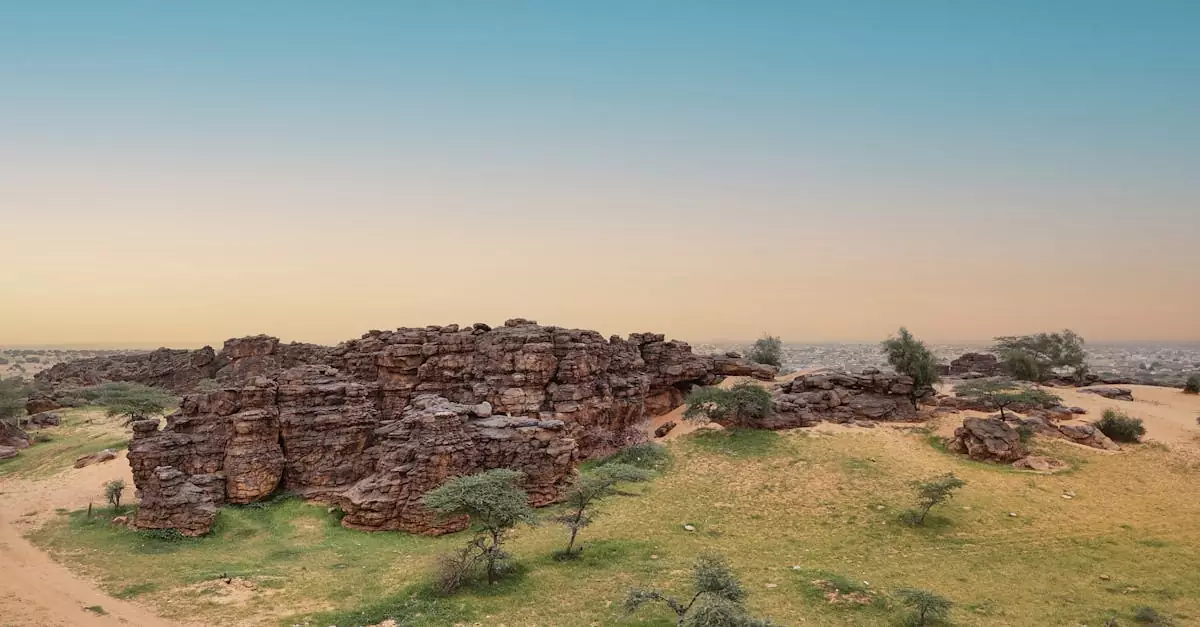
Choosing one of the best safari cities in Africa is just the first step. Effective planning ensures your trip seamlessly blends urban exploration with thrilling wildlife encounters. Consider these key aspects to maximize your African adventure.
Best Time to Visit: Aligning City Stays with Wildlife Seasons
The ideal time to visit depends heavily on specific wildlife migration patterns and regional weather. For many popular safari destinations, the dry season, typically from June to October, offers excellent game viewing as animals congregate around water sources. Cities like Nairobi, Kenya, serve as gateways to the Maasai Mara, which is spectacular during the Great Migration (July-October). Arusha, Tanzania, is a prime starting point for safaris to the Serengeti and Ngorongoro Crater; the calving season (January-February) offers unique viewing opportunities, while the migration moves across the plains from May to November.
Understanding these seasonal shifts allows you to time your city visit to coincide with the most rewarding wildlife viewing periods. For instance, if witnessing the wildebeest migration is your goal, planning your city stay in Arusha or Nairobi a few weeks before the migration is expected can be strategic. This often aligns with drier, more comfortable weather in urban centers.
Transportation Options: Flights, Transfers, and Road Travel
Getting to and from your safari destination from these urban hubs involves various transportation modes. Major international airports in cities like Johannesburg, South Africa, and Nairobi offer direct flights to many global destinations. From these gateway cities, you’ll often take domestic flights or arrange private transfers to reach national parks and reserves.
- Domestic Flights: Many safari lodges and camps have their own airstrips, making small aircraft transfers a popular and efficient option, especially for covering long distances quickly. This can significantly reduce travel time and offer stunning aerial views of the landscape.
- Road Transfers: For destinations closer to the cities, private vehicles with experienced guides are common. This allows for a more immersive journey, with opportunities to see local life along the way. Ensure your transfer vehicle is a sturdy 4×4 for optimal comfort and capability on unpaved roads.
- Car Rentals: While possible, renting a car for self-driving safaris is generally not recommended for first-time visitors due to challenging road conditions and the need for expert knowledge of wildlife behavior and park regulations.
Consider the trade-offs between cost, time, and convenience when selecting your transport. A safari lodge located a few hours’ drive from Arusha might be more budget-friendly than one requiring a flight but will consume more of your valuable safari time.
Visa Requirements and Health Precautions for Entry
Before embarking on your African adventure, thoroughly research visa requirements for your nationality and the specific countries you plan to visit. Many African nations offer e-visas or visas on arrival, but it’s best to confirm the latest regulations well in advance. Staying informed about entry protocols is crucial for a smooth start to your trip.
Health precautions are paramount for travel in many parts of Africa. Consult your doctor or a travel clinic at least 4-6 weeks before departure to discuss necessary vaccinations, such as Yellow Fever, Hepatitis A, and Typhoid. Malaria prophylaxis is often recommended for safari regions, and it’s essential to take precautions against mosquito bites. Ensure you have a comprehensive travel insurance policy that covers medical emergencies and evacuation. For up-to-date information on health and safety, the African Tourism Board is a valuable resource.
Crafting Your Itinerary: City Exploration Meets Bush Excursions
A well-balanced itinerary allows you to experience the vibrant culture of African cities alongside breathtaking wildlife. Start by allocating a day or two in your chosen city to acclimatize, explore local markets, visit museums, or enjoy its culinary scene. For instance, in Cape Town, South Africa, you might spend a day at the V&A Waterfront or ascend Table Mountain before heading to a nearby private game reserve.
Once you transition to your safari destination, focus on maximizing your time in the wilderness. Many safari packages are designed as all-inclusive experiences, covering accommodation, meals, game drives, and park fees. When planning your safari from a city like Nairobi, consider the duration of your stay in the Maasai Mara or Amboseli National Park. A typical safari might range from three to seven days, depending on your interests and budget.
A sample itinerary structure could look like this:
| City Stay (Days) | Transfer to Safari Destination | Safari Duration (Days) | Key Activities |
|---|---|---|---|
| 1-2 | Flight/Road | 3-5 | Game drives, walking safaris, bird watching |
| 1-2 | Flight/Road | 4-7 | Great Migration viewing, cultural visits |
| 1-2 | Flight/Road | 3-4 | Crater tours, chimpanzee trekking (if applicable) |
This integrated approach ensures you don’t miss out on either the urban charm or the wild wonders that Africa offers.
Exploring Beyond the City Limits: Day Trips and Nearby Attractions
While many of Africa’s most iconic wildlife viewing opportunities are found within national parks, several vibrant cities serve as excellent launchpads for incredible safari experiences, often accessible through well-organized day trips or short excursions. These urban centers provide comfortable accommodations and amenities, along with convenient access to diverse ecosystems and unique animal encounters. Planning your trip around these cities can offer a balanced experience, combining urban exploration with thrilling wildlife adventures.
Nairobi’s Giraffe Centre and Elephant Orphanage
Nairobi, Kenya’s bustling capital, offers immediate immersion into conservation efforts, making it one of the best safari cities in Africa for those with limited time. The David Sheldrick Wildlife Trust’s Elephant Orphanage is a must-visit, allowing travelers to witness orphaned elephant calves being fed and bathed. For a more interactive encounter, the adjacent Giraffe Centre provides a chance to feed and learn about the endangered Rothschild’s giraffe.
These attractions are easily reachable from most Nairobi hotels, often included in half-day tours. Transportation typically involves pre-booked taxis or organized shuttle services. Visiting the orphanage in the morning, usually between 11 am and 12 pm, is the most popular time to see the elephants during their public feeding. The Giraffe Centre offers a more flexible viewing schedule throughout the day.
Arusha National Park’s Diverse Ecosystems
Arusha, Tanzania’s gateway city to the northern safari circuit, provides direct access to Arusha National Park, a gem often overshadowed by its more famous neighbors. This park boasts a remarkable diversity of landscapes, from the alkaline Momella Lakes, teeming with flamingos, to the Ngurdoto Crater, a caldera reminiscent of the Serengeti. Mount Meru, Tanzania’s second-highest peak, also forms a significant part of the park, offering opportunities for hiking and stunning vistas.
Day trips from Arusha to the national park are readily available through local tour operators. The drive is relatively short, usually under an hour, making it an ideal excursion. The park is home to various wildlife, including zebras, giraffes, buffaloes, and various antelope species, though large predators are less common. Birdwatching is exceptional here.
Chobe National Park Day Trips from Victoria Falls
Victoria Falls, straddling the border of Zambia and Zimbabwe, is renowned for its magnificent waterfall, but it also serves as an accessible hub for experiencing the wildlife of nearby Chobe National Park. Located in Botswana, Chobe is celebrated for its immense elephant population, often seen gathering in large herds along the Chobe River.
Numerous tour operators in Victoria Falls offer full-day excursions to Chobe. These trips typically include transportation across the border, a boat cruise on the Chobe River for exceptional game viewing, and often a game drive within the park. The logistics are usually handled seamlessly by the tour providers, including border formalities. The best time for elephant sightings is during the dry season (May to October) when they congregate at the river to drink.
Volcanoes National Park for Gorilla Trekking Near Kigali
Kigali, the capital of Rwanda, has transformed into a clean, modern city, but its proximity to one of Africa’s most profound wildlife encounters makes it a prime destination. Volcanoes National Park, a scenic drive of about two to three hours from Kigali, is a primary habitat for the critically endangered mountain gorillas.
Organizing a gorilla trek requires booking permits well in advance, as daily visitor numbers are strictly limited to protect the gorillas. Most travelers stay overnight near the park entrance or arrange for an early start from Kigali. The trek itself can be challenging, involving hiking through dense rainforest, but the reward of observing gorillas in their natural environment is unparalleled. While this is a significant undertaking, Kigali’s comfortable infrastructure makes it an easy city to base yourself in before and after this incredible adventure.
What Are the Safest Cities for Tourists Planning a Safari?
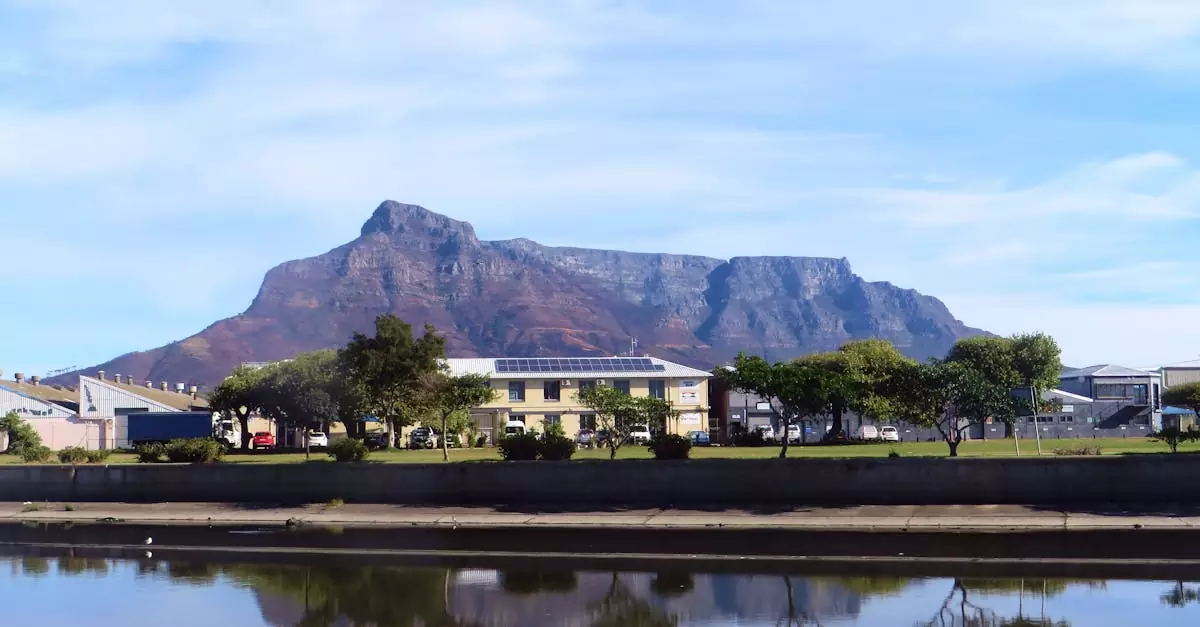
When planning your African wildlife adventure, choosing a safe and welcoming city as your gateway is paramount. While the continent offers incredible safari experiences, understanding the safety landscape of urban centers is crucial for a stress-free journey. Several cities stand out for their well-developed tourism infrastructure and proactive approach to visitor security, making them excellent starting points for exploring the best safari cities in Africa. These urban hubs provide essential services, accommodation options, and reliable tour operators, all contributing to a secure travel experience.
Safety Tips for Navigating Urban Centers
Navigating any new city requires awareness, and Africa’s urban centers are no different. Prioritize your safety by staying informed about your surroundings. Stick to well-lit, populated areas, especially after dark, and avoid displaying expensive jewelry or large amounts of cash. Utilize reputable transportation services, such as pre-booked taxis or ride-sharing apps recommended by your hotel or tour operator. Keeping copies of your important documents separate from the originals can also be a lifesaver in case of loss or theft.
- Transportation: Opt for metered taxis or official ride-hailing services.
- Awareness: Be mindful of your belongings in crowded markets and public transport.
- Accommodation: Choose hotels with good security records and in reputable neighborhoods.
Choosing Reputable Tour Operators for Peace of Mind
The reliability of your tour operator significantly impacts your safari experience and overall safety. When selecting a company, look for established businesses with clear safety protocols, experienced guides, and positive reviews from past travelers. Many of the best safari cities in Africa are home to tour operators specializing in wildlife excursions, offering everything from day trips to multi-week expeditions. Researching and booking with a trusted operator, perhaps one accredited by a national tourism board, ensures that your adventure is managed professionally and safely.
For a comprehensive list of accredited tourism bodies and businesses across the continent, the African Tourism Board is an excellent resource.
Understanding Local Customs and Etiquette
Respecting local customs is fundamental to a positive and safe travel experience in any destination. Familiarize yourself with basic greetings, dress codes, and social norms before arriving. For instance, in many African cultures, it’s polite to greet people before asking questions or making requests. Modest dress is often appreciated, particularly when visiting religious sites or rural communities. Understanding and adhering to these practices not only shows respect but also helps build rapport with locals, contributing to a more secure and enriching journey.
Emergency Contacts and Resources in Each City
Knowing who to contact in an emergency is vital. Most major tourist cities in Africa have dedicated tourist police units or readily accessible emergency services. Your hotel concierge or tour operator will be able to provide specific emergency numbers, such as local police, ambulance, and fire departments. It’s also wise to have the contact information for your country’s embassy or consulate readily available. Familiarizing yourself with these resources before you even begin your safari adventure provides an essential layer of security.
Frequently Asked Questions About Safari Cities in Africa
What is the average cost of a safari booked from these cities?
The cost of a safari booked from gateway cities in Africa can vary significantly. Factors influencing price include the duration of the safari, the type of accommodation (luxury lodges versus more rustic camps), the number of people in your group, and the specific wildlife viewing areas you visit. For a mid-range safari experience, expect to budget anywhere from $250 to $600 per person per day. Budget travelers might find options for around $150 per day, while luxury safaris can easily exceed $1000 per person daily. Many tour operators based in these cities offer all-inclusive packages that cover accommodation, meals, park fees, and guided game drives.
Can I combine a city break with a safari adventure?
Absolutely. The beauty of using these cities as starting points is that they offer a rich urban experience alongside easy access to wildlife reserves. You can spend a few days immersing yourself in the local culture, visiting historical sites, and enjoying urban amenities before heading out on your safari. Alternatively, many travelers opt for a safari first and then return to the city for relaxation and souvenir shopping. This combination allows for a diverse travel experience, blending adventure with cultural exploration.
What essential items should I pack for both city and safari?
Packing for a trip that includes both urban exploration and wildlife viewing requires versatility. For city excursions, comfortable walking shoes, light clothing suitable for warm weather, and perhaps a slightly more formal outfit for dining are recommended. For the safari portion, neutral-colored, lightweight clothing is essential to avoid startling wildlife. Include long-sleeved shirts and trousers for sun protection and insect deterrence, a warm fleece or jacket for cool mornings and evenings, a wide-brimmed hat, sunglasses, and sturdy, closed-toe footwear. Don’t forget sunscreen, insect repellent, a reusable water bottle, and a good quality camera with extra batteries and memory cards. Binoculars are also a highly recommended addition for spotting distant wildlife.
Are there specific photography opportunities in these gateway cities?
Yes, these gateway cities offer unique photography opportunities distinct from the wildlife itself. Urban centers like Nairobi and Cape Town boast vibrant street life, colorful markets, and impressive architecture. You can capture the energy of local markets, the grandeur of colonial-era buildings, and the daily rhythms of city dwellers. Many cities also have cultural centers and museums that provide excellent subjects. For instance, photographing the bustling Maasai Market in Nairobi or the scenic views from Table Mountain in Cape Town offers a different, yet equally rewarding, photographic experience. Remember to always be respectful and ask permission before photographing individuals.