Planning an adventure in Zambia offers a journey into the heart of untamed Africa, filled with natural wonders and thrilling experiences. From the thunderous spray of Victoria Falls to the vast, wildlife-rich plains of its national parks, Zambia promises an unforgettable escape. You’ll experience the exhilaration of walking safaris in South Luangwa, the serene beauty of canoeing on the Lower Zambezi, and the raw wilderness of Kafue.
This guide will assist you in navigating logistical considerations, including the best times to visit for optimal wildlife viewing and exploring the country’s distinct seasons. We’ll also discuss immersing yourself in the local culture and uncovering some less-traveled paths that reveal Zambia’s hidden treasures. Prepare to explore the best things to do in Zambia and craft an itinerary that perfectly suits your adventurous spirit.
Witness the Majestic Victoria Falls
No trip to Zambia is complete without experiencing the awe-inspiring Victoria Falls, one of the Seven Natural Wonders of the World. Known locally as Mosi-oa-Tunya, “The Smoke That Thunders,” this colossal waterfall on the Zambezi River offers a spectacle of natural power and breathtaking beauty. Planning your visit to this UNESCO World Heritage site is essential for maximizing your experience.
Experience the ‘Smoke That Thunders’ from the Zambian Side
Viewing Victoria Falls from the Zambian side provides an intimate perspective. The rainforest thriving on the constant mist offers walking trails leading to numerous viewpoints, each revealing a different facet of the falls’ grandeur. From the Knife-Edge Bridge, you’ll feel the spray and hear the thunderous roar up close, a truly visceral encounter with nature. The lush environment, created by the mist, contrasts sharply with the powerful white water plunging into the gorge below. Allow at least half a day to fully appreciate the various lookouts.
The best time to visit for maximum water flow is typically between February and May, when the Zambezi River peaks after the rainy season. However, this can result in intense spray that obscures some views. During the drier months, from August to November, lower water levels provide clearer views and the chance to see more of the riverbed. Regardless of the season, waterproof clothing is highly recommended.
Bungee Jumping and Gorge Swing: Thrills Above the Zambezi
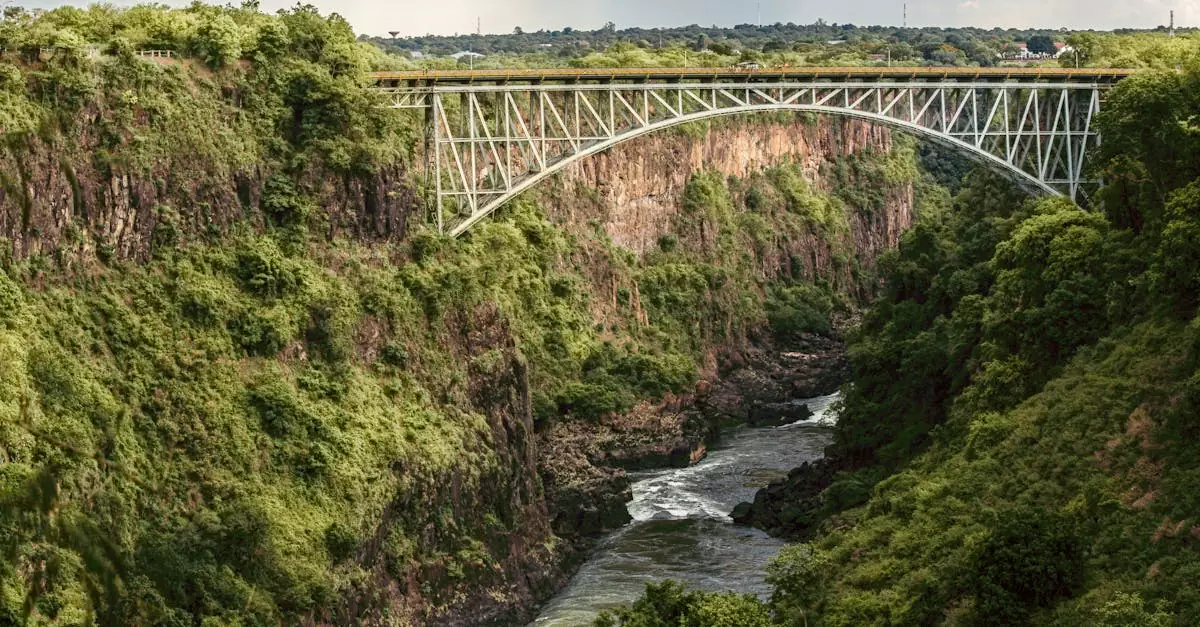
For adrenaline seekers, the Victoria Falls gorge offers some of the most thrilling activities in Africa. The Victoria Falls Bridge, which spans the gorge between Zambia and Zimbabwe, serves as the launchpad for these heart-pounding adventures. Take the plunge with a 111-meter bungee jump, feeling the immense power of the Zambezi below. Alternatively, the gorge swing offers an exhilarating freefall before swinging across the vast chasm.
Safety is paramount for these operations, with highly trained professionals overseeing every jump and swing. It’s advisable to book these activities in advance, especially during peak tourist seasons. While the experience is unforgettable, it comes with a significant cost, so factor this into your budget. The views of the falls and the river from these vantage points are unparalleled, adding another layer to the adrenaline rush.
Sunset Cruise on the Zambezi River Near Victoria Falls
A sunset cruise on the Zambezi River provides a serene counterpoint to the drama of the falls. As the sun dips below the horizon, casting a warm glow over the water, you can relax on a comfortable boat, often with drinks and snacks provided. This is a fantastic opportunity for wildlife spotting; hippos, crocodiles, elephants, and various bird species are frequently seen along the riverbanks.
Several operators offer these cruises, ranging from shared budget-friendly options to private luxury experiences. Most depart from designated jetties near Livingstone, a short drive from the falls. The gentle pace of the cruise allows for quiet reflection and appreciation of the Zambian wilderness. It’s a perfect way to end a day of exploring the mighty cascade, offering a different perspective on the river that feeds the falls. Booking a cruise that includes dinner can enhance your Zambian evening experience.
Explore Zambia’s Premier Wildlife National Parks
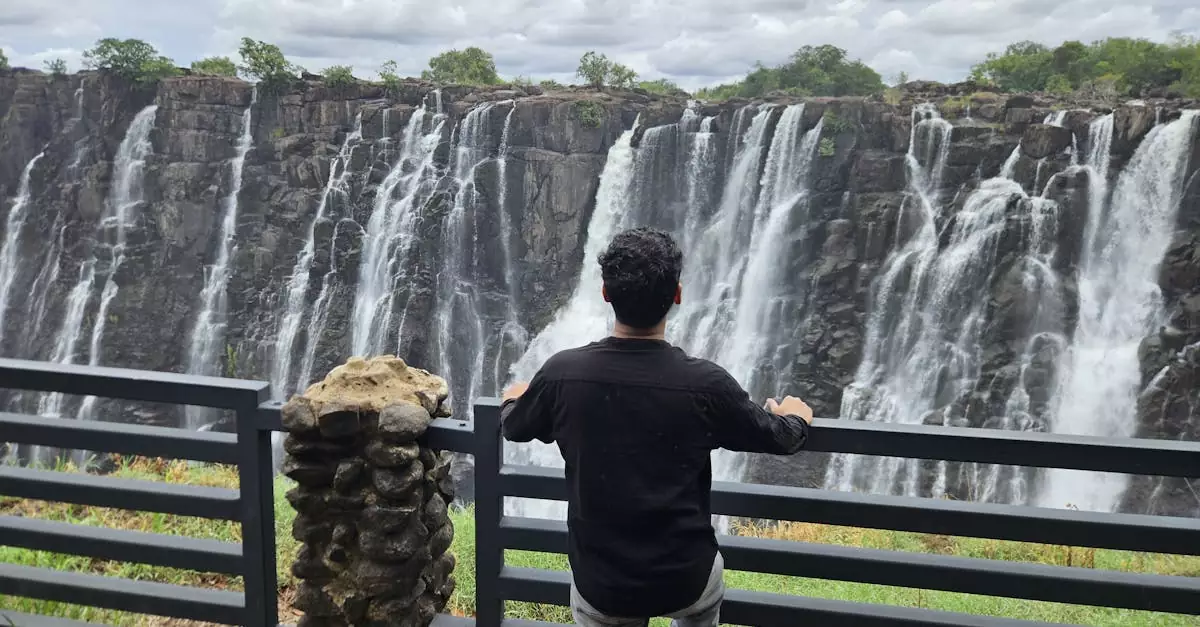
Zambia is a premier destination for authentic African wildlife encounters, particularly known for its exceptional national parks. These protected areas offer diverse landscapes and abundant wildlife, catering to various safari preferences. Planning a trip to Zambia means immersing yourself in untamed nature, where the focus is on the wild itself.
South Luangwa National Park: The Home of Walking Safaris
South Luangwa National Park is widely recognized as the birthplace of the walking safari. This approach offers an intimate way to experience the bush, allowing travelers to connect with the environment on foot. Guides are highly skilled, focusing on tracking animals, identifying smaller details like insects and plants, and understanding animal behavior. The park boasts one of the highest concentrations of wildlife in Africa, with predators like leopards, lions, and wild dogs frequently sighted.
Key Wildlife: Leopard, lion, African wild dog, elephant, buffalo, hippo, Thornicroft’s giraffe.
Best Time to Visit: The dry season, from May to October, is ideal for game viewing as animals congregate around water sources. The shoulder months of May and October offer good game viewing with fewer crowds.
Getting There: The main entry point is Mfuwe Airport (MFU), with regular flights from Lusaka. Road transfers are also possible but can be lengthy.
Accommodation: Options range from rustic bush camps to luxurious lodges, many offering excellent access to walking trails and night drives.
Lower Zambezi National Park: Canoeing and River Safaris
For a unique perspective on wildlife, Lower Zambezi National Park provides unparalleled opportunities for canoeing and river-based safaris. The Zambezi River forms the park’s northern boundary, creating a stunning aquatic environment teeming with life. Paddling a canoe allows for silent approaches to wildlife along the riverbanks, offering close-up views of elephants, hippos, crocodiles, and a rich diversity of birdlife.
Key Wildlife: Elephant, hippo, crocodile, lion, leopard, waterbuck, numerous bird species.
Best Time to Visit: The dry season (May to October) is best, especially for canoeing, as water levels are lower and animals are more concentrated along the river.
Getting There: Flights to Royal airstrip or Jeki airstrip from Lusaka are the most convenient.
Accommodation: Lodges are primarily situated along the river, offering both land-based game drives and water-based activities like canoeing and boat safaris.
Kafue National Park: Diverse Ecosystems and Big Cats
As one of Africa’s largest national parks, Kafue National Park presents a vast and varied landscape, from open plains to dense woodland and riverine areas. This diversity supports a remarkable range of wildlife, including a healthy population of big cats. Kafue is particularly noted for its cheetah and lion sightings, as well as its abundant antelope species. The park’s sheer size means it rarely feels crowded, offering a sense of true wilderness.
Key Wildlife: Lion, leopard, cheetah, wild dog, elephant, buffalo, hippo, roan antelope, sable antelope.
Best Time to Visit: The dry season (June to October) is optimal for game viewing, especially in the southern and central areas. The northern parts can be accessed year-round but are best in the dry season.
Getting There: Access is typically via charter flights to various airstrips within the park or by 4×4 vehicles from Lusaka, though some routes can be challenging.
Accommodation: A range of camps and lodges are scattered throughout the park, offering different safari experiences from fly-camping to luxury stays.
Comparing these parks highlights Zambia’s diverse safari offerings:
| Park | Primary Activity | Wildlife Focus | Best For |
|---|---|---|---|
| South Luangwa | Walking Safaris | Leopard, general game | Intimate bush experience |
| Lower Zambezi | Canoeing, River Safaris | Elephant, Hippo, Birdlife | Unique water-based wildlife viewing |
| Kafue | Game Drives, Birding | Big Cats, Diverse Antelopes | Extensive wilderness, varied habitats |
Discover the Best Time to Visit Zambia for Optimal Experiences
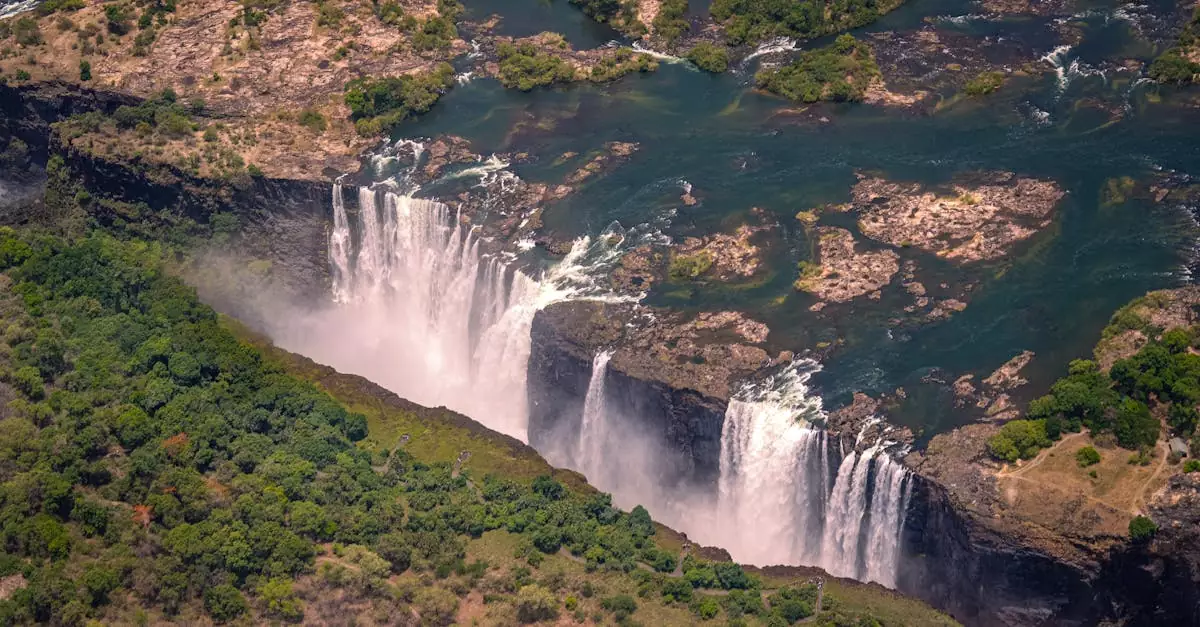
Choosing the right time to visit Zambia significantly impacts your experience, from wildlife viewing opportunities to the lushness of the landscapes. Understanding the distinct seasons will help you plan an adventure that aligns with your interests and budget. Zambia experiences a tropical climate with two main seasons: the dry season and the wet season, each offering unique advantages.
Dry Season (May-October): Best for Wildlife Viewing
The dry season, running from May through October, is widely considered the prime time for visiting Zambia, especially for those prioritizing wildlife encounters. During these months, vegetation thins considerably, and available water sources become scarce. This forces animals to congregate around rivers and waterholes, making them much easier to spot. Parks like South Luangwa and Lower Zambezi become exceptionally active, offering unparalleled game viewing.
Temperatures are generally pleasant, with cooler mornings and evenings, particularly from May to August. However, midday can still be warm. This period also sees fewer mosquitoes, which can be a significant comfort factor for travelers. As it’s the peak tourist season, expect higher prices for accommodations and safari packages. Booking well in advance is highly recommended, especially for popular lodges and camps. The clear skies also offer excellent photographic conditions.
Wet Season (November-April): Lush Landscapes and Birdwatching
The wet season, from November to April, transforms Zambia into a vibrant, green paradise. This period brings lush vegetation, dramatic thunderstorms, and a significant increase in birdlife, making it ideal for ornithologists and photographers drawn to dramatic skies and verdant scenery. Many migratory birds arrive during this time, enriching the avian spectacle.
However, heavy rains can make some roads impassable, particularly in more remote areas, potentially limiting access to certain parks or sections of parks. This can affect safari logistics, requiring more robust 4×4 vehicles or even bush flights for access. Consequently, wildlife viewing can be more challenging as animals disperse and thick vegetation provides ample cover. The upside is that this is the low season, meaning fewer crowds and significantly lower prices for flights and accommodations. It’s also the calving season for many antelope species, offering unique viewing opportunities. Be prepared for humidity and a higher mosquito population; malaria precautions are essential.
| Season | Months | Pros | Cons |
|---|---|---|---|
| Dry Season | May – Oct | Excellent wildlife viewing, thinner vegetation, fewer mosquitoes | Peak season pricing, higher crowds, can be hot midday |
| Wet Season | Nov – Apr | Lush landscapes, abundant birdlife, lower prices, fewer crowds | Difficult road access, harder wildlife spotting, higher humidity, mosquitoes |
| Shoulder | May, Oct-Nov | Balance of good weather and fewer crowds, transitional wildlife viewing | Variable weather, some services may be limited |
Shoulder Seasons: Balancing Weather and Crowds
The shoulder seasons, typically May and October through November, offer a compelling compromise for travelers seeking to balance good weather with fewer crowds and moderate prices. In May, the landscape transitions from wet to dry, retaining some greenery while water sources begin to concentrate wildlife. October and November mark the transition from dry to wet, with the first rains often bringing a refreshing change and the return of migratory birds.
During these periods, you can often find better deals on accommodations and safaris compared to the peak dry season. While wildlife viewing might not be as consistently spectacular as in the heart of the dry season, it can still be rewarding. Access to parks is generally good, though occasional rain showers might occur. These months provide a more relaxed safari experience, allowing for intimate encounters with nature without the peak-season rush. For those who prefer a mix of pleasant weather, good wildlife potential, and a less crowded atmosphere, the shoulder seasons are an excellent choice for experiencing the best things to do in Zambia.
Immerse Yourself in Local Culture and Cuisine
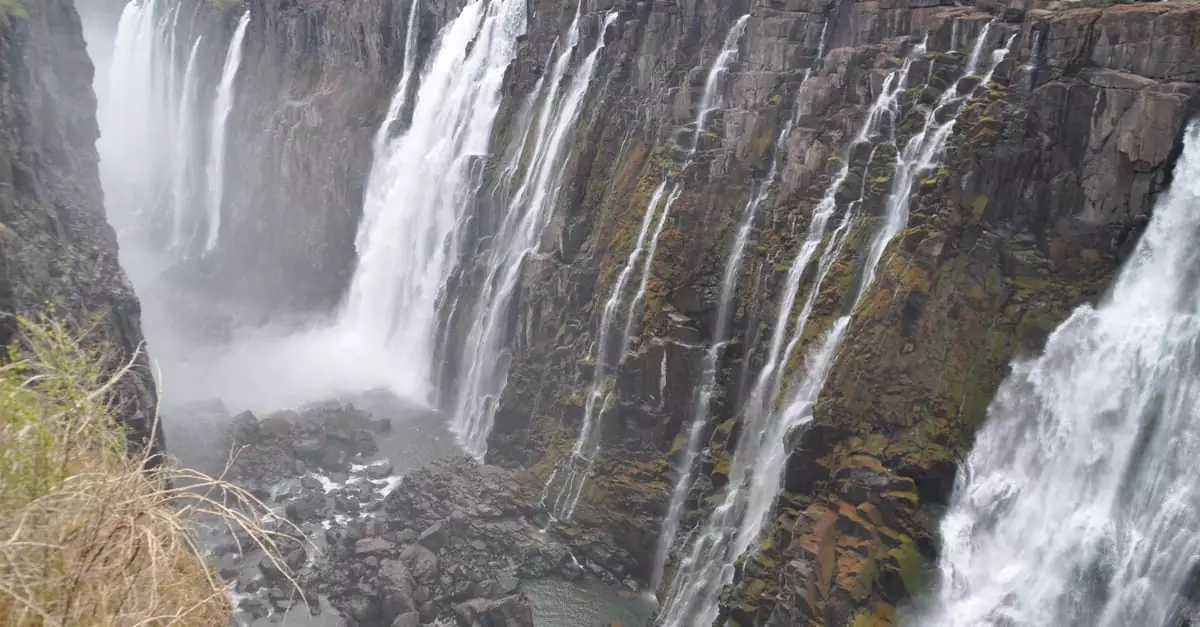
Experiencing Zambia’s vibrant culture goes hand-in-hand with savoring its distinctive flavors and engaging with its welcoming people. Understanding local customs and participating in daily life offers a richer perspective than simply visiting tourist sites.
Taste Traditional Zambian Dishes in Lusaka
Lusaka, the capital city, serves as a culinary hub where you can sample authentic Zambian cuisine. A must-try dish is nshima, a staple made from ground maize, often served with relish (a stew) made from vegetables like pumpkin leaves (rape) or okra, or with meat such as chicken or goat. For a truly local experience, visit a traditional restaurant or a local eatery in areas like Soweto Market.
When dining, be aware of local customs. It’s common to eat nshima with your right hand, molding it into a ball before dipping it into the relish. This communal way of eating is a fundamental part of Zambian social interaction. Trying local dishes is one of the most rewarding things to do in Zambia.
Visit Local Markets in Livingstone for Handicrafts
Livingstone, the gateway to Victoria Falls, offers a fantastic opportunity to connect with local artisans and find unique souvenirs. The markets here, such as the Livingstone Craft Market, are bustling with activity and a great place to purchase handcrafted items. You’ll find intricately carved wooden sculptures, colorful chitenge fabric clothing, beaded jewelry, and baskets.
Bargaining is expected, so engage politely with vendors to negotiate a fair price. This interaction is part of the market experience and a way to support local craftspeople. Allow ample time to wander through the stalls; you might discover hidden gems.
Consider visiting markets in the late afternoon, as they often become livelier as the day cools. Remember to carry small denominations of Zambian Kwacha for your purchases.
Understanding Zambian Etiquette and Customs
Respectful engagement with Zambian culture enhances any trip. Zambians are known for their hospitality and politeness. A common greeting is a handshake, often accompanied by inquiries about family or well-being.
When invited into a Zambian home, it is customary to bring a small gift, such as fruit or sweets, though this is not always expected. Always remove your shoes before entering a home. When offered food or drink, it is polite to accept, even if you only take a small amount.
Punctuality can be more relaxed in social settings, but for business appointments, aim to be on time. When addressing elders or those in authority, use respectful titles like “Sir,” “Madam,” or “Uncle/Aunt” if you are unsure of their specific title.
Learning a few basic phrases in a local language like Nyanja or Bemba can be greatly appreciated. For example, “Muli bwanji?” (How are you?) or “Zikomo” (Thank you) can go a long way in building rapport. Observing and adapting to local customs ensures a more meaningful and respectful travel experience in Africa.
Adventure Beyond the Tourist Trail: Hidden Gems in Zambia
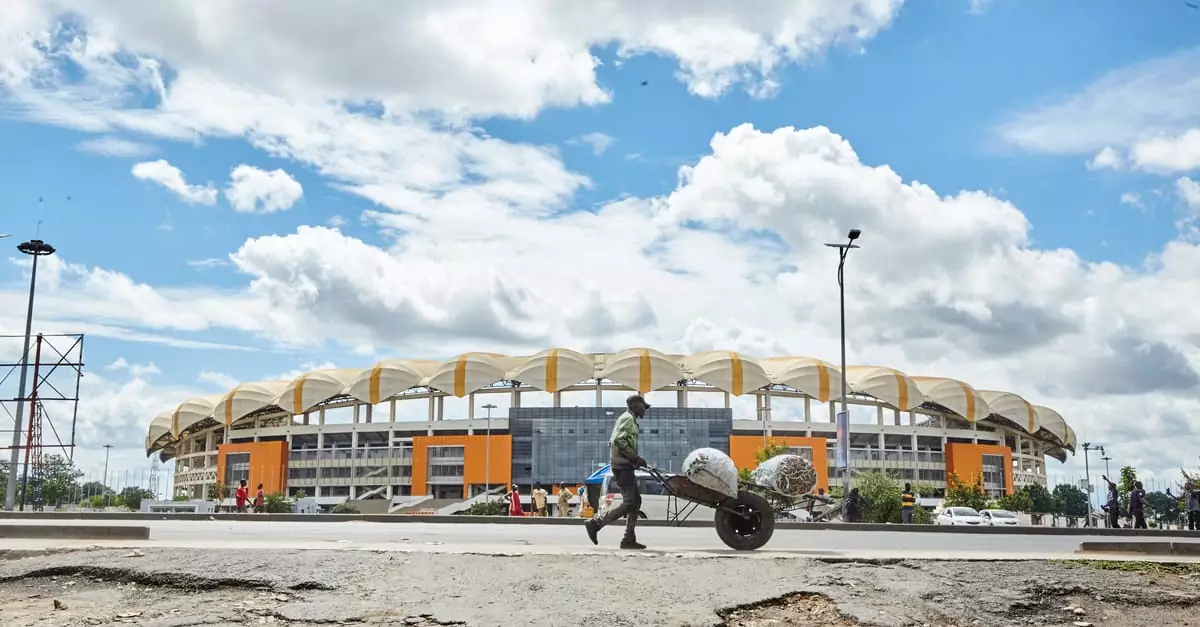
While Victoria Falls and South Luangwa National Park rightly draw crowds, Zambia offers vast swathes of untouched wilderness and cultural experiences for those willing to venture further. These less-trodden paths reveal a different facet of Zambian adventure, often demanding more self-reliance but rewarding travelers with authenticity and breathtaking natural beauty. Discovering these hidden gems provides a deeper connection to the country and its people, moving beyond the typical tourist circuit.
The Ancient Rock Art of the Muchinga Escarpment
The Muchinga Escarpment, a dramatic geological feature stretching across northern Zambia, holds significant archaeological treasures: ancient rock art sites. These paintings, some dating back thousands of years, offer a glimpse into the lives and beliefs of early inhabitants. The Mutomboshi and Mwelu sites are particularly noteworthy, featuring intricate depictions of animals, human figures, and abstract symbols. Reaching these sites often involves a combination of vehicle travel and hiking, typically requiring local guides who understand the terrain and the cultural significance of the art.
Accessing the escarpment is best arranged from towns like Mpika. Hiring a 4×4 vehicle is essential for navigating the rough tracks, and it’s advisable to carry ample supplies, including water and food, as amenities are scarce. Local guides can be found through community initiatives or by inquiring at provincial tourism offices. Timing your visit during the dry season (May to October) will make travel easier and improve visibility of the rock art. These remote locations offer a profound historical perspective, connecting you directly to Zambia’s ancient past.
Exploring the Untouched Wilderness of Nsumbu National Park
For a truly wild safari experience, Nsumbu National Park on the shores of Lake Tanganyika is unparalleled. This remote park is one of Zambia’s least visited, meaning you’re unlikely to encounter many other tourists. Its diverse landscape includes rugged hills, dense woodland, and the vast, shimmering expanse of the lake itself. Nsumbu is renowned for its excellent birdlife and offers opportunities to see elephants, hippos, crocodiles, and various antelope species. The park’s remoteness is part of its charm, providing a sense of true wilderness exploration.
Getting to Nsumbu requires significant planning. The nearest major airport is Mbala, from which you’ll need to arrange onward transportation, often a 4×4, to reach the park entrance. Accommodation options are limited, primarily consisting of basic park chalets or campsites, emphasizing a rustic safari adventure. Self-catering is usually necessary, so stocking up on provisions before departing Mbala is crucial. The best time to visit is during the dry season (June to October) when game is more concentrated near water sources, and the lake is calmer for boat excursions. This park offers a profound escape, allowing for an intimate encounter with nature.
Chongololo Trail: A Multi-Day Trekking Experience
The Chongololo Trail is a challenging yet rewarding multi-day trekking experience that winds through diverse landscapes, often in areas bordering national parks like Kasanka or Lusaka. Named after the Zambian word for millipede, the trail emphasizes slow, immersive travel through the bush. Trekkers can expect to traverse woodlands, cross rivers, and potentially encounter wildlife on foot, accompanied by experienced guides and porters. This adventure is ideal for those seeking an active and authentic connection with the Zambian wilderness.
Organizing a Chongololo Trail trek typically involves booking through specialized safari operators who arrange logistics, guides, porters, and camping equipment. The duration can vary from a few days to over a week, depending on the chosen route. It’s important to be physically fit and prepared for basic camping conditions. The dry season (May to October) is generally the most suitable period for trekking, offering pleasant temperatures and less rain. Packing essentials include sturdy hiking boots, lightweight clothing, a good quality sleeping bag, and insect repellent. This trek offers a unique perspective on Zambia’s natural beauty, far from any roads or vehicles.
Frequently Asked Questions About Exploring Zambia
What is the safest way to travel around Zambia?
Navigating Zambia safely involves a combination of planning and awareness. For longer distances between cities like Lusaka and Livingstone, consider using reputable bus companies or domestic flights. Within towns, hiring a taxi from a recognized company or using ride-sharing apps where available offers a secure option. For venturing into national parks or remote areas, a 4×4 vehicle, often rented with a driver, is highly recommended due to road conditions. Always keep valuables out of sight and avoid traveling alone at night in unfamiliar areas.
What essential items should I pack for a Zambian safari?
Packing for a Zambian safari requires thoughtful consideration of the climate and activities. Lightweight, neutral-colored clothing is essential to blend in with the environment and avoid attracting insects. Include long-sleeved shirts and trousers for sun protection and to ward off mosquitoes, especially during dawn and dusk. A good pair of broken-in walking shoes or hiking boots is crucial for game drives and walking safaris. Don’t forget a wide-brimmed hat, sunglasses, high-SPF sunscreen, and insect repellent with DEET. Binoculars are indispensable for spotting wildlife, and a camera with extra batteries and memory cards will help capture your experiences.
Here’s a quick packing checklist:
- Lightweight, neutral-colored clothing (long sleeves and pants)
- Comfortable walking shoes or hiking boots
- Wide-brimmed hat and sunglasses
- High-SPF sunscreen
- Insect repellent (with DEET)
- Binoculars
- Camera with extra batteries and memory cards
- Small backpack for day trips
- Personal first-aid kit
- Reusable water bottle
What are the visa requirements for Zambia?
Visa requirements for Zambia can vary depending on your nationality. Many nationalities can obtain a visa on arrival at major entry points, such as Kenneth Kaunda International Airport (LUS) in Lusaka or Harry Mwanga Nkumbula International Airport (LVI) in Livingstone. However, it is strongly advised to check the latest requirements with the Zambian Department of Immigration or the nearest Zambian embassy or consulate well in advance of your travel. Some nationalities may be eligible for an e-visa, which can be applied for online. The African Tourism Board website often provides up-to-date information on travel to various African nations.
| Nationality Group | Visa Required? | Application Method |
|---|---|---|
| Many Western | Yes (on arrival) | Border posts, airports, or e-visa |
| SADC Countries | No | N/A |
| Other | Varies | Check with Zambian embassy/consulate or website |
Always confirm current regulations before your trip, as policies can change.