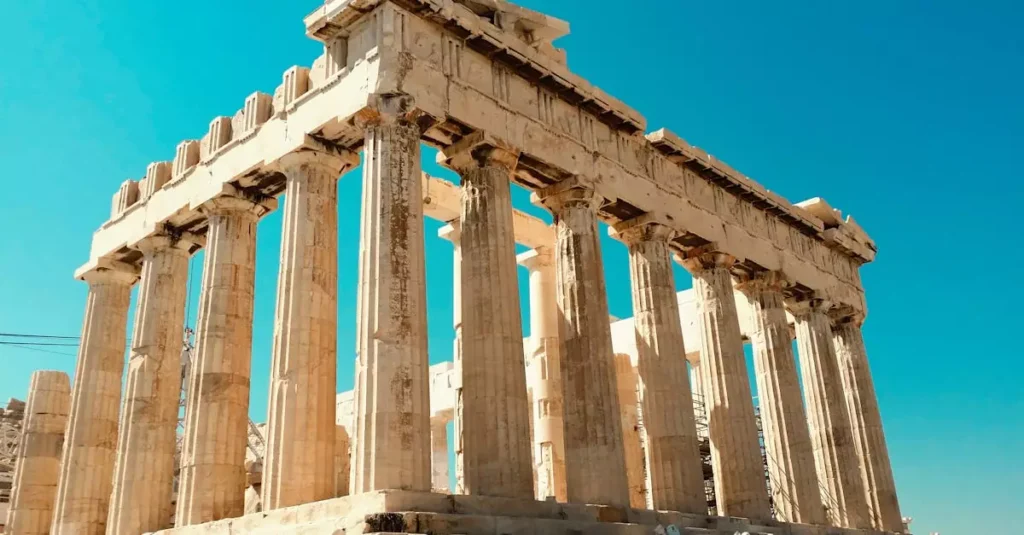
Greece, a land steeped in myth and history, beckons travelers with its remarkable collection of ancient wonders. From the majestic Acropolis overlooking Athens to the whispered secrets of the Oracle at Delphi, the country offers a profound journey through millennia of civilization. Planning a visit to these iconic landmarks can feel overwhelming, but understanding the unique character and logistical considerations of each site is essential for unlocking their magic.
This guide will help you navigate some of the best ancient sites in Greece, providing practical insights and historical context for an enriching exploration. You’ll discover must-see locations that define classical antiquity, along with their significance and tips for the best experience. Prepare to step back in time and connect with the enduring legacy of one of the world’s most influential cultures.
Top 5 Must-See Ancient Sites in Greece for History Buffs
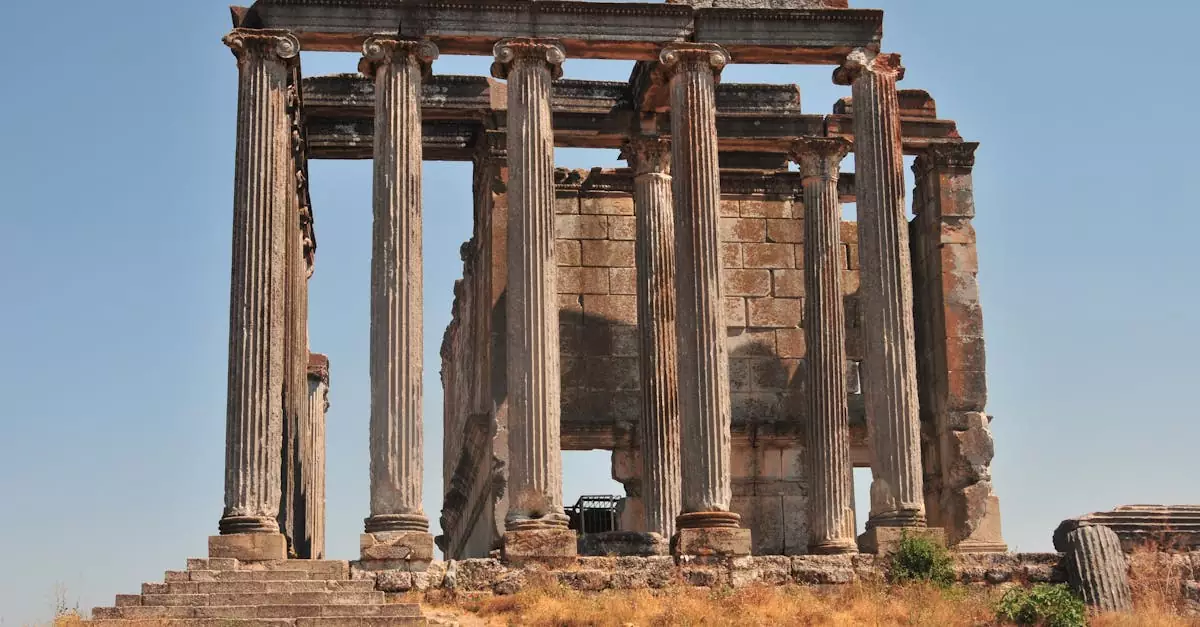
Greece, the cradle of Western civilization, offers an unparalleled journey through millennia of history. For those captivated by the past, its ancient sites are not merely ruins but living testaments to human ingenuity, philosophy, and art. Planning a trip to uncover these historical treasures requires understanding what makes each site unique and how to best experience them. This guide highlights five of the most significant historical locations, providing insights for a memorable exploration of Greece’s rich heritage.
The Acropolis of Athens: A Citadel of Classical Grandeur
Perched above Athens, the Acropolis stands as an enduring symbol of classical Greece and a UNESCO World Heritage site. Its most iconic structure, the Parthenon, dedicated to the goddess Athena, showcases the architectural brilliance of the 5th century BC. Visiting the Acropolis offers a profound connection to the birthplace of democracy and Western philosophy.
Visitor Tips:
- Timing: Arrive early in the morning or late in the afternoon to avoid the midday sun and crowds, especially during peak season (June-August).
- Tickets: Consider purchasing a combined ticket that grants access to several other archaeological sites in Athens, offering better value if you plan to visit multiple locations.
- Accessibility: The site involves significant walking and uneven terrain. Wear comfortable shoes and be prepared for uphill climbs.
Ancient Delphi: Oracle of the Ancient World
Nestled on the slopes of Mount Parnassus, Delphi was considered the center of the world by ancient Greeks and home to the famed Oracle. The archaeological site includes the Temple of Apollo, the ancient theater, and the stadium, all set against a dramatic mountainous backdrop. The journey to Delphi offers breathtaking views and a palpable sense of ancient spiritual significance.
Logistics:
- Getting There: Delphi is accessible via bus from Athens, a scenic journey of about 2.5 to 3 hours. Car rental provides more flexibility for exploring the surrounding region.
- What to See: Don’t miss the Treasury of the Athenians, the Stoa of the Athenians, and the Delphi Archaeological Museum, which houses remarkable artifacts like the Charioteer of Delphi.
- Nearby: The modern town of Delphi offers accommodation and dining options, while the picturesque village of Arachova is a popular stop for its traditional charm.
Mycenae: The Hilltop Fortress of Agamemnon
Mycenae, a major center of Greek civilization in the second millennium BC, is famously associated with the legendary King Agamemnon. This imposing Bronze Age archaeological site features the iconic Lion Gate, the Cyclopean Walls, and the Treasury of Atreus. Exploring Mycenae provides a glimpse into the heroic age of ancient Greece, steeped in myth and history.
Archaeological Significance:
- Key Features: The sheer scale of the fortifications and the sophisticated engineering of the beehive tombs are astonishing.
- Historical Context: Mycenae was a dominant power in the Aegean, and its influence is evident in the art and architecture found throughout the site.
- Location: Situated in the Peloponnese, Mycenae is often visited as part of a larger tour of the Argolid region, which also includes Epidaurus and Nafplio.
Ancient Olympia: Birthplace of the Olympic Games
Located in the western Peloponnese, Ancient Olympia is where the original Olympic Games were held every four years starting in 776 BC. The site includes the ruins of the Temple of Zeus, the Temple of Hera, and the ancient stadium where athletes once competed. It’s a place of immense historical importance, celebrating athletic achievement and pan-Hellenic unity.
Visitor Experience:
- The Stadium: Stand in the very spot where ancient Olympians competed.
- The Museum: The nearby Archaeological Museum of Olympia houses impressive sculptures from the Temple of Zeus and other significant artifacts.
- Best Time to Visit: Spring and autumn offer pleasant weather for exploring the expansive grounds. Summer can be very hot.
Knossos Palace, Crete: Labyrinthine Minoan Majesty
On the island of Crete, the Palace of Knossos is the most important Minoan archaeological site, dating back to the Bronze Age. Often associated with the myth of the Labyrinth and the Minotaur, the sprawling complex showcases sophisticated architecture, vibrant frescoes, and advanced plumbing systems. It offers a unique insight into one of Europe’s earliest advanced civilizations.
Planning Your Visit:
- Location: Knossos is located just south of Heraklion, Crete’s capital. It is easily accessible by local bus or taxi.
- Understanding the Site: While partially reconstructed by archaeologist Sir Arthur Evans, the scale and complexity of the palace are still awe-inspiring.
- Crete Travel: Visiting Knossos can be combined with exploring Heraklion’s archaeological museum, which holds many of the site’s original artifacts, or with other historical sites on the island.
Beyond the Acropolis: Exploring Lesser-Known Ancient Gems
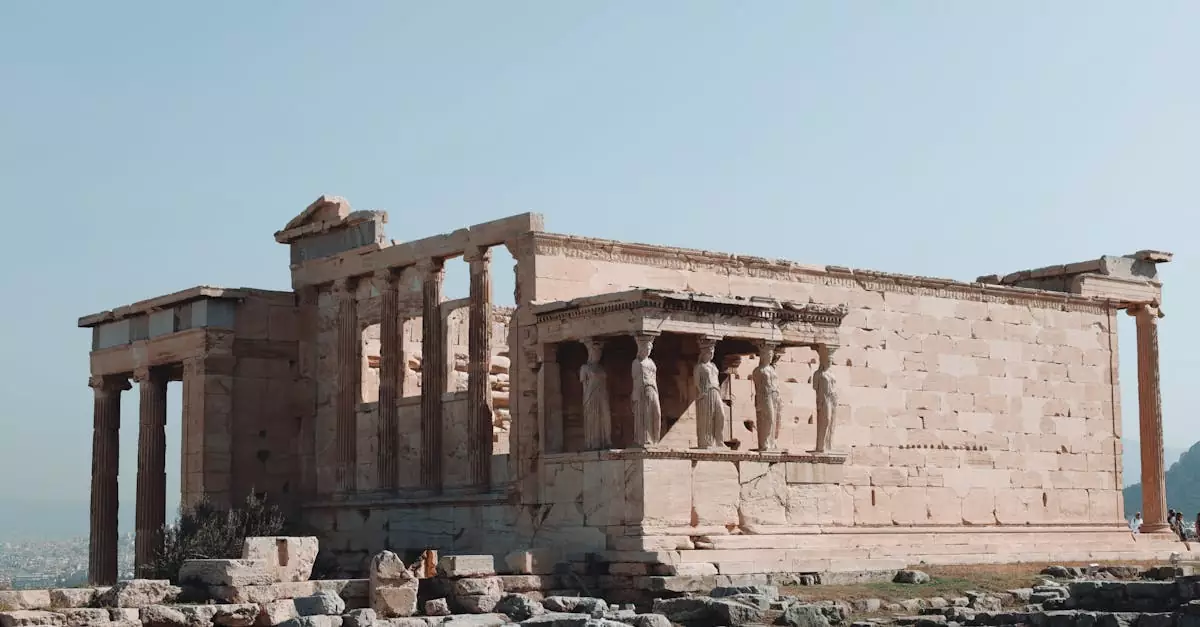
While Athens’ Acropolis rightfully draws crowds, Greece is rich with ancient sites that offer profound historical insights with fewer visitors. Venturing beyond the most famous landmarks reveals a deeper understanding of this civilization’s enduring legacy. These destinations provide a more intimate connection to the past, often set against stunning natural backdrops.
Mystras: The Byzantine Ghost City near Sparta
Perched on a steep mountainside overlooking the Eurotas Valley, Mystras was a powerful Byzantine city and a center of art and learning in the 14th and 15th centuries. Walking through its deserted streets, past well-preserved churches adorned with frescoes and the ruins of palaces, feels like stepping back in time. The site is extensive, requiring a good amount of walking and climbing, so comfortable shoes are essential.
Getting There: Mystras is located a few kilometers west of modern Sparta in the Peloponnese. Driving is the most convenient option, with parking available at the lower entrance. Public buses connect Sparta to Mystras, though schedules can be infrequent.
Visitor Tip: Arrive early in the morning to avoid the heat and crowds, especially during summer. Allow at least 3-4 hours to fully appreciate the upper and lower towns.
Epidaurus Theater: Acoustics That Still Amaze
The Sanctuary of Asklepios at Epidaurus is renowned for its remarkably preserved ancient theater, a UNESCO World Heritage site. Built in the 4th century BC, its acoustics are legendary; a whisper from the stage can reportedly be heard in the uppermost seats. Attending a performance here during the summer Epidaurus Festival is an unforgettable experience, connecting you directly to the site’s ancient purpose as a place of healing and artistic expression.
Logistics: Epidaurus is located in the Argolid region of the Peloponnese, about a 1.5-hour drive from Athens. Day trips are popular, but staying overnight in nearby Nafplio offers a more relaxed pace.
Budget Consideration: Entrance fees are moderate, and performances during the festival incur separate ticket costs, which can vary.
Ancient Corinth: A Crossroads of Civilizations
Ancient Corinth was a major city-state and a vital commercial hub in antiquity, strategically located on the Isthmus of Corinth. Its ruins include the impressive Temple of Apollo, the Roman Forum, and a well-preserved theater. The site offers a tangible sense of its cosmopolitan past, having been a melting pot of Greek, Roman, and later Byzantine cultures. Its proximity to the modern town of Corinth makes it easily accessible.
Transportation: Corinth is easily reached by train or bus from Athens, taking about an hour. If driving, it’s a straightforward journey via the main highway.
What to See: Don’t miss the Archaeological Museum on site, which houses artifacts unearthed from the excavations, providing further context to the ruins.
Aigai (Vergina): Royal Tombs of Macedon
Aigai, near modern Vergina, was the first capital of the Kingdom of Macedon. Its most significant discovery is the Great Tumulus, which contains the undisturbed royal tombs of Philip II, father of Alexander the Great, and other Macedonian royalty. The highlight is the museum built within the burial mound, showcasing astonishing treasures, including Philip’s golden larnax (casket) and his intricately crafted armor and weaponry.
Planning Your Visit: Aigai is best visited as part of a trip to northern Greece, typically from Thessaloniki, which is about an hour’s drive away.
Traveler Insight: The museum is dimly lit to protect the artifacts, creating a somber and awe-inspiring atmosphere. Photography is restricted inside the tomb chambers.
Planning Your Ancient Greece Itinerary: A 7-Day Deep Dive
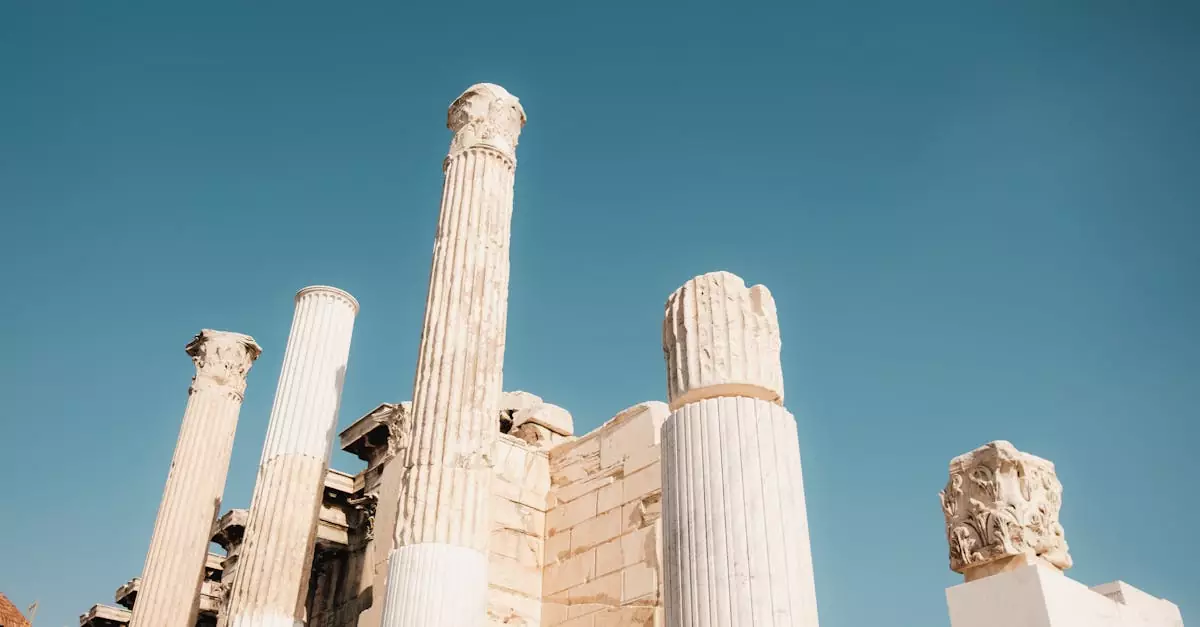
Crafting an itinerary to witness Greece’s best ancient sites requires strategic planning, especially when aiming for a comprehensive 7-day journey. This suggested route balances iconic landmarks with manageable travel times, focusing on the Peloponnese and Athens, with an optional island extension. Consider renting a car for flexibility, particularly when venturing beyond Athens, as public transport between some archaeological sites can be time-consuming.
Day 1-2: Athens & The Acropolis Immersion
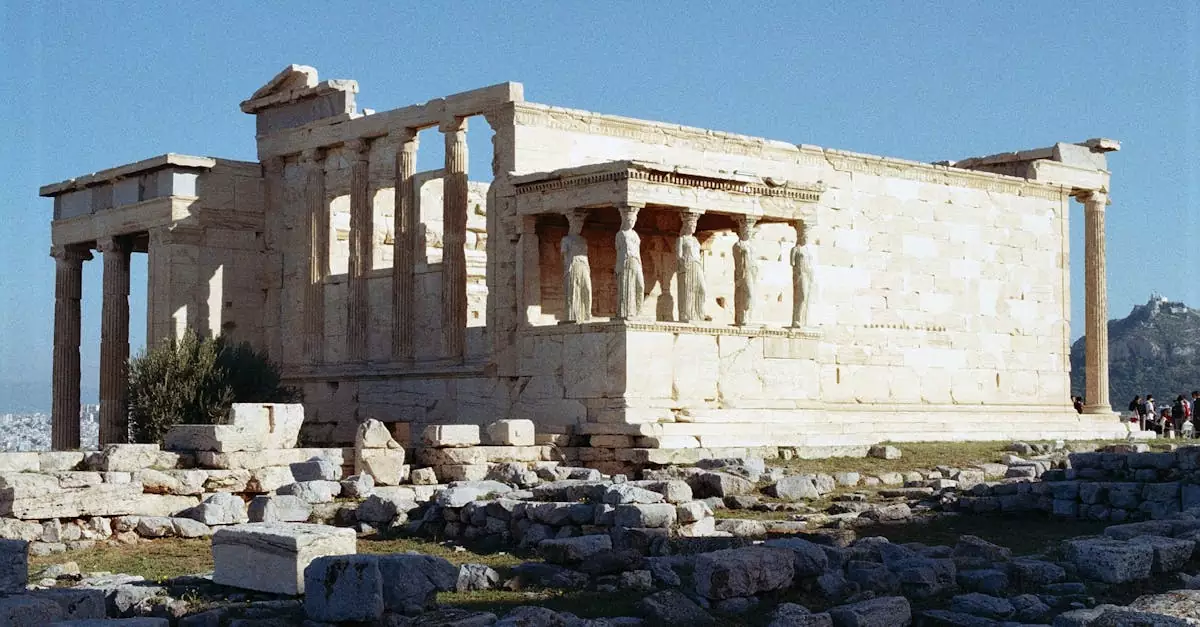
Begin your journey in Athens, the cradle of Western civilization. Dedicate at least one full day to the Acropolis, a UNESCO World Heritage site, ensuring you arrive early to avoid crowds and the midday sun. Explore the Parthenon, Erechtheion, and the Propylaea. The Acropolis Museum, located at the foot of the hill, offers invaluable context and houses many artifacts unearthed from the site.
Beyond the Acropolis, Athens boasts other significant ancient attractions. The Ancient Agora, the heart of public life in ancient Athens, provides a glimpse into daily civic activities. Don’t miss the Temple of Olympian Zeus, once the largest temple in Greece, and Hadrian’s Arch. For a panoramic view of the city and its ancient remnants, consider a climb up Lycabettus Hill.
Athens Travel Tips:
- Getting Around: Athens has a robust metro system that connects major tourist areas. Walking is best for exploring the historic Plaka district.
- Accommodation: Stay in areas like Plaka, Monastiraki, or Syntagma for easy access to sites and amenities.
- Best Time to Visit: Spring (April-May) and Autumn (September-October) offer pleasant weather for sightseeing.
Day 3: Delphi & the Sacred Way
Embark on a day trip to Delphi, situated on the slopes of Mount Parnassus. This ancient sanctuary was considered the center of the world by the Greeks and was home to the famous Oracle. The archaeological site is breathtaking, featuring the Temple of Apollo, the ancient theater, and the stadium. The Delphi Archaeological Museum houses remarkable finds, including the Charioteer of Delphi.
The drive to Delphi from Athens takes approximately 2.5 to 3 hours. While it’s possible to visit as a day trip, an overnight stay allows for a more relaxed experience and the chance to explore the charming modern town of Delphi. This is undoubtedly one of the best ancient sites in Greece for its dramatic setting and historical significance.
Day 4: Mycenae & Epidaurus Day Trip
Journey into the Argolid region of the Peloponnese for a day exploring two extraordinary sites. Mycenae, a major center of Greek civilization in the second millennium BCE, is famed for its Cyclopean walls, the Lion Gate, and the Treasury of Atreus, a monumental tomb. It’s a place steeped in myth and history, famously associated with King Agamemnon.
Continue to Epidaurus, renowned for its remarkably preserved ancient theater. This 4th-century BCE marvel is celebrated for its incredible acoustics; a whisper from the center stage can be heard in the highest seats. The sanctuary itself was dedicated to Asclepius, the god of healing, and was a vital pilgrimage site. These two locations offer a potent combination of military might and cultural achievement.
Day 5-6: Olympia & Peloponnese Exploration
Travel further into the Peloponnese to Olympia, the birthplace of the Olympic Games. Explore the ancient stadium, the Temple of Zeus (which once housed the colossal statue of Zeus, one of the Seven Wonders of the Ancient World), and the Temple of Hera. The archaeological museum here is exceptional, displaying treasures like the Hermes of Praxiteles.
Dedicate a second day to exploring more of the Peloponnese. Consider visiting the well-preserved ancient city of Messene or the imposing medieval castle of Mystras near Sparta. Alternatively, enjoy the coastal beauty and charming towns of the region. This part of your journey offers a deeper dive into the rich history of mainland Greece.
Day 7: Crete’s Knossos Palace (or an alternative island site)
For your final day, consider a flight to Crete to visit the Palace of Knossos, the center of the Minoan civilization. This sprawling complex, associated with the myth of the Minotaur and the Labyrinth, offers a unique perspective on Bronze Age culture. The Minoan civilization predates classical Greece, providing a fascinating contrast.
If a flight to Crete is too time-consuming, alternatives exist. Consider visiting the ancient site of Corinth, with its impressive temple and acrocorinth, on your way back towards Athens. Another option is to explore the ancient theater of Dodoni in Epirus, one of the oldest Hellenic sanctuaries. The choice depends on your preferred pace and travel style.
Sample 7-Day Itinerary Overview:
| Day | Primary Focus | Key Sites | Region | Travel Notes |
|---|---|---|---|---|
| Day 1-2 | Athens | Acropolis, Ancient Agora, Acropolis Museum | Attica | Metro, walking |
| Day 3 | Delphi | Temple of Apollo, Theater, Museum | Central Greece | Car rental or organized tour from Athens |
| Day 4 | Mycenae & Epidaurus | Lion Gate, Treasury of Atreus, Ancient Theater | Peloponnese | Car rental or organized tour from Athens |
| Day 5 | Olympia | Ancient Stadium, Temple of Zeus, Museum | Peloponnese | Car rental |
| Day 6 | Peloponnese Exploration | Messene, Mystras, or coastal towns | Peloponnese | Car rental |
| Day 7 | Crete or Alternative | Knossos Palace (Crete) or Ancient Corinth/Dodoni | Island/Mainland | Flight to Crete or car travel back towards Athens |
This itinerary provides a solid framework for experiencing some of the best ancient sites in Greece, offering a chronological and geographical sweep through millennia of history.
How to Travel Between Greece’s Ancient Wonders
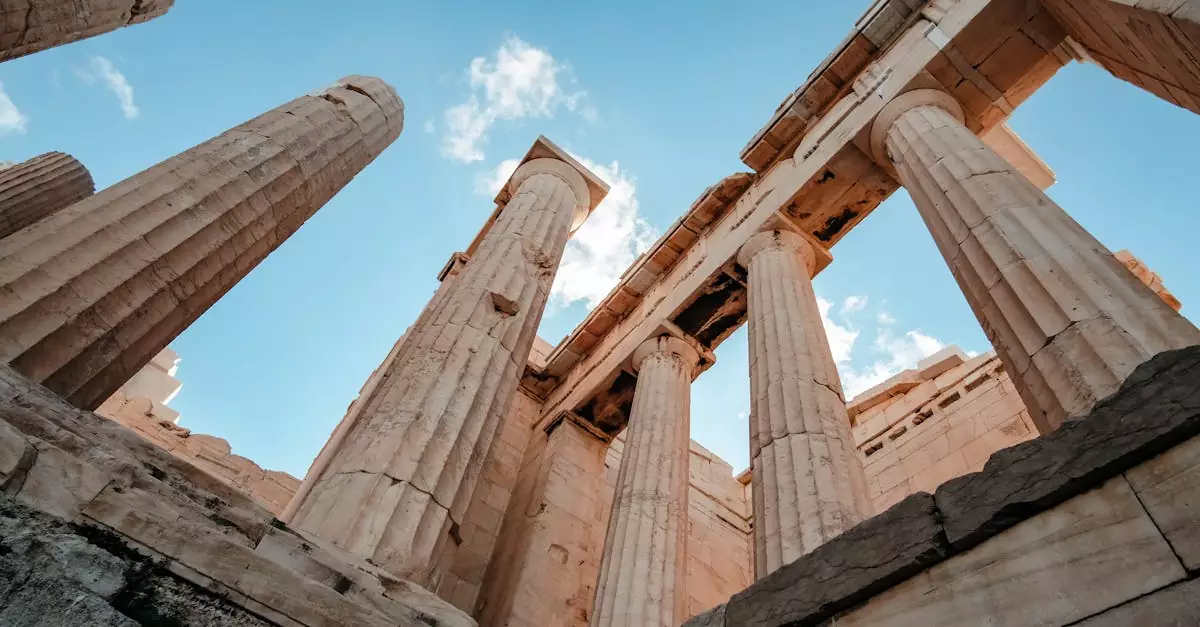
Greece’s rich history is spread across its mainland and numerous islands, making transportation a key consideration for any traveler eager to see its best ancient sites. Planning your journeys effectively will maximize your time and ensure a smoother experience. From driving through historic landscapes to island hopping, various options cater to different budgets and travel styles.
Navigating Mainland Greece by Car: Freedom and Flexibility
Renting a car offers unparalleled freedom for exploring the mainland’s ancient treasures, such as Delphi or Mycenae. It allows you to set your own pace, stop at smaller, less-visited archaeological sites, and access locations not easily reached by public transport. Road conditions on the mainland are generally good, with well-maintained highways connecting major cities and attractions.
However, be prepared for narrower roads in rural areas and mountainous terrain. Parking can also be challenging in popular tourist towns and near major sites. It’s advisable to book your rental car in advance, especially during peak season, and ensure you have an International Driving Permit if required. While the cost of car rental can add up, the flexibility it provides for reaching remote ancient locations is often worth the expense for those seeking a comprehensive journey.
Utilizing Intercity Buses (KTEL) for Budget Travel
For travelers on a tighter budget, the KTEL intercity bus network is an excellent way to navigate mainland Greece. These buses are reliable, frequent, and connect most towns and significant archaeological sites. Tickets are generally affordable, making this a cost-effective option for reaching places like Olympia or Epidaurus.
While buses are efficient, they operate on set schedules, which may require more pre-planning and potentially longer travel times compared to driving. You’ll also need to factor in travel time from bus stations to your final destinations. The KTEL system is extensive, but for very remote sites, a combination of bus and local taxi might be necessary.
Island Hopping for Archaeological Pursuits: Ferries and Flights
Many of Greece’s most significant ancient sites are located on its islands, including the Minoan palaces of Crete or the sacred island of Delos. Traveling between islands primarily involves ferries, which range from slower, larger vessels to faster catamarans. Booking ferry tickets in advance is recommended, especially for popular routes or during summer.
For longer distances or when time is a constraint, domestic flights are available between major islands and Athens. This can significantly reduce travel time but comes at a higher cost. When planning your island itinerary, consider the ferry schedules and routes carefully, as direct connections between all islands aren’t always available, sometimes requiring a stopover in Athens or on a larger hub island.
Guided Tours vs. Independent Exploration of Ancient Sites
Deciding between a guided tour and independent exploration depends on your travel preferences and knowledge base. Guided tours, whether day trips from cities or multi-day packages, offer expert insights into the history and significance of each ancient site. They handle logistics, saving you time and effort, and can provide a deeper understanding of the ruins.
Independent exploration allows for greater flexibility and a more personal connection with the sites. You can spend as much or as little time as you wish at each location, and it’s often a more budget-friendly approach. Many sites have excellent informational signage, and guidebooks or audio guides can supplement your visit. For those who prefer to delve deeply into the history of Greece’s best ancient sites at their own pace, self-guided exploration is highly rewarding.
When is the Best Time to Visit Greece’s Ancient Sites?
Choosing the right season can significantly enhance your experience exploring the best ancient sites in Greece. Each period offers a different atmosphere, from the vibrant energy of summer to the quiet contemplation of winter.
Spring (April-May): Pleasant Weather and Fewer Crowds
Spring marks a delightful transition for visiting Greece’s historical treasures. The weather is generally mild and sunny, with average temperatures ranging from 15°C to 22°C (59°F to 72°F). This makes it comfortable for extensive walking and outdoor exploration without the intense heat of summer. Wildflowers bloom across the landscape, adding a scenic beauty to archaeological sites.
Crowd levels are moderate, especially in early spring. You’ll encounter fewer tour groups and can often enjoy popular locations like the Acropolis in Athens or the ruins at Delphi with more personal space. This is also a good time for photographers, as the light is softer and more forgiving.
Summer (June-August): Peak Season Heat and Tourist Volume
Summer in Greece is characterized by hot, dry weather and a surge in tourism. Daytime temperatures frequently exceed 30°C (86°F) and can reach into the high 30s or even 40s Celsius (90s-100s Fahrenheit), particularly in July and August. While the sun is brilliant, the heat can be challenging for exploring exposed ancient ruins, requiring frequent hydration and sun protection.
This is the busiest time for travel, with peak crowds at major attractions. Booking accommodations and flights well in advance is essential. Despite the heat and crowds, the long daylight hours allow for extended sightseeing. Consider visiting sites earlier in the morning or later in the afternoon to avoid the strongest sun.
Autumn (September-October): Ideal Visiting Conditions
Autumn is often considered the sweet spot for visiting Greece’s historical wonders. The intense summer heat subsides, with temperatures typically ranging from 20°C to 27°C (68°F to 81°F) in September, gradually cooling to 15°C to 22°C (59°F to 72°F) in October. The sea is still warm enough for swimming in coastal areas, and the landscape retains its golden hues.
Tourist numbers begin to decrease after September, leading to a more relaxed atmosphere at popular archaeological sites. The softer light and pleasant temperatures are perfect for leisurely exploration and photography. This season offers a fantastic balance of good weather and manageable crowds, making it a favorite among many travelers.
Winter (November-March): Off-Season Charm and Lower Prices
Visiting Greece’s ancient sites in winter offers a unique, tranquil experience. Temperatures are cooler, generally between 8°C and 15°C (46°F to 59°F), with occasional rain. While not ideal for beach holidays, it’s perfectly suitable for historical exploration, especially for those who prefer cooler climates.
Crowds are significantly reduced, allowing for an intimate encounter with history. You might find yourself almost alone at major sites, offering a profound sense of connection to the past. Prices for accommodations and flights are typically lower during this off-season period. Some smaller sites or museums might have reduced opening hours, so it’s wise to check schedules in advance.
Here’s a quick comparison of seasonal conditions:
| Season | Average Temperature (°C) | Crowd Levels | Key Considerations |
|---|---|---|---|
| Spring | 15-22°C | Moderate | Pleasant weather, blooming landscapes, fewer crowds |
| Summer | 30-40°C+ | High | Intense heat, peak tourist season, long daylight |
| Autumn | 15-27°C | Moderate | Warm days, cooling evenings, fewer tourists |
| Winter | 8-15°C | Low | Cooler, potential rain, lowest prices, tranquil |
Frequently Asked Questions About Exploring Ancient Greece
What are the essential items to pack for visiting ancient sites?
When planning your journey to the best ancient sites in Greece, smart packing makes a significant difference. Comfortable, sturdy walking shoes are essential, as many historical locations involve uneven terrain and extensive walking. Light, breathable clothing is crucial, especially during the warmer months, to manage the Mediterranean heat. Don’t forget sun protection: a wide-brimmed hat, sunglasses, and high-SPF sunscreen will shield you from the strong sun. Staying hydrated is also key, so a reusable water bottle is a wise addition.
Are there specific booking recommendations for popular sites?
For popular destinations like the Acropolis in Athens or the ruins of Delphi, booking tickets online in advance is highly recommended. This strategy helps you bypass long queues, saving valuable time that can be better spent immersing yourself in history. Many sites offer timed entry slots, so securing your preferred time can be advantageous, particularly during peak tourist seasons. Consider purchasing combo tickets if you plan to visit multiple archaeological sites within a specific region, as these often offer cost savings.
What are some common tourist mistakes to avoid?
A common pitfall when visiting Greece’s ancient wonders is underestimating the heat and sun exposure. Many sites are exposed with limited shade, so carrying water and seeking respite during the hottest parts of the day is essential. Another mistake is trying to see too much in a single day; Greece’s historical richness deserves a more leisurely pace. Rushing through sites diminishes the experience. Finally, respecting the historical context is vital. Avoid climbing on ruins or touching delicate artifacts, as these actions can cause irreversible damage.
Can I combine visiting ancient sites with beach holidays?
Absolutely. Greece offers a remarkable synergy between its rich historical tapestry and its stunning coastal landscapes. Many ancient sites are conveniently located near beautiful beaches, allowing for a balanced itinerary. For instance, after exploring the ruins of Mycenae, you can easily reach the beaches of the Argolic Gulf. Similarly, the ancient city of Corinth is a short drive from the popular seaside town of Loutraki. This combination provides a well-rounded Greek experience, blending cultural immersion with relaxation.