Europe’s culinary landscape is a vibrant tapestry woven from its incredible food markets. These venues are not merely shopping destinations; they are lively cultural hubs where local traditions, artisanal craftsmanship, and the freshest seasonal ingredients converge. For anyone eager to truly savor a destination, exploring the best gourmet markets in Europe is essential. These markets embody the heart of communities, providing a direct link to producers and the chance to enjoy authentic regional flavors. This guide will take you through some of the continent’s most exceptional food destinations, highlighting what makes them unique and offering practical tips for navigating their bustling stalls. Prepare to immerse yourself in the sights, sounds, and aromas that define European gastronomy.
Discovering Europe’s Premier Gourmet Markets for Food Lovers
What Defines a Gourmet Market in Europe?
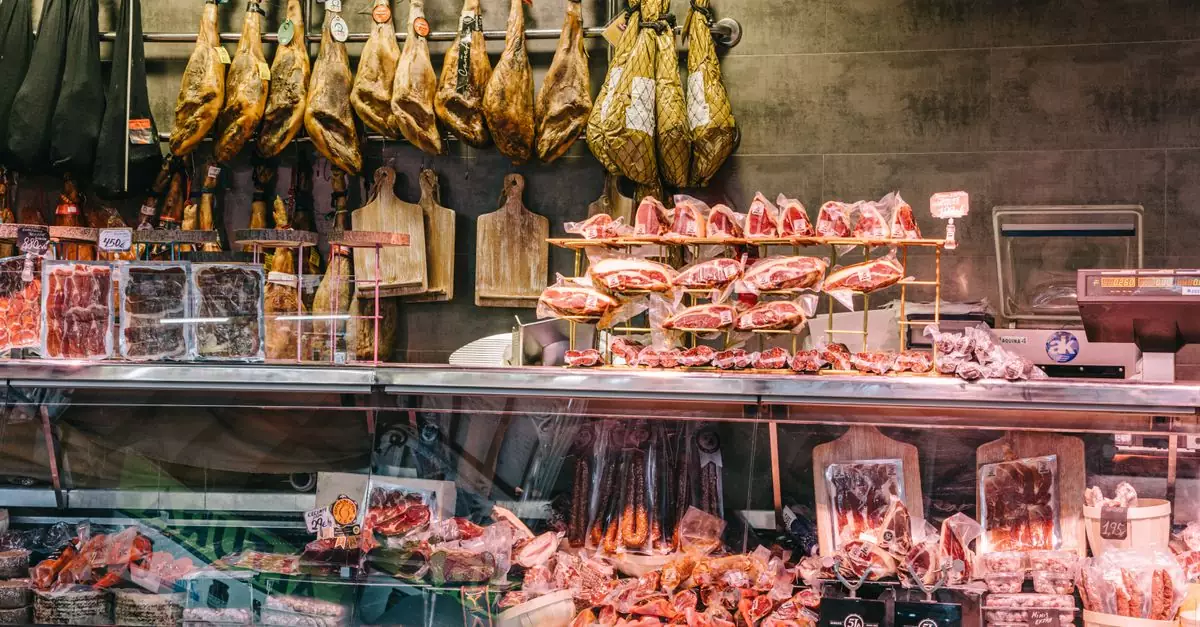
European gourmet markets are vibrant cultural hubs that celebrate local produce, artisanal craftsmanship, and culinary traditions. Unlike standard supermarkets, these markets often feature stalls run by the producers themselves, creating a direct connection to the source of your food. Expect to find seasonal fruits and vegetables, freshly baked bread, regional cheeses, cured meats, and prepared dishes ready to enjoy on-site. The focus is on quality, seasonality, and the story behind each product.
These markets thrive on lively exchanges, where vendors share their knowledge and samples with passion. They can range from historic covered halls, like those in cities across France or Spain, to bustling open-air squares that come alive on market days. The best gourmet markets in Europe are distinguished by their curated selections, authenticity, and immersive experiences they offer to visitors eager to taste local flavors.
The Rise of Artisanal Food Markets Across the Continent
Over the past two decades, Europe has seen a resurgence of interest in local and artisanal food. This movement has fueled the growth of gourmet markets, transforming them from essential shopping venues into sought-after tourist destinations. Consumers increasingly seek transparency in their food supply, higher-quality ingredients, and a connection to traditional foodways. This shift has empowered small-scale farmers, independent bakers, and local food artisans, giving them platforms to showcase their products.
This trend is evident from the bustling food halls of Scandinavia to the traditional farmers’ markets in Italy and the charming neighborhood markets in Germany. Many cities have revitalized historic market buildings or established new venues dedicated to showcasing their regional gastronomy. This evolution reflects a broader appreciation for slow food principles and a desire to support local economies and sustainable practices.
Why Seek Out Europe’s Best Gourmet Markets?
Visiting Europe’s best gourmet markets offers an unparalleled opportunity to engage with the continent’s rich culinary heritage. These markets are sensory experiences, alive with the aromas of fresh produce, the chatter of vendors, and the visual feast of colorful displays. For food lovers, they provide a chance to sample authentic regional specialties, discover unique ingredients, and purchase high-quality provisions to enjoy during travels or take home.
Beyond food, these markets offer a window into local life. They are places where communities gather, traditions are upheld, and daily life unfolds. Engaging with vendors, even with a few basic phrases, can lead to memorable interactions and a deeper understanding of local culture. Whether you’re a seasoned gastronome or a curious traveler, seeking out these culinary hubs promises a rewarding adventure across Europe.
Top Gourmet Markets in Italy: From Bologna’s Mercato di Mezzo to Florence’s Mercato Centrale
Italy’s culinary landscape is deeply rooted in its vibrant markets, offering a direct connection to the country’s rich gastronomic traditions. For travelers seeking authentic flavors and a true taste of local life, exploring these food hubs is essential. From the heart of Emilia-Romagna to the Renaissance charm of Tuscany, Italy’s best gourmet markets showcase regional specialties, fresh produce, and a lively atmosphere.
Bologna’s Mercato di Mezzo: A Taste of Emilia-Romagna’s Delights
Bologna, often hailed as Italy’s gastronomic capital, boasts the Mercato di Mezzo, a vibrant indoor market that brings the region’s culinary heritage to life. Located in the Quadrilatero district, this market features a labyrinth of stalls offering everything from artisanal pasta and cured meats to local cheeses and freshly baked goods. It’s a fantastic place to sample mortadella, prosciutto di Parma, and Parmigiano Reggiano directly from producers.
Beyond raw ingredients, Mercato di Mezzo features small eateries and bars where you can enjoy prepared dishes like tortellini in brodo and tagliatelle al ragù. The atmosphere is bustling, especially during lunch hours, making it a dynamic spot for both serious food shoppers and casual diners. Arrive before 1 PM for the best selection and a more relaxed experience.
Florence’s Mercato Centrale: Renaissance Flavors and Modern Gastronomy
Florence’s Mercato Centrale is a two-tiered marvel, with the ground floor dedicated to a traditional market and the upper level transformed into a contemporary food hall. The ground floor is a sensory delight, filled with stalls selling Tuscan produce, meats, cheeses, olive oils, and wines. Here, you can find Lampredotto sandwiches, a Florentine street food specialty, alongside high-quality ingredients for a picnic.
The upstairs food court offers a modern twist, featuring a curated selection of food vendors serving everything from fresh pasta and Neapolitan pizza to seafood and gelato. It’s a communal space perfect for trying various Florentine delicacies or enjoying a glass of Chianti. This area is particularly lively in the evenings, providing a sophisticated yet casual dining experience.
| Market Section | Focus | Best For |
|---|---|---|
| Ground Floor | Traditional Produce, Meats, Cheeses | Sourcing local ingredients, authentic Florentine specialties |
| Upper Floor | Prepared Foods, Diverse Cuisines | Casual dining, trying multiple dishes, evening meals |
Rome’s Campo de’ Fiori: A Historic Market with Local Produce and Street Food
Campo de’ Fiori, one of Rome’s most iconic squares, transforms into a vibrant open-air market each morning. This historic marketplace has been a hub for Roman life for centuries, and its lively energy is infectious. You’ll find a colorful array of fresh fruits, vegetables, herbs, and flowers, alongside stalls selling regional cheeses, olive oils, and local wines.
Beyond fresh produce, Campo de’ Fiori is a great spot for street food. Look for vendors selling supplì (fried rice balls), pizza al taglio (pizza by the slice), and fresh pastries. The surrounding streets are lined with specialty shops offering Roman delicacies like artichokes, cured meats, and artisanal pasta. While the market is primarily a morning affair, the piazza itself remains a lively gathering place throughout the day.
Navigating the Food Stalls of Milan’s Mercato di Via Fauche
Milan’s Mercato di Via Fauche, a more local and less tourist-centric option, offers a glimpse into the everyday food culture of the city. This market, primarily outdoor, features a wide selection of fresh produce, artisanal cheeses, cured meats, and baked goods. It’s a place where Milanese residents do their weekly shopping, ensuring high quality and authentic regional products.
While it may lack the polished food court of Florence’s Mercato Centrale, Via Fauche excels in authenticity. You can find excellent quality ingredients for preparing your own Italian meals or grab a quick, delicious bite from one of the food stalls. It’s a valuable stop for travelers looking to experience a genuine Italian market away from the main tourist crowds.
France’s Culinary Treasures: Parisian Food Halls and Provincial Markets
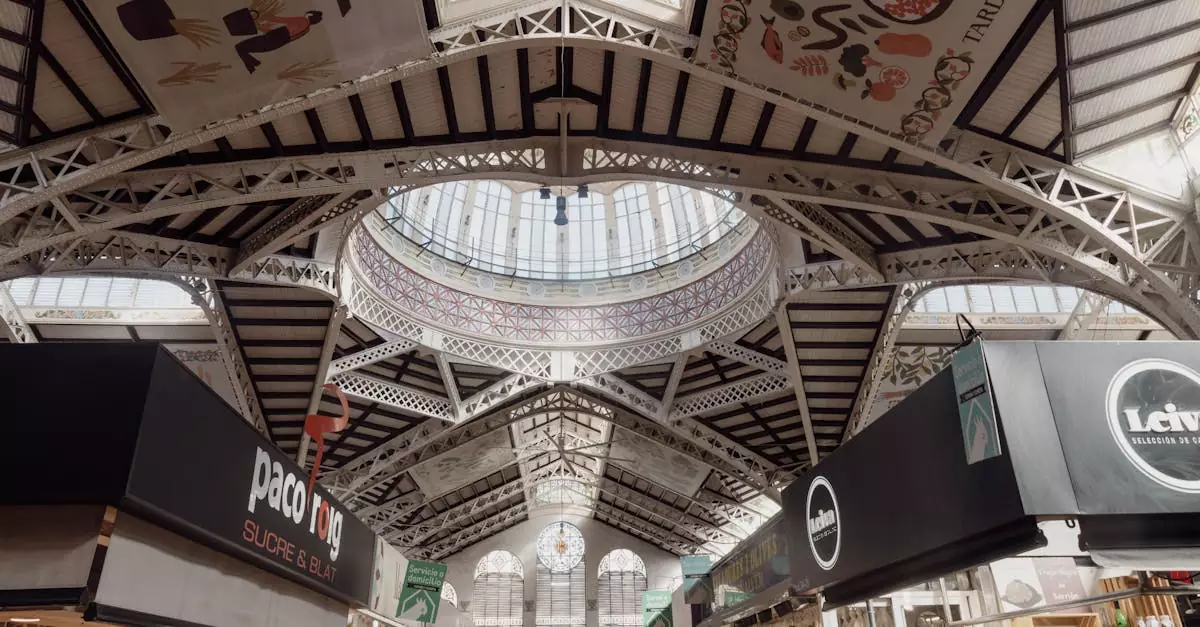
France is synonymous with exquisite cuisine, and its markets are the beating heart of this gastronomic reputation. From the bustling halls of Paris to the sun-drenched squares of Provence, these vibrant spaces offer a direct connection to the country’s rich food culture. For any culinary explorer, experiencing these best gourmet markets in Europe is a must when visiting France.
Marché des Enfants Rouges: Paris’s Oldest Market and Its Global Cuisine
Stepping into the Marché des Enfants Rouges in Paris feels like a delicious detour around the world. Established in 1628, it is the city’s oldest covered market. While it retains its historic charm, its modern iteration serves as a vibrant hub for international street food. Here, you’ll find Moroccan tagines, Japanese bento boxes, Lebanese mezze, and Caribbean specialties.
The market’s appeal lies in its casual, communal atmosphere. Grab a seat at one of the shared tables and savor dishes from various vendors. It’s a fantastic spot for a diverse and affordable lunch, providing a welcome contrast to more formal dining experiences. Arrive early on weekends to beat the crowds, as it becomes a lively gathering place for Parisians and visitors alike.
La Grande Épicerie de Paris: A High-End Food Hall Experience
For a more refined, albeit pricier, gastronomic adventure, La Grande Épicerie de Paris is an essential stop. Located in the Bon Marché department store, this is less a traditional market and more an ultra-chic food emporium. It showcases an unparalleled selection of high-quality French and international products, including artisanal cheeses, charcuterie, exquisite pastries, rare spices, and an impressive wine cellar.
Navigating La Grande Épicerie is an experience in itself. The beautifully arranged displays and sheer variety of gourmet items can be overwhelming. It’s the perfect place to pick up edible souvenirs or indulge in a luxurious picnic. While not a place for everyday shopping, its curated selection makes it one of the best gourmet markets Europe has to offer for discerning food lovers.
Exploring Lyon’s Les Halles de Lyon Paul Bocuse: A Temple to French Gastronomy
Lyon, often hailed as France’s gastronomic capital, boasts Les Halles de Lyon Paul Bocuse, a market that lives up to its legendary namesake. This isn’t just a place to buy food; it’s a shrine to French culinary excellence. Named after the iconic chef Paul Bocuse, the market is a testament to the region’s agricultural heritage and dedication to quality ingredients.
Inside, you’ll find a dazzling array of produce, from plump Bresse chickens and succulent sausages to the finest regional cheeses and fresh seafood. Many stalls are run by artisans who are masters of their craft, offering tastings and expert advice. It’s an ideal destination for serious foodies looking to delve deep into Lyonnaise specialties. Consider visiting during a weekday morning for a less crowded, more intimate experience.
Discovering Local Flavors at Aix-en-Provence’s Markets
Venturing south to Provence, the markets of Aix-en-Provence offer a captivating culinary scene. Held on Tuesdays, Thursdays, and Saturdays in the Cours Mirabeau and surrounding squares, these open-air markets are a sensory delight. The air is perfumed with lavender, and the vibrant colors of fresh produce—ripe tomatoes, plump olives, fragrant herbs—are a feast for the eyes.
Here, you can find everything from local fruits and vegetables to olive oils, honey, and artisanal soaps. It’s an excellent place to sample regional specialties like tapenade and calissons d’Aix. The atmosphere is relaxed and quintessentially Provençal. Grab a coffee at a nearby café and soak in the vibrant market life. For travelers seeking an authentic taste of southern France, these markets are a must-visit.
Beyond Italy and France: Uncovering Gourmet Markets in Spain, Portugal, and Beyond
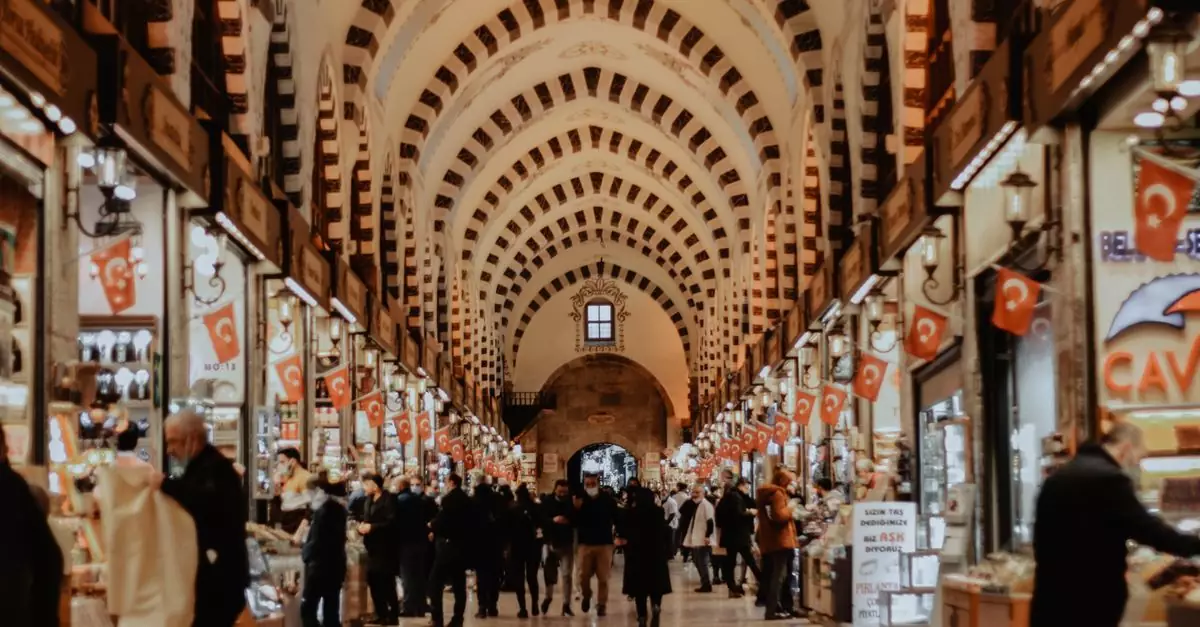
While France and Italy often steal the spotlight for European culinary destinations, the continent boasts an array of exceptional gourmet markets in countries like Spain, Portugal, and beyond. These vibrant hubs offer a taste of local life, showcasing regional specialties and innovative food concepts. Venturing beyond the well-trodden paths reveals a wealth of gastronomic treasures waiting to be discovered.
Mercado de San Miguel, Madrid: Tapas, Wine, and Lively Atmosphere
Madrid’s Mercado de San Miguel is a historic iron-and-glass structure transformed into a premier destination for tapas and drinks. Located near the Plaza Mayor, this market buzzes with energy, especially in the evenings. Visitors can sample a wide variety of Spanish delicacies, from fresh seafood and cured meats to artisanal cheeses and traditional sweets. Each stall offers a unique culinary experience, encouraging patrons to hop from one to another, enjoying small plates and local wines. It’s a fantastic place to experience Spanish gastronomy in one lively setting.
Practical Tips for Visiting:
- Best Time: Evenings and weekends are busiest, offering the most vibrant atmosphere. Consider visiting on a weekday afternoon for a slightly less crowded experience.
- Getting There: Easily accessible via the Sol and Plaza Mayor metro stations.
- Budget: Prices can be higher than in local taverns due to the prime location and gourmet offerings, but it’s a worthwhile splurge for the variety and quality.
Time Out Market Lisboa: A Modern Food Hall Featuring Top Portuguese Chefs
In Lisbon, the Time Out Market (Mercado da Ribeira) presents a contemporary take on the traditional market experience. This expansive hall brings together some of Portugal’s most renowned chefs and restaurants under one roof. It’s an excellent opportunity to taste authentic Portuguese cuisine, from classic bacalhau dishes to pastéis de nata, prepared by culinary masters. The communal seating encourages a social dining atmosphere, making it a popular spot for both locals and tourists.
What to Try:
- Seafood: Look for stalls offering fresh grilled fish and arroz de marisco (seafood rice).
- Pastries: Don’t miss the iconic pastéis de nata from Manteigaria.
- Regional Wines: Sample a selection of Portuguese wines, including Vinho Verde and Port.
Copenhagen’s Torvehallerne: Nordic Delicacies and International Flavors
Copenhagen’s Torvehallerne KBH offers a sophisticated market experience, blending traditional Danish fare with international influences. Housed in two large glass halls, it features stalls selling everything from fresh produce and artisanal bread to gourmet coffee and high-quality seafood. This market is a great place to discover Nordic specialties like smoked salmon, rye bread, and local cheeses while also tasting global cuisine.
Visitor Insights:
- Atmosphere: Bright, clean, and modern, reflecting Danish design sensibilities.
- Food Options: A wide range of choices, from quick bites to sit-down meals. It’s a great spot for breakfast, lunch, or a light dinner.
- Proximity: Located in the heart of the city, easily reachable by public transport.
Exploring the Best Gourmet Markets in Eastern Europe: A Hidden Gem Hunt
Eastern Europe is an emerging frontier for gourmet food markets, offering a unique blend of traditional flavors and modern culinary innovation. Cities like Budapest, Prague, and Warsaw are increasingly home to sophisticated food halls and revitalized market spaces that showcase local produce, regional specialties, and emerging chefs. These markets provide an authentic glimpse into the culinary heritage of the region, often at more accessible price points than their Western European counterparts.
For instance, Budapest’s Great Market Hall (Nagy Vásárcsarnok) is a magnificent structure where you can find everything from Hungarian paprika and local wines to handcrafted souvenirs. While it has a touristy section, venturing deeper reveals stalls frequented by locals, offering authentic dishes and fresh ingredients. Similarly, Prague’s smaller, artisanal markets, often appearing seasonally, focus on organic produce and local delicacies. These less-hyped destinations offer a more intimate and often budget-friendly experience for those seeking the best gourmet markets Europe has to offer away from the main tourist trails.
Planning Your Gourmet Market Itinerary: Tips for a Delicious European Adventure
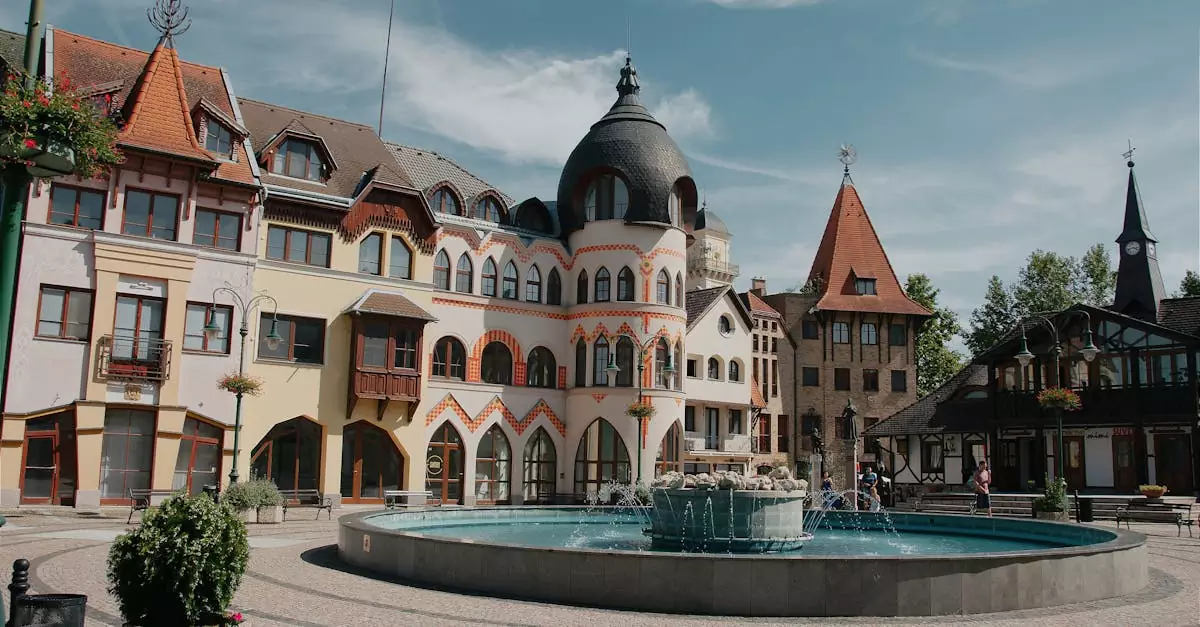
Embarking on a culinary tour of Europe’s best gourmet markets requires thoughtful planning to maximize your tasting experiences. From securing the freshest produce to navigating bustling crowds, a little preparation goes a long way in ensuring a truly delicious European adventure. Consider these practical tips to craft an itinerary that satisfies your palate and sense of discovery.
Best Times to Visit Europe’s Gourmet Markets for Peak Freshness
Timing your market visits is crucial for experiencing peak freshness and vibrant atmospheres. Generally, weekdays are less crowded than weekends, offering a more relaxed browsing experience. Early mornings are often the best time, especially for produce markets, as vendors set up and the freshest items are on display. For specific seasonal delicacies, like truffles or certain berries, consult local guides or market websites. Many markets operate year-round, but the abundance and variety of ingredients shift with the seasons, influencing overall gourmet offerings.
Consider the following seasonal highlights:
- Spring (March-May): Asparagus, strawberries, peas, and lamb are in season.
- Summer (June-August): A bounty of fruits, tomatoes, peppers, and seafood.
- Autumn (September-November): Root vegetables, mushrooms, game, and early citrus.
- Winter (December-February): Hearty greens, citrus fruits, and preserved goods.
Getting Around: Public Transport and Walking to Market Destinations
Navigating European cities to reach renowned food markets can be a highlight in itself. Most major cities boast excellent public transportation networks, including efficient tram, bus, and metro systems that can easily take you to market districts. Many of the best gourmet markets are located in central, pedestrian-friendly areas, making them accessible on foot once you’ve arrived via public transit. This approach not only saves money but also allows for spontaneous discoveries in charming neighborhoods.
Here are some transportation strategies:
- Utilize local transit apps: Download city-specific apps for real-time schedules and route planning.
- Purchase day passes: If you plan on visiting multiple markets or attractions, a daily transit pass can be cost-effective.
- Embrace walking: Explore market surroundings on foot for a more immersive experience.
- Consider cycling: Many cities offer bike-sharing programs, a great way to cover ground quickly.
Budgeting for Culinary Delights: From Street Food to Fine Ingredients
A budget for visiting Europe’s gourmet markets can vary significantly depending on your culinary interests. Sampling street food and local snacks offers an affordable yet authentic taste of regional flavors. For instance, a few euros might get you a delicious pastry or a small portion of local cheese. Purchasing fresh ingredients to prepare your own meals can also be economical, especially in markets where local producers offer competitive prices. However, if your goal is to acquire high-end artisanal products or rare delicacies, be prepared for higher price points.
A sample budget breakdown might look like this:
| Category | Estimated Daily Cost (EUR) | Notes |
|---|---|---|
| Street Food/Snacks | 10-25 | Casual sampling of local treats |
| Fresh Produce | 15-30 | For self-catering meals |
| Artisanal Goods | 20-50+ | Cheese, charcuterie, oils, specialty items |
| Coffee/Beverages | 5-10 | |
| Total (per person) | 50-115+ | Varies greatly by spending habits |
Where to Stay: Accommodation Near Europe’s Top Food Markets
Choosing accommodation strategically located near Europe’s best gourmet markets can significantly enhance your travel experience. Staying within walking distance or a short public transit ride allows for easy morning visits and the ability to return with fresh purchases. Boutique hotels, charming guesthouses, and well-appointed apartments often put you in the heart of vibrant neighborhoods, close to culinary hubs. Researching the area around a market can reveal hidden gems and local favorites, transforming your stay into a truly immersive gastronomic journey.
Frequently Asked Questions About Europe’s Gourmet Markets
What are the essential items to try at a European gourmet market?
When visiting Europe’s best gourmet markets, focus on local specialties. In France, look for artisanal cheeses, charcuterie, and freshly baked croissants. Italy offers regional pasta, cured meats like Prosciutto di Parma, and vibrant seasonal produce. Spain is known for its exceptional olive oils, cured hams (jamón ibérico), and unique regional wines. Don’t shy away from sampling freshly prepared small bites, often sold by the vendors themselves.
Are these markets suitable for family visits?
Many European food markets can be family-friendly, especially during weekday mornings. They offer a lively, sensory experience that can engage children. However, weekend crowds can be overwhelming, making it challenging with strollers or very young children. Some markets have dedicated food stalls where families can easily grab a casual meal. Always keep a close eye on children, as markets can be busy and crowded.
What are some common tourist mistakes to avoid at food markets?
A common mistake is assuming market prices are always lower than supermarkets; sometimes, they are higher due to the artisanal quality. Another pitfall is not trying samples; many vendors are proud of their products and happy to offer a taste. Avoid arriving too late in the day, as the best produce and most popular items sell out quickly. Lastly, be mindful of your belongings in crowded areas, as pickpocketing can occur.
How can I find authentic, non-touristy gourmet markets?
To find more authentic experiences, venture beyond the main tourist hubs. Look for neighborhood markets that cater primarily to locals. Asking hotel concierges or local residents for recommendations can yield great results. Online forums and local food blogs are also excellent resources for discovering hidden gems. Consider visiting smaller towns or cities for a more intimate and less crowded market atmosphere. While Paris has its famous markets, exploring a market in a smaller French town offers a different, often more authentic, experience.