Crete, an island known for its sun-drenched shores and azure waters, features a stunning variety of coastal landscapes. From the iconic pink sands of Elafonissi to the dramatic cliffs of the south, exploring the best beaches in Crete is a captivating journey. This guide will help you navigate the island’s remarkable coastline, highlighting both well-known favorites and hidden gems. You’ll discover the unique features of each beach, practical visiting tips, and insights into what makes them special. Whether you’re looking for family-friendly shallows, breathtaking sunset views, or secluded coves for quiet reflection, Crete’s beaches promise an unforgettable Mediterranean escape. Let’s explore the island’s most captivating coastal treasures.
Unveiling Crete’s Most Stunning Coastal Gems
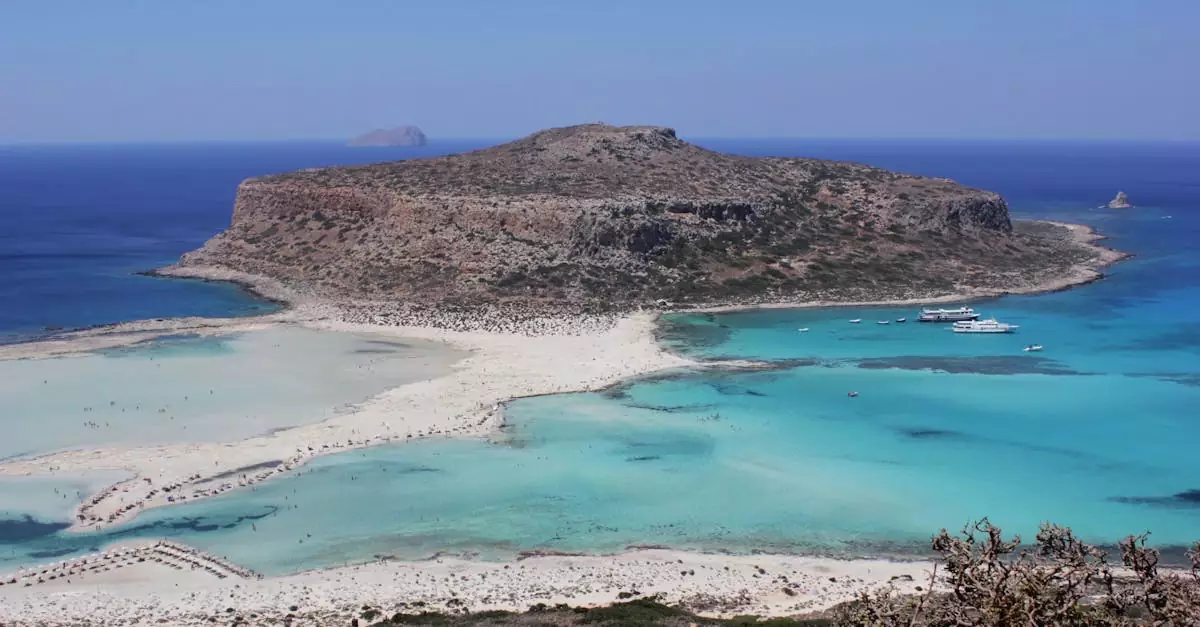
Crete, the largest of the Greek islands, boasts a coastline that rivals any in the Mediterranean. From secluded coves to expansive sandy stretches, the island offers a diverse array of beaches catering to every traveler. To fully enjoy the best beaches in Crete, it’s essential to know where to find these exceptional spots, each with its unique charm.
Elafonissi Beach: Pink Sands and Turquoise Waters
Elafonissi Beach is often heralded as one of Greece’s most beautiful beaches, and for good reason. Its most distinctive feature is the soft pink sand, formed from crushed seashells, which contrasts beautifully with the crystal-clear, shallow turquoise waters. The beach is actually a small islet connected to the mainland by a shallow reef, easily waded across at low tide.
Reaching Elafonissi involves a scenic drive through rugged landscapes, approximately 90 minutes from Chania. During peak season (July and August), it can become quite crowded, so visiting during the shoulder months of May, June, September, or October provides a more tranquil experience. Parking is available but fills up quickly. Facilities include sunbeds, umbrellas, and a small canteen for refreshments. Thanks to its shallow waters and protected environment, it’s a popular choice for families.
Balos Lagoon: A Breathtaking Natural Spectacle
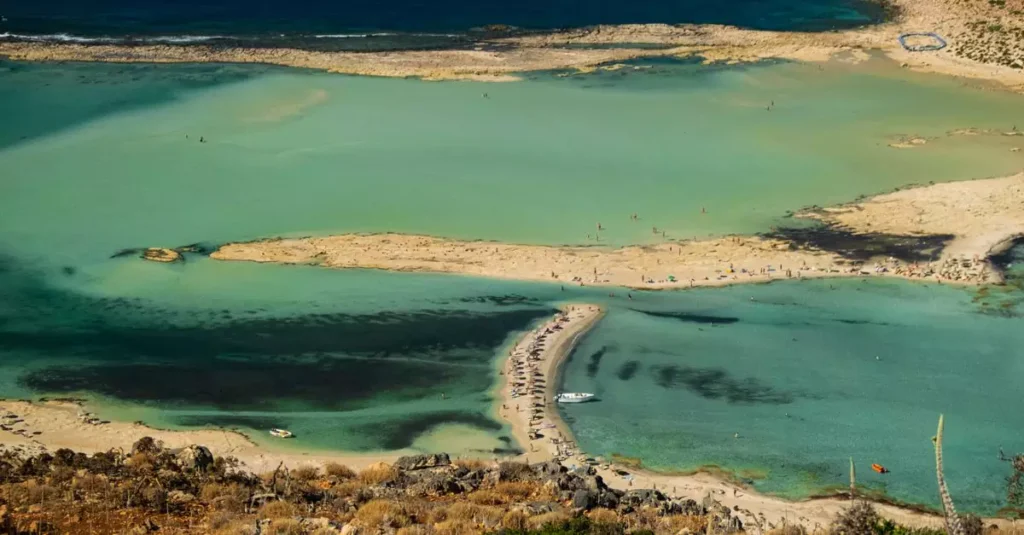
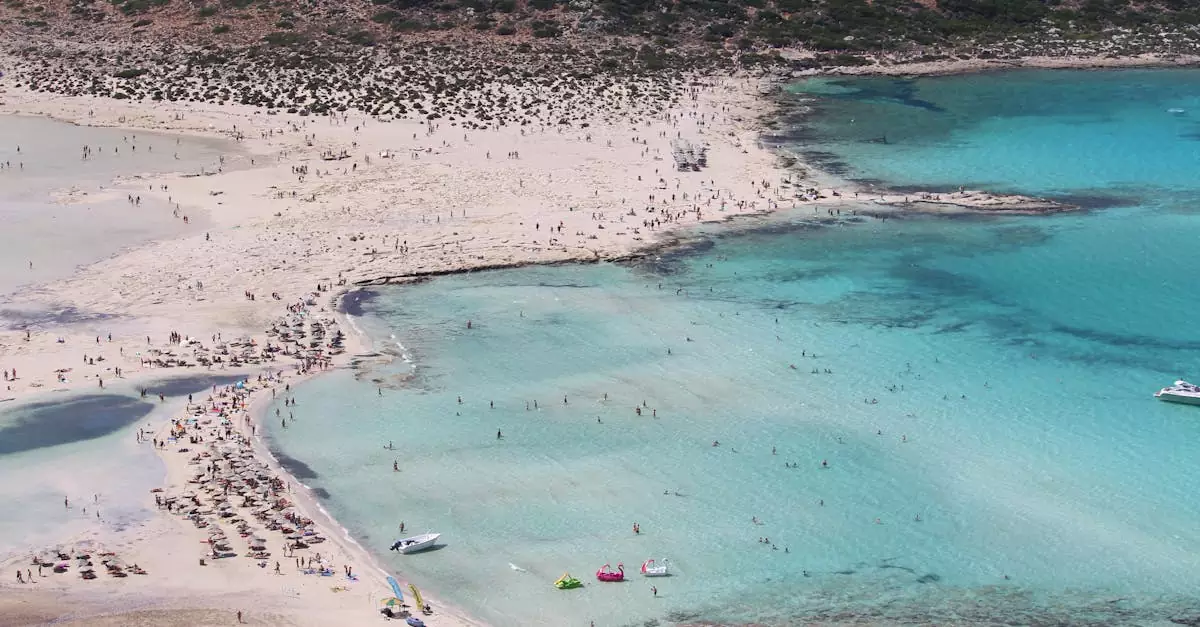
Balos Lagoon is a stunning natural wonder, where three different seas converge in a shallow, turquoise bay. The landscape features rugged cliffs and a long sandbar that emerges at low tide, connecting to the island of Gramvousa. The water here is incredibly clear, warm, and shallow, resembling a natural swimming pool.
Access to Balos is primarily via boat tour from Kissamos port, a popular and convenient option. Alternatively, you can drive along a rough dirt track to a parking area and then hike down to the lagoon. The boat trips often include a stop at Gramvousa island, where you can explore a Venetian fortress. Balos can be windy, especially in the afternoons, so visiting in the morning is typically best when the light is stunning and crowds are smaller. Remember to pack plenty of water and sun protection, as facilities are limited.
Falasarna Beach: Expansive Sands and Golden Sunsets
Falasarna Beach is one of the most impressive stretches of sand on Crete’s western coast. This long, wide bay features fine golden sand and clear blue waters, providing ample space even during busy periods. The beach is well-organized with sunbeds, umbrellas, and several tavernas lining the shore, offering convenient amenities for visitors.
What distinguishes Falasarna is its dramatic western orientation, making it a prime spot for sunset watching. As day transitions into night, the sky often ignites with vibrant colors, beautifully reflecting on the water. The sea can be a bit wavy here, appealing to swimmers and bodyboarders. It’s easily accessible by car from Chania, with ample parking available. The nearby ancient site of Falasarna adds a historical dimension to your beach visit.
| Beach Name | Sand Type | Water Clarity | Amenities | Best For |
|---|---|---|---|---|
| Elafonissi | Pink, crushed shells | Excellent | Sunbeds, canteen | Unique scenery, families, shallow swimming |
| Balos Lagoon | Sand, pebbles | Excellent | Limited (boat tour) | Natural beauty, photography, unique landscape |
| Falasarna | Golden sand | Very good | Sunbeds, tavernas | Space, sunsets, swimming, convenience |
Chania Region’s Top Beach Escapes
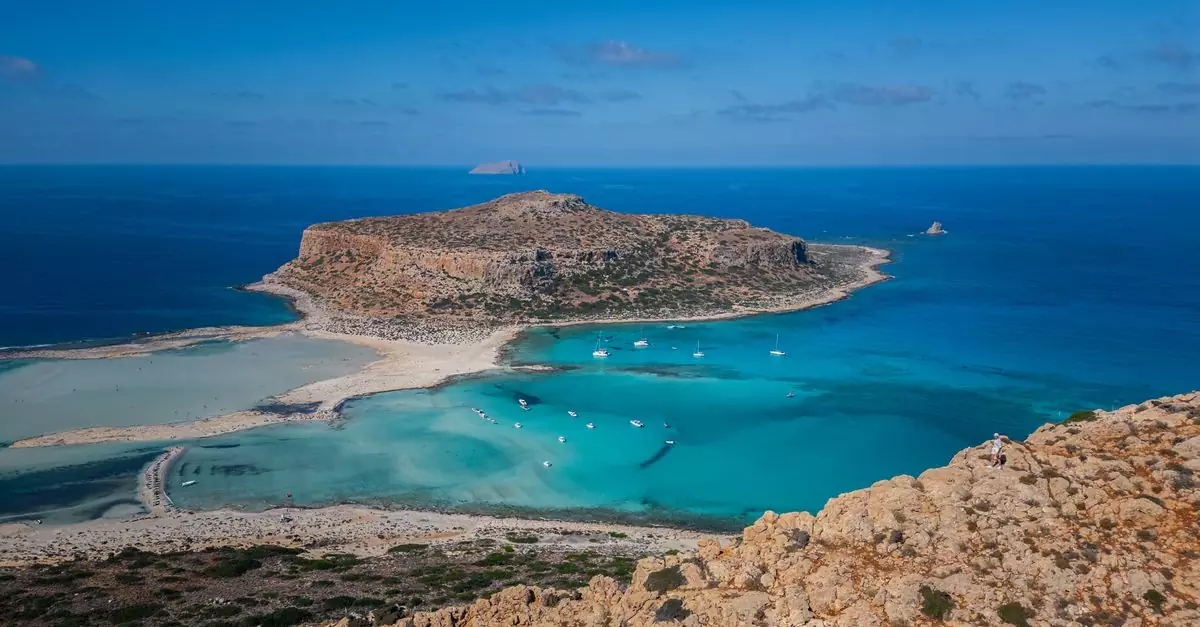
The Chania region on Crete’s western edge features some of the island’s most celebrated coastal stretches. From family-friendly coves to dramatic, windswept settings, these beaches offer diverse experiences for every traveler. Planning your visit to the best beaches in Crete often starts in this vibrant area.
Marathi Beach: Family-Friendly Shores Near Chania
Marathi Beach, located on the Akrotiri Peninsula, is a top choice for families and those seeking calm waters. Its two sandy coves are sheltered from the open sea by breakwaters, creating a lagoon-like environment with very shallow, clear water, making it exceptionally safe for young children.
Getting to Marathi is straightforward—about a 20-minute drive from Chania town. Regular local buses connect Chania to Marathi during the summer months, and renting a car offers the most flexibility. Parking is available but can fill up quickly during peak season.
Amenities at Marathi are abundant. You’ll find sunbed and umbrella rentals, several tavernas serving fresh seafood and local dishes right on the sand, and small shops for essentials. The beach is well-organized, ensuring a comfortable day out. It’s a quieter alternative to some more remote beaches, providing convenience without sacrificing natural beauty.
Stavros Beach: The Iconic ‘Zorba the Greek’ Setting
For a dose of cinematic history and unique scenery, Stavros Beach is unforgettable. This horseshoe-shaped bay, famed for its role in the movie Zorba the Greek, features a calm, shallow lagoon enclosed by a rocky mountain. The crystal-clear water is so shallow in many parts that you can walk far out.
Stavros is located on the northern tip of the Akrotiri Peninsula, about a 30-minute drive from Chania. While local buses service the area, a rental car provides easier access and allows for stops at nearby sights. The drive offers glimpses of rugged, arid landscapes.
The sandy beach has a gently sloping seabed. Facilities include sunbeds, umbrellas, and a few tavernas and cafes offering refreshments. The dramatic mountain backdrop provides shade in the late afternoon and a stunning visual contrast to the turquoise waters, creating a unique beach experience that blends natural beauty with a touch of Hollywood fame.
Kalyves Beach: Shallow Waters and Local Charm
Kalyves Beach, located in a charming village of the same name east of Chania, offers a relaxed, local atmosphere. This long stretch of sand and pebbles is divided into two main sections, both featuring shallow, clear waters ideal for families. The bay is protected, ensuring calm swimming conditions most days.
Reaching Kalyves is simple—approximately a 25-minute drive west of Chania. The village is well-connected by local bus routes, making it an accessible day trip. Parking is generally easy to find, especially outside the immediate beachfront.
The village itself enhances the appeal. Traditional tavernas line the promenade, offering authentic Cretan cuisine with sea views. Sunbeds and umbrellas are available for rent, and the beach is generally less crowded than some of its more famous neighbors. Kalyves provides a genuine taste of Cretan coastal life, combining natural beauty with a welcoming, unpretentious vibe.
Rethymno and Heraklion: Beyond the City Limits
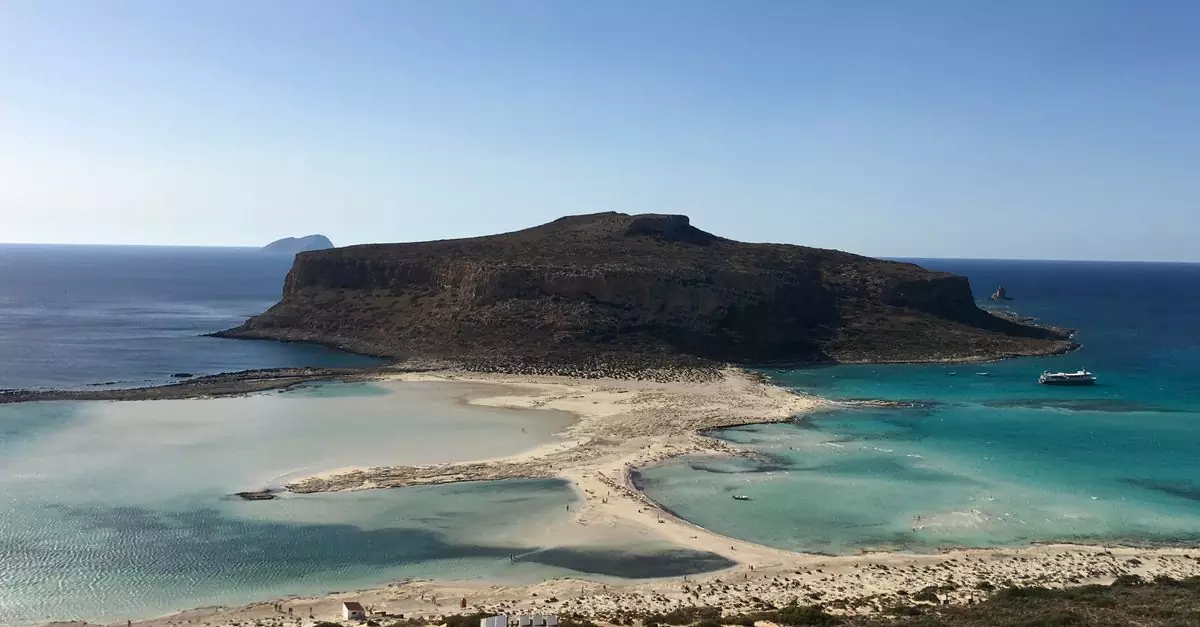
While the cities of Rethymno and Heraklion offer historical depth and vibrant urban life, the surrounding coastlines boast some of Crete’s most celebrated beaches. Venturing just outside these urban centers reveals a diverse array of sandy shores, dramatic cliffs, and unique natural wonders, catering to different traveler preferences. From family-friendly bays to secluded coves, this region provides ample opportunity to discover the best beaches Crete has to offer.
Preveli Beach: Palm Forest Meets the Libyan Sea
Preveli Beach, located south of Rethymno, is renowned for its striking natural beauty. The Kourtaliotis River flows into the sea here, creating a lush palm forest that dramatically contrasts with the arid Cretan landscape. This unique environment makes it a memorable destination for those seeking more than just a sandy expanse.
Access to Preveli involves descending a series of steps, offering panoramic views of the beach and the Libyan Sea. While the walk back up can be strenuous, especially in the heat, the visual reward is significant. The beach itself features a mix of sand and pebbles, with clear, refreshing waters perfect for swimming. The palm trees provide natural shade, though arriving earlier in the day is advisable for the best spots. Facilities are minimal, so bringing water and snacks is recommended.
Getting to Preveli Beach:
- By Car: Drive south from Rethymno towards Plakias. Parking is available near the top, followed by a walk down.
- By Bus: Local buses run from Rethymno to the Preveli area, but require a walk to the beach.
- Boat Trip: Day trips from Plakias or Agia Galini often include a stop at Preveli, offering a more relaxed approach.
Agia Pelagia: A Cluster of Picturesque Coves
Northwest of Heraklion, Agia Pelagia is a charming fishing village that has evolved into a popular tourist destination, largely due to its collection of beautiful beaches. Unlike a single expansive stretch of sand, Agia Pelagia is characterized by several smaller, sheltered coves, each with its own distinct atmosphere. This makes it a versatile choice for travelers.
The main beach in Agia Pelagia is a well-organized sandy stretch with calm, shallow waters, making it exceptionally family-friendly. Just a short walk away, you’ll find smaller coves like Psaromoura and Ligaria, offering more secluded experiences and excellent snorkeling opportunities around the rocky outcrops. Tavernas and cafes line the beachfront, providing convenient dining options and stunning sea views.
Agia Pelagia Beach Comparison:
| Beach Name | Sand/Pebble Mix | Water Depth | Facilities | Atmosphere |
|---|---|---|---|---|
| Agia Pelagia | Sand | Shallow | High | Family-friendly |
| Psaromoura | Sand & Rocks | Moderate | Low | Secluded |
| Ligaria | Sand | Moderate | Low | Good for Snorkeling |
These coves are easily accessible by car from Heraklion, with ample parking available in the village. During peak season, it can get busy, but the multiple bays usually ensure space to relax.
Matala Beach: Hippie History and Sea Caves
South of Heraklion, Matala Beach holds a unique place in Cretan history. Famous in the 1960s and 70s as a haven for hippies, the dramatic cliffs behind the beach are still dotted with caves that once served as their homes. Today, Matala offers a blend of laid-back charm and historical intrigue.
The beach itself is a wide, sandy expanse with clear blue waters. It’s well-organized with sunbeds and umbrellas for rent, and several tavernas and cafes are situated along the waterfront. The main attraction, beyond the beach’s natural beauty, is the opportunity to explore the ancient caves carved into the limestone cliffs. Some are accessible by climbing, offering a glimpse into the area’s bohemian past and providing spectacular views.
Visiting Matala Beach:
- Timing: Summer months (June-August) offer the warmest weather but are also the busiest. Spring (April-May) and autumn (September-October) provide pleasant temperatures with fewer crowds.
- Getting There: Matala is accessible by car from Heraklion, taking approximately one hour. Regular bus services also connect Heraklion to Matala.
- Budget: Matala is generally moderately priced for food and sunbed rentals, aligning with many popular tourist beaches in Europe.
The combination of its scenic beauty, accessible caves, and lingering bohemian spirit makes Matala a distinctive beach experience on Crete.
The Wild Beauty of Southern Crete’s Beaches
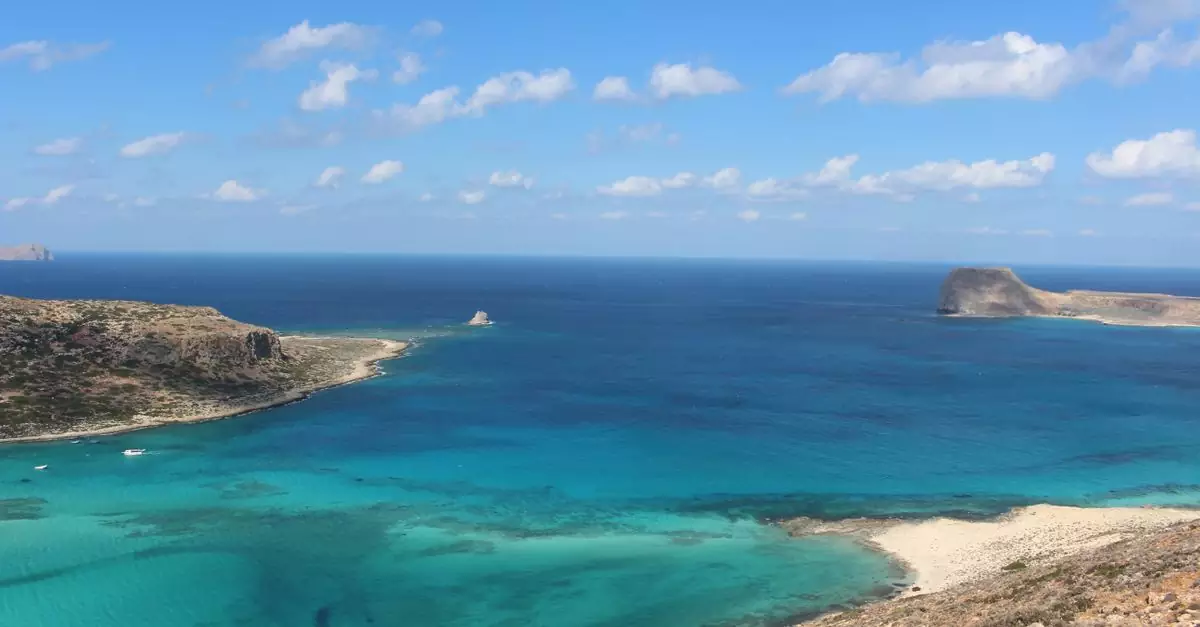
Southern Crete offers a rugged and authentic coastal experience, far removed from the bustling resorts of the north. This region is characterized by dramatic landscapes, clear turquoise waters, and a sense of unspoiled tranquility. Travelers seeking raw natural beauty and a more laid-back atmosphere will find their ideal coastal escapes here. Accessing these southern gems often requires a bit more effort, whether by car along winding roads, a scenic hike, or a short boat trip, but the rewards are well worth the journey.
Triopetra Beach: Dramatic Rock Formations and Seclusion
Triopetra Beach, named after the two prominent rock formations jutting into the sea, exemplifies the wild beauty of southern Crete. This expansive pebble and sand beach offers a sense of seclusion that is increasingly rare. The imposing rocks create sheltered coves, ideal for those seeking a quiet spot away from crowds. The water here is exceptionally clear, making it a good location for snorkeling, especially near the rocks.
Getting to Triopetra involves a drive along scenic, sometimes unpaved, roads from the nearby village of Akoumia. While a regular car can manage, a vehicle with higher clearance can provide more comfort on the final stretch. The beach features a few tavernas that open during the summer months, offering simple, delicious local food and a place to rest. Accommodation options are limited, with a few guesthouses and villas available in the surrounding hills, emphasizing the area’s peaceful character. Visiting outside of July and August will ensure an even more serene experience.
Agiofarago Beach: Accessible by Hike or Boat
Agiofarago Beach is a hidden gem, accessible either by a moderately challenging hike through a picturesque gorge or by a short boat trip from the nearby port of Matala. The hike itself is an adventure, passing through a narrow canyon with sheer rock walls, leading to a stunning, secluded cove. The effort is rewarded with a beautiful expanse of sand and pebbles lapped by crystal-clear waters.
The beach is well-organized during peak season with sunbeds and umbrellas available for rent, and a small cantina often operates, selling refreshments. However, its remote feel persists, especially if you arrive early or late in the day. For those arriving by boat, the perspective from the sea offers a unique appreciation of the dramatic coastline. The nearest significant village is Matala, which offers a wider range of accommodations and dining options, but Agiofarago itself remains a tranquil day-trip destination. Remember to bring plenty of water and wear sturdy shoes if you plan to hike the gorge.
Loutro Beach: Car-Free Village Serenity
Loutro is not just a beach, but a unique car-free village nestled in a small bay on the southern coast. The village itself is the primary attraction, with its whitewashed buildings, vibrant blue doors and shutters, and a waterfront promenade lined with charming tavernas and small hotels. The beach directly in front of the village is a pleasant spot for a swim, but the true magic of Loutro lies in its atmosphere.
Reaching Loutro is an experience in itself. There are no roads leading directly to the village; access is via ferry from Hora Sfakion or Chania, or by hiking the E4 European long-distance path. This lack of vehicular traffic creates an unparalleled sense of peace and quiet. Days are spent swimming, enjoying fresh seafood at waterfront tavernas, and simply soaking in the relaxed pace of life. For those seeking a truly tranquil escape, Loutro offers a rare glimpse into a simpler way of living. Accommodation consists of small guesthouses and boutique hotels, all within easy walking distance of the beach and village amenities.
Planning Your Crete Beach Hopping Adventure
Crete, a jewel in the Mediterranean, boasts an incredible array of beaches, from secluded coves to expansive sandy stretches. Planning your trip to experience the best beaches Crete has to offer requires some forethought. This guide will help you navigate the practicalities of your island escape.
When Is the Best Time to Visit Crete’s Beaches?
The prime season for enjoying Crete’s coastline runs from late May to early October. During these months, the weather is reliably warm and sunny, with sea temperatures becoming increasingly inviting.
- May & June: Pleasant temperatures, fewer crowds, and blooming wildflowers. The sea is cooler but refreshing.
- July & August: Hottest months, ideal for swimming and sunbathing. Beaches can be crowded, especially popular spots. Book accommodations and rental cars well in advance.
- September & October: Still warm with comfortable sea temperatures. Crowds thin out, offering a more relaxed atmosphere. This period is excellent for a more tranquil beach experience.
Visiting outside these peak months, particularly in April or late October, can still offer pleasant days for exploration but may not be consistently warm enough for prolonged swimming. Always check the local weather forecast closer to your travel dates.
Getting Around Crete: Car Rentals vs. Public Transport
Navigating Crete to reach its diverse shores is a key part of the adventure. While public transport connects major towns, a rental car offers unparalleled freedom to discover hidden coves and remote beaches.
| Transport Option | Pros | Cons | Best For |
|---|---|---|---|
| Rental Car | Flexibility, access to remote locations, convenience. | Can be expensive, parking challenges in towns, driving style. | Beach hopping, exploring off-the-beaten-path spots, families. |
| Public Bus | Affordable, connects major towns and some coastal areas. | Limited schedules, less frequent to remote beaches, can be crowded. | Budget travelers, staying in one base town, inter-city travel. |
| Taxis | Convenient for short trips, direct transport. | Expensive for long distances. | Airport transfers, short hops between nearby locations. |
If you plan to explore widely, especially the more secluded best beaches in Crete, renting a car is highly recommended. Ensure you have an international driving permit if required, and be prepared for narrow, winding roads in some areas. Booking your rental car in advance is advisable, particularly during peak season.
Top 5 Beach Day Trip Itineraries from Major Towns
To maximize your time and experience a variety of coastal beauty, consider these day trip itineraries from popular bases like Chania, Rethymno, and Heraklion.
From Chania:
- Elafonissi & Kedrodasos: Dedicate a full day to the famous pink sands of Elafonissi. Combine it with a walk to the nearby, less crowded Kedrodasos beach for a different vibe.
- Balos Lagoon: Accessible by boat tour from Kissamos port or by a rough track (4×4 recommended) followed by a hike. The turquoise waters are unforgettable.
From Rethymno:
- Preveli Beach: Famous for its palm forest and river delta. Accessible by car with a short hike down, or by boat from Plakias.
- Plakias & Damnoni: A short drive south of Rethymno offers these well-organized beaches with good amenities.
From Heraklion:
- Malia & Stalis: Easily accessible beaches with plenty of facilities, popular with families and those seeking a lively atmosphere.
- Agia Pelagia: A charming bay with clear waters, offering a more relaxed feel than the eastern beaches.
These itineraries provide a starting point, allowing you to tailor your beach adventures to your preferences, whether you seek tranquility or vibrant beach life.
Frequently Asked Questions About Crete’s Best Beaches
Are Crete’s best beaches suitable for families with young children?
Many of Crete’s most popular beaches cater well to families. Look for those with shallow, calm waters and soft sand, which make for safe and enjoyable play. Beaches like Elafonissi, with its shallow pink-tinged lagoon, and Falassarna, known for its wide sandy expanse and gentle waves, are excellent choices. Facilities such as sunbed rentals, tavernas, and sometimes even playgrounds are often available, enhancing convenience for parents. Always check local conditions, especially during windy periods, as some exposed beaches can develop choppier seas.
What are the best beaches in Crete for snorkeling and diving?
Crete’s clear Mediterranean waters offer good visibility for snorkeling and diving enthusiasts. For snorkeling, consider bays with rocky outcrops or reefs close to shore. Beaches near Chania, such as Stavros Beach with its calm, sheltered lagoon, offer easy access to underwater life. For more serious diving, organized dive centers operate around the island, often taking trips to underwater caves and wrecks. The southern coast, particularly areas around Plakias and Matala, can provide interesting marine environments.
Can you recommend any less crowded, hidden gem beaches in Crete?
Seeking out less crowded spots is a rewarding endeavor on Crete. While some popular beaches can be busy, many smaller coves offer tranquility. Consider venturing to the south coast, where beaches like Triopetra or Agios Pavlos often see fewer visitors than their northern counterparts. The eastern peninsula of Lassithi also has secluded stretches of coastline. Reaching some of these quieter spots might require a car and a willingness to navigate unpaved roads, but the reward is often a more pristine and peaceful beach experience.