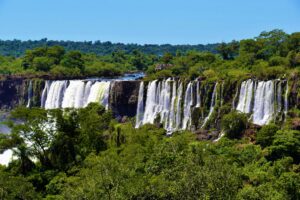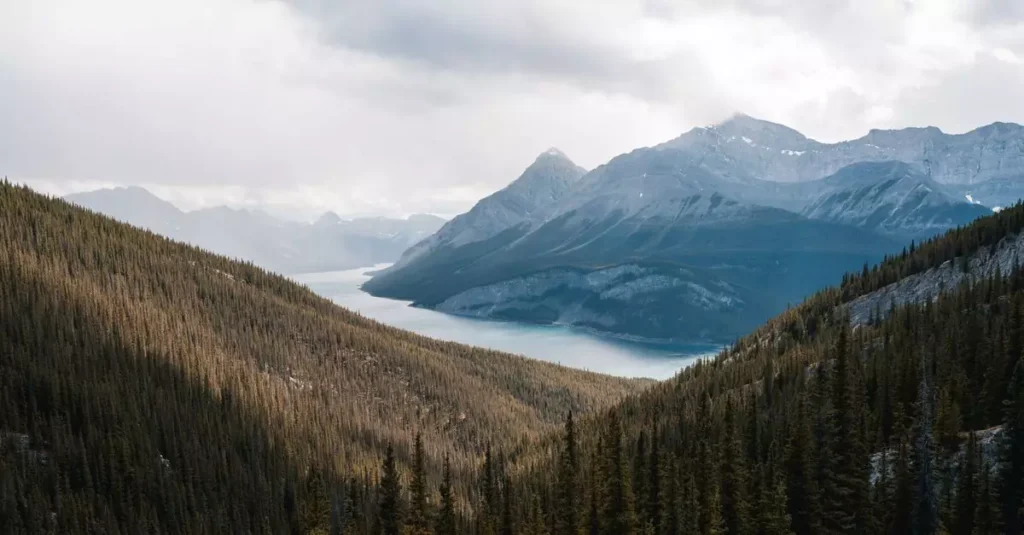
Canada’s immense natural beauty offers a sanctuary for those seeking to reconnect with the wild, presenting an array of unforgettable experiences. Planning your journey to discover the best Canadian nature escapes requires understanding what each region offers across the seasons and how to access these pristine environments. This guide will illuminate diverse wilderness adventures, from the vibrant wildflower meadows of the Rockies in spring to the dramatic coastal fjords of British Columbia in summer, the fiery foliage of Quebec in autumn, and the stark, captivating landscapes of the Arctic in winter. You’ll learn about iconic national parks and hidden gems, along with essential tips for transportation, packing, and safety, ensuring your trip is both breathtaking and well-prepared.
Discovering the Best Canadian Nature Escapes for Every Season
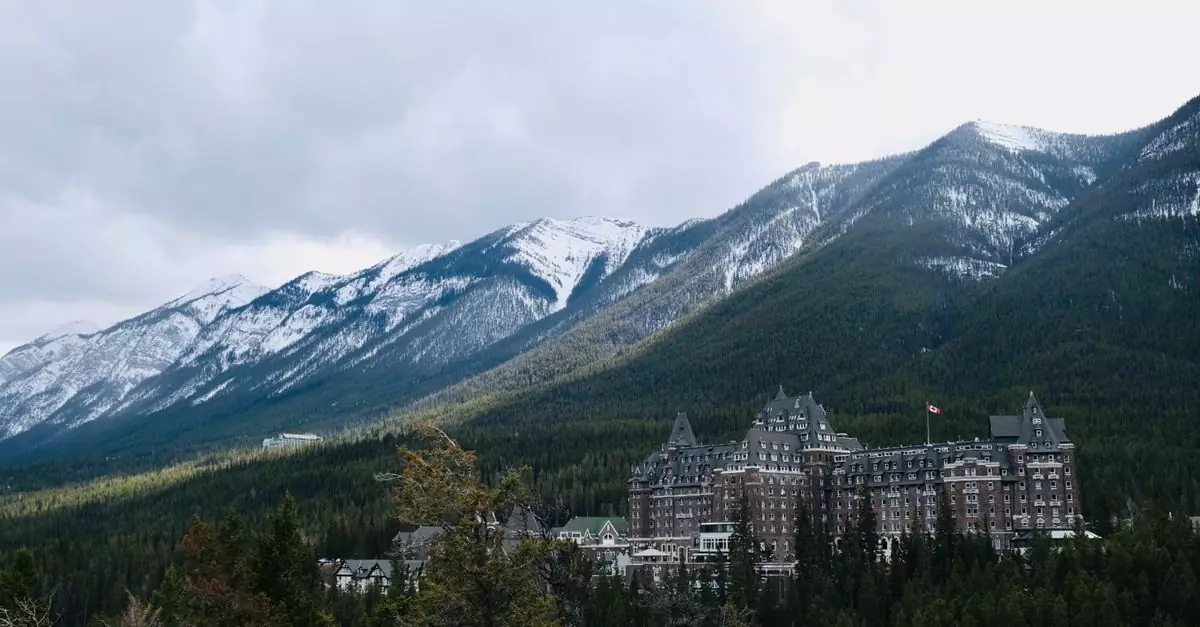
Canada’s vast wilderness showcases distinct beauty throughout the year, making it a prime destination for nature lovers. From the vibrant blooms of spring to the stark, captivating landscapes of winter, planning your trip around the seasons unlocks unique experiences and highlights the country’s diverse natural wonders. Embracing these seasonal shifts can transform a good trip into an unforgettable adventure.
Spring Wildflower Hikes in the Canadian Rockies
As the snow recedes, the Canadian Rockies become a canvas of wildflowers. This season is particularly rewarding for hikers seeking vibrant alpine meadows and fewer crowds than in peak summer months. Late May to early July typically offers the best bloom, with trails around Banff and Jasper National Parks showcasing a spectacular array of colors.
Consider trails like Sunshine Meadows near Banff, which become carpeted with Indian paintbrush, lupines, and glacier lilies. The Maligne Canyon trail in Jasper also offers a gentler walk with opportunities to spot early spring flora along the riverbanks. Pack layers, as mountain weather can change rapidly, and be mindful of lingering snow at higher elevations.
Spring Rockies Hiking Tips:
- Timing: Late May to early July for peak wildflowers.
- Attire: Waterproof hiking boots, moisture-wicking layers, rain gear.
- Wildlife: Be bear-aware; carry bear spray and know how to use it.
- Access: Some higher elevation trails may still be snow-covered; check trail conditions before heading out.
Summer Kayaking Adventures in British Columbia’s Coastal Fjords
British Columbia’s coastline, with its dramatic fjords and abundant marine life, is most accessible and vibrant during summer. From June through September, the waters are generally calmer, offering ideal conditions for kayaking and wildlife viewing. The Great Bear Rainforest and the waters around Vancouver Island are particularly renowned.
Paddling through Desolation Sound Provincial Park or the Broken Group Islands allows for intimate encounters with seals, sea lions, and a diverse range of seabirds. Keep an eye out for migrating whales, especially humpbacks and orcas, frequently spotted during these months. Many tour operators offer guided multi-day kayaking trips, providing equipment and expertise for a safe and immersive experience.
Summer BC Coastal Kayaking:
- Best Months: June to September for warmer weather and calmer seas.
- Wildlife Hotspots: Great Bear Rainforest, Johnstone Strait, Broken Group Islands.
- Logistics: Book guided tours or arrange boat-in access for remote paddling.
- Safety: Always check marine weather forecasts and tide tables.
Autumn Leaf-Peeping Routes in Quebec’s Laurentian Mountains
Quebec’s Laurentian Mountains provide a quintessential autumn experience, with deciduous forests ablaze in fiery reds, oranges, and yellows. The peak fall foliage typically occurs from mid-September to mid-October, drawing visitors for scenic drives and hiking amidst the vibrant colors. The region north of Montreal is a prime destination for this seasonal spectacle.
The Laurentian Mountains offer numerous scenic drives, including parts of Route 117, which wind through picturesque villages and dense forests. Hiking trails in parks like Mont-Tremblant offer elevated viewpoints to appreciate the full scope of the autumn colors. The crisp air and cooler temperatures create pleasant conditions for outdoor activities.
Autumn in the Laurentians:
- Peak Foliage: Mid-September to mid-October.
- Recommended Drives: Route 117, scenic routes around Mont-Tremblant.
- Activities: Hiking, scenic drives, visiting local craft markets.
- Accommodation: Book accommodations in advance, as this is a popular season.
Winter Wildlife Spotting in Canada’s Arctic Territories
For a truly unique nature escape, Canada’s Arctic Territories offer unparalleled opportunities for winter wildlife viewing. From November through March, the snow-covered landscapes provide a dramatic backdrop for spotting iconic Arctic species. Churchill, Manitoba, known as the “Polar Bear Capital of the World,” is a premier destination during the fall and early winter months when polar bears gather near Hudson Bay.
Beyond polar bears, winter in the Arctic offers chances to see Arctic foxes, caribou, and ptarmigan. The Northern Lights are also a spectacular phenomenon visible during the long, dark winter nights. Specialized tours using heated tundra vehicles or dog sleds provide safe and effective ways to experience this extreme environment and its resilient wildlife.
Arctic Winter Wildlife:
- Key Species: Polar bears (fall/early winter), Arctic foxes, caribou, seals.
- Best Locations: Churchill, Manitoba; Nunavut.
- Experiences: Tundra vehicle tours, dog sledding, Northern Lights viewing.
- Preparation: Extreme cold requires specialized thermal clothing and careful planning.
Top 5 Wilderness Destinations for Unplugging
Canada offers a vast tapestry of natural wonders, from rugged coastlines to soaring mountain ranges, making it a prime destination for those seeking the best Canadian nature escapes. These five national parks provide unparalleled opportunities to disconnect from the digital world and reconnect with the wild.
Pacific Rim National Park Reserve, British Columbia: Coastal Rainforests & Beaches
Located on the rugged west coast of Vancouver Island, Pacific Rim National Park Reserve is a haven of temperate rainforests, dramatic coastlines, and vast sandy beaches. This park offers a unique blend of ancient old-growth forests, sea stacks, and the powerful Pacific Ocean. Hiking trails wind through moss-draped trees, leading to stunning ocean vistas. Popular activities include storm watching during the winter months, surfing, kayaking, and exploring beaches like Long Beach.
Getting to the park usually involves flying into Comox Valley Airport or Victoria International Airport, followed by a scenic drive. Accommodation options range from campgrounds within the park to hotels and lodges in the nearby towns of Tofino and Ucluelet. The best time to visit is during the summer for warmer weather and calmer seas, though the dramatic winter storms draw their own dedicated visitors. Be prepared for frequent rain year-round, and always be aware of wildlife, including black bears and cougars.
Banff National Park, Alberta: Turquoise Lakes & Majestic Peaks
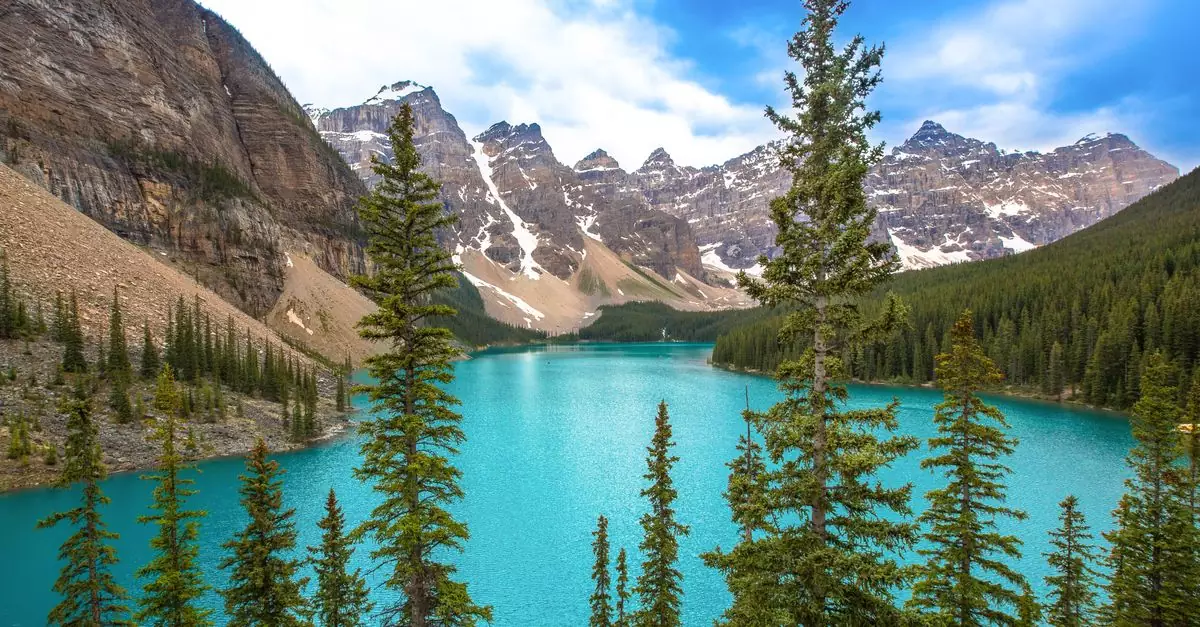
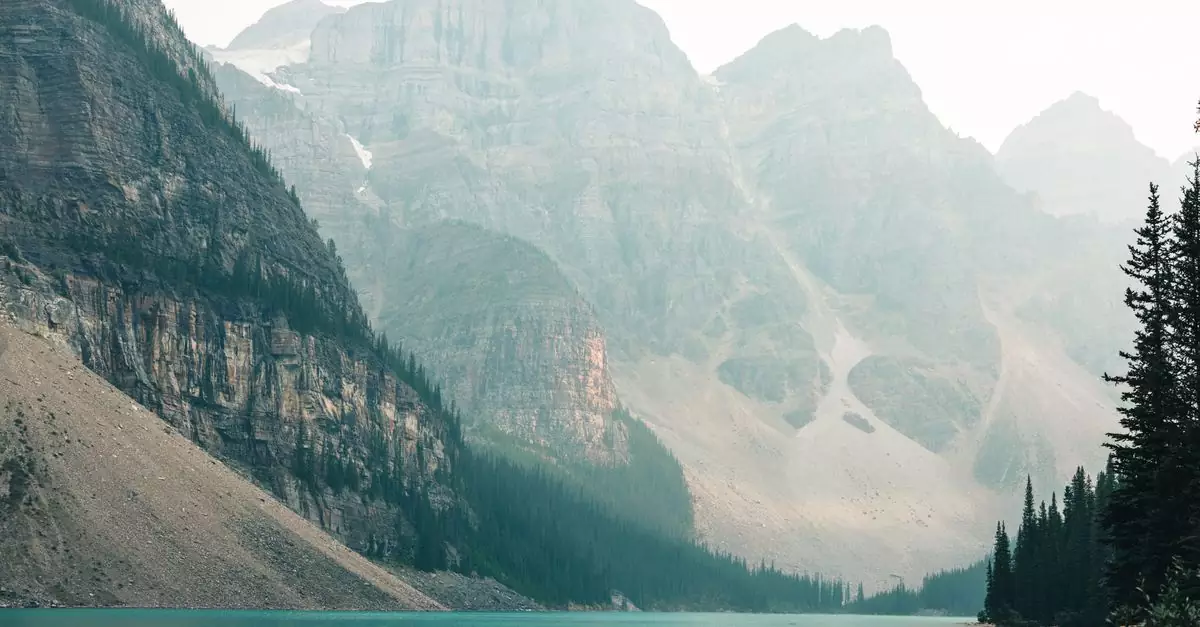
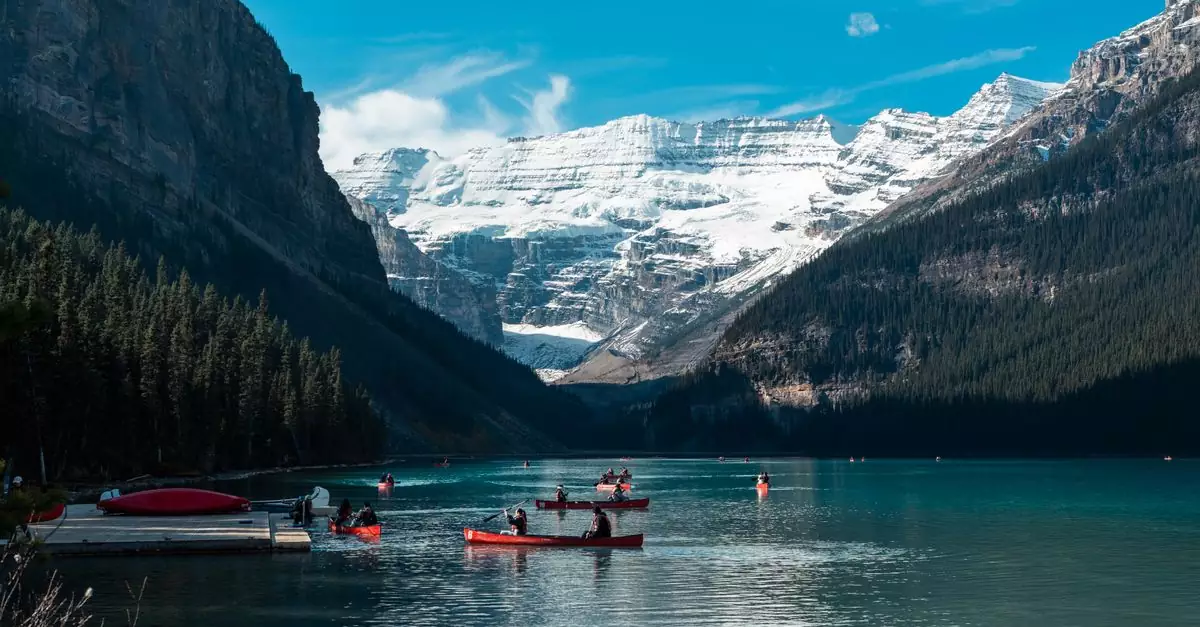
Banff National Park, Canada’s oldest national park, is an icon of the Canadian Rockies. Its dramatic landscapes feature towering, snow-capped mountains, vivid turquoise lakes fed by glaciers, and dense coniferous forests. Lake Louise and Moraine Lake are world-renowned for their breathtaking beauty, offering opportunities for canoeing, hiking, and photography. The town of Banff provides a comfortable base with amenities, while the park itself is crisscrossed with trails for all skill levels.
Access to Banff is straightforward, with Calgary International Airport being the closest major hub, followed by a 1.5-hour drive. The park offers a wide range of accommodations, from luxury hotels and historic lodges to rustic campgrounds. Summer (July-August) is peak season, offering the best weather for outdoor activities but also the largest crowds. Spring and fall provide stunning scenery with fewer visitors, though some facilities may be closed. Wildlife sightings, including elk, deer, and bighorn sheep, are common, so maintaining a safe distance is crucial.
Gros Morne National Park, Newfoundland and Labrador: Fjords & Tablelands
Gros Morne National Park, a UNESCO World Heritage site, showcases a unique geological landscape unlike anywhere else in North America. Its dramatic fjords, carved by ancient glaciers, and the otherworldly Tablelands, where Earth’s mantle is exposed, offer a truly distinctive natural experience. Visitors can take boat tours through Western Brook Pond, hike across the barren, rocky terrain of the Tablelands, and explore the rugged coastline. The park’s remoteness contributes to its appeal for those seeking a tranquil nature escape.
Reaching Gros Morne typically involves flying into Deer Lake Airport, followed by a drive. Accommodation includes a variety of inns, cabins, and campgrounds scattered throughout the park and surrounding communities. The summer months, from June to September, offer the most favorable weather for exploring. Be prepared for variable weather, even in summer, with fog and rain being common. The park’s isolation means planning transportation and supplies in advance is advisable.
Jasper National Park, Alberta: Dark Sky Preserve & Glacial Landscapes
Jasper National Park, the largest national park in the Canadian Rockies, offers a wilder, more expansive wilderness experience than its southern neighbor, Banff. Known for its stunning glacial landscapes, abundant wildlife, and being one of the world’s largest Dark Sky Preserves, Jasper provides incredible stargazing opportunities. Maligne Lake, Pyramid Lake, and the Athabasca Glacier are major highlights. Hiking trails range from gentle lakeside strolls to challenging alpine treks, and wildlife viewing is exceptional, with opportunities to see elk, bears, and wolves.
Similar to Banff, Jasper is accessible via Calgary International Airport or Edmonton International Airport, followed by a scenic drive. The town of Jasper provides a range of lodging, from hotels to hostels, and numerous campgrounds are available within the park. The summer months are popular for hiking and sightseeing, while winter offers opportunities for skiing and ice walks. The park’s designation as a Dark Sky Preserve makes it an exceptional destination for astronomy enthusiasts, especially during the annual Dark Sky Festival in October.
Pacific Rim National Park Reserve vs. Banff National Park
| Feature | Pacific Rim National Park Reserve | Banff National Park |
|---|---|---|
| Primary Scenery | Coastal rainforests, beaches | Mountains, turquoise lakes |
| Best For | Coastal hikes, storm watching | Alpine hiking, lake views |
| Crowds | Moderate (summer), lower (winter) | High (summer), moderate (shoulder) |
| Accessibility | Moderate (requires flight & drive) | High (major airport nearby) |
| Accommodation | Tofino/Ucluelet, campgrounds | Banff town, lodges, campgrounds |
| Typical Budget | Mid-range | Mid-range to High |
Planning Your Canadian Nature Escape: Essential Travel Tips
Embarking on a journey into Canada’s vast wilderness requires thoughtful preparation. Understanding the nuances of timing, transportation, and packing can transform a good trip into an unforgettable adventure. These practical tips will help you navigate the logistics of accessing and enjoying the country’s most stunning natural landscapes.
When is the Best Time to Visit Canadian Nature Escapes?
The ideal timing for your Canadian nature escape largely depends on the region and the activities you have in mind. Summer (June to August) offers the warmest weather, making it prime time for hiking, camping, and water-based activities across most of the country. However, this is also peak tourist season, meaning higher prices and more crowds, especially in popular national parks like Banff and Jasper.
Shoulder seasons, spring (May-June) and fall (September-October), present a compelling alternative. Spring brings wildflowers and fewer visitors, though some higher-elevation trails might still be snow-covered. Fall is renowned for its spectacular foliage, particularly in Eastern Canada, and offers crisp air perfect for hiking. Wildlife viewing can also be exceptional during these months.
Winter (November to April) transforms much of Canada into a snowy wonderland, ideal for skiing, snowboarding, snowshoeing, and ice fishing. However, access to remote areas can be limited by road closures and extreme weather. Always check local conditions and advisories before planning a winter visit.
How to Get Around: Transportation Options for Remote Areas
Reaching Canada’s natural wonders often involves a multi-modal approach. Major cities are well-served by international airports, but your journey into the wilderness will likely require further travel.
For destinations within driving distance of major hubs, renting a car offers the most flexibility. This is especially true for exploring national parks and scenic drives. Be prepared for varying road conditions, particularly in more remote or mountainous regions. Ensure your rental agreement allows for travel on unpaved roads if your itinerary requires it.
Long-distance train travel is a scenic option for certain routes, such as the Canadian Pacific Railway that connects Vancouver to Toronto, offering breathtaking views of the Rockies. However, train services are less common for accessing truly remote wilderness areas.
For exceptionally remote locations, such as certain Arctic regions or isolated coastal areas, bush planes or float planes are often the only viable transportation. These services can be costly but provide unparalleled access to pristine environments. Ferry services are essential for exploring Canada’s coastal islands, like those in British Columbia or the Maritimes.
| Transportation Mode | Typical Use Case | Budget Range (CAD) | Notes |
|---|---|---|---|
| Rental Car | National Parks, scenic drives, flexible access | $50 – $150/day | Best for regions with good road networks. |
| Intercity Bus | Connecting major towns and cities | $30 – $100/trip | Limited access to wilderness. |
| Train | Trans-continental journeys, scenic routes | $200 – $1000+/trip | Offers unique perspectives, but not for remote access. |
| Ferry | Coastal islands, some lake crossings | $15 – $50/trip | Essential for specific island destinations. |
| Bush/Float Plane | Remote lodges, Arctic access, wilderness outposts | $500 – $2000+/hour | Highest cost, but provides access to secluded locations. |
Packing Essentials for Canadian Wilderness Adventures
Packing appropriately is crucial for comfort and safety during your Canadian nature escape. Layering is key, as weather can change rapidly, even in summer.
Start with moisture-wicking base layers, followed by insulating mid-layers like fleece or down. A waterproof and windproof outer shell is essential for protection against rain and wind. Sturdy, broken-in hiking boots are necessary for navigating varied terrain.
Don’t forget sun protection, including sunscreen, a wide-brimmed hat, and sunglasses, as the sun’s rays can be intense, especially at higher altitudes. Insect repellent is a must for most of Canada during warmer months; consider a product with DEET for effective protection.
A comprehensive first-aid kit, a reliable map and compass (and the knowledge to use them), a headlamp or flashlight, and a multi-tool are vital safety items. For camping, ensure you have appropriate gear, including a tent, sleeping bag rated for expected temperatures, and cooking equipment. Always inform someone of your itinerary and expected return time, especially when venturing into remote areas. This proactive step can be critical for your safety.
Hidden Gems: Off-the-Beaten-Path Nature Experiences
Beyond the well-trodden paths lie some of Canada’s most profound wilderness encounters. These destinations offer a chance to disconnect and immerse yourself in raw, untamed beauty, often requiring a bit more planning but rewarding visitors with unparalleled tranquility and adventure.
Nahanni National Park Reserve, Northwest Territories: Remote River Journeys
For a truly remote Canadian nature escape, consider Nahanni National Park Reserve in the Northwest Territories. This UNESCO World Heritage site is renowned for its dramatic canyons, powerful waterfalls, and pristine wilderness. The South Nahanni River is the main artery for exploration, typically navigated by canoe or raft over several days.
Access to Nahanni is limited, usually involving a flight to Fort Simpson, followed by a bush plane charter directly into the park. This remoteness means limited services and a need for self-sufficiency. The best time to visit is during the short summer season, from June to September, when the weather is most stable, though still unpredictable.
Logistics for Nahanni:
| Aspect | Details |
|---|---|
| Access | Bush plane charter from Fort Simpson, NT |
| Duration | Minimum 7-10 days for a river trip |
| Best Time | June – September |
| Cost | High (charter flights, outfitting) |
| Requirements | Wilderness survival skills, permits, evacuation insurance recommended |
This is an adventure for experienced outdoors people who are comfortable with remote travel and self-rescue. The sheer scale of the landscape and the absence of crowds offer a profound connection with nature.
Haida Gwaii, British Columbia: Ancient Forests & Indigenous Culture
Haida Gwaii, an archipelago off the northern coast of British Columbia, offers a unique blend of ancient temperate rainforests, dramatic coastlines, and a rich Indigenous culture. Known as the “Galapagos of the North,” these islands are home to unique subspecies and ancient cedar trees that evoke a sense of timelessness.
Reaching Haida Gwaii involves a ferry from Prince Rupert or a flight to Sandspit or Masset. Once there, exploring the islands requires a car, as distances between communities and natural sites can be significant. Gwaii Haanas National Park Reserve and Haida Heritage Site, located on the southern islands, is a highlight, accessible primarily by boat or floatplane and offering incredible opportunities for wildlife viewing, hiking, and cultural immersion.
Respect for the Haida Nation’s culture and protocols is paramount. Many tours and experiences are offered by local Haida guides, providing invaluable insight into the land and its history. The shoulder seasons, late spring and early fall, offer fewer crowds and dramatic coastal weather, while summer provides the most reliable conditions for outdoor activities.
Cape Breton Highlands National Park, Nova Scotia: Cabot Trail Scenic Drives
While the Cabot Trail is a famous scenic drive, Cape Breton Highlands National Park itself offers numerous opportunities for off-the-beaten-path nature experiences beyond the roadside viewpoints. This park protects the northernmost extension of the Appalachian Mountains, where the mountains meet the sea, creating a rugged and breathtaking landscape.
Beyond the well-known sections of the Cabot Trail, venture onto hiking trails like the Skyline Trail for panoramic ocean vistas or explore less-visited coastal paths. The park is also a prime location for whale watching tours departing from nearby coastal villages. The best time to visit is from June through October, with early fall offering stunning autumn foliage that complements the coastal scenery.
Seasonal Considerations for Cape Breton:
| Season | Pros | Cons |
|---|---|---|
| Summer | Warmest weather, all facilities open | Busiest, highest prices |
| Fall | Stunning foliage, fewer crowds | Cooler weather, some services may close |
| Spring | Wildflowers, migrating birds | Cooler, some trails may still be wet |
| Winter | Quiet, snowshoeing opportunities | Limited access, services closed |
Consider staying in smaller communities like Ingonish or Pleasant Bay to access different parts of the park and experience a more local pace. This region provides a more accessible yet still wild Canadian nature escape, blending natural beauty with maritime charm.
Activities for Thrill-Seekers and Relaxation Seekers Alike
Canada’s vast wilderness offers a diverse range of activities catering to every pace, from adrenaline-pumping adventures to serene moments of reflection. Whether you’re an avid hiker seeking challenging terrain or a photographer hoping to capture elusive wildlife, these natural escapes provide ample opportunity for unforgettable experiences.
Hiking & Backpacking Trails Beyond the Tourist Crowds
Beyond the well-trodden paths of Banff and Jasper, Canada boasts an incredible network of trails for those seeking solitude. The West Coast Trail on Vancouver Island, though popular, requires significant planning and offers unparalleled coastal rainforest scenery. For a more remote experience, consider the Chilkoot Trail in Yukon, a historic gold rush route that retraces the steps of fortune seekers.
When choosing a hiking destination, research trail difficulty, elevation gain, and required permits. Backcountry camping often necessitates reservations, especially in peak season. Always pack essential safety gear, including a map, compass, first-aid kit, and sufficient water and food. Understanding the local weather patterns is crucial, as conditions can change rapidly in mountainous regions.
Wildlife Photography Opportunities in Canada’s National Parks
Canada’s national parks are sanctuaries for an astonishing array of wildlife, making them prime locations for photographers. In Churchill, Manitoba, polar bears are the main attraction during the autumn months, offering incredible opportunities to photograph these magnificent predators in their natural habitat. For birdwatchers and those interested in marine life, the Bay of Fundy in New Brunswick provides a stunning backdrop for capturing whales, seabirds, and coastal fauna.
To maximize your chances of successful wildlife photography, research animal behaviors and optimal viewing times. Early morning and late evening often yield the best light and the most active animals. Maintaining a safe distance is paramount; never approach or feed wildlife. Investing in a telephoto lens will allow you to capture intimate shots without disturbing the animals.
Stargazing in Designated Dark Sky Preserves
The sheer size and low population density of many Canadian regions create ideal conditions for stargazing. Canada is home to several International Dark Sky Preserves, recognized for their exceptionally clear night skies free from light pollution. Jasper National Park in Alberta is one of the largest accessible dark sky preserves in the world, hosting an annual Dark Sky Festival. Mont-Mégantic National Park in Quebec also offers exceptional astronomical viewing and features an observatory open to the public.
Visiting during a new moon phase will provide the darkest skies, enhancing visibility of constellations, the Milky Way, and even faint celestial objects. Pack warm clothing, as nights can be cool even in summer. A red-light headlamp is recommended to preserve night vision while navigating or setting up equipment.
Canoeing & Kayaking on Pristine Canadian Lakes
Paddling through Canada’s countless lakes and rivers offers a unique perspective on its natural beauty. Algonquin Provincial Park in Ontario is a classic destination for canoe tripping, with its interconnected lakes and portage routes providing endless exploration. The Yukon River offers a multi-day adventure through breathtaking wilderness, following the historic path of the Klondike Gold Rush.
When planning a canoeing or kayaking trip, consider renting equipment if you don’t own your own. Many outfitters provide rentals and shuttle services. Familiarize yourself with water safety, including wearing a life jacket at all times and understanding basic paddling techniques. For multi-day trips, plan your campsites and carry appropriate gear for backcountry living.
Frequently Asked Questions About Canadian Nature Escapes
What are the most important safety considerations for wilderness travel in Canada?
When planning your Canadian nature escape, prioritize safety by informing someone of your itinerary, including expected return times. Carry a reliable map and compass, or a GPS device, and know how to use them. Pack essential safety gear, such as a first-aid kit, multi-tool, and emergency shelter. Be aware of local wildlife, particularly bears and cougars; learn proper food storage techniques and how to react if you encounter these animals. Check weather forecasts regularly, as conditions in the Canadian wilderness can change rapidly. Understanding basic survival skills can significantly enhance your safety.
Are there family-friendly nature escape options?
Yes, Canada offers numerous nature escapes suitable for families. Many national and provincial parks feature well-maintained trails with varying difficulty levels, making them accessible for children. Look for destinations with visitor centers that provide educational programs and interactive exhibits. Camping, especially in designated campgrounds with amenities, can be a fun and engaging experience for all ages. Consider areas known for wildlife viewing opportunities, such as whale watching tours on the coasts or searching for elk and deer in parklands. These experiences provide a balance of adventure and comfort for younger travelers.
What is the typical budget for a Canadian nature escape?
The budget for a Canadian nature escape varies widely depending on your chosen activities, accommodation style, and duration. Camping can be the most budget-friendly option, with campground fees often ranging from CAD $20 to $50 per night. Mid-range options include rustic cabins or basic hotel rooms, which might cost CAD $100 to $250 per night. High-end lodges and resorts can easily exceed CAD $300 per night.
Transportation costs, such as flights, car rentals, or fuel, also contribute significantly. Park entrance fees can add up, though annual passes are available for frequent visitors. Food expenses can be managed by packing your own supplies for cooking or budgeted for if you plan to dine out.
Here’s a general breakdown for a 3-day trip for one person:
| Category | Budget (CAD) | Mid-Range (CAD) | Luxury (CAD) |
|---|---|---|---|
| Accommodation | $60 – $150 | $300 – $750 | $900+ |
| Transportation | $100 – $300 | $200 – $500 | $400+ |
| Food | $75 – $150 | $150 – $300 | $300+ |
| Activities/Fees | $50 – $100 | $100 – $200 | $200+ |
| Total (approx.) | $285 – $700 | $750 – $1750 | $1800+ |
These figures are estimates and can be adjusted based on specific choices. For example, exploring natural areas in less tourist-heavy regions of North America might offer more affordable options.