
Canada’s vast coastlines, from the rugged shores of the Atlantic to the temperate rainforests of the Pacific, are home to some of the best coastal villages Canada has to offer. These charming seaside escapes provide a unique blend of stunning natural beauty, rich maritime history, and vibrant local culture. If you’re dreaming of salty air, picturesque harbors, and authentic experiences, you’re in the right place.
This guide will introduce you to some of the most enchanting coastal communities across Canada, highlighting what makes each special. You’ll discover the best times to visit, practical tips for getting around, and insights into the delicious local seafood you won’t want to miss. Prepare to explore these hidden gems and plan your perfect seaside adventure.
Why Canada’s Coastal Villages Are Worth Visiting

Canada’s extensive coastlines, spanning the Atlantic, Arctic, and Pacific oceans, are dotted with charming villages that offer a glimpse into the country’s diverse culture and breathtaking landscapes. These aren’t just quaint towns; they are vibrant communities with rich histories and traditions, best experienced through their lively local culture.
Experiencing Authentic Maritime Culture
The allure of Canada’s seaside communities lies in their maritime heritage. Generations of fishermen, sailors, and artisans have shaped the distinct character of these places. Visitors can often witness this heritage firsthand through local festivals, traditional music sessions in cozy pubs, and the enduring practices of fishing communities. Unlike larger cities, these villages offer an unhurried pace of life where conversations with locals are common. Engaging with the history of these regions, perhaps by visiting small museums or historical lighthouses, deepens your appreciation for the resilience and spirit of coastal living. This authentic connection to the past and present significantly draws travelers seeking an immersive experience.
Unspoiled Natural Beauty and Wildlife
The natural environment surrounding Canada’s best coastal villages is spectacular and remarkably preserved. From the rugged shores of Newfoundland and Labrador to the temperate rainforests of British Columbia, the scenery is diverse and awe-inspiring. Many of these villages serve as gateways to incredible wildlife viewing opportunities. Birdwatchers can spot various seabirds, while marine life enthusiasts might see whales, seals, and otters. Hiking trails often wind along dramatic cliffs or through lush forests, offering panoramic ocean views. The pristine condition of these natural areas makes them ideal for activities like kayaking, whale watching tours, and enjoying the tranquility of the ocean.
A table comparing some key natural features might look like this:
| Region | Dominant Scenery | Common Wildlife Sightings | Best for Outdoor Activities |
|---|---|---|---|
| Atlantic Maritimes | Rocky shores, rolling hills | Whales, puffins, seals | Kayaking, whale watching |
| Pacific Coast (BC) | Fjords, rainforests | Whales, sea lions, eagles | Hiking, kayaking, boat tours |
| Arctic Coast | Ice floes, tundra | Polar bears, seals, walrus | Wildlife viewing (guided) |
Seafood Delights You Can’t Miss
No visit to a Canadian coastal village is complete without indulging in its fresh, local seafood. The proximity to the ocean means that restaurants and markets often serve catches brought in that very day. From succulent lobster and briny oysters to flaky cod and sweet scallops, the culinary offerings reflect the sea. Many villages boast family-run eateries where traditional recipes have been passed down through generations. Experiencing a classic fish and chips, a steaming bowl of chowder, or a perfectly grilled piece of salmon is essential to the coastal adventure. For those interested in the provenance of their food, visiting a local fish market can be fascinating, offering a direct connection to the fishing industry that sustains these communities.
Top Coastal Villages on Canada’s East Coast

Canada’s East Coast features a string of picturesque fishing villages, each with its unique charm and history. These destinations provide a glimpse into maritime life, stunning natural beauty, and welcoming communities. When planning a trip to these coastal gems, consider the best time to visit, local transportation, and what to pack for unpredictable weather.
Peggy’s Cove, Nova Scotia: Iconic Lighthouse and Granite Boulders
Peggy’s Cove is one of the most photographed lighthouses in Canada, perched dramatically on a rocky outcrop. This small fishing village in Nova Scotia is famous for its vast, wave-worn granite boulders that stretch down to the Atlantic Ocean. Visitors often explore the shoreline, watching waves crash against the rocks and admiring the iconic Peggy’s Point Lighthouse.
While the village itself is small, the surrounding landscape offers ample opportunities for scenic walks. Be mindful of powerful ocean currents and slippery rocks, especially when taking photos near the water. The best time to visit is during the summer months (June to August) when the weather is generally mildest, though fog can roll in unexpectedly at any time of year. Parking can be limited during peak season, so arriving early is advisable.
- Getting there: Peggy’s Cove is approximately a 45-minute drive from Halifax. Car rental is the most convenient option.
- What to see: Peggy’s Point Lighthouse, the village, granite formations, and the Atlantic Ocean.
- Traveler tip: Wear sturdy, non-slip footwear. The rocks can be very slick.
Lunenburg, Nova Scotia: UNESCO World Heritage Site and Colorful Homes
Lunenburg, Nova Scotia, stands out with its well-preserved colonial architecture and vibrant, colorful buildings. This UNESCO World Heritage site boasts a rich maritime history, evident in its historic waterfront and the famous Bluenose II schooner, which often docks here. Wandering through the grid-like streets, you’ll encounter charming shops, art galleries, and local craft studios.
The town’s layout makes it walkable, allowing you to soak in its unique atmosphere. Lunenburg is an excellent base for exploring the South Shore region. Consider visiting in late spring or early autumn to avoid the busiest summer crowds while still enjoying pleasant weather. The local cuisine, particularly fresh seafood, is a major draw.
- Accommodation: Options range from historic inns to bed and breakfasts.
- Activities: Visit the Fisheries Museum of the Atlantic, take a harbor tour, or simply stroll the picturesque streets.
- Logistics: Lunenburg is about a 1.5-hour drive from Halifax.
Bay Bulls, Newfoundland and Labrador: Dramatic Cliffs and Whale Watching
Bay Bulls, Newfoundland and Labrador, offers a dramatic coastal experience with towering sea cliffs and abundant marine life. This vibrant community is a premier departure point for boat tours focused on whale watching and puffin viewing, especially during the spring and summer months. The rugged coastline provides a stunning backdrop for these excursions.
The boat tours are a highlight, offering close encounters with humpback whales, minke whales, and dolphins, as well as thousands of seabirds, including puffins at the Witless Bay Ecological Reserve. Be prepared for cooler temperatures and potentially rough seas, even in summer. Packing layers, a windproof jacket, and motion sickness medication is recommended for boat trips.
- Whale Watching Season: Typically from May to September.
- Transportation: Driving from St. John’s to Bay Bulls takes about 30 minutes. Boat tour operators often offer shuttle services from St. John’s.
- Scenery: Expect breathtaking views of the Atlantic, rugged cliffs, and diverse wildlife.
Exploring the Pacific Charm of British Columbia’s Coastal Towns

British Columbia offers a dramatic coastline where ancient rainforests meet the vast Pacific Ocean, dotted with charming villages that provide gateways to rugged natural beauty. These communities offer a distinct West Coast vibe, attracting surfers, hikers, and nature lovers alike. Planning a visit requires understanding their unique access and seasonal considerations, as many are reached by ferry or small aircraft.
Tofino, British Columbia: Surfing, Rainforests, and Pacific Rim National Park
Tofino, situated on the rugged west coast of Vancouver Island, is renowned for its world-class surfing, ancient temperate rainforests, and proximity to Pacific Rim National Park Reserve. Visitors flock here year-round to experience the powerful ocean swells, hike through moss-draped trails, and spot wildlife. The town itself is compact, with a friendly atmosphere focused on outdoor adventure.
Getting There: Access to Tofino is primarily via Highway 4, a scenic but winding road from Nanaimo. Alternatively, BC Ferries operate from the mainland to Vancouver Island, followed by the drive. Seasonal direct flights are also available to Tofino from Vancouver.
When to Visit: Summer (June-August) offers the warmest weather and calmest seas, ideal for beginners and general tourism. Autumn and winter (September-March) bring powerful storms, attracting storm watchers and experienced surfers to witness dramatic coastal displays. Spring sees migrating whales and returning birdlife.
Things to Do:
- Surfing: Lessons and rentals are readily available for all skill levels.
- Hiking: Explore trails within Pacific Rim National Park, such as the Rainforest Trail or the Wild Pacific Trail.
- Whale Watching: Boat tours regularly depart to spot grey whales, humpbacks, and orcas.
- Beachcombing: Long sandy beaches like Long Beach and Cox Bay are perfect for exploring.
Ucluelet, British Columbia: Wild Pacific Trail and Marine Life
Just a short drive from Tofino, Ucluelet offers a similar wild beauty but with a more laid-back and less developed feel. It serves as another excellent base for exploring the Pacific Rim National Park Reserve and experiencing the raw power of the West Coast. Ucluelet is particularly known for its stunning Wild Pacific Trail, a network of boardwalks and paths offering breathtaking ocean vistas.
Logistics: Ucluelet shares access with Tofino via Highway 4. Accommodation options range from cozy inns to waterfront cabins. Booking well in advance is recommended, especially during peak season.
Marine Focus: The town is a hub for marine activities. Boat tours are popular for whale watching, bear viewing, and exploring Barkley Sound. The Ucluelet Aquarium is a unique “catch and release” facility that allows visitors to see local marine life up close before it’s returned to the ocean.
Comparison: While Tofino often attracts a younger, surf-centric crowd, Ucluelet appeals to those seeking a quieter immersion in nature. Both towns offer access to similar natural attractions, but Ucluelet’s trail system is a significant draw for walkers and photographers.
Galiano Island, British Columbia: Artsy Retreat and Gulf Island Scenery
Galiano Island, one of the Southern Gulf Islands, offers a tranquil escape accessible by ferry from Vancouver Island or the mainland. It’s a haven for artists, nature enthusiasts, and anyone seeking a slower pace of life amidst stunning natural beauty. The island features rocky shores, a forested interior, and panoramic views of the surrounding islands and the mainland.
Travel: BC Ferries provide regular service to Sturdies Bay on Galiano. Once on the island, a car is helpful for getting around, though cycling is also popular for the more energetic.
Island Life: Galiano boasts a vibrant arts community, with numerous galleries, studios, and craft shops to explore. The island’s natural attractions include Bodega Ridge Provincial Park, offering elevated viewpoints, and Montague Harbour Marine Provincial Park, a popular spot for kayaking and picnicking.
Visitor Profile: Galiano is ideal for travelers seeking a peaceful retreat, artistic inspiration, and gentle outdoor activities like hiking and kayaking. It’s less about adrenaline sports and more about soaking in the serene island atmosphere.
| Feature | Tofino, BC | Ucluelet, BC | Galiano Island, BC |
|---|---|---|---|
| Vibe | Energetic, surf-focused, natural beauty | Rugged, natural, marine-focused, quieter | Tranquil, artsy, natural, relaxed |
| Main Draw | Surfing, rainforests, Pacific Rim NP | Wild Pacific Trail, marine life, rugged coast | Gulf Islands scenery, arts, peaceful retreats |
| Access | Car (Vancouver Island), flights | Car (Vancouver Island) | Ferry (Vancouver Island/Mainland) |
| Activities | Surfing, hiking, whale watching, beaches | Hiking, whale watching, kayaking, fishing | Hiking, kayaking, art galleries, bird watching |
| Best For | Surfers, nature adventurers, families | Nature lovers, hikers, whale watchers | Artists, relaxation seekers, nature walkers |
When Is the Best Time to Visit Canada’s Best Coastal Villages?

Choosing the right time to visit Canada’s charming coastal villages depends heavily on your priorities, whether you seek sun-drenched days, quiet contemplation, or a cozy winter retreat. Each season offers a distinct experience, influencing everything from local events and wildlife sightings to accommodation availability and travel costs. Understanding these nuances will help you plan a trip that aligns with your expectations for the best coastal villages in Canada.
Summer (June-August): Warmest Weather and Peak Activities
Summer is the most popular season for exploring Canada’s coastlines. You’ll find the warmest temperatures, ideal for outdoor adventures like kayaking, whale watching, and hiking along scenic trails. Coastal communities buzz with activity, hosting festivals, farmers’ markets, and lively waterfronts. This is the prime time for spotting puffins in Newfoundland or enjoying long daylight hours in British Columbia.
However, this popularity comes with higher prices for accommodations and more crowded attractions. Booking well in advance is essential, especially for popular destinations like Peggy’s Cove in Nova Scotia or Tofino on Vancouver Island. Expect vibrant energy and a full spectrum of activities, but be prepared for peak season crowds and costs.
Shoulder Seasons (May, September-October): Fewer Crowds and Fall Colors
The shoulder seasons offer a compelling alternative for travelers seeking a balance between pleasant weather and fewer tourists. In May and September, you can enjoy mild temperatures, clear skies, and natural beauty without the summer rush. This is an excellent time for hiking and wildlife viewing, as many animals are more active during these transitional periods.
September, in particular, brings stunning fall foliage to many coastal regions, especially in Eastern Canada, adding picturesque charm. October can offer crisp air and fewer visitors, though some seasonal businesses might begin to wind down. Accommodation prices tend to be more reasonable, making it a budget-friendly option. Be aware that weather can be more unpredictable, with a higher chance of rain or cooler days.
Winter (November-April): Cozy Escapes and Winter Sports
Winter transforms Canada’s coastal villages into serene, intimate destinations. While many activities shift indoors or to winter sports, the quieter atmosphere offers a unique charm. Imagine cozying up by a fireplace in a seaside inn, enjoying fresh seafood, and taking brisk walks along deserted beaches, perhaps with a dusting of snow.
Some coastal areas, particularly on the West Coast, experience milder winters with less snow but more rain. This can still be a beautiful time for storm watching. In Eastern Canada, expect snow and colder temperatures, opening opportunities for activities like ice fishing or snowshoeing in nearby areas. Many accommodations and restaurants remain open, though some seasonal operations will close. This season is ideal for those seeking solitude and a slower pace, often with the lowest accommodation rates.
Here’s a quick comparison of what to expect by season:
| Season | Temperature Range (Avg.) | Crowd Levels | Activity Highlights | Accommodation Costs |
|---|---|---|---|---|
| Summer | 15-25°C (59-77°F) | High | Water sports, festivals, whale watching, hiking | High |
| Shoulder | 5-18°C (41-64°F) | Medium | Hiking, fall colors, wildlife viewing, fewer crowds | Medium |
| Winter | -10-5°C (14-41°F) | Low | Cozy retreats, storm watching, winter sports (region-dependent) | Low |
Planning Your Coastal Village Itinerary and Getting Around
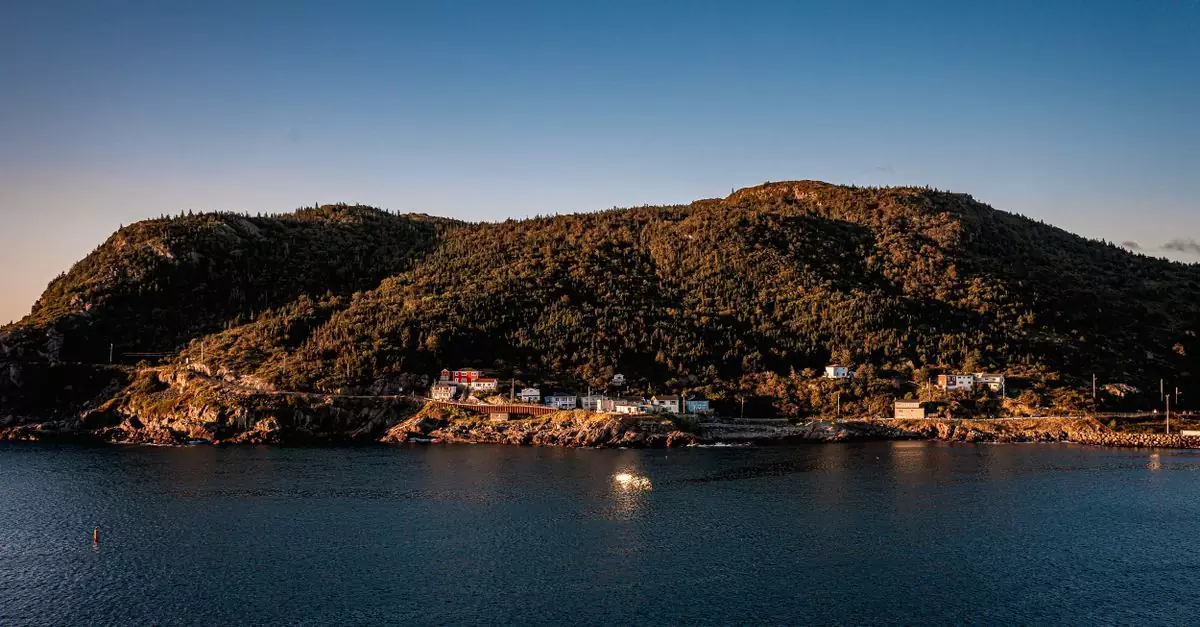
Canada’s extensive coastline offers a wealth of charming seaside villages, each with its unique character. Planning your visit involves considering how you’ll navigate between these picturesque spots and where you’ll rest your head. The best approach often combines scenic drives with local exploration, making your journey as memorable as the destinations themselves.
Driving Routes: Scenic Coastal Highways and Road Trip Ideas
For many travelers, a road trip is the quintessential way to experience Canada’s best coastal villages. Driving allows for spontaneous stops at scenic lookouts, hidden beaches, and roadside attractions. In British Columbia, the Pacific Rim Highway (Highway 4) on Vancouver Island is a must-drive, connecting communities like Tofino and Ucluelet with stunning old-growth forests and dramatic ocean vistas. Further east, the Cabot Trail on Cape Breton Island, Nova Scotia, consistently ranks among the world’s most beautiful drives, winding through Cape Breton Highlands National Park and offering breathtaking views of the Atlantic.
Consider piecing together a multi-day itinerary that links several villages. For example, a trip along the Sunshine Coast of British Columbia could include ferry hopping between Gibsons, Sechelt, and Powell River, each offering a distinct coastal charm. On the East Coast, you might drive the Lighthouse Route in Nova Scotia, connecting villages like Lunenburg and Mahone Bay, or explore the rugged beauty of Newfoundland and Labrador’s coastal drives, such as the Viking Trail.
Road Trip Considerations:
- Vehicle Choice: A comfortable car is sufficient for most paved coastal highways. For more remote or unpaved sections, consider an SUV.
- Ferry Bookings: In regions like British Columbia, booking ferries in advance is highly recommended, especially during peak season.
- Road Conditions: Coastal roads can be winding and narrow. Always check local road conditions, particularly outside of summer months when weather can impact travel.
Public Transportation Options Between Villages
While driving offers the most flexibility, it is possible to visit some of Canada’s coastal villages using public transportation, though it often requires more planning and can be time-consuming. In more populated coastal regions, like parts of Vancouver Island or the Maritimes, bus services connect larger towns and cities, with smaller villages often accessible via local transit or taxi services from these hubs. For instance, you can reach Tofino and Ucluelet on Vancouver Island via bus from Nanaimo or Victoria.
Inter-city bus services, such as Maritime Bus in Atlantic Canada, connect many towns along the coasts of Nova Scotia, New Brunswick, and Prince Edward Island. However, reaching very small or remote villages solely by public transit can be challenging. Ferries also play a crucial role in connecting island communities, like those in British Columbia’s Gulf Islands or Newfoundland and Labrador. These ferries are often integrated with bus routes, allowing for a multi-modal journey.
For travelers seeking to minimize their environmental footprint or avoid the complexities of driving, researching regional bus and ferry schedules well in advance is essential. Be prepared for longer travel times and potentially fewer direct routes compared to driving.
Accommodation Choices: From Cozy B&Bs to Seaside Resorts
Canada’s coastal villages offer a diverse range of accommodation options to suit various budgets and travel styles. You’ll find everything from intimate bed and breakfasts and charming inns to vacation rentals and larger seaside resorts.
In smaller villages, bed and breakfasts are often the most popular choice, providing a personal touch and local insights from hosts. Many are situated in historic homes, offering a cozy and authentic experience. Vacation rentals, such as cottages or apartments found on platforms like Airbnb or VRBO, are excellent for families or groups seeking more space and self-catering facilities.
For those desiring more amenities, boutique hotels and seaside resorts are available in more developed coastal towns. These often feature on-site dining, spa services, and direct access to beaches or waterfronts. For budget-conscious travelers, motels and campgrounds are also options, particularly in areas surrounding popular national or provincial parks.
When booking, consider the village’s size and typical tourist season. Popular destinations like Tofino or Lunenburg can book up months in advance, especially during the summer. Booking early ensures you secure your preferred type of accommodation and often better rates.
Accommodation Types by Region:
| Region | Common Accommodation Types | Typical Price Range (CAD, per night) | Notes |
|---|---|---|---|
| British Columbia Coast | B&Bs, Vacation Rentals, Boutique Hotels, Resorts | $150 – $400+ | High demand, especially in Tofino/Ucluelet; book well ahead. |
| Maritimes (NS, PEI, NB) | Inns, B&Bs, Vacation Rentals, Motels, Campgrounds | $100 – $300 | Charming historic inns are prevalent; seasonal closures possible. |
| Newfoundland & Labrador | Guesthouses, B&Bs, Vacation Rentals, Motels, Inns | $90 – $250 | Friendly hospitality; some remote areas have limited options. |
Frequently Asked Questions About Canada’s Coastal Villages
What are the must-try local foods in Canadian coastal villages?
Seafood is king in Canada’s coastal villages. Expect incredibly fresh catches like Atlantic lobster, Dungeness crab, and Pacific salmon, often prepared simply to highlight their natural flavors. In the Maritimes, don’t miss a classic fish and chips or a hearty seafood chowder. On the West Coast, try some local oysters or spot prawns. Many villages also boast excellent bakeries offering fresh bread and pastries, perfect for a picnic.
Are Canada’s coastal villages family-friendly?
Yes, Canada’s coastal villages are generally very family-friendly. Many offer safe, shallow beaches for swimming and sandcastle building. Activities like whale watching tours, tide pooling, and exploring local lighthouses are engaging for all ages. The slower pace of life in these communities makes them a relaxing destination for families seeking a break from busier tourist hubs. Some villages might have limited public transportation, so having a car can be beneficial for exploring with children.
What should I pack for a trip to the Canadian coast?
Packing for a trip to the Canadian coast requires layers, regardless of the season. Even summer evenings can be cool and breezy. Essential items include a waterproof and windproof jacket, comfortable walking shoes, and a hat. For cooler months, pack warm sweaters, thermal base layers, and waterproof boots. Don’t forget sunscreen, sunglasses, and insect repellent, especially if you plan on hiking or spending time outdoors. Consider a small backpack for day trips to carry essentials.