
England’s countryside offers a wealth of serene escapes, from dramatic moorlands to gentle rolling hills and rugged coastlines. While popular spots like the Cotswolds attract many visitors, exploring the best countryside escapes England has to offer means uncovering hidden gems that provide a more intimate connection with nature and local culture. This guide will help you navigate these less-trodden paths, revealing charming villages, breathtaking scenic routes, and unique regional experiences. You’ll learn about the distinct landscapes of areas like the Peak District, the Jurassic Coast, and the Shropshire Hills, understand the ideal times to visit each, and discover how to traverse these beautiful regions. Prepare to find your perfect rural retreat, filled with authentic encounters and unforgettable vistas.
Beyond the Cotswolds: Unveiling England’s Underrated Countryside Gems
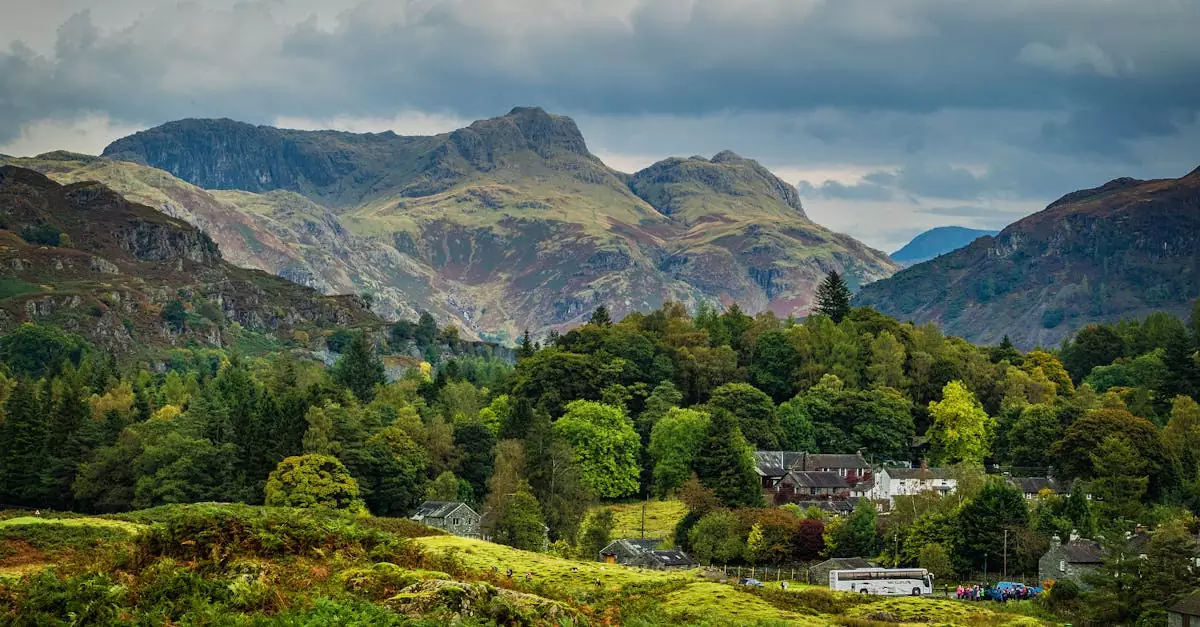
While the Cotswolds rightfully claim a spot on many travel wish lists, England’s rural charm extends far beyond its honey-colored stone villages. For those seeking authentic experiences and stunning scenery away from the busiest paths, several regions offer equally rewarding escapes. These areas provide a chance to connect with nature, history, and local life in a more personal setting.
Exploring the Peak District’s Dramatic Landscapes
The Peak District National Park, straddling the border between the North of England and the Midlands, presents a rugged and varied landscape. Here, dramatic gritstone edges meet rolling limestone dales, creating a visual tapestry that appeals to hikers, climbers, and nature lovers alike. Towns like Bakewell, famous for its tart, and Castleton, known for its show caves, serve as excellent bases for exploration.
Getting to the Peak District is straightforward, with major cities like Manchester and Sheffield within easy reach by train. Driving provides the most flexibility for exploring the park’s more remote corners. Accommodation ranges from charming B&Bs in villages to self-catering cottages and campsites. For walkers, the Pennine Way and the Limestone Way offer iconic long-distance routes, while shorter, well-marked trails abound for day trips. Remember to pack layers, as the weather can change rapidly, even in summer.
Discovering the Jurassic Coast’s Fossil-Rich Cliffs
Stretching for 95 miles along the Dorset and East Devon coast, the Jurassic Coast is a UNESCO World Heritage Site known for its geological significance and stunning sea views. This stretch of coastline reveals 185 million years of Earth’s history, evident in its fossil-rich cliffs and dramatic rock formations like Durdle Door and Lulworth Cove. Fossil hunting is a popular activity, but it’s essential to be mindful of tide times and coastal erosion.
The best way to experience the Jurassic Coast is on foot, following sections of the South West Coast Path. Charming seaside towns such as Lyme Regis and Sidmouth offer a good selection of accommodation, from traditional hotels to guesthouses. Public transport can be used to hop between some of the main villages, but a car provides greater freedom to stop at scenic viewpoints and smaller hamlets. Visiting during the shoulder seasons of spring and autumn offers fewer crowds and often pleasant weather for walking.
Finding Serenity in the Shropshire Hills AONB
The Shropshire Hills Area of Outstanding Natural Beauty (AONB) presents a gentler yet equally captivating rural landscape. Characterized by rolling hills, ancient woodlands, and patchwork fields, this region feels a world away from the hustle and bustle. The Long Mynd, a heather-clad plateau, offers expansive views, while the charming market towns of Ludlow, known for its culinary scene, and Church Stretton, dubbed the “Little Switzerland of England,” invite exploration.
This area is ideal for those seeking tranquility and gentle walks. The Shropshire Way provides a network of routes, with numerous public footpaths crisscrossing the landscape. Reaching the Shropshire Hills is best done by car, as public transport links between villages can be infrequent. Accommodation options include cozy pubs with rooms, country house hotels, and farm stays, offering a true taste of rural hospitality. The area is beautiful year-round, but autumn showcases a spectacular display of fall colors.
Planning Your Perfect English Countryside Getaway: When to Visit & What to Pack
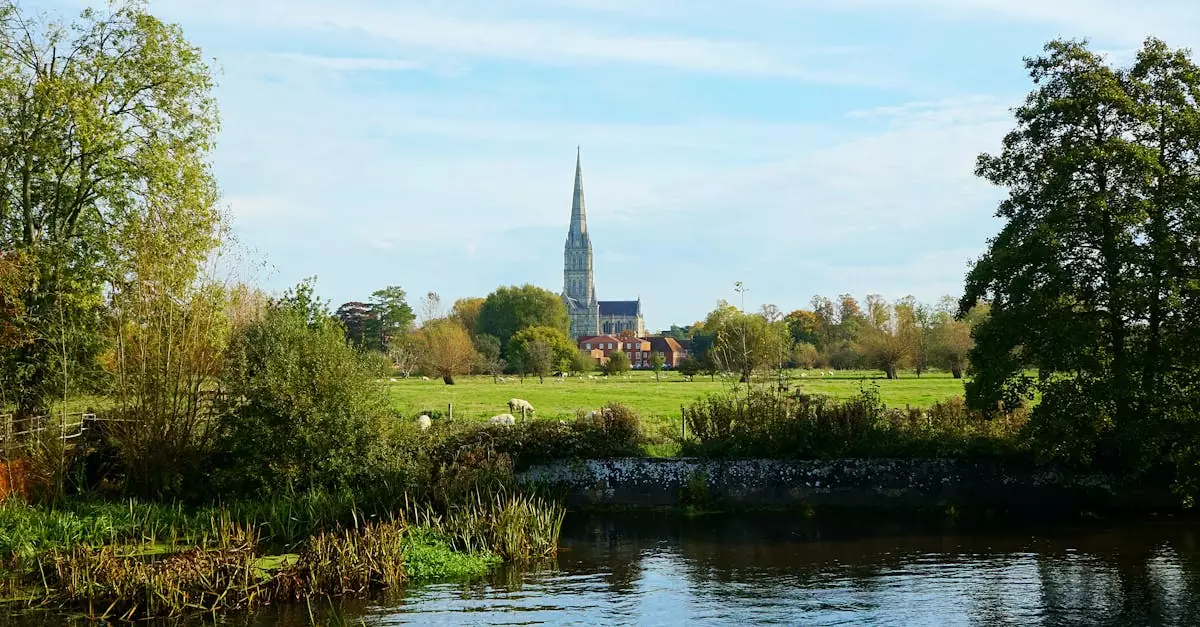
Choosing the right time to visit and packing wisely are crucial for enjoying England’s most beautiful rural landscapes. Understanding the seasonal nuances will help you maximize your experience of rolling hills and coastal breezes, while a well-prepared packing list ensures comfort amid unpredictable weather.
Best Seasons for Rolling Hills and Coastal Breezes
England’s countryside offers distinct charms throughout the year, making the “best” time to visit highly dependent on your preferences.
- Spring (April-May): A delightful period for vibrant landscapes, with wildflowers blooming and newborn lambs frolicking in fields. Mild temperatures prevail, though rain is always a possibility. It’s an excellent time for hiking and enjoying gardens before the summer crowds arrive.
- Summer (June-August): The warmest and driest months bring long daylight hours, perfect for extended explorations. This is peak tourist season, so expect busier attractions and higher accommodation prices, especially in popular areas like the Lake District or the Cotswolds. The countryside is lush, and outdoor activities abound.
- Autumn (September-October): England’s countryside transforms into a painter’s palette of reds, oranges, and golds. The weather can be crisp and pleasant, ideal for walking and photography. This season offers a quieter experience than summer, with fewer crowds and often more reasonable prices. Be prepared for cooler temperatures and more frequent rain.
- Winter (November-March): While colder and wetter, winter has its own quiet beauty. Frosty mornings, cozy pubs with roaring fires, and fewer tourists can offer a truly serene escape. Some attractions may have reduced opening hours, and outdoor activities might be limited by weather.
Essential Packing List for English Countryside Adventures
English weather is famously changeable, so layering is key. Don’t let unpredictable conditions dampen your spirits; pack smart.
- Waterproofs: A good quality waterproof jacket with a hood is essential. Waterproof trousers are advisable for longer hikes or if rain is forecast.
- Footwear: Sturdy, comfortable walking boots or waterproof hiking shoes are essential. Include comfortable trainers or casual shoes for village visits.
- Layers: Bring a mix of base layers (long-sleeved tops), mid-layers (fleeces or jumpers), and an outer jacket.
- Trousers: Quick-drying hiking trousers are practical, alongside comfortable jeans or casual trousers.
- Accessories: A warm hat, gloves, and a scarf are useful, especially outside of summer. An umbrella is also a good idea.
- Navigation: While many areas are well-signposted, a physical map and compass or a reliable GPS device can be invaluable, particularly in more remote regions.
- Other Essentials: Sunscreen and sunglasses (yes, even in England!), insect repellent (especially for summer evenings), a reusable water bottle, and a small backpack for day trips.
Navigating Rural England: Car Hire vs. Public Transport Options
Getting around England’s rural areas requires some planning, as accessibility can vary significantly.
Renting a car offers maximum flexibility, allowing you to reach remote villages, scenic viewpoints, and trailheads at your own pace. This is particularly beneficial for exploring areas like the Peak District or the Yorkshire Dales, where public transport links can be sparse. Be aware that many country lanes are narrow and winding, and parking can sometimes be challenging in popular villages. Driving on the left side of the road is standard.
Public transport in rural England is more limited but can be viable in certain regions, especially if you base yourself in a larger market town. National Express coaches and train services connect major towns and cities, from where you might find local bus routes. However, these can be infrequent, especially on Sundays and public holidays. For a truly immersive countryside experience without a car, consider focusing your trip on areas with good rail or bus networks, such as parts of the Cotswolds or the South Downs.
| Transportation Method | Pros | Cons | Best For |
|---|---|---|---|
| Car Hire | Maximum flexibility, access to remote areas | Narrow roads, parking challenges, cost of rental | Independent travelers, exploring diverse landscapes, reaching off-the-beaten-path locations |
| Trains | Comfortable, scenic routes, avoids driving | Limited reach into deep countryside, can be costly | Traveling between larger towns and cities, scenic rail journeys |
| Buses | Affordable, connects some villages | Infrequent, limited routes, can be slow | Budget travelers, short hops between nearby villages, specific scenic routes |
| Walking/Cycling | Immersive, eco-friendly, healthy | Limited range, weather dependent, requires fitness | Short distances, exploring specific areas in detail, active holidays |
A Taste of Rural England: Local Delicacies and Pub Experiences
Experiencing the English countryside is as much about its culinary traditions as its rolling hills and historic villages. From artisanal cheeses found in farm shops to the comforting ritual of a Sunday roast, rural England offers a delicious journey for any traveler. Engaging with these local flavors provides a genuine connection to the region and its people.
Must-Try Regional Cheeses and Farm-Shop Finds
The United Kingdom boasts a rich heritage of cheese-making, and rural England is a treasure trove for enthusiasts. Many villages have local farm shops that proudly display their regional specialties. Look for cheeses like Double Gloucester, a firm, orange-hued cheese from Gloucestershire, or the crumbly, tangy Wensleydale from Yorkshire. Many shops offer tasting samples, allowing you to discover your favorite before purchasing. Beyond cheese, these shops often stock homemade chutneys, freshly baked bread, local ales, and seasonal jams, making them excellent stops for picnic supplies or edible souvenirs.
A visit to a farm shop connects you directly to the agricultural heart of England. You’ll often find the producers themselves or knowledgeable staff ready to share the story behind their products. This is a fantastic way to support local economies and bring a taste of your travels home.
The Quintessential English Pub Lunch Experience
No exploration of the English countryside is complete without a traditional pub lunch. These establishments are more than just places to eat; they are social hubs often steeped in history. The classic pub lunch menu typically features hearty dishes such as fish and chips, steak and ale pie, or a Ploughman’s lunch. On Sundays, the roast dinner, served with roasted potatoes, Yorkshire pudding, gravy, and seasonal vegetables, is a beloved tradition.
Many pubs are centuries old, offering a cozy atmosphere with exposed beams, crackling fireplaces, and a friendly local crowd. Pair your meal with a pint of real ale, brewed locally, for an authentic experience. When choosing a pub, look for those that emphasize fresh, local ingredients. Some of the best countryside escapes are found by following the signs to the local inn.
Seasonal Produce: What to Expect from Local Markets
Local markets are vibrant centers of community life in rural England and prime spots to sample seasonal fare. The offerings change throughout the year, reflecting the agricultural calendar. In spring, expect fresh asparagus, rhubarb, and early strawberries. Summer brings an abundance of berries, tomatoes, courgettes, and sweetcorn. Autumn is the season for apples, pears, mushrooms, and root vegetables like potatoes and carrots. Winter markets might feature hardy greens, Brussels sprouts, and game.
Visiting a local market provides insight into the region’s agricultural output and offers an opportunity to interact with local farmers and producers. It’s an excellent way to find ingredients for a self-catered meal or to simply soak in the local atmosphere. Many markets are held weekly, so checking local listings is advisable when planning your visit.
Crafting Your Ideal Countryside Itinerary: From Historic Villages to Hiking Trails
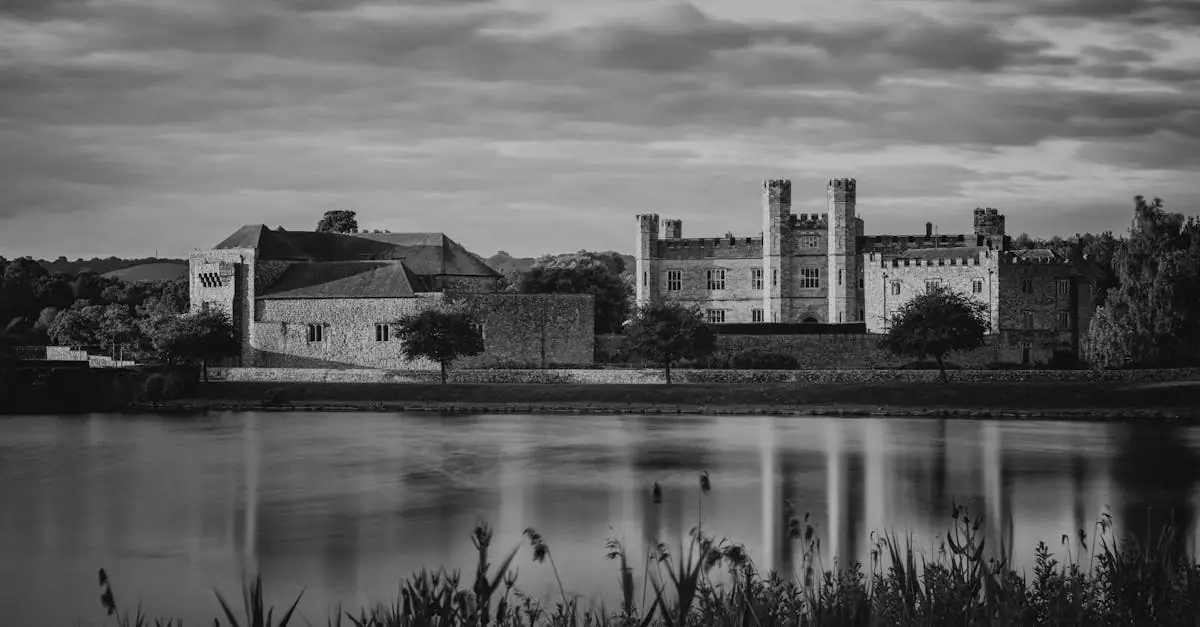
Planning a trip to the English countryside offers a wealth of options, catering to diverse interests from strenuous hikes to leisurely romantic getaways. When considering the best countryside escapes England has to offer, tailoring your itinerary to specific regions and your travel style is key. Whether you envision windswept moors, ancient woodlands, or serene lakes, a well-structured plan ensures you make the most of your time.
A 3-Day Escape to the Yorkshire Dales: Itinerary for Hikers
For those who find joy in the challenge of a good hike, the Yorkshire Dales present an unforgettable 3-day adventure. This region is renowned for its dramatic limestone landscapes, dry stone walls, and charming market towns. A well-paced itinerary can immerse you in its natural beauty and rich history.
Day 1: Malham to Gargrave
Begin your exploration with the iconic Malham Cove, a magnificent natural amphitheater. The walk from Malham village to the cove and then to Gordale Scar is a must-do. Continue your hike towards Malham Tarn, a beautiful glacial lake, before descending towards the village of Gargrave. This route offers stunning vistas and a good introduction to the Dales’ geology. Consider staying overnight in Gargrave to be well-positioned for the next day’s trek.
Day 2: Ribblehead Viaduct and Whernside
Dedicate your second day to the dramatic Three Peaks region. Start near Ribblehead, marveling at the iconic Victorian viaduct, a symbol of the industrial past set against a wild landscape. For a significant challenge, ascend Whernside, the highest peak in Yorkshire. The views from the summit are expansive, often stretching across to the Lake District on a clear day. This is a demanding walk, so ensure you have appropriate gear and check the weather forecast.
Day 3: Swaledale Exploration
Conclude your Dales experience in Swaledale, often considered the most beautiful of the Yorkshire Dales. Known for its wildflower meadows in spring and summer and its stark beauty in autumn, it offers a different character. Hike between villages like Muker, Keld, and Reeth, enjoying the gentler terrain and the chance to visit traditional pubs. This day offers a more relaxed pace, allowing for reflection on the rugged beauty you’ve encountered.
- Best Time to Visit: Late spring (May-June) for wildflowers and pleasant walking temperatures, or early autumn (September-October) for vibrant foliage and fewer crowds.
- Accommodation: Look for charming B&Bs or self-catering cottages in villages like Malham, Gargrave, or Reeth.
- Logistics: A car is highly recommended for flexibility in reaching trailheads and exploring different parts of the Dales. Public transport is limited.
Romantic Weekend in the New Forest: Couples’ Retreat
The New Forest offers a different kind of countryside escape, perfect for couples seeking tranquility and natural beauty with a touch of romance. Its ancient woodlands, heathlands dotted with wild ponies, and charming villages provide a serene backdrop for a weekend break.
Day 1: Arrival and Brockenhurst Charm
Arrive in Brockenhurst, often called the “capital” of the New Forest. Settle into your accommodation, perhaps a cozy inn or a boutique hotel. Spend the afternoon wandering through the village, enjoying its independent shops and tea rooms. Take a gentle stroll through the nearby woods, keeping an eye out for the famous New Forest ponies and donkeys that roam freely. Enjoy a romantic dinner at one of the village’s acclaimed restaurants.
Day 2: Beaulieu Abbey and Coastal Views
Dedicate your second day to history and scenic beauty. Visit the historic ruins of Beaulieu Abbey and the National Motor Museum, offering a blend of culture and interest. Afterwards, drive towards the coast. Explore the picturesque village of Buckler’s Hard, a historic shipbuilding village on the Beaulieu River. Continue to the coastal path for a leisurely walk with views over the Solent. Consider a sunset picnic on the beach for a truly memorable experience.
Day 3: Lyndhurst and Departure
Spend your final morning in Lyndhurst, another key village in the heart of the forest. Visit the New Forest Heritage Centre to learn more about the area’s unique ecosystem and history. Enjoy a final cream tea before heading home, refreshed by the peaceful atmosphere and natural surroundings.
- Timing: Spring and early summer offer lush greenery and blooming heather, while autumn provides beautiful colors. Winter can be atmospheric but colder.
- Transportation: While a car is useful for reaching more remote spots, many of the main villages are accessible by train, and walking or cycling are excellent ways to experience the forest itself.
- Budget: Options range from charming B&Bs to luxury spa hotels, allowing for flexibility. Dining can be enjoyed at traditional pubs or more upscale restaurants.
Family Fun in the Lake District: Activities for All Ages
The Lake District National Park is a UNESCO World Heritage site and a premier destination for families seeking active and engaging countryside adventures. Its dramatic mountains, expansive lakes, and welcoming towns offer something for every age group.
Day 1: Windermere and Lakeside Activities
Start your family adventure in Bowness-on-Windermere, the bustling hub on England’s largest natural lake. Take a scenic boat cruise on Lake Windermere, with options ranging from short hops to full lake tours. Visit The World of Beatrix Potter Attraction for younger children, bringing beloved characters to life. Enjoy a walk along the lakeshore or rent a rowboat for some family fun on the water.
Day 2: Scenic Drives and Gentle Hikes
Embark on a scenic drive through some of the park’s most breathtaking landscapes. The route over Kirkstone Pass offers spectacular views and a thrilling drive. Alternatively, explore the Borrowdale Valley, known for its stunning scenery and accessibility. Opt for a family-friendly hike, such as the walk to Aira Force waterfall or the gentle trails around Tarn Hows, offering beautiful vistas without being overly strenuous.
Day 3: Keswick and Outdoor Pursuits
Head north to the vibrant market town of Keswick, situated on the shores of Derwentwater. Rent kayaks or paddleboards for an active morning on the lake, or take a launch trip to explore its islands. Visit the Pencil Museum for a quirky, educational experience, or enjoy a picnic in Hope Park. For older children and adventurous families, consider a guided introduction to rock climbing or gorge scrambling.
| Activity Type | Windermere Area | Keswick Area |
|---|---|---|
| Water Sports | Boat cruises, kayaking, paddleboarding | Kayaking, paddleboarding, rowing boat hire |
| Hiking | Orrest Head (easy), Loughrigg Fell (moderate) | Catbells (moderate), Latrigg (easy) |
| Family Attractions | Beatrix Potter Attraction, Lakeside Aquarium | Pencil Museum, Derwent Pencil Factory |
| Scenic Drives | Towards Coniston, Grasmere | Honister Pass, Borrowdale Valley |
- Accommodation: The Lake District offers a wide range of family-friendly options, from caravan parks and youth hostels to self-catering cottages and hotels with family rooms. Booking in advance is highly recommended, especially during peak season.
- Safety: Always check weather conditions before heading out on hikes or water activities. Ensure children are supervised closely, especially near water and on uneven terrain.
- Getting Around: While a car offers flexibility, parking can be challenging and expensive in popular areas. The local bus network is extensive, and many attractions are accessible via public transport or boat services.
Where to Stay: Boutique Hotels, Cozy Cottages, and Farm Stays
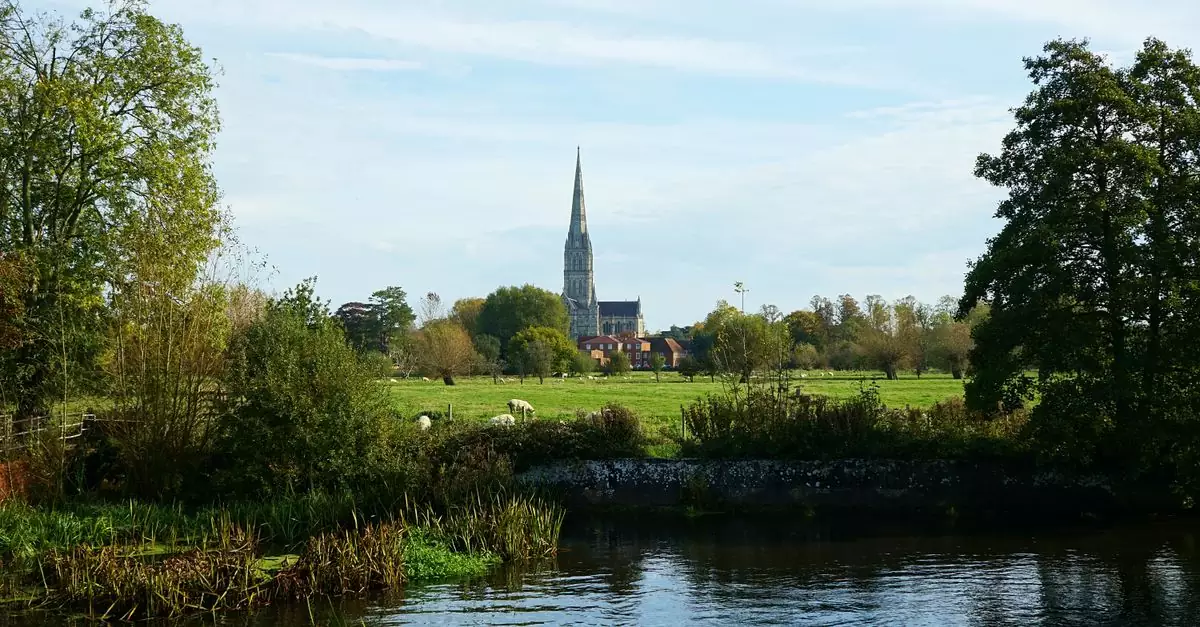
Choosing the right accommodation significantly enhances your experience of England’s countryside. From historic market towns to remote rural retreats, options abound to suit different travel styles and budgets. Consider what kind of atmosphere you’re seeking: a touch of luxury, complete independence, or a truly local immersion.
Charming Boutique Hotels in Historic Market Towns
Market towns across England offer a delightful blend of history and modern comfort, often housing charming boutique hotels. These establishments frequently occupy beautifully restored Georgian or Victorian buildings, providing a stylish base for exploring local shops, pubs, and heritage sites. Staying in a market town means you’re usually within walking distance of amenities and can easily access surrounding countryside walks.
For example, towns like Stow-on-the-Wold in the Cotswolds or Lavenham in Suffolk boast numerous independent hotels. Expect rooms with character, locally sourced breakfast options, and personalized service. Booking in advance is recommended, especially during peak seasons like summer and the Christmas market period, typically from late November through December.
Self-Catering Cottages for an Authentic Rural Experience
Opting for a self-catering cottage offers unparalleled freedom and a chance to live like a local. These properties range from quaint, centuries-old stone cottages with roaring fireplaces to modern, architect-designed homes with expansive views. They are ideal for families, groups of friends, or longer stays where you want to set your own pace.
Many cottage rental agencies specialize in specific regions, such as the Lake District or the Yorkshire Dales. You’ll find cottages equipped with full kitchens, allowing you to prepare meals using fresh produce from local farm shops. This approach can also be more budget-friendly for longer trips, especially when splitting costs among a group. Remember to check what’s included—some cottages provide linens and towels, while others require you to bring them.
A typical cottage rental might look like this:
| Accommodation Type | Typical Features | Best For | Budget Range (per week) |
|---|---|---|---|
| Traditional Cottage | Stone walls, fireplace, garden | Couples, small families | £500 – £1500 |
| Modern Barn Conversion | Open-plan living, contemporary design | Groups, longer stays | £700 – £2000 |
| Seaside Cottage | Coastal views, near beaches | Beach lovers, families | £600 – £1800 |
Unique Farm Stays for Immersive Countryside Living
For a truly immersive experience, consider a farm stay. These accommodations offer a unique opportunity to connect with rural life, often providing insights into farming practices and a chance to interact with animals. Farm stays can range from rooms within the farmhouse itself to converted barns or shepherd’s huts scattered across the property.
Many farm stays are located in picturesque, often remote, settings, providing peace and quiet away from bustling towns. They are particularly appealing to families with children who can enjoy the novelty of farm animals and open spaces. Some farm stays offer opportunities to participate in farm activities, while others focus on providing a tranquil retreat with stunning natural surroundings. When booking, inquire about the proximity to local attractions and whether meals are offered, as dining options can be limited in very rural locations. For those seeking an escape from the mainland, farm stays on islands like the Isle of Wight offer a distinct charm.
Frequently Asked Questions About England’s Countryside Escapes
Are England’s countryside destinations suitable for solo travelers?
Yes, England’s rural areas are generally welcoming to solo travelers. Many villages offer charming bed and breakfasts and small inns where hosts are often happy to provide local advice. Public transport, while sometimes infrequent, connects many larger villages and towns, making it possible to navigate without a car. Safety is also a strong point; rural England is known for its low crime rates, allowing for a more relaxed experience.
For those seeking connection, local pubs often serve as community hubs, providing opportunities to chat with locals and other travelers. Hiking and walking routes are well-marked and popular, meaning you’ll often encounter others on the trails, even on quieter paths.
What are the best countryside routes for scenic drives in England?
Several routes offer spectacular driving experiences. The Cotswolds provides rolling hills and honey-colored stone villages, with routes like the A429 offering particularly picturesque stretches. The Lake District National Park is renowned for its dramatic fells and serene lakes, with roads such as the Kirkstone Pass offering challenging but rewarding views.
For coastal beauty, the Jurassic Coast in Dorset and East Devon presents stunning sea cliffs and geological wonders. Driving the B3157 coastal road here offers breathtaking vistas. Another excellent option is the Peak District, where roads like the Snake Pass (A57) wind through rugged moorland and offer panoramic landscapes.
Here’s a quick comparison of popular driving regions:
| Region | Scenery Type | Road Types | Best For |
|---|---|---|---|
| Cotswolds | Gentle hills, villages | Narrow lanes, B-roads | Quintessential English charm |
| Lake District | Mountains, lakes, valleys | Mountain passes, lakeside roads | Dramatic landscapes, outdoor activities |
| Jurassic Coast | Coastal cliffs, beaches | Coastal roads, country lanes | Seaside views, geological interest |
| Peak District | Moorland, dales, peaks | Open roads, winding passes | Rugged nature, vast open spaces |
How can I find authentic, non-touristy experiences in rural England?
To uncover authentic experiences, venture slightly off the beaten path. Instead of focusing solely on the most famous villages, explore smaller hamlets nearby. Look for local markets, farmers’ markets, or village fetes, which offer a genuine glimpse into local life and provide opportunities to sample regional produce.
Consider staying in less-advertised accommodations like independent guesthouses or farm stays. These often provide a more personal touch and local insights. Engaging with locals at a village pub or post office can also lead to unexpected discoveries and recommendations for hidden gems. Researching local events, such as historical reenactments or community gatherings, can offer unique cultural immersion. For travel beyond the main tourist hubs, understanding public transport options in rural areas is key.