Africa is a continent rich in history, vibrant traditions, and dynamic modern cultures, offering travelers a unique journey of discovery. For those seeking a deeper experience, exploring the best cultural cities in Africa is essential. These urban centers are not just hubs of activity; they serve as living museums and artistic canvases, providing crucial insights into the diverse narratives that shape the continent.
This guide highlights cities where ancient heritage coexists with contemporary creativity. You’ll learn about the historical significance of these destinations, discover their unique artistic expressions, and find practical tips for navigating their rich cultural landscapes. Prepare to uncover the essence of Africa, one captivating city at a time.
Why Seek Cultural Immersion in Africa’s Best Cities?
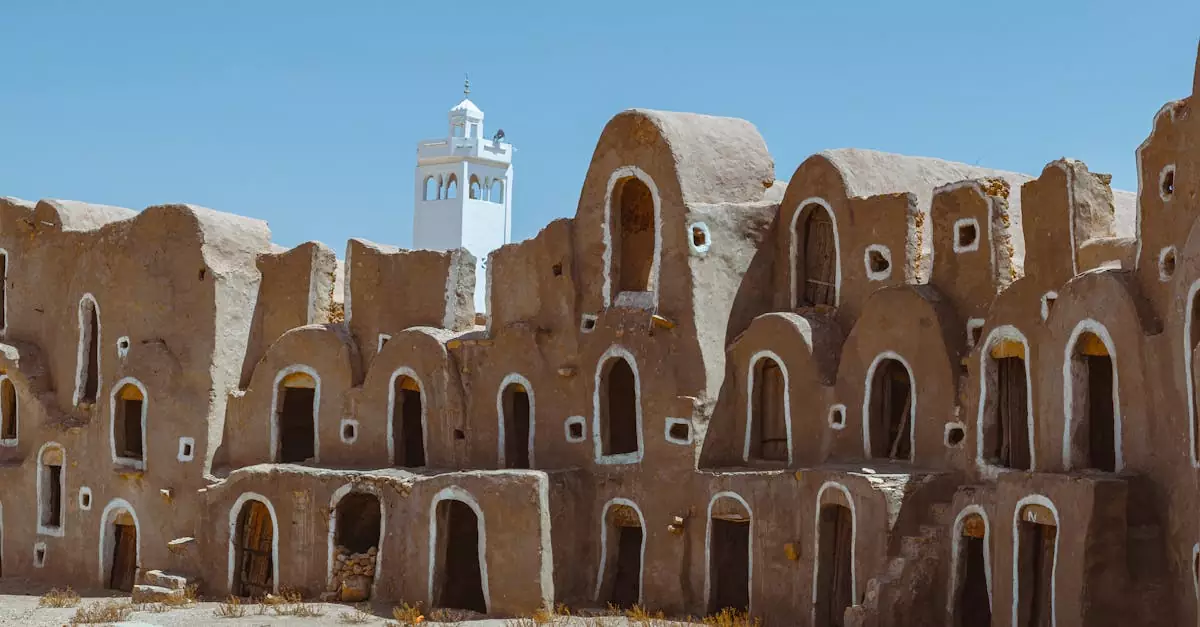
Understanding the Depth of African Cultural Landscapes
Africa is a continent of immense diversity, where ancient traditions meet modern innovation. The notion of “culture” here is not monolithic; it’s a vibrant tapestry woven from thousands of ethnic groups, each with its unique languages, customs, and artistic expressions. Seeking out the best cultural cities in Africa means stepping into living history, experiencing enduring traditions, and witnessing the dynamic evolution of societies across the continent. From the rhythmic pulse of West African music to the intricate artistry of North African souks, the continent offers a profound journey of discovery. Engaging with these rich cultural landscapes provides a deeper understanding of human heritage and the complexities of the modern world.
Beyond Tourist Traps: Authentic Cultural Experiences
Many travelers arrive in Africa with preconceived notions shaped by media portrayals focusing on wildlife or historical ruins. While these attractions hold significance, the true heart of the continent often lies in its urban centers, where daily life unfolds with its own unique cultural rhythm. The best cultural cities in Africa offer genuine interactions, allowing visitors to move beyond staged performances and into the everyday realities of local communities. This might involve sharing a meal in a bustling market, learning a few phrases of a local language, or observing social dynamics in a public square. Authentic experiences foster a meaningful connection, offering insights that guidebooks alone cannot provide. Prioritizing these encounters transforms a trip into a personal journey.
The Allure of Historical Significance in African Urban Centers
Africa’s cities are not merely modern metropolises; they are layered with millennia of history, serving as crucial hubs for trade, governance, and intellectual exchange. Many of these urban centers boast historical significance predating European colonization, showcasing architectural marvels, ancient learning institutions, and the enduring legacies of powerful empires. Cities like Fes in Morocco, with its medina dating back to the 9th century, or Ethiopia’s Axum, a former capital of a powerful kingdom, offer tangible connections to the past. Exploring these historically rich environments allows travelers to grasp the long and complex narrative of human civilization on the continent. Understanding this context is key to appreciating the present-day cultural landscape and the resilience of African societies. The africantourismboard.com website is a valuable resource for learning more about the continent’s diverse offerings.
Marrakech, Morocco: A Sensory Journey Through the Medina
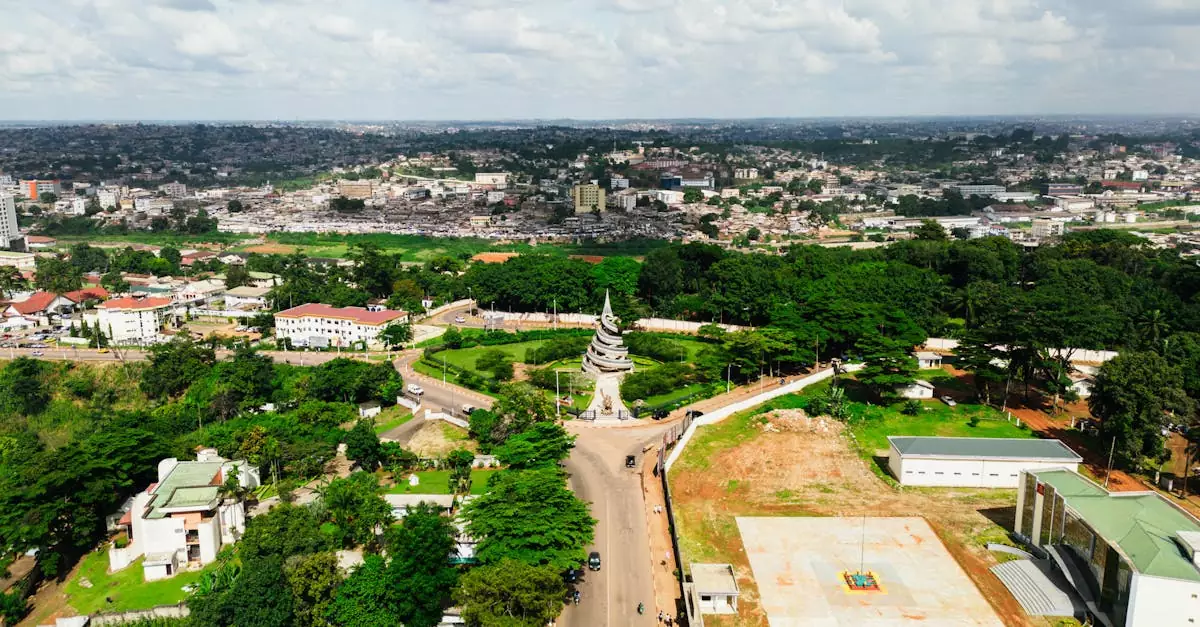
Marrakech is a city that delights the senses, weaving together ancient traditions and modern life. Its historic medina, a UNESCO World Heritage site, is the pulsing heart of this Moroccan jewel, offering an immersive cultural experience. Navigating its labyrinthine alleys is an adventure, leading to hidden courtyards, bustling souks, and architectural marvels. This city stands out as one of the best cultural cities in Africa for those seeking an authentic and unforgettable journey.
Navigating the Djemaa el-Fna Square’s Vibrant Atmosphere
The Djemaa el-Fna is more than just a square; it’s Marrakech’s grand stage, transforming throughout the day. By morning, it offers a calm atmosphere with juice vendors and snake charmers. As dusk approaches, the square erupts into a carnival of activity, filled with storytellers, musicians, acrobats, and food stalls that fill the air with enticing aromas. Prepare for crowds and a lively energy; approach with an open mind and a sense of curiosity.
For those looking to understand the pulse of Moroccan life, spending an evening here is essential. Consider finding a rooftop café overlooking the square to witness the spectacle from a more tranquil vantage point, providing a fantastic perspective on the organized chaos below.
Exploring the Bahia Palace and Saadian Tombs
Beyond the immediate buzz of Djemaa el-Fna, Marrakech boasts stunning historical sites that offer glimpses into its opulent past. The Bahia Palace, built in the late 19th century, is a masterpiece of Moroccan architecture and Islamic art. Wander through its intricate courtyards adorned with zellij tilework, carved stucco, and painted cedarwood ceilings. The sheer scale and detail are breathtaking, showcasing the craftsmanship of the era.
Nearby, the Saadian Tombs, rediscovered in 1917, provide a more somber yet equally impressive historical insight. These beautifully preserved mausoleums date back to the 16th century and testify to the grandeur of the Saadian dynasty. The Chamber of the Twelve Columns, in particular, is renowned for its exquisite Italian Carrara marble and gilding. Visiting these sites offers a deeper appreciation for the rich heritage of this North African destination.
Finding Tranquility in the Jardin Majorelle
When the intensity of the medina becomes overwhelming, the Jardin Majorelle offers a serene escape. This enchanting botanical garden, once owned by Yves Saint Laurent, bursts with color and calm. The striking cobalt blue, known as Majorelle Blue, used throughout the garden creates a stunning contrast with the lush greenery of exotic plants and cacti.
The garden also houses the Berber Museum, showcasing a fascinating collection of Berber artifacts and traditional clothing. It’s a peaceful oasis that reveals a different yet equally captivating facet of Moroccan culture and artistry. Allow at least a couple of hours to fully absorb the beauty and tranquility of this unique space.
Best Riads for an Authentic Marrakech Stay
To truly immerse yourself in the Marrakech experience, staying in a traditional riad is highly recommended. These guesthouses, typically found within the medina, are built around central courtyards, providing a peaceful sanctuary from the bustling streets. Riads vary greatly in style and luxury, from intimate boutique stays to more expansive properties.
Here are a few riad experiences to consider:
| Riad Type | Features | Budget Range (USD/night) |
|---|---|---|
| Budget-Friendly | Simple, clean rooms; communal courtyards; good location | $50 – $100 |
| Mid-Range | En-suite bathrooms; decorated rooms; often a small pool or plunge pool | $100 – $200 |
| Luxury | Spacious suites; private plunge pools; fine dining; spa services | $200+ |
Many riads offer traditional Moroccan breakfasts and can assist with arranging guided tours or airport transfers. Booking in advance is wise, especially during peak travel seasons. Choosing a riad within the medina allows for easy walking access to many of the city’s main attractions.
Accra, Ghana: Where History Meets Modern African Artistry
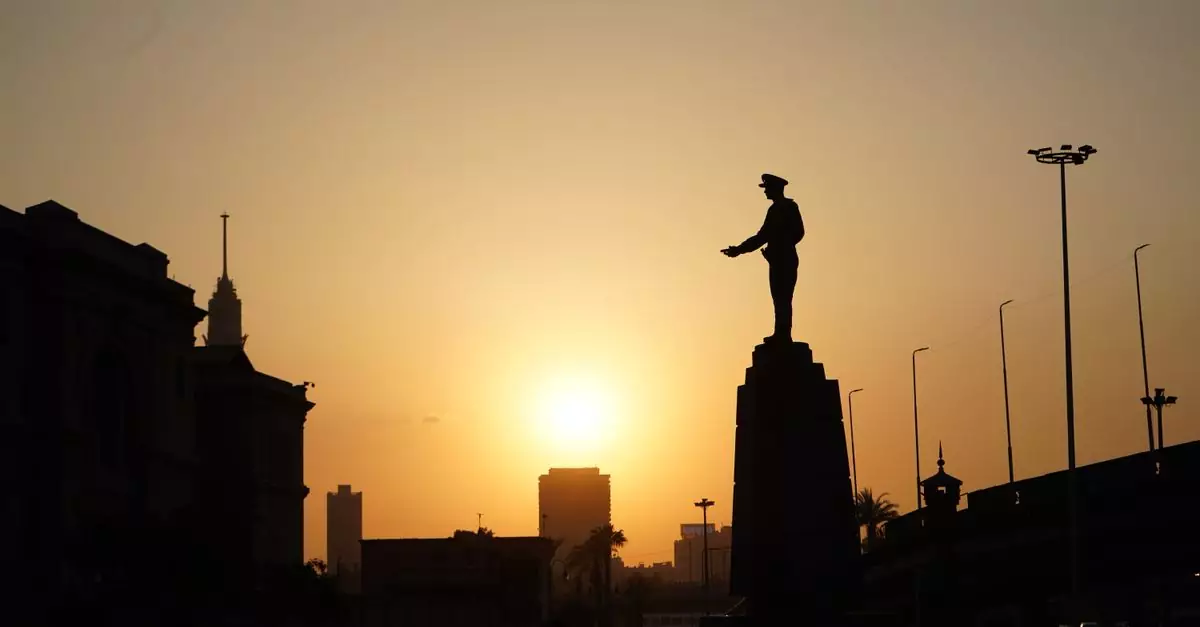
Accra, the vibrant capital of Ghana, offers a compelling blend of historical significance and contemporary African creativity, making it one of the continent’s most engaging cultural destinations. This bustling metropolis serves as a gateway to understanding Ghana’s rich past and its dynamic present, showcasing a resilient spirit and a thriving artistic community. Visitors can immerse themselves in the nation’s journey towards independence while experiencing the cutting edge of African design and visual arts.
Delving into the Kwame Nkrumah Mausoleum and Independence Square
A visit to Accra is incomplete without exploring the historical heart of its independence. The Kwame Nkrumah Mausoleum stands as a poignant tribute to Ghana’s first president, a pivotal figure in the Pan-African movement. The mausoleum’s architecture is striking, and the surrounding gardens provide a peaceful setting for reflection. Adjacent to it, Independence Square, also known as Black Star Square, is a significant landmark where Ghana officially declared its independence in 1957. Standing beneath the Independence Arch, one can feel the weight of history and the pride of a nation.
Experiencing the Art Scene at the Artists Alliance Gallery
For a deep dive into contemporary Ghanaian art, the Artists Alliance Gallery is an essential stop. This impressive space showcases a vast collection of paintings, sculptures, and mixed-media works by leading Ghanaian artists. It provides a comprehensive overview of the evolution of art in the region, from traditional influences to modern expressions. The gallery’s curators often offer insights, and the sheer diversity and talent on display are remarkable. It’s an excellent place to discover emerging artists and purchase unique pieces that capture the essence of modern Africa.
Discovering Local Flavors in Jamestown’s Eateries
The historic neighborhood of Jamestown, with its distinctive colonial architecture and vibrant fishing community, offers a taste of authentic Accra. Beyond its visual charm, Jamestown is a hub for local cuisine. Small, unassuming eateries serve traditional Ghanaian dishes, allowing visitors to savor flavors like jollof rice, grilled tilapia, and fufu. The bustling fish market is also a lively spot, where you can witness the daily catch and enjoy incredibly fresh seafood prepared right before your eyes. Engaging with friendly locals in Jamestown offers a genuine glimpse into daily life.
Getting Around Accra: Local Transportation Options
Navigating Accra requires understanding its local transport system. The most common and affordable way to get around is by tro-tro, shared minibuses that follow set routes. While efficient, they can be crowded and require some familiarity with the city’s layout. Taxis are readily available, offering more comfort and direct routes, but it’s crucial to negotiate the fare before starting your journey. Ride-sharing apps are also increasingly popular, providing a convenient, albeit slightly more expensive, alternative. For shorter distances, especially within central areas, walking can be a pleasant way to soak in the city’s atmosphere.
| Transportation Option | Average Cost (per trip) | Best For | Notes |
|---|---|---|---|
| Tro-tro | $0.20 – $0.50 USD | Budget travelers, local experience | Can be crowded, requires route knowledge |
| Taxi | $3.00 – $10.00 USD | Comfort, direct routes, airport transfers | Negotiate fare beforehand |
| Ride-Sharing Apps | $5.00 – $15.00 USD | Convenience, cashless payment | Availability can vary |
| Walking | Free | Short distances, exploring neighborhoods | Be aware of surroundings, especially at night |
Addis Ababa, Ethiopia: A Cradle of History and Coffee Culture
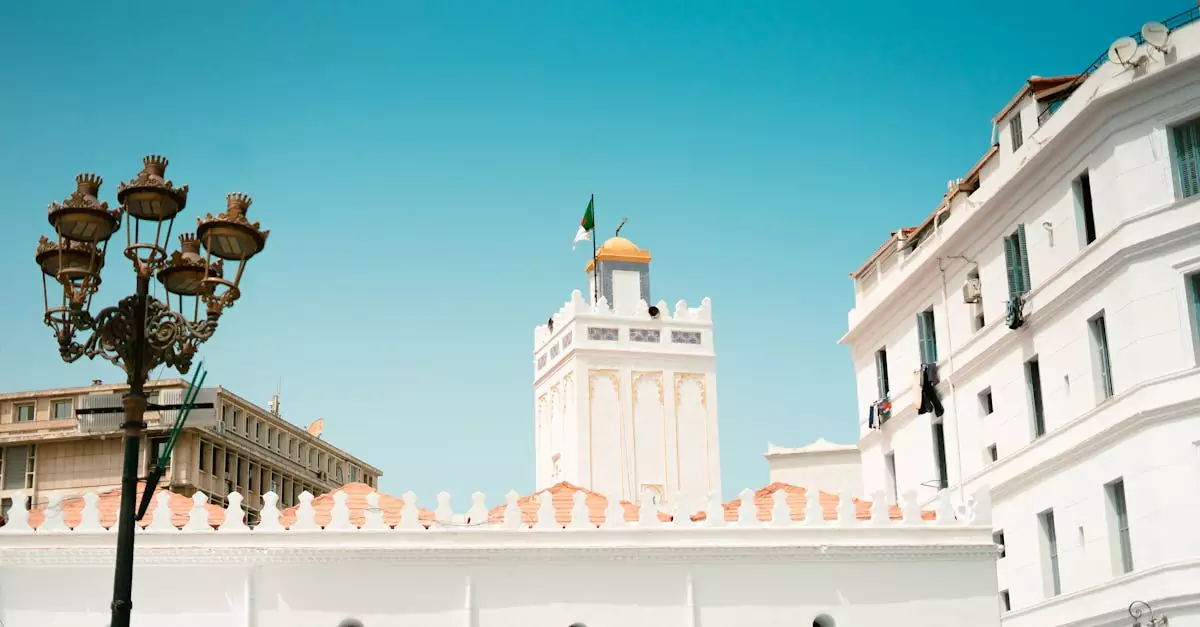
Addis Ababa, Ethiopia’s vibrant capital, offers a compelling journey through ancient history, profound religious sites, and a world-renowned coffee tradition. It serves as a gateway to understanding the continent’s rich heritage, blending a burgeoning modern identity with deep-rooted cultural practices. Planning a visit here provides a unique opportunity to connect with the past and experience a living culture.
Tracing Ancient Roots at the National Museum of Ethiopia
The National Museum of Ethiopia is essential for grasping the country’s extensive history. It houses a remarkable collection of artifacts, most famously the fossilized remains of “Lucy,” a 3.2-million-year-old hominid skeleton that has significantly shaped our understanding of human evolution. Beyond Lucy, the museum displays royal regalia, ancient manuscripts, and traditional Ethiopian art, offering a comprehensive overview of the nation’s past civilizations and royal dynasties. Allocate at least half a day to fully appreciate the exhibits.
The Significance of the Holy Trinity Cathedral
A visit to Addis Ababa is incomplete without experiencing the spiritual gravitas of the Holy Trinity Cathedral. This striking cathedral, with its distinctive yellow and white exterior and ornate interior, serves as the final resting place for Emperor Haile Selassie and Empress Menen Asfaw. The cathedral complex includes a museum and a school, contributing to its role as a major religious and educational center. The intricate stained-glass windows and the majestic dome create an atmosphere of solemn beauty, reflecting Ethiopia’s deep Orthodox Christian heritage.
Immersing Yourself in Ethiopia’s Famous Coffee Ceremonies
Ethiopia is widely recognized as the birthplace of coffee, and experiencing a traditional coffee ceremony is a highlight of any visit. This ritualistic preparation and serving of coffee is a significant social event, often taking place in homes or specialized cafes. The ceremony involves roasting green coffee beans over charcoal, grinding them, and brewing the coffee in a traditional clay pot called a jebena. The aroma of incense often accompanies the process, and the coffee is served in small, handleless cups. It’s a slow, deliberate process that emphasizes hospitality and community, offering a true taste of Ethiopian culture.
Best Neighborhoods for First-Time Visitors
For travelers new to Addis Ababa, the Bole area is often recommended due to its concentration of hotels, restaurants, and international amenities. It’s a lively district with good transport links and a generally safe environment. Another area worth considering is Kazanchis, which offers a mix of business and residential spaces, providing a glimpse into local life while remaining accessible. For those interested in exploring more of Ethiopia’s cultural attractions, staying near the city center can facilitate easier access to museums and historical sites.
When considering transportation within Addis Ababa, taxis are readily available, though agreeing on a fare beforehand is advisable. Ride-hailing apps are also increasingly popular, offering a convenient way to navigate the city. For a more immersive experience, exploring local markets like the Merkato, one of Africa’s largest open-air markets, provides a sensory overload of sights, sounds, and smells. Be mindful of your belongings in crowded areas.
Kigali, Rwanda: A City Reborn with a Powerful Narrative
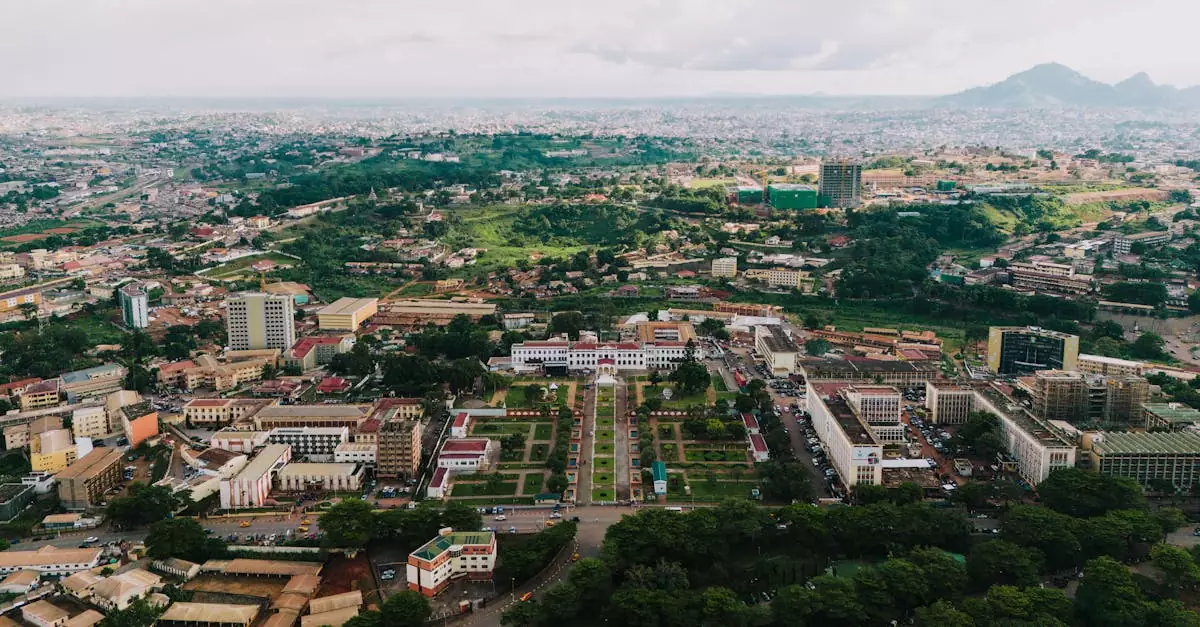
Kigali, Rwanda’s capital, offers a compelling journey through resilience and a vibrant contemporary culture. Often cited as one of Africa’s cleanest and safest cities, Kigali presents a unique blend of historical reflection and forward-looking optimism. For travelers seeking to understand the complexities of modern African heritage, Kigali provides an essential and moving experience. Its transformation in recent decades is a testament to the spirit of its people, making it a standout among the continent’s cultural hubs.
Understanding Resilience at the Kigali Genocide Memorial
A visit to the Kigali Genocide Memorial is essential for anyone seeking to comprehend Rwanda’s recent history. The memorial offers a somber yet informative account of the 1994 genocide against the Tutsi, detailing its causes and devastating impact. Exhibits are presented with sensitivity, featuring personal stories, photographs, and artifacts that humanize the tragedy.
Beyond the main exhibition, the memorial also serves as a place of remembrance and education, with gardens and a Wall of Names. Allow at least two to three hours for a thorough visit, and be prepared for an emotionally impactful experience. The memorial’s educational outreach continues to promote peace and reconciliation, not just in Rwanda but globally.
Exploring Local Crafts at the Caplaki Cooperative
For a brighter, hands-on cultural immersion, the Caplaki Cooperative is a must-visit. This vibrant market showcases a wide array of traditional Rwandan handicrafts, from intricately woven baskets and colorful textiles to carved wooden figures and jewelry. It’s an excellent place to find authentic souvenirs while directly supporting local artisans.
Wandering through the stalls, you can observe artisans at work and learn about the traditional techniques used in their craft. The cooperative aims to empower women and provide them with economic independence. Engaging with vendors offers a chance to learn about Rwandan artistry and perhaps even haggle for a unique piece to take home.
The Culinary Delights of Kigali’s Emerging Food Scene
Kigali’s food scene is rapidly evolving, reflecting a blend of traditional Rwandan flavors and international influences. Local restaurants and cafes provide opportunities to sample staple dishes like brochettes (grilled meat skewers), ugali (a maize porridge), and various bean-based stews. For a truly local experience, seek out small eateries in neighborhoods away from the main tourist areas.
The city also boasts a growing number of upscale restaurants and trendy cafes, particularly in areas like Kiyovu and Gacuriro. These establishments often feature fusion cuisine, fresh local produce, and excellent coffee. Trying Rwandan coffee, renowned for its quality, is a delightful way to start your day or enjoy an afternoon break.
Planning Your Visit: Best Time to Experience Kigali’s Culture
Kigali experiences a tropical climate with distinct wet and dry seasons. The dry seasons, from June to September and December to February, are generally considered the best times for outdoor activities and cultural exploration. During these months, rainfall is minimal, making it easier to navigate the city and attend events.
The shoulder months, particularly around March-May and October-November, can also be pleasant, though you should be prepared for occasional rain showers. These periods may offer fewer crowds and potentially lower accommodation prices. Regardless of the season, Kigali is a year-round destination, with its indoor attractions and welcoming atmosphere remaining consistent.
Travelers can easily get around Kigali using taxis or ride-sharing apps like Yego Moto, which are affordable and convenient. For those interested in a deeper dive into Rwandan culture, consider engaging local guides who can provide invaluable insights and context, especially when visiting historical sites.
Frequently Asked Questions About Cultural Travel in Africa
What is the best time of year to visit these cultural cities?
The ideal time to visit most cultural cities across Africa often aligns with the dry seasons, typically from November to March and again from June to August. These periods offer more predictable weather, making it easier to explore outdoor historical sites and navigate city streets. However, specific regional climates vary. For instance, West African cities might experience a cooler harmattan season from November to March, while East African destinations often have distinct rainy seasons that can impact travel plans.
| Region | Best Dry Season Months | Notes |
|---|---|---|
| North Africa | October – April | Pleasant temperatures, less extreme heat |
| West Africa | November – March | Cooler, less humid, harmattan winds |
| East Africa | June – October | Cooler, ideal for wildlife and cities |
| Southern Africa | April – October | Dry and cooler, good for city exploration |
How can I navigate safely while exploring African cities?
Safety in African cities, like any large urban center globally, requires awareness and common sense. Stick to well-lit, populated areas, especially after dark. Using reputable taxi services or ride-sharing apps is generally safer than hailing cabs on the street. It’s wise to research local customs and dress codes to avoid drawing unnecessary attention. Keeping valuables secure and being mindful of your surroundings are universal travel practices that apply here. For specific advice on local safety conditions, consulting africantourismboard.com can provide up-to-date insights.
What are some essential items to pack for a cultural trip to Africa?
Packing for a cultural journey through Africa should focus on comfort, versatility, and practicality. Lightweight, breathable clothing is key, as many destinations can be warm. Include modest attire, especially when visiting religious sites or more conservative areas. Comfortable walking shoes are a must for exploring historical districts and markets. Don’t forget sun protection like a hat, sunglasses, and high-SPF sunscreen. A universal power adapter, a portable power bank, and a basic first-aid kit are also highly recommended.
Are there affordable accommodation options in these cities?
Yes, a wide range of accommodation options exists across Africa’s cultural cities, catering to various budgets. Beyond luxury hotels, you’ll find numerous guesthouses, boutique hotels, and hostels offering comfortable stays at more accessible price points. Many cities also have a growing number of well-rated Airbnb properties. Booking in advance, especially during peak seasons, can often secure better rates. Staying in these types of accommodations can also offer a more authentic local experience.