Planning your first trip to France can feel overwhelming, but a well-structured itinerary allows you to experience its diverse highlights. For a 7 to 10-day journey, a classic route balances the iconic allure of Paris with the romantic landscapes of the Loire Valley, providing a fantastic introduction to French culture, history, and cuisine. This approach enables a deep dive into the capital before venturing into the countryside. You’ll learn how to navigate these key destinations efficiently, discover charming accommodations, and savor the must-try culinary delights that make France renowned. We’ll also cover the best times to visit and practical tips for a seamless and memorable journey.
Crafting Your Ideal First-Time France Itinerary: 7-10 Days
Planning your first trip to France can feel overwhelming, but a well-structured itinerary ensures you experience its diverse highlights. For a 7 to 10-day trip, a classic route often balances the iconic allure of Paris with the romantic landscapes of the Loire Valley, offering a fantastic introduction to French culture, history, and cuisine. This approach allows for a deep dive into the capital before venturing into the countryside.
Balancing Iconic Landmarks and Local Charm in Paris (3-4 Days)
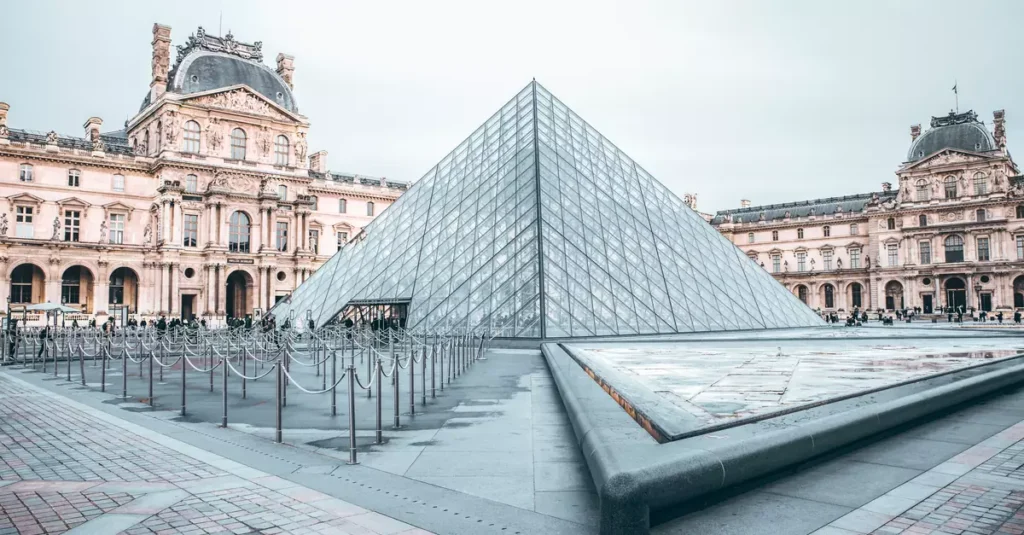
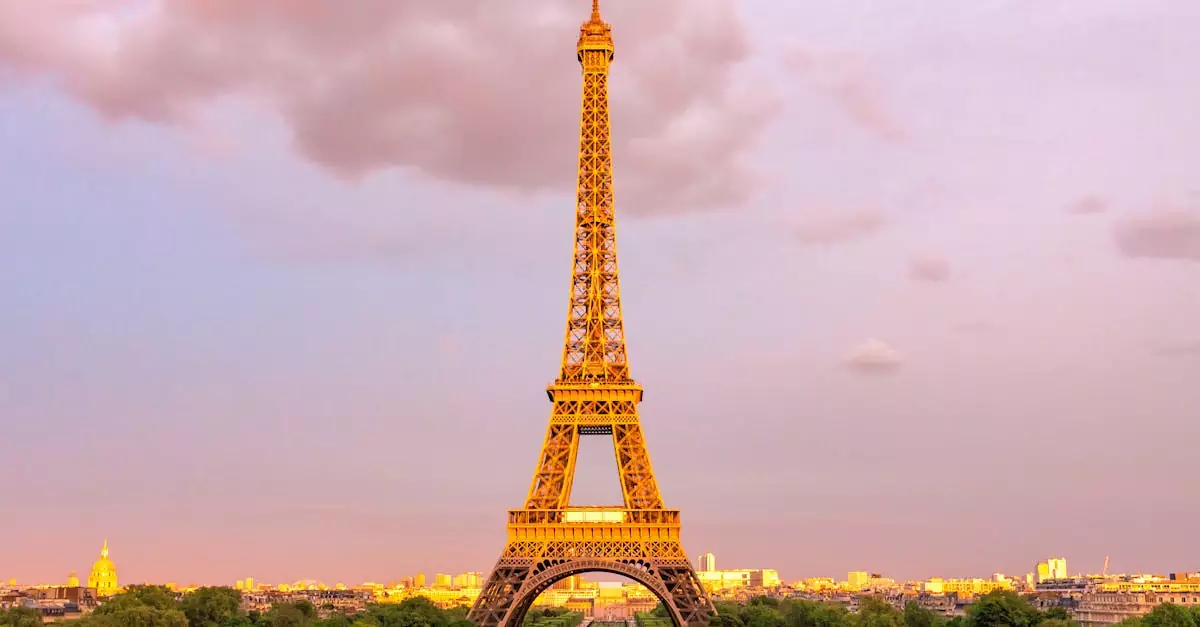
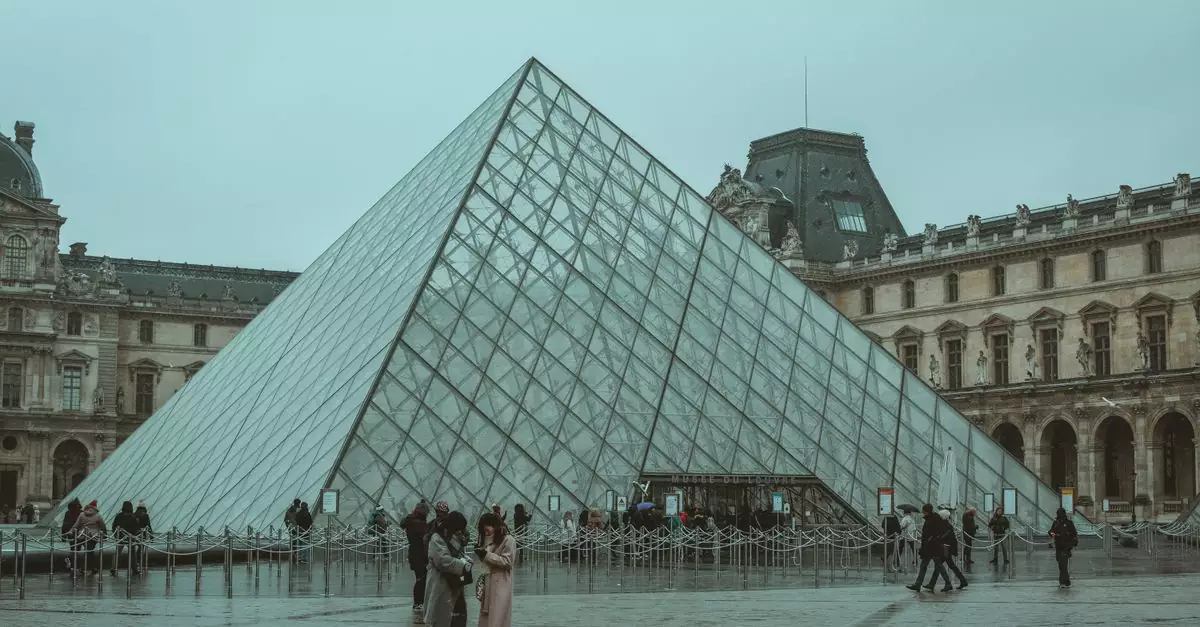
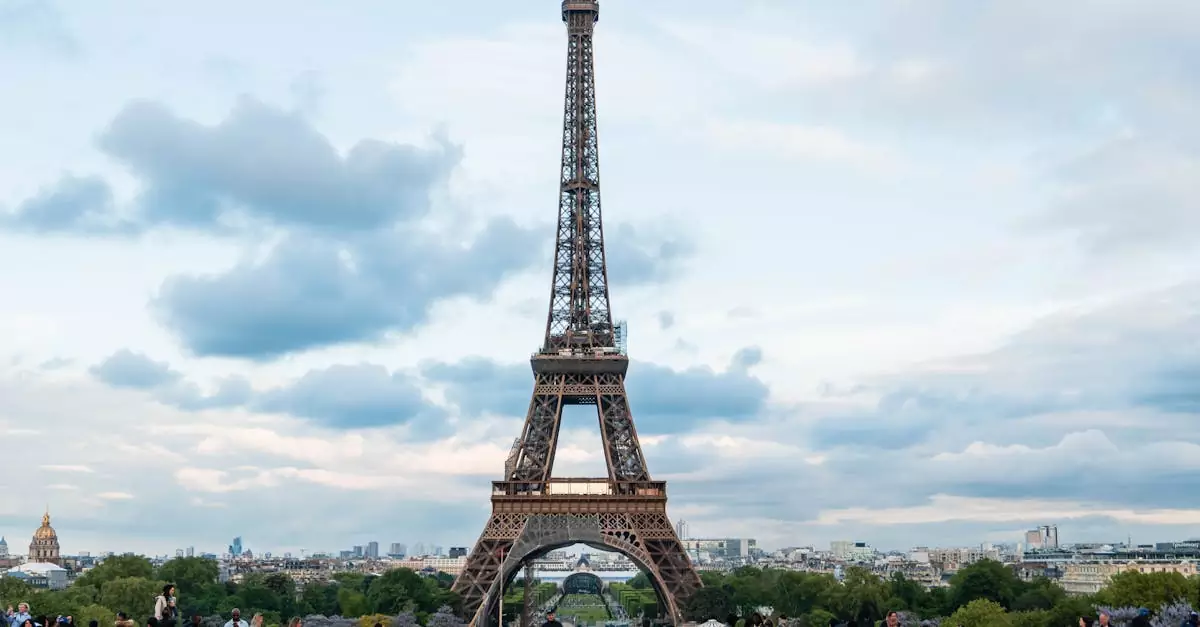
Paris, the City of Lights, is a must-visit for any first-time traveler to France. Allocate at least three to four days to absorb its magic. Begin with the must-see attractions: the Eiffel Tower, the Louvre Museum (book tickets in advance to save time), Notre Dame Cathedral (view from the exterior as restoration continues), and enjoy a leisurely stroll along the Seine. Beyond the major sights, allow time to wander through charming neighborhoods like Montmartre, known for its artistic heritage and Sacré-Cœur Basilica, or the Marais, famous for its historic architecture and trendy boutiques.
Getting around Paris is straightforward. The extensive Métro system makes it easy to reach most attractions. Consider purchasing a Navigo Découverte pass for a full week or a carnet of tickets for shorter stays. Walking is also a delightful way to discover hidden courtyards and local cafés. For dining, explore bistros in areas like Saint-Germain-des-Prés for classic French fare, or seek out crêperies for a quick and satisfying meal.
Exploring the Fairytale Châteaux of the Loire Valley (2-3 Days)
A short train ride from Paris takes you to the Loire Valley, a region renowned for its magnificent châteaux and picturesque landscapes. Spending two to three days here provides a good overview of its most impressive castles. Key highlights include the grand Château de Chambord, noted for its distinctive Renaissance architecture, and the elegant Château de Chenonceau, famously spanning the River Cher. The intimate Château d’Amboise holds historical significance, having been a royal residence and the final resting place of Leonardo da Vinci.
Accessing the châteaux typically involves renting a car from a city like Tours or Orléans for maximum flexibility, though organized day tours from Paris are also available. Alternatively, some châteaux can be reached by local buses, but this may be time-consuming. Consider staying in a charming town like Amboise or Blois to fully immerse yourself in the valley’s atmosphere. Local markets offer fresh produce and regional specialties, perfect for a picnic lunch on château grounds.
A Taste of Provence: Avignon and Aix-en-Provence (2-3 Days)
For a different flavor of France, consider adding a few days in Provence, particularly in Avignon and Aix-en-Provence. Avignon is famous for its Papal Palace, a UNESCO World Heritage site that narrates a compelling story of medieval history. Walking across the Pont d’Avignon is a quintessential experience. Aix-en-Provence, the birthplace of artist Paul Cézanne, offers a more relaxed atmosphere with its tree-lined Cours Mirabeau, vibrant markets, and beautiful fountains.
Travel between these Provençal cities is easy via high-speed TGV trains from Paris or other major hubs. Once in the region, local buses and trains connect Avignon and Aix-en-Provence. Both cities are highly walkable, allowing you to soak in the Mediterranean ambiance. Budget for excellent local cuisine, from the olive oils and lavender products of Provence to fresh seafood and regional wines.
Alternative Add-ons: Normandy D-Day Beaches or French Riviera
If your interests lie elsewhere or if you have a bit more time, consider alternative destinations. Normandy offers a poignant historical experience with its D-Day landing beaches and the stunning Mont Saint-Michel. This region is best explored by car to access historical sites effectively. For a taste of glamour and Mediterranean beauty, the French Riviera, with cities like Nice and Cannes, provides a stark contrast to the historic north. Accessing the Riviera is typically done via flights into Nice or by TGV train.
| Destination Option | Typical Duration | Primary Focus | Transportation Needs |
|---|---|---|---|
| Paris | 3-4 Days | Iconic Landmarks, Culture | Métro, Walking |
| Loire Valley | 2-3 Days | Châteaux, Countryside | Rental Car (recommended), Train, Bus |
| Provence (Avignon/Aix) | 2-3 Days | History, Markets, Ambiance | TGV Train, Walking |
| Normandy | 2-3 Days | D-Day History, Mont Saint-Michel | Rental Car (recommended), Train |
| French Riviera | 2-3 Days | Coastal Scenery, Glamour | Flights (to Nice), TGV Train, Local Transport |
Navigating France: Transportation for First-Timers
Planning your first trip to France involves understanding how to travel between its iconic cities and charming regions. Fortunately, the country boasts an excellent public transportation network, making it accessible for first-time visitors. From high-speed trains connecting major hubs to local options within cities, getting around is part of the adventure.
High-Speed TGV Trains: Your Gateway to French Cities
France’s TGV (Train à Grande Vitesse) network is a marvel of modern engineering and a traveler’s best friend for intercity travel. These sleek trains connect Paris with major destinations like Lyon, Marseille, Bordeaux, and Strasbourg in a fraction of the time it would take by car. For a first-time France itinerary, relying on the TGV is highly efficient. Booking tickets in advance, especially for popular routes or during peak season, is crucial for securing the best prices and availability. Websites like SNCF Connect (the official French national railway company) are excellent resources for planning and purchasing tickets.
For example, the Paris to Avignon route can whisk you from the capital to the heart of Provence in just over three hours. This speed allows you to maximize your time at each destination. The trains are comfortable, offering ample legroom and often onboard services like dining cars. Navigating the French rail system is straightforward, with clear signage at stations.
Renting a Car for the Loire Valley or Rural Exploration
While trains are superb for city-to-city travel, renting a car unlocks the full potential of regions like the Loire Valley, Alsace, or Provence. If your first-time France itinerary includes visiting numerous châteaux, picturesque villages, and scenic countryside drives, a car is almost essential. Picking up a rental car at a major train station upon arrival in a region like Tours or Angers provides flexibility.
Driving in France is generally a pleasant experience, with well-maintained roads. However, be prepared for toll roads (péages) on major highways, which can add to your budget. Smaller country roads offer stunning vistas but require more attentive driving. Familiarize yourself with French road signs and traffic laws before you set off. Parking can be a challenge in smaller medieval towns, so look for designated parking areas.
Getting Around Paris: Métro, Buses, and Walking
Paris is best experienced on foot and via its extensive public transport system. The Métro, with its 16 lines, is the most efficient way to cover longer distances within the city. It’s punctual, frequent, and relatively easy to navigate, even for those unfamiliar with it. Purchase a Navigo Découverte pass if you’re staying for a week or more, or opt for single tickets (Tickets t+) for shorter stays or occasional use.
Buses offer a more scenic route, allowing you to see the city as you travel, though they can be slower due to traffic. Walking remains one of the most rewarding ways to discover Paris. Wandering through neighborhoods like Montmartre, Le Marais, or Saint-Germain-des-Prés reveals hidden squares, charming boutiques, and delightful cafés at every turn. For a first-time visitor, combining the Métro for longer hops with plenty of walking is the ideal approach to soaking in the Parisian atmosphere.
Where to Stay: Accommodation Options for Your First France Trip
Choosing the right place to stay is crucial for a memorable first-time France itinerary. Your accommodation choice can significantly shape your experience, from your daily rhythm to your budget. Consider these options across key destinations to find the best fit for your travel style.
Boutique Hotels in Paris’s Le Marais or Saint-Germain
For a quintessential Parisian experience, boutique hotels in neighborhoods like Le Marais or Saint-Germain offer charm and convenience. Le Marais, with its historic architecture and trendy boutiques, provides a vibrant atmosphere. Saint-Germain-des-Prés is known for its literary cafés, art galleries, and sophisticated ambiance.
These hotels often feature unique decor, personalized service, and a more intimate setting than larger chains. Many are housed in beautifully renovated Haussmannian buildings, offering a glimpse into Parisian life. Staying in these central arrondissements means you’re often within walking distance of major attractions like Notre Dame Cathedral or the Luxembourg Gardens.
- Pros: Central locations, unique character, personalized service, proximity to attractions.
- Cons: Can be more expensive, rooms might be smaller than in modern hotels.
- Best for: Travelers seeking atmosphere, convenience, and a touch of Parisian elegance.
Charming Gîtes and Chambres d’hôtes in the Loire Valley
Venturing into the Loire Valley, you’ll find a wealth of charming gîtes (self-catering cottages) and chambres d’hôtes (bed and breakfasts). These options provide a more immersive experience in the French countryside, often set amidst vineyards or near historic châteaux. Renting a gîte offers flexibility and privacy, allowing you to cook with local produce bought from markets.
Chambres d’hôtes, typically run by local families, provide a warm welcome and often include a home-cooked breakfast. This is an excellent way to connect with local culture and gain insider tips on the region. Many properties boast beautiful gardens, swimming pools, and stunning rural views, making for a truly relaxing stay after a day of château hopping.
| Accommodation Type | Typical Cost (per night) | Key Features |
|---|---|---|
| Gîte | €80 – €150 | Self-catering, private, family-friendly |
| Chambre d’hôte | €70 – €120 | Breakfast included, local interaction, cozy |
| Small Hotel (rural town) | €90 – €160 | Local charm, convenient amenities, good service |
Apartment Rentals for a Local Feel in Provence
For those planning to spend time in the picturesque region of Provence, renting an apartment can offer an authentic local experience. This is particularly beneficial if you’re staying for a longer period or traveling with family. Having your own kitchen allows you to shop at local markets, like the vibrant ones in Aix-en-Provence or L’Isle-sur-la-Sorgue, and prepare regional specialties.
Apartment rentals provide more space and privacy than a typical hotel room. You’ll find options ranging from studios in charming hilltop villages to spacious apartments in cities like Avignon or Nice. This choice allows you to live like a local, waking up to the sounds of the neighborhood and enjoying your morning coffee on a private balcony. It’s a fantastic way to truly absorb the Provençal lifestyle.
Must-Try French Cuisine for Your First Visit
A trip to France is as much a culinary journey as it is a cultural one. From the bustling bistros of Paris to the vineyard-dotted landscapes of the Loire Valley, your taste buds are in for a treat. Understanding the regional specialties will significantly enhance your first-time France itinerary.
Classic Parisian Bistro Dishes: Escargots, Onion Soup, Steak Frites
No first-time visit to Paris is complete without diving into its classic bistro fare. Start with escargots de Bourgogne, snails baked in garlic-parsley butter, often served with crusty bread for soaking up the delicious sauce. French onion soup, or soupe à l’oignon, is another essential, featuring a rich beef broth, caramelized onions, and a generous topping of toasted baguette and melted Gruyère cheese. For a hearty main, steak frites – a perfectly cooked steak served with crispy French fries – is a timeless choice. These dishes are readily available in most traditional Parisian establishments, offering a delicious introduction to French comfort food.
Sampling Loire Valley Wines and Local Cheeses
Venturing into the Loire Valley offers a different, yet equally delightful, gastronomic experience. This region is renowned for its crisp white wines, particularly Sauvignon Blanc from Sancerre and Pouilly-Fumé, and Chenin Blanc from Vouvray. Many vineyards offer tastings, providing an excellent opportunity to sample these celebrated wines. Complement your wine with the region’s exceptional cheeses, such as Sainte-Maure de Touraine, a creamy goat cheese log coated in ash, or the firm, nutty Mimolette. Visiting a local market is a fantastic way to discover a wide array of artisanal cheeses.
Sweet Treats: Macarons, Crêpes, and Pastries
France is a global capital of patisserie, and your itinerary should include ample time for sweet indulgences. In Paris, seek out macarons from renowned houses like Ladurée or Pierre Hermé, marveling at their delicate shells and flavorful fillings. Crêpes, thin pancakes that can be enjoyed sweet or savory, are a ubiquitous treat found at street stands and dedicated crêperies across the country. For a simple yet satisfying pleasure, try a crêpe au sucre or a crêpe Nutella. Beyond these, don’t shy away from the countless pastries, from flaky croissants and pain au chocolat to elaborate tarts and éclairs found in local bakeries (boulangeries and pâtisseries).
Regional Specialties Beyond the Tourist Trail
While Paris and the Loire Valley offer iconic flavors, venturing slightly off the beaten path can lead to even more memorable culinary discoveries. Consider exploring Alsace for its hearty choucroute garnie (sauerkraut with various meats) and its distinctive white wines. In Provence, the cuisine is infused with olive oil, herbs, and fresh vegetables, with dishes like ratatouille and bouillabaisse showcasing the region’s bounty. Even within a region, towns can have unique specialties. For instance, while in the Loire Valley, look for rillettes, a pâté-like dish of slow-cooked, shredded meat, often pork or duck. Trying these less common dishes provides a deeper understanding of France’s diverse culinary landscape.
What’s the Best Time to Visit France for a First-Timer?
Choosing the right season for your inaugural trip to France can significantly shape your experience. Each period offers distinct advantages, from weather patterns and crowd levels to seasonal events. Understanding these nuances will help you craft the best first-time France itinerary tailored to your preferences.
Spring (April-May): Pleasant Weather and Fewer Crowds
Spring in France brings mild temperatures and blooming landscapes, making it an attractive time for many travelers. April and May offer a sweet spot with comfortable weather ideal for exploring cities and the countryside without the intense heat or peak season crowds of summer. You’ll find fewer queues at major attractions and potentially better rates on accommodations.
The weather can be a bit unpredictable, with occasional rain showers, but generally, it’s pleasant for walking tours and outdoor dining. Pack layers to adapt to changing conditions. This season is particularly lovely for visiting the Loire Valley when the gardens begin to flourish and vineyard tours are in full swing.
Summer (June-August): Warmest Weather and Peak Season
Summer is France’s peak tourist season, characterized by warm to hot weather across most of the country. June offers a perfect balance with long daylight hours and pleasant temperatures, while July and August can be quite hot, especially in southern regions. This is the time for lively festivals, outdoor markets at their most abundant, and the classic French Riviera experience.
However, expect larger crowds at popular destinations like Paris and along the coast. Booking accommodations and popular tours well in advance is essential. If you don’t mind the hustle and bustle and prefer guaranteed sunshine, summer is a vibrant choice. Be prepared for higher prices for flights and lodging during these months.
Autumn (September-October): Beautiful Foliage and Harvest Season
Autumn presents a picturesque scene in France, with vibrant foliage painting the landscapes in shades of red, orange, and gold. September and October typically offer crisp, pleasant weather, making it another excellent window for a first-time visit. The summer crowds begin to thin out, leading to a more relaxed atmosphere.
This season is also harvest time in many wine regions, offering unique opportunities for wine enthusiasts to participate in or witness the grape harvest. The cooler temperatures are perfect for exploring cities like Paris or the historical sites of Normandy. The regional gastronomy also shines with seasonal produce.
Winter (November-March): Cozy Cities and Festive Markets
Winter in France offers a different, more intimate travel experience. While it can be cold and damp, especially in the northern regions, cities come alive with festive holiday markets in November and December. Paris, in particular, is magical with its festive lights and cozy cafés.
This is the quietest season for tourism, meaning fewer crowds and often lower prices for flights and accommodations. It’s an ideal time for museum hopping, enjoying hearty French cuisine by a warm fire, and experiencing the charm of French cities without the summer rush. Ski resorts in the Alps are also in full swing during these months.
Here’s a quick comparison of the seasons for planning:
| Season | Avg. Temperature (Paris) | Crowd Levels | Best For | Considerations |
|---|---|---|---|---|
| Spring | 10-18°C (50-65°F) | Moderate | Sightseeing, gardens, fewer crowds | Unpredictable weather, occasional rain |
| Summer | 18-28°C (65-82°F) | High | Beaches, festivals, long daylight hours | Heat, high prices, large crowds, book ahead |
| Autumn | 8-19°C (46-66°F) | Moderate | Foliage, harvest, city exploration | Cooler evenings, potential for rain |
| Winter | 3-8°C (37-46°F) | Low | Holiday markets, museums, cozy atmosphere | Cold, short daylight hours, some attractions close |
Frequently Asked Questions About a First-Time France Trip
Is France safe for first-time solo travelers?
France is generally a safe destination for solo travelers. Major cities like Paris have pickpocketing concerns in crowded tourist areas, so it’s wise to be aware of your surroundings and keep valuables secure. Outside of these specific spots, violent crime is uncommon. Travelers should exercise the same precautions they would in any major European city.
What is a realistic budget for a 10-day trip to France?
A realistic budget for a 10-day trip to France can vary significantly based on travel style. For a comfortable mid-range experience, budgeting around €150-€200 per person per day is a good starting point. This covers accommodation, food, local transport, and some activities.
Here’s a sample breakdown:
| Category | Mid-Range Estimate (per day) | Budget-Conscious Estimate (per day) |
|---|---|---|
| Accommodation | €70-€100 | €40-€60 |
| Food | €40-€60 | €25-€40 |
| Activities/Tours | €30-€50 | €15-€30 |
| Local Transport | €10-€20 | €5-€10 |
| Total (approx.) | €150-€230 | €85-€140 |
This estimate excludes international flights. Traveling during the shoulder seasons (spring and fall) can also help reduce costs.
What are common tourist mistakes to avoid in France?
A common mistake for first-time visitors is trying to see too much too quickly. France offers a wealth of experiences, and attempting to cram too many cities or regions into a short trip can lead to exhaustion and a superficial understanding of the culture. Focus on a few key areas to truly appreciate them. Another frequent error is not learning a few basic French phrases; while many people in tourist areas speak English, making an effort in French is always appreciated.
Do I need to know French to visit France?
While knowing French is not strictly necessary for a successful trip, it is highly beneficial. In major tourist hubs and larger cities, you’ll find many people who speak English, particularly in hotels, restaurants, and attractions. However, in smaller towns or more rural areas, English proficiency may be limited. Learning basic phrases like “Bonjour” (Hello), “Merci” (Thank you), “S’il vous plaît” (Please), and “Parlez-vous anglais?” (Do you speak English?) will greatly enhance your interactions and show respect for the local culture. It can also lead to more authentic experiences.