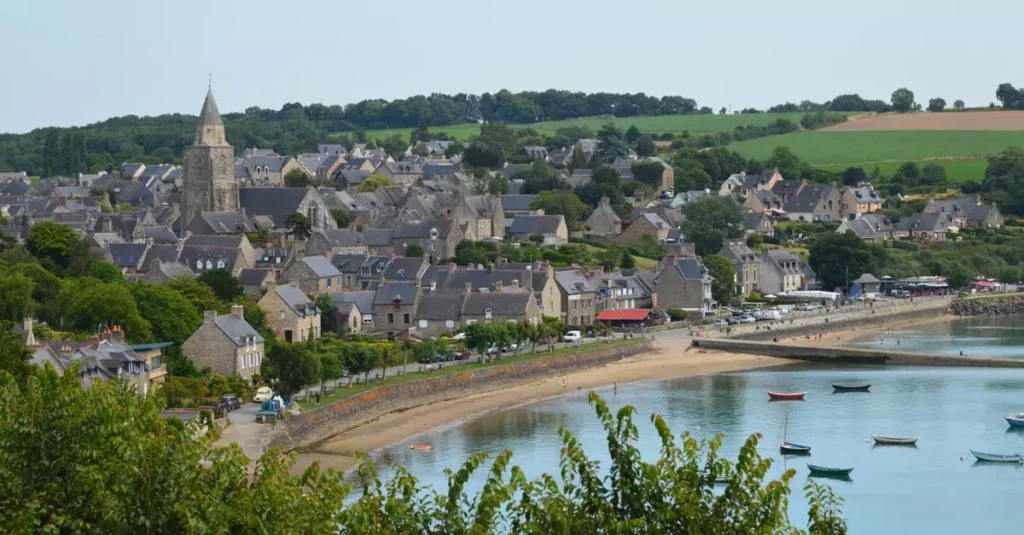
Europe’s best beach villages provide a captivating alternative to bustling resorts, offering a slower pace and a deeper connection to local life. These charming enclaves, characterized by picturesque harbors, whitewashed houses, and stunning natural beauty, present an authentic escape for travelers seeking tranquility and genuine cultural experiences.
In this guide, you’ll discover a curated selection of hidden gems, from sun-drenched Mediterranean shores to rugged Atlantic coastlines. We’ll explore what makes these villages special, detailing their unique appeal, from unspoiled landscapes to vibrant local traditions. Whether you’re dreaming of fresh seafood by the sea, exploring secluded coves, or soaking in the atmosphere of a working fishing port, this article will equip you with the knowledge to plan an unforgettable coastal adventure. Prepare to be enchanted by the understated beauty and welcoming spirit of Europe’s most delightful seaside escapes.
What Makes a European Beach Village Truly Special?
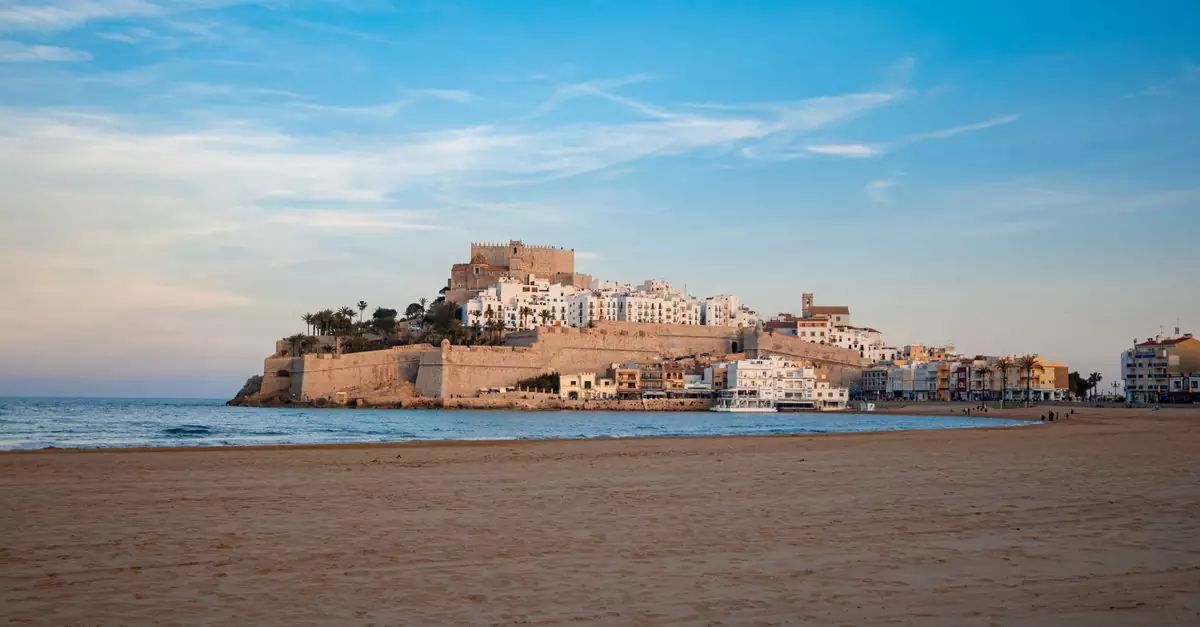
The allure of Europe’s best beach villages lies in their distinct charm, often missing in larger coastal cities. These smaller enclaves foster a more intimate connection with the sea, local life, and a slower pace, allowing for an escape from everyday routines and an opportunity to experience the continent’s diverse coastlines without overwhelming crowds.
The Allure of Unspoiled Coastlines
Many of Europe’s most captivating seaside settlements boast stunning, often rugged, natural beauty. Picture whitewashed houses clinging to hillsides overlooking azure waters or fishing boats bobbing in protected harbors. The appeal is found in the unspoiled scenery—coves accessible only by foot or boat, dramatic cliffs plunging into the sea, and beaches with fine sand or smooth pebbles, often less developed than their resort counterparts. These locations emphasize natural beauty, offering a visual feast that shifts with the light and tides.
For travelers seeking tranquility, these spots provide an antidote to bustling tourist hubs. The soundscape is often dominated by gentle waves, seabird calls, and local conversations, rather than traffic noise or amplified music. This emphasis on the environment is a key factor in what makes these villages memorable.
Authentic Local Culture vs. Tourist Hubs
A significant part of the magic in discovering Europe’s best beach villages is the encounter with genuine local culture. Unlike heavily touristed areas where authenticity can feel manufactured, these smaller communities often retain their traditional character. You might find family-run tavernas serving regional specialties, local artisans selling handmade crafts, or festivals primarily for residents.
The contrast with larger resort towns is stark. While tourist hubs cater to international tastes and feature familiar chain establishments, a true beach village offers a taste of real Europe. Engaging with local culture means observing daily routines, understanding customs, and perhaps attempting a few phrases in the local language. It’s about experiencing a place as it is, not just as a backdrop for vacation.
Consider the difference between a resort town with a manufactured “Old Town” and a village where the historic center is the heart of daily life. The latter provides a richer, more rewarding experience for those who value immersion over convenience. This authenticity is a significant draw for travelers seeking a more meaningful escape.
Finding Your Perfect Pace: Relaxation and Adventure
The best European beach villages offer a unique blend of opportunities for relaxation and gentle adventure. Whether your ideal escape involves lounging on a sun-drenched beach with a good book or embarking on a scenic coastal hike, these locations can accommodate both. Their smaller scale often means amenities and activities are easily accessible, allowing for spontaneous decisions.
For relaxation, imagine waking to the sound of the sea, enjoying a leisurely breakfast with local produce, and spending the day swimming in clear waters or soaking up the sun. For those seeking more activity, options might include kayaking along the coastline, exploring nearby hiking trails with breathtaking views, or visiting historical sites within a short drive.
The key is the ability to set your own rhythm. You can spend a week enjoying the beach and local cuisine or use the village as a base for day trips to surrounding attractions. This flexibility is a hallmark of a truly special beach village experience. For example, a village on the Mediterranean coast might offer different adventure options than one on the Atlantic, influencing the type of traveler it appeals to most.
Top 5 Best European Beach Villages for 2026
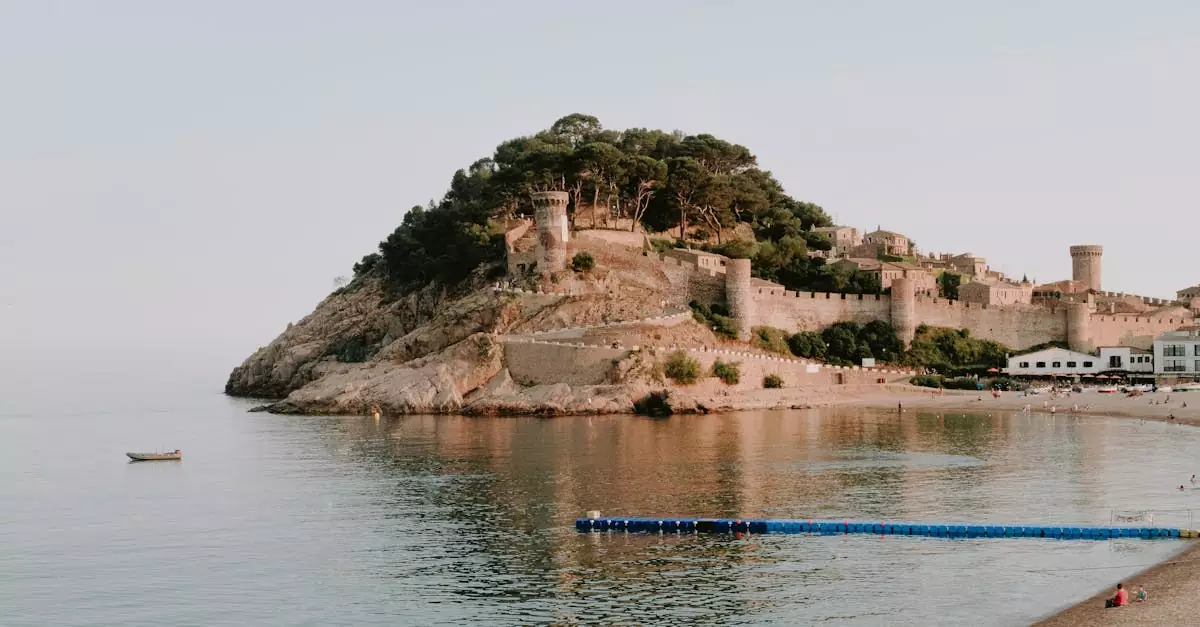
When seeking an escape from bustling cities and crowded resorts, Europe’s charming beach villages offer a more intimate and authentic experience. These hidden gems provide picturesque settings, local culture, and stunning coastlines, ideal for travelers seeking tranquility and natural beauty. Discovering the best European beach villages means finding places where life moves at a slower pace, allowing for genuine connections with the surroundings.
Alvor, Portugal: Algarve’s Charming Fishing Port
Alvor, located in Portugal’s Algarve region, retains the charm of a traditional fishing port while offering beautiful sandy beaches. The village centers around a picturesque harbor where colorful boats bob gently. Its proximity to expansive Alvor beach, backed by sand dunes and limestone cliffs, makes it a favorite for beach lovers.
Visitors can wander narrow, whitewashed streets, discover local seafood restaurants serving the freshest catch, and enjoy the relaxed atmosphere. The nearby Ria de Alvor Nature Reserve provides opportunities for birdwatching and exploring salt marshes. For those seeking a blend of beach life and authentic Portuguese culture, Alvor is a compelling option.
- Getting there: Faro Airport (FAO) is the closest, about a 45-minute drive. Public transport options include buses from larger Algarve towns.
- Best time to visit: Spring (April-May) and Autumn (September-October) offer pleasant weather and fewer crowds than peak summer months.
Sifnos, Greece: Cycladic Serenity and Stunning Shores
Sifnos stands out among the Greek islands for its understated beauty and commitment to preserving its traditional Cycladic character. Unlike some of its more boisterous neighbors, Sifnos offers a peaceful retreat with sophisticated charm. The island is renowned for its pottery heritage, with workshops found in villages like Artemonas and Apollonia, the island’s capital.
The coastline features beautiful beaches, from the organized sands of Platis Gialos to secluded coves accessible by boat or hiking trails. Kamares, the main port village, sits at the foot of a dramatic bay and offers a relaxed introduction to island life. Sifnos is also celebrated for its unique culinary traditions.
- Getting there: Ferries operate from Athens (Piraeus port) and other Cycladic islands. The journey can take 3-5 hours depending on the ferry type.
- Accommodation: Options range from boutique hotels in Apollonia to charming guesthouses and rooms for rent near the beaches.
Cala Figuera, Spain: Mallorca’s Picturesque Fishing Hamlet
Cala Figuera on Mallorca offers a glimpse into a more traditional Mallorcan way of life. This stunning natural harbor features dramatic cliffs and crystal-clear turquoise waters. Unlike many coastal towns, Cala Figuera lacks a large sandy beach directly within the village; instead, visitors can swim from the rocky edges of the harbor or take short trips to nearby coves.
The village is a working fishing port, and its charm lies in watching fishermen mend their nets and bring in their daily catch. The whitewashed houses with blue shutters lining the U-shaped inlet create a postcard-perfect scene. Exploring the pathways around the harbor offers breathtaking views and a sense of stepping back in time.
- Logistics: Renting a car is highly recommended for exploring Cala Figuera and the surrounding areas of Mallorca.
- Nearby beaches: Cala Santanyí and Cala Llombards are within a short drive.
Porto Venere, Italy: Liguria’s Cinque Terre Neighbor
Porto Venere, a UNESCO World Heritage site, is often considered the “sixth town” of the Cinque Terre, though it retains its own distinct identity and a slightly less crowded atmosphere. Situated on the Ligurian coast, this vibrant village features tall, colorful houses lining the harbor, creating a striking panorama. The ancient Doria Castle and the Church of St. Peter, perched dramatically on a rocky promontory, offer stunning views.
The village serves as an excellent base for exploring the Cinque Terre National Park, with ferry services connecting to the famous five villages. Porto Venere boasts charming narrow alleyways, excellent seafood restaurants, and several small coves for swimming. Its strategic position at the entrance to the Gulf of Poets adds to its romantic allure.
- Transportation: Accessible by bus from La Spezia, which has a major train station. Ferries also operate seasonally to the Cinque Terre villages and other coastal towns.
- Budget: As a popular Italian coastal destination, expect moderate to high prices, especially for accommodation and dining during peak season.
Ksamil, Albania: The Ionian Pearl of the Balkans
Ksamil, located on the Albanian Riviera, has rapidly gained recognition for its stunning turquoise waters and small, idyllic islands just offshore. This southern Albanian village offers a budget-friendly alternative to some Mediterranean counterparts, without compromising on natural beauty. The main draw is a collection of three small islands, easily accessible by swimming or renting a small boat.
The beaches in Ksamil feature a mix of sandy and pebbly stretches, many with beach bars and restaurants offering fresh seafood. The clear Ionian Sea is perfect for swimming and snorkeling. Ksamil’s proximity to the ancient ruins of Butrint, another UNESCO World Heritage site, adds a significant historical dimension to any visit.
- Traveler Tip: While Ksamil is becoming more popular, visiting outside of July and August will provide a more relaxed experience and potentially better prices.
- Comparison: Compared to many villages in Greece or Italy, Ksamil offers a significantly lower cost of travel.
Planning Your Visit to Europe’s Coastal Charms
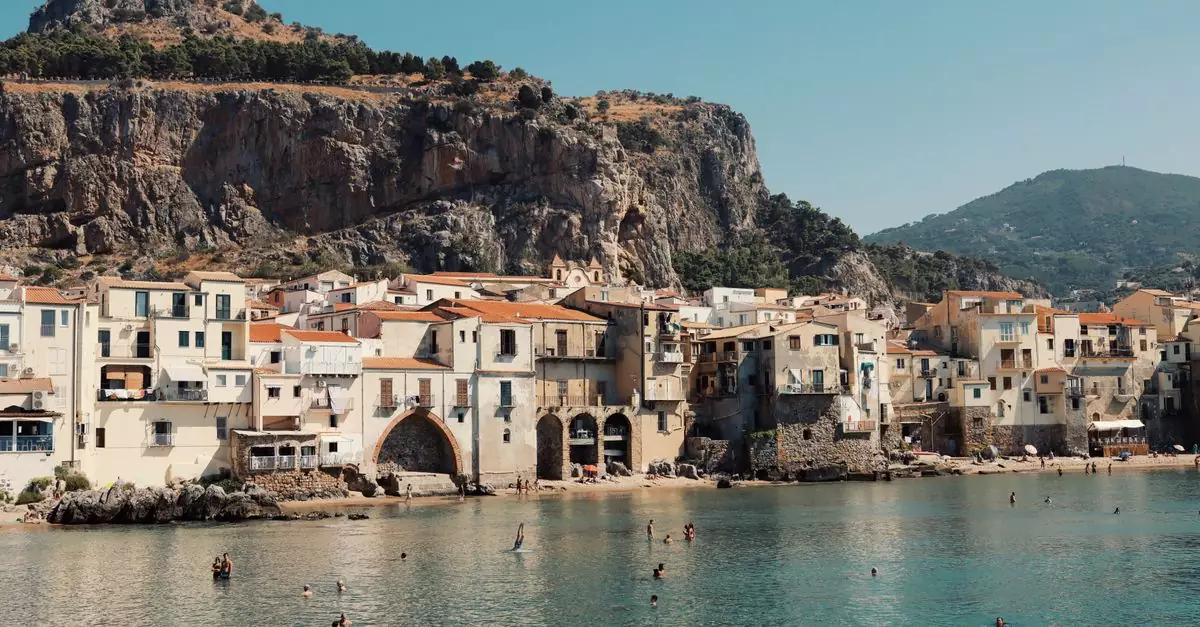
Choosing the right time to visit Europe’s best beach villages depends heavily on your priorities. While the peak summer months of July and August offer the warmest weather and liveliest atmosphere, they also bring the largest crowds and highest prices. For a more relaxed experience, consider visiting in the shoulder seasons: late spring (May to June) or early autumn (September to October). During these periods, you’ll often find pleasant temperatures, fewer tourists, and more affordable accommodations.
Best Time to Visit European Beach Villages (Seasonal Guide)
The Mediterranean coast, from Spain to Greece, generally enjoys a long summer season. May and June are excellent for exploring coastal towns before the intense heat and crowds arrive. September offers warm seas and a more tranquil ambiance, making it a favorite for many seasoned travelers.
The Atlantic coast, including regions of Portugal and France, has a shorter, more distinct summer season. July and August are prime time for sunbathing and water sports, but be prepared for cooler sea temperatures than the Mediterranean. Spring and autumn can be beautiful for scenic drives and village exploration, though beach weather is less reliable.
Consider these seasonal factors when planning your escape:
| Season | Mediterranean Coast | Atlantic Coast | Notes |
|---|---|---|---|
| Spring | Mild, fewer crowds | Cooler, potential rain | Ideal for sightseeing, blooming flora |
| Summer | Hot, busy, lively | Warm, popular, active | Best for swimming and beach activities |
| Autumn | Warm, pleasant, quieter | Mild, fewer crowds | Great for hiking and cultural immersion |
| Winter | Cool, quiet, some rain | Cool, often wet, quiet | Best for budget travel, local life |
Getting There: Flights, Ferries, and Scenic Drives
Reaching your chosen European beach village often involves a combination of travel methods. Major international airports are scattered across the continent, serving as gateways to regional travel. From larger cities, you might connect via budget airlines or opt for more scenic, albeit slower, routes.
For island destinations or coastal regions with limited road access, ferries are a common and often picturesque way to travel. Research ferry schedules in advance, especially during peak season, as popular routes can book up quickly.
If you’re embarking on a road trip, renting a car offers the ultimate flexibility for discovering hidden coves and charming hamlets. Be mindful of varying driving regulations, toll roads, and parking availability in smaller villages, which can be challenging. Consider the environmental impact of your travel choices and explore options like train travel, which can be an efficient and enjoyable way to see more of Europe.
Navigating Between Villages: Local Transport Options
Once you’ve arrived in a region, getting between beach villages requires local knowledge. In many popular areas, public buses connect coastal towns, offering an economical way to travel. However, routes can be infrequent, especially outside summer, and may not reach the most secluded spots.
Local trains are another excellent option for coastal travel, particularly along well-developed coastlines like parts of Spain, Italy, and France. They provide reliable service and often offer scenic views. For instance, the Cinque Terre in Italy is best navigated by train, with frequent services linking its five iconic villages.
Renting a scooter or bicycle can be ideal for exploring smaller areas or for day trips from a base village. This allows for a sense of freedom and the opportunity to stop at viewpoints or smaller beaches at your own pace. Always check local regulations regarding licenses and insurance for these smaller vehicles. For the most remote villages, a rental car might be unavoidable, but always weigh this against the convenience and charm of public transport.
Immersive Experiences: What to Do in These Beach Villages
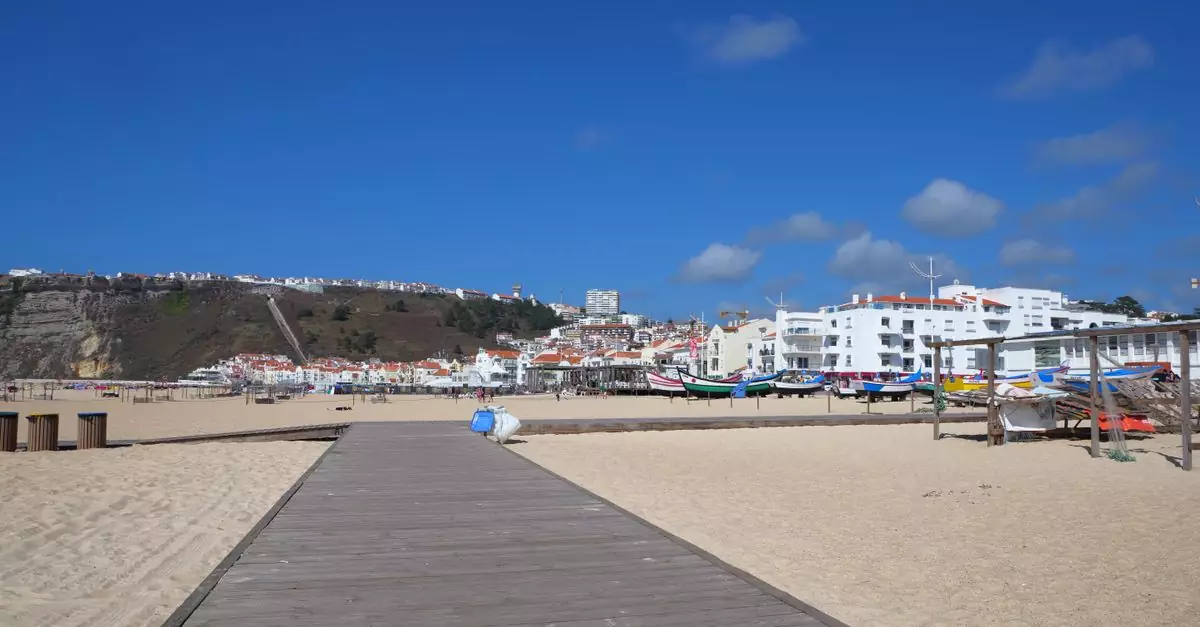
Beyond the sun-drenched shores, Europe’s best beach villages offer a rich tapestry of activities that connect you with local life and stunning natural beauty. These charming settlements are gateways to authentic experiences, from savoring regional flavors to uncovering hidden natural wonders.
Seafood Feasts: Must-Try Local Delicacies
The culinary scene in these coastal havens often revolves around the freshest catch. Expect simple yet exquisite preparations that highlight the natural flavors of the sea. In Portugal’s Algarve, for instance, grilled sardines seasoned with sea salt are a summer staple, best enjoyed with a crisp Vinho Verde.
Along the Amalfi Coast in Italy, spaghetti alle vongole (spaghetti with clams) is a classic, often made with tiny, sweet local clams. In Greece, psarosoupa (fish soup) varies by island but typically features a hearty broth with a variety of fresh fish. Don’t shy away from local tavernas or small family-run restaurants; they often serve the most authentic and delicious seafood.
Exploring Hidden Coves and Secluded Beaches
Many of these villages serve as starting points for discovering coastlines dotted with secret coves and less-trafficked beaches. Renting a small boat or joining a local tour is an excellent way to access these hidden gems. In Croatia, the islands of the Dalmatian Coast boast countless secluded bays accessible only by sea, perfect for a day of swimming and sunbathing in privacy.
Consider a kayak adventure to paddle into sea caves and discover tiny stretches of sand inaccessible by foot. For instance, the coastline around Cassis in France, near Calanques National Park, offers breathtaking opportunities for sea kayaking and swimming in crystal-clear waters. Always check local conditions and safety advice before venturing out, especially if traveling independently.
| Region | Notable Cove/Beach Access Method | Best Time to Visit for Calm Seas |
|---|---|---|
| Algarve, Portugal | Boat rental, coastal hikes | Late Spring, Early Autumn |
| Amalfi Coast, Italy | Boat tours, scenic drives | May, September |
| Dalmatian Coast, Croatia | Kayak, small boat rental | June, July, August |
Cultural Encounters: Festivals and Local Traditions
To truly appreciate these European beach villages, engage with their local culture. Many host vibrant festivals throughout the year, often tied to religious holidays, fishing seasons, or local patron saints. Participating in these events offers a unique glimpse into the community’s spirit and traditions.
In Spain, coastal towns often celebrate fiestas with music, dancing, and fireworks, especially during summer. The small fishing villages of Brittany in France might have fêtes dedicated to seafood, featuring local music and traditional costumes. Look for local tourist information centers or village notice boards to find out about upcoming events during your visit. These gatherings provide a fantastic opportunity to experience genuine local hospitality and perhaps even learn a few words of the local language.
Where to Stay: Accommodation in Charming Coastal Settings
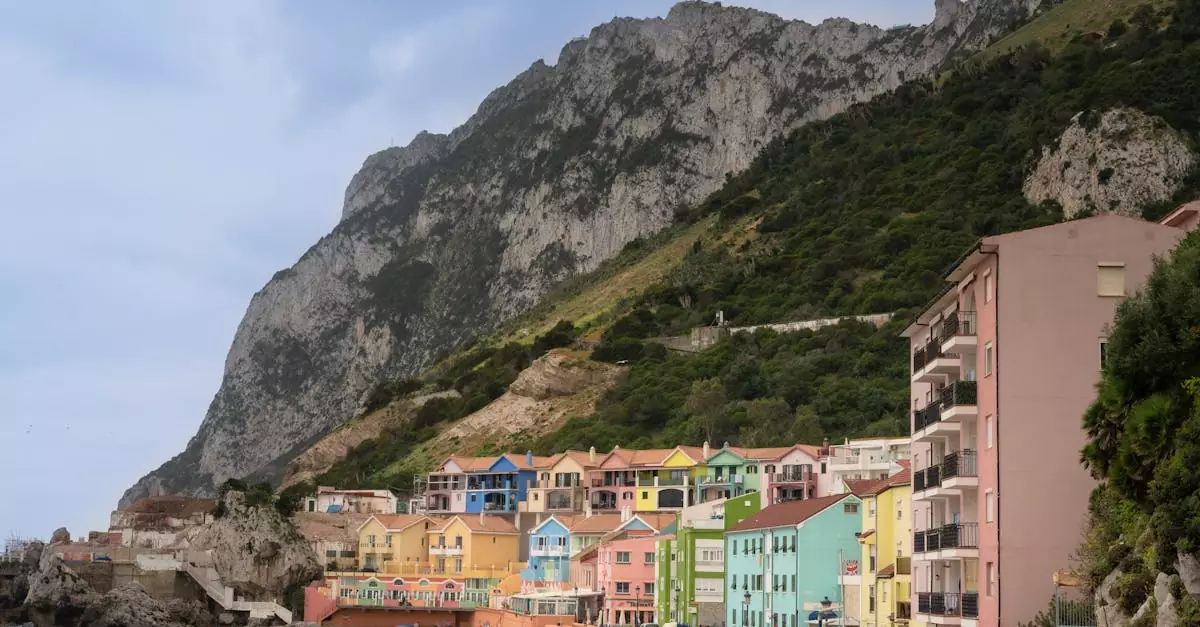
Finding the right place to stay is key to experiencing the magic of Europe’s best beach villages. Whether you’re seeking a luxurious oceanfront suite or a simple room with a sea breeze, options abound to suit every traveler’s needs and budget. The intimate scale of these villages often means accommodations are deeply integrated into the local fabric, offering authentic experiences.
Boutique Hotels with Ocean Views
Many of these charming coastal locales boast intimate boutique hotels that place you right on the water’s edge. These properties often feature unique architectural styles reflecting local heritage, with rooms designed to maximize sea views. Expect personalized service, often from owners passionate about their village and eager to share insider tips. Many offer private balconies or terraces, allowing you to savor your morning coffee or evening wine while listening to the waves. Booking well in advance is recommended, especially for properties with prime beachfront locations during peak season.
Cozy Guesthouses and Family-Run Inns
For a truly immersive experience, consider staying in a guesthouse or family-run inn. These establishments typically offer a warm, welcoming atmosphere and a chance to connect with local culture. Rooms might be simpler than in larger hotels but are often filled with character and personal touches. Breakfast, usually prepared by the hosts, can be a highlight, featuring regional specialties. This type of lodging is often more budget-friendly and provides a glimpse into daily life in these seaside communities. It’s a great way to support local businesses and enjoy a more authentic stay.
Budget-Friendly Stays Near the Sea
Travelers on a tighter budget can still find delightful places to stay near the coast. Look for smaller inns or rooms for rent located a short walk from the beach. These might be situated on the outskirts of the main village or on higher ground with partial sea views. Some offer self-catering facilities, further reducing costs by allowing you to prepare some of your own meals. Hostels, while less common in very small villages, can sometimes be found in larger coastal towns that serve as gateways to more remote areas. Always check reviews for cleanliness and proximity to amenities.
Frequently Asked Questions About European Beach Villages
Are these villages suitable for families?
Many of Europe’s charming beach villages offer a tranquil and safe environment for families. Look for destinations with calm, shallow waters, family-friendly accommodations, and local amenities like playgrounds or ice cream shops. Villages in countries like Portugal, Greece, and Croatia often cater well to younger travelers, providing a more relaxed pace than larger resort towns.
What should I pack for a beach village trip?
Packing for a European beach village escape involves essentials for sun, sea, and exploration. Consider lightweight, breathable clothing, swimwear, a wide-brimmed hat, and high SPF sunscreen. Comfortable walking shoes are crucial for navigating cobblestone streets. Don’t forget a reusable water bottle and a small backpack for day trips.
Here’s a quick packing checklist:
- Clothing: Light dresses, shorts, t-shirts, a light jacket for evenings.
- Footwear: Sandals, comfortable walking shoes, flip-flops.
- Beach Gear: Swimsuit, beach towel, sunglasses, sunhat.
- Toiletries: Sunscreen, after-sun lotion, insect repellent.
- Documents: Passport, travel insurance, local currency.
- Electronics: Phone, charger, portable power bank.
How can I experience these villages like a local?
To truly immerse yourself in the local culture of these seaside hamlets, prioritize slow travel and engage with the community. Visit local markets early in the morning to see where residents shop for fresh produce. Try small, family-run tavernas or bistros instead of larger tourist restaurants. Learning a few basic phrases in the local language can significantly enhance your interactions.
Consider renting a bicycle to explore the surrounding coastline and discover hidden coves away from the main tourist paths. Staying in a small guesthouse or apartment rental, rather than a large hotel, often provides a more authentic living experience. Participating in local festivals or events, if your timing aligns, offers a unique window into village life.