Beyond the grand facades of Europe’s most renowned museums, countless smaller institutions hold unique stories and collections waiting to be discovered. For those seeking a more intimate cultural experience away from the usual crowds, exploring these hidden gems fosters a profound connection to history, art, and local heritage. This guide delves into some of the best European hidden museums, illustrating how venturing off the beaten path can lead to memorable discoveries. You’ll encounter fascinating niche collections, from historical pharmacies and secret churches to artist studios and whimsical fairground museums, along with practical tips for planning your visits to these often-overlooked treasures. Prepare to uncover a different side of Europe, one quiet gallery and specialized exhibit at a time.
Unveiling Europe’s Best Hidden Museums: A Curated Selection
Why Seek Out Lesser-Known European Museums?
While iconic institutions like the Louvre Museum in Paris and the British Museum in London attract millions, Europe’s true cultural richness often lies along less-trodden paths. Smaller, specialized museums provide a more intimate and profound connection with history, art, and specific cultural narratives. These institutions offer a welcome respite from the crowds, allowing for deeper engagement with exhibits and a more personal exploration of European heritage.
The Allure of Unique Collections Beyond the Louvre and British Museum
The vastness of major museums can be overwhelming, sometimes diminishing the impact of individual artifacts. In contrast, hidden gems excel at focusing on niche subjects with remarkable depth. Imagine a museum dedicated solely to antique typewriters, a collection showcasing the history of espionage, or an exhibition detailing the evolution of a single craft. These specialized collections present a unique lens through which to view European history and innovation, revealing stories that might otherwise be lost in the broader sweep of art history. They provide context and detail that larger institutions cannot replicate.
Identifying Truly ‘Hidden Gem’ Museums in European Cities
Discovering these treasures requires a shift in perspective from the typical tourist trail. Instead of following the masses, consider your specific interests. Are you captivated by maritime history, the evolution of scientific instruments, or a particular artistic movement? Many European cities boast specialized museums that cater to these passions, often housed in historic buildings that add charm to your visit.
To find these places, look beyond the top ten lists. Explore local tourism websites, consult niche travel blogs, or ask locals for their favorite quiet cultural spots. Sometimes the most rewarding finds are tucked away on side streets or within unassuming buildings. For instance, a city might have a remarkable collection of musical instruments predating its major art galleries, or a small town could be home to an extensive archive of local folklore.
When planning your visit, keep in mind that hours may be more limited at smaller museums compared to larger counterparts. It’s wise to check opening times and days in advance, as some may only be open a few days a week or by appointment. Transportation might also require a bit more planning, as these museums are often not located directly on major public transit lines, though they can be more accessible by foot or a short taxi ride from a central point.
| City | Museum Type Example | Potential Cost (EUR) | Best For |
|---|---|---|---|
| Amsterdam | Houseboat Museum | 5-10 | Unique city history, maritime enthusiasts |
| Berlin | German Spy Museum | 8-12 | Cold War history, intrigue |
| Budapest | Hospital in the Rock | 10-15 | Wartime history, unique underground site |
| Lisbon | Fado Museum | 5-8 | Portuguese music and culture |
| Prague | Museum of Communism | 7-10 | 20th-century Czech history |
Exploring Niche Museums in Paris Beyond the Louvre
While Paris is synonymous with world-class institutions like the Louvre, the city also harbors a treasure trove of smaller, specialized museums that provide deeply personal and often surprising encounters with art, history, and culture. These less-crowded gems offer a more intimate experience, allowing visitors to connect with specific themes and creators without the overwhelming scale of larger museums. For travelers seeking the best European hidden museums, Paris presents a remarkable array of unique collections tucked away in its charming arrondissements.
Musée de la Chasse et de la Nature: Art and Animals in the Marais
Nestled in a stunning Hôtel Particulier in the Marais district, the Musée de la Chasse et de la Nature (Museum of Hunting and Nature) is a delightful surprise. Established by French naturalist and collector François Sommer, this museum explores the complex relationship between humanity and the animal kingdom through a sophisticated blend of fine art, decorative arts, and taxidermy. You’ll find exquisite pieces by artists like Oudry and Desportes alongside contemporary installations, all curated to transform taxidermied animals into compelling subjects. The juxtaposition of opulent interiors with natural history elements creates a truly unique atmosphere.
Getting there is straightforward, with the closest Métro stations being Rambuteau or Hôtel de Ville. The museum is best appreciated at a leisurely pace, so allow at least two hours to soak in the details. It’s a wonderful antidote to the bustling crowds elsewhere in Paris, offering a moment of quiet contemplation.
Musée Gustave Moreau: A Symbolist Artist’s Haunting Studio
For lovers of Symbolist art, the Musée Gustave Moreau is a must-visit. Housed in the former home and studio of the artist himself, this museum preserves his living quarters and, most importantly, his vast collection of works. Moreau’s studio, with its towering stacks of canvases and iconic spiral staircase, feels like stepping back in time. The museum showcases his mythological and religious paintings, characterized by dreamlike, often unsettling imagery and vibrant colors. It offers unparalleled insight into the creative process and personal world of a pivotal figure in late 19th-century art.
Located in the 9th arrondissement, the museum is easily accessible via Métro lines 12 (Trinité – d’Estienne d’Orves) or 7 (Chaussée d’Antin – La Fayette). Visiting this museum provides a deeply personal connection to the artist, allowing you to see his work within the spaces where he lived and created. It’s a profound experience for anyone interested in the Symbolist movement or the lives of artists.
Musée des Arts Forains: A Magical Fairground Museum
The Musée des Arts Forains (Museum of Fairground Arts) offers an enchanting and interactive experience, unlike any other museum in Paris. Located in the Bercy district, this private museum is dedicated to the history of fairgrounds and amusement parks from the Belle Époque to the mid-20th century. Visitors can ride antique carousels, play vintage games, and marvel at an incredible collection of fairground objects, all set within spectacular, elaborately decorated halls. It’s a whimsical journey that appeals to all ages, providing a vibrant escape.
Access is typically via guided tour only, so booking in advance is essential. The closest Métro station is Cour Saint-Émilion. The interactive nature of this museum makes it a standout among hidden gems, offering not just visual enjoyment but active participation. It’s a place where the spirit of play and nostalgia comes alive, making it one of the best European hidden museums for a memorable day out.
Uncovering Amsterdam’s Quirky and Underrated Collections
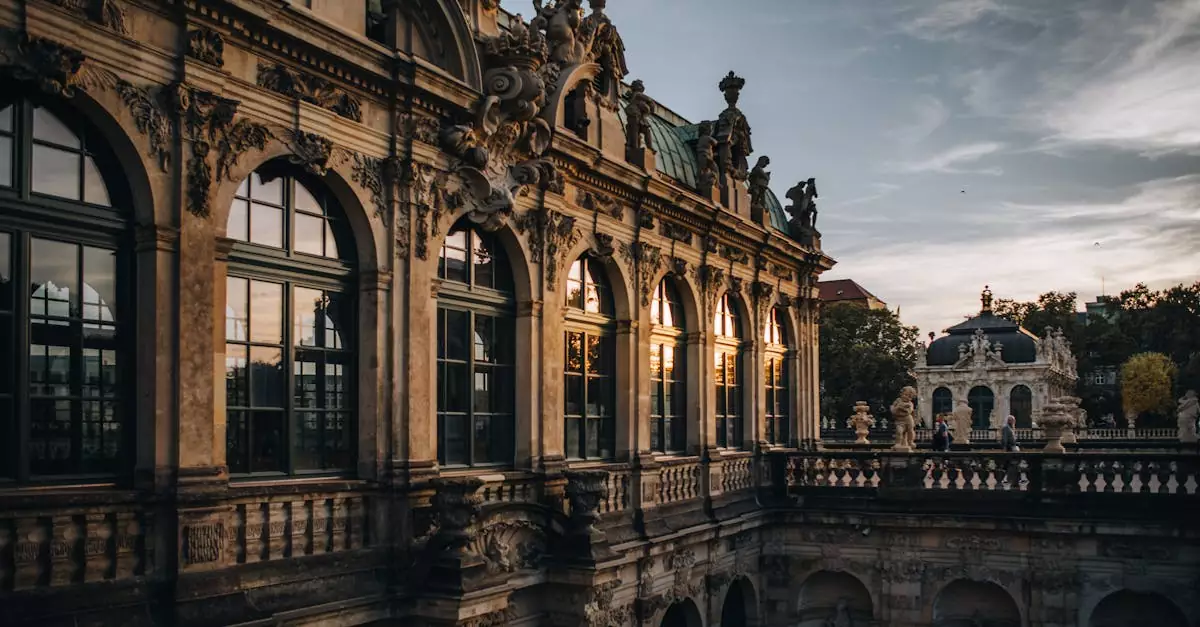
Amsterdam, celebrated for its iconic canals and world-class institutions like the Rijksmuseum and Anne Frank House, also harbors a wealth of smaller, specialized museums. For travelers seeking the best European hidden museums, the Dutch capital offers a delightful array of unique collections that provide a more intimate and often surprising cultural experience. These off-the-beaten-path gems reveal fascinating aspects of history, art, and everyday life, proving that sometimes the most memorable discoveries are found just beyond the main tourist trails.
Museum of Bags and Purses: A Fashion History Showcase
The Museum of Bags and Purses (Tassenmuseum Hendrikje) presents a captivating journey through centuries of fashion and social history, all viewed through the lens of handbags. Housed in a beautiful 17th-century canal house, this museum showcases an impressive collection from the late Middle Ages to contemporary designs. Visitors can admire everything from ornate medieval pouches to elegant 1920s clutch bags and iconic modern designer pieces.
The exhibits highlight how bags have served not only as practical accessories but also as status symbols and reflections of changing societal roles, particularly for women. The museum’s intimate setting allows for close examination of craftsmanship and detail. It’s an engaging visit, even for those not typically interested in fashion.
- Location: Herengracht 573, 1017 Amsterdam
- Getting There: Easily accessible by tram from Amsterdam Centraal Station. Several tram lines stop nearby.
- Admission: Moderate fee, with discounts available for students and seniors.
The Cat Cabinet (KattenKabinet): A Feline Art Tribute
For art lovers with a soft spot for cats, The Cat Cabinet offers a truly unique experience. This singular museum is dedicated entirely to art featuring cats, with works by renowned artists such as Picasso, Rembrandt, Toulouse-Lautrec, and Andy Warhol. The collection includes paintings, drawings, sculptures, and posters, all united by their whiskered subjects.
Located in a charming canal house, the museum provides a whimsical look at humanity’s long-standing fascination with cats. It’s a small but delightful diversion, offering a peaceful atmosphere. The intimate scale means you can absorb the collection without feeling overwhelmed, making it a perfect short visit.
- Location: Herengracht 497, 1017 BS Amsterdam
- Best Time to Visit: Weekday mornings to avoid crowds.
- Budget Consideration: Entry fee is relatively low, making it an affordable addition to a day of sightseeing.
Museum Ons’ Lieve Heer op Solder: A Secret Catholic Church
Step back in time at Museum Ons’ Lieve Heer op Solder (Our Lord in the Attic), a remarkably preserved clandestine Catholic church from the 17th century. During a period when Catholicism was suppressed in the Netherlands, devout Catholics worshipped in secret, and this attic space served as a fully functioning church. The museum offers a fascinating glimpse into the religious history and social conditions of Amsterdam centuries ago.
Beyond the attic church itself, the museum comprises the original merchant house, furnished with period pieces that illustrate the life of a well-to-do Amsterdam family of that era. Guided tours are highly recommended, as they bring the history of the house and its hidden chapel to life, explaining the ingenuity and risks involved in maintaining such a secret sanctuary. It’s a poignant reminder of religious tolerance and historical resilience.
- Location: Oudezijds Voorburgwal 38-40, 1012 GE Amsterdam
- Logistics: Tours are offered regularly, but booking in advance is advisable, especially during peak season.
- Cultural Insight: Understanding the historical context of religious suppression enhances appreciation of this hidden gem.
Beyond the Uffizi: Florence’s Secret Museums and Galleries
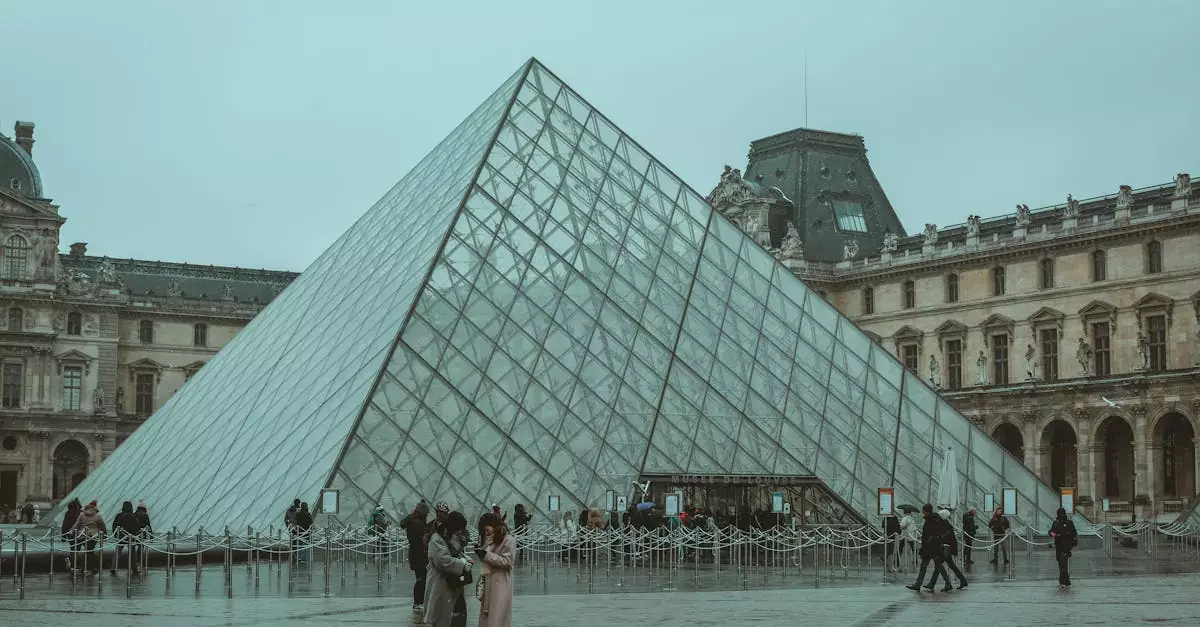
While Florence is famous for its Renaissance masterpieces housed in the Uffizi Gallery and the Accademia, the city offers a wealth of lesser-known museums that provide deeper insights into its rich history and culture. Venturing beyond the main tourist trails reveals unique collections and intimate experiences, often with fewer crowds and a more personal connection to the past. These hidden gems offer a different perspective on Florentine life, from medieval domesticity to artisanal traditions.
Museo di Palazzo Davanzati: A Glimpse into Medieval Florentine Life
For an immersive journey into the past, the Museo di Palazzo Davanzati offers an unparalleled look at a wealthy Florentine merchant family’s home from the 14th century. Unlike many museums that display art in sterile galleries, Palazzo Davanzati retains its original structure, allowing visitors to walk through rooms as they were once used. You can see the frescoed walls, kitchens with their hearths, and bedrooms, providing a vivid sense of daily life during the late Middle Ages.
The museum is particularly noteworthy for its well-preserved frescoes, depicting scenes of daily life, hunting, and allegorical subjects. It’s a rare opportunity to understand the domestic arrangements, social customs, and artistic tastes of a prosperous medieval household. The intimate scale means you can often examine details up close without the jostling found at larger institutions.
- Logistics: Palazzo Davanzati is centrally located, a short walk from the Duomo. Tickets can often be purchased on-site, but checking their official website for opening hours and any booking requirements is advisable. It’s a manageable visit, taking about an hour to fully appreciate.
Officina Profumo-Farmaceutica di Santa Maria Novella: A Historic Pharmacy Museum
Step back in time at the Officina Profumo-Farmaceutica di Santa Maria Novella, one of the world’s oldest pharmacies. Founded by Dominican friars in the 13th century, this establishment has been producing perfumes, skincare, and medicinal remedies for centuries using traditional methods. The museum section showcases antique apothecary equipment, ancient recipes, and displays illustrating the pharmacy’s history and its famous products.
Beyond its historical significance, the Officina still operates as a functioning shop, allowing visitors to purchase exquisite, handcrafted items. The opulent interiors, adorned with frescoes and antique furniture, create an atmosphere of timeless elegance. It’s a sensory experience, combining visual history with the evocative scents of its renowned fragrances.
- Budget Insight: While not a traditional museum with an admission fee, the experience is free to enter and browse. Products purchased here are premium, reflecting their artisanal quality and historical heritage.
The Bardini Museum: Sculpture and Views Overlooking the Arno
Perched on a hill overlooking the Arno River, the Museo Stefano Bardini showcases the passion of a renowned 19th-century antiquarian. Stefano Bardini collected an eclectic array of art and artifacts, from Renaissance furniture and sculptures to musical instruments and armor. The museum, housed in his former palazzo, displays this collection in a somewhat theatrical yet charming manner that reflects Bardini’s aesthetic.
The highlight for many is not just the diverse collection but the breathtaking panoramic views of Florence from the museum’s terraces and gardens. After exploring the rooms filled with treasures, take time to wander through the Bardini Garden, especially beautiful in spring with its wisteria and irises. It offers a different, more expansive perspective on the city than the views from within the historic center.
- Timing: The museum and garden are best enjoyed on a clear day. Consider visiting in the late afternoon to catch the golden hour light over Florence. The museum is less crowded than major galleries, making for a more relaxed visit.
What Are the Best Times to Visit Europe’s Hidden Museums?
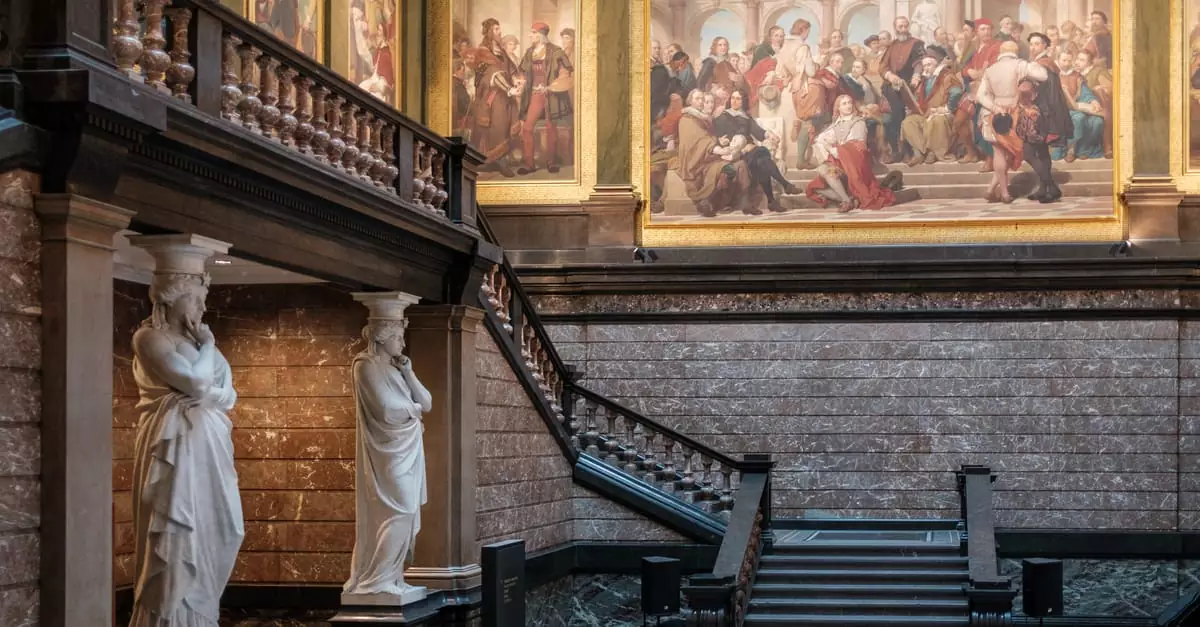
Navigating Seasonal Crowds for a More Intimate Experience
When planning a visit to Europe’s best hidden museums, timing is crucial for a more authentic experience. The shoulder seasons—spring (April to May) and autumn (September to October)—are ideal. During these months, you’ll encounter fewer tourists than in peak summer, allowing for a more relaxed and personal interaction with the collections. This is especially true for smaller towns and less famous cities across Europe, where major attractions still draw crowds, but niche museums remain delightfully tranquil.
Consider visiting on weekdays rather than weekends. Many locals also visit museums on Saturdays and Sundays, so a Tuesday or Wednesday visit can significantly reduce your exposure to crowds, even during busier periods.
Considering Museum-Specific Opening Hours and Days
Unlike major institutions that often have extended hours and open seven days a week, many smaller, hidden museums operate on limited schedules. It’s essential to research the specific opening days and times for each museum you plan to visit well in advance. Some might be closed on Mondays, while others could have reduced hours on weekends or be entirely closed during certain off-peak months.
Always check the official website or contact the museum directly before your visit. This foresight will prevent disappointment and help you build a realistic itinerary. For instance, a charming folk art museum in a rural European village might only open its doors for a few hours on a Wednesday and Saturday.
Best Months for Fewer Tourists in Off-the-Beaten-Path European Destinations
The best months to experience Europe’s hidden museums without the throngs are typically April, May, September, and October. These periods avoid the summer holidays when families and a larger international tourist contingent descend upon the continent.
- Spring (April-May): Wildflowers bloom, and the weather is generally pleasant for travel. Cities are vibrant, but the crowds are more manageable than in July and August.
- Autumn (September-October): The fall foliage adds a beautiful backdrop to many destinations. The weather remains mild, and the post-summer lull makes for a more serene museum-going experience.
Winter can also offer very low crowd levels, but some smaller museums might close entirely or have severely limited hours. Additionally, travel to certain regions can be hampered by weather. Therefore, focusing on the spring and autumn shoulder seasons often provides the best balance of good weather and minimal crowds for discovering these unique collections.
Planning Your Visit to Europe’s Best Hidden Museums: FAQs
Navigating the world of Europe’s lesser-known cultural gems requires a bit of foresight. This section addresses common questions to help you make the most of your journey to these unique collections.
How do I find transportation to these smaller museums?
Reaching hidden museums often involves a blend of public transit and local exploration. Many are accessible via regional train lines or intercity buses, especially those located in smaller towns outside major capitals. Once you arrive in the vicinity, local bus routes or a short taxi ride might be necessary. For those venturing into more remote areas, renting a car offers the most flexibility, allowing you to reach secluded locations at your own pace. Always check the museum’s official website for the most current transportation advice and consider using journey planners like Rome2rio to map out your route across Europe.
What is the average cost of admission for hidden European museums?
Admission fees for these off-the-beaten-path institutions are typically more affordable than their large, world-renowned counterparts. You can expect to pay anywhere from €5 to €15 for an adult ticket. Some smaller, community-run museums may even offer free entry, relying on donations. It’s wise to check each museum’s website in advance for specific pricing, as well as potential discounts for students, seniors, or families. Many also offer special exhibition surcharges, so factor that into your budget if you’re interested.
Are these museums suitable for solo travelers or families?
Hidden museums can be wonderfully suited for both solo adventurers and families, though the experience may differ. Solo travelers often appreciate the quiet atmosphere, allowing for deep engagement with the exhibits without crowds. Families might find that the more intimate scale of these museums keeps children engaged for longer periods. However, it’s essential to research each museum’s content and accessibility. Some niche collections might be too specialized or lack the interactive elements that typically appeal to younger audiences. Always check for stroller accessibility or child-friendly resources if traveling with children.
What are some common tourist mistakes to avoid when visiting niche museums?
A frequent misstep is assuming these museums operate with the same hours or staffing as major institutions. Always verify opening times, as many have limited hours or are closed on specific weekdays. Another common error is underestimating the time needed; while smaller, these museums often reward slow, deliberate viewing. Tourists also sometimes overlook the unique stories behind these collections, missing out on the rich context provided by local guides or available audio tours. Finally, be mindful of photography policies, which can be stricter in smaller, more fragile collections. Respecting these guidelines ensures a better experience for everyone.