Planning the best Italy itineraries can feel overwhelming with so many incredible regions and experiences to choose from. Whether you dream of ancient ruins, Renaissance art, rolling vineyards, or sun-drenched coastlines, Italy offers a journey for every traveler. This guide will help you craft your perfect trip, whether you have a week or a month. You’ll discover how to navigate iconic cities like Rome, Florence, and Venice efficiently, while also incorporating charming Tuscan hill towns, the dramatic Amalfi Coast, or the picturesque Cinque Terre. We’ll explore the best times to visit for ideal weather and fewer crowds, alongside practical tips on transportation and savoring regional culinary delights. Prepare to design an Italian adventure that perfectly suits your travel style.
Designing Your Perfect 10-Day Italy Itinerary: Rome, Florence, and Venice
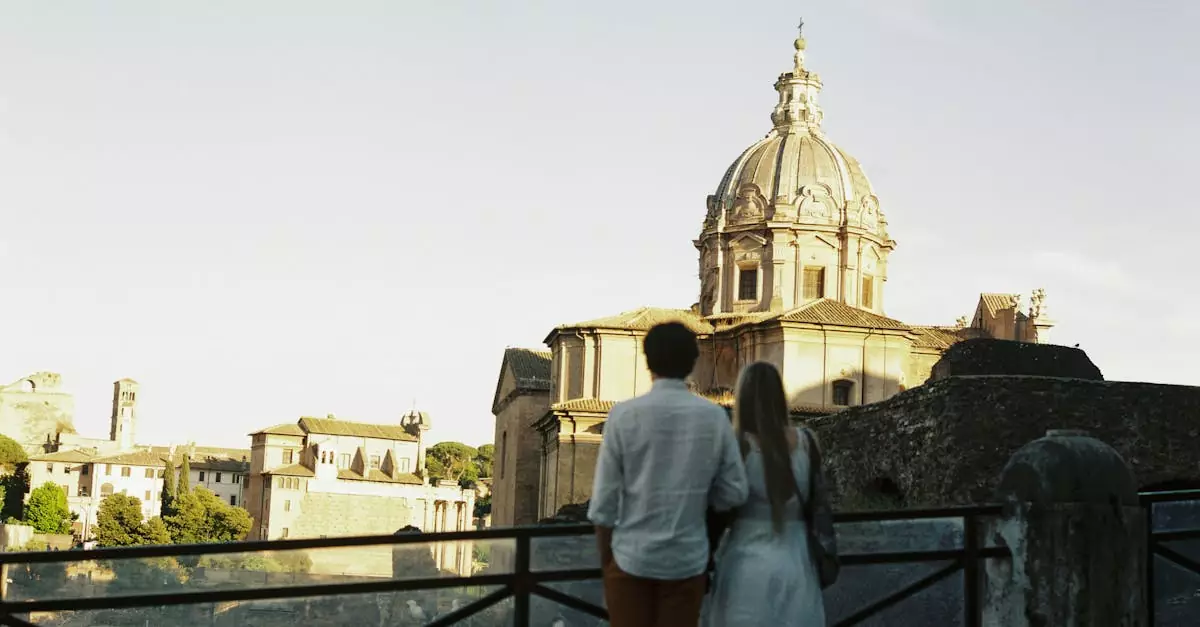
A classic 10-day trip to Italy often centers on the “big three”: Rome, Florence, and Venice. This combination offers a rich tapestry of ancient history, Renaissance art, and unique canal cityscapes. Planning this route efficiently ensures you maximize your time and experience the essence of each location without feeling rushed. This itinerary balances iconic sights with opportunities to soak in the local atmosphere.
The most efficient way to travel between these cities is by high-speed train. Trenitalia and Italo are the primary operators, providing comfortable and quick journeys. Booking tickets in advance, especially for peak travel times, can secure better prices and ensure availability. Consider purchasing a rail pass if you plan extensive train travel within Italy, though for just these three cities, individual tickets are usually more cost-effective.
Rome: Ancient Wonders & Vatican City in 3 Days
Three days in Rome is a whirlwind introduction to its monumental history. Focus on the Colosseum, Roman Forum, and Palatine Hill on day one, immersing yourself in the grandeur of the ancient empire. Booking a guided tour can significantly enhance your understanding of these sprawling ruins and help you navigate the crowds.
Day two is dedicated to Vatican City. Visit St. Peter’s Basilica, marvel at Michelangelo’s Sistine Chapel in the Vatican Museums, and explore St. Peter’s Square. Remember to dress respectfully, covering shoulders and knees, for entry into religious sites. Consider booking Vatican tickets online well in advance to avoid long queues.
Your final day in Rome can be spent tossing a coin into the Trevi Fountain, admiring the Pantheon, and wandering through the charming streets of Trastevere. Enjoying authentic Roman pasta dishes like Cacio e Pepe or Carbonara is a must. For convenient accommodation, look for hotels or apartments near the historic center or in the Monti district, providing easy access to major attractions.
Florence: Renaissance Art & Tuscan Charm in 3 Days
Transitioning to Florence, your focus shifts to the cradle of the Renaissance. Three days allow you to appreciate its artistic masterpieces and elegant architecture. Begin with a visit to the Uffizi Gallery, home to Botticelli’s “Birth of Venus” and Leonardo da Vinci’s works. Pre-booking tickets here is essential.
Day two should include climbing to the top of Brunelleschi’s Dome at the Florence Cathedral (Duomo) for breathtaking panoramic views of the city. Afterward, explore the Accademia Gallery to see Michelangelo’s David. Walking across the Ponte Vecchio, with its shops built along the bridge, is another iconic Florentine experience.
Your third day can be dedicated to exploring the Oltrarno district, known for its artisan workshops, or taking a short trip to the Piazzale Michelangelo for another stunning city vista, especially at sunset. Tuscan cuisine, with its emphasis on simple, high-quality ingredients, is a highlight; try the Bistecca alla Fiorentina and local Chianti wines. Staying near the Duomo or in the Santa Croce area provides central access.
Venice: Canals, Gondolas & St. Mark’s Square in 4 Days
Four days in Venice offers a more relaxed pace to absorb its unique atmosphere. Start by getting lost in its labyrinthine alleys and crossing its countless bridges. A gondola ride is a quintessential Venetian experience, providing a different perspective of the city’s intricate waterways.
Day two is for St. Mark’s Square. Visit the magnificent St. Mark’s Basilica, ascend the Campanile for aerial views, and explore the Doge’s Palace, the former seat of Venetian power. Remember that Venice can be very crowded, especially around St. Mark’s, so early mornings or late afternoons are often best.
Spend your third day visiting the islands of Murano, famous for its glass-blowing, and Burano, known for its brightly colored houses. These excursions provide a delightful contrast to the main island’s grandeur. On your final day, consider visiting the Rialto Market and Bridge, and perhaps a lesser-known museum like the Peggy Guggenheim Collection for modern art. Accommodation in Venice ranges from grand hotels to charming B&Bs, with areas like San Marco being central but pricier, while Cannaregio or Dorsoduro offer more local vibes.
Beyond the Big Three: Essential Italy Itineraries for Every Traveler
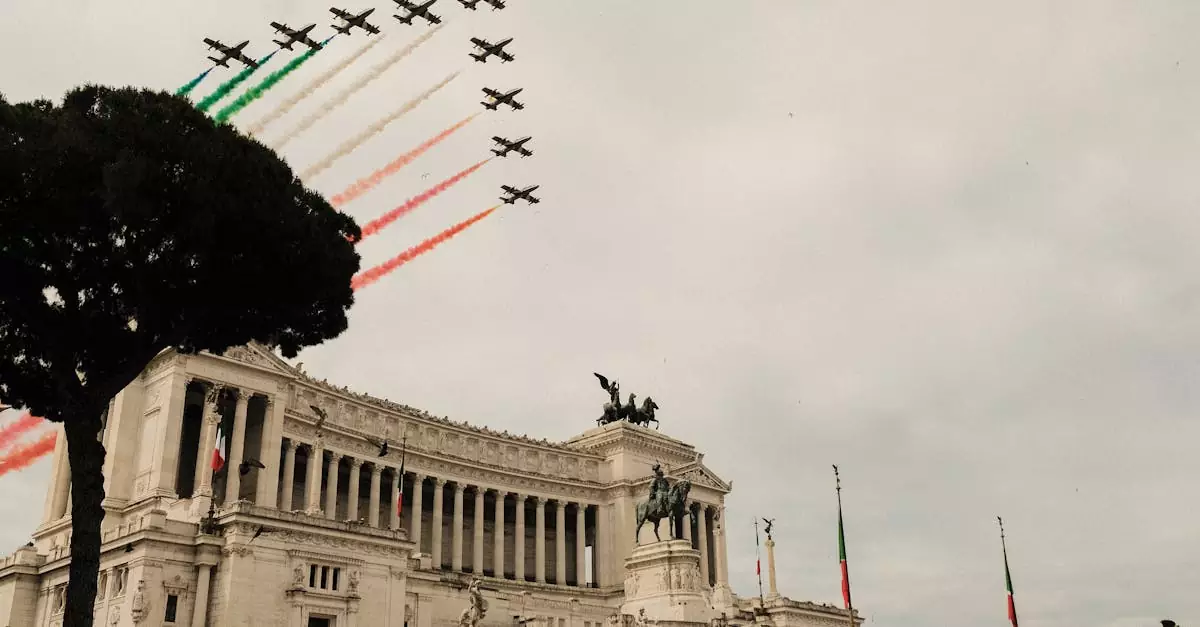
While Rome, Florence, and Venice form the classic Italian pilgrimage, expanding your itinerary unlocks deeper experiences. For a two-week trip, incorporating one or two additional regions provides a richer understanding of Italy’s diverse landscapes and cultures. These additions can transform a whirlwind tour into a more immersive adventure, balancing iconic sights with authentic local charm. Consider how much time you want to dedicate to each location when planning your journey.
Adding the Amalfi Coast: Positano, Amalfi, and Ravello
The Amalfi Coast presents a dramatic shift from cityscapes to stunning seaside vistas. This UNESCO World Heritage site, clinging to rugged cliffs, offers picturesque towns like Positano, with its pastel-hued houses cascading down to the sea; the historic maritime republic of Amalfi; and the serene, elevated beauty of Ravello.
Getting There and Around:
The closest major airport is Naples (NAP). From Naples, you can take a train to Sorrento or Salerno, followed by a ferry or SITA bus to your chosen town. Ferries are a scenic way to travel between coastal villages, offering breathtaking views. Driving is an option, but roads are narrow and winding, and parking is notoriously difficult and expensive, especially in peak season.
- Train from Naples to Sorrento: Approximately 1 hour 10 minutes.
- Ferry from Sorrento to Positano: Approximately 40 minutes.
- SITA Bus: Frequent service connecting towns, but can be crowded and slow.
Best Time to Visit:
Spring (April-May) and autumn (September-October) offer pleasant weather, fewer crowds, and lower prices than the summer months. Summer (June-August) is hot, crowded, and expensive, with the sea at its warmest.
Budget Considerations:
The Amalfi Coast is one of Italy’s more expensive regions, particularly for accommodations and dining in popular spots like Positano. Budget travelers might opt for stays in towns slightly inland or in Salerno, using public transport for day trips.
Exploring Tuscany’s Hill Towns: Siena, San Gimignano, and Chianti
Beyond Florence, Tuscany’s rolling hills are dotted with medieval towns and renowned wine regions, offering a quintessential Italian countryside experience. Siena, with its magnificent Piazza del Campo, is a historical gem. San Gimignano is famous for its well-preserved medieval towers, earning it the nickname “Medieval Manhattan.” The Chianti region provides a scenic drive through vineyards and olive groves, punctuated by charming villages.
Logistics for a Tuscany Road Trip:
Renting a car is highly recommended for exploring Tuscany’s hill towns and countryside at your own pace. Pick up a car in Florence or Siena. Be aware that many historic town centers are ZTL (Zona a Traffico Limitato) zones, meaning vehicle access is restricted to residents. Parking is available on the outskirts of most towns.
Sample Itinerary Snippet (3-4 Days):
- Day 1: Arrive in Florence, pick up rental car, drive to Siena. Explore Piazza del Campo and the Duomo.
- Day 2: Visit San Gimignano in the morning. In the afternoon, drive through the Chianti region, stopping for wine tasting at a local agriturismo.
- Day 3: Explore smaller towns like Greve in Chianti or Castellina in Chianti. Consider a cooking class focusing on Tuscan cuisine.
Accommodation Options:
Consider staying in an agriturismo for an authentic rural experience, often including farm-to-table meals and wine production. Boutique hotels in historic town centers or villas in the countryside are also popular choices.
Discovering Cinque Terre: Hiking and Coastal Villages
The Cinque Terre, meaning “Five Lands,” comprises five picturesque fishing villages – Monterosso al Mare, Vernazza, Corniglia, Manarola, and Riomaggiore – perched precariously on the Ligurian coast. It’s a haven for hikers and those seeking dramatic coastal scenery. The villages are connected by hiking trails, a local train line, and, seasonally, by ferry.
Navigating Cinque Terre:
The Cinque Terre Card provides access to the hiking trails and unlimited use of the local train that connects the villages. Cars are not permitted within the villages, and parking is extremely limited and expensive in the few areas outside the villages. The train is the most efficient way to move between settlements.
- Train Travel: Frequent service between La Spezia and Levanto, stopping at all five villages. Journey time between villages is typically 3-5 minutes.
- Hiking Trails: The famous Sentiero Azzurro (Blue Trail) connects all five villages, though sections can be closed due to landslides. Alternative, higher trails offer stunning views but require more effort.
When to Go:
The shoulder seasons (April-May and September-October) are ideal for hiking, with pleasant temperatures and fewer crowds. Summer can be very hot and crowded, making hiking challenging.
Traveler Tip:
Pack light and wear sturdy shoes if you plan to hike. Consider staying in one village and making day trips to others, or split your stay between two villages to experience different atmospheres. Monterosso offers the most traditional beach experience, while Vernazza and Manarola are iconic for their picturesque harbors.
The Best Time to Visit Italy for Ideal Weather and Fewer Crowds
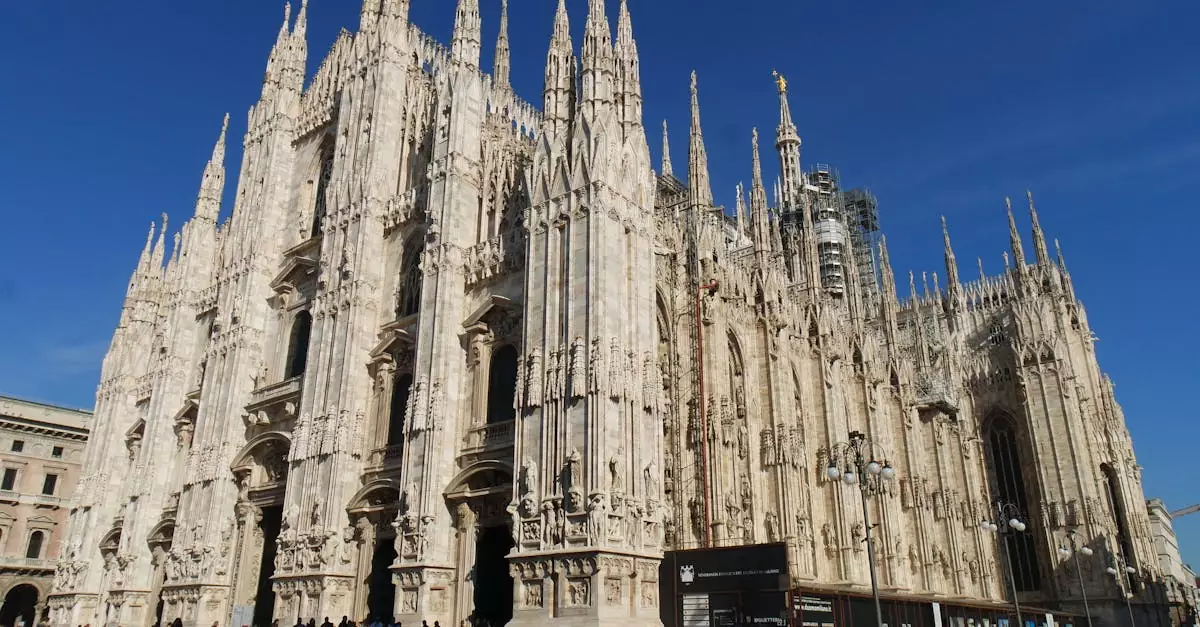
Planning the best Italy itineraries often hinges on timing your visit to coincide with favorable weather and manageable crowds. While Italy is a year-round destination, certain seasons offer a more pleasant experience for exploring its iconic cities and diverse landscapes. Consider these seasonal insights to craft your perfect trip.
Spring (April-May): Blooming Landscapes and Pleasant Temperatures
Spring is an excellent time for visiting Italy, offering a delightful combination of mild weather and blooming natural beauty. Temperatures are generally comfortable across the country, making it ideal for walking tours and outdoor exploration without the intense heat of summer. The Italian countryside comes alive with wildflowers, and cities begin to shed their winter quietude.
This season is particularly appealing for those seeking to avoid the peak summer influx. While popular spots will still have visitors, the crowds are less overwhelming. Spring is perfect for enjoying al fresco dining as cafes and restaurants open their terraces.
Autumn (September-October): Harvest Season and Golden Hues
Autumn presents another prime window for experiencing Italy, especially if you appreciate harvest festivals and a more relaxed atmosphere. September and October bring cooler, crisp air and stunning autumnal foliage, particularly in regions like Tuscany and Umbria. This is the season for wine harvests and truffle hunting, offering unique gastronomic experiences.
The shoulder season benefits of fewer tourists and pleasant temperatures continue into early autumn. The light takes on a golden quality, making it a photographer’s delight. Travelers interested in culinary tours or exploring the vineyards will find this period especially rewarding.
Summer (June-August): Peak Season and Mediterranean Sun
Summer is Italy’s busiest travel period, characterized by warm to hot weather and long daylight hours. This is the time for soaking up the Mediterranean sun on the coasts of Amalfi or Sicily, and for experiencing the vibrant energy of cities like Rome and Florence under clear skies. Outdoor festivals and events are abundant.
Be prepared for higher prices and larger crowds, especially in July and August. Booking accommodations and popular attractions well in advance is crucial. For beach lovers and those who thrive in warm weather, summer offers the quintessential Italian vacation.
Winter (November-March): Cozy Cities and Festive Markets
Winter in Italy offers a different, often more intimate, travel experience. Cities like Venice, Rome, and Florence take on a quieter, more romantic charm, with fewer tourists and a cozy atmosphere. This season is perfect for museum hopping, enjoying hearty Italian cuisine by a fireplace, and experiencing festive holiday markets.
The Christmas season, in particular, brings a magical ambiance to Italian cities, with elaborate decorations and special events. While some coastal areas may be less active, the major cultural centers remain vibrant. Winter travel can also be more budget-friendly, with lower accommodation rates.
| Season | Average Temperature (°C) | Crowd Levels | Best For |
|---|---|---|---|
| Spring | 10-20 | Moderate | Sightseeing, countryside, outdoor activities |
| Summer | 25-35+ | High | Beaches, coastal regions, long days |
| Autumn | 10-25 | Moderate | Food/wine tours, foliage, city exploration |
| Winter | 0-10 | Low | Museums, city breaks, festive markets, budget |
Navigating Italy: Transportation Options for Seamless Travel
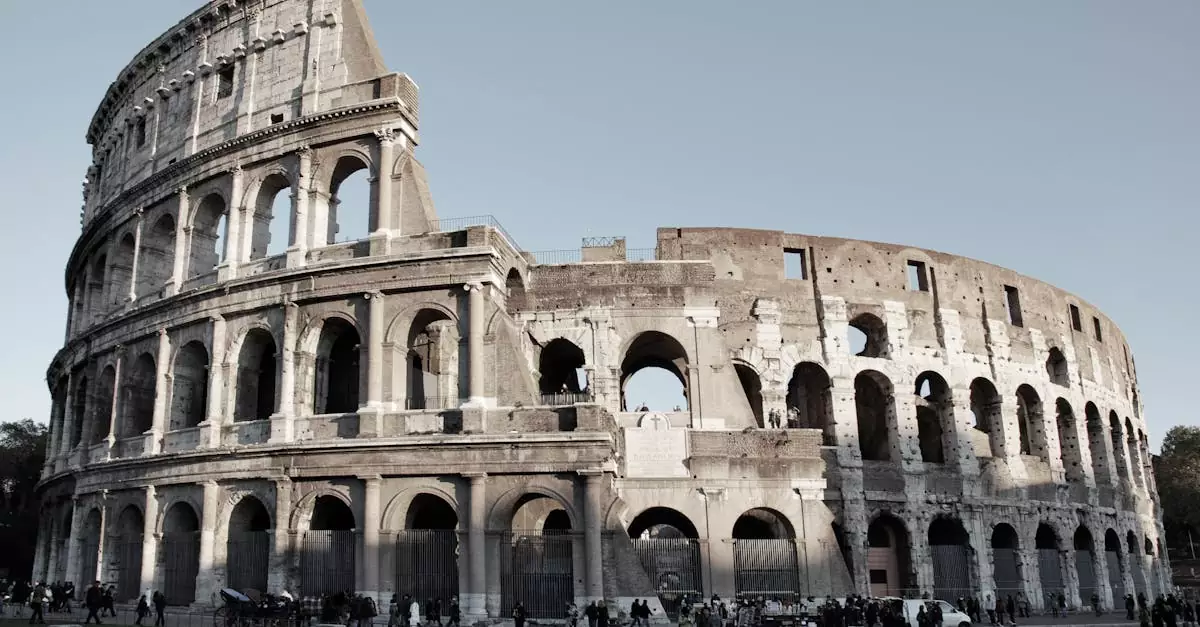
Italy’s charm lies not only in its iconic cities but also in the ease with which you can move between them and venture off the beaten path. Understanding the transportation network is key to crafting your best Italy itineraries, ensuring a smooth and efficient journey. From high-speed rail to charming regional buses, there are options to suit every pace and budget.
High-Speed Trains: Connecting Major Cities Efficiently
For swift travel between major hubs like Rome, Florence, and Venice, Italy’s high-speed train network is unparalleled. Trenitalia’s Frecciarossa and Italo are the primary operators, offering comfortable, modern trains with amenities like Wi-Fi and onboard services. Booking tickets in advance, especially for peak travel times or popular routes, can secure better prices and ensure availability. These trains are a cornerstone for efficient travel across Europe, making multi-city trips remarkably feasible.
- Booking Tip: Look for “Super Economy” or “Economy” fares on Trenitalia or Italo’s websites for significant savings compared to last-minute purchases.
- Traveler Insight: Arrive at the station at least 20-30 minutes before departure to navigate the platforms and find your carriage without stress.
Regional Trains and Buses: Exploring Smaller Towns
Beyond the high-speed lines, a comprehensive network of regional trains and buses serves smaller towns and villages, offering a more intimate glimpse into Italian life. Trenitalia’s regional trains (Regionale) are slower but significantly cheaper, often stopping at charming local stations. Local buses connect towns not served by rail, providing access to more remote areas. While less glamorous, these options are essential for experiencing authentic Italy and can be a highlight of any trip.
Consider these for day trips from larger cities or for reaching areas known for their culinary traditions or natural beauty. For instance, a regional train can easily take you from Florence into the Chianti wine region, or a bus might be the best way to reach a hilltop town in Umbria.
Renting a Car: Freedom for Tuscan Road Trips
While not essential for city-focused trips, renting a car offers unparalleled freedom for exploring regions like Tuscany, Umbria, or Sicily. This is particularly true if your ideal itinerary involves visiting multiple small towns, vineyards, or scenic drives at your own pace. Navigating Italian roads is generally straightforward, though larger cities can present challenges with traffic and ZTLs (Limited Traffic Zones).
- Logistics: Ensure you have an International Driving Permit (IDP) if required, and be aware of local driving laws.
- Budget Consideration: Factor in rental costs, fuel, tolls (autostrada), and parking, which can add up.
Ferries: Island Hopping in the Mediterranean
For travelers dreaming of coastal adventures, ferries are indispensable for reaching Italy’s numerous islands, including Sicily, Sardinia, and the smaller gems of the Tyrrhenian Sea. Companies like Tirrenia, Moby Lines, and Grimaldi Lines operate regular services from mainland ports like Naples, Civitavecchia, and Genoa. Ferry journeys can range from short hops to overnight crossings, often with options for car transport.
- Seasonal Impact: Ferry schedules can be reduced during the off-season, so check timetables in advance, especially if traveling outside of summer months.
- Destination Focus: If your itinerary includes the Amalfi Coast, ferries also provide scenic and practical connections between towns like Positano, Amalfi, and Capri, bypassing congested coastal roads.
Savoring Italy: Must-Try Local Foods in Each Region
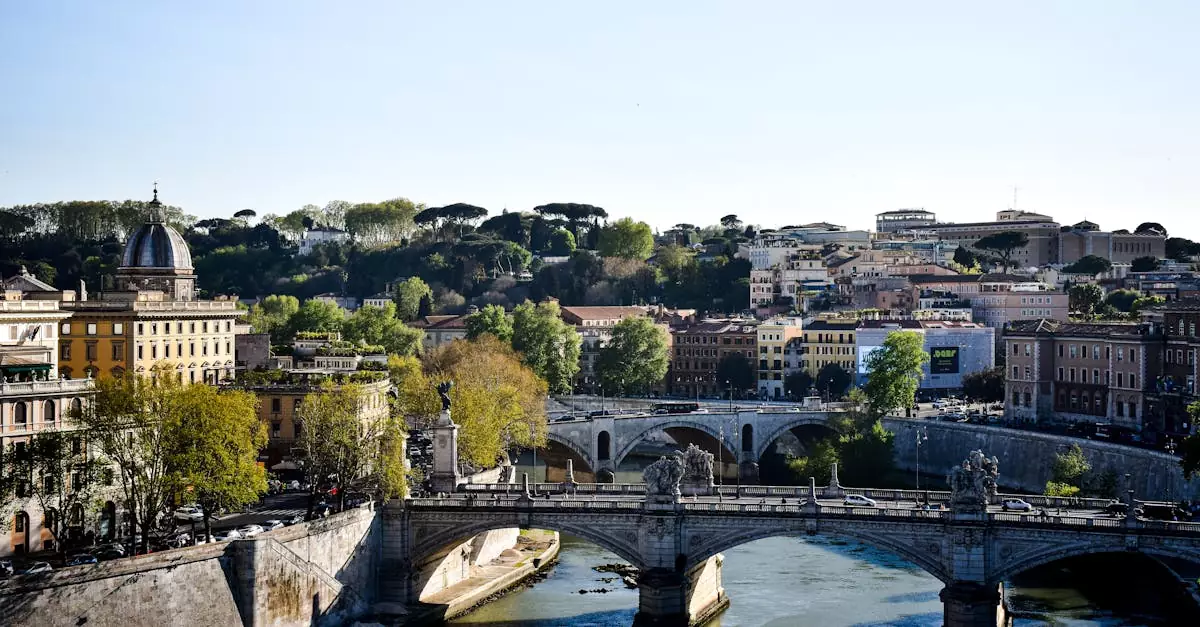
Italy’s culinary landscape is as diverse as its geography, with each region boasting unique flavors and specialties. To truly experience the country, a journey through its gastronomic offerings is essential. Planning your travel around regional food highlights can elevate your Italian adventure, turning simple meals into memorable cultural encounters.
Roman Classics: Cacio e Pepe, Carbonara, and Supplì
Rome’s culinary heart beats with simple yet profoundly satisfying dishes. The iconic cacio e pepe, a minimalist pasta dish with Pecorino Romano cheese and black pepper, exemplifies Roman ingenuity. Equally famous is carbonara, a rich concoction of eggs, Pecorino Romano, guanciale (cured pork jowl), and black pepper. Don’t miss supplì, fried rice balls with a molten mozzarella center, a popular street food snack. These dishes are best enjoyed in a traditional trattoria in neighborhoods like Trastevere, offering an authentic taste of Roman life.
Florentine Feasts: Bistecca alla Fiorentina and Lampredotto
Florence, the jewel of Tuscany, is synonymous with hearty, meat-centric cuisine. The bistecca alla Fiorentina, a thick-cut, grilled T-bone steak from Chianina cattle, is a must-try for any carnivore. Cooked rare and seasoned simply with salt and pepper, it’s a true celebration of quality ingredients. For the more adventurous, lampredotto offers a unique Florentine experience. This sandwich, filled with the slow-cooked fourth stomach of a cow, is a beloved street food, often found at bustling market stalls.
Venetian Delights: Cicchetti, Risotto al Nero di Seppia, and Sarde in Saor
Venice offers a distinct culinary identity shaped by its lagoon. Cicchetti, small snacks similar to Spanish tapas, are a quintessential Venetian experience. Enjoy them with a glass of local wine (ombra) at a bacaro, a traditional Venetian bar. For a taste of the sea, try risotto al nero di seppia, a creamy risotto infused with squid ink, lending it a striking black color and a delicate briny flavor. Another regional specialty is sarde in saor, sweet and sour sardines, a testament to the city’s historical trade routes and preservation techniques.
Southern Italian Specialties: Pizza Napoletana and Seafood
The south of Italy is a paradise for pizza lovers and seafood enthusiasts. Naples, the birthplace of pizza, serves pizza Napoletana with its characteristic soft, chewy crust and simple, high-quality toppings like San Marzano tomatoes and fresh mozzarella. Beyond pizza, the southern coastlines offer an abundance of incredibly fresh seafood. Dishes like spaghetti alle vongole (spaghetti with clams) or grilled fish, seasoned with local olive oil and herbs, showcase the region’s vibrant Mediterranean flavors. Exploring the coastal towns of Campania or Puglia can lead to some of the best seafood experiences in Europe.
Frequently Asked Questions About Planning Italy Itineraries
What is the most popular route for a first-time visitor to Italy?
The classic first-time visitor route typically includes Rome, Florence, and Venice. This “big three” itinerary offers a fantastic introduction to Italy’s historical, artistic, and romantic highlights. Many travelers spend 3-4 days in each city, allowing ample time to see major sights without feeling overly rushed. This route is well-connected by high-speed trains, making travel between destinations efficient.
How much does a 10-day trip to Italy typically cost?
A 10-day trip to Italy can range significantly in cost, from budget-conscious travel to luxury experiences. A mid-range budget for 10 days, covering flights, accommodations, food, transportation, and activities, typically falls between $2,500 and $4,000 per person. This estimate assumes moderate accommodation choices, dining at trattorias and cafes, and utilizing public transport.
Here’s a general breakdown for a 10-day trip:
| Category | Budget (per person) | Mid-Range (per person) | Luxury (per person) |
|---|---|---|---|
| Flights | $700 – $1,000 | $900 – $1,300 | $1,200+ |
| Accommodation | $700 – $1,000 | $1,000 – $1,500 | $2,000+ |
| Food & Drink | $400 – $600 | $600 – $900 | $1,000+ |
| Transportation | $150 – $250 | $200 – $350 | $300+ |
| Activities/Tours | $200 – $350 | $350 – $600 | $700+ |
| Total (approx.) | $2,150 – $3,200 | $3,050 – $4,650 | $5,200+ |
Note: These are estimates and can vary based on travel style, season, and booking in advance.
Is it better to use trains or rent a car in Italy?
For most popular itineraries covering major cities like Rome, Florence, and Venice, trains are overwhelmingly the better option. Italy’s high-speed rail network is efficient, comfortable, and connects city centers directly, avoiding parking hassles and city driving stress. Renting a car is more suitable for exploring rural regions, such as Tuscany’s countryside or the Amalfi Coast, where public transport is less frequent. However, be aware of ZTLs (Limited Traffic Zones) in historic city centers, which can lead to hefty fines if you drive into them without authorization.
What are some common tourist mistakes to avoid in Italy?
- Trying to see too much: Overpacking your itinerary can lead to exhaustion and a superficial experience. Focus on fewer destinations to immerse yourself more deeply.
- Eating at tourist-trap restaurants: Look for trattorias and osterias frequented by locals, often a few streets away from major attractions.
- Not booking popular attractions in advance: For sites like the Colosseum, Vatican Museums, or the Uffizi Gallery, booking tickets online weeks or months ahead is crucial to avoid long queues.
- Ignoring local customs: Learn a few basic Italian phrases; a simple “Buongiorno” or “Grazie” goes a long way. Be mindful of dress codes when visiting churches.
- Over-reliance on credit cards: While widely accepted, having some cash on hand is useful for smaller purchases or in more rural areas.