Embarking on an overnight train journey across Europe presents a unique blend of adventure and efficiency, enabling you to wake up in a new city without losing a day of travel. These experiences turn transit time into an opportunity to rest and arrive refreshed, making them some of the best overnight train experiences in Europe.
This guide will help you plan your own unforgettable sleeper train adventure. Discover top routes, from glamorous historical journeys to modern, efficient services connecting vibrant capitals. Learn how to book your tickets, select the right accommodation—from cozy couchettes to private cabins—and understand the onboard amenities to expect. We’ll also cover practical tips on luggage, budgeting, and maximizing your trip by reclaiming precious daylight hours for exploration.
Why Choose Overnight Trains for Your European Adventure?
Opting for an overnight train journey across Europe provides a distinct travel experience that blends convenience with a touch of romance. Instead of spending valuable daylight hours in transit, you can sleep soundly and arrive at your destination ready to explore. This mode of travel is particularly appealing for those wanting to connect major cities efficiently and enjoyably.
The Magic of Waking Up in a New City
There’s an undeniable charm in waking up to a new landscape outside your train window. Imagine drifting off to sleep in Paris and waking up to the canals of Amsterdam or leaving Vienna to greet the sunrise over the Swiss Alps. This seamless transition allows you to maximize your time in each location, avoiding the hassle of airport check-ins and long commutes. It’s a more immersive way to experience the continent’s diverse geography and cultures.
Maximizing Daylight Hours for Exploration
One of the significant advantages of sleeper trains is reclaiming your travel time. By traveling overnight, you preserve entire days for sightseeing, museum visits, and culinary adventures. This is especially beneficial for travelers with limited vacation time or those covering considerable distances without sacrificing their exploration schedule. Instead of watching the miles blur past from a plane window, you can dedicate your waking hours to fully experiencing the cities you visit.
Sustainable Travel: A Greener Way to See Europe
Choosing overnight trains aligns with a more sustainable approach to travel. Rail travel generally produces significantly lower carbon emissions per passenger kilometer compared to air travel. As environmental consciousness grows, opting for trains becomes a responsible choice for travelers wishing to reduce their ecological footprint while enjoying extensive European journeys. This commitment to greener travel doesn’t compromise comfort; many modern sleeper trains offer excellent amenities.
Top Overnight Train Routes for Unforgettable Journeys
Selecting an overnight train in Europe combines convenience and romance, transforming travel time into an experience. These journeys let you wake up in a new city, bypass crowded airports, and save on accommodation costs. From opulent vintage carriages to efficient modern sleepers, the continent offers diverse options for every traveler.
Venice Simplon-Orient-Express: A Luxurious Journey Through History
For those seeking unparalleled glamour, the Venice Simplon-Orient-Express offers a journey back in time. This iconic train, part of the Belmond collection, evokes the golden age of travel with its meticulously restored Art Deco carriages. The route, famously connecting Venice to London, winds through stunning landscapes, including stops in Paris.
Inside, expect plush private cabins, exquisite dining in ornate restaurant cars, and attentive service. The experience emphasizes savoring opulent surroundings and the romance of classic rail travel rather than speed. It’s a significant investment, ideal for special occasions. Booking well in advance is essential due to high demand.
The Caledonian Sleeper: Scotland’s Wild Beauty by Rail
The Caledonian Sleeper provides access to Scotland’s dramatic landscapes, operating between London and various Scottish cities, including Edinburgh, Glasgow, Aberdeen, and Inverness. This service offers a practical way to cover significant distances while immersing yourself in changing scenery. Travelers can choose from comfortable seated compartments, private cabins, or more luxurious club cabins.
The train features a lounge car and a dining car serving Scottish produce, adding a local flavor to the journey. It’s an excellent option for maximizing your time in Scotland, arriving refreshed and ready to explore. Consider booking a private cabin for added comfort and privacy, especially on longer journeys.
Nightjet: Connecting Central Europe’s Capitals
ÖBB’s Nightjet network is transforming overnight travel across Central Europe, providing a modern and efficient way to connect major cities. These trains are known for their clean, comfortable, and well-equipped sleeping and couchette cars. Routes span countries like Austria, Germany, Switzerland, Italy, and Hungary, with popular connections such as Vienna to Rome or Berlin to Zurich.
Nightjet offers various accommodation options, from basic seats to private sleeping compartments with washbasins. They are strong contenders for the best overnight train experiences in Europe due to their balance of comfort, affordability, and extensive network. Booking tickets in advance is recommended, particularly for private compartments.
EuroNight: Exploring Eastern European Gems Overnight
EuroNight services, operated by various national rail companies, provide a fantastic opportunity to traverse Eastern Europe by sleeper train. These routes connect cities across countries like Poland, Czech Republic, Slovakia, Hungary, Romania, and beyond. It’s an adventurous option that often offers a glimpse into local travel culture.
While amenities might be simpler than those of some Western European luxury services, EuroNight trains are generally safe and provide a cost-effective way to travel long distances. Expect couchette compartments (shared berths) and sleeping cars, offering a sociable and economical way to journey. Research specific routes and book through national rail operators or international ticketing platforms for the best options.
Planning Your Best Overnight Train Experience in Europe
Embarking on an overnight train journey across Europe offers a unique blend of adventure and efficiency, allowing you to wake up in a new city without sacrificing a day of travel. To ensure your trip is smooth, understanding the planning nuances is key. From booking the right ticket to managing your belongings, a little preparation goes a long way.
Booking Tickets: When and Where to Secure Your Sleeper Berth
Securing your spot on popular overnight routes, especially during peak travel seasons, requires advance planning. Aim to book tickets at least two to three months ahead, particularly for routes connecting major cities like Paris to Berlin or Vienna to Rome. Websites of national rail operators, such as Deutsche Bahn (DB) for Germany or SNCF for France, are reliable sources. Alternatively, dedicated sleeper train booking platforms like Trainline or Omio can consolidate options from various companies. Prices typically increase as departure dates approach, so early booking often yields significant savings and better availability for your preferred accommodation.
Choosing the Right Sleeper Accommodation: Couchettes vs. Private Cabins
European sleeper trains offer a range of comfort levels, primarily divided between couchettes and private cabins. Couchettes are shared compartments, typically accommodating four to six passengers, and are a more budget-friendly option. They provide reclining seats that convert into bunk beds, often with a shared toilet and washbasin in the corridor. Private cabins offer more seclusion and comfort, ranging from single berths to compartments for two or three people. These often include a small sink, and sometimes a private toilet and shower. For solo travelers or those seeking privacy, a private cabin is highly recommended. Couples or small groups might find a shared private cabin cost-effective and convenient.
Navigating Luggage on European Sleeper Trains
Space on overnight trains, particularly in couchettes, can be limited. It’s wise to pack light and choose luggage that can be easily stowed. Most trains have overhead racks for smaller bags and larger luggage areas at the ends of carriages or between seats. Avoid oversized suitcases that might be difficult to maneuver or fit into designated storage. Consider using duffel bags or backpacks that can be compressed. If you have bulky items, check with the train operator regarding their luggage policy, though most standard suitcases are manageable.
Understanding Ticket Types and Passes for Overnight Travel
When planning your best overnight train experiences in Europe, familiarize yourself with different ticket options. Standard point-to-point tickets are available for specific journeys. However, for multi-city trips or extensive travel, a rail pass might be more economical. Popular passes like the Eurail Pass or Interrail Pass offer flexibility, but remember that even with a pass, you will often need to pay a reservation fee for sleeper compartments on overnight trains. These fees can vary significantly by route and accommodation type, so always check the additional costs when planning your budget. Some passes include a certain number of sleeper reservations, while others require payment for all.
What to Expect Onboard Your European Sleeper Train
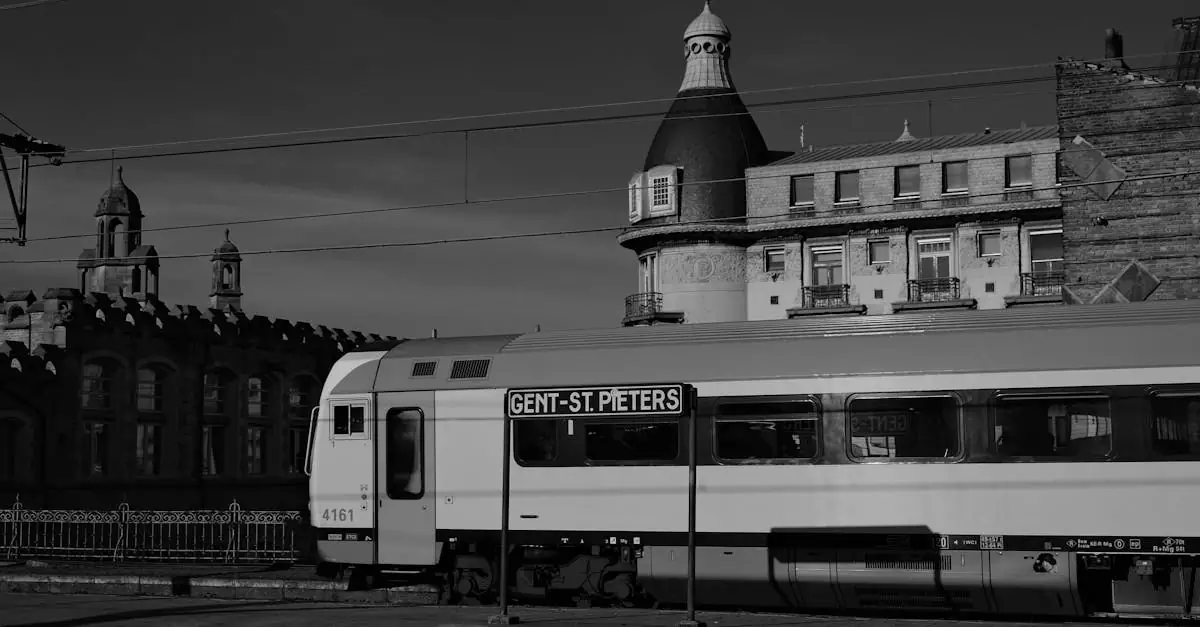
Traveling by overnight train across Europe offers a unique blend of adventure and practicality. These journeys are more than just transportation; they provide a comfortable transition between destinations. Understanding what awaits you onboard is key to planning your trip.
Dining Car Delights: Savory Meals and Local Wines
Many European sleeper trains feature a dining car, offering a convenient and enjoyable way to have your evening meal. Menus typically showcase regional specialties, allowing you to sample local flavors without leaving the journey. Expect a selection of wines, beers, and non-alcoholic beverages to complement your meal. While prices can be higher than local restaurants, the convenience and atmosphere often justify the cost. Booking a table in advance is advisable, especially on popular routes or during peak season. Some services also offer a limited breakfast menu, often included for passengers in couchette or sleeper compartments.
Onboard Amenities: Restrooms, Showers, and Wi-Fi
Comfort and convenience are prioritized on these long-distance services. Restrooms are available in each carriage, though their condition can vary. For those traveling in sleeper compartments, private washbasins are common. Some higher-class sleeper services also provide access to shared shower facilities. It’s wise to bring your own travel towel and toiletries if you plan to use them. Wi-Fi availability is inconsistent across different operators and routes. While some newer trains offer it, it can be unreliable or expensive. It’s best to download offline maps and entertainment before you depart.
Ensuring a Comfortable and Safe Sleep Experience
The primary appeal of an overnight train is the ability to sleep while traveling. Compartments range from open-plan couchettes, which accommodate several passengers, to private sleeper cabins with beds. Couchettes offer a more budget-friendly option, often with blankets and a pillow provided. Sleeper cabins provide more privacy and comfort, with bedding, a small table, and sometimes even a private sink. To ensure a good night’s sleep, consider bringing earplugs and an eye mask, especially if you’re in a shared couchette. Keep valuables secure in a carry-on bag or under your pillow. Most trains have onboard staff available throughout the night for assistance.
Best Seats for Scenic Views During Daytime Travel
While the focus is on sleep, daytime portions of your journey can be incredibly scenic. If you’re traveling in a sleeper cabin, the windows offer excellent vantage points. For those in couchettes or standard seating, try to secure a window seat. Routes through mountainous regions like the Alps or along coastlines can be particularly breathtaking. The direction of travel matters; for instance, on the route from Vienna to Verona, a seat on the left side heading south often provides better views of the Italian Dolomites as the train approaches. Always check the route map beforehand to anticipate the most visually rewarding sections of your trip.
Maximizing Your Trip with Overnight Train Journeys
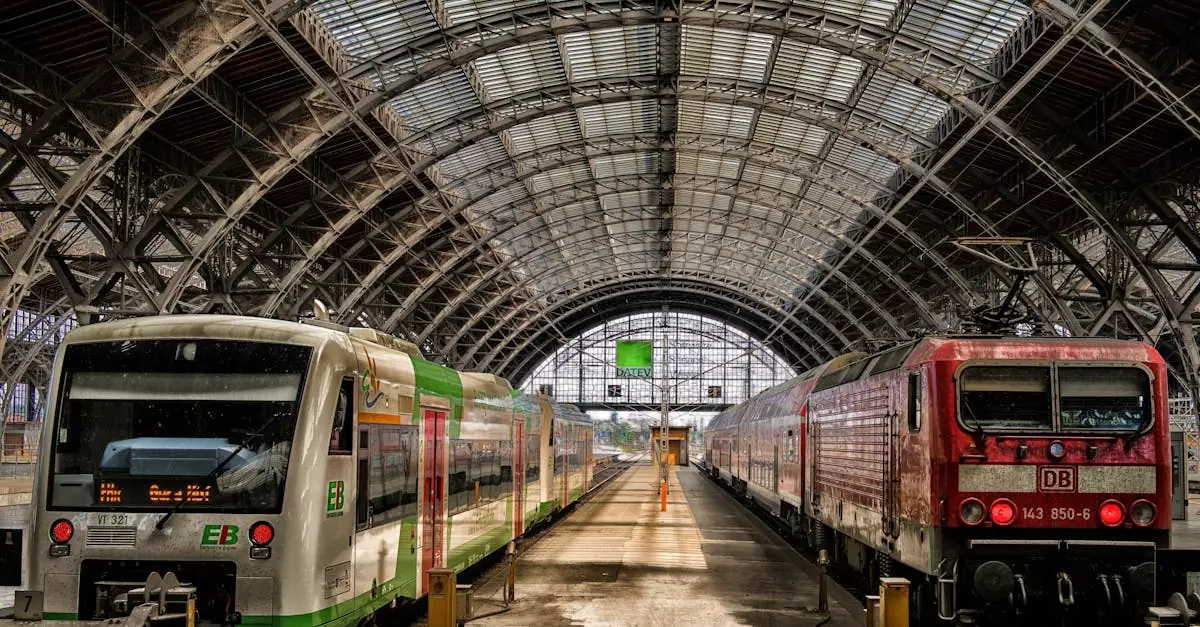
Overnight trains offer a unique blend of convenience and adventure, transforming travel time into an opportunity to rest and wake up in a new destination. This approach to traversing the continent represents one of the best overnight train experiences Europe has to offer, allowing you to maximize daylight hours for sightseeing rather than spending them in transit. By sleeping on the train, you effectively gain an extra day in your chosen city or region, a significant advantage for those with limited vacation time.
Sample Itinerary: A Week of Sleeper Trains Across the Continent
A well-planned week using sleeper trains can cover considerable ground while minimizing travel fatigue. Consider a route that connects major hubs with reliable overnight services. For instance, starting in Paris and heading towards Vienna offers a classic journey through diverse landscapes and cultures.
Here’s a possible week-long itinerary:
| Day | Departure City | Arrival City | Train Service Example | Notes |
|---|---|---|---|---|
| 1 | Paris, France | Berlin, Germany | Nightjet | Arrive in Berlin in the morning, explore the city. |
| 2 | Berlin, Germany | Prague, Czech Republic | EuroCity (overnight option) | Overnight journey, arrive in Prague for morning exploration. |
| 3 | Prague, Czech Republic | Vienna, Austria | Nightjet | Spend the day in Prague, depart for Vienna. |
| 4 | Vienna, Austria | Budapest, Hungary | Railjet (overnight option) | Arrive in Budapest, explore the Hungarian capital. |
| 5 | Budapest, Hungary | Zurich, Switzerland | Nightjet | Overnight scenic journey through the Alps. |
| 6 | Zurich, Switzerland | Rome, Italy | Nightjet | Experience the Italian Alps, arrive in Rome. |
| 7 | Rome, Italy | Departure | N/A | Explore Rome before departing. |
This sample itinerary highlights the efficiency of sleeper trains, connecting major European capitals and offering a taste of different cultures within a short period. Remember to book tickets well in advance, especially for popular routes and private compartments.
Hidden Gems Accessible via Overnight Train Routes
While iconic cities are well-served by overnight trains, several lesser-known destinations also benefit from sleeper train connectivity, offering a more authentic travel experience. These routes often venture into regions with stunning natural beauty or rich historical significance, far from typical tourist crowds.
One such example is the route connecting Hamburg, Germany, with Copenhagen, Denmark. This journey, often utilizing a car-carrying ferry as part of the train service, provides a unique way to experience the transition between countries. Another compelling option is the Nightjet service from Vienna to Budapest, which passes through picturesque Hungarian countryside. For those seeking dramatic landscapes, consider the routes through the Swiss Alps, connecting cities like Zurich or Geneva with destinations like Milan or further south into Italy, offering breathtaking mountain vistas as you sleep. These less-traveled paths can lead to some of the best overnight train experiences Europe has to offer for those willing to venture off the beaten path.
Budgeting for Sleeper Train Travel: Costs and Savings
The cost of sleeper train travel in Europe can vary significantly based on the route, accommodation type, and how far in advance you book. While a standard seat might be comparable to an airline ticket, opting for a couchette (a bunk in a shared compartment) or a private sleeper cabin will increase the price. However, when considering the cost of a night’s accommodation saved, the overall expense can often be competitive.
A rough estimate for a couchette on a popular route might range from €60 to €120, while a private sleeper cabin for one or two people could be €150 to €300 or more. Booking several months ahead, especially through national rail operators like Deutsche Bahn or ÖBB, can often secure lower fares. Consider purchasing rail passes if you plan extensive travel across Europe, as some passes offer discounts or cover sleeper train supplements. Always compare prices across different operators and booking platforms to find the best value.
Frequently Asked Questions About European Overnight Trains
Are overnight trains in Europe safe for solo travelers?
Overnight trains in Europe are generally very safe for solo travelers. Most operators have staff on board, and compartments can be locked from the inside. It’s wise to choose a reputable train company and consider booking a women-only compartment if available. Keep valuables secure, as you would in any travel situation.
What is the best way to book overnight train tickets?
Booking overnight train tickets in advance is highly recommended, especially for popular routes or during peak season. You can book directly through the national rail operator’s website for the country of departure or arrival (e.g., Deutsche Bahn for Germany, SNCF for France). For cross-border journeys, sites like Rail Europe or Omio can help compare options and prices. Booking early often secures better fares and ensures availability for specific sleeping accommodations.
Can I bring food and drinks on the train?
Yes, you can bring your own food and drinks on European overnight trains. This is a great way to save money and enjoy your preferred snacks. Most trains have dining cars or bistros, but the selection can be limited or expensive. Bringing your own food and beverages is common practice for travelers. Remember to dispose of your trash responsibly.
What are the most scenic overnight train routes?
While many overnight routes prioritize efficiency over dramatic scenery, some offer glimpses of beautiful landscapes. The route from Vienna to Rome passes through varied terrain, and the journey from Zurich to Hamburg can provide views of the German countryside. For a truly unique experience, consider the night train from Stockholm to Abisko in Sweden, which offers a chance to see the Northern Lights in winter. The key to scenic train travel often lies in the daylight hours of your journey.