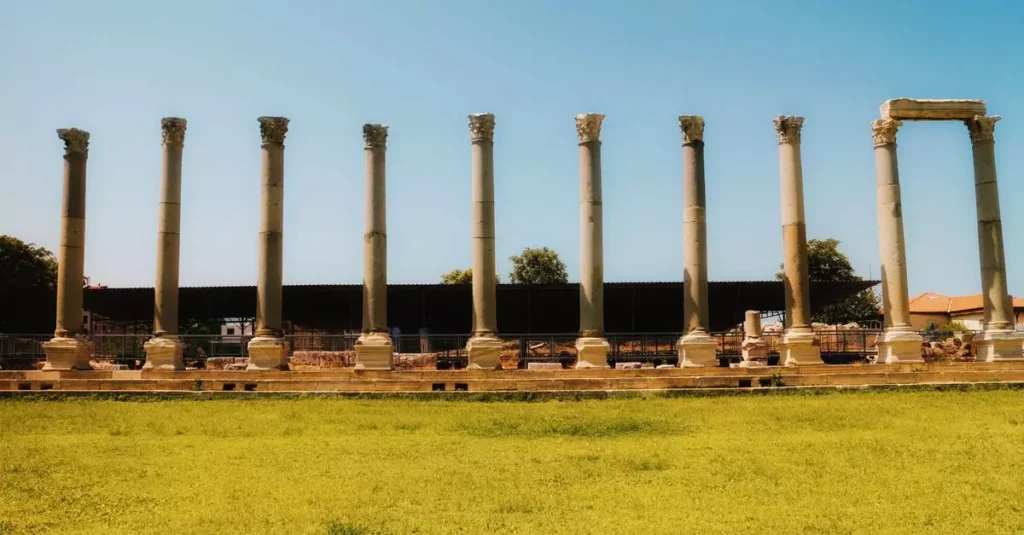
Discover the art of truly experiencing Greece with this comprehensive Greece slow travel guide. Rather than rushing through a packed itinerary, slow travel invites you to immerse yourself in the culture, savor local flavors, and connect with the authentic rhythm of Greek life. This guide will help you trade crowded tourist spots for charming villages, bustling cities for tranquil coastlines, and fleeting moments for lasting memories. You’ll learn to select destinations that reward a slower pace, from the lesser-known Cycladic islands to the historic Peloponnese peninsula, and discover how to craft an itinerary that prioritizes meaningful experiences over a long list of sights. Prepare to unlock a more profound and rewarding way to explore the magic of Greece.
Embracing the Art of Slow Travel in Greece
What is Slow Travel and Why Greece is Perfect For It
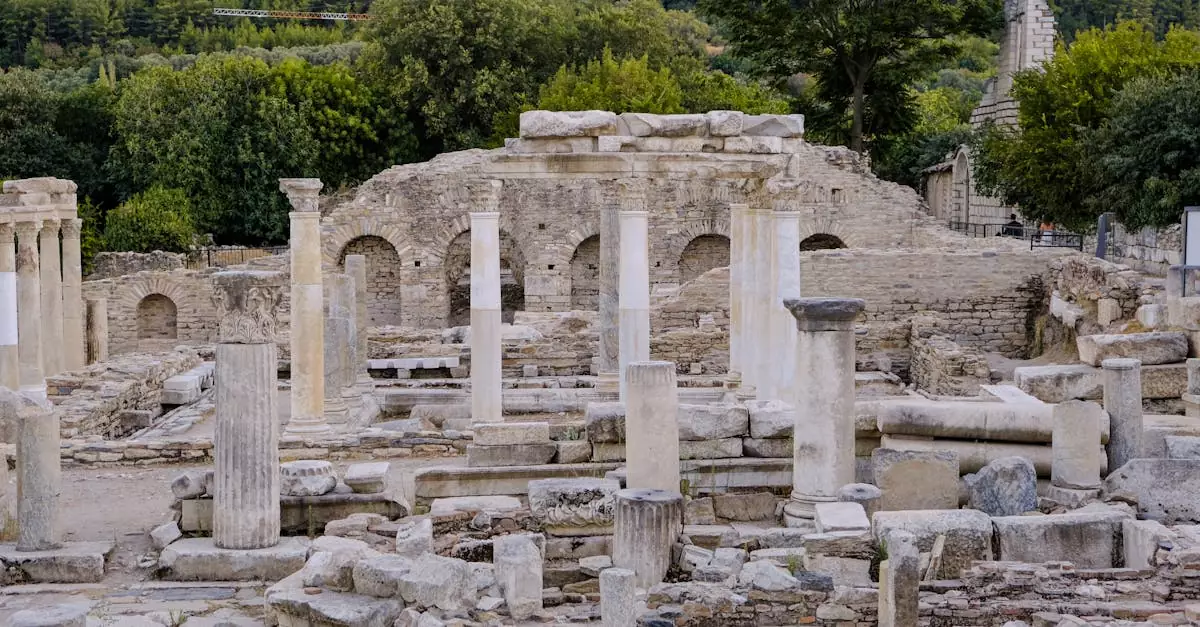
Slow travel is more than just a vacation; it’s a mindful approach to experiencing a destination. This philosophy emphasizes deeper connections with local culture, cuisine, and people, often by spending more time in fewer places. Instead of rushing between iconic landmarks, slow travel encourages you to linger, observe, and immerse yourself. Greece, with its rich history, diverse islands, and relaxed pace of life, provides an exceptional backdrop for this approach. From the ancient ruins of Athens to the tranquil villages of Crete, opportunities for authentic engagement abound.
Defining Your Pace: Setting Expectations for a Relaxed Greek Adventure
Embarking on a Greece slow travel journey requires recalibrating your expectations. This isn’t about ticking off a list of must-sees; it’s about savoring moments. Consider what truly interests you: mastering the art of Greek cooking, learning about olive oil production, or enjoying long conversations with locals over a glass of ouzo. Setting a realistic pace—perhaps focusing on one or two islands or a specific mainland region—allows for genuine discovery rather than superficial sightseeing. Remember that transport between islands can take time, and embracing this often leads to delightful encounters.
The Philosophy Behind Slow Travel in the Aegean
The philosophy of slow travel aligns beautifully with the traditional Greek way of life, known as “filoxenia”—a deep sense of hospitality and generosity towards strangers. By slowing down, you create space to appreciate this cultural value. Instead of rushing through a museum, spend an afternoon at a local kafenio, observing daily life. Engage with artisans, farmers, and fishermen to understand their crafts and traditions. This deeper interaction transforms a typical tourist experience into a meaningful cultural exchange, making your journey through the Aegean islands and mainland truly unforgettable. Understanding the rhythm of Greek life is essential for those considering this approach.
Choosing Your Unhurried Greek Island or Region
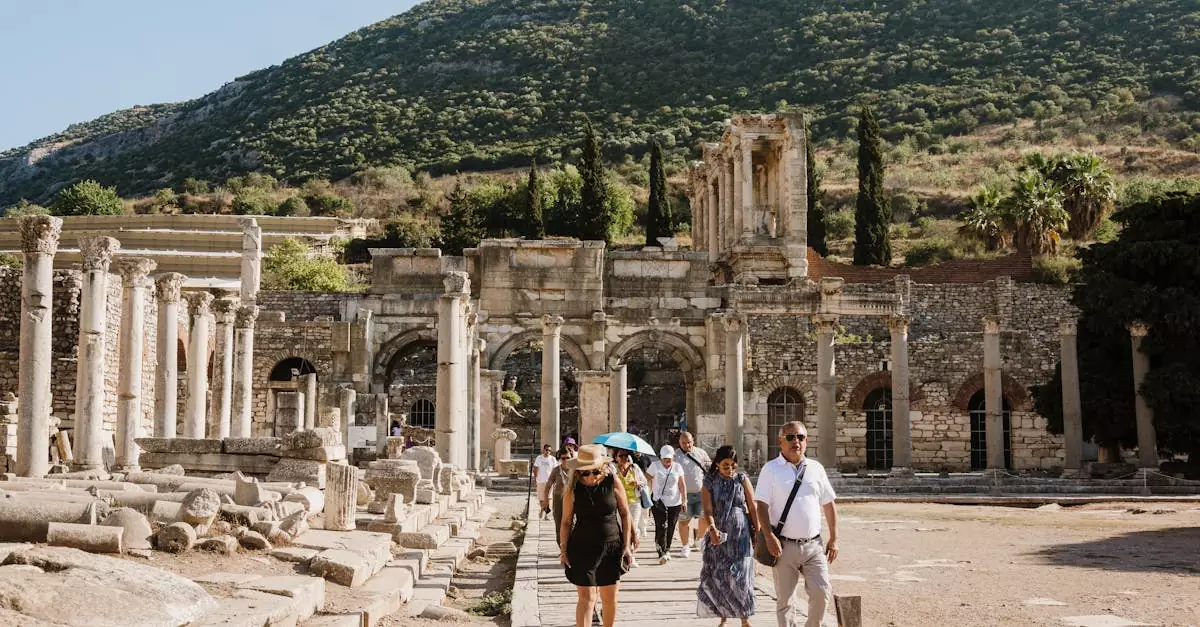
Embarking on a slow travel journey through Greece means looking beyond well-trodden paths to find authentic experiences. While iconic destinations like Santorini and Mykonos draw crowds, a different kind of magic awaits those who seek genuine connection and unhurried exploration. This guide focuses on regions and islands that reward a slower pace, offering deeper immersion into local life, history, and natural beauty.
Beyond Santorini: Discovering Lesser-Known Cyclades for Slow Travel
The Cyclades archipelago offers more than just famous postcard views. For a truly unhurried Greek experience, consider islands like Amorgos or Folegandros. Amorgos, with its dramatic cliffs and the striking Hozoviotissa Monastery clinging to the rock face, invites long hikes and quiet contemplation. Folegandros, often described as Santorini’s wilder cousin, features a charming Chora with winding alleys and stunning sunset vistas from its hilltop church. These islands focus less on ticking off sights and more on savoring the rhythm of daily life, from morning coffee in the village square to evening meals at a local taverna.
Getting to these islands typically involves a ferry from Piraeus (Athens’ port) or sometimes from other Cycladic hubs like Naxos or Paros. Ferries can take anywhere from 4 to 9 hours depending on the island and service, making a multi-day stay essential. Accommodations range from simple guesthouses to boutique hotels, generally at a more accessible price point than their more famous neighbors.
Peloponnese Peninsula: Ancient History Meets Coastal Charm
The Peloponnese, a large peninsula in southern Greece, is a treasure trove for slow travelers interested in history, mythology, and diverse landscapes. This region is home to ancient Olympia, Mycenae, and Epidaurus, offering a tangible connection to classical civilization. Beyond the archaeological sites, you’ll find rugged coastlines, olive groves stretching to the horizon, and charming seaside towns like Nafplio. Nafplio, with its Venetian fortress and neoclassical architecture, serves as an excellent base for exploring the Argolis region. Further south, the Mani Peninsula presents a wilder, more dramatic landscape with its stone tower houses and secluded coves.
Transportation within the Peloponnese is best managed with a rental car, allowing you to explore at your own pace and reach remote villages or hidden beaches. The driving is generally good, though roads can be winding in mountainous areas. Accommodation options are plentiful, from family-run pensions in traditional villages to comfortable hotels in coastal towns. Consider visiting in the shoulder seasons (spring and autumn) for pleasant weather and fewer crowds.
Crete’s Wild Heart: Exploring Traditional Villages and Untamed Landscapes
Crete, Greece’s largest island, offers a microcosm of Greek culture and natural beauty, perfect for slow travel enthusiasts. While popular spots like Chania and Rethymno have their appeal, venturing inland or to the southern coast reveals a different Crete. Villages like Loutro, accessible only by boat or on foot, provide a serene escape with crystal-clear waters and a laid-back atmosphere. The White Mountains (Lefka Ori) offer incredible hiking opportunities, leading to ancient gorges and remote settlements where traditions remain vibrant. Exploring Crete slowly means embracing its distinct identity, savoring its unique cuisine, and engaging with its rich history.
Given its size, a rental car is highly recommended for thorough exploration of Crete. Alternatively, a combination of buses and local taxis can connect you to major towns and some villages. Accommodations vary widely, from simple rooms in traditional houses to seaside resorts. The island’s diverse geography allows you to experience mountains, gorges, and stunning beaches within a single trip, but allow ample time to truly appreciate each area.
Northern Greece’s Authentic Flavors: Thessaloniki and the Halkidiki Coast
For those seeking a grounded and culinary-focused slow travel experience, Northern Greece offers a compelling alternative. Thessaloniki, Greece’s second-largest city, is a vibrant hub with a rich history, a lively waterfront, and a renowned food scene. It’s a city best experienced by wandering its streets, sampling local delicacies, and soaking in the atmosphere. From Thessaloniki, the Halkidiki peninsula beckons with its three distinct “fingers”—Kassandra, Sithonia, and Athos. Sithonia, in particular, offers a rugged and less developed coastline with beautiful beaches and pine forests, ideal for quiet relaxation and exploring charming fishing villages.
Thessaloniki is easily accessible by air and serves as a good starting point for exploring the north. A rental car is beneficial for venturing into Halkidiki, though public buses connect major towns. Accommodation in Thessaloniki ranges from modern hotels to charming boutique stays, while Halkidiki offers a mix of apartments, villas, and family-run guesthouses. This region is particularly appealing in late spring and early autumn, providing pleasant temperatures for both city exploration and coastal enjoyment.
Crafting Your Greece Slow Travel Itinerary: Fewer Places, Deeper Dives
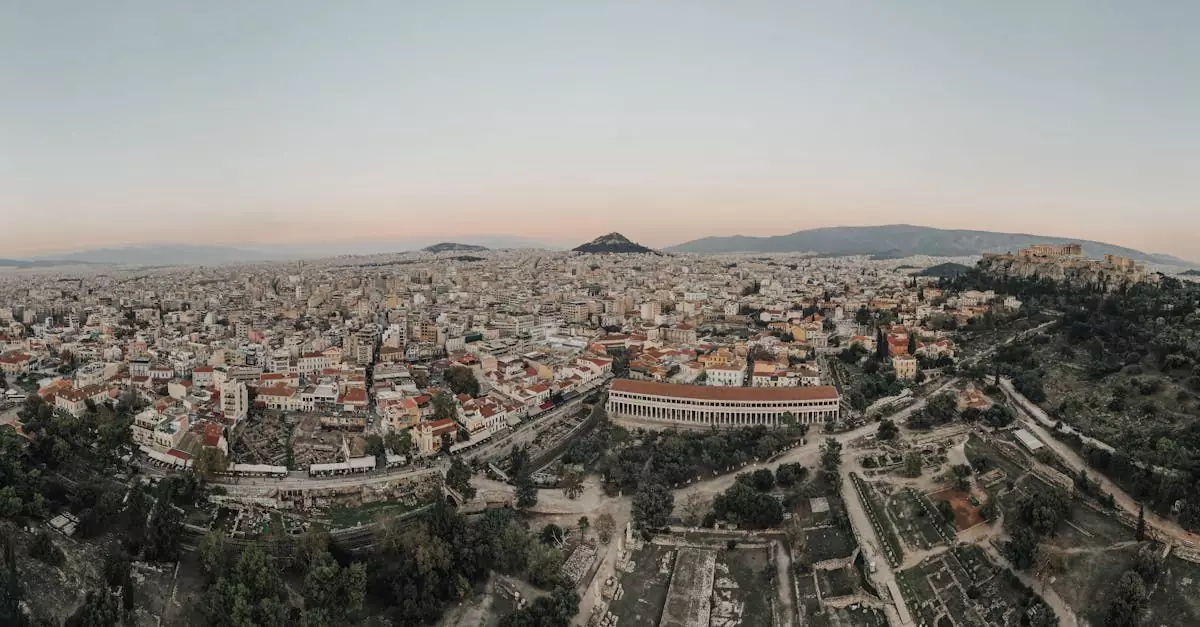
Embracing slow travel in Greece means choosing quality over quantity. Instead of a whirlwind tour ticking off multiple islands, this approach encourages you to settle into one or two locations for an extended period. This allows for genuine connections with the local culture, a deeper understanding of history, and the discovery of hidden gems often missed by hurried visitors. A well-crafted itinerary for a Greece slow travel experience prioritizes immersion, ensuring each day offers meaningful engagement rather than a rushed sightseeing schedule.
Sample 7-Day Slow Travel Itinerary: Peloponnese Immersion
Focusing on the Peloponnese peninsula offers a rich tapestry of ancient history, charming villages, and stunning coastlines, all accessible with relatively short drives. This region provides an ideal setting for a week of deep exploration.
- Days 1-3: Nafplio. Arrive in Athens and drive to the picturesque seaside town of Nafplio. Spend these days wandering through its Venetian old town, climbing the Palamidi Fortress for panoramic views, and enjoying leisurely meals at waterfront tavernas. Consider a day trip to the ancient theater of Epidaurus.
- Days 4-5: Mystras & Sparta. Drive south to the UNESCO World Heritage site of Mystras, a beautifully preserved Byzantine ghost city. Explore its churches, monasteries, and palaces. Base yourself in nearby Sparta for a taste of modern life intertwined with ancient legends.
- Days 6-7: Monemvasia. Journey to the dramatic sea-bound fortress town of Monemvasia. Spend your final days exploring its labyrinthine alleys, swimming in the Aegean Sea, and savoring the unique atmosphere of this medieval stronghold before returning to Athens.
Sample 10-Day Slow Travel Itinerary: Exploring Crete’s Diverse Regions
Crete, Greece’s largest island, is a destination that truly rewards extended stays. Its size and diversity mean you can easily spend ten days delving into distinct areas without feeling rushed.
- Days 1-4: Chania & Western Crete. Fly directly into Chania or travel from Heraklion. Immerse yourself in the Venetian harbor and old town of Chania. Use this as a base for day trips to stunning beaches like Elafonissi and Balos, and explore traditional mountain villages in the White Mountains.
- Days 5-7: Rethymno & Central Crete. Drive east to Rethymno, a city blending Venetian and Ottoman influences. Enjoy its long sandy beach, explore the Fortezza, and venture inland to discover traditional villages and sample local produce like olive oil and raki.
- Days 8-10: Heraklion & Southern Crete. Head to the capital, Heraklion. Dedicate a day to the Palace of Knossos and the Heraklion Archaeological Museum. For your final days, consider a quieter retreat to a village in southern Crete, such as Matala or Lentas, for a more relaxed coastal experience before departing.
Designing Your Own Itinerary: Balancing Discovery and Relaxation
When crafting your personal Greece slow travel guide, consider what truly appeals to you. Are you drawn to ancient ruins, island hopping, or mountain retreats?
- Choose your pace: Decide how many locations you want to visit. For a 7-day trip, one or two base locations are recommended. For 10-14 days, you might comfortably explore three distinct areas.
- Factor in travel time: Remember that traveling between islands or even regions on the mainland takes time. Account for ferry schedules, flight connections, or driving distances. A slower pace means less time spent in transit.
- Prioritize experiences: Instead of listing every possible sight, select a few key experiences per location that resonate with you. This could be a cooking class, a hike to a secluded beach, or simply enjoying coffee in a village square.
- Build in downtime: Schedule time for spontaneous exploration and relaxation. Allow for leisurely mornings, afternoon siestas, and evenings spent soaking in the local atmosphere.
The Benefits of Staying Longer in One Greek Location
Lingering in a single Greek town or island offers profound advantages for the traveler seeking authenticity.
Firstly, it allows for genuine interaction with locals. You move beyond being a tourist and begin to feel like a temporary resident, striking up conversations with shopkeepers, taverna owners, and fellow patrons. This deeper connection provides insights into daily life that a fleeting visit can never offer.
Secondly, staying longer fosters a sense of place. You begin to understand the rhythm of the community, from the morning market bustle to the evening volta. This immersion helps you appreciate the nuances of the culture, local dialects, and unwritten social customs.
Finally, a slower pace reduces travel stress and allows for unexpected discoveries. You might stumble upon a hidden cove, a local festival, or a family-run restaurant not listed in guidebooks. This freedom from a rigid schedule transforms a vacation into a truly enriching travel experience.
Savoring Authentic Greek Cuisine at a Leisurely Pace
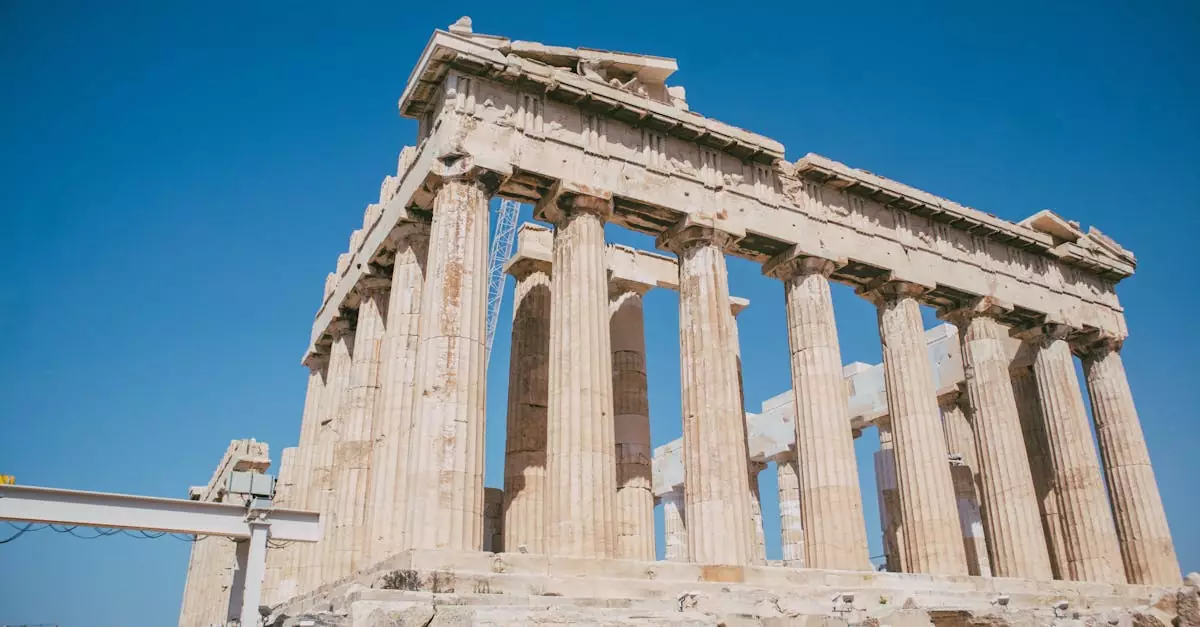
Embracing a slow travel approach in Greece means dedicating ample time to its culinary heart. Beyond the well-known dishes, the country offers a rich tapestry of flavors tied to its diverse landscapes and traditions. This guide focuses on experiencing Greek food not as a rushed meal, but as a central part of your journey, connecting you with local life and the land.
Farm-to-Table Experiences in Rural Greece
For a truly immersive taste of Greece, venture into its rural heartlands. Many small farms and agriturismo accommodations welcome visitors, offering a chance to participate in or observe the production of local ingredients. Imagine picking olives on a Peloponnesian estate or harvesting sun-ripened tomatoes in Crete. These experiences often culminate in shared meals prepared with the very produce you helped gather, providing an unparalleled connection to your food.
Rural Greece offers a unique perspective on sustainable living and traditional farming methods. Engaging with local producers allows you to understand the dedication and knowledge that goes into creating high-quality Greek products. Many accommodations in these areas are family-run, offering a warm and personal welcome.
Exploring Local Tavernas in Authentic Villages
The local taverna is the beating heart of Greek village life. Here, you’ll find unpretentious, delicious food served with genuine hospitality. Seek out places where locals gather for their daily meals. The aroma of slow-cooked stews, grilled meats, and fresh seafood will draw you in.
Ordering at a taverna is an experience in itself. Often, there isn’t a formal menu; instead, you might be invited into the kitchen to see what’s freshly prepared. Don’t hesitate to ask for recommendations. Sharing mezes (small plates) is a quintessential Greek dining experience, allowing you to sample a variety of flavors and textures. This communal style of eating fosters connection and encourages a relaxed pace.
Consider visiting smaller islands or less-visited mainland regions for the most authentic taverna experiences. For example, the Mani Peninsula in the Peloponnese or villages in Epirus offer a glimpse into traditional Greek culinary customs away from bustling tourist hubs.
Must-Try Regional Specialties Beyond Moussaka
While moussaka is a beloved classic, Greece’s culinary landscape is vast and varied. Each region boasts its own unique specialties, shaped by geography, climate, and history. Slow travel allows you the time to discover these distinct flavors.
In Crete, for instance, look for dakos (barley rusks topped with tomatoes, feta, and olive oil) and gamopilafo (a rich rice dish often served at weddings). Northern Greece is known for its hearty meat dishes, such as souvlaki variations and paidakia (lamb chops). On the Ionian islands, influences from Venice are evident in dishes like sofrito (veal cooked in a white wine and vinegar sauce). Exploring these regional dishes offers a deeper understanding of Greek culture.
Wine Tasting and Olive Oil Tours: A Taste of Greek Terroir
Greece has a winemaking tradition dating back millennia, and its olive oil is world-renowned. Slow travel provides the perfect opportunity to delve into these artisanal products. Many wineries and olive oil producers across the country offer tours and tastings.
Regions like Nemea in the Peloponnese are celebrated for their robust red wines, particularly those made from the Agiorgitiko grape. In Santorini, unique volcanic soil produces crisp Assyrtiko wines. For olive oil, consider a visit to Kalamata or the island of Lesvos, both famous for their high-quality extra virgin olive oil. These tours are not just about tasting; they often involve walks through vineyards or olive groves, explaining the cultivation process and the impact of the terroir on the final product.
Participating in an olive oil tasting can reveal subtle differences in flavor, from peppery and pungent to mild and fruity. Similarly, a wine tasting allows you to appreciate the nuances of Greek grape varietals and the distinct character of wines from different islands and mainland areas. These experiences are a delicious way to connect with the agricultural heritage of Greece.
Navigating Greece for a Relaxed Experience
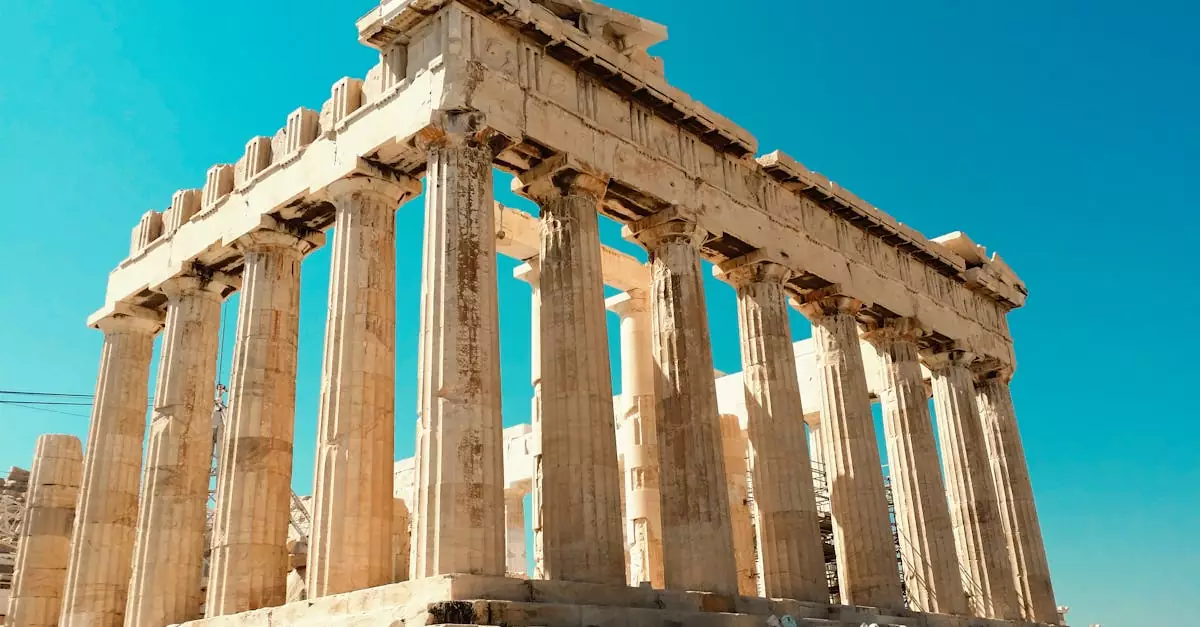
Embracing slow travel in Greece means prioritizing authentic experiences over ticking off a checklist of famous landmarks. This approach extends to how you move around, where you stay, and when you visit. A well-planned journey allows for deeper connections with the culture and landscapes of this beautiful country.
Getting Around Greece: Slow Transportation Options (Ferries, Local Buses)
For a truly relaxed pace, lean into Greece’s excellent ferry network and local bus systems. Ferries are not just transportation; they are an integral part of the Greek island experience, offering scenic journeys and a chance to observe daily life. Traveling between islands by ferry allows you to savor the Aegean Sea and anticipate your arrival without the rush of flights.
Local buses, known as KTEL, are the backbone of intercity and inter-island travel on land. They are generally affordable and connect smaller towns and villages that rental cars might miss. While not always the fastest, they provide a more grounded perspective of the country.
- Ferry Tips: Book popular routes in advance, especially during peak season. Consider overnight ferries to save on accommodation.
- Bus Tips: Timetables can vary, so check locally or online a few days before travel. Be prepared for spontaneous stops to pick up or drop off passengers.
Renting a Car for Deeper Exploration of the Peloponnese
While public transport excels for island hopping, renting a car unlocks the hidden gems of mainland Greece, particularly the Peloponnese peninsula. This region, rich in history and natural beauty, is best explored at your own pace. A car allows you to venture off the beaten path, discover secluded beaches, and visit ancient sites without relying on limited bus schedules.
Driving in Greece can be an adventure. Roads on the mainland are generally well-maintained but can be winding, especially in mountainous areas. Familiarize yourself with local driving customs and be aware of speed limits, which are strictly enforced. Parking can also be a challenge in popular towns, so look for accommodations offering parking facilities.
Finding Charming, Locally-Owned Accommodation
For an authentic Greek experience, bypass large hotel chains and opt for locally-owned guesthouses, boutique hotels, or even rooms for rent (domatia). These accommodations often provide a more personal touch, with hosts eager to share local insights and recommendations. Staying in smaller establishments allows you to contribute directly to the local economy and often places you in the heart of villages or historic districts.
Look for properties that highlight traditional architecture or offer unique amenities. Many family-run pensions provide homemade breakfast with local produce, offering a delicious introduction to Greek cuisine. Consider areas slightly away from the main tourist hubs for a quieter, more intimate stay.
Best Time to Visit Greece for Uncrowded, Slow Travel
Timing is crucial for a slow travel experience in Greece. The shoulder seasons—April to May and September to October—offer the most rewarding conditions. During these months, the weather is typically pleasant, with warm sunshine and fewer crowds than the bustling summer months of July and August.
Spring brings blooming wildflowers and a vibrant landscape, while autumn offers warm seas for swimming and the start of the olive harvest. These periods allow for more relaxed exploration of archaeological sites, leisurely meals at tavernas, and easier access to accommodation and transportation without the intense pressure of peak season.
| Season | Weather | Crowds | Prices | Activities |
|---|---|---|---|---|
| Spring | Mild to warm, blooming flora | Low | Moderate | Sightseeing, hiking, island exploration |
| Summer | Hot and sunny, ideal for beaches | High | High | Beach holidays, swimming, nightlife |
| Autumn | Warm to mild, pleasant sea temperatures | Moderate | Moderate | Sightseeing, wine tasting, harvest festivals |
| Winter | Cool and sometimes rainy, fewer tourists | Very Low | Low | City breaks, historical sites, winter sports |
Frequently Asked Questions About Greece Slow Travel
Is slow travel in Greece budget-friendly?
Slow travel in Greece can be surprisingly budget-friendly, especially compared to shorter, more tourist-centric trips. By staying longer in one place, you can often negotiate better rates on accommodation, particularly outside of peak season. Eating at local tavernas rather than exclusively at tourist traps also significantly cuts down costs. Focusing on one or two regions instead of extensive island hopping reduces transportation expenses.
What are some common tourist mistakes to avoid when traveling slowly in Greece?
A common mistake is trying to see too much too quickly, which defeats the purpose of slow travel. Resist the urge to pack your itinerary. Another pitfall is overlooking the mainland; many travelers focus solely on the islands, missing incredible historical sites and authentic cultural experiences inland. Finally, not learning a few basic Greek phrases can hinder deeper connections with locals.
What should I pack for a relaxed Greek island hopping trip?
For a relaxed Greek island hopping trip, pack light, breathable clothing. Essentials include swimwear, comfortable walking shoes for exploring villages, sandals, a wide-brimmed hat, and high-SPF sunscreen. Don’t forget a reusable water bottle to stay hydrated and reduce plastic waste. A light jacket or cardigan is useful for cooler evenings, especially in spring or autumn. Consider packing a small backpack for day trips.
How can I connect with locals while embracing slow travel in Greece?
Engaging with locals is central to the slow travel ethos. Visit local markets early in the morning to witness daily life. Strike up conversations with shopkeepers or taverna owners; a few words of Greek go a long way. Attend local festivals or events if your timing aligns. Renting a car and venturing to smaller, less-touristed villages offers more opportunities for genuine interaction than staying in a large resort town.