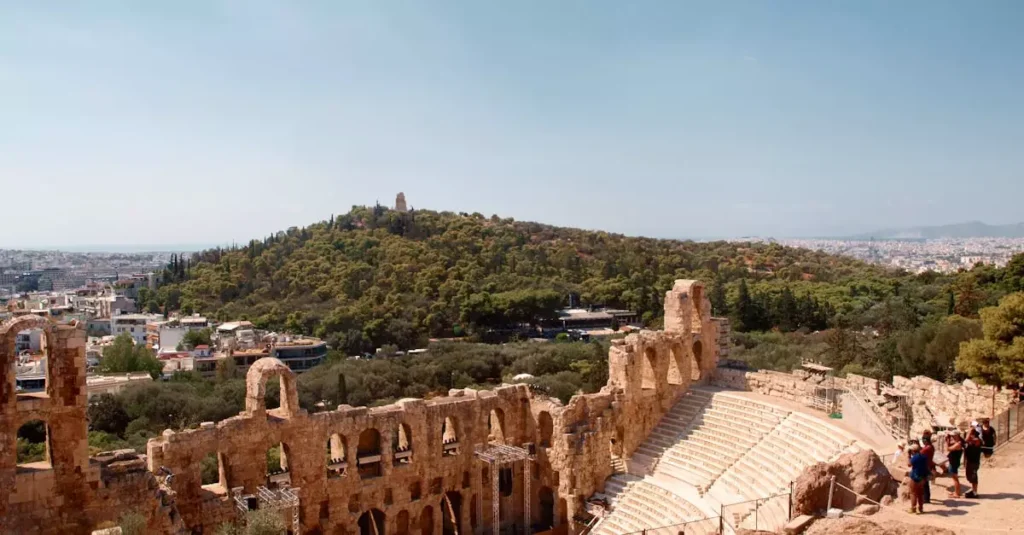
Greece beckons with its sun-drenched islands, ancient wonders, and vibrant culture, offering a travel experience like no other. From the iconic whitewashed villages of the Cyclades to the rugged landscapes of the Peloponnese, the best places to visit in Greece cater to every type of traveler. This guide will help you navigate the diverse offerings, whether you dream of exploring millennia-old ruins in Athens, finding tranquility on a lesser-known island, or indulging in world-renowned cuisine. Discover practical advice on when to go, how to get around, and essential dishes to savor. Prepare to uncover the magic of Greece, from its most celebrated landmarks to its hidden gems, ensuring your adventure is both unforgettable and seamlessly planned.
Discover the Most Enchanting Greek Islands
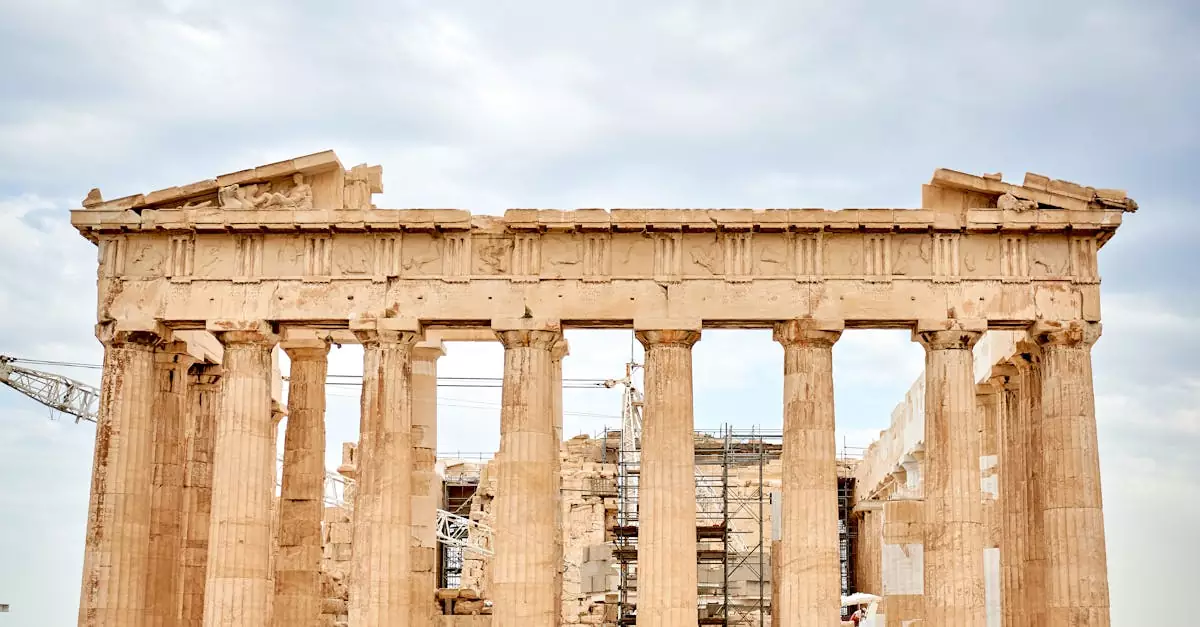
Greece boasts a stunning archipelago, with each island offering its own unique character and charm. From dramatic volcanic landscapes to ancient ruins and vibrant nightlife, the best places to visit in Greece provide a diverse range of experiences. Planning your island-hopping adventure requires understanding what each destination offers travelers seeking sun, culture, and adventure.
Santorini: Iconic Caldera Views and Romantic Sunsets
Santorini remains a top destination for its breathtaking caldera views, whitewashed villages clinging to cliffs, and world-famous sunsets. Oia and Fira are the most popular towns, featuring luxury accommodations, fine dining, and unparalleled vistas of the submerged volcanic crater. The island’s unique geology, shaped by a massive volcanic eruption millennia ago, contributes to its dramatic scenery.
Travelers often visit Santorini for honeymoons or romantic getaways, drawn by its picturesque settings. Getting around is easiest with a rental car or ATV, though local buses connect major towns and beaches. The shoulder seasons, April-May and September-October, provide pleasant weather and fewer crowds than the peak summer months.
Crete: Ancient History, Diverse Landscapes, and Delicious Cuisine
Crete, the largest of the Greek islands, rewards longer stays. It features contrasts, from the rugged peaks of the White Mountains to the palm-fringed beaches of Elafonissi and the ancient Minoan palace of Knossos. History buffs will find endless fascination in its archaeological sites, while nature lovers can hike through gorges like Samaria.
The island’s cuisine is a significant draw, with distinct local specialties and fresh produce. Renting a car is highly recommended for exploring Crete’s vastness and diverse regions, including Chania, Rethymno, and Heraklion. Consider visiting in late spring or early autumn to enjoy warm weather without the intense summer heat, making it one of the best places to visit in Greece for a comprehensive experience.
Mykonos: Vibrant Nightlife and Chic Beach Clubs
Mykonos is synonymous with energetic nightlife and a sophisticated beach scene. Little Venice and the windmills are iconic landmarks, while beaches like Psarou and Paradise are dotted with stylish clubs and restaurants. The main town, Chora, offers charming narrow streets, boutique shopping, and a lively atmosphere that extends well into the night.
This island appeals to travelers seeking a blend of relaxation and lively entertainment. Transportation within Mykonos is straightforward, with taxis, rental cars, and a reliable bus system connecting the main town to popular beaches. Like other popular islands, Mykonos sees peak crowds and prices in July and August.
Zakynthos: Shipwreck Beach and Turquoise Waters
Zakynthos, also known as Zante, is famous for Navagio Beach (Shipwreck Beach), a stunning cove accessible only by boat, featuring a dramatic shipwreck against towering cliffs and impossibly blue water. Beyond this iconic sight, the island offers other beautiful beaches, sea caves, and opportunities to spot endangered loggerhead sea turtles.
Visitors often take boat tours to explore the coastline and swim in the crystal-clear Ionian Sea. Renting a scooter or car provides flexibility for reaching different parts of the island. The summer months are ideal for swimming and sunbathing but can be very busy. For those interested in marine life, visiting during the nesting season of loggerhead turtles offers a unique perspective.
Explore Ancient Wonders in Athens and Beyond
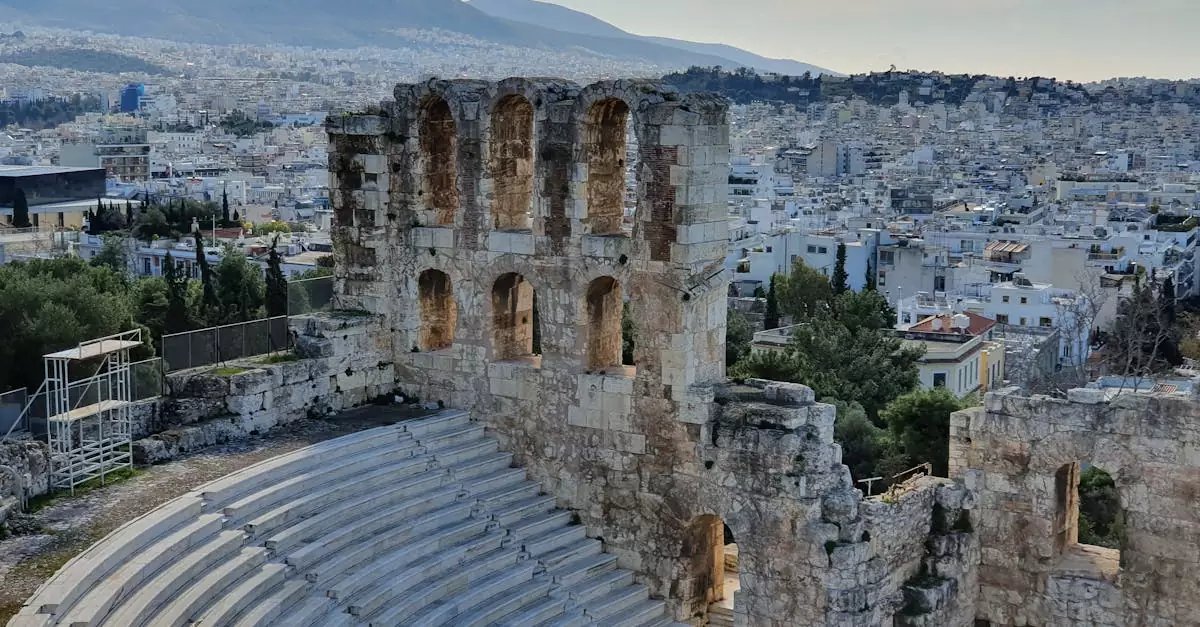
For travelers drawn to history and mythology, Greece offers an unparalleled journey through the cradle of Western civilization. Exploring these ancient sites provides a tangible connection to the past, revealing the ingenuity and cultural richness of bygone eras. Planning your visits to these significant locations requires attention to timing, accessibility, and the sheer scale of their historical narratives.
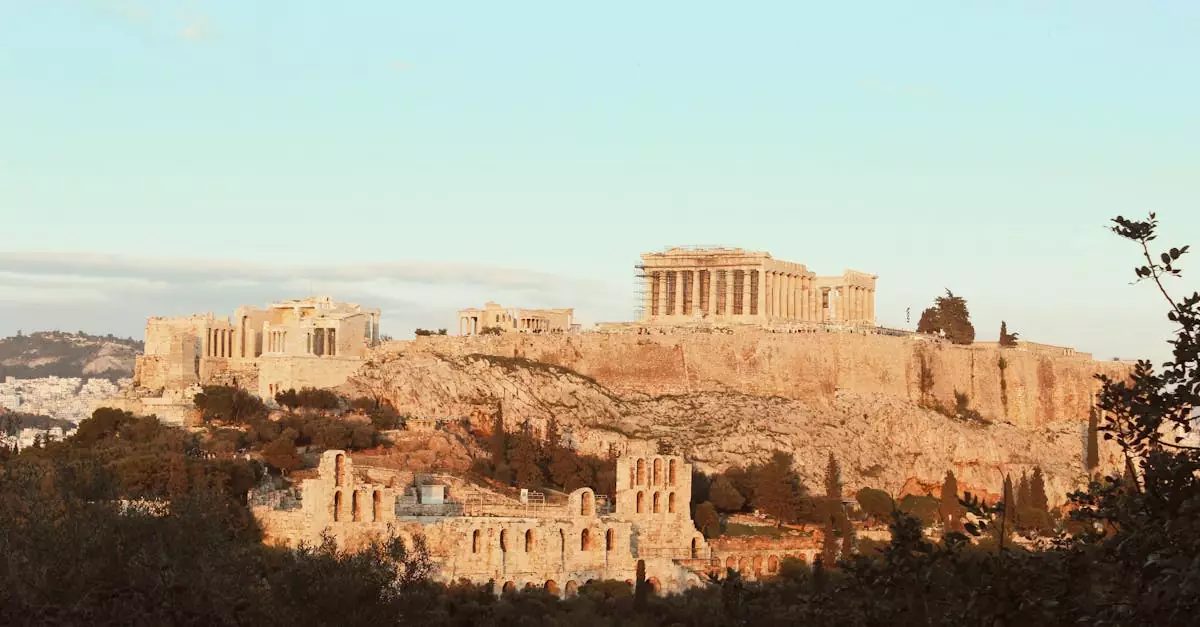
The Acropolis and Parthenon: A Journey Through Classical Athens
Dominating the Athenian skyline, the Acropolis is an unmissable testament to classical Greece. The Parthenon, dedicated to the goddess Athena, is its most iconic structure, a marvel of Doric architecture. Visiting early in the morning or late in the afternoon helps avoid midday crowds and harsh sun, especially during the warmer months of summer. Wear comfortable shoes; the ascent involves uneven terrain and marble steps. Consider purchasing tickets online in advance to bypass ticket queues.
Ancient Agora: The Heart of Athenian Public Life
Just below the Acropolis lies the Ancient Agora, the bustling marketplace and civic center of ancient Athens. Here, philosophers debated, politicians deliberated, and citizens gathered. Key structures include the remarkably preserved Temple of Hephaestus and the Stoa of Attalos, which houses a museum detailing daily life in the city. Allow at least two hours to wander through the ruins and absorb the atmosphere of this historically significant space.
Delphi: The Oracle’s Sanctuary and Mythical Landscape
Nestled on the slopes of Mount Parnassus, Delphi was considered the center of the ancient world, home to the famous Oracle. The archaeological site features its Temple of Apollo, ancient theatre, and stadium, all set against a dramatic mountainous backdrop. Reaching Delphi typically involves a scenic drive from Athens, taking about two to three hours. The site is expansive, so comfortable footwear is essential. The panoramic views from the upper levels are breathtaking and add to the mystical aura of this sacred place.
Mycenae: The Citadel of Agamemnon
Mycenae, a major center of Greek civilization in the second millennium BCE, is a UNESCO World Heritage site steeped in legend. Visitors can explore the imposing Lion Gate, the Cyclopean Walls, and the Treasury of Atreus, a magnificent tholos tomb. The site contrasts starkly with the Athenian ruins, showcasing the power and grandeur of Mycenaean civilization. Located in the Peloponnese region, it can be visited as a day trip from Nafplio or as part of a broader exploration of the Peloponnese peninsula.
Uncover Hidden Gems: Lesser-Known Greek Destinations
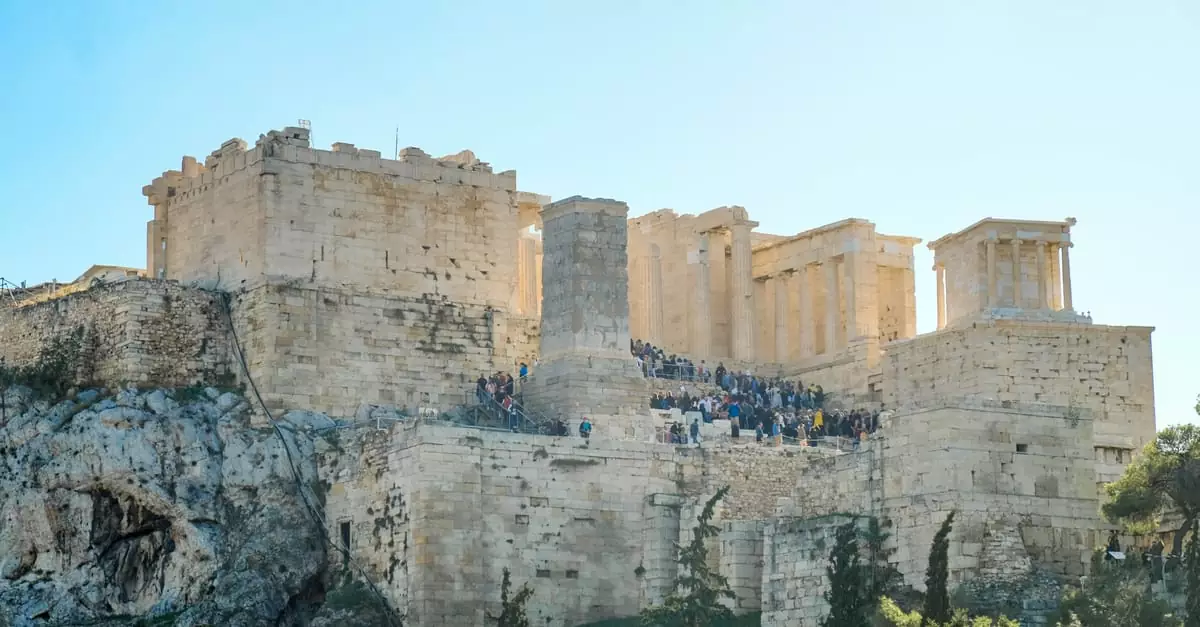
While the iconic islands and ancient ruins of Greece are undeniably captivating, venturing off the beaten path reveals a different kind of magic. These lesser-known destinations offer authentic experiences, fewer crowds, and a deeper connection to the country’s rich history and natural beauty. If you’re looking for unique adventures beyond the usual tourist trails, consider these remarkable places.
Meteora: Monasteries Perched on Dramatic Rock Formations
Meteora, meaning “suspended in the air,” is a truly awe-inspiring sight. Here, ancient monasteries cling precariously to colossal natural rock pillars that rise dramatically from the Thessaly plain. These geological wonders, sculpted by wind and water over millennia, create a landscape that feels otherworldly.
Visiting Meteora offers a blend of spiritual contemplation and natural exploration. Six active monasteries welcome visitors, each with its own unique history and architectural style. The climb to some of the monasteries can be strenuous, but the panoramic views from the top are well worth the effort.
Planning Your Visit:
- Best Time to Visit: Spring (April-May) and autumn (September-October) offer pleasant weather and fewer crowds. Summer can be very hot.
- Getting There: The nearest major city is Kalambaka. You can reach Kalambaka by train or bus from Athens.
- What to Bring: Comfortable walking shoes are essential, as is modest clothing (shoulders and knees covered) for monastery visits.
Nafplio: A Picturesque Venetian Harbor Town
Nafplio, located in the Peloponnese region, is a charming coastal town that served as Greece’s first capital. Its Venetian architecture, narrow cobblestone streets, and imposing fortress create a romantic and historically rich atmosphere. The town is crowned by the Palamidi Fortress, offering breathtaking views of the Argolic Gulf.
Wander through the old town’s labyrinthine alleys, discover hidden squares, and enjoy fresh seafood at waterfront tavernas. A short boat trip to the Bourtzi fortress, a small Venetian castle situated on an islet in the harbor, is a must-do. Nafplio is also an excellent base for exploring nearby archaeological sites like Mycenae and Epidaurus.
Traveler Tip: Nafplio is highly walkable, making it easy to soak in its atmosphere on foot.
Peloponnese Peninsula: Exploring Ancient Sites and Coastal Beauty
The Peloponnese, a large peninsula in southern Greece, is a treasure trove of history, mythology, and diverse landscapes. From ancient Olympia, birthplace of the Olympic Games, to the dramatic ruins of Mystras, a Byzantine ghost city, the peninsula is steeped in history.
Beyond its archaeological significance, the Peloponnese boasts stunning coastlines, including the Mani Peninsula with its rugged terrain and traditional tower houses, and picturesque seaside towns like Kardamyli. The region offers fantastic opportunities for hiking, swimming, and wine tasting.
Comparison: Peloponnese vs. Cyclades
| Feature | Peloponnese Peninsula | Cycladic Islands (e.g., Santorini, Mykonos) |
|---|---|---|
| Scenery | Diverse: mountains, coastlines, ruins | Iconic white-washed villages, blue domes, caldera views |
| History | Ancient sites, Byzantine cities | Ancient ruins, medieval castles |
| Activities | Hiking, history, wine, beaches | Beaches, nightlife, photography, sailing |
| Crowds | Generally fewer than popular islands | Can be very crowded in peak season |
| Budget | Often more budget-friendly | Typically more expensive, especially in peak season |
Sifnos: Traditional Cycladic Charm and Gastronomy
For a taste of authentic Cycladic life without the overwhelming crowds of its more famous neighbors, Sifnos is an excellent choice. This island is renowned for its traditional villages, beautiful pottery, and exceptional cuisine. Apollonia, the island’s capital, is a picturesque network of villages connected by winding paths.
Sifnos is a paradise for food lovers, often referred to as the gastronomic heart of the Cyclades. Local specialties include revithada (slow-cooked chickpea stew) and mastelo (lamb or goat cooked in a clay pot). The island also offers lovely beaches and hiking trails, making it a well-rounded destination for a relaxed Greek island experience.
What’s the Best Time to Plan Your Greece Trip?
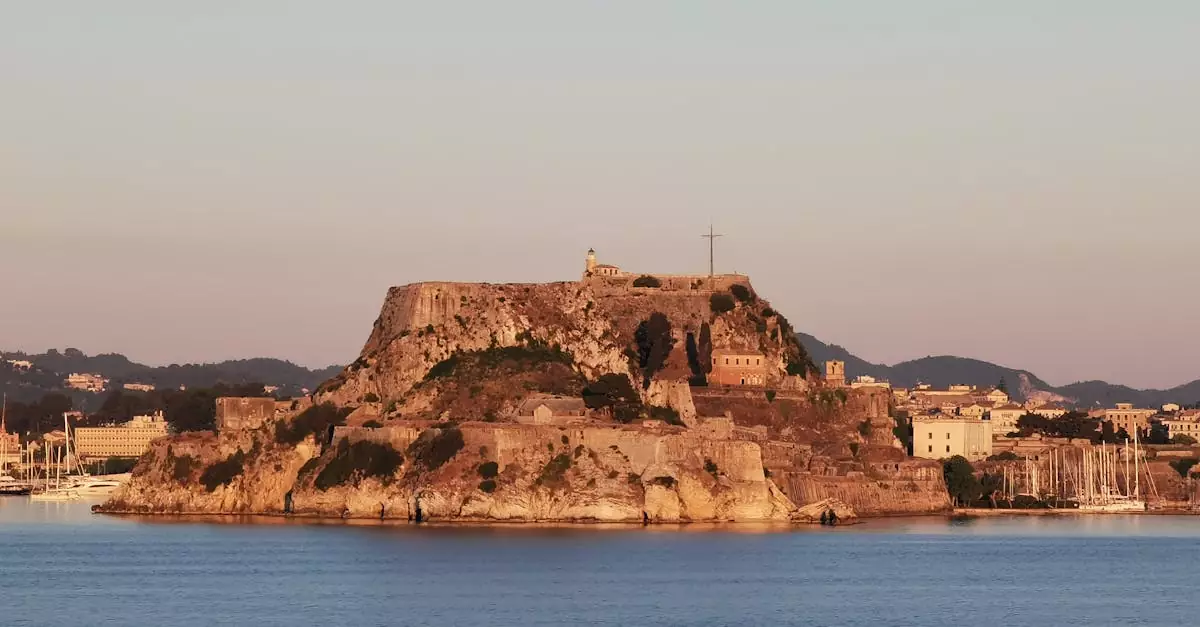
Deciding when to visit Greece can significantly shape your experience, influencing crowd levels, prices, weather, and available activities. While summer is undeniably popular, the shoulder seasons offer a compelling alternative for many travelers seeking a more relaxed and budget-friendly adventure.
Navigating Greece by Season: Spring Blooms to Autumn Sun
Each season in Greece offers a distinct atmosphere and set of advantages. Spring (April-May) brings blooming wildflowers, mild temperatures, and fewer tourists, making it ideal for exploring ancient sites without the heat. Summer (June-August) is the classic Greek holiday period, characterized by hot, dry weather perfect for island hopping and swimming, but also by peak crowds and higher prices. Autumn (September-October) mirrors spring’s appeal with pleasant weather, warm seas, and a noticeable drop in visitor numbers, providing a more tranquil experience. Winter (November-March) sees fewer tourists, lower accommodation rates, and a chance to experience local life more authentically, though some islands become very quiet, and ferry services may be reduced.
Shoulder Season Savings: Visiting Greece in April-May and September-October
For travelers balancing budget, weather, and crowds, the shoulder seasons of April-May and September-October are often the best times to visit Greece. During these months, you’ll find pleasant temperatures, typically in the low to mid-20s Celsius (70s Fahrenheit), ideal for sightseeing and outdoor activities. The seas are usually warm enough for swimming, especially later in September.
This timing also means significant savings on flights and accommodations compared to the peak summer months. You’ll encounter fewer queues at popular attractions like the Acropolis in Athens or the ancient ruins of Delphi. Furthermore, local life feels more accessible without the intense summer rush, allowing for more genuine interactions. Ferry schedules are generally robust, connecting the mainland to most islands.
Peak Summer Travel: Pros and Cons for Island Hopping
Visiting Greece during peak summer, from June through August, offers long, sunny days and the quintessential Mediterranean experience. The islands are at their most vibrant, with lively beach clubs, bustling tavernas, and a palpable energy. This is the prime time for swimming, sunbathing, and enjoying water sports, as the Aegean and Ionian Seas are warm and inviting.
However, summer travel comes with considerable drawbacks. Expect large crowds at major attractions and on popular islands like Santorini and Mykonos, often leading to longer wait times and a less intimate experience. Accommodation and flight prices skyrocket during this period, making it the most expensive time to visit. The heat can be intense, particularly in July and August, sometimes exceeding 35°C (95°F), which can make daytime exploration challenging. While ferry services are at their most frequent, booking tickets and accommodations well in advance is crucial to avoid disappointment.
Savor Authentic Greek Flavors: Must-Try Local Dishes
Greek cuisine is a cornerstone of any visit to this Mediterranean gem. More than just sustenance, it reflects the history, culture, and bounty of the land and sea. Travelers often seek out the best places to visit in Greece not only for their stunning landscapes but also for their culinary traditions. From hearty casseroles to delicate pastries, Greek food offers a delightful journey for the palate.
Moussaka and Pastitsio: The Ultimate Greek Comfort Foods
No discussion of Greek food is complete without mentioning moussaka and pastitsio. Moussaka, a rich bake of layered eggplant, minced meat (often lamb or beef), and creamy béchamel sauce, is a quintessential dish. Pastitsio, sometimes called “Greek lasagna,” features layers of pasta, spiced meat sauce, and a topping of béchamel. Both are hearty, flavorful, and best enjoyed in a traditional taverna, perhaps after a day of sightseeing in Athens or on the island of Crete. These dishes are particularly satisfying during the cooler months of spring or autumn, though they are available year-round.
Fresh Seafood and Mezedes: Island Delights
The islands of Greece, with their proximity to the Aegean and Ionian Seas, offer an unparalleled seafood experience. Freshly grilled octopus, calamari, and a variety of local fish are staples. Alongside these, you’ll find mezedes, small dishes akin to tapas, perfect for sharing. Think of tzatziki (yogurt, cucumber, garlic dip), dolmades (stuffed grape leaves), spanakopita (spinach pie), and various grilled or fried cheeses. Enjoying a spread of mezedes with a glass of local wine or ouzo is a quintessential Greek island experience, especially on islands like Santorini or Mykonos.
Local Cheeses and Olives: A Taste of the Mediterranean
Greece’s fertile land yields exceptional produce, with olives and cheese being prime examples. Greek olives, whether Kalamata, Halkidiki, or other regional varieties, are a flavorful part of any meal, often served with olive oil. Local cheeses like feta, graviera, and kefalotyri are used in countless dishes or enjoyed on their own. Feta, with its salty, crumbly texture, is perhaps the most famous, found in salads and pies across the country. Exploring local markets in towns like Chania on Crete or Nafplio on the mainland provides a fantastic opportunity to sample and purchase these authentic products.
Sweet Treats: Baklava and Loukoumades
To conclude a Greek meal or enjoy a delightful afternoon snack, indulge in the country’s sweet offerings. Baklava, a layered pastry made with filo dough, nuts, and honey syrup, is a universally loved dessert. For something different, try loukoumades, small, deep-fried dough balls drizzled with honey and often sprinkled with cinnamon. These sweet treats are a delightful way to cap off your culinary adventures, available in bakeries and cafes throughout Greece.
Frequently Asked Questions About Visiting Greece
What are the most budget-friendly places to visit in Greece?
While iconic islands like Santorini and Mykonos can be expensive, many other Greek destinations offer incredible experiences without breaking the bank. Consider the Peloponnese peninsula, where charming towns like Nafplio and Kalamata provide more affordable accommodation and dining options. The northern mainland, including Thessaloniki and the surrounding regions, also delivers excellent value. For a budget-friendly island experience, look towards less-visited islands in the Dodecanese or Cyclades, such as Astypalaia or Naxos, which often have lower prices for flights, hotels, and daily expenses.
How do I get around between the best places to visit in Greece?
Getting around Greece offers several convenient options. For inter-island travel, ferries are the most common and scenic choice, connecting major islands and even smaller ones. Booking ferry tickets in advance is advisable, especially during peak season. Within the mainland, a well-developed bus network (KTEL) serves most towns and cities. Renting a car is highly recommended for exploring regions like the Peloponnese or Crete at your own pace, providing flexibility to visit remote beaches and ancient sites. Domestic flights connect Athens to many larger islands, saving significant travel time if the budget allows.
| Transportation Method | Best For | Approximate Cost (One-Way) | Notes |
|---|---|---|---|
| Ferries | Island hopping | €30-€100+ | Scenic, can be slow for long distances. |
| Buses (KTEL) | Mainland travel | €5-€30 | Extensive network, reliable. |
| Rental Car | Mainland exploration, Crete | €30-€60/day | Offers flexibility, parking can be challenging in cities. |
| Domestic Flights | Quick island access | €50-€150+ | Fastest option, fewer route options than ferries. |
Is Greece safe for solo female travelers?
Greece is generally considered a very safe destination for solo female travelers. Violent crime is rare, and incidents of petty theft are uncommon, especially outside crowded tourist hotspots. Common sense precautions, such as being aware of your surroundings and avoiding poorly lit areas late at night, are always advisable, as they would be in any country. Many solo women report feeling comfortable exploring ancient ruins, bustling markets, and quiet villages. The welcoming nature of the Greek people further contributes to a positive and secure travel experience.
What should I pack for a trip to Greece?
Packing for Greece depends heavily on the season and your planned activities. For summer travel (June-August), light and breathable clothing is essential, including t-shirts, shorts, sundresses, and swimwear. Comfortable walking shoes are a must for navigating cobblestone streets and ancient sites. Don’t forget sunscreen, a hat, and sunglasses, as the Mediterranean sun can be intense. A light jacket or shawl is useful for cooler evenings, especially on islands with sea breezes. If visiting during the shoulder seasons (spring or autumn), pack layers, including a light sweater or fleece, and a waterproof jacket. For religious sites, ensure you have modest clothing that covers your shoulders and knees.