France’s culinary reputation is legendary, drawing food lovers from around the world. While Paris offers undeniable gastronomic delights, the true essence of French cuisine is found in its diverse regions. Exploring the best food experiences in France means venturing beyond the capital to discover a rich tapestry of local traditions, seasonal ingredients, and time-honored recipes.
This guide will take you through France’s most celebrated culinary landscapes. You’ll learn about the unique specialties of regions like Alsace, Provence, and Brittany, uncover the secrets of vibrant food markets, and discover unforgettable activities such as farm-to-table tours and wine-pairing sessions. Whether you’re planning a short escape or an extended exploration, prepare to immerse yourself in the authentic flavors that make French food a global phenomenon.
Discovering Authentic French Food Experiences
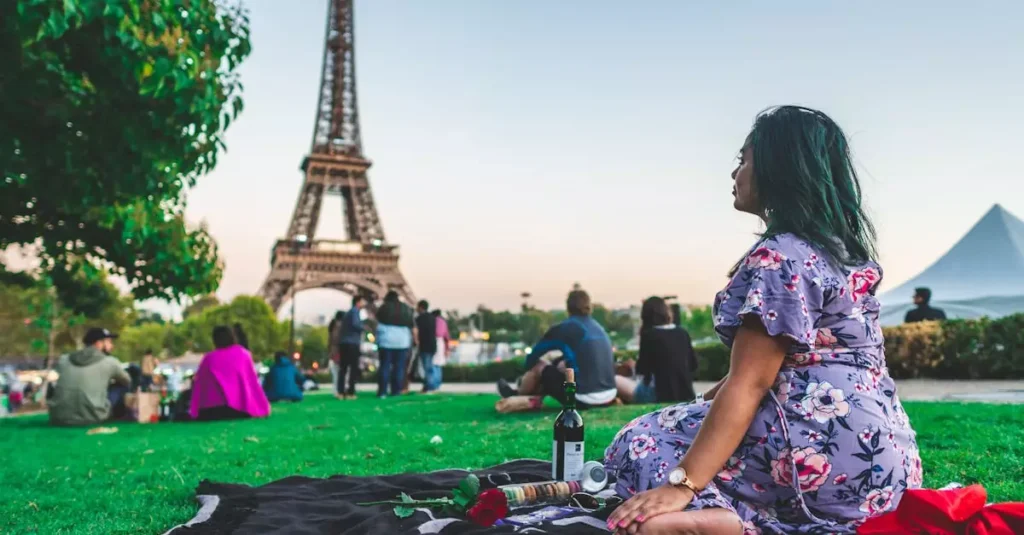
Embarking on a culinary journey through France allows you to savor flavors deeply rooted in tradition and regional identity. The best food experiences in France extend far beyond the iconic Eiffel Tower and Parisian bistros. They can be found in bustling markets, family-run restaurants, and in the simple act of sharing a meal with locals. Understanding what defines an authentic French meal involves appreciating fresh, seasonal ingredients and the meticulous preparation that transforms simple dishes into works of art.
What defines a truly authentic French food experience?
Authenticity in French cuisine is characterized by adherence to regional specialties and the use of high-quality, locally sourced ingredients. It’s about understanding the provenance of your food, whether it’s cheese from a specific village or wine from a renowned vineyard. An authentic experience might involve a leisurely multi-course meal, a quick stop at a boulangerie for a freshly baked baguette, or a visit to a fromagerie to sample a variety of artisanal cheeses. The emphasis is on savoring each bite and appreciating the craftsmanship involved.
Beyond Baguettes: Exploring Regional French Cuisine
While the baguette is a national treasure, French culinary diversity shines brightest in its distinct regions. Each area boasts unique ingredients, cooking methods, and signature dishes shaped by its geography and history. For instance, Normandy is celebrated for its rich dairy products, leading to creamy sauces and delightful apple-based desserts. Further south, Provence offers a lighter, sun-drenched cuisine featuring olive oil, herbs de Provence, tomatoes, and seafood.
The Rhône-Alpes region, particularly Lyon, is often called the gastronomic capital of France, renowned for hearty traditional dishes like quenelles and salumi. Brittany, with its extensive coastline, excels in seafood, especially oysters and crêpes. Exploring these regional variations is key to understanding the breadth of French gastronomy.
| Region | Signature Dishes | Key Ingredients |
|---|---|---|
| Normandy | Camembert cheese, Tarte Tatin, Moules Marinières | Apples, Cream, Seafood |
| Provence | Ratatouille, Bouillabaisse, Tapenade | Olive Oil, Herbs, Tomatoes |
| Rhône-Alpes | Quenelles de Brochet, Saucisson, Gratin Dauphinois | Pork, Potatoes, Butter |
| Brittany | Crêpes, Galettes, Oysters, Kouign-amann | Buckwheat, Seafood, Butter |
The Art of French Gastronomy: A Deeper Dive
French gastronomy is more than just eating; it’s a cultural institution recognized by UNESCO for its intangible heritage. This art form emphasizes the dining experience as a whole, from the setting and company to the careful pairing of food and wine. Even a simple meal can be elevated through thoughtful presentation and a focus on sensory pleasure.
A prime example is the tradition of aperitifs and digestifs, which frame a meal and encourage slow, deliberate enjoyment. Visiting a local market, like the Marché des Enfants Rouges in Paris or the Cours Saleya in Nice, offers a vibrant introduction to the ingredients that form the foundation of French cooking. Engaging with vendors and tasting local produce can be both educational and delicious. For travelers interested in immersive food experiences, consider a cooking class focused on specific regional cuisine or a wine-tasting tour in Bordeaux or Burgundy. These activities provide hands-on learning and a deeper appreciation for the dedication behind French culinary traditions.
Must-Try Regional Specialties for Food Lovers

France’s culinary reputation extends far beyond its capital, with each region offering distinct flavors and traditions that form the backbone of the nation’s gastronomic identity. To truly appreciate the best food experiences in France, venturing into its diverse provinces is essential.
Alsace: Savory Tarte Flambée and Rich Choucroute
The northeastern region of Alsace, influenced by Germanic traditions, boasts hearty and comforting cuisine. Tarte flambée, or “flammekueche,” features thin dough topped with crème fraîche, onions, and lardons, baked until crisp. It’s a simple yet satisfying dish, perfect for sharing. Another Alsatian staple is choucroute garnie, a generous platter of sauerkraut served with various sausages, smoked pork, and potatoes. This dish is best enjoyed during cooler months, perhaps after a day exploring charming villages like Colmar.
Provence: Sun-Kissed Olive Oils and Bouillabaisse by the Sea
Provence is synonymous with fresh, vibrant flavors influenced by the Mediterranean. The region is renowned for its exceptional olive oils, which form the base of many dishes. When visiting coastal towns like Marseille, seeking out an authentic bouillabaisse is essential. This rich fish stew, traditionally made with local fish and flavored with saffron and fennel, offers a true taste of the sea. Enjoy it with a drizzle of aioli and crusty bread for a complete experience. Exploring local markets for fresh produce, herbs, and regional specialties is also a highlight.
Brittany: Crêpes, Galettes, and Fresh Seafood Delights
Brittany’s rugged coast offers a bounty of seafood and unique culinary traditions. The region is famous for its crêpes (sweet) and galettes (savory, made with buckwheat flour). Enjoy a galette filled with cheese, ham, and an egg for a classic savory meal, or indulge in a sweet crêpe with sugar or fruit for dessert. Brittany’s proximity to the Atlantic means exceptionally fresh oysters, mussels, and other shellfish are readily available. A visit to a seaside town like Saint-Malo provides ample opportunities to savor these oceanic treasures.
Burgundy: Escargots, Coq au Vin, and World-Class Wines
Burgundy is a paradise for wine and food enthusiasts. It’s the birthplace of iconic dishes such as escargots de Bourgogne (snails cooked in garlic-parsley butter) and coq au vin (chicken braised in red Burgundy wine). These rich dishes are deeply rooted in the region’s agricultural heritage. Of course, no culinary journey through Burgundy is complete without sampling its world-renowned wines, particularly Pinot Noir and Chardonnay. Visiting a local cave for a wine tasting, perhaps followed by a meal featuring regional specialties, offers a comprehensive taste of Burgundy.
Navigating France’s Best Food Markets
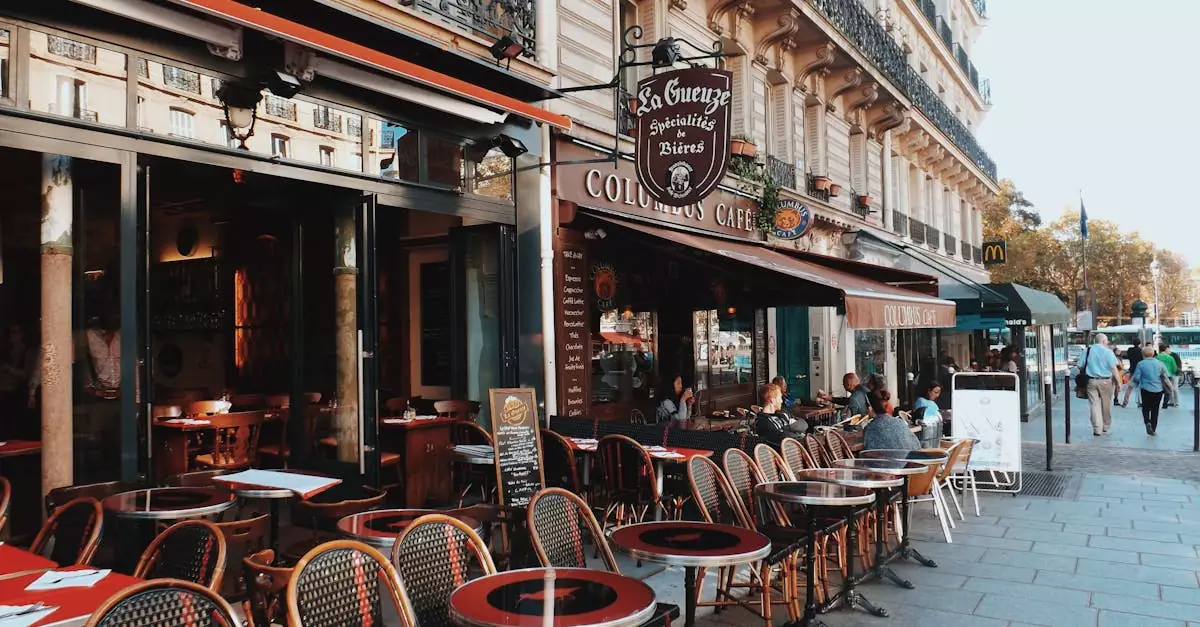
French food markets are vibrant centers of culinary discovery, offering a direct connection to the country’s rich gastronomic heritage. Beyond the famed restaurants, these bustling hubs provide an authentic taste of local life and an opportunity to sample regional specialties. Experiencing these markets is essential for anyone seeking the best food experiences in France.
Marché des Enfants Rouges, Paris: A Melting Pot of Flavors
Paris’s oldest covered market, the Marché des Enfants Rouges, is a lively testament to the city’s multicultural palate. Established in 1628, it has evolved from a simple food hall to a vibrant gastronomic destination. Here, you can find everything from traditional French crepes and escargots to Moroccan tagines and Japanese bento boxes.
The market’s appeal lies in its diversity. Food stalls are arranged around a central seating area, encouraging communal dining. It’s a fantastic spot for lunch, offering a wide array of quick, delicious meals. Arrive early to avoid the biggest crowds, especially on weekends.
Cours Saleya Market, Nice: Fresh Produce and Local Delicacies
The Cours Saleya market in Nice is a quintessential Provençal experience, particularly renowned for its vibrant flower market in the mornings and its food market later in the day. Located in the heart of the Old Town (Vieux Nice), it’s a sensory delight filled with the aroma of fresh herbs, citrus fruits, and local cheeses.
Visitors can find an abundance of seasonal produce, including vibrant tomatoes, fragrant lavender, and locally produced olive oil. Don’t miss the chance to try socca, a thin chickpea flour pancake that’s a Niçoise specialty. The market is best experienced on a sunny morning, soaking in the Mediterranean atmosphere.
La Cuchara de San Telmo, San Sebastián (just over the border, but a must for foodies)
While technically in Spain, the Basque Country’s culinary capital, San Sebastián, is a short trip from the French border and offers an unparalleled gastronomic adventure. La Cuchara de San Telmo exemplifies the region’s innovative pintxos culture, serving up creative, high-quality small plates that stand apart from typical tapas.
Expect dishes like slow-cooked veal cheeks and foie gras preparations. The bustling atmosphere, with patrons standing elbow-to-elbow, adds to the charm, reflecting a shared passion for exceptional food that bridges French and Spanish culinary landscapes.
Tips for Shopping Like a Local at French Food Markets
To immerse yourself in the market experience, adopt a few local habits. Bring reusable bags, as plastic bags are often discouraged. Engage with the vendors; they are usually passionate about their products and happy to offer samples or advice.
Consider visiting on a weekday morning for a more relaxed experience, although weekend markets offer a livelier atmosphere. Many vendors accept cards, but having cash on hand is advisable, especially for smaller purchases. If you’re interested in specific regional produce, research the market’s specialties beforehand.
Here’s a quick look at what to expect at some popular markets:
| Market Name | Location | Primary Focus | Best For |
|---|---|---|---|
| Marché des Enfants Rouges | Paris | Diverse international | Lunch, multicultural flavors |
| Cours Saleya Market | Nice | Produce, flowers | Local produce, socca, Provençal goods |
| La Boqueria | Barcelona | Produce, seafood | Fresh ingredients, vibrant atmosphere |
| Borough Market | London | Artisanal food | Gourmet products, diverse food stalls |
When planning your market visits, factor in the opening hours, as many food markets operate only in the mornings and close by early afternoon. For those traveling between regions, understanding transportation options in France can help you reach these culinary hotspots efficiently.
Unique Culinary Activities and Experiences
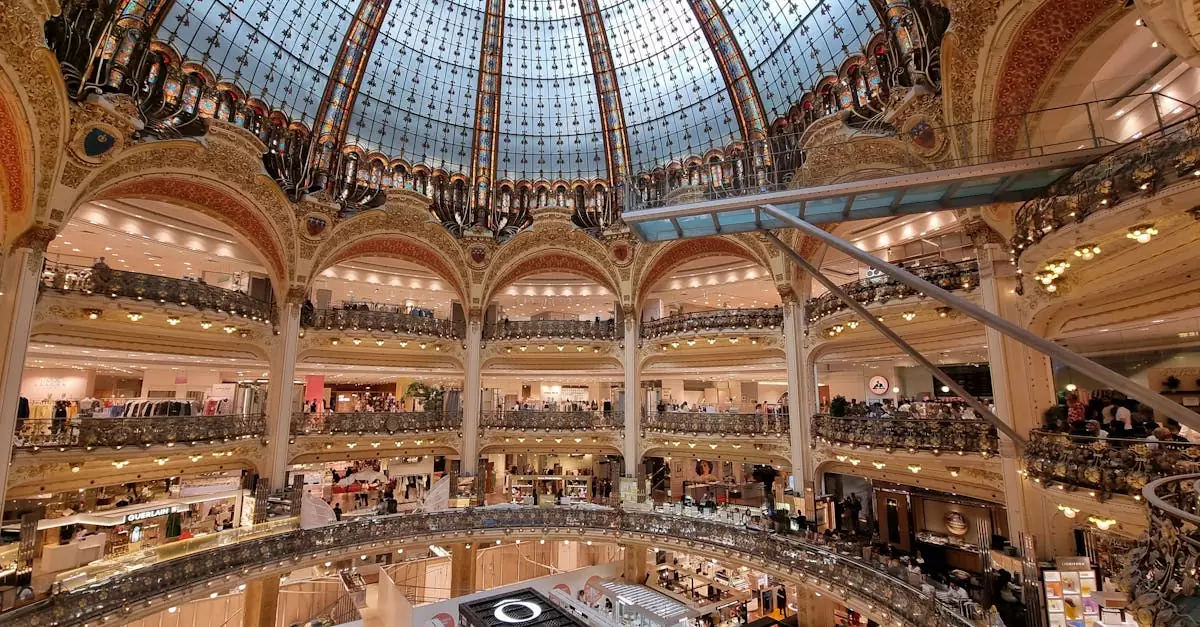
France’s reputation as a gastronomic capital extends far beyond its famous restaurants. Engaging directly with local producers and traditional culinary practices offers a deeper understanding of French cuisine. These hands-on experiences provide memorable insights into the regional flavors and dedication to quality that define the country’s food culture.
Farm-to-Table Experiences in the Loire Valley
The Loire Valley, known for its châteaux and vineyards, also boasts a vibrant agricultural landscape. Participating in a farm-to-table experience here means visiting local farms, often run by families for generations, to learn about their produce. You might help harvest seasonal vegetables, learn about sustainable farming methods, or even assist in preparing a meal using the day’s bounty.
These experiences often conclude with a shared meal, allowing you to savor fresh, regional ingredients prepared with traditional techniques. Many farms offer accommodation, transforming a day trip into an immersive rural getaway. Booking in advance is essential, especially during peak harvest seasons like summer and early autumn.
Cheese Tasting Tours in the Alps
The French Alps are home to distinct and delicious cheeses, from the firm Beaufort to the creamy Reblochon. A dedicated cheese tasting tour in this mountainous region offers an in-depth exploration of alpine dairy traditions. You’ll typically visit a “fruitière,” a local cheese-making cooperative, to witness the production process firsthand.
Guides will explain the aging process and the nuances of each cheese’s flavor profile. The highlight is often a tasting session, where you can sample various cheeses, sometimes paired with local charcuterie and crusty bread. Some tours may also include visits to mountain pastures where cows graze, contributing to the unique milk quality.
Consider visiting during spring or early summer when the alpine meadows are in full bloom, offering picturesque scenery alongside your culinary adventure. Transportation within the Alps can be challenging; a rental car offers the most flexibility for reaching smaller producers, though organized tours often provide transport from larger towns.
Macaron Making Classes in Lyon
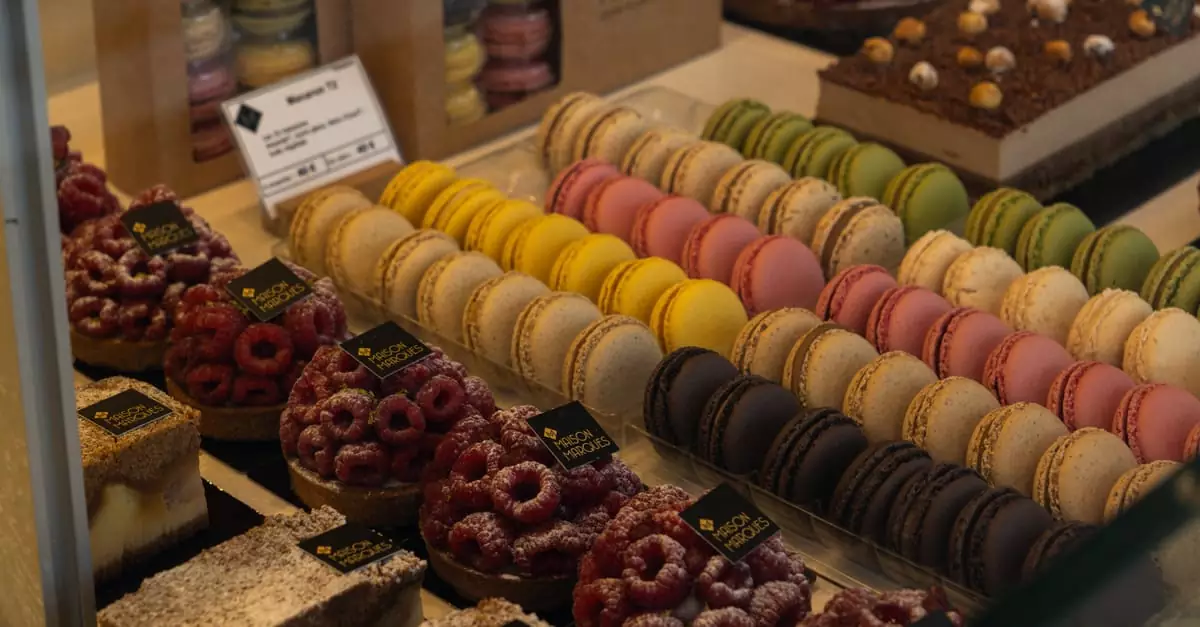
Lyon, often hailed as the gastronomic capital of France, offers an ideal setting for learning the art of French patisserie. Macaron making classes are particularly popular, guiding you through the delicate process of creating these iconic meringue-based cookies. You’ll learn about achieving the perfect “feet,” glossy shell, and luscious ganache filling.
These classes are usually hands-on, with participants working in small groups under the guidance of a professional pastry chef. You’ll discover the importance of precise measurements and technique. The reward is not only the knowledge gained but also the delicious macarons you take home.
Classes are available year-round, but booking ahead is advisable, especially for weekend sessions. Many culinary schools and independent pastry shops in Lyon offer these workshops.
Wine and Food Pairing Journeys in Bordeaux
Bordeaux, synonymous with world-class red wines, offers sophisticated wine and food pairing experiences. Beyond typical vineyard tours, some estates and local culinary schools offer dedicated sessions focused on harmonizing wine with regional cuisine. You’ll learn how different grape varietals and wine characteristics complement specific dishes.
These journeys might involve tasting a range of Bordeaux wines – from the elegant Médoc to the rich Saint-Émilion – alongside carefully selected appetizers, cheeses, or even full courses. Understanding the terroir and the impact of winemaking techniques on flavor is often a key component.
The best time for such experiences is during the shoulder seasons, April to June and September to October, when the weather is pleasant and the vineyards are visually stunning. Many châteaux offer pairing menus, but dedicated workshops provide a more structured educational approach to understanding the art of pairing.
Planning Your French Foodie Itinerary
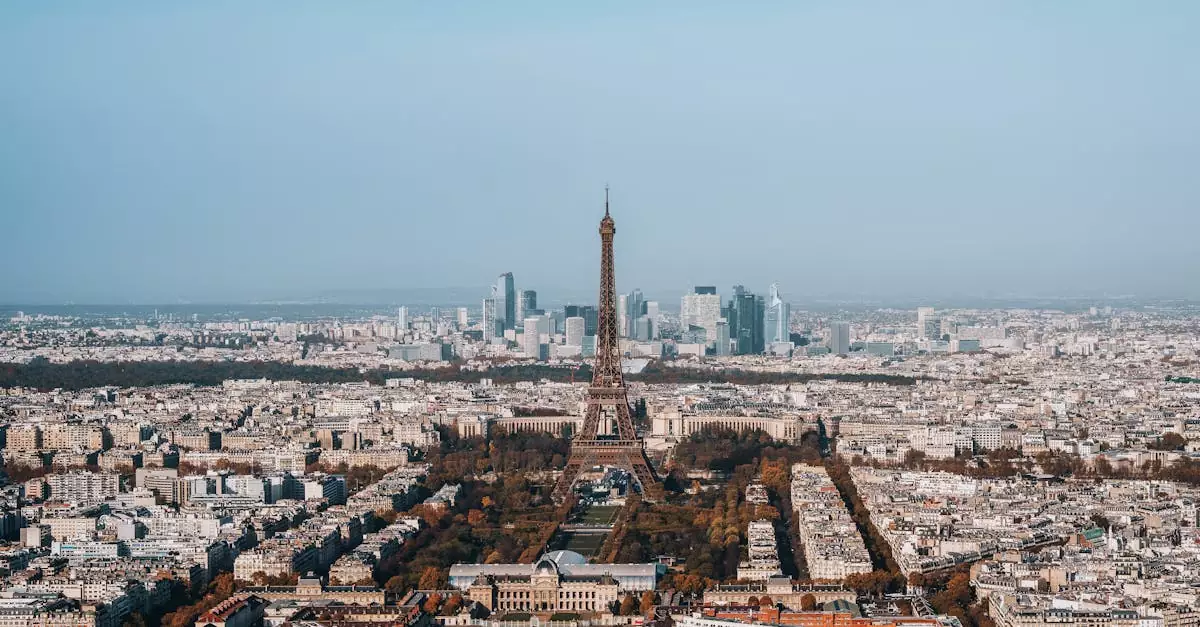
Embarking on a culinary journey through France requires thoughtful planning to maximize your gastronomic discoveries. Beyond the well-trodden paths of Paris, the country offers a rich tapestry of regional specialties, from the sun-drenched vineyards of the south to the hearty traditions of the north. Consider your available time, budget, and specific interests when crafting your ideal French food adventure.
A 7-Day Culinary Adventure Through Southern France
Southern France presents a vibrant culinary landscape, heavily influenced by Mediterranean flavors, fresh produce, and local wines. This region is a prime destination for those seeking authentic and flavorful experiences. Imagine days spent exploring bustling markets in Provence, sampling olive oils and artisanal cheeses, followed by evenings enjoying fresh seafood along the coast or robust stews in rustic countryside bistros.
A potential itinerary could begin in Lyon, before heading south. From Lyon, travel to the Rhône Valley for wine tasting, then move towards Provence for its vibrant markets and lavender-infused dishes. Consider ending your trip on the Mediterranean coast, perhaps in Marseille or Nice, for exceptional seafood and a taste of Riviera cuisine. This journey offers a deep dive into the diverse flavors that define southern French cooking.
A 5-Day Parisian Foodie Escape: Beyond the Tourist Traps
While Paris is synonymous with haute cuisine, its true culinary heart beats in its bustling arrondissements and local markets. A focused 5-day trip can uncover the best food experiences in France’s capital by venturing beyond the iconic landmarks. Seek out neighborhood bistros, patisseries favored by locals, and specialized food shops that showcase the quality and diversity of French ingredients.
Dedicate time to exploring markets like Marché des Enfants Rouges, which offers a global array of food stalls. Also, consider a guided food tour through areas like Le Marais or Saint-Germain-des-Prés, where you can sample everything from exquisite pastries to savory charcuterie. For a truly Parisian experience, reserve a table at a small, family-run restaurant known for its classic French dishes prepared with seasonal ingredients.
Best Time to Visit France for Harvest Festivals and Seasonal Foods
The timing of your visit significantly impacts the best food experiences in France, particularly concerning seasonal produce and local festivals. Spring (April-May) brings asparagus, strawberries, and the first tender greens, often celebrated with local fairs. Summer (June-August) is peak season for fruits and vegetables, with vibrant tomato and berry harvests, ideal for enjoying outdoor dining and lighter fare.
Autumn (September-November) is arguably the most exciting time for food lovers. This period is synonymous with grape harvests in wine regions like Bordeaux and Burgundy, truffle season in Provence, and the abundance of mushrooms, apples, and game meats. Many regions host specific harvest festivals during this time, offering unique tasting opportunities and a glimpse into local traditions. Winter (December-March) focuses on heartier dishes, root vegetables, and celebratory meals, with Christmas markets offering festive treats.
Budgeting for a Food-Focused Trip to France
A food-centric trip to France can range from surprisingly affordable to extravagantly expensive, depending on your choices. The cost of your culinary adventure hinges on several factors, including accommodation, dining style, and the regions you visit. Paris and other major tourist hubs tend to be more costly than smaller towns and rural areas.
Here’s a general breakdown to help you budget:
| Category | Budget Option (per person/day) | Mid-Range Option (per person/day) | Luxury Option (per person/day) |
|---|---|---|---|
| Accommodation | €50 – €100 | €100 – €200 | €200+ |
| Dining | €40 – €70 (markets, bakeries, bistros) | €70 – €150 (restaurants, wine) | €150+ (Michelin-starred, fine dining) |
| Activities/Tasting | €20 – €40 | €40 – €80 | €80+ |
| Transportation | €20 – €50 | €30 – €60 | €50+ |
| Total Estimated | €130 – €260 | €240 – €490 | €480+ |
Budgeting Tips:
- Embrace Markets and Bakeries: Picnics with fresh bread, cheese, and fruit from local markets are a delightful and economical way to dine. Pastries from a boulangerie make for a fantastic breakfast or snack.
- Lunch Menus: Many restaurants offer prix fixe lunch menus (formules) that are significantly cheaper than à la carte dinners.
- Regional Wines: Opt for local wines served by the carafe in bistros; they often provide excellent value and are a perfect accompaniment to regional dishes.
- Consider Smaller Towns: Accommodation and dining costs are generally lower outside major cities like Paris or Nice. Traveling by regional train can also be more economical for shorter distances.
Frequently Asked Questions About French Food
Navigating a new culinary landscape can bring up questions. Here’s a quick guide to common queries travelers have about dining in France.
What are the most common French food scams to avoid?
While France is generally safe for travelers, be aware of potential tourist traps. Overpriced tourist menus in prime locations are common; venture a few streets away from major attractions for better value and authenticity. In busy markets, ensure prices are clearly displayed before ordering, especially for prepared foods. Always check your bill before paying to avoid incorrect charges.
Is it easy to find vegetarian or vegan options in France?
Finding vegetarian options has become significantly easier, especially in larger cities like Paris, Lyon, and Bordeaux. Many restaurants now offer at least one dedicated vegetarian dish. Veganism is also gaining traction, with more establishments catering to plant-based diets. Look for “végétarien” or “végan” on menus. Traditional French cuisine is rich in meat and dairy, so outside major urban centers or specialized restaurants, options might be more limited. It’s helpful to learn a few key phrases to communicate dietary needs.
What are essential French phrases for ordering food?
Knowing a few basic phrases can greatly enhance your dining experience.
- “Je voudrais…” (I would like…) is a polite way to order.
- “L’addition, s’il vous plaît” (The bill, please) is essential for requesting the check.
- “Une carafe d’eau, s’il vous plaît” (A carafe of water, please) is useful if you prefer tap water over bottled.
- “Sans…” (Without…) can help when specifying dietary restrictions, for example, “sans viande” (without meat).
- “Est-ce qu’il y a un plat végétarien ?” (Is there a vegetarian dish?) is helpful for vegetarians.
Where can I find the best Michelin-starred restaurants for a special occasion?
France boasts an exceptional number of Michelin-starred restaurants, offering unparalleled dining experiences. For a truly memorable occasion, consider restaurants in Paris known for their innovative cuisine and elegant settings. Regions like Provence and Alsace also have renowned establishments, often highlighting local produce and wine. Booking well in advance is crucial, often several months ahead, especially for highly sought-after venues. Research specific restaurants based on your preferred cuisine and budget.