Italy’s captivating blend of ancient history, artistic masterpieces, and culinary delights beckons travelers from around the globe. For many, the most enjoyable way to experience its iconic cities is by train, facilitated by a well-developed high-speed network. When planning your adventure, exploring the best Italy rail itineraries allows you to connect destinations like Rome, Florence, and Venice effortlessly, while also venturing further to discover hidden gems. This guide provides practical advice on navigating the Italian rail system, covering train operators, booking tips, and essential station navigation. You’ll find curated itinerary ideas, including classic routes and unique extensions, designed to help you craft an unforgettable journey through this beautiful country. Let’s begin charting your course through Italy by rail.
Crafting Your Perfect Italy Rail Itinerary: Rome, Florence & Venice
Italy’s allure, with its ancient history, Renaissance art, and culinary delights, draws millions each year. For many, the most efficient way to explore its iconic cities is by train. The high-speed rail network connects major hubs like Rome, Florence, and Venice, making multi-city trips remarkably easy to plan. When considering the best Italy rail itineraries, this classic triangle often forms the backbone of an unforgettable journey.
The Iconic Rome-Florence-Venice Triangle: A Classic 7-Day Train Journey
This popular route offers a concentrated taste of Italy’s celebrated destinations, ideal for first-time visitors or those with limited time. Traveling by train between these cities is not only practical but also provides scenic glimpses of the Italian countryside.
Day-by-Day Outline:
- Days 1-3: Rome. Arrive in Rome and dedicate these days to exploring the Colosseum, Roman Forum, Vatican City, and Pantheon. Enjoy evening strolls through Trastevere.
- Day 4: Travel to Florence. Take a morning high-speed train from Rome to Florence (approx. 1.5 hours). Check into your accommodation and begin exploring the Duomo, Ponte Vecchio, and Uffizi Gallery.
- Days 5-6: Florence. Immerse yourself in Renaissance art, visit the Accademia Gallery to see Michelangelo’s David, and savor Tuscan cuisine. If time allows, consider a day trip to the Tuscan countryside.
- Day 7: Travel to Venice. Board a high-speed train from Florence to Venice (approx. 2 hours). Settle into your hotel and start discovering the magic of this unique city, perhaps with a gondola ride or a visit to St. Mark’s Square.
This itinerary is fast-paced yet rewarding, providing a solid foundation for understanding Italy’s diverse appeal. Booking train tickets in advance, especially for high-speed routes, can often secure better prices.
Extending Your Itinerary: Adding Milan or Cinque Terre by Train
For travelers looking to delve deeper or experience more variety, extending the classic Rome-Florence-Venice route is straightforward by train. Both Milan and the Cinque Terre offer distinct Italian experiences accessible via the extensive rail network.
Adding Milan:
Milan, Italy’s fashion and design capital, is easily reached from Florence or Venice by high-speed train. The journey from Florence to Milan takes about 2 hours, and from Venice, it’s approximately 2.5 hours. This addition allows you to visit the magnificent Duomo di Milano, see Leonardo da Vinci’s “The Last Supper,” and enjoy world-class shopping. It’s a great option for those interested in modern Italian culture alongside historical sites.
Adding Cinque Terre:
The Cinque Terre, a string of five picturesque coastal villages, offers a dramatic contrast to the bustling cities. From Florence, take a regional train to La Spezia, the gateway to the Cinque Terre, which takes roughly 2.5 to 3 hours, often with a change in Pisa. From there, a local train connects you to each of the five villages. This extension is ideal for nature lovers and hikers, offering stunning sea views and charming, car-free environments. It requires more time due to slower regional train connections and the desire to savor the villages.
Sample Extension Itinerary (10 Days):
- Days 1-3: Rome
- Day 4: Train to Florence
- Days 5-6: Florence
- Day 7: Train to Cinque Terre (stay in one of the villages or La Spezia)
- Day 8: Cinque Terre exploration
- Day 9: Train to Venice
- Day 10: Venice exploration and departure
This expanded itinerary provides a richer, more varied experience of Italy, showcasing its diverse landscapes and cityscapes.
First-Timer’s 10-Day Italy Rail Adventure: Major Cities & Must-Sees
A 10-day trip is a popular choice for first-time visitors to Italy, allowing for a comfortable pace while covering key destinations. This itinerary focuses on experiencing the historical grandeur of Rome, the artistic heart of Florence, and the unique charm of Venice. The efficiency of Italy’s train system makes this multi-city exploration enjoyable.
Recommended 10-Day Itinerary:
- Days 1-3: Rome. Arrive in Rome. Immerse yourself in ancient history at the Colosseum and Roman Forum. Explore Vatican City, including St. Peter’s Basilica and the Vatican Museums. Enjoy the vibrant atmosphere of Trastevere in the evenings.
- Day 4: Travel to Florence. Take a morning high-speed train from Roma Termini to Firenze Santa Maria Novella (approx. 1.5 hours). Check into your hotel and begin your Florentine exploration with the Duomo and Ponte Vecchio.
- Days 5-6: Florence. Dedicate these days to Renaissance masterpieces. Visit the Uffizi Gallery and the Accademia Gallery. Wander through the Oltrarno district for artisan workshops and enjoy panoramic views from Piazzale Michelangelo.
- Day 7: Travel to Venice. Board a high-speed train from Florence to Venezia Santa Lucia (approx. 2 hours). Upon arrival, the magic of Venice unfolds immediately. Settle in and take an initial walk through its enchanting canals and bridges.
- Days 8-9: Venice. Explore St. Mark’s Square, Doge’s Palace, and the Bridge of Sighs. Get lost in the labyrinthine streets, enjoy a gondola ride, and perhaps take a vaporetto to the islands of Murano and Burano.
- Day 10: Departure. Depart from Venice Marco Polo Airport (VCE) or return to Rome by train for your flight home.
This itinerary balances iconic sights with time to absorb the atmosphere of each city. Booking accommodations and train tickets well in advance is highly recommended, especially during peak travel seasons. Consider purchasing a rail pass if you plan on taking multiple journeys, though for this specific route, individual tickets might be more economical if booked early.
Navigating Italy by Train: High-Speed Routes & Regional Gems
Traveling through Italy by train offers an unparalleled blend of efficiency and scenic beauty, making it one of the best ways to experience the country. From bustling metropolises to charming, lesser-known towns, the Italian rail network connects you seamlessly. Planning your journeys involves understanding the different train types and how to navigate the system effectively.
Trenitalia vs. Italo: Choosing Your High-Speed Train Experience
Italy’s high-speed rail network is primarily served by two major operators: Trenitalia and Italo. Trenitalia, the state-owned railway, operates the Frecciarossa (red arrow) and Frecciargento (silver arrow) services, which cover most major cities. Italo, a private competitor, focuses on high-speed routes between key destinations like Rome, Florence, and Venice with modern, comfortable trains.
Both offer premium services with varying classes, but Italo often appeals to travelers seeking a more boutique experience, while Trenitalia provides broader coverage. Prices can fluctuate based on booking time and demand, so comparing options on both sites is advisable. For instance, a journey from Rome to Florence might have comparable pricing on both, but availability for specific departure times could differ.
Booking Train Tickets in Italy: Tips for Savings and Seat Selection
Securing your train tickets in advance is crucial, especially for high-speed routes, as prices tend to rise closer to the travel date. Booking directly through the Trenitalia or Italo websites or their official apps usually offers the best rates and allows for direct seat selection. Many travelers find that booking 1-3 months ahead strikes a good balance of availability and price.
Consider purchasing a rail pass only if you plan extensive, frequent travel across multiple regions within a short period. For typical itineraries, point-to-point tickets are often more economical. Look for promotional fares or discounts for early bookings, and be aware that some tickets are non-refundable or have restrictions. Seat selection is usually straightforward, allowing you to choose window or aisle seats, and sometimes even seating arrangements for families.
Understanding Italian Train Stations: Navigating Rome Termini, Florence Santa Maria Novella & More
Major Italian train stations are bustling hubs, and while they can seem daunting, they are generally well-organized. Rome Termini, for example, is a vast complex with numerous platforms, ticket counters, and amenities. Florence Santa Maria Novella (SMN) is more compact and centrally located, making it very walkable upon arrival.
Key stations have clear signage in both Italian and English, indicating platform numbers, departure times, and track assignments. Arriving at least 20-30 minutes before your departure allows ample time to locate your platform, especially if you need to buy a last-minute snack or coffee. Familiarize yourself with the station layout using online maps or station directories before you arrive.
Regional Trains for Hidden Gems: Exploring Tuscany and Umbria Off the Beaten Path
While high-speed trains connect major cities, Italy’s extensive regional train network (Regionale and Regionale Veloce) is essential for reaching smaller towns and experiencing the countryside. These trains are slower, make more stops, and are generally less expensive than their high-speed counterparts. They are perfect for day trips or for connecting between smaller destinations not served by the main lines.
For example, if you’re based in Florence and wish to visit charming Tuscan towns like Siena, Lucca, or San Gimignano, regional trains are your best bet. Similarly, Umbria’s picturesque villages, such as Orvieto or Assisi, are accessible via regional services. Tickets for regional trains often need to be validated (stamped) in a machine on the platform before boarding to avoid fines. This is a critical logistical step often overlooked by first-time visitors.
Rome by Rail: Exploring the Eternal City’s Top Sights
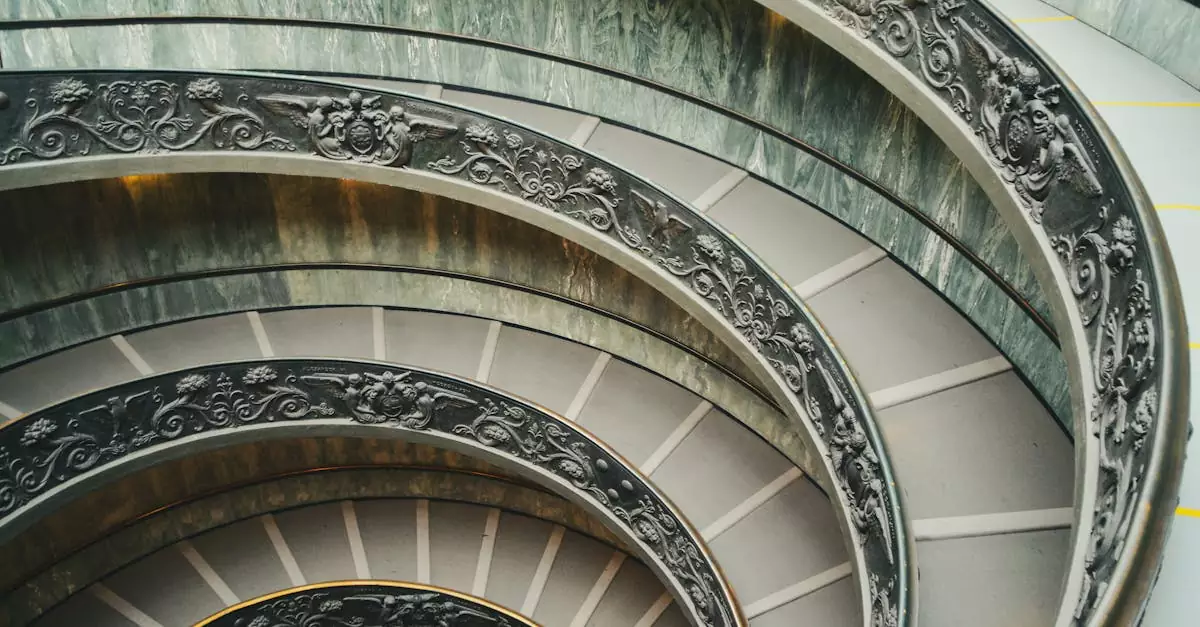
Arriving in Rome by train offers a seamless introduction to Italy’s capital. The main station, Roma Termini, is a bustling hub connecting you to national and international rail lines, and importantly, to the city’s public transport network. From here, many of Rome’s iconic attractions are surprisingly accessible, making it an excellent starting point for any Italian rail adventure. Planning your exploration around these key areas will maximize your time in this historic metropolis.
Ancient Rome by Foot: Colosseum, Roman Forum & Palatine Hill Itinerary
Begin your journey through ancient history with a visit to the Colosseum, the iconic amphitheater that once hosted gladiatorial contests. Adjacent to it lie the Roman Forum, the heart of ancient Roman public life, and Palatine Hill, where legend says Rome was founded. These three sites are best experienced together, forming a comprehensive ancient Roman immersion.
Consider purchasing a combined ticket that grants access to all three. Booking tickets online in advance is highly recommended to bypass long queues, especially during peak seasons. Allow at least half a day to truly absorb the scale and history of these ruins. Comfortable walking shoes are essential, as you’ll be traversing uneven terrain.
Vatican City Exploration: St. Peter’s Basilica & Vatican Museums Access
A visit to Vatican City, an independent city-state within Rome, is a pilgrimage for art and history enthusiasts. St. Peter’s Basilica, a masterpiece of Renaissance architecture, is free to enter, though security lines can be substantial. Remember to dress respectfully, covering shoulders and knees.
The Vatican Museums house an unparalleled collection of art, culminating in the breathtaking Sistine Chapel. Tickets for the museums should be booked well in advance, as they sell out quickly. Opting for an early morning or late afternoon slot can sometimes mean fewer crowds. The sheer volume of art means you could spend days here, so prioritize your interests.
Trastevere Charm: Discovering Rome’s Bohemian Neighborhood
Cross the Tiber River to discover Trastevere, a charming neighborhood known for its narrow cobblestone streets, ivy-clad buildings, and vibrant atmosphere. This area offers a more intimate glimpse into Roman life, with artisan shops, lively piazzas, and trattorias serving authentic Roman cuisine.
Trastevere is best explored on foot, allowing you to wander through its picturesque alleys. It’s particularly atmospheric in the evening, when the restaurants and bars come alive. For a culinary experience, seek out a traditional Roman pasta dish like Cacio e Pepe or Carbonara. The neighborhood is easily reachable by tram or bus from central Rome, or even by a pleasant walk from the Vatican.
Florence & Tuscany by Train: Art, Wine & Rolling Hills
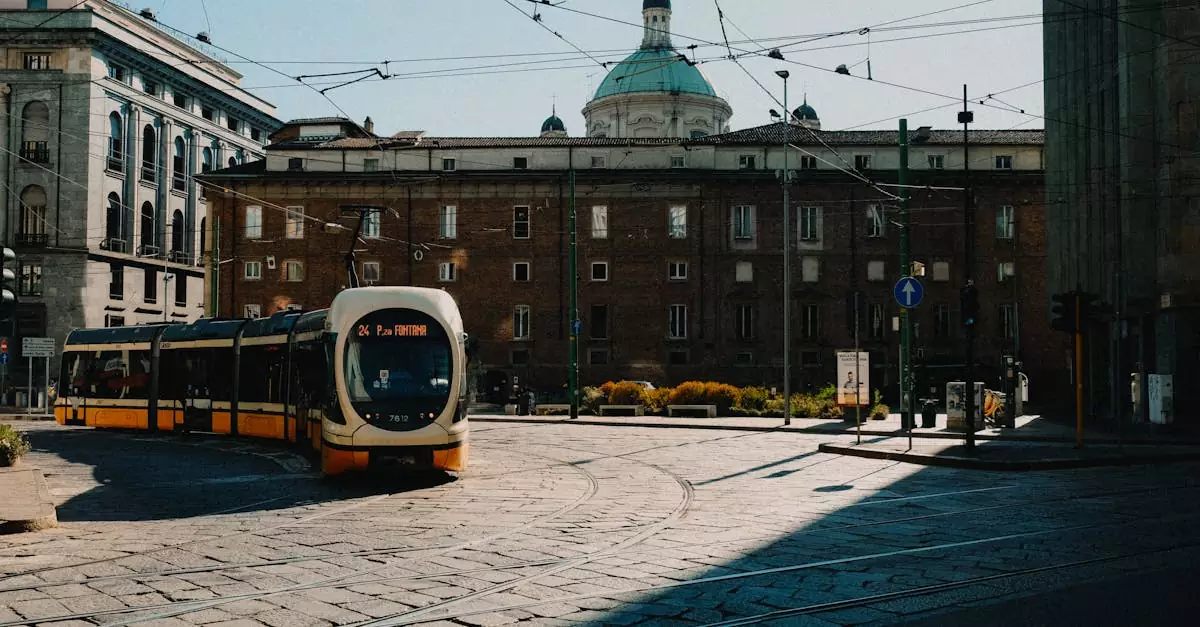
Florence, the cradle of the Renaissance, offers an unparalleled artistic and cultural experience, easily accessible by high-speed train. Beyond its city limits, the rolling hills of Tuscany beckon with world-class wines and charming medieval towns, many reachable through well-connected regional rail and bus networks. This region provides some of the best Italy rail itineraries for travelers seeking a blend of iconic sights and authentic regional exploration.
Florence’s Renaissance Heart: Duomo, Uffizi Gallery & Ponte Vecchio
Florence’s compact historic center is a walker’s paradise, with its major attractions clustered within easy reach. The magnificent Duomo, featuring Brunelleschi’s dome, dominates the skyline and is a must-see. Book tickets in advance to climb to the top for breathtaking city views. Nearby, the Uffizi Gallery houses an extraordinary collection of Renaissance masterpieces, including works by Botticelli and Leonardo da Vinci. Allow at least half a day to fully appreciate its treasures.
The Ponte Vecchio, Florence’s oldest bridge, is lined with shops, traditionally jewelers, and offers picturesque views of the Arno River. Strolling across it, especially at sunset, is a quintessential Florentine experience. For accommodations, consider staying within the Oltrarno district for a more local feel, or closer to the Duomo for ultimate convenience. Many hotels and B&Bs cater to various budgets, and the city is generally very safe for solo travelers and families.
Day Trip to Siena & San Gimignano from Florence by Bus/Train
Venturing out from Florence, Siena and San Gimignano offer a taste of medieval Tuscany. Siena’s Piazza del Campo, a shell-shaped public space, is one of Europe’s greatest medieval squares and hosts the famous Palio horse race twice a year. The Siena Cathedral, with its stunning black-and-white striped bell tower, is another highlight.
While Siena has a train station, reaching San Gimignano often involves a bus connection from Poggibonsi, which is on the Florence-Siena train line. Alternatively, many organized bus tours depart from Florence, simplifying logistics for a day trip. These tours can be a convenient option if you prefer not to navigate public transport transfers.
Transportation Options to Siena:
| Mode | Travel Time (Approx.) | Frequency | Notes |
|---|---|---|---|
| Train | 1 hour 30 minutes | Hourly | Direct from Florence Santa Maria |
| Bus | 1 hour 15 minutes | Every 30 mins | Often more direct to city center |
| Organized Tour | Varies | Daily | Includes guided commentary, transport |
Tuscan Wine Region Rail Excursions: Chianti & Montalcino Exploration
The heart of Tuscany is renowned for its vineyards, producing iconic wines like Chianti Classico and Brunello di Montalcino. While many wine estates are best reached by car, there are ways to experience these regions using public transport, making them part of the best Italy rail itineraries.
For Chianti, consider taking a regional train towards Castellina in Chianti or Greve in Chianti, though these often require a bus connection from the nearest station. Many wineries offer shuttle services if booked in advance, so contacting your chosen vineyard is a crucial first step. Alternatively, local tour operators offer wine-tasting excursions from Florence that handle all transportation.
To visit Montalcino, a popular destination for Brunello lovers, take a train from Florence to Buonconvento. From Buonconvento, a local bus service connects to Montalcino. This route offers a scenic journey through the Tuscan countryside. Remember to book wine tastings and tours at wineries well in advance, especially during peak season, to secure your spot and arrange any necessary transport. The local culture is deeply connected to its agricultural heritage, enriching the experience.
Beyond the Classics: Unique Italy Rail Itinerary Ideas
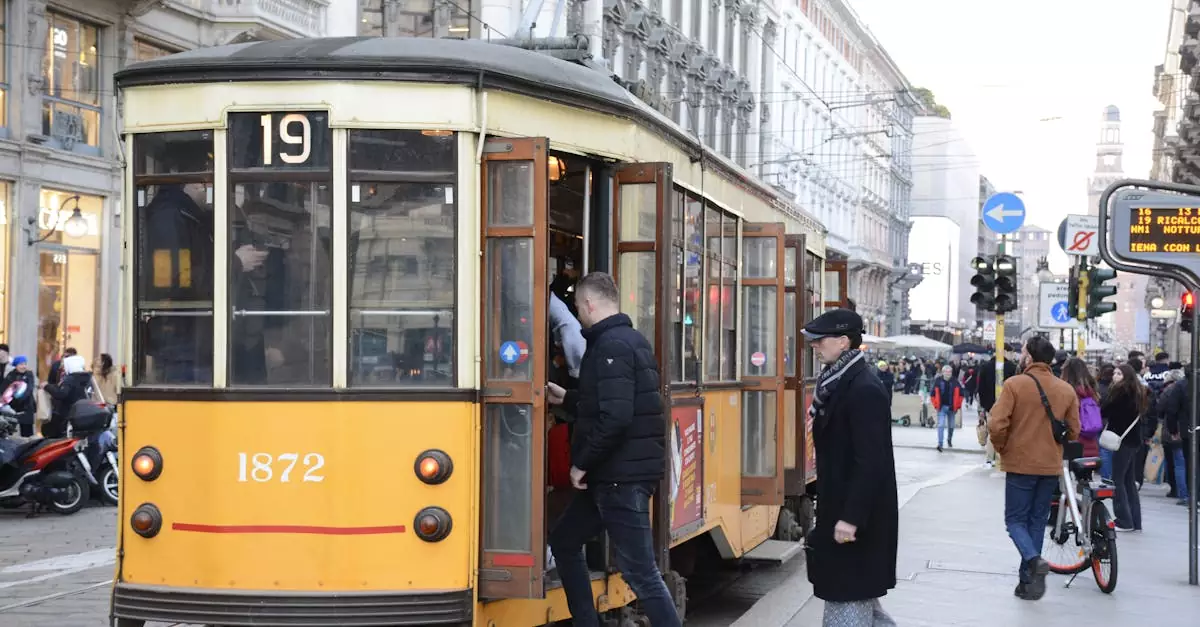
While the Rome-Florence-Venice triangle forms the backbone of many Italian adventures, venturing off the beaten path by train reveals even more of the country’s diverse charm. These alternative itineraries cater to different interests, from art and history to natural beauty and culinary delights, all accessible via Italy’s efficient rail network. Consider these options for a more personalized exploration of Italy.
Venice’s Waterways: St. Mark’s Square, Doge’s Palace & Gondola Rides
Venice, a city built on water, offers an unparalleled experience. Arriving by train at Venezia Santa Lucia station places you directly on the Grand Canal, a breathtaking introduction. Spend at least two full days here to absorb its unique atmosphere.
Key attractions include St. Mark’s Square, the historic heart of the city, home to St. Mark’s Basilica and the Campanile. Adjacent is the Doge’s Palace, a masterpiece of Gothic architecture that once housed the seat of Venetian power. A vaporetto (water bus) is your primary mode of transport, but don’t miss a quintessential gondola ride through the smaller canals for a more intimate perspective.
Logistics for Venice:
- Getting Around: Vaporetto passes are essential for efficient travel. Walking is also key to discovering hidden corners.
- Accommodation: Options range from luxury hotels near St. Mark’s to charming guesthouses in quieter sestieri (districts) like Cannaregio or Dorsoduro. Book well in advance, especially during peak season.
- Best Time to Visit: Spring (April-May) and Fall (September-October) offer pleasant weather and fewer crowds than the summer months.
Northern Italy by Train: Milan’s Fashion Capital & Lake Como Day Trips
For those drawn to design, industry, and stunning natural landscapes, Northern Italy by train is an excellent choice. Milan, a global fashion and design hub, serves as a fantastic gateway. High-speed trains connect Milan to major European cities, making it easily accessible.
Dedicate a day to Milan’s iconic Duomo, a magnificent Gothic cathedral, and the Galleria Vittorio Emanuele II, an elegant 19th-century shopping arcade. A visit to see Leonardo da Vinci’s “The Last Supper” at Santa Maria delle Grazie requires advance booking, often months ahead.
From Milan, a simple regional train journey can take you to the picturesque shores of Lake Como. Towns like Como, Bellagio, and Varenna are easily reachable and offer boat services to hop between villages. A day trip provides a glimpse of the lake’s beauty, though an overnight stay allows for a more relaxed immersion.
Northern Italy Rail Comparison:
| Destination | Train Time from Milan | Key Attractions | Vibe |
|---|---|---|---|
| Lake Como (Como) | ~40 minutes | Duomo di Como, lakeside promenade | Relaxed, scenic |
| Lake Como (Bellagio) | ~1 hour (via ferry) | Villa Melzi Gardens, charming streets | Elegant, picturesque |
| Bergamo | ~1 hour | Città Alta (Upper Town), Venetian walls | Historic, charming |
Southern Italy Rail Adventures: Naples, Pompeii & Amalfi Coast Access
Southern Italy offers a dramatic contrast with its vibrant street life, ancient ruins, and breathtaking coastal scenery. Naples, the birthplace of pizza, is a bustling city that serves as a crucial rail hub for the region. High-speed trains connect Naples to Rome and other major Italian cities.
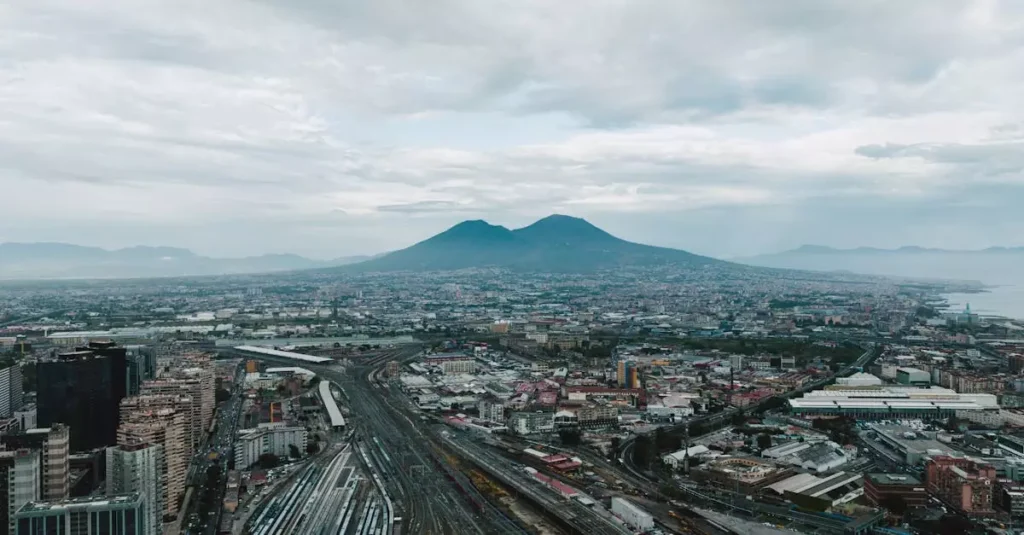
A day trip to Pompeii is a must. The Circumvesuviana train, a local commuter line departing from Naples Garibaldi station, stops directly at the archaeological site. Allow at least half a day to explore the remarkably preserved Roman city buried by the eruption of Mount Vesuvius.
Accessing the famous Amalfi Coast from Naples involves a combination of trains and buses. The Circumvesuviana line also goes to Sorrento, a popular base town from which you can catch SITA buses that wind along the dramatic coastal road, connecting towns like Positano, Amalfi, and Ravello. Consider basing yourself in Sorrento or Salerno for easier access to the coast by public transport.
Traveler Tip: While the Circumvesuviana is budget-friendly and convenient for reaching Pompeii and Sorrento, it can be crowded and is known for occasional delays. Keep your belongings secure.
Frequently Asked Questions About Italy Rail Travel
What is the best time of year for a rail trip through Italy?
The shoulder seasons – spring (April to June) and autumn (September to October) – offer the most pleasant conditions for train travel across Italy. During these months, you’ll find milder weather, fewer crowds, and often more affordable accommodation prices compared to the peak summer months. Summer (July and August) can be very hot, especially in southern Italy, and popular destinations become exceptionally crowded. Winter (November to March) is quieter, with lower prices, but some attractions may have reduced hours, and the weather can be cool and damp.
How much does it cost to travel by train in Italy?
Train travel in Italy offers a range of price points. High-speed trains, such as Frecciarossa and Italo, between major cities like Rome and Florence can cost anywhere from €20 to €80 or more for a one-way ticket, depending on how far in advance you book and the class of service. Regional trains are significantly cheaper, often under €10 for shorter journeys. Purchasing tickets in advance, especially for high-speed routes, is the best way to secure lower fares. Consider a rail pass if you plan extensive travel, but compare the cost against individual tickets for your specific itinerary.
Is it easy to get around Italy without a car using trains?
Yes, Italy boasts an extensive and efficient rail network that makes it easy to travel between cities and many smaller towns without a car. Major routes are well-served by high-speed trains, offering comfortable and quick journeys. Regional trains connect smaller communities. Most train stations in city centers are within walking distance or a short public transport ride to major attractions, simplifying logistics for travelers. This makes planning your best Italy rail itineraries straightforward.
What are common tourist mistakes to avoid when traveling by train in Italy?
A common mistake is not validating regional train tickets before boarding; failure to do so can result in a fine. Always stamp your ticket at the machines on the platform before departure. Another pitfall is assuming all trains are high-speed; be sure to check your ticket for the correct train type (e.g., Frecciarossa, Intercity, Regionale) to avoid unexpected journey times. Lastly, don’t wait until the last minute to book popular routes, especially during peak season, as prices increase and seats can sell out.