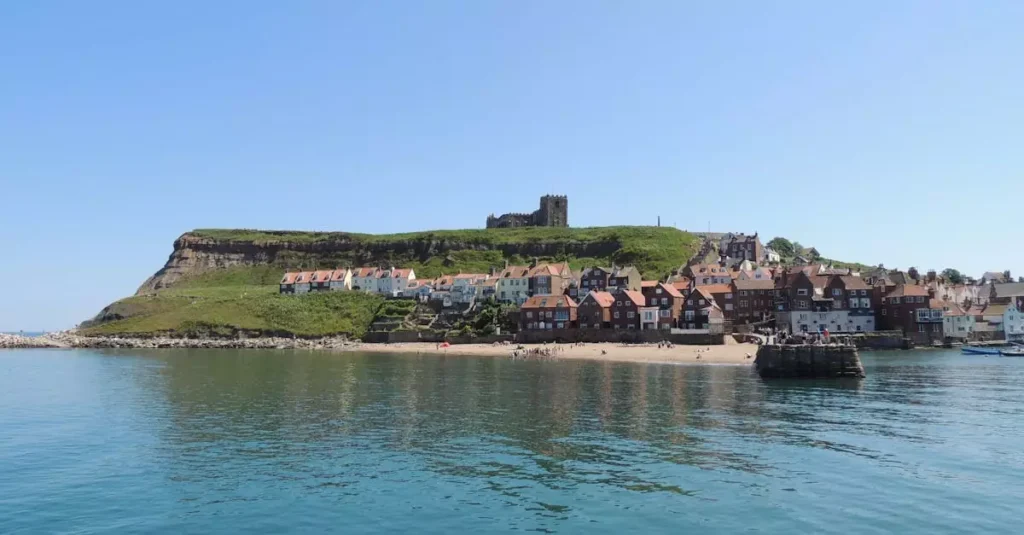
England’s well-known cities are captivating, but for travelers seeking a more intimate experience, a wealth of charming, lesser-known towns awaits discovery. Venturing off the beaten path reveals places where history is palpable, local life unfolds at a gentle pace, and authentic experiences are readily available. This guide is designed to help you uncover some of the best hidden English towns, offering a delightful alternative to the usual tourist trails.
You’ll learn about picturesque villages nestled in dramatic coastal coves, medieval market towns rich in history, and communities that have preserved their unique character and craftsmanship. We’ll explore their distinct appeals, from culinary delights to architectural wonders, and provide practical tips for visiting. Prepare to be enchanted by these quiet corners of England, where every street corner and country lane promises a new delight.
Unveiling England’s Best Hidden Towns: Beyond the Tourist Trail

Why Seek Out England’s Lesser-Known Gems?
While iconic cities and well-trodden paths draw millions of visitors annually, a quieter charm awaits those willing to explore slightly off the beaten track. Seeking out England’s hidden towns offers an authentic glimpse into local life, unhurried exploration, and the discovery of places that retain their unique character. These destinations often provide a more intimate travel experience, allowing for genuine connections with the landscape and its people, far from the bustling crowds.
Defining ‘Hidden’ in the English Countryside
In English travel, ‘hidden’ doesn’t always mean undiscovered. It refers to towns that, while accessible and perhaps known to locals, don’t typically appear on international “must-see” lists. These places haven’t been overwhelmed by mass tourism yet still offer significant historical interest, natural beauty, or cultural appeal. Think of them as delightful surprises, often found nestled in rolling hills or along winding rivers, waiting to be appreciated for their intrinsic qualities rather than visitor numbers.
The Allure of Historic Market Towns
Many of England’s most captivating hidden gems are historic market towns. These settlements, often dating back centuries, were once centers for local trade and community life. Today, they retain charming market squares, independent shops, traditional pubs, and sometimes even weekly markets that continue to serve local producers. Their appeal lies in their preserved architecture, often featuring timber-framed buildings and Georgian facades, and the palpable sense of history that permeates their streets. Exploring these towns offers a step back in time, with opportunities to wander through cobbled lanes and discover local crafts and produce.
Top 5 Best Hidden English Towns for a Quaint Getaway
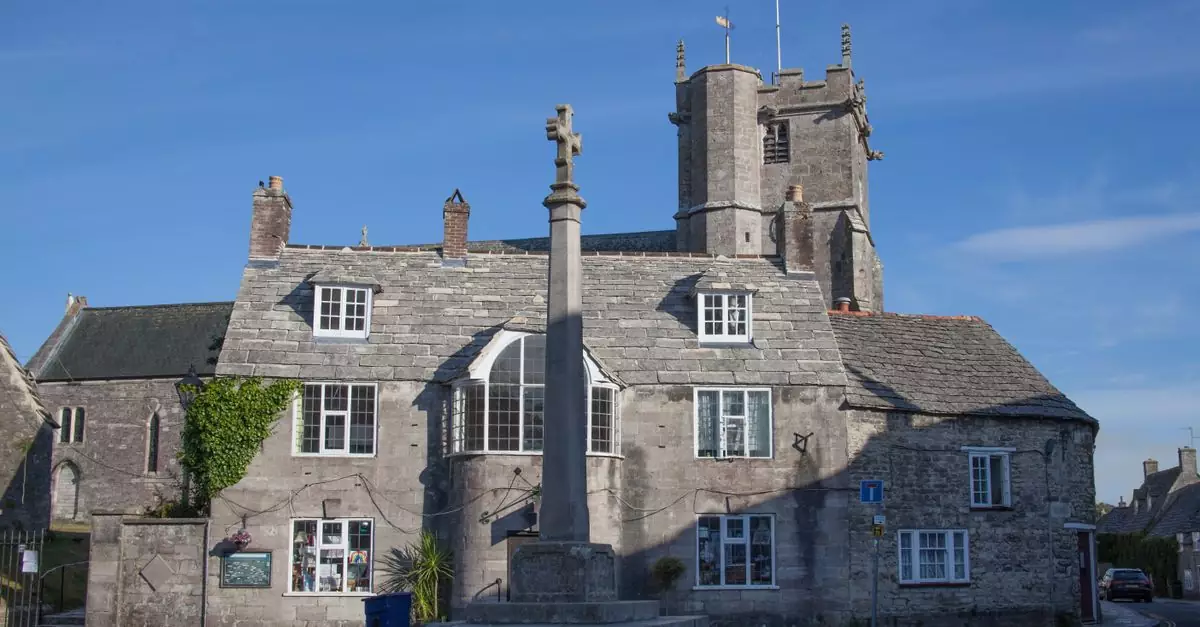
Finding authentic charm away from tourist crowds is a rewarding travel experience. England is dotted with lesser-known towns that retain their historical character and offer a peaceful escape. These destinations provide a glimpse into traditional English life, with picturesque settings and unique local culture. Discovering these best hidden English towns can transform a simple trip into a memorable adventure.
Staithes: A Picturesque Fishing Village on the North Yorkshire Coast
Nestled in a dramatic cliffside cove, Staithes is one of England’s most visually striking fishing villages. Its higgledy-piggledy cottages tumble down to a small harbour, where colourful fishing boats bob on the tide. This North Yorkshire gem boasts a rich maritime history, having once been a significant centre for fishing and jet mining.
Wandering through its narrow, winding streets, known as ‘ginnels’, feels like stepping back in time. The air often carries the scent of the sea, and you might see fishermen mending their nets. Staithes offers stunning coastal walks, including the Cleveland Way, which provides breathtaking views of the rugged coastline. The Captain Cook & Staithes Heritage Centre offers insights into the village’s past, including its connection to the famous explorer.
- Getting there: Staithes is accessible by car, with parking available on the outskirts of the village. The nearest train station is in Whitby, about a 30-minute drive away.
- Best time to visit: Summer offers the warmest weather, but spring and autumn provide dramatic skies and fewer visitors.
- Accommodation: Options range from traditional B&Bs to self-catering cottages, many with sea views.
Lavenham: Suffolk’s Medieval Wool Town Gem
Lavenham in Suffolk is a remarkably preserved medieval town, famous for its magnificent guildhall and over 300 listed buildings. In the 15th century, Lavenham was one of England’s wealthiest wool towns, and this prosperity is evident in its stunning timber-framed architecture. The town centre is a delight to explore on foot, with crooked houses and charming independent shops.
The imposing St. Peter and St. Paul’s Church stands as a testament to the town’s former wealth, funded by the wool trade. Exploring the National Trust’s Lavenham Guildhall provides a fascinating look at Tudor life and the history of the wool industry. The town also has a connection to the Harry Potter films, as Lavenham Guildhall was used as a filming location.
- Visitor tip: Allow ample time to wander and soak in the atmosphere. The sheer density of historic buildings is impressive.
- Local produce: Suffolk is known for its food and drink; seek out local pubs for traditional fare and Suffolk cider.
- Day trips: Consider visiting nearby Constable Country or the historic town of Bury St. Edmunds.
Chipping Campden: The Heart of the Cotswolds’ Arts and Crafts Movement
Chipping Campden, located in the Cotswolds, is renowned for its beautifully preserved Market Hall and its significant role in the early 20th-century Arts and Crafts movement. The honey-coloured limestone buildings give the town a warm, inviting glow. The High Street showcases architectural styles from Tudor to Georgian, lined with independent boutiques and galleries.
The town became a hub for artists and craftspeople seeking to revive traditional skills. You can still find workshops and studios where artisans practice pottery, weaving, and silversmithing. The historic church of St. James, with its magnificent wool sack monument, and the ruins of Campden House offer further historical interest. The annual Chipping Campden Music Festival is a highlight for many visitors.
- Logistics: Chipping Campden is easily accessible by car. The nearest train station is Moreton-in-Marsh, about a 15-minute taxi ride away.
- Walkability: The town centre is highly walkable, with most attractions within easy reach.
- Accommodation: A range of inns, guesthouses, and boutique hotels are available.
Ludlow: Shropshire’s Culinary Capital and Castle Town
Ludlow in Shropshire stands out for its exceptional food scene and imposing medieval castle. Perched on a hill overlooking the River Teme, Ludlow boasts a vibrant market and a remarkable concentration of award-winning restaurants and food producers. The town’s history is deeply intertwined with its magnificent castle, which has witnessed centuries of English history.
Beyond its culinary reputation, Ludlow offers independent shops, historic buildings, and beautiful countryside. The market, held regularly in the town square, is a fantastic place to sample local produce. Walking tours can reveal hidden courtyards and architectural gems. The surrounding Shropshire Hills provide opportunities for hiking and enjoying the natural landscape.
- For foodies: Book restaurant tables in advance, especially for popular establishments.
- Castle exploration: Dedicate at least half a day to thoroughly explore Ludlow Castle and its grounds.
- Nearby attractions: Consider a visit to Stokesay Castle, a stunning fortified manor house.
Rye: A Medieval Cinque Port with Coastal Charm
Rye, a historic Cinque Port in East Sussex, offers a captivating blend of medieval history, cobbled streets, and proximity to the coast. Its narrow, winding lanes, such as Mermaid Street, are famously picturesque, lined with ancient buildings that hint at its seafaring past. The town’s elevated position once commanded views of the English Channel, though the sea has since receded.
Key landmarks include St. Mary’s Parish Church, with its unique ‘quarters’ clock, and the Ypres Tower (now Rye Castle Museum), offering panoramic views. Exploring the town’s independent shops, antique stores, and cosy pubs provides a delightful way to spend a day. A short trip to nearby Camber Sands offers a beautiful stretch of beach, perfect for a bracing walk.
- Transportation: Rye has a train station with direct links to London. Driving is also an option, though parking can be challenging in the narrow streets.
- Best for: Those who enjoy history, independent shopping, and a charming, slightly quirky atmosphere.
- Local experience: Take a boat trip from Rye Harbour for a different perspective of the area.
Exploring the Unique Charm of Each Hidden Town

England boasts a wealth of lesser-known destinations, each offering a distinct slice of British heritage and charm. Moving beyond the well-trodden paths reveals towns where history is etched into every building and local life continues at a gentle pace. Discovering these best hidden English towns provides an authentic travel experience, away from the usual crowds.
Staithes: Cobbled Streets and Coastal Walks
Perched on the North Yorkshire coast, Staithes is a picturesque fishing village that feels frozen in time. Its narrow, cobbled streets wind steeply down to a small harbour, lined with brightly painted cottages. Exploring Staithes involves navigating its charmingly uneven lanes, where you’ll find independent galleries and local craft shops. The dramatic cliffs surrounding the village offer superb coastal walks, with paths leading to neighbouring villages like Runswick Bay.
Traveler Tips for Staithes:
- Getting There: Staithes is accessible by car, though parking can be limited, especially during peak season. The nearest train station is Whitby, approximately 10 miles away, requiring a bus or taxi transfer.
- Best Time to Visit: Summer offers the best weather for coastal walks, but spring and autumn provide a quieter, more atmospheric experience.
- What to Do: Walk the Cleveland Way for stunning sea views, visit the Captain Cook & Staithes Heritage Centre, and enjoy fresh seafood at a local pub.
Lavenham: Timber-Framed Architecture and Artisan Shops
In the heart of Suffolk, Lavenham stands as one of England’s most beautifully preserved medieval towns. Its iconic timber-framed buildings, many dating back to the 15th century, create an authentic historical streetscape. Once a prosperous wool town, Lavenham’s wealth is evident in its grand church and numerous Tudor-style houses. Today, the town thrives with independent boutiques, art galleries, and artisan craft shops, making it a delightful place for a leisurely stroll.
Accommodation Options in Lavenham:
- Boutique Hotels: Several historic inns have been converted into charming hotels, offering a unique stay.
- Guesthouses: Numerous bed and breakfasts provide a warm welcome and local insights.
- Self-Catering Cottages: Renting a cottage allows for a more immersive experience in the medieval setting.
Chipping Campden: Market Hall and Guild of Handicrafts History
Nestled in the Cotswolds, Chipping Campden is a historic market town renowned for its elegant limestone architecture and its significant role in the Arts and Crafts movement. The striking Market Hall, built in 1627, remains the town’s focal point. In the early 20th century, the Guild of Handicrafts established itself here, attracting skilled artisans and fostering a tradition of craftsmanship that continues to this day. Visitors can browse workshops and studios showcasing contemporary crafts.
Logistics for Visiting Chipping Campden:
- Getting Around: The town centre is highly walkable, with most attractions within easy reach.
- Nearby Attractions: Consider visiting nearby Cotswold villages like Broadway or Stow-on-the-Wold.
- Budget: As a popular Cotswolds destination, prices for accommodation and dining can be higher than in less touristy areas.
Ludlow: Michelin-Starred Dining and Historic Castle Grounds
Ludlow, in Shropshire, is a foodie’s paradise and a town steeped in history, dominated by its magnificent Norman castle. Recognized for its exceptional culinary scene, Ludlow boasts several Michelin-starred restaurants, alongside traditional inns and bustling markets offering local produce. Beyond its gastronomic reputation, the town’s medieval street plan and the sprawling grounds of Ludlow Castle offer ample opportunities for historical exploration. The River Teme provides scenic walks on the town’s periphery.
Ludlow: A Tale of Two Experiences
| Aspect | Foodie Focus | History Buff Focus |
|---|---|---|
| Highlights | Michelin-starred dining, local produce markets | Ludlow Castle, medieval street plan, guided walks |
| Pace | Relaxed, enjoying meals and local delicacies | Active, exploring castle ramparts and town history |
| Budget | Higher, due to fine dining and quality produce | Moderate, with free castle grounds access |
| Seasonality | Year-round, with market events in summer/autumn | Year-round, though outdoor exploration is best spring-autumn |
When is the Best Time to Visit England’s Hidden Towns?
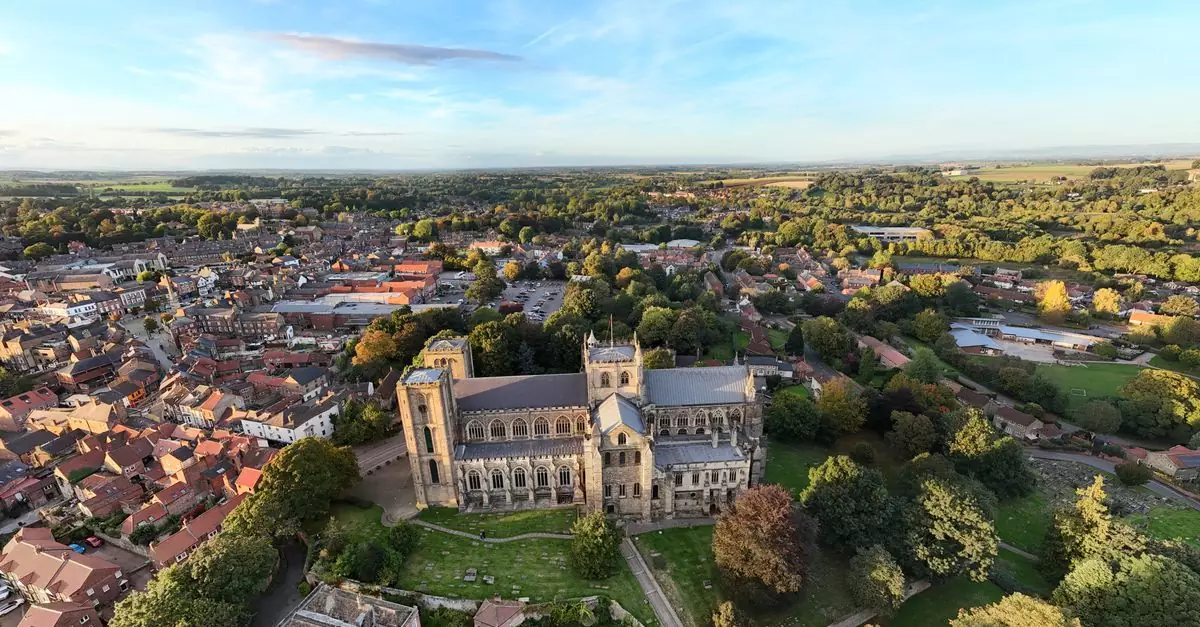
Choosing the right season can significantly enhance your experience when seeking out England’s best hidden towns. Each period offers a distinct atmosphere, from vibrant festivals to quiet, cozy retreats. Consider what you hope to gain from your visit—be it blooming gardens, bustling markets, or serene landscapes—to align with the optimal timing.
Spring Blooms: April to May for Gardens and Mild Weather
Spring in England brings a burst of color and milder temperatures, making it an excellent time to explore the countryside surrounding many charming towns. April and May see gardens come alive, from grand stately homes to quaint village greens. The weather is often pleasant, with average temperatures ranging from 8°C to 15°C (46°F to 59°F). This season is less crowded than summer, offering a more relaxed pace for discovering local attractions.
Travelers can enjoy scenic walks without the intense heat, and the longer daylight hours allow for ample exploration. However, spring weather can be unpredictable, with occasional rain showers expected. Packing layers and waterproofs is advisable. This is a fantastic period for those interested in photography and keen on experiencing tranquility before the main tourist influx.
Summer Sunshine: June to August for Festivals and Long Days
Summer is the most popular time to visit England, and for good reason. June, July, and August offer the warmest weather, with average temperatures between 15°C and 22°C (59°F to 72°F), though heatwaves can push these higher. The days are at their longest, providing maximum opportunity for sightseeing and outdoor activities. Many towns host local festivals, agricultural shows, and village fetes during these months, offering a vibrant glimpse into local life.
Accommodation prices can be higher, and popular spots may be busier. Booking in advance is strongly recommended, especially for accommodations in well-known picturesque villages. This season is ideal for those who enjoy a lively atmosphere, outdoor dining, and making the most of the extended daylight. Be prepared for potential crowds at major attractions.
Autumn Colors: September to October for Harvest and Cozy Pubs
As summer fades, autumn paints the English landscape in rich hues of red, gold, and brown, providing a beautiful backdrop for visiting hidden towns. September and October offer cooler, crisp air with average temperatures from 10°C to 17°C (50°F to 63°F). This season is perfect for enjoying scenic drives through the countryside, apple picking, and experiencing the local harvest.
The crowds thin out considerably after the summer holidays, leading to a more peaceful ambiance. It’s an excellent time to seek out cozy pubs with roaring fires, enjoy seasonal menus, and find great deals on accommodation. While the weather can turn cooler and wetter towards the end of October, the autumnal scenery is often worth the occasional shower.
Winter Wonders: November to March for Festive Markets and Fewer Crowds
Winter transforms England’s hidden towns into magical, often snow-dusted, settings. From late November through December, many towns and cities host charming Christmas markets, offering unique crafts, festive food, and a warm, inviting atmosphere. Temperatures typically range from 2°C to 8°C (36°F to 46°F), and while snow is not guaranteed, it can enhance the picturesque charm.
This is the quietest period for tourism, meaning fewer crowds and potentially lower prices for accommodation and travel. It’s an ideal time for a relaxing break, focusing on indoor activities like visiting local museums, art galleries, and enjoying hearty meals. Be aware that some attractions might have reduced opening hours, and travel can be affected by adverse weather conditions.
Getting Around: Navigating to and Between England’s Best Hidden Towns
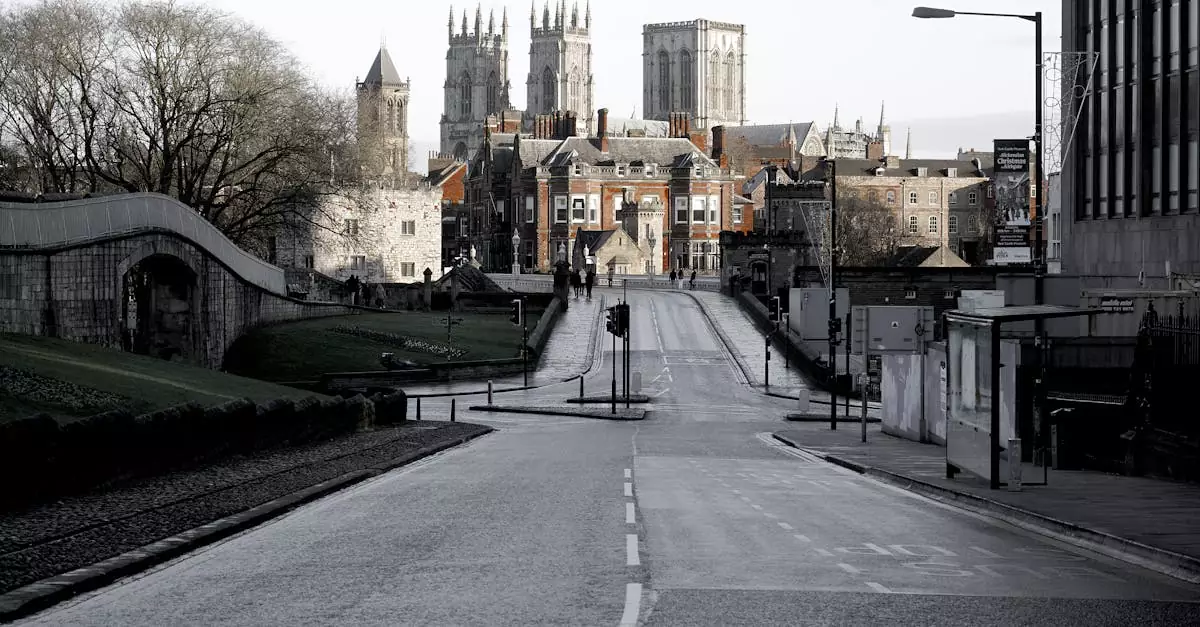
Reaching England’s charming, lesser-known settlements requires a thoughtful approach to travel. While major cities are well-connected, venturing to these hidden gems often means combining different modes of transport to truly appreciate the journey. Planning your routes in advance is key to a smooth experience, especially when moving between these picturesque locations.
Train Travel: Reaching Towns from Major Hubs
The UK’s extensive rail network provides an excellent starting point for reaching many of England’s best hidden towns. Major train operators like National Rail connect London and other large cities to regional centers, from where you can often catch local lines or buses to smaller destinations. For instance, towns in the Cotswolds might be accessible via a train to Cheltenham or Moreton-in-Marsh, while Yorkshire villages could be reached by heading to York or Leeds first. Booking train tickets in advance, especially during peak seasons, can significantly reduce costs. Consider purchasing a BritRail Pass if you plan extensive train travel across different regions of England.
Car Hire: The Freedom of the Open Road for Exploration
For ultimate flexibility, especially when visiting multiple villages in a single region, hiring a car offers the most direct access. This is particularly true for areas like the Peak District or the Lake District, where public transport links between hamlets can be infrequent. Rental companies are available at most major airports and train stations. Remember that driving in rural England often involves narrow, winding country lanes, and parking can sometimes be limited in smaller villages. Familiarize yourself with UK driving rules, including driving on the left, before you set off.
Local Bus Services: Connecting Smaller Villages
Once you’ve reached a regional hub, local bus services become invaluable for reaching smaller, more remote destinations. Companies like National Express and regional operators provide services that often link market towns to surrounding villages. While slower than trains, buses offer a scenic way to observe the English countryside and are generally more budget-friendly. Timetables can vary, so it’s advisable to check routes and schedules online or at local tourist information centers before your journey. Some services may run less frequently on Sundays and public holidays.
Walking and Cycling Routes: Immersive Local Discovery
For those who prefer a slower pace and a more intimate connection with the landscape, walking and cycling are excellent ways to discover England’s hidden towns. Many regions boast well-maintained national trails and local footpaths that meander through picturesque countryside and connect charming villages. For example, the Cotswold Way offers a long-distance walking route passing through several idyllic settlements. Cycling offers a similar benefit, allowing you to cover more ground than walking while still enjoying the scenery. Many towns have local cycle hire shops, and dedicated cycle routes are becoming increasingly common. This method of travel is best suited for exploring within a specific region rather than for long-distance transit between distant towns.
Frequently Asked Questions About Exploring Hidden English Towns
What are some popular day trips from these hidden towns?
Many of these charming towns serve as excellent bases for further exploration. For instance, a visit to Ludlow in Shropshire can easily include a day trip to the historic Ironbridge Gorge, a UNESCO World Heritage site showcasing the birthplace of the Industrial Revolution. From towns in the Cotswolds like Stow-on-the-Wold, you can venture to nearby Blenheim Palace, the ancestral home of Winston Churchill, or explore the Roman Baths in the larger city of Bath. Consider renting a car for flexibility, as public transport options to smaller attractions can be limited.
Are these towns suitable for a romantic couples’ getaway?
Absolutely. The intimate atmosphere, picturesque settings, and often slower pace of life in these hidden English towns create an ideal backdrop for romance. Many offer cozy pubs with roaring fires, charming boutique hotels, and scenic walking routes. Towns like Castle Combe in Wiltshire, with its honey-colored stone cottages and tranquil river, or Lavenham in Suffolk, a beautifully preserved medieval wool town, are particularly well-suited for couples seeking a peaceful and visually stunning escape. Booking accommodation in advance is advisable, especially for popular boutique inns.
What local foods should I try in these regions?
Each region boasts its own culinary delights. In the West Country, look for Cornish pasties, cream teas (with jam first, of course!), and locally sourced seafood. Shropshire is known for its excellent Stilton cheese and traditional pies. The Cotswolds offer a bounty of local produce, including game, lamb, and artisanal cheeses, often featured in gastropub menus. Don’t miss trying a traditional Sunday roast at a country pub for an authentic taste of English cuisine. Many of these towns also have local food markets where you can sample regional specialties.
Are there unique accommodation options available?
Beyond standard hotels, these hidden towns often provide distinctive places to stay. You might find charming bed and breakfasts housed in historic buildings, self-catering cottages with character, or even rooms in converted farmhouses. Some larger estates near these towns offer luxurious country house hotel experiences. For a truly unique stay, consider a shepherd’s hut in a rural setting or a room in a centuries-old inn. Researching accommodation options early is recommended, as the most sought-after places can book up months in advance, particularly during peak seasons.