Dreaming of an escape that feels truly your own? Beyond the bustling crowds and well-trodden tourist trails lie islands that whisper tales of tranquility and untouched beauty. These aren’t just destinations; they invite you to disconnect and immerse yourself in authentic experiences.
If you’re searching for the best hidden islands for an unforgettable getaway, you’ve come to the right place. This guide will take you beyond the usual recommendations, unveiling secluded paradises across the Mediterranean, Southeast Asia, and the Caribbean. You’ll discover what makes an island truly ‘hidden,’ learn about the unique charm of places like Folegandros, Procida, Koh Kood, and Bequia, and gain insights into planning your journey to these lesser-known gems. Prepare to be inspired by destinations that offer pristine nature, vibrant local cultures, and the ultimate escape from the everyday.
What Makes an Island Truly ‘Hidden’?
Finding a truly untouched island paradise means looking beyond the typical postcard destinations. It’s about discovering places that retain their authentic charm, offering a genuine escape from daily life. Here, the rhythm of local life dictates the pace, and the natural environment remains largely undisturbed by mass tourism.
Defining Seclusion: Beyond Tourist Crowds
A genuinely secluded island isn’t merely one with fewer hotels; it’s a place where infrastructure is minimal and access may require extra effort. Consider islands without international airports or direct ferry connections from major hubs. This lack of easy accessibility naturally filters out large crowds, preserving a more intimate atmosphere. It often means fewer organized tours and more opportunities for spontaneous discovery, allowing travelers to connect with the destination on a personal level.
The absence of overwhelming tourist infrastructure fosters a greater reliance on local services and a deeper immersion into the island’s culture. You might find yourself dining at family-run tavernas, navigating local transport, or engaging in conversations with residents who are genuinely happy to share their home. This kind of authentic interaction is a hallmark of a truly hidden gem.
Characteristics of Undiscovered Island Paradises
Undiscovered island destinations often share key traits. They typically boast pristine natural beauty, from untouched beaches and crystal-clear waters to lush interiors and diverse wildlife. The local culture remains vibrant and largely unchanged by external influences, offering a glimpse into traditional ways of life. Infrastructure is often basic, which can mean simpler accommodations and a slower pace of life, but this is part of the appeal for those seeking authenticity.
While these islands may lack polished resorts and extensive entertainment options, they offer something far more valuable: tranquility and a connection to nature. The sounds you’ll hear are more likely to be the lapping of waves or the calls of exotic birds than the buzz of traffic or loud music. The night sky, free from light pollution, often presents a breathtaking spectacle. For those who appreciate raw, natural beauty and a peaceful atmosphere, these characteristics define an island paradise.
Why Seek Out Less-Traveled Island Destinations?
The allure of seeking out less-traveled island destinations lies in the promise of unique and personal experiences. In an era where many popular spots can feel over-commercialized, finding a place that offers genuine tranquility and authenticity is increasingly valuable. These destinations provide an opportunity to disconnect from the demands of modern life and reconnect with nature and oneself.
Choosing a less-visited island allows for more profound cultural exchanges. Without the buffer of mass tourism, interactions with locals tend to be more meaningful. You’re more likely to witness daily life unfold organically and gain a deeper appreciation for the island’s heritage. Moreover, traveling to these places can often be more budget-friendly than visiting mainstream tourist hotspots, making memorable escapes accessible to a wider range of travelers. This approach to travel rewards curiosity and a willingness to step off the beaten path.
Top Picks for Best Hidden Islands in the Mediterranean
The Mediterranean Sea, a cradle of ancient civilizations and diverse cultures, hides countless islands waiting to be discovered. Beyond the well-trodden paths of Santorini and Capri lie gems offering authentic experiences and tranquil escapes. For travelers seeking the best hidden islands for an unforgettable getaway, this region offers a wealth of choices.
Folegandros, Greece: Cycladic Charm Without the Crowds
Folegandros presents a compelling alternative to its more famous Cycladic neighbors, offering the quintessential Greek island experience without the overwhelming tourist throngs. This rugged island boasts dramatic cliffs, whitewashed villages, and stunning beaches accessible by foot or local bus. The main town, Chora, is a car-free labyrinth of charming squares and bougainvillea-draped alleys, crowned by a Venetian Kastro.
Getting to Folegandros involves a ferry from Athens (Piraeus port) or from nearby islands like Santorini or Milos. The journey can take anywhere from 3 to 8 hours, depending on the ferry type. Accommodation options range from simple guesthouses in Chora to boutique hotels with sea views in Karavostasis, the island’s port. Budget travelers will find more affordable options away from the main viewpoints, while those seeking luxury can find exclusive villas. The best time to visit is during the shoulder seasons of May-June and September-October, when the weather is pleasant and crowds are thinner.
Procida, Italy: A Colorful Gem Off the Amalfi Coast
Just a short ferry ride from Naples, Procida is a vibrant splash of color and authentic Italian island life. Unlike its glamorous neighbors Capri and Ischia, Procida remains largely untouched by mass tourism, retaining a genuine atmosphere. The island is famous for its picturesque Marina Corricella, a cascade of pastel-colored houses tumbling down to the harbor, where fishing boats bob gently.
Travelers can reach Procida easily from Naples or Pozzuoli via hydrofoil or ferry. The journey is quick, typically under an hour, making it a perfect day trip or a relaxed short stay. Accommodation is more limited than on larger islands, with charming B&Bs and small hotels being the norm. The island is highly walkable, and exploring its narrow streets, hidden coves, and panoramic viewpoints is a delight. For the best experience, consider visiting in late spring or early autumn to enjoy pleasant weather and fewer visitors. Food lovers will appreciate the fresh seafood and local specialties.
Vis, Croatia: Historic Fortifications and Pristine Bays
Vis, the furthest inhabited island off the Dalmatian coast, offers a unique blend of history, natural beauty, and secluded beaches. Once a Yugoslav naval base, its strategic importance meant it was closed to tourists for decades, preserving its unspoiled charm. Today, visitors can explore ancient Greek ruins, Venetian fortifications, and discover hidden coves with crystal-clear waters. The main town, also named Vis, is divided into two parts: the older, more historic Kut, and the newer Luka.
Reaching Vis requires a ferry from Split, with the journey taking approximately 2 to 3 hours. Due to its past, the island has a more rugged feel, with many bays accessible only by boat or via unpaved roads. Renting a scooter or a small car is recommended for independent exploration. Accommodation on Vis ranges from apartments in the main towns to more remote villas. The island appeals to those who appreciate a slower pace and natural landscapes. The summer months are popular, but for a quieter experience, consider visiting in June or September.
| Island | Country | Best For | Travel Time from Mainland (Approx.) | Accommodation Style |
|---|---|---|---|---|
| Folegandros | Greece | Authentic Cycladic village life, quiet beaches | 3-8 hours (ferry from Athens) | Guesthouses, boutique hotels |
| Procida | Italy | Colorful harbors, Italian island charm | < 1 hour (ferry from Naples) | B&Bs, small hotels |
| Vis | Croatia | Secluded bays, history, natural landscapes | 2-3 hours (ferry from Split) | Apartments, villas, local rooms |
Secluded Island Escapes in Southeast Asia
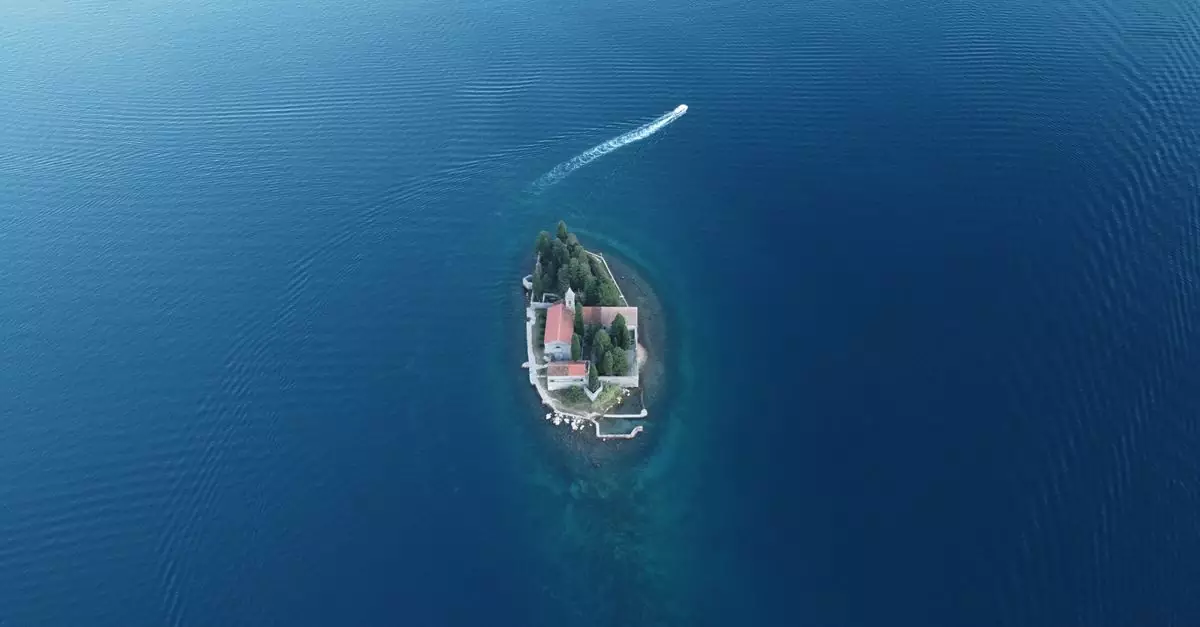
Southeast Asia is a treasure trove of islands, many of which remain remarkably untouched by mass tourism. For travelers seeking genuine tranquility and natural beauty, venturing beyond the well-trodden paths reveals a different side of this vibrant region. These destinations offer a chance to connect with local culture and pristine environments, providing a refreshing alternative to more developed tourist hubs.
Koh Kood, Thailand: Untouched Beaches and Jungle Waterfalls
Koh Kood, located in the eastern Gulf of Thailand near the Cambodian border, stands out for its undeveloped charm. Unlike its more famous neighbors, Koh Kood has resisted large-scale resorts, preserving its lush rainforests and stunning coastline. The island features crystal-clear waters, powdery white-sand beaches, and cascading waterfalls hidden within dense jungle.
Getting to Koh Kood typically involves a flight to Bangkok, followed by a bus or taxi to the ferry pier (like Laem Sok), and then a speedboat or ferry to the island. The journey itself is part of the adventure, setting the tone for the laid-back atmosphere. Accommodation options range from simple beachfront bungalows to more luxurious, eco-friendly resorts, all designed to blend harmoniously with the natural surroundings.
Activities on Koh Kood focus on relaxation and nature. Kayaking through mangrove forests, swimming in the Klong Chao waterfall, and snorkeling in the clear bays are popular pursuits. The island’s vibrant marine life offers excellent opportunities for underwater exploration. Evenings are best spent enjoying fresh seafood at a local restaurant, listening to the gentle lapping of waves.
Con Dao Islands, Vietnam: Turtle Nesting and Marine Sanctuaries
The Con Dao archipelago, off the southern coast of Vietnam, is a remote paradise that combines historical significance with exceptional natural beauty. This cluster of 16 islands was once a penal colony, but today it’s renowned for its protected marine park, a critical nesting ground for sea turtles. The islands boast pristine beaches, coral reefs teeming with life, and a rugged, mountainous interior cloaked in forest.
Reaching Con Dao requires a flight from Ho Chi Minh City or Can Tho to the small Con Dao Airport. Alternatively, ferries operate from Vung Tau and Soc Trang, though these can be longer and less predictable journeys. The islands are relatively small, and exploring them is best done by renting a motorbike, allowing for flexible discovery of secluded coves and viewpoints.
Conservation is a key focus here, with strict regulations in place to protect the marine environment and its inhabitants. Visitors can participate in guided tours to observe turtle hatchlings during the nesting season (typically July to October), a truly remarkable experience. Diving and snorkeling reveal a diverse underwater world, while hiking trails offer glimpses of endemic wildlife. The islands provide a peaceful retreat, far from the bustle of mainland Vietnam, with accommodations varying from guesthouses to comfortable hotels.
Pulau Weh, Indonesia: Diving Adventures Off Sumatra
Pulau Weh, a small volcanic island off the northern tip of Sumatra, Indonesia, is a haven for divers and snorkelers seeking vibrant marine ecosystems. Despite its proximity to the bustling port of Banda Aceh, Pulau Weh retains an unspoiled, tranquil atmosphere. The island features lush volcanic landscapes, dramatic coastlines, and exceptionally clear waters, home to an astonishing array of coral and marine life.
Travelers typically fly into Banda Aceh and then take a short ferry ride to Sabang, the main town on Pulau Weh. The island is small enough to explore by scooter, with winding roads leading to hidden beaches and viewpoints. Accommodation is plentiful, ranging from budget-friendly guesthouses popular with backpackers to more established dive resorts offering PADI certification courses.
The primary draw of Pulau Weh is its underwater world. The island is surrounded by protected coral reefs, making it a prime location for diving. Expect to see colorful corals, a wide variety of fish species, sea turtles, and even larger pelagics. Snorkeling is equally rewarding, with many shallow reefs accessible directly from the shore. Beyond the water, visitors can hike to volcanic craters, visit the Kilometer Zero monument, and enjoy the relaxed pace of island life. This destination offers a more adventurous and authentic Indonesian island experience.
Finding Your Best Hidden Island in the Caribbean
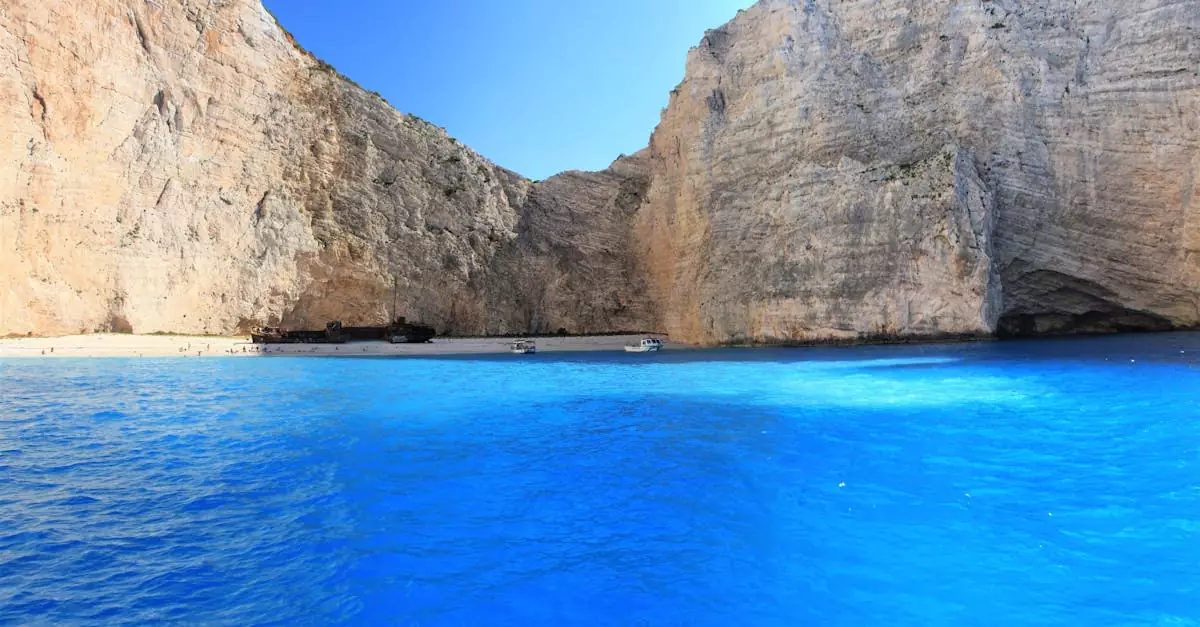
The Caribbean is renowned for its turquoise waters and vibrant culture, but beyond the well-trodden paths lie islands offering a more authentic and tranquil experience. For travelers seeking the best hidden islands that promise genuine charm and fewer crowds, this region offers remarkable discoveries. These destinations provide a refreshing alternative to busier resorts, focusing on local life, pristine natural beauty, and unique activities.
Bequia, St. Vincent and the Grenadines: Authentic Island Life
Bequia, meaning “land in the clouds” in the ancient Carib language, lives up to its name with its lush hills and secluded coves. This is the largest of the Grenadine Islands but retains a distinct, unhurried pace of life. Expect to find friendly locals, vibrant fishing boats bobbing in the harbor, and a refreshing lack of large-scale tourism development.
Getting to Bequia involves flying into Argyle International Airport (SVD) on St. Vincent and then taking a short ferry ride. This slight logistical step helps preserve the island’s intimate atmosphere. Accommodations range from charming guesthouses to private villas, often family-run and offering a personal touch. The island’s main hub, Port Elizabeth, is a delightful place to wander, with local craft shops and waterfront restaurants serving fresh seafood. For a truly authentic experience, visit on a Saturday morning for the local market.
Little Cayman, Cayman Islands: World-Class Diving and Birdlife
Little Cayman is a sanctuary for nature lovers, particularly those passionate about marine life and avian wonders. As the smallest of the Cayman Islands, it offers an escape into a world where nature reigns supreme. The island is renowned for its dramatic underwater topography, making it a top destination for divers seeking vibrant coral walls and an abundance of marine species.
The Sister Islands, including Little Cayman and Cayman Brac, are accessible via a short inter-island flight from Grand Cayman. This separation from the main island contributes to Little Cayman’s serene environment. Accommodation is limited, focusing on dive resorts and small, intimate lodges, which helps maintain the island’s peaceful character. Beyond diving, visitors can explore numerous nature trails and observe thriving populations of Red-footed Boobies and other seabirds at the Booby Pond Nature Reserve. Its quiet shores and commitment to conservation make it one of the best hidden islands for eco-conscious travelers.
Carriacou, Grenada: The ‘Isle of Reefs’ for Snorkelers
Carriacou, a dependency of Grenada, is often called the “Isle of Reefs” due to its extensive coral formations and crystal-clear waters, making it a paradise for snorkelers and divers. This island offers a glimpse into traditional Grenadian culture, with a strong sense of community and a slower rhythm of life. Unlike its larger neighbor, Carriacou has managed to sidestep mass tourism, preserving its natural beauty and authentic charm.
Access to Carriacou is typically via a short flight from Grenada’s Maurice Bishop International Airport (GND) or a ferry service. The journey itself is part of the adventure, offering scenic views of the Grenadine archipelago. Accommodations are primarily small hotels, guesthouses, and vacation rentals, reflecting the island’s intimate scale. Visitors can spend their days snorkeling among vibrant reefs, exploring historic boat-building traditions in Windward, or simply relaxing on unspoiled beaches. Its tranquil atmosphere and abundant marine life solidify its status as one of the Caribbean’s best hidden islands.
Planning Your Journey to These Best Hidden Islands
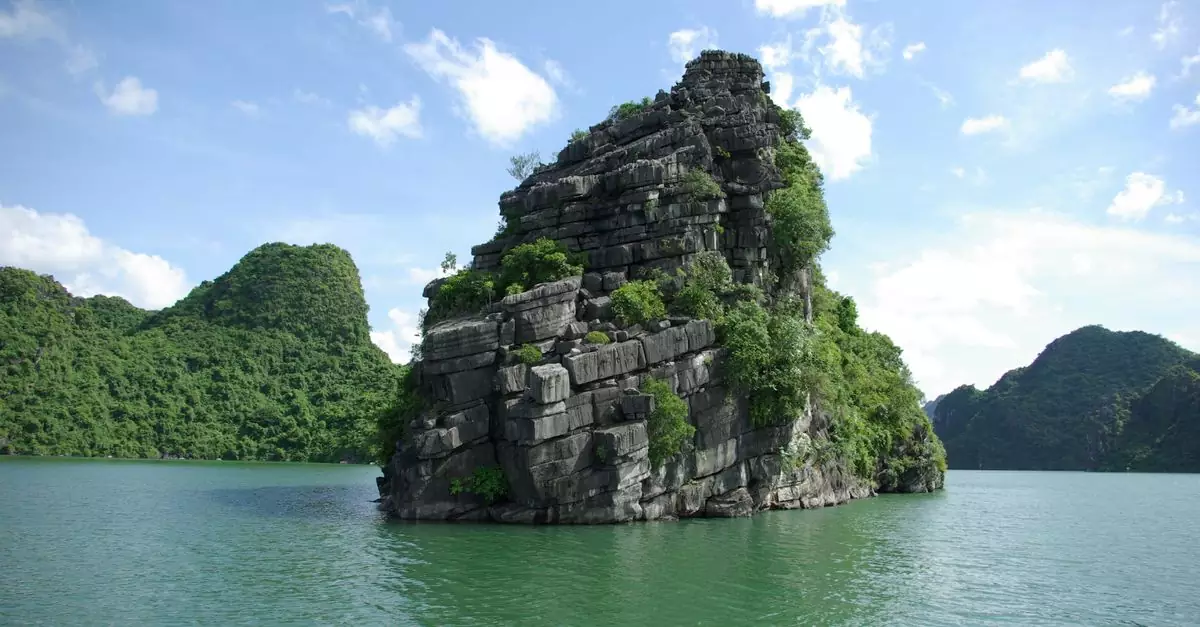
Discovering the world’s best hidden islands requires thoughtful planning, especially if you’re aiming for an experience away from the usual tourist crowds. These secluded destinations often demand a bit more logistical effort, but the reward is unparalleled tranquility and authentic encounters. Consider these key planning aspects to ensure your escape is seamless and unforgettable.
Best Time to Visit Each Secluded Island
Timing is crucial when visiting less-trafficked islands. Many of these gems experience distinct dry and wet seasons, which can significantly impact accessibility and the overall experience.
- Shoulder Seasons: For many tropical or subtropical destinations, the periods just before or after the peak season (often April-May and September-October) offer a sweet spot. You’ll likely encounter fewer crowds and more moderate weather, with prices potentially being lower as well.
- Monsoon Considerations: Islands in Southeast Asia or parts of the Caribbean might experience heavy rainfall during specific months. While this can mean lush landscapes, it can also disrupt ferry schedules and limit outdoor activities. Research the specific climate patterns for your chosen island.
- Winter Escapes: For those seeking warmth during colder months, consider islands in the Southern Hemisphere or those with a Mediterranean climate during their spring or autumn.
Getting There: Flights, Ferries, and Local Transport
Reaching these hidden paradises often involves multiple modes of transport. Be prepared for journeys that might take longer than expected.
- International Flights: Your journey will likely begin with a flight to a major regional hub. From there, you might need to catch a smaller domestic flight or a regional carrier.
- Ferry Services: For island chains or islands close to the mainland, ferries are a common and often scenic way to travel. Booking ferry tickets in advance is advisable, especially during peak travel times.
- Local Transportation: Once on the island, options can range from scarce to non-existent. Many smaller islands are best navigated on foot, by bicycle, or with rented scooters. In more remote areas, local taxis or pre-arranged transport with your accommodation might be your only options.
| Destination Type | Primary Transport to Reach | Common Local Transport | Notes |
|---|---|---|---|
| Small Tropical Archipelago | Regional flight + Ferry | Boat, scooter, bicycle, walking | Schedules can be infrequent; book ferries ahead. |
| Remote Coastal Island | Ferry or small plane | Walking, local bus (if available) | Limited infrastructure; consider luggage carefully. |
| Inland Lake Island | Car to port + Ferry | Walking, cycling | Access may be seasonal depending on water levels. |
Navigating Your Island Itinerary: Pace and Activities
The charm of hidden islands lies in their unhurried pace. Resist the urge to pack too much into each day.
- Embrace Slow Travel: Allow ample time for spontaneous discoveries. Instead of a rigid schedule, plan for one or two key activities per day, leaving room for relaxation on a quiet beach or a leisurely meal.
- Activity Research: While these islands are off the beaten path, they still offer unique experiences. Look into local hiking trails, snorkeling spots, cultural villages, or artisanal workshops.
- Flexibility is Key: Weather, ferry delays, or simply finding a perfect, secluded cove can alter your plans. Build flexibility into your itinerary to accommodate unforeseen circumstances and serendipitous moments.
Budgeting for an Off-the-Beaten-Path Island Vacation
While some hidden islands can be budget-friendly, others, particularly those requiring specialized transport, can add up.
- Accommodation Costs: You’ll find a range of options, from basic guesthouses and eco-lodges to charming boutique hotels. Prices can vary significantly based on amenities and location. Booking directly with smaller establishments can sometimes yield better rates.
- Food and Drink: Eating at local eateries or preparing some of your own meals can significantly reduce costs. Imported goods on islands can be more expensive.
- Transportation Expenses: Factor in the cost of flights, ferries, and any local transport. These can be a substantial portion of your budget for remote island destinations.
- Activity Fees: While many natural attractions are free, guided tours or specific excursions will add to your expenses.
Careful consideration of these planning elements will help you navigate the logistics and fully immerse yourself in the serene beauty of the world’s best hidden islands.
Frequently Asked Questions About Hidden Island Travel
What are the biggest tourist mistakes to avoid on hidden islands?
A common misstep is expecting the same level of infrastructure and convenience found in major tourist hubs. Be prepared for potentially limited Wi-Fi, fewer dining options, and less frequent transportation. Another mistake is not respecting local customs and traditions; take time to learn a few basic phrases and understand local etiquette.
Overpacking is also frequent. Remote island destinations often require lighter luggage, especially if you’ll be using small boats or navigating uneven terrain. Lastly, failing to book accommodations and key activities in advance can lead to disappointment, as options may be scarce.
Are these hidden islands safe for solo travelers?
Generally, most remote islands known for their tranquility and natural beauty are quite safe. Crime rates are typically low due to small populations and a strong sense of community. However, like any travel, it’s wise to exercise standard precautions.
Always inform someone of your itinerary, be aware of your surroundings, and avoid venturing into isolated areas alone after dark. Researching the specific island’s safety record and any local advisories is always a good idea. For example, some islands might have specific safety considerations related to wildlife or natural hazards.
What should I pack for a remote island trip?
Focus on essentials that are lightweight and versatile. Pack quick-drying clothing suitable for warm, humid climates, including swimwear, t-shirts, shorts, and a light rain jacket. Comfortable walking shoes or sandals are crucial for exploring.
Don’t forget sun protection: high SPF sunscreen, a wide-brimmed hat, and sunglasses are essential. A reusable water bottle, a basic first-aid kit, insect repellent, and any personal medications are also vital. Consider a waterproof bag for electronics and important documents.
| Item Category | Essential Items | Optional Items |
|---|---|---|
| Clothing | Quick-dry tops & bottoms, swimwear, hat | Light sweater, sarong |
| Footwear | Comfortable walking sandals/shoes | Water shoes |
| Health & Safety | Sunscreen, insect repellent, first-aid kit | Hand sanitizer, motion sickness meds |
| Electronics | Portable charger, camera | E-reader, waterproof phone case |
| Documents & Money | Passport, copies, cash, credit/debit cards | Small notebook, pen |
Where can I find authentic local food on these islands?
Seek out small, family-run eateries and local markets rather than tourist-oriented restaurants. These are often where you’ll find the most genuine flavors and traditional dishes. Don’t hesitate to ask locals for recommendations; they are usually happy to point you toward their favorite spots.
Trying street food can also be a rewarding experience, but ensure it’s from a reputable vendor. Many remote islands pride themselves on fresh seafood and locally grown produce, so sample as much as you can. For instance, on islands with a strong fishing culture, simple grilled fish seasoned with local herbs can be a highlight.