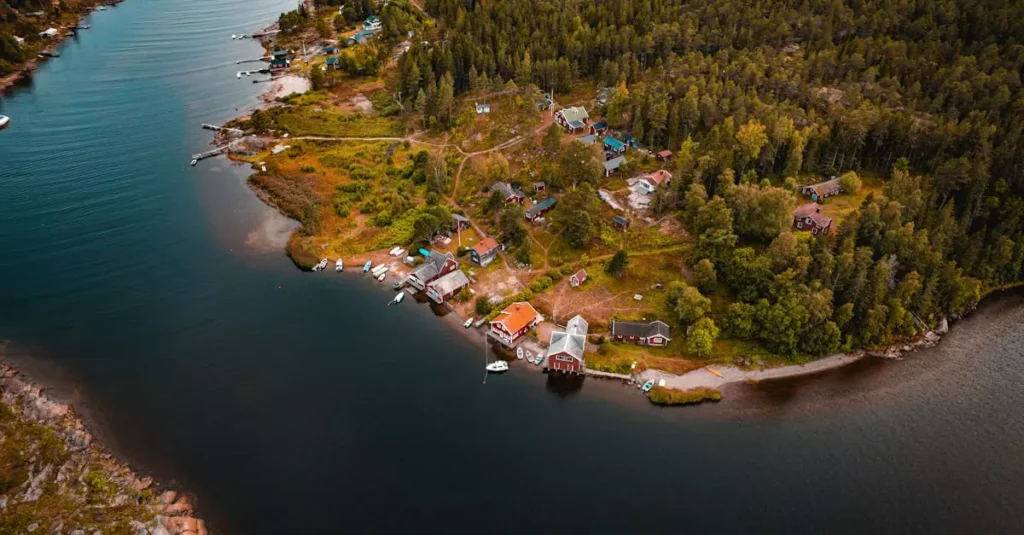
Beyond the well-known cities, Sweden holds a tapestry of enchanting escapes waiting to be discovered. If you’re yearning for a travel experience that offers tranquility, authenticity, and a deep connection with nature and culture, exploring the best hidden villages Sweden has to offer is your ideal adventure. This guide will lead you off the beaten path to charming hamlets where time seems to slow down.
You’ll uncover picturesque coastal communities with maritime charm, serene lakeside villages steeped in tradition, and remote northern outposts offering unique Arctic experiences. We’ll delve into what makes each location special, from historical significance and cultural immersion to breathtaking natural beauty. Prepare to learn about the unique character of these lesser-known gems, practical tips for visiting, and the local flavors that await you.
Why Seek Out Sweden’s Best Hidden Villages?
Escaping the Crowds: The Allure of Unspoiled Swedish Charm
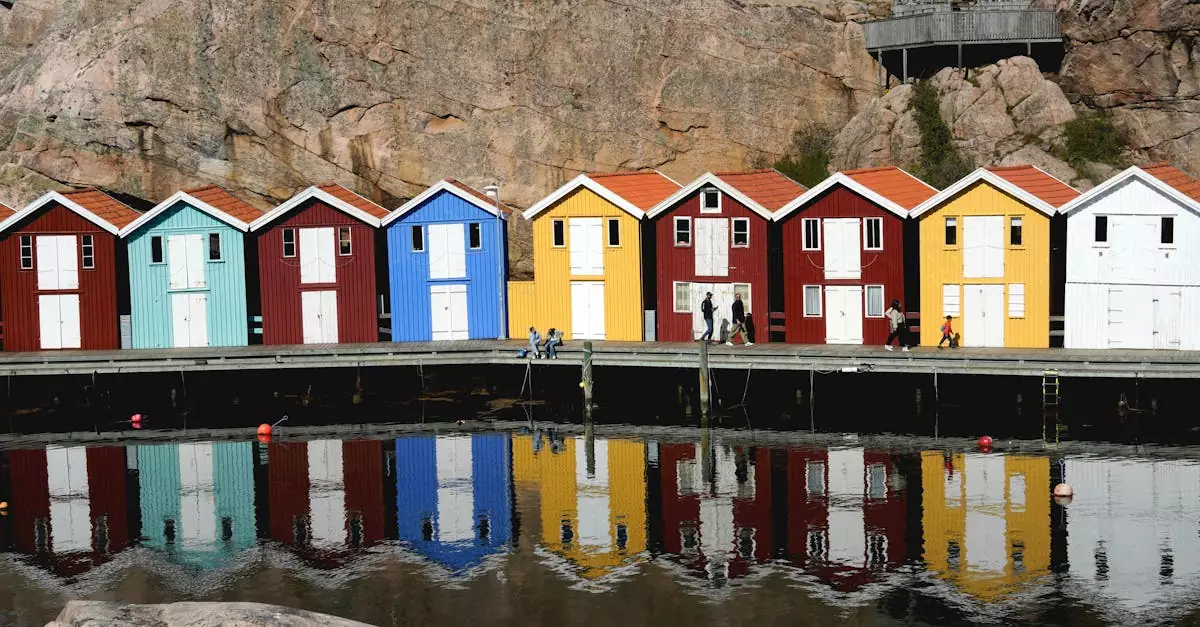
While cities like Stockholm offer undeniable attractions, the true magic often lies beyond the well-trodden tourist paths. Discovering Sweden’s best hidden villages provides a unique opportunity to step back in time and experience a more authentic side of the country. These charming hamlets, characterized by colorful wooden houses and serene natural surroundings, offer a peaceful respite from urban life. Travelers seeking tranquility and a genuine connection with Swedish heritage will find these lesser-known destinations incredibly rewarding.
Visiting these smaller communities encourages a slower pace of travel, fostering deeper engagement with the local environment and its people. You can wander through quiet streets, admire traditional architecture, and soak in the unhurried rhythm of rural life. This approach often leads to unexpected discoveries and more memorable experiences than simply ticking off major landmarks.
Authentic Cultural Immersion Beyond Stockholm’s Buzz
For those aiming for authentic cultural immersion, Sweden’s hidden villages are unparalleled. Unlike larger cities, where tourism can feel commercialized, these smaller locales offer a direct window into Swedish traditions and daily life. Engaging with locals at a village bakery or community market provides insights that guidebooks rarely capture. You might learn about regional crafts, local folklore, or simply enjoy a conversation over a cup of coffee.
These destinations are crucial for understanding the diverse cultural tapestry of Sweden, which extends far beyond its capital. Each region boasts its own distinct character, influenced by history, geography, and local customs. Experiencing these nuances firsthand offers a richer appreciation of the nation.
Photographic Treasures: Capturing Sweden’s Rural Beauty
The visual appeal of Sweden’s best hidden villages is undeniable, making them a dream for photographers and anyone who appreciates picturesque landscapes. Imagine quaint fishing harbors dotted with colorful boats, rolling green hills with grazing sheep, or snow-dusted cottages during winter. The natural light, especially during the long summer days or the soft glow of autumn, enhances the inherent beauty of these settings.
Beyond architectural charm, the surrounding natural scenery provides endless photographic opportunities. From serene lakes reflecting the sky to dense forests whispering secrets, the backdrop to these villages is as captivating as the villages themselves. Capturing these moments offers lasting mementos of your journey into the heart of rural Sweden.
Top Hidden Villages in Southern Sweden to Explore
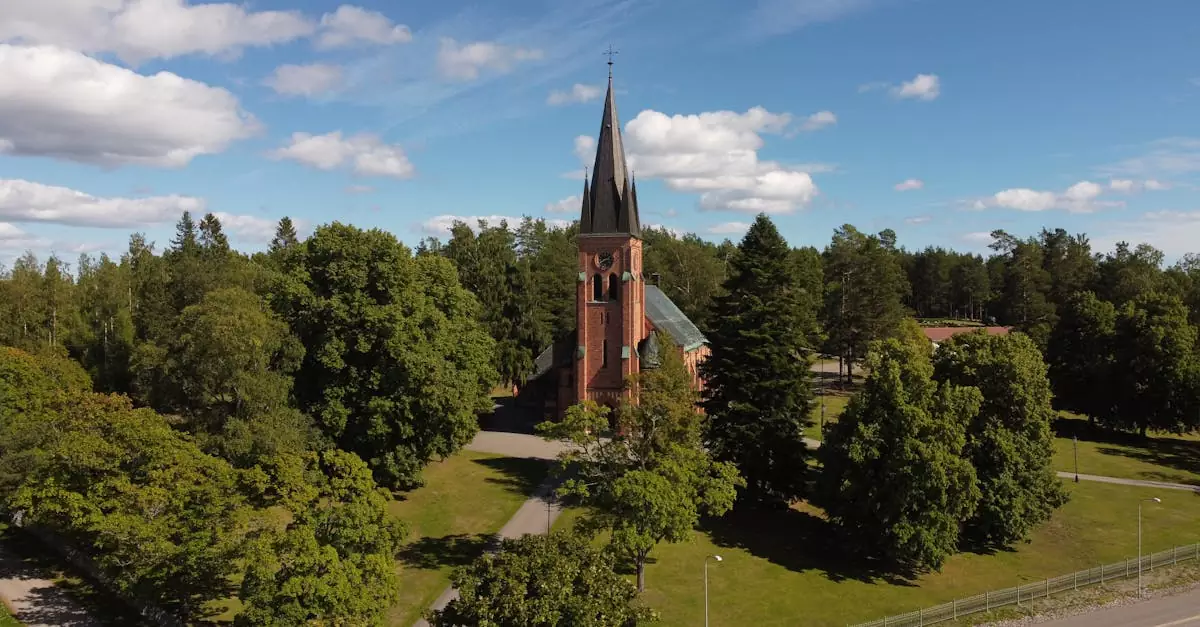
Southern Sweden offers a captivating blend of coastal beauty, historical charm, and serene landscapes, often overlooked in favor of larger cities. For travelers seeking authentic experiences away from the crowds, several charming villages provide a glimpse into Swedish life and stunning natural surroundings. These destinations are among the best hidden villages in Sweden for an unforgettable escape.
Ales Stenar & Kåseberga: Coastal Majesty in Skåne
Perched dramatically on a clifftop in Skåne, the ancient maritime monument of Ales Stenar commands breathtaking views over the Baltic Sea. This collection of 59 large stones, arranged in the shape of a ship, is Sweden’s most enigmatic prehistoric site. While the stones themselves are the main draw, the adjacent fishing village of Kåseberga adds significant charm.
Kåseberga retains its authentic atmosphere with a picturesque harbor, colorful fishing huts, and excellent seafood restaurants serving the freshest catch. Walking paths lead from the village up to Ales Stenar, offering invigorating hikes and unparalleled coastal vistas. The area is particularly beautiful during the golden hour when the light casts a magical glow over the landscape.
Getting There: Kåseberga is accessible by car, with parking available near the harbor. Public transport options involve bus connections from nearby towns like Ystad, a larger transport hub.
Traveler Tip: Visit in late spring or early autumn to avoid peak summer crowds and enjoy milder weather for walking. The wind can be strong on the clifftop, so bring layers.
Mölle: The Picturesque Gateway to Kullaberg Nature Reserve
Nestled on the northern tip of the Kullahalvön peninsula in Skåne, Mölle is a delightful seaside village renowned for its stunning natural beauty and maritime heritage. Once a notorious smuggling hub, it has transformed into a tranquil haven for nature lovers and outdoor adventurers. The village boasts charming red-roofed houses, a vibrant marina, and a relaxed atmosphere.
Mölle serves as the primary gateway to the spectacular Kullaberg Nature Reserve. This rugged peninsula features dramatic cliffs, sea caves, abundant wildlife, and a lighthouse offering panoramic views. Hiking, diving, and kayaking are popular activities here, with well-marked trails catering to various fitness levels. The underwater landscape around Kullaberg is also a protected marine area, making it a prime spot for snorkeling and diving.
Logistics: Mölle is best reached by car, offering flexibility for exploring the surrounding region. Buses connect Mölle to Helsingborg, a larger city with ferry services to Denmark.
Accommodation: Options range from cozy guesthouses and bed & breakfasts within the village to hotels offering sea views. Booking in advance is recommended, especially during summer.
Vaxholm: The ‘Capital of the Archipelago’ Near Stockholm
Just a short ferry or bus ride from Stockholm, Vaxholm is a quintessential archipelago town that feels worlds away from the capital’s bustle. Often referred to as the “Capital of the Archipelago,” this picturesque island town features colorful wooden houses, cobblestone streets, and the imposing Vaxholm Fortress guarding the waterway.
Life in Vaxholm revolves around the sea. The harbor is a lively hub with boats coming and going, and numerous waterfront cafes and restaurants offer fresh seafood and archipelago views. Wandering through the charming streets reveals independent boutiques, art galleries, and historical buildings. A visit to the fortress, accessible by a short boat trip, provides insight into Sweden’s coastal defense history and offers fantastic views back towards the town and the surrounding islands.
Transportation: The most scenic way to reach Vaxholm is by archipelago ferry from central Stockholm. Driving is also an option, with parking available in the town.
Seasonal Appeal: Vaxholm is enchanting year-round, but its charm truly shines during the summer months when the archipelago buzzes with activity. The autumn colors and winter stillness also offer a unique, serene experience.
Unveiling Northern Sweden’s Secluded Hamlets
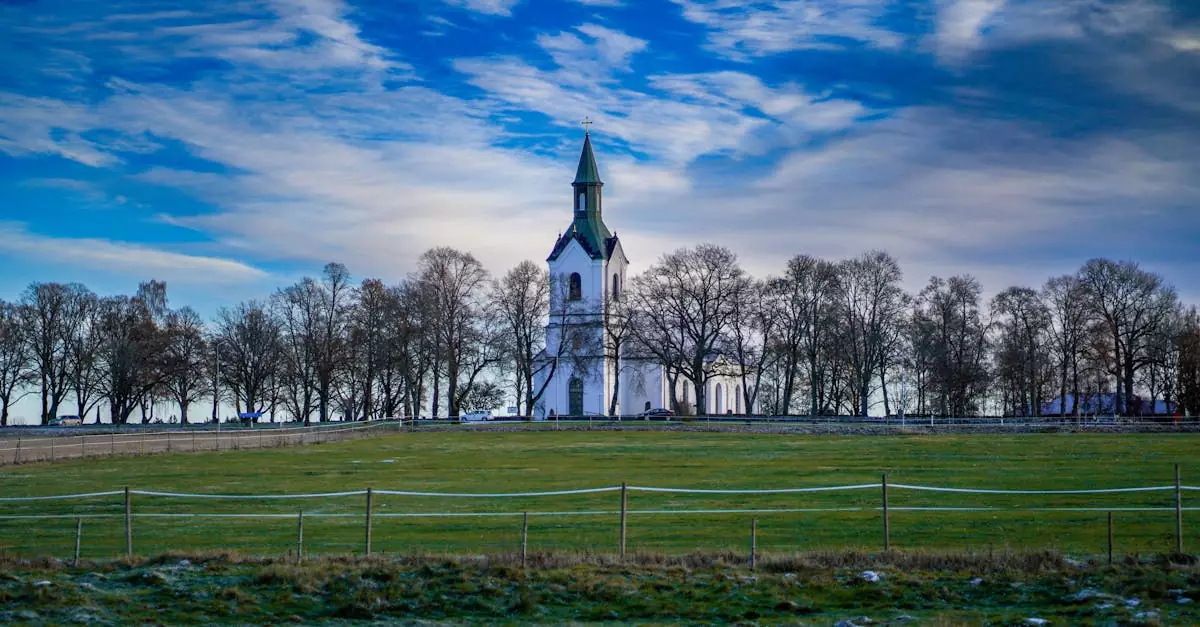
For travelers seeking authentic experiences away from the well-trodden paths, Northern Sweden offers a treasure trove of charming villages. These destinations provide a genuine glimpse into Arctic life, stunning natural beauty, and rich cultural heritage. This region is particularly rewarding for those interested in the best hidden villages Sweden has to offer, especially when planning a trip outside the peak summer months.
Abisko: The Ultimate Base for Aurora Borealis and Midnight Sun
Abisko, situated within Abisko National Park, is a small village renowned for its exceptional natural phenomena. Its location under the “blue hole” of the sky, a microclimate that often remains clear even when surrounding areas are cloudy, makes it one of the world’s premier spots for viewing the Northern Lights. From late September to March, the aurora borealis paints the night sky. Conversely, the summer months bring the surreal experience of the Midnight Sun, where daylight persists around the clock from May to July.
Getting to Abisko typically involves flying into Kiruna Airport (KRN), followed by a scenic train ride or bus transfer. The train journey itself is a highlight, offering glimpses of the vast Lapland wilderness. Accommodation options range from the historic Abisko Turiststation to smaller guesthouses and cabins, catering to various budgets. Activities abound, including guided Northern Lights tours, dog sledding, snowmobiling, and hiking in the national park.
Jokkmokk: Sami Culture and Arctic Wilderness Adventures
Jokkmokk, located north of the Arctic Circle, is a hub for Sami culture and a gateway to the Swedish Arctic wilderness. The village hosts the annual Jokkmokk Market, held in early February, one of the oldest Sami markets in the world. This vibrant celebration showcases Sami traditions, crafts, food, and reindeer racing, attracting visitors from across the globe. It’s an unparalleled opportunity to immerse yourself in the unique heritage of the indigenous Sami people.
Beyond the market, Jokkmokk offers year-round access to stunning natural surroundings. Visitors can partake in activities like ice fishing, cross-country skiing, and snowshoeing in winter, or hiking and fishing in the warmer months. The Ájtte, Swedish Mountain and Sami Museum, provides deep insights into the region’s history and the Sami way of life. Reaching Jokkmokk can be done via bus from Kiruna or Luleå, or by train to Boden and then connecting transport. For those seeking authentic cultural experiences in the best hidden villages Sweden has to offer, Jokkmokk stands out.
Rättvik: Dalarna’s Lakeside Gem and Traditional Crafts
Moving south to the province of Dalarna, Rättvik presents a different, yet equally enchanting, facet of Swedish village life. This picturesque village sits on the shores of Lake Siljan, a large, beautiful lake surrounded by rolling hills and traditional red-painted wooden houses. Rättvik is celebrated for its strong connection to Swedish folk culture, particularly its music, dance, and the iconic Dala horses—intricately carved and painted wooden figures that are a national symbol.
The village offers a more relaxed pace compared to the northern outposts. Summer is a popular time to visit, with opportunities for swimming, boating on Lake Siljan, and enjoying local festivals. Rättvik also boasts a unique attraction: a 628-meter-long wooden pier extending into the lake, offering stunning views and a pleasant stroll. Traditional craft shops and workshops allow visitors to see artisans at work and purchase authentic souvenirs. Transportation to Rättvik is convenient, with regular train services connecting it to major cities like Stockholm. For a taste of traditional Swedish charm and a slower pace of life, Rättvik is a compelling choice.
What to Eat and Drink in Rural Sweden
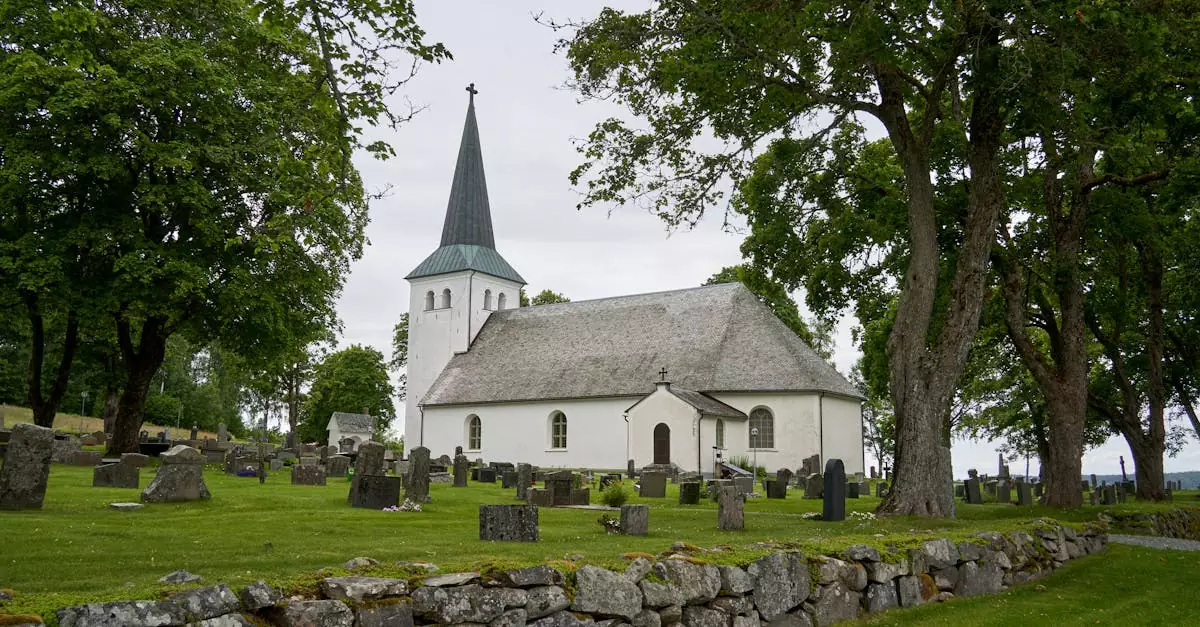
When visiting Sweden’s charming villages, the culinary experience is as much a part of the discovery as the picturesque scenery. Local food and drink offer a genuine taste of Swedish culture, often prepared with fresh, seasonal ingredients. Embracing these flavors provides a deeper connection to the region and its traditions.
Sampling Local Delicacies in a Village Café
Village cafés, or konditori, are often the heart of small Swedish communities. Here, you can find freshly baked goods, light lunches, and a warm atmosphere. Look for kanelbullar (cinnamon buns), a national obsession, or kardemummabullar (cardamom buns). Many cafés also serve hearty soups, like creamy salmon soup (laxsoppa) or warming pea soup (ärtsoppa), especially popular on Thursdays. These establishments are perfect spots to pause, observe local life, and enjoy authentic Swedish pastries.
Traditional Swedish Fika: More Than Just Coffee
Fika is a cornerstone of Swedish social life, a dedicated time for coffee and a sweet treat, often enjoyed with friends, family, or colleagues. It’s not just a coffee break; it’s a cultural institution. In rural Sweden, fika takes on a special significance, often enjoyed in cozy settings with homemade cakes and pastries. Participating in fika is an excellent way to experience the relaxed pace of life and connect with locals. Many villages have a beloved local bakery that serves as a focal point for this daily ritual.
Exploring Regional Specialties: From Smoked Salmon to Lingonberries
Beyond the ubiquitous cinnamon bun, rural Sweden boasts a range of regional culinary delights. Depending on the village’s location, you might encounter excellent smoked salmon, particularly in coastal areas. Inland, game dishes and root vegetables feature prominently. Don’t miss the chance to try dishes incorporating lingonberries, a tart berry that accompanies many Swedish meals, from meatballs to desserts. Local preserves and homemade jams are also common finds in village shops and markets. For those interested in learning more about European culinary traditions, exploring these regional flavors offers a unique perspective.
Planning Your Journey to Sweden’s Secret Villages
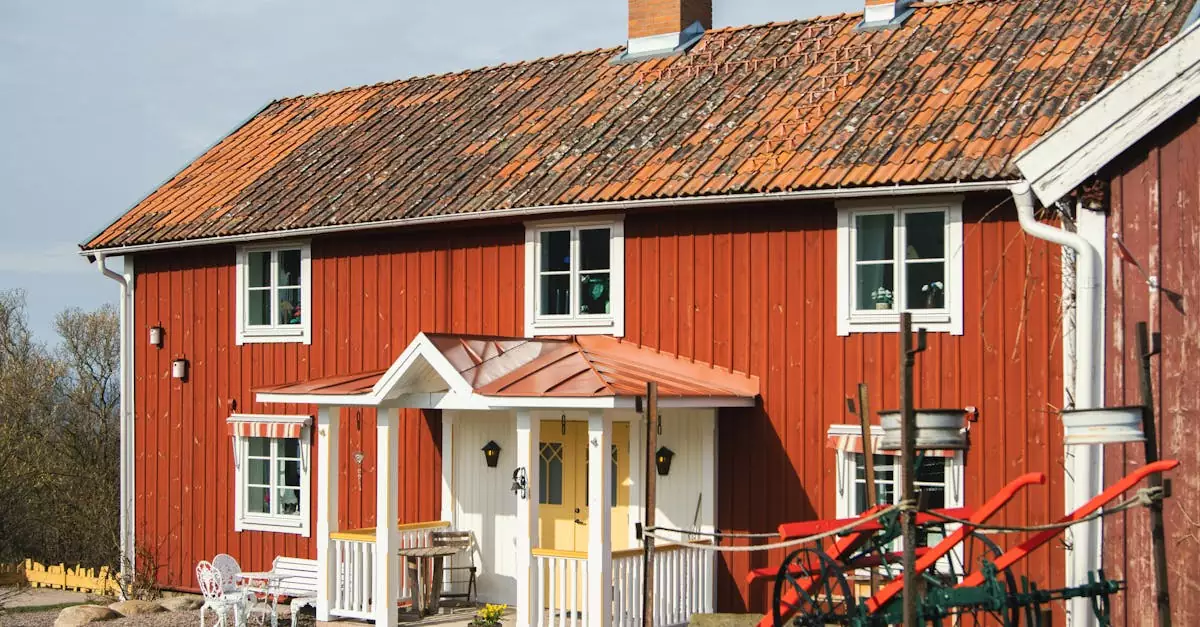
Discovering Sweden’s best hidden villages requires thoughtful planning, especially when venturing beyond the well-trodden tourist paths. This section offers practical advice to help you navigate rural Sweden, from choosing the optimal time to visit to understanding local transport and accommodation.
Best Time to Visit for Seasonal Village Experiences
Sweden’s charm shifts dramatically with the seasons, and the best time to visit its hidden villages depends on what you seek.
- Summer (June-August): Peak season offers long daylight hours, pleasant temperatures, and vibrant village life. Many local festivals and markets are in full swing. However, expect more visitors and higher prices. The landscape is lush and green, ideal for outdoor activities.
- Autumn (September-October): A quieter time, autumn brings beautiful fall foliage, particularly in southern and central Sweden. The crisp air is invigorating, and you can enjoy the villages with fewer crowds. Some seasonal businesses may begin to close, so check ahead.
- Winter (November-March): For a truly magical, snow-dusted experience, winter is unparalleled. Think cozy evenings by the fire and picturesque, quiet villages. However, daylight hours are short, and travel can be challenging due to snow and ice. Many attractions and accommodations might be closed.
- Spring (April-May): As the snow melts, Sweden awakens. This transitional period has fewer tourists. While the weather can be unpredictable, you’ll witness nature’s reawakening and enjoy a more authentic, local atmosphere.
| Season | Pros | Cons |
|---|---|---|
| Summer | Long days, warm weather, festivals | Crowds, higher prices |
| Autumn | Beautiful foliage, fewer tourists | Shorter days, some closures |
| Winter | Snow, cozy atmosphere, unique charm | Short days, travel challenges, many closures |
| Spring | Fewer crowds, nature awakening, local feel | Unpredictable weather, transitional |
Getting Around: Navigating Rural Sweden by Car and Public Transport
Reaching Sweden’s best hidden villages often involves a combination of transport methods. While major cities are well-connected, rural areas demand flexibility.
- Car Rental: Renting a car is often the most convenient way to explore secluded villages. It offers the freedom to stop at scenic viewpoints and access remote locations. Roads in Sweden are generally well-maintained, even in rural areas. Be aware of wildlife, especially deer and elk, particularly at dawn and dusk. Winter driving requires caution and appropriate tires.
- Public Transport: Sweden boasts an excellent public transport network, primarily through SJ (Swedish Railways) and regional bus companies. Trains can take you to larger towns near your chosen village. From there, local bus services might connect you, but schedules can be infrequent, especially on weekends. Planning your onward journey meticulously is crucial if relying solely on public transport.
Consider the distances involved when planning your itinerary. Some villages are clustered, making day trips feasible, while others are quite isolated.
Accommodation Options: Cozy Cottages and Charming Guesthouses
The lodging options in Sweden’s hidden villages contribute significantly to their charm. Expect authentic experiences rather than large hotel chains.
- Stugor (Cottages): Renting a
stugais a quintessential Swedish experience. These range from rustic cabins to modern, well-equipped homes, often situated by lakes or in scenic countryside. They offer privacy and a chance to live like a local. Booking well in advance is recommended, especially during summer. - Guesthouses and B&Bs: Many villages have small, family-run guesthouses or Bed & Breakfasts. These provide a warm, personal welcome and often feature traditional Swedish breakfasts. They are a great way to interact with locals and gain insider tips.
- Farm Stays: For an immersive rural experience, consider a farm stay. You might have opportunities to participate in farm activities or simply enjoy the peaceful surroundings and home-cooked meals.
When booking, pay attention to amenities, especially if traveling outside of summer. Some remote cottages might have limited Wi-Fi or require self-catering.
Frequently Asked Questions About Visiting Sweden’s Hidden Villages
Are these villages accessible year-round?
Accessibility to Sweden’s charming villages varies significantly with the seasons. During summer, most roads are clear, and public transport, though infrequent, operates more regularly. However, winter presents challenges. Snowfall can make roads impassable, especially in more remote northern areas. Some ferry services might also reduce their schedules or cease operations. Always check local transport and road conditions before traveling in the colder months. For those seeking the quintessential snowy village experience, winter can be magical but requires more careful planning.
What are some common tourist mistakes to avoid?
A common pitfall is underestimating travel times between these smaller communities. Distances might appear short on a map, but winding roads and limited public transport can extend journeys. Another mistake is not booking accommodations in advance, particularly during peak summer. Many of these villages have limited lodging options. Lastly, failing to learn a few basic Swedish phrases can hinder interactions; while English is widely spoken, a little effort in the local language is always appreciated. Respecting local customs and the quiet nature of these communities is also key to a positive experience.
Can I find unique souvenirs in these smaller communities?
Yes, the best souvenirs from Sweden’s hidden villages are often locally made crafts. Look for hand-knitted woolens, carved wooden items, or locally produced jams and preserves. Many villages have small artisan shops or local markets where you can find these authentic items. Unlike mass-produced goods found in larger cities, these souvenirs often carry a story and a connection to the place. Supporting local artisans directly benefits the community and ensures you bring home something truly special from your travels.