Discovering Italy by train offers a captivating way to experience its diverse beauty, from the dramatic Alps to rugged coastlines. If you dream of unforgettable journeys through stunning landscapes, exploring the best scenic train routes Italy has to offer is essential. This guide details breathtaking rail adventures across the country, covering iconic routes like the Bernina Express, a UNESCO World Heritage journey through alpine wonders, and the Circumetnea Railway, which circles Sicily’s active volcano. We’ll also explore the charming Cinque Terre Express, connecting five cliffside villages, and the remote beauty of the Ferrovia Transiberiana d’Italia. Get ready to plan your next adventure as we uncover the magic of Italy’s railways.
The Enchanting Bernina Express: A UNESCO World Heritage Journey
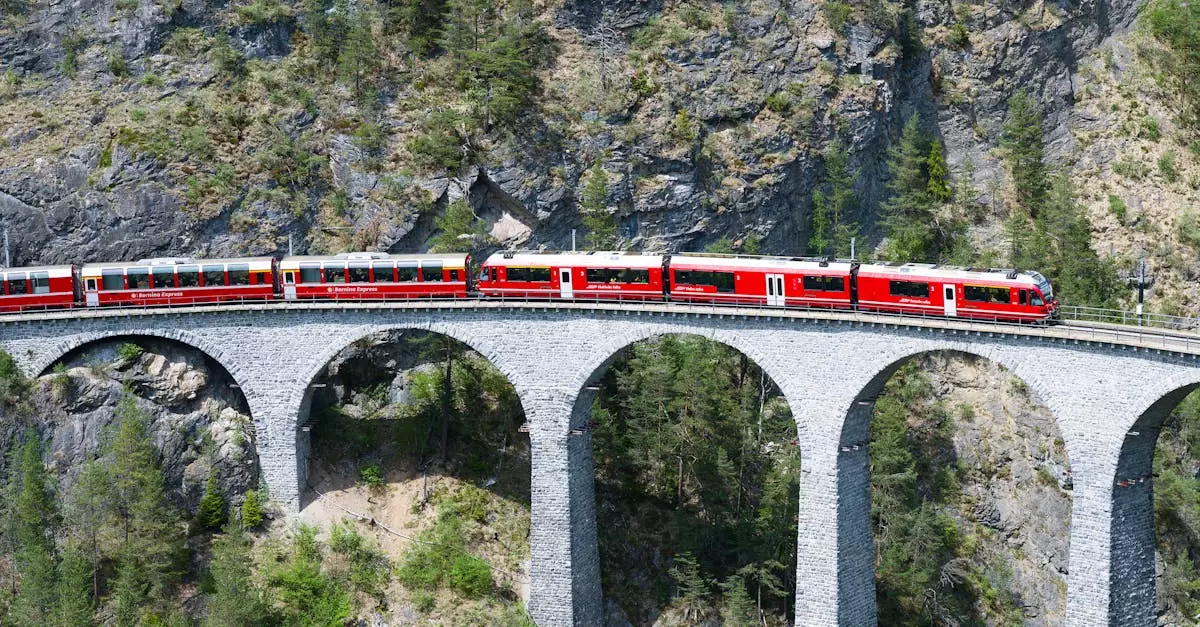
The Bernina Express is an exceptional way to experience the Alps, earning its place among the best scenic train routes in Italy and Switzerland. This panoramic journey, a UNESCO World Heritage site, traverses dramatic landscapes, offering breathtaking views of glacial expanses, rugged peaks, and charming alpine villages. It’s a route that appeals to photographers, nature lovers, and anyone seeking a journey focused on the experience as much as the destination.
From Tirano to St. Moritz: A Panoramic Alpine Adventure
The Italian segment of the Bernina Express begins in Tirano, a town in the Valtellina region of Lombardy, before crossing into Switzerland. The train winds its way up to the glamorous resort town of St. Moritz. This portion of the route is renowned for its engineering marvels, including viaducts and spiral tunnels that allow the train to gain altitude without steep gradients. As you ascend, the scenery shifts from verdant valleys to snow-capped mountains, even in summer.
The journey typically takes around four hours, providing continuous visual delight. Carriages are equipped with large panoramic windows, ensuring unobstructed views of the surrounding beauty. Travelers often remark on the sheer scale of the landscape and the impressive construction of the railway, completed in 1910. Booking tickets in advance is highly recommended, especially during peak season, as seats fill up quickly.
Why the Bernina Express is Among Italy’s Best Scenic Train Routes
What sets the Bernina Express apart is its seamless integration with the natural environment. Unlike some other scenic railways, it plunges directly into stunning landscapes. The route crosses 196 bridges and passes through 55 tunnels, including the iconic Brusio Circular Viaduct, a masterpiece of railway engineering. This dedication to harmonizing with the terrain is a key reason it’s considered one of the best scenic train routes Italy has to offer, despite much of it being in Switzerland.
The route also provides a unique cultural transition. Starting in Italy, you’ll hear Italian spoken, and the cuisine reflects northern Italian influences. As the train climbs into Switzerland, the linguistic and cultural landscape shifts to Romansh and German, adding richness to the travel experience. For those interested in the history of engineering and its impact on tourism, the Bernina Line is a fascinating study.
Photography Hotspots Along the Bernina Line
For photographers, the Bernina Express route offers numerous opportunities. Several points along the journey are particularly photogenic. The Brusio Circular Viaduct is a must-capture, especially from the viewpoint below. As the train approaches the Bernina Pass, be ready for stunning vistas of the Morteratsch Glacier and the Piz Bernina massif.
Another prime spot is Lago Bianco, a striking glacial lake near the summit of the Bernina Pass. The contrast between the turquoise water and the surrounding snow-dusted peaks is remarkable. The small chapel, La Piruetta, adds a picturesque foreground element. Finally, the approach to St. Moritz, with its elegant hotels and serene lake, showcases the charm of the Engadin valley. For optimal lighting, consider the time of day for your photography, with early morning and late afternoon often providing the most dramatic light.
Circumetnea Railway: Sicily’s Volcanic Ring Road by Train
Exploring Mount Etna’s Slopes from Catania
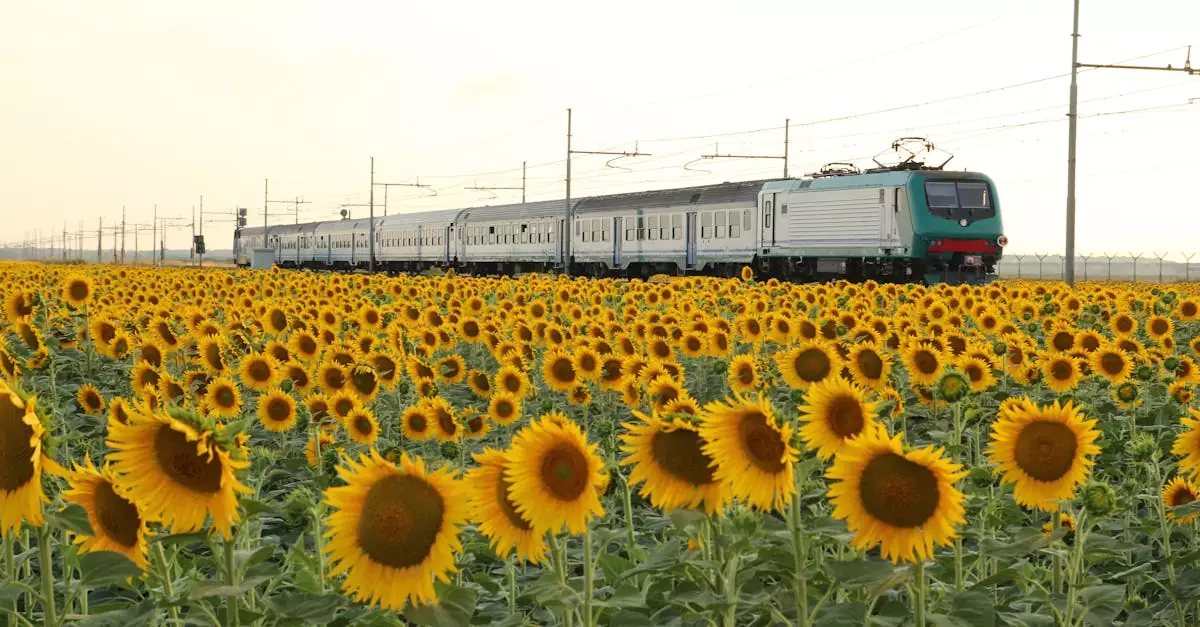
For an adventure unlike any other on Sicily, consider the Circumetnea Railway. This narrow-gauge line circles the base of Mount Etna, Europe’s most active volcano, offering a unique perspective on its dramatic landscape. The journey begins in Catania, a vibrant city known for its Baroque architecture and lively markets. From Catania Borgo station, the train embarks on a slow, winding path, providing continuous views of the imposing volcano.
The Circumetnea is not a high-speed tourist attraction; it’s a local commuter line that traverses extraordinary scenery. This means you’ll share carriages with residents going about their daily lives, adding authenticity to the experience. The train’s pace allows for a detailed appreciation of the ever-changing terrain, from fertile coastal plains to stark volcanic rock formations.
Unique Landscapes: Lava Fields and Citrus Groves
As the Circumetnea Railway chugs along, the visual tapestry shifts dramatically. One moment, you’re passing through lush citrus groves and vineyards clinging to fertile volcanic soil; the next, you’re surrounded by vast, rugged lava fields, remnants of past eruptions. This stark contrast highlights the powerful geological forces that shape the region. You’ll see craters, ancient lava flows solidified into black rock, and sparse vegetation bravely reclaiming the land.
The route offers numerous opportunities to disembark and explore. Small villages dot the landscape, providing glimpses into rural Sicilian life. Consider stopping in towns like Adrano or Bronte, famous for its pistachios, to wander through historic centers or enjoy a local meal. Each stop offers a different vantage point of Mount Etna and its surrounding environment. Since the train’s schedule is relatively infrequent, plan your stops carefully to allow ample time for exploration before catching the next train.
Best Time to Ride the Circumetnea for Volcanic Views
The Circumetnea Railway operates year-round, but the best time to ride depends on your priorities. Spring (April to June) and autumn (September to October) generally offer the most pleasant weather for exploration. During these months, temperatures are mild, and the landscape is vibrant with wildflowers in spring or the rich colors of harvest season in autumn. Clear skies provide excellent views of Mount Etna.
Summer (July to August) can be very hot, making village exploration less comfortable. However, these months often offer the clearest views of the volcano itself, as heat haze is less of an issue. Winter (November to March) can bring rain and fog, potentially obscuring views of Etna, but a dusting of snow on the volcano’s peak can offer a spectacular sight.
Here’s a quick look at seasonal considerations:
| Season | Weather | Scenery Highlights | Best For |
|---|---|---|---|
| Spring | Mild temperatures, occasional rain | Wildflowers, green slopes, citrus blossoms | Comfortable exploration, vibrant landscapes |
| Summer | Hot and dry | Clear volcanic views, sun-drenched plains | Unimpeded volcano vistas |
| Autumn | Pleasant temperatures, some rain | Harvest season, changing foliage, grapes, pistachios | Local produce, comfortable travel |
| Winter | Cool, rainy, possibility of snow on Etna | Stark volcanic landscapes, snow-capped volcano | Dramatic, moody views (if clear) |
Tickets are inexpensive and can usually be purchased at the station. It’s advisable to check the official Circumetnea Railway schedule in advance, as timetables can change. The journey is a slow, deliberate way to experience the unique geological and cultural landscape of Sicily’s eastern coast, offering a memorable alternative to bus tours or driving.
The Cinque Terre Express: Coastal Charm and Cliffside Villages
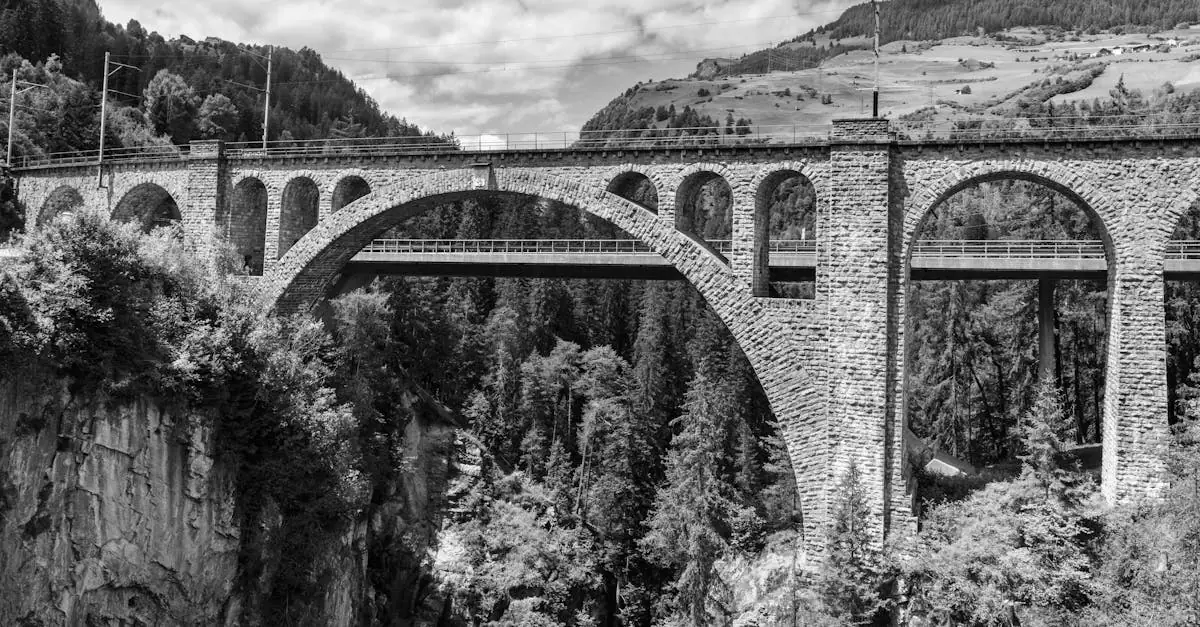
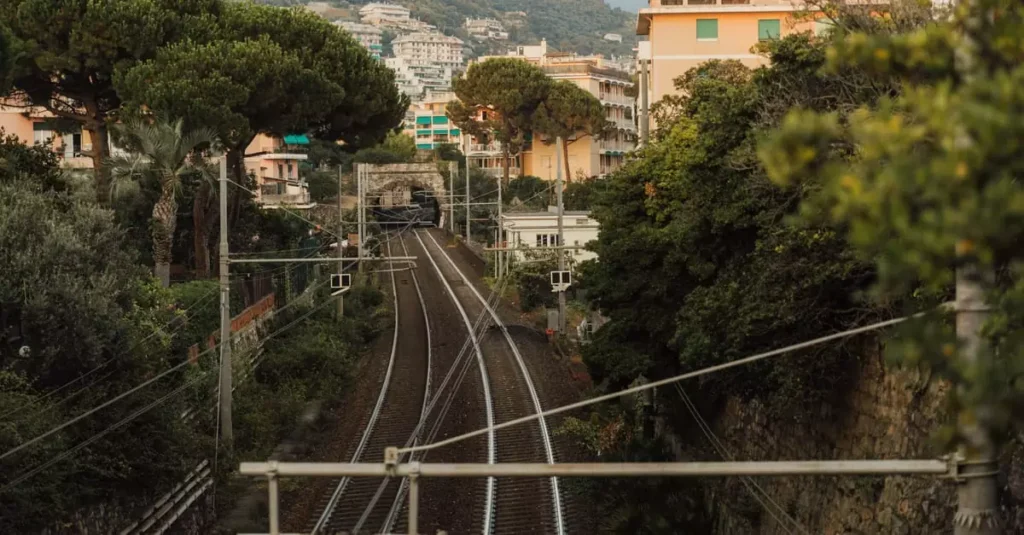
The Cinque Terre Express offers a quintessential Italian coastal experience, weaving through five historic villages perched on the Ligurian cliffs. This regional train line is the primary artery connecting these UNESCO World Heritage sites, providing breathtaking views of the Mediterranean Sea and the rugged coastline. Traveling by train is not just convenient; it’s integral to the Cinque Terre journey, offering a unique perspective that’s impossible to replicate by car.
Navigating the Five Lands: Riomaggiore to Monterosso
The Cinque Terre Express line runs from La Spezia to Levanto, with frequent stops at each of the five villages: Riomaggiore, Manarola, Corniglia, Vernazza, and Monterosso. The journey between adjacent villages is remarkably short, often just a few minutes, making it easy to hop on and off throughout the day. Tickets are inexpensive and can be purchased at any station or via the Trenitalia app, offering a budget-friendly way to see multiple villages in a single day. Purchasing a Cinque Terre Card is often recommended, as it covers unlimited train travel between La Spezia and Levanto, along with access to hiking trails and local buses.
Connecting Liguria’s Iconic Seaside Towns
This train route is the most efficient way to experience the unique character of each of Liguria’s five famous towns. Riomaggiore, the southernmost village, greets you with colorful houses cascading down to a small harbor. Manarola is famous for its picturesque harbor and vineyard-covered hillsides. Corniglia, the only village not directly on the sea, sits atop a bluff and requires a climb or shuttle bus from the station. Vernazza boasts a natural harbor and a medieval castle, while Monterosso al Mare is the largest village, featuring the only significant sandy beach. The train stations are typically located just below the main village centers, with short walks or steep staircases leading you into the heart of each town.
Hiking vs. Train: Choosing Your Cinque Terre Exploration
While hiking between the villages is popular and rewarding, the train offers a practical alternative, especially for those with limited time or mobility. The famous Sentiero Azzurro (Blue Trail) connects some villages, offering stunning vistas. However, sections of these trails can be closed due to landslides, making the train an essential backup.
Here’s a quick comparison to help you decide:
| Activity | Pros | Cons |
|---|---|---|
| Train | Fast, frequent, affordable, accessible | Less immersive, misses trail views |
| Hiking | Incredible scenery, active, immersive | Physically demanding, trail closures possible |
For a comprehensive experience, consider combining both. Take the train to a village, hike to the next, and then catch the train back. This approach maximizes your time and allows you to appreciate the diverse beauty of the Cinque Terre. Remember to check trail conditions before your visit, as they can change due to weather and maintenance. The train provides a reliable and scenic way to navigate this celebrated stretch of the Italian Riviera.
Trans-Siberian of Italy? The Ferrovia Transiberiana d’Italia
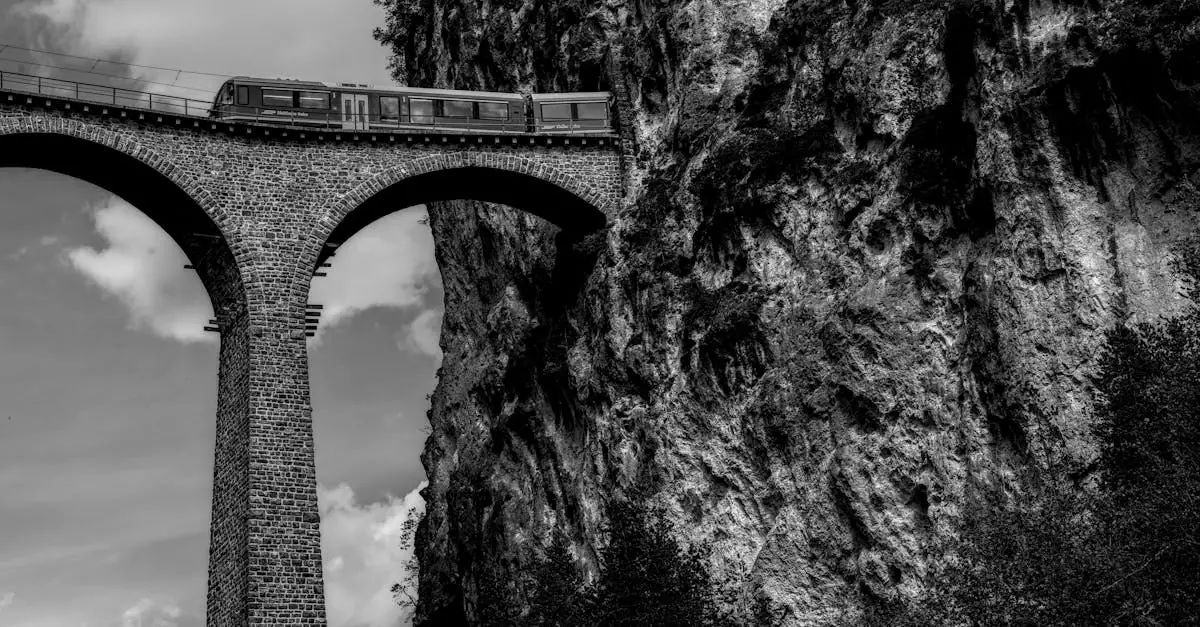
Often dubbed the “Trans-Siberian of Italy,” the Ferrovia Transiberiana d’Italia (TDI) offers a captivating journey through some of the country’s most remote and rugged landscapes. This historic railway line, primarily the stretch between Sulmona and Isernia, focuses on experiencing the slow, scenic beauty of central Italy’s mountainous interior. It showcases a different side of Italy, far from bustling tourist hubs, and is best savored by those seeking authentic encounters and breathtaking vistas.
A Journey Through Abruzzo’s Wild Heart
The TDI carves its path through the heart of Abruzzo, a region renowned for its national parks, medieval villages, and untamed beauty. This railway line, largely disused for regular passenger services for decades, has seen a resurgence thanks to local efforts and a growing appreciation for slow tourism. Traveling the TDI immerses you in a landscape of dramatic gorges, rolling hills, and ancient forests. It’s an opportunity to witness the raw, wild essence of Italy, a stark contrast to coastal regions or major cities.
The experience is about disconnection and appreciation. The train, often a historic diesel locomotive, chugs along at a gentle pace, allowing passengers ample time to absorb the panoramic views unfolding outside. You’ll pass through small, often overlooked towns, providing glimpses into traditional Italian life that has remained largely unchanged for generations.
Lesser-Known Beauty: Sulmona to Isernia Route Highlights
The most celebrated section of the TDI runs between Sulmona in Abruzzo and Isernia in Molise. This route is particularly striking for its engineering marvels, including numerous viaducts and tunnels that navigate the challenging Apennine terrain. Key highlights include crossing the high plains of the Abruzzo National Park, traversing the Sangro Valley, and ascending to impressive altitudes.
One of the most visually stunning segments is the approach to Roccaraso, a popular ski resort in winter. The train winds its way through alpine-like scenery, offering expansive views that can rival those found in more famous mountain ranges. You’ll also pass through towns like Pescocostanzo, a charming medieval village known for its artisan crafts, and Pietransieri. These stops provide opportunities for brief explorations and a taste of local culture.
Seasonal Wonders: Autumn Colors and Winter Snow on the Line
The Ferrovia Transiberiana d’Italia transforms dramatically with the changing seasons, making it a year-round destination, though certain times offer unique magic. Autumn is arguably the most spectacular period, as the forests blanket the Apennine mountains in fiery reds, golden yellows, and deep oranges, creating a breathtaking backdrop for the journey. This is when the “Treno di Dante” (Dante’s Train) often runs, specifically curated to showcase these autumnal hues.
Winter brings enchantment, with the landscape often dusted with snow, transforming the mountains into a serene, white wonderland, particularly around higher-altitude areas like Roccaraso. While winter travel might require checking service schedules as snow can affect operations, the sight of snow-covered peaks from the warmth of the train is unforgettable. Spring and summer offer lush green vistas and vibrant wildflowers, providing a fresh and lively atmosphere. The TDI operates on a limited schedule, often with special tourist trains run by the Fondazione FS Italiane or local associations. It’s crucial to check official timetables and book tickets in advance, especially for popular seasonal services.
How to Plan Your Italian Scenic Train Adventure
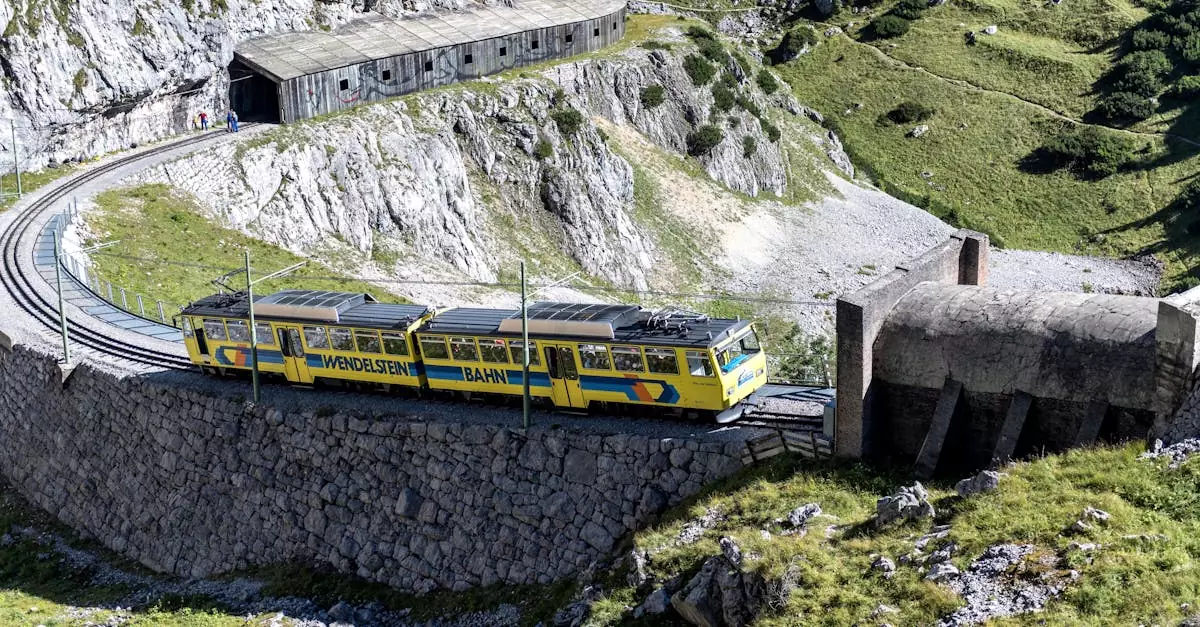
Embarking on a journey via Italy’s most picturesque railway lines provides a unique perspective on the country’s diverse landscapes and rich culture. To make the most of your trip, careful planning is essential. From securing tickets to packing wisely, understanding these key elements will ensure a smooth and memorable experience.
Booking Tickets for Italy’s Best Scenic Train Routes
Securing train tickets in advance is crucial, especially for popular routes and during peak travel seasons. High-speed trains, operated by Trenitalia and Italo, connect major cities and often run parallel to scenic lines, offering a faster way to reach your starting point. For leisurely, scenic routes, particularly in the mountains or through national parks, booking directly through regional train operators or a reputable online travel agency is recommended. Prices can fluctuate based on demand, so booking a few months ahead often secures better fares. Some smaller, regional lines might have simpler booking processes, sometimes allowing purchases at the station, though this is less common for the most sought-after journeys.
Choosing the Right Train Pass for Multiple Journeys
If your itinerary involves traversing multiple scenic routes or combining them with high-speed travel across Europe, a rail pass might be a cost-effective solution. Eurail passes, for instance, provide flexibility for international travelers wishing to explore different regions. However, for focused travel within Italy, individual tickets or regional passes may be more economical. It’s worth comparing the cost of a pass against the sum of individual tickets for your planned route. Some regional passes cover specific areas, like the Cinque Terre Card, which includes train travel between the five villages and access to hiking trails. Always check the validity and coverage of any pass before purchasing.
Accommodation Options Near Scenic Train Stations
Proximity to train stations significantly enhances the convenience of your scenic train journey. Many Italian towns and cities have their main train station located centrally, making it easy to walk to hotels or bed and breakfasts. For smaller, more remote stations along scenic routes, accommodation might be more limited, often consisting of charming agriturismos or small guesthouses. Booking accommodation near your arrival or departure station, especially if you have an early departure or late arrival, simplifies logistics. Consider booking accommodation a few months in advance, particularly in popular tourist destinations or during festival seasons.
Here’s a general overview of accommodation types you might find:
| Accommodation Type | Typical Location | Budget Range (per night) | Notes |
|---|---|---|---|
| Hotels | City centers, larger towns | €80 – €250+ | Wide range of amenities and services. |
| Bed & Breakfasts | Town centers, residential areas | €60 – €150 | Often family-run, offering a personal touch. |
| Agriturismos | Rural areas, near smaller stations | €70 – €180 | Farm stays offering local food and experiences. |
| Guesthouses/B&Bs | Smaller towns, villages | €50 – €120 | Simpler accommodations, often with shared bathrooms. |
Packing Essentials for a Comfortable Train Trip
Traveling by train in Italy, especially on scenic routes that may involve transfers or short walks, requires thoughtful packing. Comfort is key. Comfortable walking shoes are essential, as you’ll likely do a fair amount of walking at stations and in towns. Layers of clothing are advisable, as temperatures can vary between carriages and throughout the day. Don’t forget a portable power bank to keep your devices charged, a good book or downloaded entertainment for longer stretches, and a reusable water bottle. A small backpack or daypack is useful for carrying essentials during excursions from the train. Remember to pack any necessary medications and a basic first-aid kit.
Frequently Asked Questions About Scenic Train Travel in Italy
Are Italy’s scenic trains suitable for families?
Yes, Italian scenic trains are an excellent choice for families. Many routes offer comfortable seating and space for children to move around. The journey itself often becomes an attraction, keeping younger travelers engaged with the changing landscapes. Some trains, particularly on longer routes, may have dining cars or snack services. Booking seats in advance is recommended, especially during peak travel seasons, to ensure you can sit together.
What is the best time of year for scenic train journeys in Italy?
The best time for enjoying Italy’s scenic train routes is generally spring (April to June) and autumn (September to October). During these periods, the weather is typically pleasant, with mild temperatures ideal for viewing scenery without the intense heat of summer or the chill of winter. Spring brings blooming wildflowers and lush greenery, while autumn offers vibrant foliage, especially in mountainous regions. Summer can be very hot, and popular routes may be crowded. Winter travel offers a different charm, with snow-dusted landscapes in the Alps, but some services might be reduced.
Can I bring luggage on Italian scenic trains?
You can generally bring luggage on Italian scenic trains, similar to other European rail services. There are overhead compartments and designated luggage racks at the ends of carriages. The amount of luggage you can bring is usually reasonable, but it’s wise to pack efficiently, as space can be limited on some regional or older trains. Avoid excessively large or heavy bags that are difficult to manage, especially when boarding and alighting.
What are the most budget-friendly scenic train routes?
Several scenic routes in Italy offer a more budget-friendly experience. Regional trains that traverse picturesque countryside, such as those in Tuscany or along the Ligurian coast (though not the Cinque Terre Express itself, which is a commuter line), are often more affordable than high-speed or dedicated tourist lines. Traveling outside of peak season can also significantly reduce costs for accommodations and sometimes even train tickets. For instance, exploring the Apennine mountains via regional lines can provide stunning views without a premium price tag.
Here’s a general comparison of budget considerations for different types of scenic train travel:
| Route Type | Typical Cost Range (per person, per day) | Budget Friendliness | Notes |
|---|---|---|---|
| High-Speed Tourist Routes | €80 – €150+ | Low | Often includes guided tours, premium services. |
| Regional Scenic Lines | €30 – €70 | Medium | Standard train tickets, beautiful views. |
| Dedicated Scenic Railways | €50 – €100 | Medium-High | Specific tourist-focused lines, unique trains. |