The world holds countless bodies of water, but some possess an undeniable mystique, drawing us in with their unusual colors, dramatic origins, or the legends that surround them. If you’re seeking destinations that transcend the ordinary, exploring the best mysterious lakes in the world offers a unique adventure. These aren’t just picturesque spots; they are shaped by geological wonders, unique ecosystems, and captivating folklore.
In this guide, we’ll journey to some of the planet’s most enigmatic lakes, from vibrant, mineral-rich lagoons to the ancient secrets hidden beneath polar ice. You’ll discover what makes these lakes special, learn about the best times to visit, and get practical advice on navigating to these often remote and awe-inspiring locations. Prepare to uncover the hidden wonders that lie within these captivating lakes.
Exploring the Enigmatic Beauty of South America’s Most Mysterious Lakes
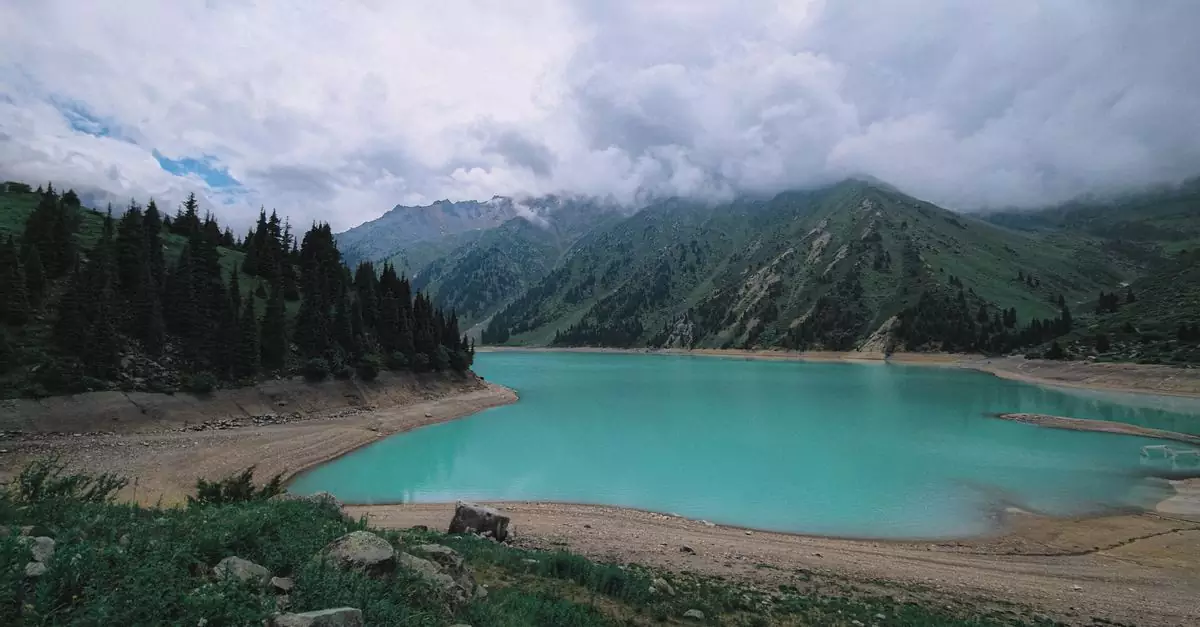
South America, a continent of dramatic landscapes and ancient cultures, is home to some of the world’s most captivating lakes. These bodies of water, often set in breathtaking locations, offer glimpses into geological wonders and unique ecosystems. For travelers seeking the extraordinary, these enigmatic destinations promise unforgettable experiences. Planning a trip to these remote locations requires careful consideration of logistics, weather, and local conditions, but the rewards are immense.
Laguna Colorada: Bolivia’s Surreal Pink Salt Lake
Laguna Colorada, located in Bolivia’s Eduardo Avaroa Andean Fauna National Reserve, is a spectacle of natural color. This shallow salt lake owes its vibrant pink hue to red sediments and algae pigments. The waters are dotted with white borax islands, enhancing the surreal visual. The lake serves as a crucial habitat for thousands of flamingos, including the rare James’s flamingo, often seen wading in its mineral-rich waters.
Visiting Laguna Colorada typically involves a multi-day tour of the Salar de Uyuni region, often starting from Uyuni or Tupiza. Tours are usually conducted in 4×4 vehicles, essential for navigating the rugged terrain. The high altitude, over 4,200 meters (13,780 feet), means cold temperatures year-round, with significant drops at night. Pack warm layers, sun protection, and be prepared for basic accommodation in refuges or hostels. The dry season, from May to October, offers clearer skies and more accessible roads.
Laguna Quilotoa: Ecuador’s Volcanic Crater Lake Marvel
Laguna Quilotoa in Ecuador is a breathtaking emerald-green crater lake nestled within a dormant volcano. The vibrant color shifts with the light and perspective, showcasing the minerals dissolved in its depths. The lake spans about 3 kilometers (1.9 miles) in diameter and plunges to depths of up to 250 meters (820 feet). The Quilotoa Loop, a popular hiking route, provides stunning views of the surrounding Andean landscape and indigenous villages.
Accessing the lake is straightforward, with a paved road leading directly to the viewpoint and visitor center. Travelers can hike down to the lake’s edge, a steep but rewarding descent. Swimming is possible, though the water is cold and the climb back up can be challenging. For those seeking adventure, kayaking is often available. The best time to visit is during the dry season, from June to September, when skies are generally clearer, offering panoramic views. Accommodations range from simple hostels in the nearby village of Quilotoa to more established hotels along the loop, such as Chugchilán.
Laguna Verde: Argentina’s Emerald Gem in the Andes
Laguna Verde, situated in Argentina’s northwestern province of Catamarca, is a stunning high-altitude lake renowned for its intense emerald-green color, caused by a high concentration of minerals, particularly copper. Surrounded by the dramatic peaks of the Andes and often reflecting snow-capped volcanoes, the landscape is awe-inspiring. The lake’s color can subtly change with atmospheric conditions and wind.
Reaching Laguna Verde requires a significant journey, typically involving rugged terrain and high altitudes. It is often visited as part of an expedition into the Puna de Atacama region, usually accessed via the town of Fiambalá. 4×4 vehicles are essential for navigating unpaved roads and challenging passes. The area is remote, with limited facilities, so self-sufficiency is key. Visiting during the Argentinian summer (December to March) offers milder weather, though conditions remain harsh. Travelers should be well-prepared for altitude sickness and extreme temperatures. For those interested in exploring more of this vast continent, South America offers a wealth of natural wonders.
Beyond the Usual: Uncovering Lesser-Known Mysterious Lakes Globally
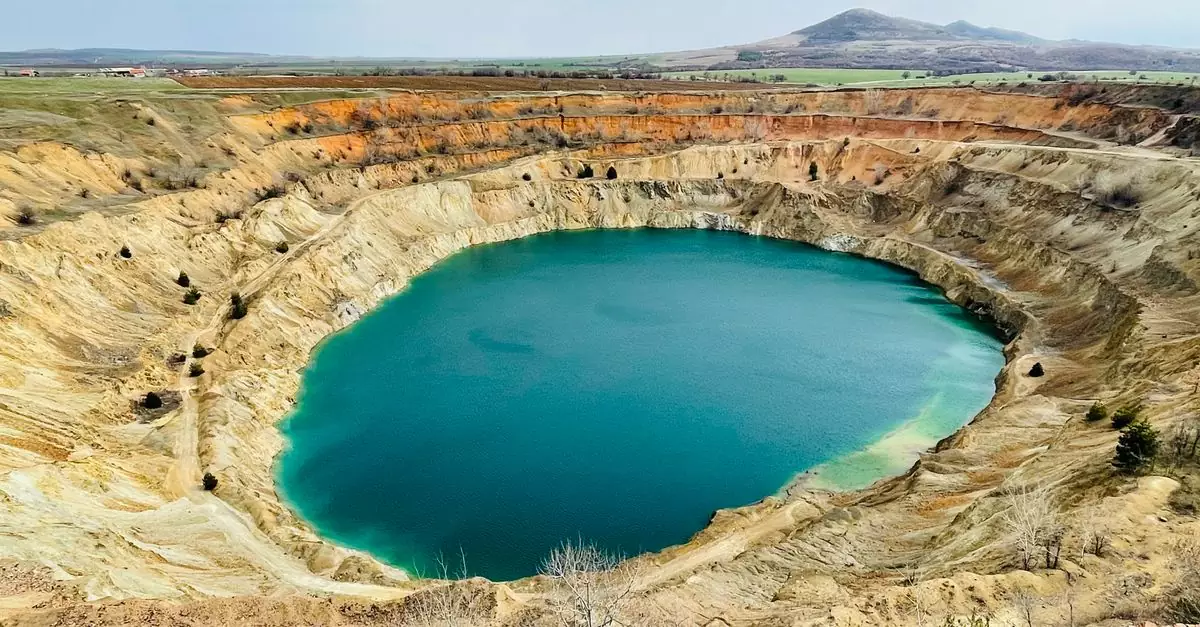
While well-known lakes often attract the largest crowds, the world is dotted with enigmatic bodies of water that provide unique glimpses into natural wonders and geological marvels. These aren’t your typical postcard-perfect destinations; they are shrouded in mystery, often requiring more effort to reach but rewarding travelers with unforgettable experiences. Understanding the logistics for visiting these locations is key to a successful trip.
Lake Vostok: Antarctica’s Subglacial Secret
Deep beneath the Antarctic ice sheet lies Lake Vostok, a freshwater lake isolated from the outside world for millions of years. This vast subglacial lake, roughly the size of Lake Ontario, is a prime target for scientific research due to its potential to harbor unique life forms adapted to extreme conditions. Access to Lake Vostok is highly restricted, primarily for scientific expeditions, making it one of the planet’s most inaccessible and mysterious lakes.
Travelers interested in the concept of Lake Vostok can explore its surrounding region through specialized Antarctic expeditions. These journeys focus on the continent’s icy landscapes and scientific endeavors, offering a distant perspective rather than direct access to the lake. Planning such a trip requires significant financial investment and advance booking, often a year or more ahead.
Plitvice Lakes National Park: Croatia’s Cascading Terraces
Croatia’s Plitvice Lakes National Park presents a different kind of mystery—one of breathtaking natural beauty formed by a unique geological process. This UNESCO World Heritage site features 16 terraced lakes interconnected by stunning waterfalls and cascades. The water’s vibrant turquoise and emerald hues result from dissolved minerals and organisms, constantly changing the landscape.
Visiting Plitvice is a popular experience, with well-maintained wooden walkways and hiking trails winding through the park. The best time to visit is during the shoulder seasons, late spring (May-June) or early autumn (September-October), to avoid peak summer crowds and enjoy pleasant weather. Transportation to the park typically involves bus services from major Croatian cities like Zagreb or Split, or by car.
Plitvice Lakes vs. Other Natural Wonders
| Feature | Plitvice Lakes National Park | Lake Baikal (Siberia) | Lake Vostok (Antarctica) |
|---|---|---|---|
| Scenery | Cascading waterfalls, vibrant lakes | Deepest lake, clear ice in winter | Subglacial, scientific interest |
| Accessibility | High (well-maintained trails) | Moderate (seasonal access) | Extremely Low (restricted) |
| Best Season | Spring, Autumn | Summer (hiking), Winter (ice) | N/A (scientific access) |
| Primary Appeal | Natural beauty, photography | Biodiversity, geological scale | Scientific discovery |
Lake Baikal: Siberia’s Deep, Ancient Freshwater Reservoir
Located in southern Siberia, Lake Baikal is a true natural wonder, holding about 20% of the world’s unfrozen freshwater. It is the deepest and oldest freshwater lake on Earth, boasting incredible biodiversity with many endemic species, including the Baikal seal. The lake’s immense size and pristine waters contribute to its mystique.
Travelers can experience Lake Baikal in various ways, depending on the season. Summer offers opportunities for hiking, boat tours, and exploring the Circum-Baikal Railway. Winter transforms the lake into a frozen spectacle, with clear ice perfect for ice skating, driving, and viewing unique ice formations. Getting to Lake Baikal usually involves flying into Irkutsk or Ulan-Ude, followed by local transport. The Trans-Siberian Railway also offers a scenic route to the region. Planning your visit requires considering the extreme temperature variations between summer and winter.
What Makes These Lakes So Mysterious?
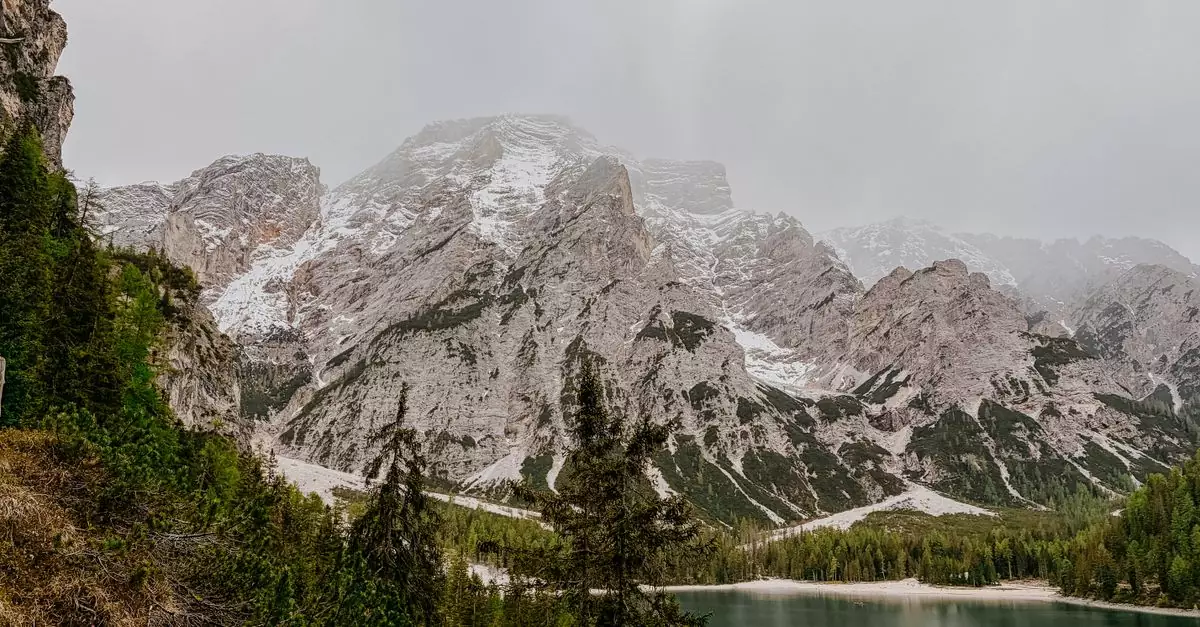
The allure of mysterious lakes lies in their ability to spark curiosity and invite speculation. These bodies of water often defy simple explanation, drawing visitors with their unique characteristics, captivating legends, and the sheer wonder they inspire. Understanding what sets them apart is key to appreciating their enigmatic charm.
Geological Formations and Unique Ecosystems
Many mysterious lakes owe their intrigue to unusual geological origins. Formed by volcanic activity, glacial shifts, or subterranean processes, their very creation can be a marvel. These unique environments often foster specialized ecosystems, where life adapts to unusual conditions, sometimes resulting in endemic species or peculiar aquatic life. For instance, some lakes sit within ancient calderas, their depths holding secrets of past eruptions, while others are fed by underground rivers that alter their water levels and composition unpredictably.
Legends, Folklore, and Local Myths
Beyond their physical attributes, the stories surrounding these lakes contribute significantly to their mystique. Local folklore often imbues these waters with supernatural qualities, attributing their formation to mythical beings or marking them as sites of ancient rituals. Tales of lost civilizations, hidden treasures, or spectral apparitions are common, weaving a rich tapestry of human imagination around the natural world. Engaging with local guides can unlock these fascinating stories, offering a deeper connection to the place.
Unusual Water Colors and Chemical Properties
The visual spectacle of certain lakes, with their vibrant or unnerving water colors, is a primary source of their mystery. These hues often result from specific mineral content, algae blooms, or unique chemical reactions occurring within the water. For example, lakes rich in sulfur may exhibit a milky turquoise appearance, while those with high concentrations of certain minerals can turn blood red or vivid green. The chemical makeup can also render these waters inhospitable to common aquatic life, leading to unusually clear or barren depths, further enhancing their enigmatic reputation. For travelers visiting South America, observing the unique mineral-induced colors of high-altitude lakes is a common highlight.
Planning Your Expedition to the Best Mysterious Lakes
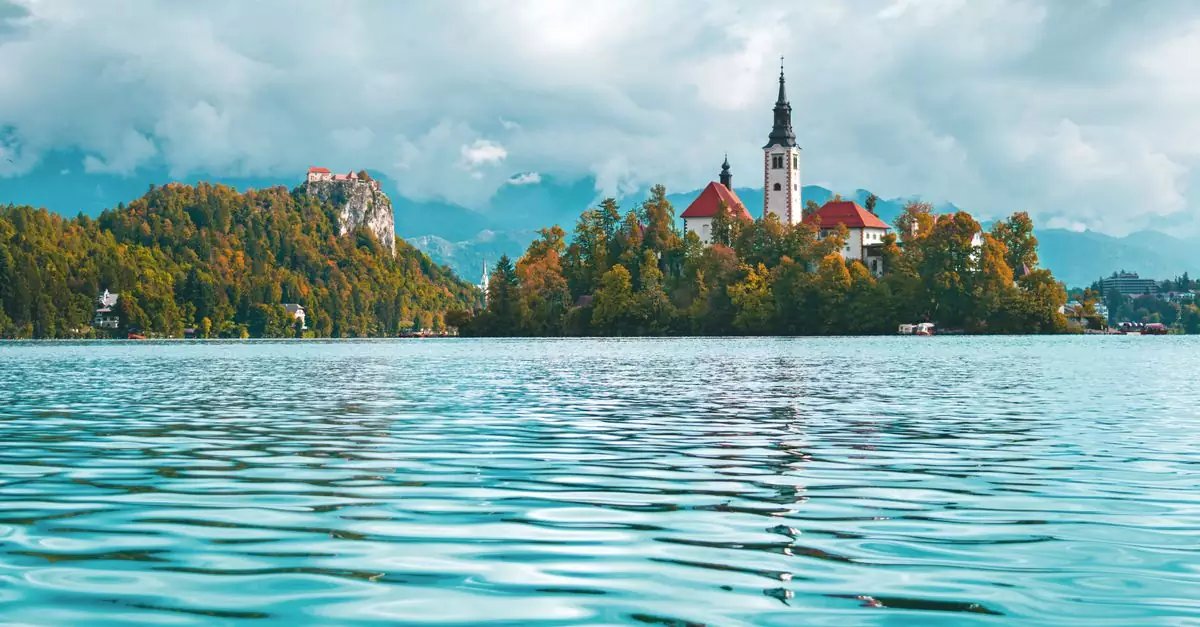
Venturing to the world’s most enigmatic bodies of water requires thoughtful preparation. These destinations often lie far from well-trodden paths, demanding a different approach to travel planning. Understanding the best times to visit, how to reach these remote locations, and what to pack will ensure a smoother, more rewarding adventure.
Best Time to Visit for Optimal Viewing Conditions
The ideal time to visit mysterious lakes depends on their specific location and the phenomena you hope to witness. For lakes known for vibrant colors, such as those in the Andes, the dry season generally offers clearer skies and more stable conditions for viewing. In regions with distinct seasons, consider the shoulder months when crowds are thinner and weather is more temperate.
For instance, visiting Laguna Colorada in Bolivia, famous for its red hues caused by algae and its resident flamingos, is best between November and March. This period aligns with the flamingos’ breeding season and typically offers more predictable weather. Conversely, lakes in temperate climates might be best visited in late spring or early autumn to avoid harsh winter conditions or peak summer heat, allowing for comfortable exploration around their shores. Always research the specific microclimate of your chosen lake.
Navigating to Remote Lake Destinations
Reaching the best mysterious lakes often involves multiple modes of transportation. Many are situated in remote areas, requiring flights to regional hubs followed by overland travel. This might include hiring a sturdy 4×4 vehicle, arranging for local guides with appropriate transport, or utilizing public buses for the initial legs of the journey.
For example, accessing Lake Titicaca, straddling the border of Peru and Bolivia, typically involves flying into La Paz or Cusco, then taking a bus or private transfer to lakeside towns like Puno or Copacabana. Planning these connections in advance is crucial, as schedules can be infrequent. Booking tours that include transportation can simplify logistics for travelers less comfortable with independent navigation.
| Destination Type | Typical Transportation Legs | Estimated Travel Time (from major hub) | Budget Considerations |
|---|---|---|---|
| High-Altitude Andean | Flight to regional capital, 4×4 transfer, multi-day tour | 2-5 days | High (vehicle hire, guides) |
| Temperate Remote | Flight to nearest city, train/bus, local taxi/rental car | 1-3 days | Moderate (fuel, rental costs) |
| Island or Coastal | Flight to island airport/port, ferry, boat transfer | 1-2 days | Moderate to High (ferry fees) |
Essential Packing List for Extreme Environments
Packing appropriately is crucial when visiting remote and often extreme environments. Layers are key, as temperatures can fluctuate dramatically throughout the day and night. Waterproof and windproof outer shells are essential, regardless of the season, to protect against unpredictable weather.
Consider these essentials:
- Sturdy, broken-in hiking boots: Crucial for uneven terrain.
- Moisture-wicking base layers: Merino wool or synthetic fabrics are best.
- Insulating mid-layers: Fleece or down jackets provide warmth.
- Waterproof and windproof outer jacket and pants: Essential for protection.
- Warm hat and gloves: Even in warmer months, evenings can be cold.
- Sun protection: High SPF sunscreen, sunglasses, and a wide-brimmed hat. Altitude significantly increases UV exposure.
- Reusable water bottle and purification tablets/filter: Access to safe drinking water may be limited.
- First-aid kit: Including any personal medications and blister treatment.
- Headlamp or flashlight: For early mornings or late evenings.
- Camera and extra batteries/power bank: To capture stunning scenery.
For those venturing into regions like the high Andes, as found in parts of South America, acclimatization to altitude is significant. Pack medication for altitude sickness and take it easy during your first few days. Consulting a travel doctor about necessary vaccinations and health precautions before your trip is always advisable. National Geographic’s resources can offer further insights into preparing for such diverse landscapes.
Photography Guide: Capturing the Aura of Mysterious Lakes
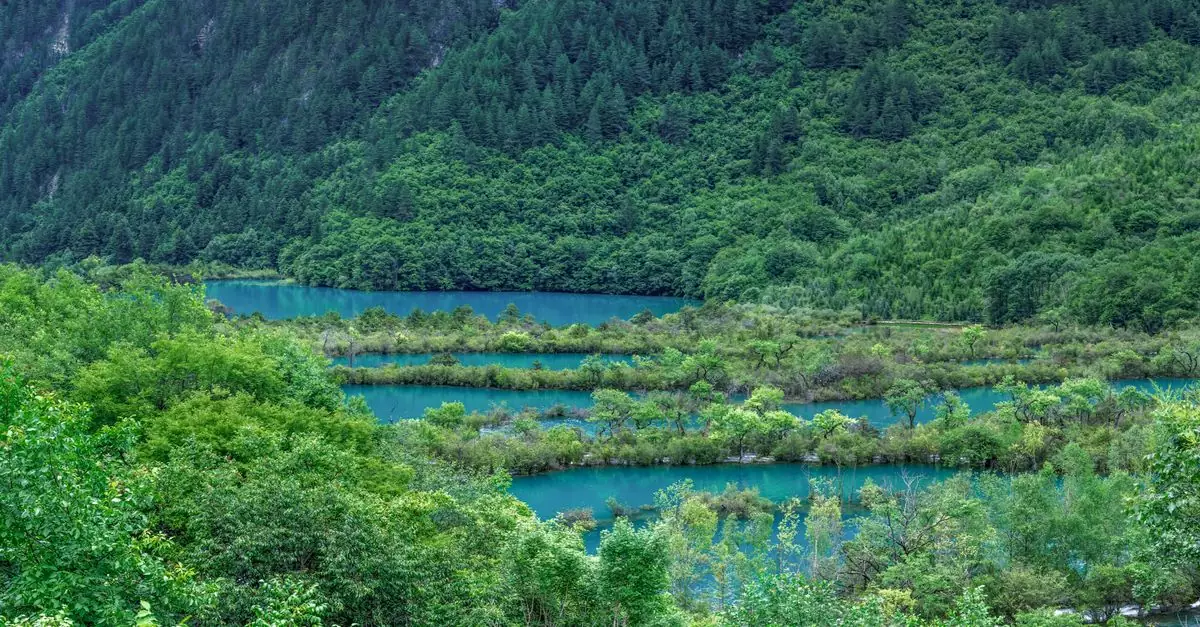
Photographing the world’s most enigmatic lakes presents a unique challenge and reward. These bodies of water, often defined by their unusual colors, remote locations, or geological origins, demand thoughtful approaches to capture their essence. Understanding light, composition, and the specific characteristics of each location will elevate your travel photography from mere snapshots to evocative art.
Golden Hour Magic at Laguna Colorada
Laguna Colorada in Bolivia is renowned for its vibrant red hue, a result of algae and mineral deposits. To best capture this surreal landscape, plan your visit during the “golden hours”—the period shortly after sunrise and before sunset. The soft, warm light illuminates the lake’s striking colors, accentuates the surrounding Andean peaks, and casts long shadows that add depth and drama. Look for opportunities to frame the flamingos that often inhabit the lake, their pink plumage contrasting beautifully with the crimson water.
When photographing Laguna Colorada, consider atmospheric conditions. High winds can kick up dust and create choppy water, potentially detracting from the clarity of your shots. However, these conditions can also add a sense of raw, untamed beauty. A polarizing filter can help manage reflections and enhance color saturation, especially under bright midday sun. For those venturing into South America, this high-altitude lake is a photographer’s dream, but remember to acclimatize and dress in warm layers, as temperatures can drop dramatically.
Drone Perspectives of Volcanic Crater Lakes
Volcanic crater lakes, such as those found in Iceland or the Philippines, offer dramatic geological formations best appreciated from above. Using a drone allows you to showcase the perfect symmetry of the crater rim, the striking contrast between dark volcanic rock and vividly colored water, and the sheer scale of these natural wonders. Look for compositions that highlight the circular nature of the crater and the surrounding rugged terrain.
When flying drones near volcanic areas, prioritize safety and adhere to local regulations. Some regions may have restrictions due to geothermal activity or protected wildlife. Consider wind conditions; crater rims can create unpredictable air currents. Early morning or late afternoon light provides more flattering illumination and reduces harsh shadows, allowing the landscape’s textures to stand out. The unique blues and greens of some crater lakes, like the Blue Lagoon in Iceland, are particularly striking when captured with a drone’s elevated vantage point.
Capturing the Scale of Lake Baikal’s Ice Formations
Lake Baikal in Siberia, Russia, transforms into a breathtaking spectacle in winter, with ice reaching depths of over a meter and forming intricate patterns. Photographing the lake during this time requires different techniques. Focus on the textures and patterns within the ice—the trapped air bubbles, the cracks that create natural mosaics, and the smooth, glassy surfaces. Early morning light can create beautiful refractions and highlight the translucent qualities of the ice.
When visiting during the cold Siberian winter, ensure you have the right equipment. A sturdy tripod is essential for low-light conditions and long exposures. Protect your camera gear from extreme cold; allow it to acclimatize gradually when moving between indoor and outdoor environments to prevent condensation. Consider including human elements or distant landscapes in your frame to capture the scale of Baikal’s ice. The vastness of the frozen lake, with its unique ice formations, presents an unforgettable photographic opportunity. Planning your trip between January and March offers the best chance to witness these frozen wonders.
Frequently Asked Questions About the World’s Mysterious Lakes
Are these mysterious lakes safe to visit?
Safety at these unique bodies of water varies significantly. Always research local conditions and advisories before your trip. Some locations, like the otherworldly waters of the Dead Sea, have well-established tourist infrastructure and safety protocols. Others, particularly remote or less-trafficked lakes, may require more self-sufficiency and preparedness.
It’s crucial to check current travel advisories for your intended region. For destinations in remote areas of South America, understanding local hazards like altitude sickness or unpredictable weather is paramount. Always inform someone of your travel plans and expected return time.
What wildlife can be spotted near these unique lakes?
The biodiversity surrounding mysterious lakes is as varied as the lakes themselves. Near the vibrant pink waters of Lake Hillier in Australia, you might observe seabirds adapted to the hypersaline environment. In contrast, the deep, dark waters of Loch Ness in Scotland are famously associated with folklore, though actual sightings of unusual creatures are anecdotal.
For lakes in temperate or tropical regions, expect a wider array of wildlife. Areas around lakes in national parks often host diverse bird populations, amphibians, and mammals. Researching the specific ecosystem of your chosen lake will provide the best insight into potential wildlife encounters. For example, exploring the diverse ecosystems of South America can yield sightings of unique bird species and other animals depending on the lake’s location.
Are there any guided tours available for these destinations?
Yes, guided tours are available for many of the world’s most intriguing lakes, ranging from comprehensive multi-day excursions to shorter, focused day trips. For popular destinations like the Dead Sea, numerous tour operators offer packages that include transportation, guided experiences, and access to facilities.
In more remote locations, guided tours can be essential for safe and insightful exploration. Local guides often possess invaluable knowledge about the area’s history, geology, and natural environment. Booking in advance is highly recommended, especially during peak tourist seasons, to secure your spot and ensure you find a reputable tour provider. Websites like GetYourGuide or Viator often list available tours for popular mysterious lake destinations.