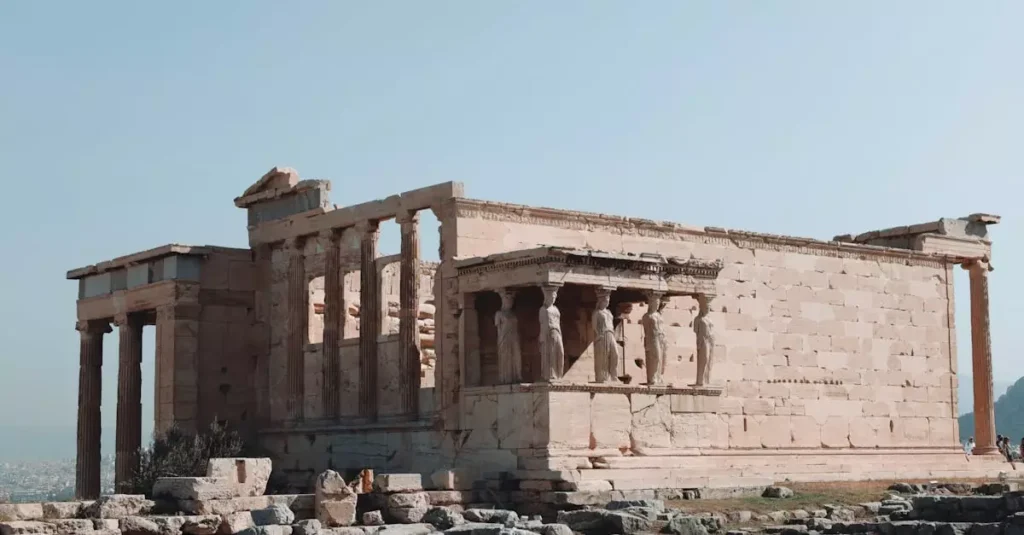
Greece, a land rich in history and culture, invites travelers to explore its extraordinary UNESCO World Heritage Sites. These locations are not merely ancient ruins; they serve as living testaments to human achievement, from the architectural wonders of classical antiquity to breathtaking monastic communities carved into rock. This guide will help you discover the best UNESCO sites in Greece, providing insights into what makes each location significant.
You’ll find practical tips for planning your visit, including the best times to travel, how to navigate between these historical treasures, and where to find comfortable nearby accommodations. We’ll explore must-see structures and unique experiences at iconic destinations like the Acropolis of Athens and Delphi while also highlighting lesser-known gems. Prepare for a journey that connects you with Greece’s enduring legacy.
Why Visit Greece’s UNESCO World Heritage Sites?
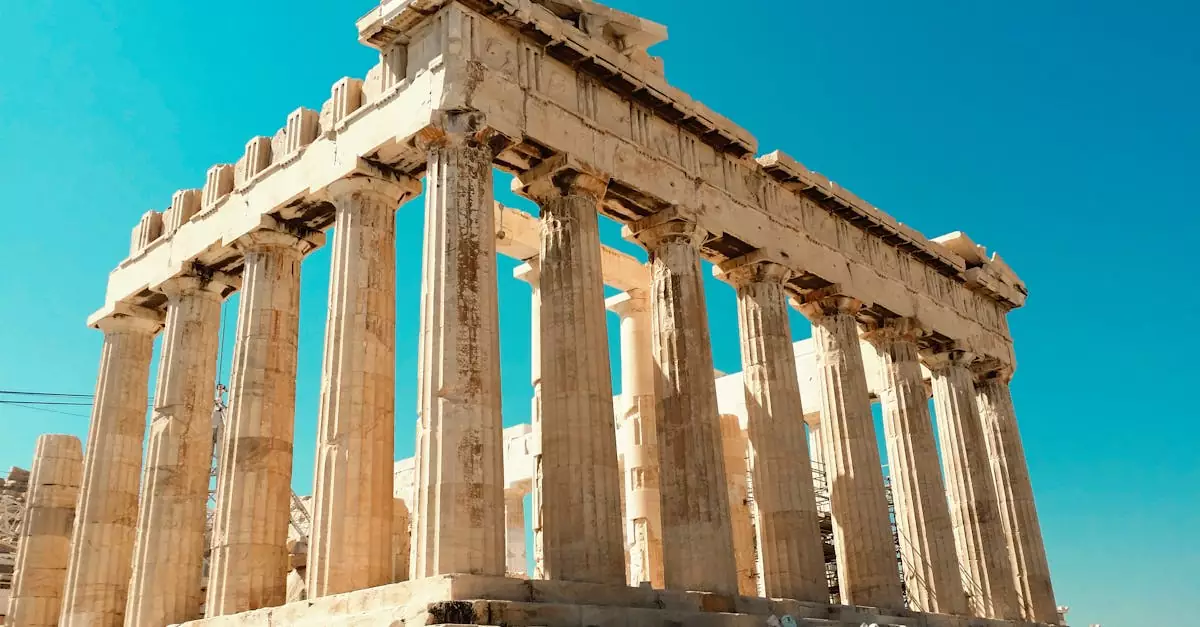
Greece, the cradle of Western civilization, offers an unparalleled journey through history and culture preserved within its UNESCO World Heritage Sites. These locations are not just ancient ruins; they embody human ingenuity, artistic achievement, and philosophical thought that have shaped the world. Visiting these sites fosters a profound connection to the past, revealing insights into the empires, thinkers, and artists who laid the foundations for modern society.
Unveiling Ancient Wonders: The Allure of Greek Heritage
The allure of Greece’s UNESCO sites lies in their historical significance and tangible remnants of past glories. From the iconic Acropolis of Athens, a citadel of immense architectural and artistic importance, to the mystical ruins of Delphi, where ancient Greeks sought divine guidance, these places transport visitors back millennia. Walk in the footsteps of philosophers, witness the birthplace of democracy, and marvel at structures that have endured earthquakes and centuries of change. These sites showcase the pinnacle of ancient Greek achievement and offer a unique glimpse into a civilization that continues to inspire.
Experiencing Living History: Beyond the Tourist Trail
While many visitors flock to famous landmarks, Greece’s UNESCO list includes sites that provide a more intimate encounter with history. Consider the medieval city of Rhodes, an exceptionally preserved example of Gothic architecture, or the stunning monasteries of Meteora, perched dramatically atop natural rock pillars. These locations showcase periods beyond classical antiquity, revealing how history has shaped Greece’s landscape and culture. Engaging with these less-traveled paths can uncover layers of history often overlooked, offering a richer understanding of the country’s diverse heritage.
Connecting with Culture: UNESCO Sites as Pillars of Greek Identity
UNESCO World Heritage Sites are more than tourist attractions; they are integral to Greek national identity and a source of pride. They represent a continuous thread of cultural evolution, from the Minoan civilization on Crete to the Byzantine era. Experiencing these sites allows travelers to grasp Greece’s enduring spirit and its profound impact on global culture. Whether contemplating the architectural genius at Mycenae or exploring the sacred precinct of Delos, you connect with a heritage that is both deeply Greek and universally significant. Understanding these sites fosters a deeper appreciation for the country’s rich past and vibrant present.
The Acropolis of Athens: A Timeless Icon
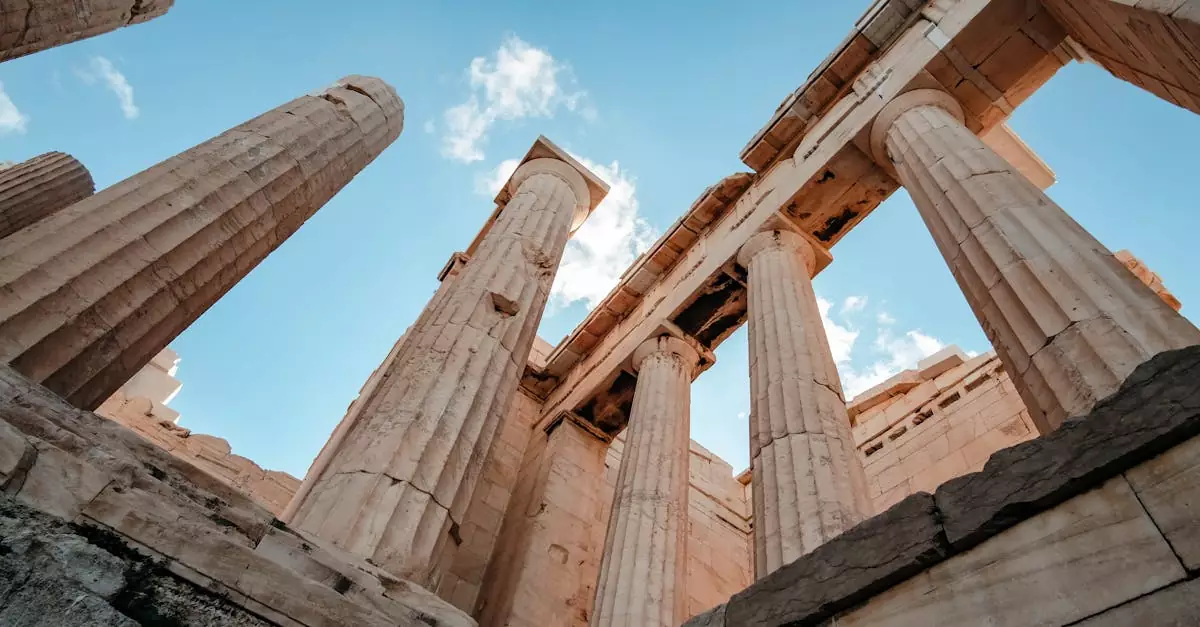
No exploration of Greece’s heritage sites is complete without a visit to the Acropolis of Athens. This ancient citadel, dramatically perched above the city, is a testament to classical Greek civilization and one of the most significant archaeological sites globally. A visit to this UNESCO World Heritage site offers a profound connection to history, art, and architecture that has influenced Western culture for millennia. Planning your visit to these best UNESCO sites in Greece requires understanding how to experience its grandeur fully.
Navigating the Sacred Rock: Best Viewing Points
To appreciate the Acropolis, consider viewing it from various vantage points before or after ascending the sacred rock. Philopappos Hill offers panoramic views of the entire complex, especially stunning at sunrise and sunset. From here, you can see the Parthenon, Erechtheion, and the Propylaea in their full glory, with the modern city of Athens stretching out below. Another excellent viewpoint is Areopagus Hill (Mars Hill), located just outside the Acropolis entrance. While closer to the site, it provides a different perspective, looking up toward the monumental gateway.
For unobstructed photos and a less crowded experience, visit early in the morning, just as the site opens. The golden light of dawn beautifully bathes the marble structures. Alternatively, late afternoon offers softer light and fewer crowds than midday. Accessing the Acropolis is straightforward via the main entrance on the western side.
Exploring the Parthenon and Erechtheion Up Close
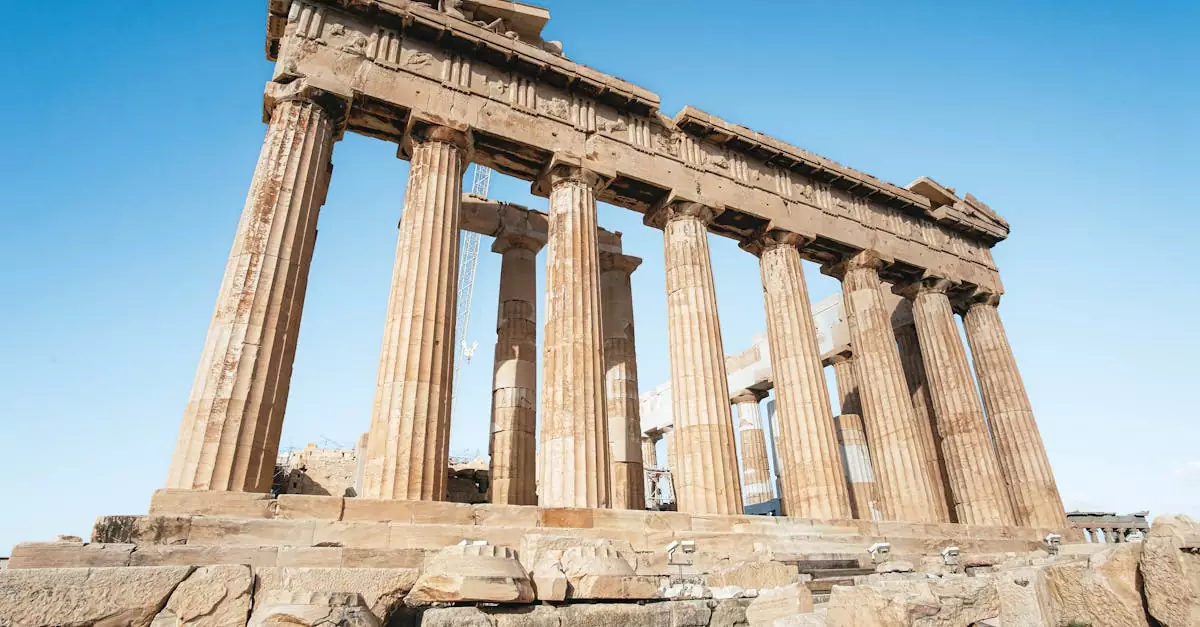
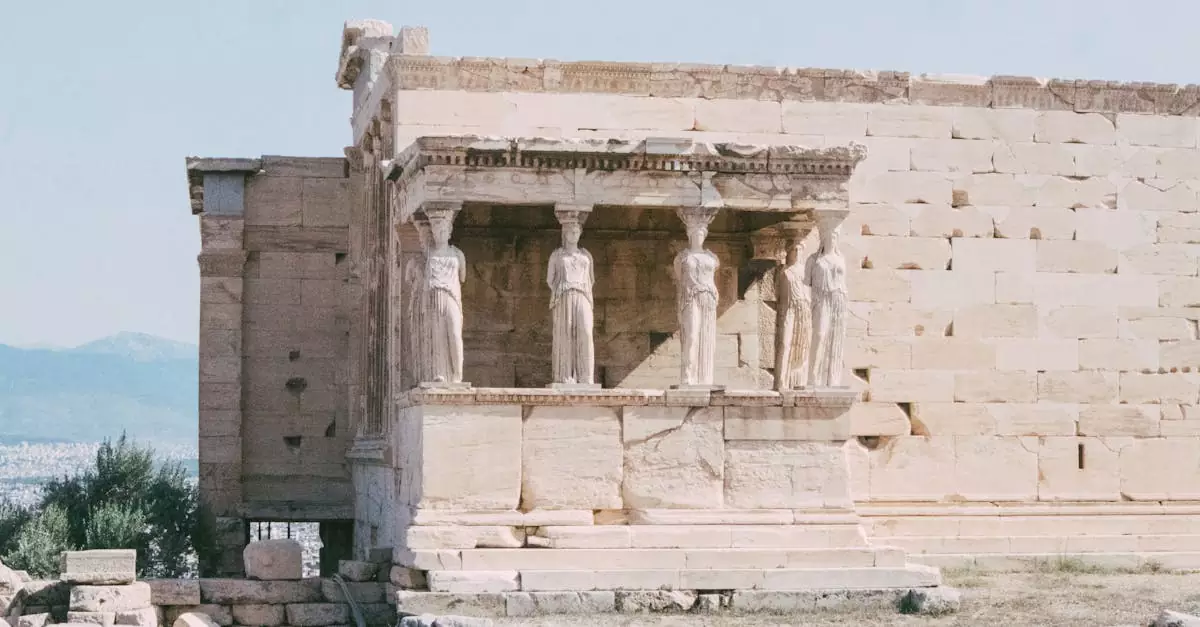
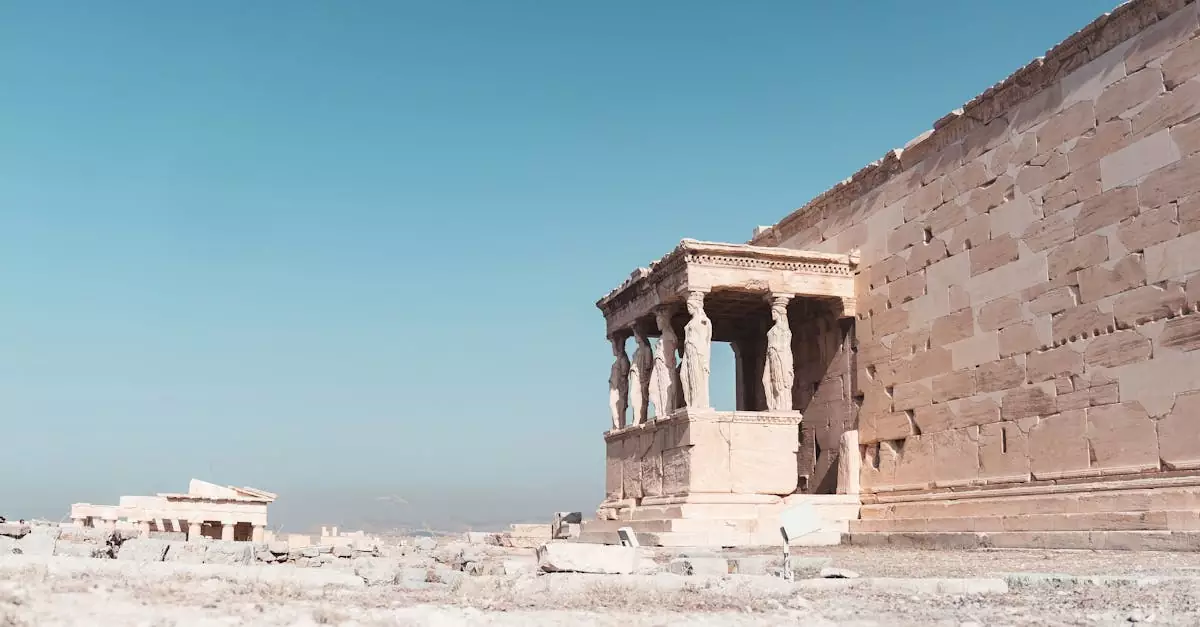
The Parthenon, dedicated to the goddess Athena, is the crown jewel of the Acropolis. Though partially in ruins, its monumental scale and architectural precision are awe-inspiring. Imagine the Doric columns and intricate friezes as they once stood, symbolizing Athenian power and artistic achievement. The Erechtheion, with its famous Porch of the Caryatids, showcases a more delicate and complex Ionic style. These maiden figures supporting the roof are iconic, though the originals are housed in the Acropolis Museum to protect them from the elements.
Wear comfortable, sturdy shoes while exploring, as the pathways can be uneven and slippery. The marble surfaces can become very hot under the Mediterranean sun, so timing your visit to avoid peak heat is crucial. Hydration is key; bring plenty of water. Security personnel are present to ensure visitors stay on designated paths and do not touch the ancient structures.
Beyond the Acropolis: Nearby Ancient Agora and Roman Forum
While the Acropolis demands attention, the surrounding ancient sites offer further layers of historical discovery. The Ancient Agora, located at the foot of the Acropolis, was the heart of public life in ancient Athens—a marketplace, meeting place, and administrative center. Here, you can wander among the ruins of stoas, temples, and civic buildings, including the remarkably well-preserved Temple of Hephaestus.
A short walk from the Ancient Agora lies the Roman Forum. This site, built during the Roman period, served as a public space and marketplace. Its most prominent surviving structure is the Tower of the Winds, an octagonal marble clock tower that functioned as a horologion and a weather vane. Visiting these adjacent sites provides a comprehensive understanding of Athenian life across different historical eras, complementing the monumental experience of the Acropolis itself.
Ancient Delphi: Oracle of the Ancient World
Perched on the southwestern slope of Mount Parnassus, the archaeological site of Delphi offers a profound connection to ancient Greece’s spiritual heart. Once considered the center of the world, or the “navel of the Earth,” Delphi was home to the famed Oracle, a priestess who delivered prophecies from the god Apollo. Visiting these ruins provides a tangible link to a civilization that shaped Western thought and culture. The journey itself, winding through dramatic mountain landscapes, sets the stage for the site’s awe-inspiring grandeur.
Journey to the Navel of the Earth: Getting to Delphi
Reaching Delphi requires planning, but the scenic drive is well worth the effort. The most common approach is by car from Athens, taking approximately two to three hours. Renting a car offers flexibility, allowing stops at viewpoints along the way and exploration of the surrounding region at your own pace.
Alternatively, public buses (KTEL) operate daily from Athens’ Liosion Bus Terminal to Delphi. While budget-friendly, bus schedules can be limiting, and the journey takes closer to three hours, often with a change in the nearby town of Amfissa. For convenience, organized day tours from Athens are widely available, though they typically allow limited time at the site.
Traveler Tip: Consider staying overnight in the modern town of Delphi or the charming nearby village of Arachova. This allows for a more relaxed exploration of the archaeological site and museum, especially if you wish to visit during quieter early morning or late afternoon hours.
The Archaeological Site of Delphi: Must-See Structures
The sprawling archaeological site unfolds as you ascend the sacred way. Your exploration begins with the Treasury of the Athenians, a beautifully preserved Doric building that once housed valuable votive offerings. Further up, you’ll encounter the Temple of Apollo, the sanctuary where the Oracle dispensed her cryptic pronouncements.
Don’t miss the well-preserved Ancient Theatre, offering panoramic views across the valley, and the impressive Stadium, where athletic contests were held during the Pythian Games. The Tholos of Athena Pronaia, a distinctive circular structure located below the main sanctuary, is another iconic and photogenic element of the site. Allow at least three to four hours to fully appreciate the scale and significance of these ancient ruins.
Museum of Delphi: Treasures of the Oracle
Housed at the foot of the archaeological site, the Delphi Archaeological Museum safeguards numerous artifacts unearthed from the sanctuary. The museum’s collection is rich with sculptures, votive offerings, and architectural fragments that bring the history of Delphi to life.
The highlight is the Charioteer of Delphi, a magnificent bronze statue that stands as a testament to ancient Greek artistry. Other notable pieces include the Sphinx of the Naxians and intricate friezes from the Treasury of the Athenians. Visiting the museum after exploring the ruins provides crucial context and a deeper understanding of the site’s former glory. Plan for at least one to two hours to view the exhibits properly.
Meteora Monasteries: Monasticism Amongst the Clouds
Perched atop colossal sandstone pillars, the Meteora monasteries present an awe-inspiring spectacle. This UNESCO World Heritage site in Thessaly, Greece, offers a unique glimpse into a centuries-old tradition of monastic life set against a dramatic natural backdrop. The sheer scale of the rock formations, combined with the improbable placement of these ancient structures, makes Meteora one of Greece’s most memorable destinations. Visiting these monasteries requires planning, but the rewards are immense.
Reaching the Sky-High Monasteries: Transportation Options
Getting to Meteora involves a journey to the nearby towns of Kalabaka or Kastraki, which serve as primary gateways. The most common way to reach this region is by train from Athens, a scenic route that takes approximately 4-5 hours. Alternatively, driving offers flexibility, with a journey of around 3.5-4 hours from the capital.
| Transportation Method | Estimated Travel Time (from Athens) | Cost Range (Round Trip) | Notes |
|---|---|---|---|
| Train | 4.5 hours | €30 – €60 | Comfortable, scenic, arrives in Kalabaka |
| Car | 3.5 hours | €70 – €120 | Flexible, allows exploration of surrounding areas |
| Bus | 5 hours | €35 – €55 | Budget-friendly, departs from Athens Liosion |
Once you arrive in Kalabaka or Kastraki, several options are available for reaching the monasteries. Many visitors opt for guided tours that include transportation and often a guide to explain the history and significance of each site. For independent travelers, renting a car provides the freedom to explore at your own pace. Taxis are also available, though they can be more expensive for multiple stops. For the more active traveler, hiking trails connect some of the monasteries, offering stunning views along the way. Consider the physical demands of climbing stairs within the monasteries; comfortable footwear is essential.
Which Meteora Monasteries to Visit First?
With six active monasteries still in operation, deciding where to begin can be a delightful challenge. Each offers a distinct atmosphere and unique architectural features.
- Great Meteoron Monastery: As the largest and oldest, it’s often the first stop for many. Its museum houses valuable relics and frescoes, offering a deep dive into monastic history.
- Varlaam Monastery: Known for its impressive library and the former refectory, now a museum, Varlaam is easily accessible and offers fantastic panoramic views.
- Holy Monastery of Saint Stephen: One of the few monasteries where women can visit freely without specific attire beyond respectful clothing. It’s also one of the most accessible, with a bridge connecting it to the main road.
- Holy Monastery of Rousanou: Nestled on a slightly lower rock, Rousanou is a convent, and its intricate architecture and peaceful setting are captivating.
- Holy Monastery of Saint Nicholas Anapafsas: Notable for its smaller scale and stunning frescoes painted by the renowned artist Theophanes the Cretan. It requires a bit more climbing to reach.
- Monastery of the Holy Trinity: Famous for its appearance in the James Bond film “For Your Eyes Only,” it offers a challenging climb but rewards visitors with unparalleled views and a sense of profound isolation.
For a first-time visit, a good strategy is to choose two or three based on accessibility and interest. The Great Meteoron and Varlaam are excellent starting points due to their size and historical significance. Saint Stephen offers ease of access, making it a convenient addition.
Photography Tips for Capturing Meteora’s Majesty
Meteora is a photographer’s dream, but capturing its essence requires strategy. The dramatic geological formations and ancient monasteries create countless stunning compositions.
- Golden Hour is Key: The soft light of sunrise and sunset casts a magical glow over the rocks and monasteries. Arriving early or staying late can yield the most dramatic shots.
- Vary Your Perspectives: Don’t just shoot from ground level. Explore different viewpoints from the roads, hiking trails, and even within the monasteries themselves (where photography is permitted). Look for angles that emphasize the height of the pillars and the scale of the buildings.
- Include Scale: To convey the immensity of Meteora, include elements that provide a sense of scale, such as people walking on pathways or the distant villages below.
- Focus on Details: Beyond grand vistas, capture the intricate details of the monasteries—ancient doors, weathered stone, colorful frescoes, and quiet courtyards. These elements add depth and narrative to your photographs.
- Respectful Photography: Remember that these are active religious sites. Be mindful of your surroundings, avoid intrusive flash photography, and always respect the monks and nuns. Some areas may prohibit photography altogether.
When planning your visit to these best UNESCO sites in Greece, consider going during the shoulder seasons of spring (April-May) or autumn (September-October) for pleasant weather and fewer crowds. This also enhances photographic opportunities with softer light and vibrant natural colors.
Beyond the Famous Five: Lesser-Known UNESCO Gems in Greece
While Athens’ Acropolis and the islands of Santorini and Mykonos often steal the spotlight, Greece boasts a wealth of other UNESCO World Heritage Sites, each offering a unique window into its rich history and culture. Venturing beyond the most popular destinations reveals ancient wonders and medieval strongholds that provide a more intimate and often less crowded experience. These sites are essential for anyone looking to delve deeper into the best UNESCO sites Greece has to offer, showcasing the breadth of its historical significance across the mainland and islands.
Mycenae and Tiryns: Cradle of the Mycenaean Civilization
For a profound journey into the Bronze Age, the archaeological sites of Mycenae and Tiryns on the Peloponnese peninsula are unparalleled. Mycenae, famously ruled by the legendary King Agamemnon, features the imposing Lion Gate and the Treasury of Atreus, a magnificent beehive tomb. Nearby Tiryns, with its formidable cyclopean walls, offers a glimpse into the defensive architecture of the era. Visiting these sites provides a tangible connection to the civilization that predates classical Greece and significantly influenced its mythology and art.
Logistics and Visiting:
- Getting There: Both sites are accessible from Nafplio, a charming coastal town that serves as an excellent base. Renting a car is highly recommended for exploring this region of the Peloponnese.
- Timing: Allow at least half a day to explore Mycenae thoroughly and an additional couple of hours for Tiryns.
- Budget: Entrance fees are modest, and accommodations in Nafplio offer a range of options from budget guesthouses to boutique hotels.
Ancient Olympia: Birthplace of the Olympic Games
Step onto the hallowed ground where the ancient Olympic Games originated at Olympia, located in the western Peloponnese. This sprawling archaeological site includes the ruins of the Temple of Zeus, the ancient stadium, and the gymnasium. Walking through these remnants, you can almost hear the roar of the crowds and feel the spirit of athletic competition that defined this sacred sanctuary for centuries. The site’s museum houses remarkable artifacts, including the Hermes of Praxiteles.
Traveler Insights:
- Best Time to Visit: Spring and autumn offer pleasant weather, avoiding the intense summer heat. Arriving early in the morning or late in the afternoon can also help you avoid crowds.
- Getting Around: Olympia is easily reached by car or public bus from cities like Patras or Pyrgos.
- Experience: Consider visiting the modern museum first to gain context before exploring the expansive ruins.
Rhodes Old Town: A Medieval Masterpiece
Rhodes Old Town, a UNESCO World Heritage site since 1988, transports visitors back to the era of the Knights of St. John. This remarkably preserved medieval city is enclosed by impressive fortifications and features a labyrinth of cobblestone streets, imposing palaces, and charming squares. The Palace of the Grand Master is a standout attraction, showcasing the history and grandeur of the Knights Hospitaller. Wandering through the Street of the Knights offers a vivid sense of medieval life.
Practical Information:
- Accommodation: Staying within the Old Town offers an immersive experience, though it can be pricier. Numerous hotels and guesthouses cater to various budgets just outside the walls as well.
- Exploration: The Old Town is best explored on foot. Wear comfortable shoes as the cobblestones can be uneven.
- Seasonal Considerations: Rhodes is a popular destination year-round, but summer can be very busy. Spring and autumn provide a more relaxed atmosphere and agreeable temperatures for sightseeing.
Planning Your UNESCO Greece Adventure: Essential Traveler Tips
Greece is a treasure trove of history and culture, with numerous sites recognized by UNESCO for their outstanding universal value. Planning a trip to experience these historical gems requires practical considerations. From the best times to visit to navigating between ancient wonders, this guide offers essential advice for your journey.
Best Time to Explore Greece’s UNESCO Sites
The ideal time to visit Greece for its UNESCO sites depends on your priorities. Spring (April to early June) and autumn (September to October) offer pleasant weather, fewer crowds, and vibrant landscapes. During these shoulder seasons, temperatures are moderate, making outdoor exploration comfortable, whether you’re wandering through the Acropolis or exploring the ruins of Delphi.
Summer (July and August) is the peak tourist season, characterized by hot weather and larger crowds. While everything remains open, the heat can be intense, especially at inland archaeological sites. Winter (November to March) sees significantly fewer tourists and lower prices, but some sites may have reduced hours or be less accessible due to weather.
| Season | Weather | Crowds | Activities | Notes |
|---|---|---|---|---|
| Spring | Mild, sunny | Moderate | Outdoor exploration, hiking | Wildflowers bloom, ideal for walking tours |
| Summer | Hot, sunny | High | Beach activities, island hopping | Can be very hot at archaeological sites |
| Autumn | Mild, sunny | Moderate | Sightseeing, wine tasting | Harvest season, beautiful foliage |
| Winter | Cool, some rain | Low | Museum visits, city breaks | Some sites may have limited access |
Getting Around Greece: Intercity Travel and Local Transport
Navigating Greece to reach its diverse UNESCO World Heritage sites is part of the adventure. For travel between major cities and islands, the national railway network and ferry services are popular and efficient options. The Hellenic Railways (TrainOSE) connects Athens to major cities like Thessaloniki and Patras, offering a comfortable way to see the countryside.
Ferries are essential for island hopping and accessing sites on islands like Crete or Rhodes. Numerous ferry companies operate routes from Piraeus and Rafina ports in Athens. Within cities and towns, public transport, including buses and metro systems (particularly in Athens), is readily available. For more remote or spread-out archaeological sites, renting a car provides the most flexibility. Consider the distances involved; for instance, reaching Meteora from Athens requires either a train and bus connection or a car.
Accommodation Options Near Key UNESCO Locations
Choosing where to stay can significantly enhance your experience of Greece’s historical treasures. Athens offers a wide range of accommodations, from luxury hotels with Acropolis views to boutique guesthouses in historic neighborhoods like Plaka. Staying near the Acropolis or the historic center makes it easy to access major sites on foot.
For sites outside the capital, consider charming guesthouses in smaller towns. For example, near Delphi, Arachova offers picturesque mountain lodging. On Crete, staying in Chania or Rethymno provides easy access to Minoan palaces like Knossos. Many UNESCO sites are located in or near towns, so research local lodging options to be close to the history you wish to immerse yourself in. Booking in advance is highly recommended, especially during peak season.
Frequently Asked Questions About Visiting Greek UNESCO Sites
What are the most popular UNESCO sites in Greece?
The most renowned UNESCO sites include the Acropolis of Athens, the archaeological site of Delphi, the ancient city of Mycenae, the sanctuary of Olympia, and the medieval city of Rhodes. Other significant sites like Meteora and the archaeological sites of Mystras also attract considerable visitor numbers.
Is it possible to visit multiple UNESCO sites in a single trip?
Yes, it’s absolutely possible. A well-planned itinerary can cover several sites. For instance, a trip focusing on mainland Greece could combine Athens, Delphi, Olympia, and Mycenae. Island-based sites like Delos or Rhodes would require separate travel arrangements, often involving ferries.
Are there guided tours available for UNESCO sites?
Most major UNESCO sites offer guided tours, either independently or as part of organized excursions from nearby cities or tour operators. Hiring a licensed guide at the entrance of sites like the Acropolis can provide in-depth historical context. Many tour companies also offer multi-day tours that include transport and accommodation.
What is the typical cost of visiting a UNESCO site?
Entrance fees vary. For major sites like the Acropolis, tickets can range from €20 to €30 during peak season, with concessions available for students and seniors. Some smaller sites may have lower fees or be free. Purchasing a combined ticket for multiple archaeological sites in Athens can offer savings.