Europe’s culinary heart beats not only in its famed restaurants but also within the charming walls of its artisan food shops. These establishments are vibrant hubs of tradition, passion, and local flavor, providing a tangible connection to the continent’s rich gastronomic heritage. If you’re a food lover eager to explore beyond the usual tourist trails, discovering the best artisan food shops Europe has to offer is essential to any culinary journey. This guide highlights select cities and their unique artisanal producers, from the cheese mongers of Paris and pasta makers of Rome to the market stalls of Bologna and beyond. Prepare to uncover the secrets behind exceptional cheeses, handcrafted pastries, cured meats, and much more, learning what makes these shops truly special and how to find them.
Discovering Europe’s Premier Artisan Food Shops: What Sets Them Apart?
The allure of Europe’s culinary landscape extends far beyond Michelin-starred restaurants. A significant part of its gastronomic charm lies in its vibrant network of artisan food shops. These establishments are repositories of tradition, innovation, and local pride. Navigating this rich tapestry requires understanding what defines these special shops and how to identify the truly exceptional ones. This journey into the heart of European food culture begins with defining our terms and setting clear criteria for what constitutes the best artisan food destinations across the continent.
Defining ‘Artisan’ in European Food Retail
In European food retail, ‘artisan’ signifies a commitment to quality, traditional methods, and often, small-scale production. It’s about producers who are deeply involved in every step of their craft, from sourcing raw materials to the final product. This often means forgoing mass-production techniques in favor of time-honored practices that yield superior flavor and texture. Think of a baker meticulously shaping sourdough loaves using heritage grains, a cheesemaker aging Gruyère in a specific cave for optimal development, or a charcutier curing hams using age-old family recipes. These are not simply businesses; they are custodians of culinary heritage.
The Rise of Small-Batch and Traditional Food Production in Europe
Europe has long been a stronghold of traditional food production, but recent years have seen a resurgence of interest in small-batch and locally sourced goods. This trend is driven by a growing consumer desire for transparency, authenticity, and a connection to the food they eat. Travelers are increasingly seeking out these unique shops to experience a destination’s culture through its flavors. This movement supports local economies and helps preserve culinary diversity, emphasizing provenance—knowing where your food comes from and how it was made. This global shift toward conscious consumption has amplified the importance of these dedicated food retailers.
Curating a List: Criteria for Europe’s Best Artisan Food Destinations
Identifying the best artisan food shops across Europe involves a multifaceted approach. We look for establishments that demonstrate an unwavering dedication to quality ingredients, whether sourced locally or from reputable producers. The authenticity of their craft is paramount, including traditional preparation methods and a deep understanding of their product. Furthermore, the shop’s atmosphere and the knowledge of its staff play a crucial role. A truly great artisan shop offers an experience, educating and engaging customers about the food. We also consider the range and uniqueness of their offerings, seeking those that champion regional specialties and offer items not readily found elsewhere. Finally, a commitment to sustainability and ethical practices is increasingly important. These elements combine to create a holistic picture of excellence in European food retail.
Top Artisan Food Havens in Paris: Beyond the Boulangeries
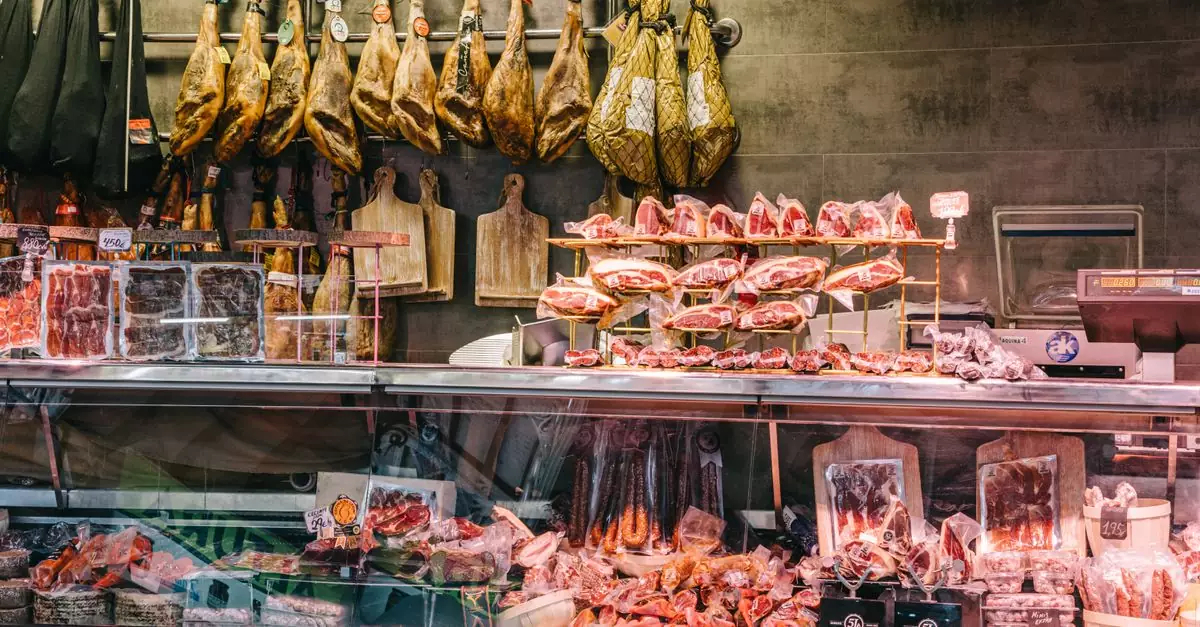
Paris is synonymous with exquisite food, but beyond the ubiquitous boulangeries, a world of specialized artisan producers awaits. For travelers seeking the best artisan food shops in Europe, the French capital offers an unparalleled experience. From meticulously crafted cheeses to single-origin chocolates and cured meats, these establishments are the heart of Parisian culinary tradition. Exploring these hidden gems provides a deeper understanding of French gastronomy and a chance to savor flavors honed over generations.
Le Marais: A Gastronomic Treasure Trove of Artisanal Delights
The historic Le Marais district, with its charming cobblestone streets and vibrant atmosphere, is a prime destination for food enthusiasts. This area boasts a concentration of independent shops dedicated to specific artisanal products. You’ll find fromageries showcasing an impressive array of French cheeses, from creamy Brie de Meaux to pungent Roquefort, often with knowledgeable owners eager to offer tastings. Alongside these are charcuteries producing traditional pâtés, terrines, and expertly cured hams. Keep an eye out for small bakeries specializing in regional breads or pastries that go beyond the classic croissant.
When visiting, allow ample time to wander. Many shops are small, and the joy lies in discovering them serendipitously. Consider a picnic lunch assembled from your finds. A stop at a local market can complement your artisanal purchases with fresh produce.
Saint-Germain-des-Prés: Chocolate, Cheese, and Charcuterie Artisans
The elegant Saint-Germain-des-Prés neighborhood, known for its literary cafés and art galleries, also harbors some of Paris’s most esteemed artisan food purveyors. This district is particularly renowned for its high-quality chocolatiers and patisseries that focus on artisanal techniques. Here, you can find handcrafted chocolates made from single-origin cacao beans, offering complex flavor profiles. Beyond sweets, this area excels in artisanal cheese shops and charcuteries that uphold traditional methods.
Navigating Saint-Germain-des-Prés is best done on foot. The concentration of shops makes it easy to sample various specialties. For those interested in a deeper dive, look for shops that offer guided tastings or workshops, though these often require advance booking. The sophisticated ambiance of the neighborhood enhances the experience of savoring these fine foods.
Exploring the Best Patisseries and Fromageries in Montmartre
Montmartre, with its bohemian past and stunning views, offers a unique backdrop for discovering artisanal food. While famous for its artistic heritage, this hilltop arrondissement also hosts exceptional patisseries and fromageries. You’ll find bakers creating delicate tarts and intricate pastries using time-honored techniques, often with a modern twist. The cheese shops in Montmartre are equally impressive, featuring a curated selection of regional French cheeses, with an emphasis on quality and origin.
When planning your visit, note that Montmartre can be hilly, so comfortable walking shoes are essential. Public transportation, such as the Métro, can get you close to the base of the hill, but be prepared for some uphill walking to reach the most charming food shops. The atmosphere here blends artistic charm and culinary excellence, making it a rewarding area for any food lover.
Rome’s Culinary Artisans: From Pasta to Gelato
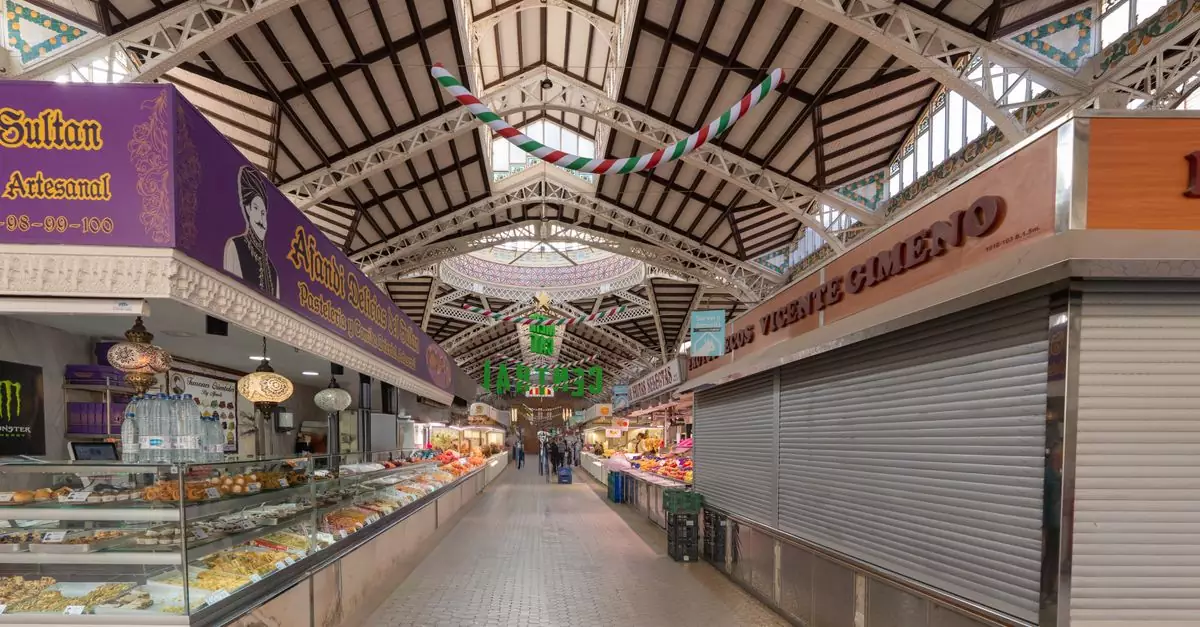
Rome is a city where food is not just sustenance but a way of life, and its artisan food scene reflects this deep-seated passion. For travelers seeking authentic flavors, the city offers a treasure trove of small producers and specialty shops. Focusing on these local gems provides a more intimate and delicious experience than relying on mass-produced goods.
Trastevere’s Hidden Artisan Food Boutiques
Wandering through the cobblestone streets of Trastevere reveals charming, often overlooked, food boutiques that are the heart of Rome’s culinary tradition. These shops specialize in meticulously crafted products, from aged cheeses and cured meats to artisanal pastries and locally sourced olive oils. Many have been family-run for generations, preserving traditional methods and recipes.
For instance, a small salumeria might offer soppressata made from heritage pork breeds, or a forno could be baking pizza al taglio using ancient grains and slow-fermented dough. These are the places where you can taste the true essence of Roman cooking. Engaging with the shop owners often provides insights into the provenance of their ingredients and the stories behind their creations.
Finding Authentic Roman Pasta Makers and Specialty Shops
The foundation of Roman cuisine is undoubtedly pasta, and seeking out authentic pasta makers is a rewarding pursuit. Beyond the ubiquitous supermarket offerings, Rome has dedicated shops where pasta is made fresh daily using high-quality semolina and eggs. Look for shops that produce tonnarelli, cacio e pepe‘s signature pasta, or hand-rolled fettuccine.
Many of these artisan pasta shops also stock complementary ingredients, such as locally produced tomato sauces, premium olive oils, and a selection of pecorino romano cheese essential for classic Roman dishes. Buying pasta directly from a maker ensures you’re getting the freshest product, often with a texture and flavor profile unmatched by pre-packaged varieties. Some shops even offer small cooking classes, providing a hands-on understanding of pasta-making techniques.
The Art of Italian Gelato: Where to Find the Best Artisanal Scoops in Rome
When it comes to gelato, Rome boasts an impressive array of artisan producers who elevate this frozen treat to an art form. The best gelaterias distinguish themselves by using fresh, seasonal ingredients and avoiding artificial colors and flavorings. You can often identify these authentic spots by the natural hues of their fruit flavors and the absence of gravity-defying, overly whipped mounds of gelato.
Look for shops that offer a rotating selection of seasonal flavors, such as fragola (strawberry) in spring or fico (fig) in late summer. The texture should be dense and creamy, a testament to the high fat content and careful churning process. Many artisanal gelaterias in Rome are found in neighborhoods like Monti or near historic sites, offering a perfect, cool respite during a day of sightseeing. For travelers keen on exploring more of Italy’s food heritage, understanding the regional differences in artisanal food production across Europe can be fascinating.
Beyond the Capitals: Lesser-Known Artisan Food Gems
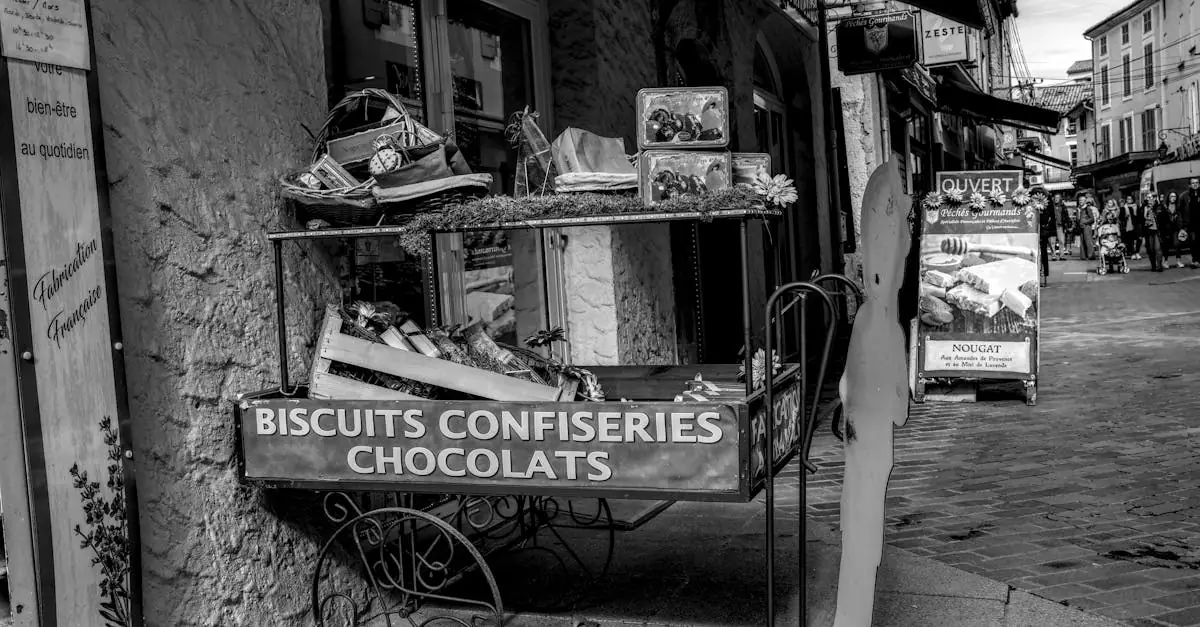
While major European cities often steal the culinary spotlight, some of the continent’s most authentic and high-quality artisan food experiences are found in cities celebrated for their deep-rooted gastronomic traditions. These destinations offer a more intimate look at local producers and a chance to savor flavors shaped by generations of craft. Discovering these hubs means delving into regional specialties and understanding the heritage behind them.
Bologna, Italy: The Heart of Italian Gastronomy and Artisan Producers
Bologna, often called “La Dotta” (the learned) and “La Grassa” (the fat), is a UNESCO City of Music and a paramount destination for food lovers. Its reputation as the culinary heart of Italy is well-earned, with a strong emphasis on fresh, locally sourced ingredients and time-honored production methods. This is where you’ll find some of the best artisan food shops Europe has to offer, specializing in the rich flavors of the Emilia-Romagna region.
The city is the birthplace of iconic products like Parmigiano Reggiano, Prosciutto di Parma, and balsamic vinegar from Modena. Wandering through the Quadrilatero, Bologna’s ancient market district, reveals a vibrant tapestry of artisanal producers. Shops here offer freshly made pasta, including tagliatelle and tortellini, handcrafted mortadella, and regional salumi. Look for small, family-run shops that have been perfecting their craft for decades. Many offer tastings, allowing you to truly appreciate the nuances of their products.
For a deeper dive, consider a day trip to nearby Modena or Parma to visit the producers themselves. This offers unparalleled insight into the dedication and skill involved in creating these world-renowned foods. When visiting, embrace the local pace; markets are busiest in the morning, and many small shops close for a few hours in the afternoon.
San Sebastián, Spain: Pintxos and Basque Artisan Food Culture
San Sebastián, nestled on the Bay of Biscay, is a Basque Country jewel renowned for its exceptional culinary scene, particularly its pintxos culture and dedication to high-quality, regional artisan foods. While it might be smaller than other European capitals, its concentration of Michelin-starred restaurants and traditional food artisans makes it a significant gastronomic pilgrimage site.
The city’s food markets, such as Mercado de la Bretxa and Mercado de San Martín, are central to its culinary identity. Here, local farmers and fishers bring their freshest produce, seafood, and meats. You’ll find artisanal cheeses like Idiazabal, cured meats, and locally produced cider (sidra). The emphasis is on seasonality and the distinct flavors of the Basque Country.
Beyond the markets, the true magic lies in the pintxos bars scattered throughout the Old Town (Parte Vieja). While not strictly “shops,” these establishments showcase local ingredients transformed into miniature works of culinary art by skilled chefs and artisans. Each bar often specializes in particular items, from succulent grilled seafood to rich, slow-cooked stews. Engaging in a pintxos crawl is an immersive way to sample a wide array of Basque flavors and witness the creativity of local food artisans.
Lyon, France: Exploring the ‘Bouchons’ and Local Market Artisans
Lyon proudly holds its title as the gastronomic capital of France, a city where food is not just sustenance but a way of life. Its culinary heritage is deeply intertwined with its vibrant markets and traditional “bouchons,” small, unpretentious restaurants that serve Lyonnaise specialties. This focus on hearty, authentic cuisine makes it a prime spot for experiencing European artisan food.
The city boasts several excellent markets, including Les Halles de Lyon Paul Bocuse, a covered market named after the legendary chef. This is a must-visit for any food enthusiast, housing a curated selection of the region’s finest producers. Here, you can find exquisite charcuterie, artisanal cheeses (like Saint-Marcellin and Rigotte de Condrieu), regional pastries, and exceptional wines. Many vendors offer samples, allowing you to taste the quality firsthand.
The bouchons are an integral part of Lyon’s food culture, providing a glimpse into traditional Lyonnaise cooking. While they are restaurants, they often source their ingredients directly from local artisans and farmers, maintaining a direct connection to the producers. Dishes like quenelles de brochet (pike dumplings) and salade Lyonnaise highlight the robust flavors and quality ingredients that define the region. Visiting these establishments provides not only a delicious meal but also an understanding of the culinary lineage.
To experience the full spectrum of Lyon’s artisan food scene, explore the smaller neighborhood markets and specialty shops away from the main tourist areas. This often leads to discovering hidden gems where traditional methods are still very much alive.
What Are the Best Artisan Food Shops in Berlin for Local Specialties?
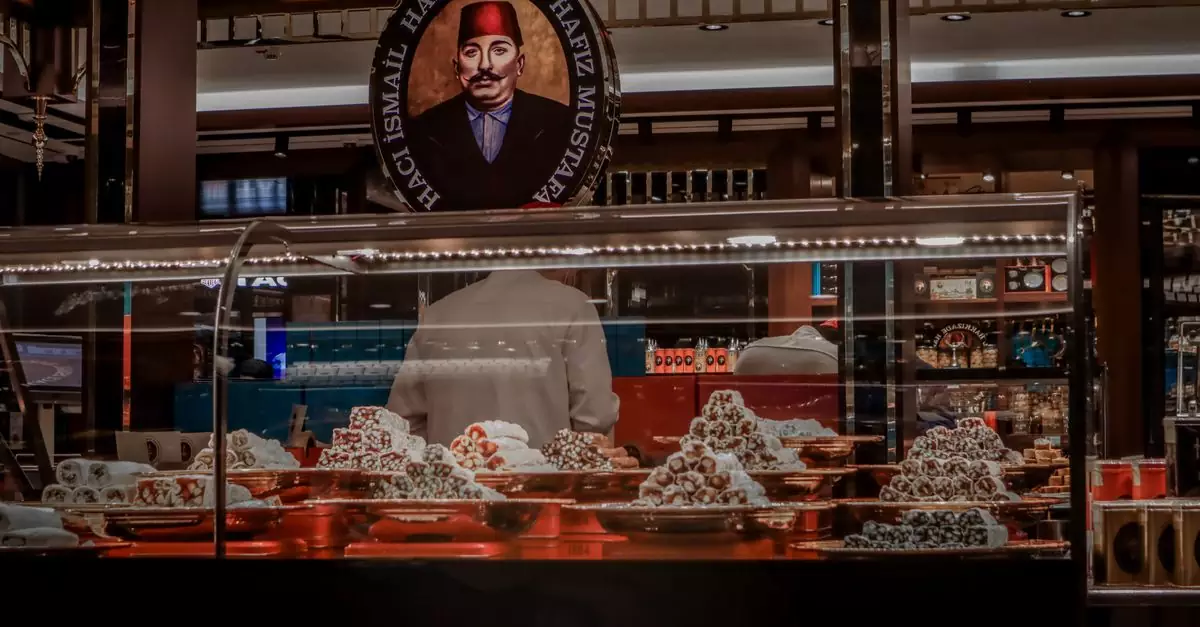
Berlin’s culinary scene is a vibrant tapestry, woven with influences from around the globe and a strong appreciation for local, handcrafted products. For food lovers seeking authentic German flavors and unique artisanal creations, the city offers a wealth of specialized shops. Navigating these markets and boutiques can be a rewarding experience, revealing the heart of Berlin’s gastronomic identity.
Kreuzberg’s Independent Food Stores and Delicatessens
Kreuzberg, known for its multicultural atmosphere and independent spirit, is a prime location for discovering Berlin’s artisan food shops. Here, you’ll find a concentration of small businesses dedicated to high-quality ingredients and traditional preparation methods. Many of these establishments focus on regional German products, offering everything from cured meats and artisanal cheeses to specialty vinegars and oils.
One notable spot is Markthalle Neun, a historic market hall that has been revitalized to host a diverse range of food vendors. While it features international cuisine, it also champions local producers. You can find stalls selling regional German specialties, often with opportunities to sample before buying. Visiting on a Thursday evening during the “Street Food Thursday” event offers a lively atmosphere, but for a more focused artisanal shopping experience, weekdays are best. The hall is easily accessible via public transport, with the U-Bahn station Görlitzer Bahnhof a short walk away.
Beyond the market hall, numerous smaller delicatessens dot Kreuzberg’s streets. These shops often have a personal touch, with owners passionate about their curated selections. Look for shops specializing in German charcuterie, where you can find handmade sausages and smoked meats prepared using time-honored techniques. Pairing these with locally produced mustard and a crusty loaf of bread from a nearby bakery makes for a quintessential Berlin picnic.
Discovering Artisanal Bread and Pastries in Prenzlauer Berg
Prenzlauer Berg, with its charming streets and family-friendly vibe, is a haven for those who appreciate the art of baking. The district boasts several bakeries that elevate bread and pastry making to an artisanal craft. These establishments often use organic flours, long fermentation processes, and traditional ovens to produce loaves with exceptional flavor and texture.
Bakeries like Zeit für Brot are well-regarded for their sourdough breads and creative sweet pastries. Their commitment to quality ingredients and traditional methods is evident in every bite. Expect to find a variety of rye breads, whole wheat loaves, and specialty items that change seasonally. Arriving earlier in the day is advisable, especially on weekends, as popular items can sell out quickly. Public transport, particularly trams and the U-Bahn, makes reaching these bakeries straightforward.
When exploring Prenzlauer Berg’s bakeries, don’t hesitate to ask about their baking processes. Many bakers are happy to share insights into their craft, from the sourcing of their grains to their unique starter cultures. This interaction adds another layer to the experience, deepening your appreciation for the dedication behind these delicious creations.
Berlin’s Best Shops for Craft Beer and Local Preserves
Beyond bread and charcuterie, Berlin’s artisan food scene extends to beverages and pantry staples. The city has a burgeoning craft beer culture, with numerous shops offering a curated selection of local and German brews. These establishments go beyond mainstream offerings, stocking unique IPAs, lagers, and sours from small, independent breweries.
For those interested in preserves, Berlin’s markets and specialty stores offer a delightful array of homemade jams, chutneys, and pickled vegetables. These often feature seasonal fruits and vegetables, capturing the essence of German produce. Look for unique flavor combinations, such as rhubarb-ginger jam or pickled beetroot with dill. These items make for excellent edible souvenirs or additions to your own culinary creations.
When seeking out these specialized products, consider visiting smaller neighborhood shops rather than large supermarkets. These independent retailers are more likely to stock locally sourced, artisanal goods and offer a more personal shopping experience. Engaging with the shop owners can lead to delightful discoveries and a deeper understanding of Berlin’s rich food heritage.
Planning Your Artisan Food Shopping Trip Across Europe: FAQs
Navigating Europe’s rich culinary landscape for unique artisan products requires a bit of planning. Here are answers to common questions to help you craft your perfect food-focused adventure.
What’s the best time of year to visit Europe for food festivals and market seasons?
The peak season for many European food festivals and fresh market produce generally runs from late spring through autumn. May and June offer abundant spring vegetables and the start of berry season, often accompanied by local food fairs. July and August are prime time for summer fruits, cheeses, and outdoor markets across the continent. September and October are particularly excellent for harvest festivals, wine regions, and seasonal specialties like mushrooms and game.
Consider these seasonal highlights:
| Season | Key Food Events & Produce | Notes |
|---|---|---|
| Spring | Asparagus, strawberries, early cherries, local fairs | Markets begin to fill with fresh produce |
| Summer | Berries, stone fruits, tomatoes, seafood, outdoor markets | Peak season for many regional specialties |
| Autumn | Grapes, apples, mushrooms, truffles, harvest festivals | Ideal for wine regions and hearty foods |
| Winter | Christmas markets, cured meats, root vegetables, chocolate | Festive atmosphere, but fewer fresh options |
While winter has fewer fresh produce markets, the festive Christmas markets in cities like Germany, Austria, and France offer a unique artisan food experience.
How can I best travel between cities to visit multiple artisan food destinations?
For efficient travel between European cities, trains are often the most convenient and scenic option, especially for reaching central urban areas with vibrant food scenes. High-speed rail networks connect major capitals and many smaller towns, offering comfortable journeys and allowing you to bypass airport hassles. Booking train tickets in advance can often secure better prices.
Consider these popular travel methods:
- Trains: Excellent for city-to-city travel, offering comfort and scenic views. Many major European cities are well-connected by rail.
- Budget Airlines: A viable option for longer distances or when train travel is less direct, but factor in airport transfer times and costs.
- Rental Cars: Best suited for exploring rural regions or specific wine districts where public transport is limited, allowing flexibility to visit small producers.
For those seeking the best artisan food shops Europe has to offer, a combination of trains for inter-city travel and local public transport or walking within cities will serve you well.
What are typical budget considerations for shopping at high-quality artisan food shops?
Shopping at high-quality artisan food shops in Europe can range from moderately priced to quite expensive, depending on the product and location. Expect to pay a premium for handcrafted items, specialty ingredients, and goods from renowned producers. For example, a block of exceptional aged cheese in France might cost €15-€30, while a selection of artisanal charcuterie could add up quickly.
When budgeting, consider:
- Local Markets vs. Specialty Boutiques: Markets often offer better value for fresh produce and more casual artisan goods. Dedicated boutiques or shops with a strong reputation for specific items (like chocolate or pastries) will generally be pricier.
- Ingredient Quality: The use of premium, often local, ingredients drives up costs but also ensures superior flavor and quality.
- Portion Sizes: Artisan products are often sold in smaller, more concentrated quantities.
- Souvenir Pricing: Some items might be priced higher if they are considered a typical souvenir.
A reasonable daily budget for a dedicated food shopper might range from €50-€100, allowing for a mix of market finds and a few special purchases from high-end establishments.
Are there specific etiquette tips for shopping in European food markets and boutiques?
Navigating European food markets and artisan shops is a delightful experience, and a few simple etiquette points can enhance your interactions. Always greet vendors with a polite “Bonjour,” “Guten Tag,” or “Buongiorno” upon entering their stall or shop. It’s customary to ask before touching produce; vendors are usually happy to select items for you.
When purchasing, be patient, especially in busy markets. If you’re sampling, do so only when offered. For packaged goods, wait your turn in line. If you’re buying multiple items from a single stall, it’s polite to consolidate your order. Many smaller producers may only accept cash, so it’s wise to have some local currency on hand, though larger boutiques will readily accept cards. Understanding the local customs will make your culinary journey through the best artisan food shops Europe offers even more rewarding.