Beyond the iconic silhouette of Machu Picchu, Peru reveals a rich tapestry of diverse destinations, each offering a unique glimpse into its storied history and stunning landscapes. While the Inca citadel justly attracts global attention, this South American gem holds a wealth of experiences for every type of traveler. From the colonial charm of its white-stone cities and the ancient mysteries of pre-Inca civilizations to the vibrant cultures of its indigenous communities and the unparalleled biodiversity of the Amazon, Peru promises adventures that extend far beyond any single landmark.
This guide explores the best Peru destinations beyond the Sacred Valley, providing insights on how to tailor your journey to your interests. Whether you’re a history enthusiast eager to explore Moche ruins, a nature lover dreaming of Amazonian wildlife, or a culture seeker yearning for authentic Andean encounters, you’ll find inspiration and practical tips to craft an unforgettable Peruvian itinerary.
The Sacred Valley: Gateway to Ancient Inca Wonders
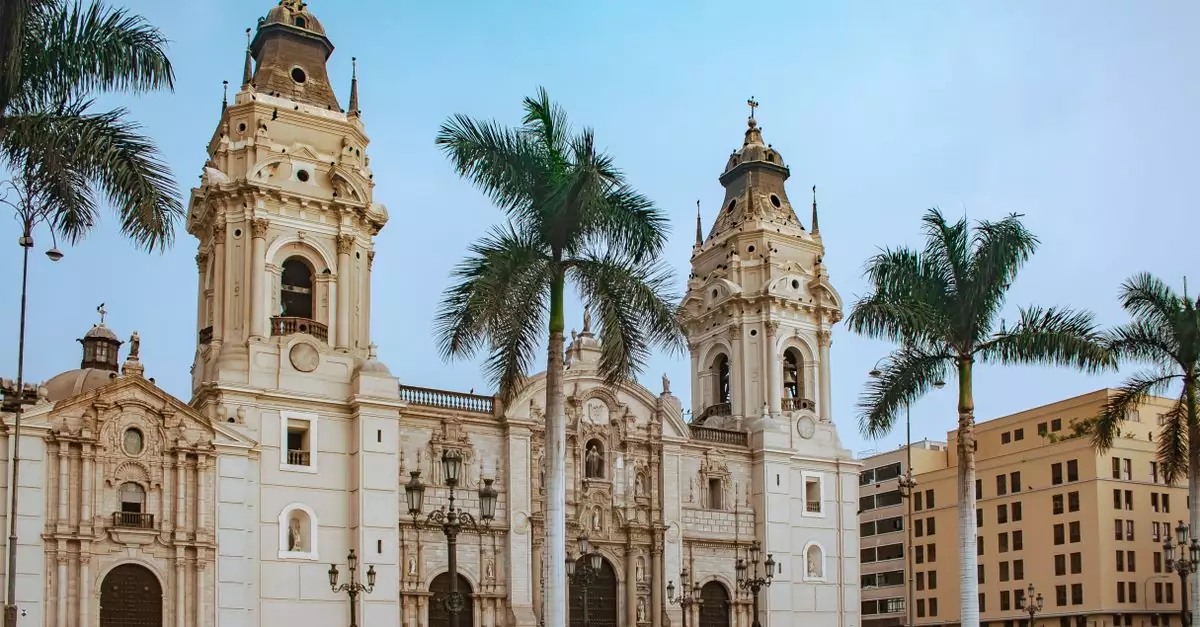
The Sacred Valley of the Incas, a lush river valley nestled between Cusco and [Machu Picchu](), offers a captivating blend of history, culture, and breathtaking landscapes. This region was a vital agricultural and spiritual center for the Inca Empire, with well-preserved ruins, vibrant markets, and living Inca towns providing an intimate glimpse into this ancient civilization. It’s an essential stop for any traveler wishing to delve into Peru’s rich heritage beyond the iconic citadel.
Exploring Ollantaytambo’s Living Inca Town
Ollantaytambo is notable not only for its imposing Inca fortress but also for its continuous habitation since the 13th century. As you wander its narrow cobblestone streets, you’ll see original Inca water channels still in use and homes built on Inca foundations. The fortress, perched on a hillside, features massive stone terraces and temples that offer stunning valley views. Arriving early or late can help you avoid crowds, allowing for a more serene experience at this historic site.
Maras Salt Mines and Moray Agricultural Terraces: A Photographer’s Dream
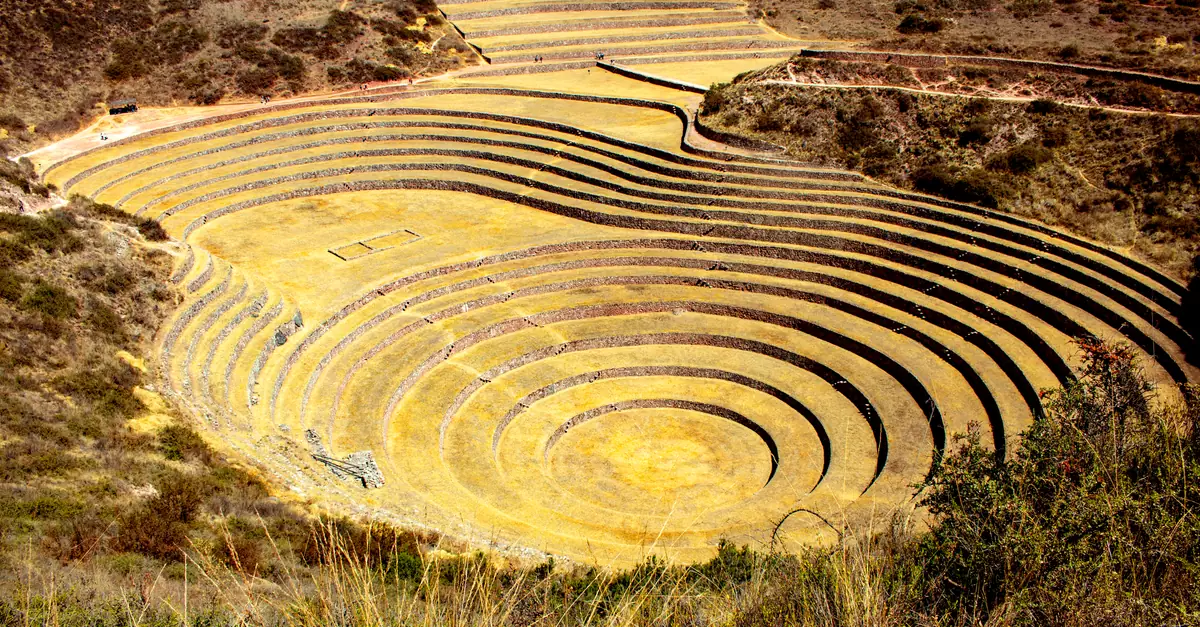
The Maras Salt Mines present an otherworldly spectacle—a vast expanse of salt pans cascading down a mountainside. In use since Inca times, local families continue to harvest salt using traditional methods. Nearby, the Moray agricultural terraces are circular, stepped depressions believed to have served as an experimental agricultural laboratory for the Incas. These concentric rings create a mesmerizing visual effect, especially from above. To visit these sites, a taxi or guided tour from Urubamba or Ollantaytambo is often necessary, and sturdy footwear is essential due to the rough terrain around Moray.
Pisac Market: A Vibrant Hub for Local Crafts
Pisac is famous for its bustling Sunday market, although smaller markets operate on other days. This is the place to immerse yourself in local Andean culture and discover an impressive array of handicrafts. From intricately woven textiles and colorful alpaca wool sweaters to silver jewelry and ceramic pottery, the variety is immense. Haggling is expected, so negotiate respectfully for the best prices. Beyond the market, the Pisac ruins, perched high above the town, offer another significant Inca archaeological site with impressive agricultural terraces and ceremonial buildings. Plan to spend at least half a day to fully appreciate both the market and the ruins.
The Sacred Valley provides experiences that range from historical exploration to vibrant cultural immersion. Its accessibility from Cusco makes it a convenient addition to any Peruvian itinerary, offering deeper context for the wonders of South America.
Arequipa: The White City’s Colonial Charm and Volcanic Landscapes
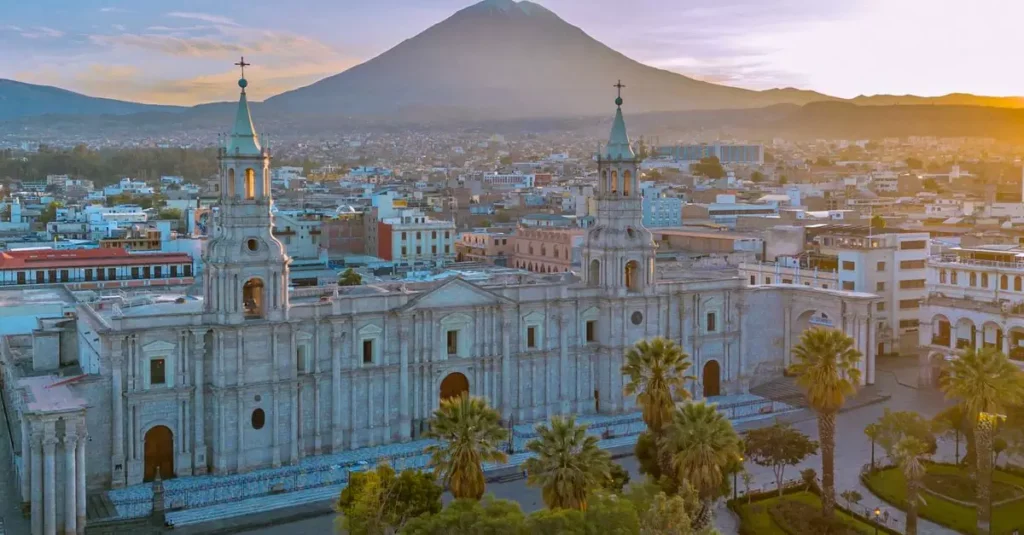
Often overshadowed by its more famous Andean neighbor, Arequipa presents a compelling mix of colonial history and dramatic natural beauty. Known as “The White City” for the sillar volcanic stone used in its architecture, Arequipa offers a relaxed pace and a distinct cultural experience. It’s an excellent addition to any itinerary covering the best Peru destinations, especially for those interested in history and stunning scenery.
Wandering the Historic Center of Arequipa
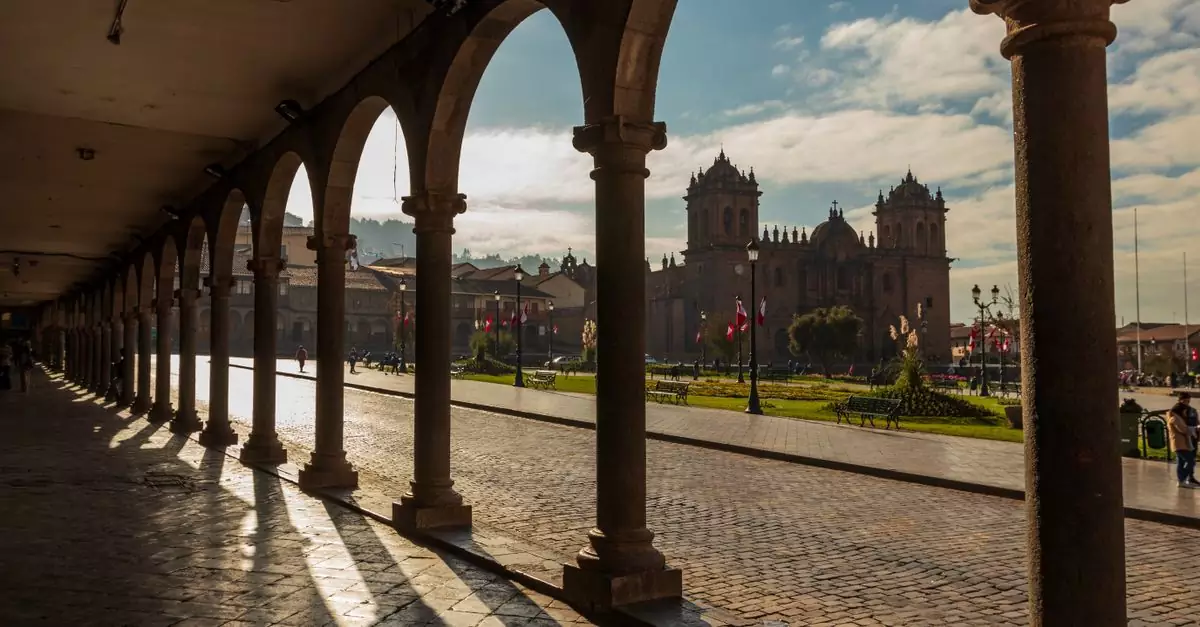
Arequipa’s Plaza de Armas ranks among Peru’s most beautiful, framed by arcades and dominated by the imposing Cathedral. The city center is a UNESCO World Heritage site, featuring a labyrinth of narrow cobblestone streets lined with intricately carved colonial mansions. Many of these buildings now house boutique hotels, restaurants, or artisan shops. Spend a morning exploring, admiring the sillar architecture that glows in the sunlight. Given the city’s altitude of around 2,300 meters (7,600 feet), take it easy on your first day to acclimatize.
Santa Catalina Monastery: A City Within a City
Prepare to be captivated by the Santa Catalina Monastery. Founded in 1579, this vast, walled complex feels like an entire colonial town within Arequipa. Its colorful walls, narrow alleyways, and tranquil courtyards create a serene atmosphere. Wander through residential quarters, kitchens, and cloisters, imagining the lives of the nuns who once resided here. Allow at least two to three hours to fully absorb its scale and intricate details. The vivid blues and reds against the white sillar stone make for stunning photographs.
Day Trips to Colca Canyon: Witnessing Andean Condors
No visit to Arequipa is complete without a trip to the Colca Canyon, one of the world’s deepest canyons. The scenic journey passes through the Aguada Blanca National Reserve, where you can spot vicuñas and alpacas. The main attraction is the Cruz del Condor viewpoint, where you can observe the majestic Andean condor soaring on thermal currents—a truly breathtaking sight, especially in the morning.
Most tours to Colca Canyon are overnight trips, allowing for hiking and exploring smaller villages like Chivay and Yanque.
| Tour Type | Duration | Highlights | Budget (USD) |
|---|---|---|---|
| Day Trip | 1 day | Cruz del Condor, scenic viewpoints | $30 – $60 |
| Overnight Trip | 2 days | Hiking, condors, hot springs, village stays | $80 – $150 |
When planning your visit to Colca Canyon, consider that the best time to see condors is generally between April and November during the dry season. However, they are present year-round. Pack layers, as the canyon can be cold, especially at higher altitudes. Many travelers arrange these excursions through their accommodation in Arequipa or local tour operators.
Lake Titicaca: Mystical Islands and Indigenous Cultures
Beyond the well-trodden paths of the Andes, Lake Titicaca offers a unique glimpse into ancient traditions and breathtaking natural beauty. As the highest navigable lake in the world, its deep blue waters are dotted with islands, each boasting distinct charm and cultural heritage. Visiting this region fosters a profound connection to Peru’s indigenous roots and provides a peaceful counterpoint to busier tourist hubs. Planning a trip here involves understanding logistics for reaching the islands and choosing experiences that align with your travel interests, whether cultural immersion or simply soaking in the serene landscape.
Visiting the Uros Floating Islands: A Unique Human Adaptation
The Uros Floating Islands are perhaps the most iconic sight on Lake Titicaca. These man-made islands are constructed entirely from totora reeds, a buoyant aquatic plant that grows abundantly in the lake. The Uru people have lived on these reeds for centuries, ingeniously creating homes, boats, and even schools from this versatile material. Visitors can experience this unique way of life by taking a boat tour from Puno, the main gateway to the lake. Expect to learn about the Uru people’s history, witness their reed-building techniques, and perhaps purchase local handicrafts.
Traveler Tip: While fascinating, the Uros islands can feel quite tourist-oriented. For a more authentic cultural exchange, consider spending time on other islands like Taquile or Amantani.
Exploring Taquile Island: A Textile Tradition
Taquile Island is known for its vibrant textile traditions and stunning panoramic views of Lake Titicaca. Unlike the Uros, Taquileños are Quechua speakers and have maintained a strong sense of community and cultural identity. Men on the island are renowned for their intricate knitting skills, producing finely crafted goods sold throughout Peru. Women are skilled weavers, contributing to the island’s rich textile heritage. A visit to Taquile offers a chance to hike along well-preserved paths, enjoy simple local cuisine, and observe the islanders’ way of life. The island is also known for its communal work ethic and unique social structure.
Getting to Taquile: Boats depart daily from Puno, taking approximately 3 hours. Wear comfortable walking shoes, as the island is hilly.
Amantani Island Homestays: Immersive Cultural Experiences
For a truly immersive experience, opt for a homestay on Amantani Island. This allows for a deeper connection with local families and participation in daily life. Staying with an Amantani family means sharing meals, helping with chores, and learning about their customs firsthand. The island is home to two main peaks, Pachatata and Pachamama, which offer rewarding hikes and spectacular sunset views over the lake. Homestays are typically arranged through agencies in Puno and provide a simple yet profound cultural exchange.
Homestay Logistics:
- Accommodation: Basic rooms within local family homes.
- Food: Traditional Peruvian meals prepared by your host family.
- Activities: Hiking, learning about local crafts, and cultural exchange.
- Budget: Homestays are generally affordable, often including transport from Puno.
The best time to visit Lake Titicaca is during the dry season, from April to October, when the weather is sunny and clear, providing excellent visibility of the lake and surrounding landscapes. While the Uros islands offer a unique spectacle, Taquile and Amantani provide richer opportunities for cultural understanding and a more tranquil encounter with the spirit of South America.
Northern Peru: Uncovering Pre-Inca Civilizations and Coastal Treasures
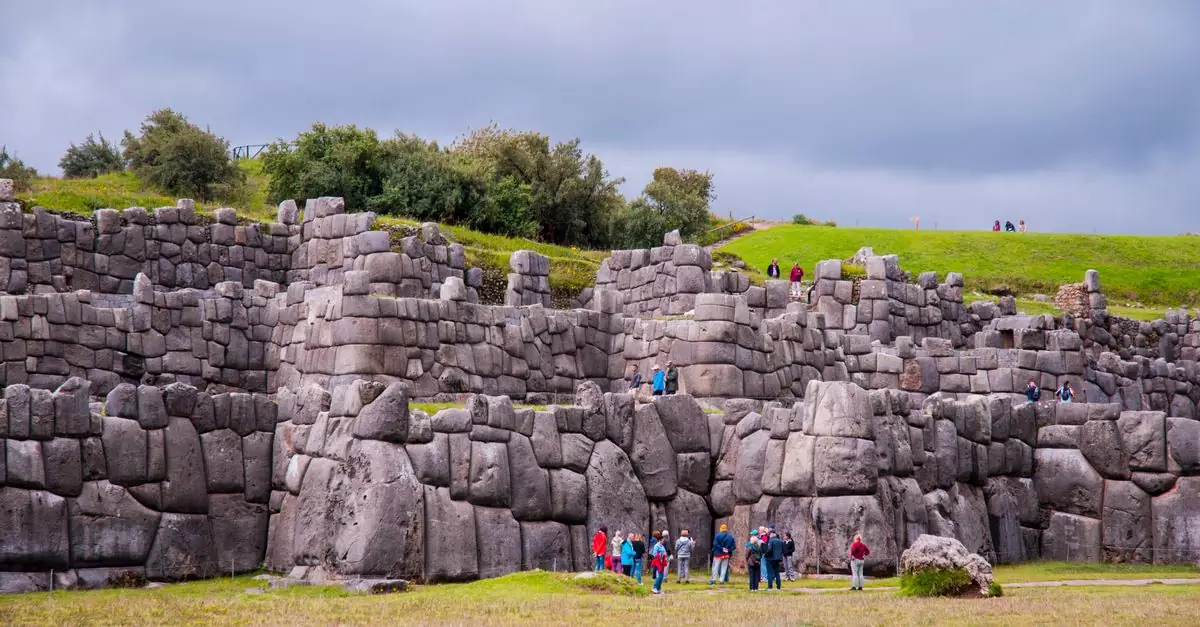
While the Sacred Valley and Machu Picchu often dominate discussions of Peru, the northern regions offer a compelling alternative for travelers seeking deeper historical context and diverse landscapes. This area is a treasure trove of pre-Inca civilizations, featuring impressive archaeological sites that predate the Inca Empire by centuries. Beyond the ancient ruins, the Pacific coast provides allure, from windswept beaches to vibrant surf towns. Planning a trip to these northern destinations requires understanding their unique offerings and logistical considerations.
Chan Chan: The Largest Adobe City in the World
Near the modern city of Trujillo lies Chan Chan, an astonishing UNESCO World Heritage site and the largest adobe city ever constructed. Once the capital of the Chimor Kingdom, this sprawling metropolis showcases intricate friezes depicting marine life and geometric patterns, a testament to the advanced artistry of its creators. Wandering through its vast courtyards, palaces, and reservoirs offers a profound glimpse into a civilization that flourished between the 9th and 15th centuries.
- Getting There: Fly into Trujillo (TRU) from Lima, then take a taxi or local bus to the Chan Chan archaeological site.
- Best Time to Visit: The dry season from April to November offers pleasant weather, though some rain can occur year-round.
- Traveler Tip: Hire a local guide at the entrance to truly appreciate the history and significance of the site.
Huaca de la Luna and Huaca del Sol: Moche Archaeological Marvels
Also near Trujillo, the Huacas de la Luna and Huaca del Sol are monumental adobe pyramids built by the Moche civilization, which thrived from 100 to 700 AD. Huaca de la Luna, in particular, is renowned for its remarkably preserved polychrome murals depicting deities, warriors, and complex ceremonial scenes. Excavations continue to reveal new insights into Moche society, making it a dynamic destination for history enthusiasts. Huaca del Sol, although heavily eroded, was once one of the largest structures in the Americas.
- Logistics: These sites are often visited together with Chan Chan due to their proximity. Many tours from Trujillo include both.
- Budget Insight: Entrance fees are modest, and group tours offer a cost-effective way to experience the sites.
Máncora: Peru’s Premier Beach Resort Town
For those seeking a more relaxed pace, Máncora on Peru’s northern coast is the country’s most famous beach destination. With golden sands, consistent surf breaks, and a lively atmosphere, it attracts both local tourists and international travelers. The town offers various accommodations, from budget hostels to luxury beachfront hotels, and a vibrant culinary scene focused on fresh seafood. Máncora is also a prime spot for whale watching during migration season.
- Getting There: The closest airport is Talara (TYL), about an hour’s drive away, with flights from Lima. Alternatively, long-distance buses from Lima or other northern cities are available.
- Seasonality: Máncora is a year-round destination, but peak season is from December to March, coinciding with summer holidays. The shoulder months offer fewer crowds and more competitive prices.
- Activities: Surfing lessons, kiteboarding, relaxing on the beach, and enjoying fresh ceviche are popular pursuits.
Northern Peru provides a rich counterpoint to the more visited southern circuit. It’s a region where ancient history is tangible, and coastal life offers a refreshing change of pace, making it a vital part of any comprehensive exploration of South America.
The Amazon Rainforest: Adventure and Biodiversity in Iquitos and Puerto Maldonado
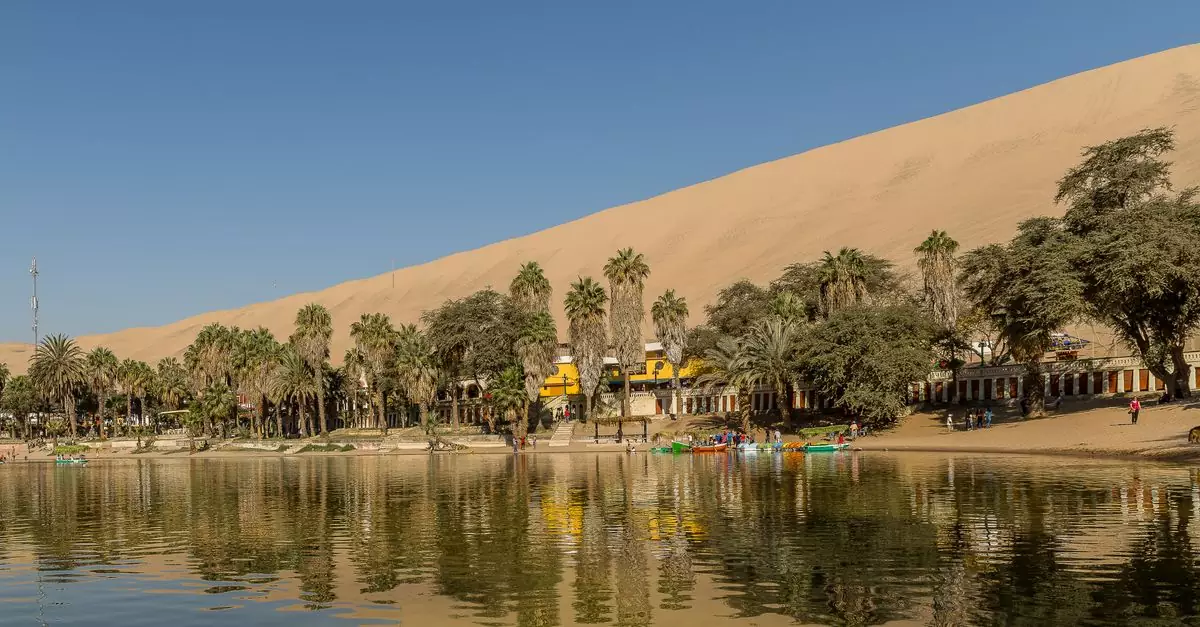
Peru’s Amazon basin offers an unparalleled immersion into one of the planet’s most biodiverse ecosystems. Travelers seeking a true wilderness experience will find two primary gateways: Iquitos in the north and Puerto Maldonado in the south. Each offers distinct advantages for encountering the rainforest’s wonders, from dense jungle lodges to life-altering river cruises.
Jungle Lodges and River Cruises from Iquitos
Iquitos, the largest city in the world inaccessible by road, serves as the primary hub for northern Amazon adventures. From here, visitors embark on journeys deep into the jungle, often via motorized canoes or larger riverboats. Options range from rustic, eco-friendly lodges built with local materials to luxurious cruise ships offering comfortable passage along the mighty Amazon River.
Choosing a lodge or cruise depends on your desired level of comfort and immersion. Lodges typically offer guided excursions like jungle walks, piranha fishing, and visits to indigenous communities. River cruises provide a different perspective, allowing you to cover more ground and witness riverside wildlife and villages from the water. Expect to see diverse birdlife, monkeys, and perhaps even pink river dolphins.
Tambopata National Reserve: Wildlife Spotting in Puerto Maldonado
South of Iquitos, Puerto Maldonado is the gateway to the Tambopata National Reserve, renowned for its incredible concentration of wildlife. This region is particularly famous for its clay licks, where hundreds of macaws, parrots, and parakeets gather daily to ingest mineral-rich clay. It’s a spectacular natural phenomenon that draws wildlife enthusiasts from around the globe.
Accommodation in Tambopata centers around jungle lodges, many strategically located near the reserve’s entrance or along the Tambopata River. These lodges often provide excellent opportunities for spotting capybaras, caimans, giant otters, and a vast array of bird species. Night walks and boat trips are common activities, revealing the rainforest’s nocturnal inhabitants.
Best Time for Amazon Adventures in Peru
The Peruvian Amazon experiences two main seasons: the high-water season (roughly December to May) and the low-water season (June to November). Both offer unique advantages for travelers.
During the high-water season, rivers rise, allowing boats to navigate deeper into flooded forests. This can mean closer access to certain wildlife viewing areas and a more immersive experience on the water. However, some jungle trails may be inaccessible.
The low-water season reveals more of the land, exposing beaches and making jungle trails more accessible. It’s often considered the best time for wildlife spotting as animals may congregate around shrinking water sources. Mosquitoes can be more prevalent during this period.
When planning your visit to the best Peru destinations in the Amazon, consider your priorities. For the most comfortable travel with fewer mosquitoes, the shoulder months of May and November can be excellent. For prime wildlife viewing, the low-water season (June-October) is often recommended. Regardless of when you visit, be prepared for warm, humid conditions and the possibility of rain.
Planning Your Peruvian Adventure: Essential Traveler Tips
Peru offers remarkable diversity, from the soaring Andes to the Amazon rainforest and coastal deserts. To maximize your journey beyond the iconic Machu Picchu, thoughtful planning is essential. Understanding local transportation, budgeting effectively, packing appropriately, and being aware of common tourist pitfalls will significantly enhance your trip.
Navigating Peru: Transportation Options and Best Routes
Getting around Peru involves a mix of options, each suited to different distances and budgets. For long-haul travel between major cities like Lima, Cusco, and Arequipa, overnight buses are a popular and economical choice. Companies like Cruz del Sur and Oltursa provide comfortable, semi-cama (reclining) or cama (fully reclining) seats, making overnight journeys manageable. Flights are a faster alternative for covering long distances quickly, with domestic carriers such as LATAM and Sky Airline connecting major hubs.
Within cities, taxis are readily available, but it’s advisable to negotiate fares beforehand or use ride-sharing apps where available. For exploring the Sacred Valley or reaching more remote areas around Cusco, hiring a private driver or joining organized tours can be efficient. Trains are a scenic, albeit more expensive, option for specific routes, particularly the journey to Machu Picchu from Ollantaytambo or Cusco. Planning your routes in advance, especially considering the altitude of many Peruvian destinations, is crucial for a smooth travel experience.
| Transportation Type | Typical Use | Estimated Cost (USD) | Pros | Cons |
|---|---|---|---|---|
| Overnight Bus | Inter-city travel (e.g., Lima to Cusco) | $30 – $60 | Economical, saves on accommodation, comfortable options available. | Long travel times, potential for motion sickness. |
| Domestic Flights | Long distances (e.g., Lima to Arequipa) | $50 – $150+ | Fastest way to cover large distances. | Most expensive option, baggage restrictions. |
| Taxis/Ride-Sharing | Intra-city travel | $3 – $15 per ride | Convenient, readily available. | Fares can vary, need to negotiate or use apps. |
| Trains | Scenic routes (e.g., Cusco to Machu Picchu) | $60 – $100+ | Beautiful scenery, comfortable. | Expensive, limited routes. |
| Private Drivers | Day trips, Sacred Valley exploration | $80 – $150+ per day | Flexible, personalized itinerary. | Higher cost, requires negotiation. |
Budgeting for Your Trip: Costs for Popular Destinations
Peru caters to a range of budgets, from backpacker-friendly to more luxurious travel. The cost of your trip will depend heavily on your chosen destinations and travel style. Cusco, as the gateway to Machu Picchu, tends to be pricier due to its popularity, with accommodation and tours costing more. Lima, as a large capital city, offers a wide spectrum of dining and lodging options, from budget-friendly hostels to high-end restaurants.
Expect to spend more on activities and entrance fees in popular tourist areas. The Inca Trail, for instance, requires booking months in advance and comes with a significant price tag. However, exploring the Colca Canyon near Arequipa or visiting the Nazca Lines can be done more affordably. Eating at local markets and picanterías (traditional eateries) offers delicious and inexpensive meals, significantly reducing daily food expenses.
A rough daily budget for a mid-range traveler might look like this:
- Accommodation: $30 – $70 per night
- Food: $20 – $40 per day
- Activities & Entrance Fees: $20 – $60+ per day (highly variable)
- Local Transport: $5 – $15 per day
These figures exclude major inter-city transportation and significant tour packages. For those planning to visit multiple regions across South America, it’s wise to allocate a larger portion of the budget for destinations like Cusco.
What to Pack for Diverse Peruvian Climates
Peru’s varied geography means you’ll encounter vastly different weather conditions, often within the same trip. For the highlands around Cusco and the Sacred Valley, expect cool to cold temperatures, especially at night, and strong sun exposure during the day. Layers are essential. Pack thermal base layers, a fleece or down jacket, and a waterproof and windproof outer shell. A wide-brimmed hat, sunglasses, and high-SPF sunscreen are non-negotiable due to the intense high-altitude sun. Comfortable, broken-in hiking boots are crucial for navigating uneven terrain.
In Lima and coastal regions, the climate is generally milder and more humid, with a distinct dry season (May to November) and rainy season (December to April). Light clothing, including t-shirts and long-sleeved shirts for sun protection, along with a light jacket or sweater for evenings, will suffice. If your itinerary includes the Amazon rainforest, pack lightweight, long-sleeved clothing to guard against insects and the humid heat, along with reliable insect repellent and a waterproof poncho. Regardless of the region, carrying a reusable water bottle is recommended for both environmental and health reasons.
Common Tourist Scams to Avoid in Peru
While most Peruvians are welcoming and honest, visitors should be aware of common tourist scams to ensure a safe and enjoyable trip. One frequent issue is taxi fare inflation; always agree on a price before starting your journey or use reputable ride-sharing apps. Be cautious of overly friendly strangers offering unsolicited help or tours, as they may lead you to overpriced services or attempt petty theft.
When visiting markets or purchasing souvenirs, be prepared for persistent vendors. Politely but firmly decline if you are not interested. At ATMs, be mindful of your surroundings and avoid using machines in isolated areas. Keep your valuables secure and out of sight, particularly in crowded tourist spots and on public transport. Another common scam involves inflated prices for services like shoe shining or “assistance” at archaeological sites; be clear about what you want and the agreed-upon price beforehand. Researching common scams specific to the South America region can also be beneficial.