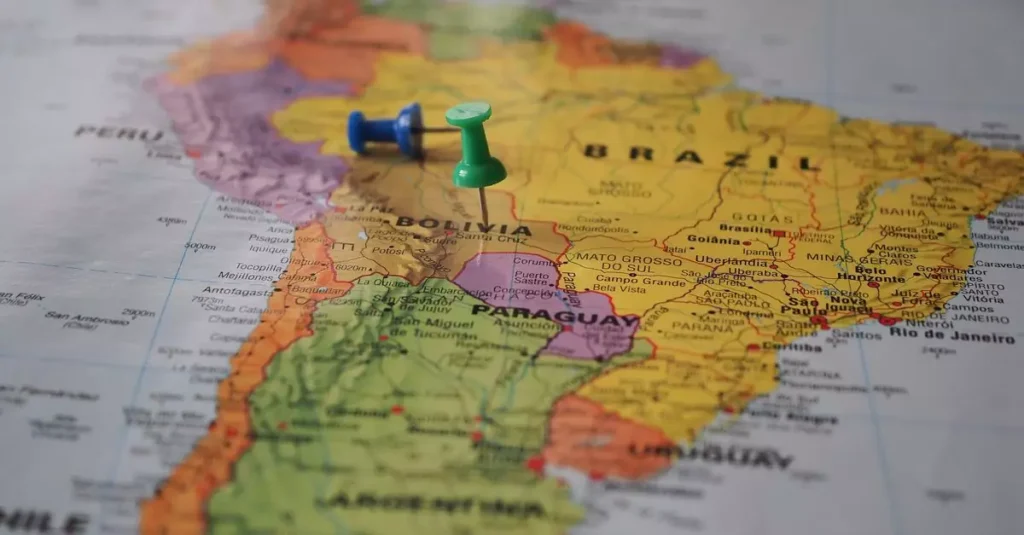
Planning the best multi-country South America itinerary is an exciting endeavor, promising a journey through ancient ruins, vibrant cities, and breathtaking natural wonders. This guide will help you craft an unforgettable adventure, whether you have a few weeks or several months to explore. You’ll learn to balance iconic landmarks with hidden gems, choose a pace that suits your travel style, and navigate the continent’s diverse climates and seasons. We’ll cover essential considerations for planning, from prioritizing your interests in adventure, culture, or relaxation to understanding the best times to visit different regions. Get ready to explore a continent rich in history, culture, and unparalleled landscapes.
Crafting Your Best Multi-Country South America Itinerary: Key Considerations
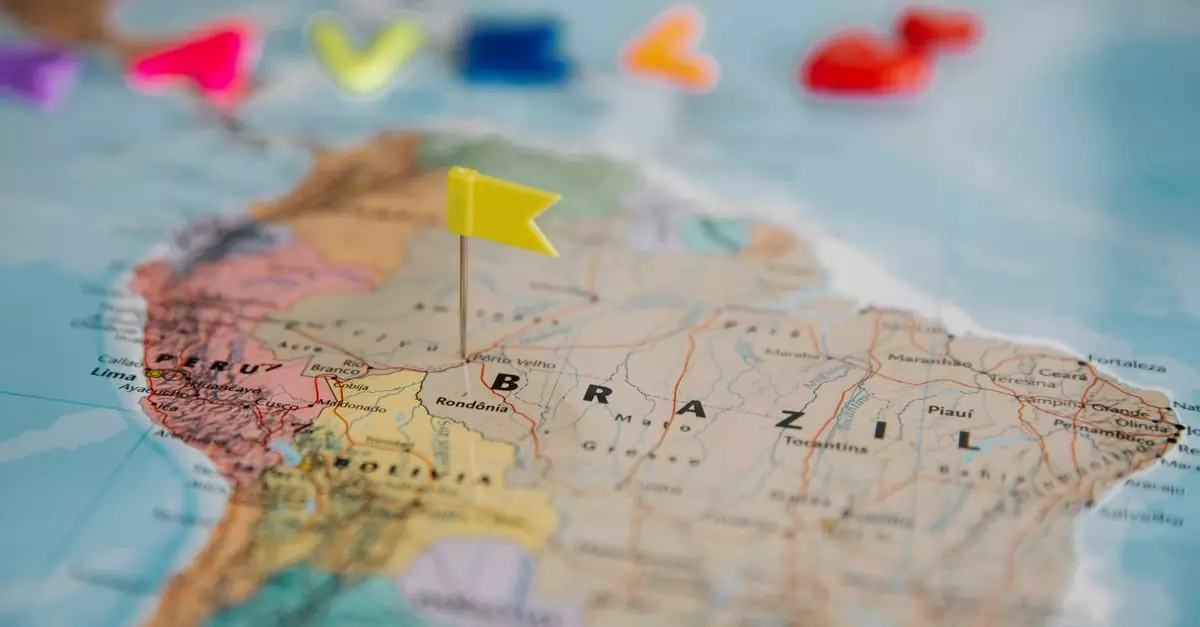
Planning the best multi-country South America itinerary involves more than just stringing together popular destinations. It requires thoughtful consideration of your travel style, available time, and personal interests to create a cohesive and enriching experience across this vast continent. Understanding the nuances of travel within South America will help you maximize your adventure, whether you’re drawn to glacial peaks or lush rainforests.
Balancing Iconic Landmarks with Off-the-Beaten-Path Discoveries
While places like Machu Picchu in Peru or Iguazu Falls on the Brazil-Argentina border are undeniably spectacular, a truly memorable trip often weaves in lesser-known gems. Consider adding a few days in the colorful colonial towns of Colombia’s Coffee Region or exploring the unique desert landscapes of Bolivia’s Salar de Uyuni beyond the main tourist circuit. This balance ensures you experience the continent’s highlights while uncovering its hidden treasures, offering a more authentic glimpse into local life and diverse ecosystems.
Choosing Your Pace: 2 Weeks vs. 1 Month vs. 3 Months
The duration of your trip will significantly shape your best multi-country South America itinerary. A two-week journey might focus on one or two countries, perhaps exploring the highlights of Peru and Bolivia, or immersing yourself in Ecuadorian culture. With a month, you can comfortably link a few neighboring countries, like Argentina and Chile, or delve deeper into Brazil’s vastness. Three months or more allows for comprehensive exploration, connecting diverse regions from the Andes to the Amazon and Patagonia, with ample time for spontaneous detours and slower travel.
Navigating South America’s Diverse Climates and Seasons
South America spans numerous climate zones, from the equatorial Amazon rainforest to the subpolar regions of Patagonia. Understanding seasonal variations is crucial for planning. The dry season in the Andes (roughly May to October) is ideal for trekking and visiting sites like Machu Picchu. Conversely, the Amazon is often best visited during its wetter months, when rivers are higher, facilitating deeper exploration. Patagonia experiences peak summer from December to February, offering the best weather for hiking and wildlife viewing. For a balanced trip that avoids extreme weather, consider shoulder seasons like April-May or September-October, though specific regional weather patterns should always be researched.
| Region | Best Time to Visit (Dry Season) | Best Time to Visit (Wet Season) | Notes |
|---|---|---|---|
| Andes (Peru) | May – October | November – April | Ideal for trekking; cooler evenings. |
| Amazon | July – December | January – June | Higher rivers for boat travel in wet season. |
| Patagonia | October – April | May – September | Summer offers best hiking conditions. |
| Brazil (South) | April – September | October – March | Milder temperatures in shoulder seasons. |
Prioritizing Your Interests: Adventure, Culture, or Relaxation
Your personal travel style will guide the creation of your best multi-country South America itinerary. If adventure is your priority, focus on destinations offering trekking in the Andes, white-water rafting in Ecuador, or exploring the glaciers of Patagonia. For culture enthusiasts, prioritize cities rich in history and art like Buenos Aires, Cusco, or Cartagena, and seek opportunities to engage with local traditions and festivals. If relaxation is key, consider the beaches of Brazil, the tranquil lakes of southern Chile, or the serene landscapes of the Ecuadorian highlands. Tailoring your itinerary to your interests ensures a more satisfying and fulfilling journey.
A 3-Week South America Adventure: Peru, Bolivia & Argentina Highlights
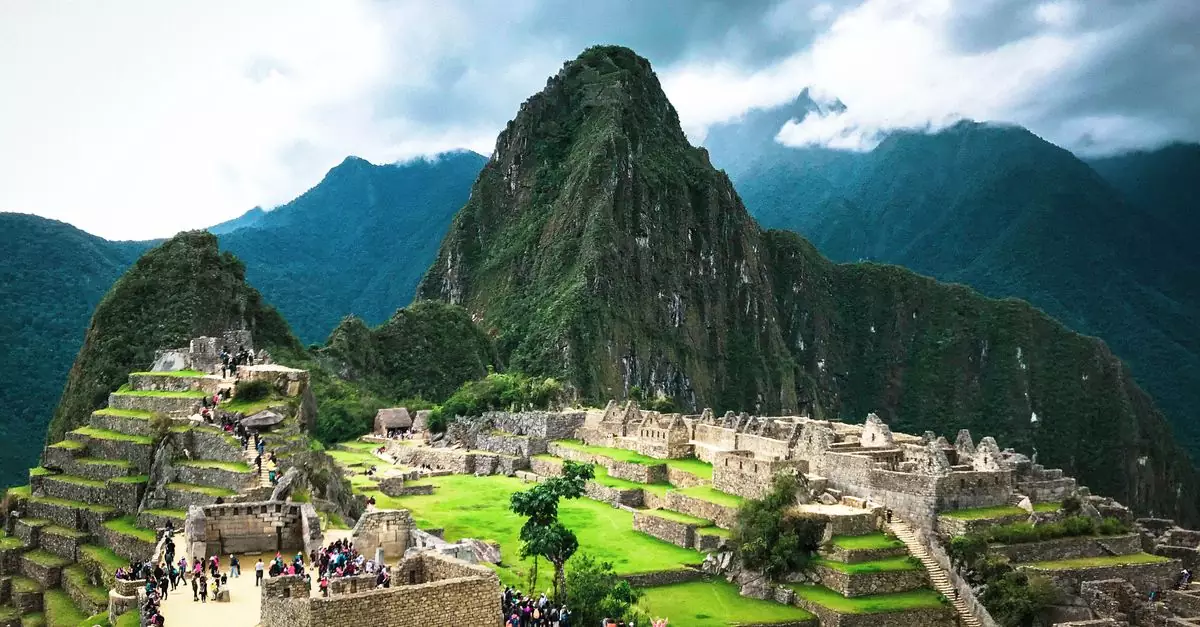
Embarking on a multi-country South America itinerary is an unforgettable experience, and this 3-week plan offers a compelling blend of ancient history, breathtaking landscapes, and vibrant culture across Peru, Bolivia, and Argentina. This route is designed for travelers seeking iconic sights without feeling rushed, providing a taste of each country’s unique charm. Careful planning of travel days, altitude, and varying climates will yield immense rewards.
Machu Picchu & the Sacred Valley (Peru): Ancient Wonders
Begin your journey in Cusco, Peru, the gateway to the Inca Empire. Allow at least three days to acclimatize to the altitude (around 11,000 feet / 3,400 meters) before exploring the city’s colonial architecture and Inca ruins like Sacsayhuaman. From Cusco, venture into the Sacred Valley, dotted with fascinating archaeological sites and indigenous markets.
Ollantaytambo offers a well-preserved Inca fortress and town, while Pisac is known for its vibrant Sunday market and hilltop ruins. The highlight is, of course, Machu Picchu. Most travelers opt for the train from Ollantaytambo to Aguas Calientes, the town at the base of the citadel. Booking your Machu Picchu entrance tickets and train well in advance is crucial, especially during peak season. If you have extra days and seek a more adventurous approach, consider hiking the Inca Trail, though this requires booking months ahead.
Logistics & Tips for Peru:
- Best Time to Visit: The dry season (May to October) offers the best weather for exploring the Andes.
- Getting Around: Flights into Cusco are common. Within the Sacred Valley, private taxis or shared vans (colectivos) are efficient.
- Altitude Sickness: Drink plenty of water, avoid alcohol on your first day, and consider coca tea.
Salar de Uyuni & La Paz (Bolivia): Salt Flats and Andean Culture
From Cusco, fly to La Paz, Bolivia, one of the highest capital cities in the world. La Paz is a sensory overload, with bustling markets, steep hillsides, and a unique cable car system (Mi Teleférico) offering panoramic views. Dedicate a day to exploring the vibrant Witches’ Market and historic Plaza Murillo.
The highlight for many travelers is the Salar de Uyuni, the world’s largest salt flat. A 3-day guided tour from Uyuni town is the standard way to experience this otherworldly landscape. These tours typically include visits to Isla Incahuasi (an island covered in giant cacti), colorful lagoons, geysers, and hot springs, often crossing into Chile. The sheer scale and stark beauty of the salt flats are unparalleled.
Logistics & Tips for Bolivia:
- Getting There: Flights from Cusco (CUZ) to La Paz (LPB) are available, often with a layover.
- Salar de Uyuni Tours: Book tours from Uyuni town or San Pedro de Atacama (Chile) if continuing your journey south. Basic accommodation is standard on these tours.
- Currency: Bolivian Boliviano (BOB). ATMs are available in La Paz and Uyuni.
Buenos Aires & Iguazu Falls (Argentina): Tango and Natural Grandeur
Your final destination for this itinerary is Argentina, offering a sophisticated urban experience in Buenos Aires and a natural wonder at Iguazu Falls. Fly from La Paz to Buenos Aires (EZE or AEP). Spend at least three days in the “Paris of South America,” immersing yourself in its European-style architecture, lively neighborhoods like La Boca and San Telmo, and the passionate culture of tango. Enjoy a traditional tango show and perhaps even take a beginner’s lesson.
From Buenos Aires, take a domestic flight to Puerto Iguazú (IGR) to witness the magnificent Iguazu Falls, a UNESCO World Heritage site. The Argentine side offers extensive walkways that bring you incredibly close to the thundering cascades, including the awe-inspiring Devil’s Throat. You can also take boat trips for a more immersive, albeit wet, experience. A day trip to the Brazilian side (Foz do Iguaçu) provides a different perspective and wider panoramic views.
Logistics & Tips for Argentina:
- Getting Around Buenos Aires: The subway (Subte) and buses are efficient for navigating the city.
- Iguazu Falls: Allow a full day for the Argentine side and consider a half-day for the Brazilian side.
- Currency: Argentine Peso (ARS). Be aware of currency fluctuations and consider using specialized money exchange services for better rates.
This 3-week itinerary provides a robust introduction to South America, covering diverse landscapes and cultures. While it involves significant travel between destinations, the experiences are well worth the effort, offering a truly memorable multi-country South America adventure.
An Extended 6-Week South America Journey: Brazil, Colombia & Ecuador
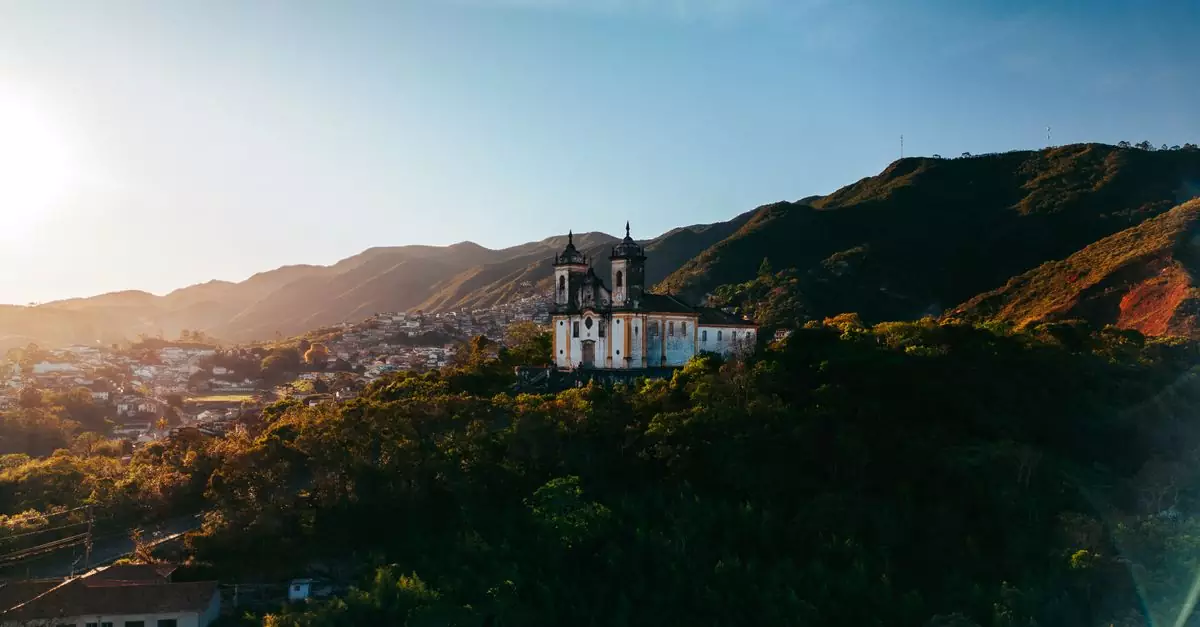
This expansive six-week itinerary offers a rich tapestry of South American experiences, moving from the vibrant energy of Brazil to the captivating history of Colombia, and finally to the unique biodiversity of Ecuador. It’s designed for travelers seeking a comprehensive introduction to the continent, balancing iconic sights with opportunities for deeper cultural immersion. Planning this multi-country South America trip requires attention to logistics, particularly flights between nations, but the rewards are immense.
Rio de Janeiro & the Amazon Rainforest (Brazil): Beaches and Biodiversity
Begin your South American adventure in Rio de Janeiro, a city synonymous with stunning natural beauty and infectious energy. Spend a few days soaking in the atmosphere at Copacabana and Ipanema beaches, perhaps taking a cable car up Sugarloaf Mountain for panoramic views. From Rio, transition to the unparalleled biodiversity of the Amazon Rainforest. Manaus serves as the primary gateway, with numerous lodges offering excursions into the jungle.
Logistics & Timing:
- Best Time to Visit Rio: December to March for hot, sunny weather and Carnival, though shoulder seasons (April-May, September-November) offer pleasant temperatures with fewer crowds.
- Best Time to Visit the Amazon: July to December is the dry season, offering better hiking conditions and more visible wildlife along riverbanks. January to June is the wet season, with higher river levels ideal for boat exploration.
- Getting Around: Flights are essential between Rio and Manaus. Within the Amazon, riverboats and small planes are the primary modes of transport.
- Accommodation: Rio offers everything from luxury hotels to budget-friendly hostels. Amazon lodges range from rustic to high-end, often including guided tours.
Cartagena & Medellín (Colombia): Colonial Charm and Innovation
Next, fly to Colombia, starting in the historic walled city of Cartagena. Wander through its colorful colonial streets, explore ancient fortresses, and enjoy the Caribbean atmosphere. From Cartagena, a short flight takes you inland to Medellín, a city that has transformed itself into a hub of innovation and culture. Ride the Metrocable for incredible city views and visit the vibrant Comuna 13 to witness its artistic revitalization.
Traveler Insights:
Cartagena is best experienced on foot, allowing you to get lost in its charming alleys. Medellín’s efficient public transport system, including the Metrocable, makes navigating the hilly terrain straightforward and offers unique city perspectives. While both cities are generally safe for tourists, exercising standard precautions, especially in crowded areas, is advisable.
| City | Average Daily Budget (USD) | Best For |
|---|---|---|
| Cartagena | $70 – $150 | History, Caribbean Culture, Architecture |
| Medellín | $60 – $120 | Innovation, Art, City Views, Nightlife |
Quito & the Galapagos Islands (Ecuador): Volcanic Landscapes and Unique Wildlife
Conclude your multi-country South America itinerary in Ecuador. Begin in Quito, one of South America’s highest capital cities, boasting a remarkably well-preserved colonial center. Spend a day or two acclimatizing and visiting the equator line at Mitad del Mundo. The true highlight, however, is the Galapagos Islands. Fly from Quito or Guayaquil to Baltra or San Cristobal and embark on a multi-day cruise or stay on one of the inhabited islands to witness unparalleled wildlife.
Galapagos Considerations:
Access to the Galapagos Islands requires flying from mainland Ecuador. Cruises offer the most comprehensive way to see multiple islands, but land-based tours are also available for those on a tighter budget or preferring more flexibility. Booking well in advance is crucial, especially for popular cruise dates. The unique ecosystem demands responsible tourism; always follow guide instructions and park regulations.
- Flights: Numerous daily flights operate between Quito and the Galapagos (Baltra or San Cristobal).
- Visits: Many travelers opt for 4-day, 5-day, or 8-day cruises, which include guided excursions to various islands.
- Wildlife: Expect to see giant tortoises, marine iguanas, blue-footed boobies, sea lions, and much more.
Seamless Travel: Getting Around Your South America Itinerary
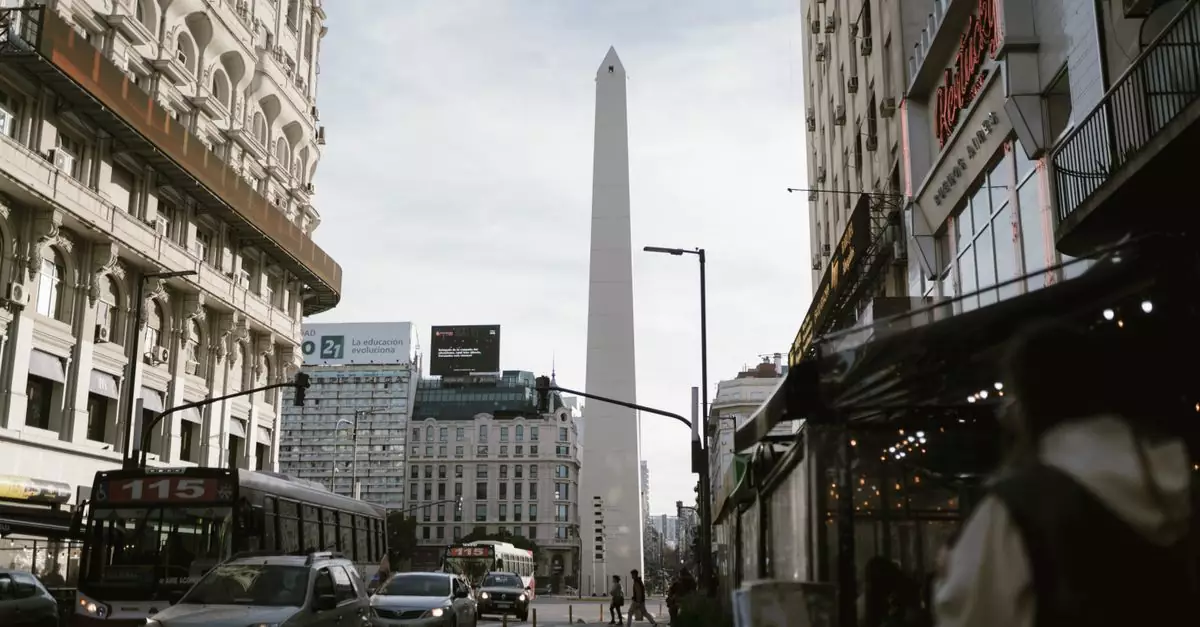
Navigating South America requires a thoughtful approach to transportation, especially when piecing together a comprehensive itinerary that spans diverse landscapes and cultures. The continent’s vastness means that the best multi-country South America itinerary will likely involve a mix of travel methods, from high-altitude flights to winding bus routes. Planning your transit in advance is key to maximizing your time and minimizing stress.
Inter-Country Flights: The Fastest Route for Extended Itineraries
For covering significant distances between countries, particularly on a tighter schedule, flying is often the most efficient option. Major hubs like Lima, Bogotá, and São Paulo offer numerous connections to other capital cities and popular tourist destinations. Airlines such as LATAM, Avianca, and Aerolíneas Argentinas operate extensive networks across the continent.
Booking flights in advance, especially during peak travel seasons, can lead to substantial savings. Be aware that baggage allowances can vary significantly between airlines, so it’s wise to check these details before you fly. Consider the time needed for airport transfers and check-in procedures, as these can add several hours to your travel day.
Buses and Overland Travel: Scenic Routes and Budget-Friendly Options
When time is less of a constraint or you’re aiming for a more immersive and budget-conscious experience, overland travel via bus is an excellent choice. South America boasts a well-developed long-distance bus network, connecting even remote towns. Companies like Cruz del Sur in Peru, Andesmar in Argentina, and GOL Linhas Aéreas in Brazil (though primarily an airline, it partners with bus services) offer comfortable services, often with reclining seats and onboard amenities.
Traveling by bus allows you to witness the changing landscapes firsthand, from arid coastlines to lush mountain passes. However, journeys can be lengthy, with some routes taking over 24 hours. It’s advisable to book tickets a few days in advance, especially for popular routes or overnight travel. For longer trips, consider breaking up the journey with overnight stops in smaller towns to rest and sightsee.
Local Transportation: Navigating Cities like Lima, Santiago, and São Paulo
Within cities, transportation options are diverse. Major urban centers like Lima, Santiago, and São Paulo offer a range of choices. Taxis are readily available, but it’s recommended to use reputable companies or ride-sharing apps like Uber or Cabify for safety and fixed pricing. Many cities also have extensive public bus systems, which are very affordable but can be crowded and confusing for first-time users.
Metro systems are efficient in cities like Santiago, Buenos Aires, and São Paulo, providing a fast way to bypass traffic congestion. For shorter distances, walking is often the best way to absorb the local atmosphere and discover hidden gems. Consider purchasing a local SIM card upon arrival to facilitate the use of navigation apps and ride-sharing services.
Essential Travel Apps for South American Navigation
Leveraging technology can significantly simplify navigation across South America. Google Maps is invaluable for general directions, public transport routes, and estimating travel times. Ride-sharing apps like Uber and Cabify are widely used in most major cities and offer a convenient way to hail taxis.
For bus schedules and booking, platforms like Busbud or RedBus can be helpful, though direct booking through the bus company websites is often more reliable. Offline map downloads through Google Maps are a lifesaver in areas with spotty internet connectivity. Learning a few basic Spanish or Portuguese phrases will also greatly enhance your ability to communicate with local drivers and transit staff.
Must-Try Local Foods and Culinary Experiences Across South America

Embarking on a multi-country South America itinerary is as much a feast for the senses as it is for the eyes. The continent’s diverse culinary landscape offers a delicious journey through distinct flavors, ingredients, and traditions. From the freshest seafood to hearty stews and vibrant cocktails, tasting your way through South America is an essential part of the travel experience.
Peruvian Ceviche and Pisco Sours in Lima
Lima, often hailed as the gastronomic capital of South America, is the undisputed king of Peruvian cuisine. At its heart is ceviche, a dish where fresh raw fish is marinated in lime juice, mixed with chili peppers, onions, and cilantro. The acidity of the lime “cooks” the fish, creating a bright, zesty, and refreshing appetizer. For an authentic experience, visit a cevichería in districts like Miraflores or Barranco.
No culinary tour of Lima is complete without sampling a Pisco Sour. This iconic cocktail is made with pisco (a grape brandy), lime juice, simple syrup, egg white, and a dash of Angostura bitters. The frothy top and balanced sweet-and-sour profile make it the perfect accompaniment to ceviche. Many bars and restaurants offer Pisco Sour-making classes, providing a fun, hands-on way to learn about Peru’s national drink.
Argentine Asado and Malbec in Mendoza
Argentina is synonymous with its world-renowned beef, and the asado is more than just a barbecue; it’s a social ritual. This traditional Argentine grill features various cuts of beef, often slow-cooked over wood embers. The smoky, tender meat is a highlight for many travelers. For the best asado experience, consider visiting a parrilla (steakhouse) in Buenos Aires or venturing into the wine country around Mendoza.
Mendoza, Argentina’s premier wine region, is the ideal place to pair your asado with a glass of robust Malbec. This deep-red wine, with its notes of plum and violet, is Argentina’s signature varietal. Many wineries offer tours and tastings, allowing you to sample different Malbecs and learn about the winemaking process. Enjoying a grilled steak with a glass of local Malbec amidst the stunning Andean foothills is an unforgettable Argentine experience.
Brazilian Feijoada and Caipirinhas in Rio
In Brazil, feijoada stands out as the national dish, a hearty black bean stew simmered with various cuts of pork and beef. Typically served on Wednesdays and Saturdays, it’s a flavorful and filling meal, often accompanied by rice, farofa (toasted cassava flour), collard greens, and orange slices. For an authentic taste, seek out traditional restaurants in Rio de Janeiro or São Paulo.
To wash down the richness of feijoada, the caipirinha is the quintessential Brazilian cocktail. Made with cachaça (a spirit distilled from sugarcane), sugar, and muddled lime, it’s a potent and refreshing drink. The vibrant energy of Rio de Janeiro provides the perfect backdrop for sipping a caipirinha on the beach or at a lively samba club.
Colombian Bandeja Paisa and Aguardiente in Medellín
Medellín, the capital of the Antioquia region, is famous for its bandeja paisa. This colossal platter is a true test of appetite, featuring rice, red beans, ground beef, chicharrón (fried pork belly), plantain, avocado, chorizo, a fried egg, and a small corn cake (arepa). It’s a deeply satisfying and calorically dense dish that reflects the region’s agricultural heritage.
Accompanying this hearty meal, aguardiente is Colombia’s anise-flavored liquor. While it may be an acquired taste for some, it’s a popular choice for social gatherings and celebrations. In Medellín, you’ll find aguardiente served in small glasses, often shared among friends. Experiencing the local flavors and social customs around aguardiente is integral to understanding Colombian culture.
Frequently Asked Questions About Planning a Multi-Country South America Trip
What is the safest way to travel between countries in South America?
For the best multi-country South America itinerary, consider flying for longer distances between countries. Major airlines operate routes connecting capital cities and popular tourist hubs. This is generally the most efficient and secure method, especially when time is a factor.
For shorter border crossings, reputable bus companies offer comfortable and reliable services. Look for companies with good reviews and book tickets in advance, particularly for overnight journeys. Research specific border crossing points for safety and ease of transit.
What’s the best time of year for a multi-country South America trip?
The ideal time for a multi-country South America trip depends heavily on the regions you plan to visit, as the continent spans diverse climates.
- Dry Season (May to October): Generally a good time for visiting the Andes (Peru, Bolivia, Ecuador) and Patagonia (Argentina, Chile). You’ll find clearer skies and more stable weather for hiking. However, this is also peak tourist season.
- Wet Season (November to April): This period is better for the Amazon rainforest (Brazil, Peru, Ecuador) as rivers are higher, making navigation easier. It’s also the shoulder season in many areas, offering fewer crowds and potentially lower prices. Be prepared for rain, especially in tropical zones.
Consider the specific destinations:
- Galapagos Islands: Accessible year-round, though wildlife activity varies seasonally.
- Rio de Janeiro: Warm and humid year-round, with peak heat and rain in summer (December-March).
How much does a 3-week multi-country South America itinerary typically cost?
A 3-week multi-country South America itinerary can range significantly in cost, from $2,500 to $6,000+ per person, excluding international flights to the continent. This estimate depends on your travel style, accommodation choices, and the countries visited.
| Category | Budget Traveler ($) | Mid-Range Traveler ($$) | Comfort Traveler ($$$) |
|---|---|---|---|
| Accommodation | $20-50/night | $60-120/night | $150+/night |
| Food | $20-30/day | $40-60/day | $70+/day |
| Transportation | $50-100/week | $100-200/week | $200+/week |
| Activities/Tours | $30-50/day | $60-100/day | $100+/day |
| Total (3 weeks) | ~$2,500 – $3,500 | ~$3,500 – $5,000 | ~$5,000 – $6,000+ |
Budget Traveler assumes hostels, local eateries, public transport, and free/low-cost activities.
Mid-Range Traveler includes comfortable guesthouses or 3-star hotels, a mix of local and tourist restaurants, some internal flights, and guided tours.
Comfort Traveler opts for boutique hotels or 4-5 star accommodations, fine dining, frequent flights, and private tours.
What essential items should I pack for a diverse South America itinerary?
Packing for a multi-country trip across South America requires versatility due to varied climates and activities.
- Clothing: Layers are key. Pack moisture-wicking base layers, fleece or down mid-layers, and a waterproof/windproof outer shell. Include quick-drying pants, shorts, t-shirts, and long-sleeved shirts. Don’t forget swimwear, a hat, and sunglasses.
- Footwear: Comfortable walking shoes or hiking boots are essential. Consider sandals or flip-flops for warmer regions or downtime.
- Health & Safety: A basic first-aid kit, insect repellent (especially for the Amazon), sunscreen, and any personal medications. Hand sanitizer is also useful.
- Documents & Money: Passport, visas (if required), copies of important documents, credit/debit cards, and some local currency.
- Electronics: Universal travel adapter, portable power bank, and camera.
- Miscellaneous: Daypack, reusable water bottle, travel towel, and a good book.