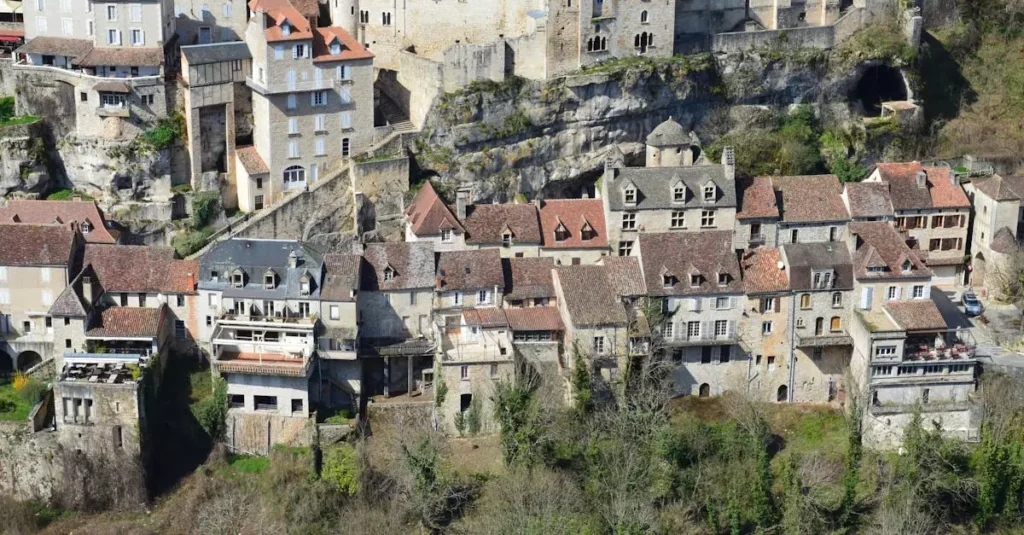
For those dreaming of an escape filled with history, charm, and tranquility, France’s countryside beckons. Beyond the iconic landmarks of Paris and the glamour of the Riviera, a different kind of magic unfolds in its villages and rural landscapes. Here, authentic experiences await, offering a slower pace and a genuine connection to French culture.
If you’re planning a trip and seeking immersion in a more traditional way of life, you’ve come to the right place. We’ll guide you through what makes these rural escapes so special and highlight some of the best countryside towns in France that promise an unforgettable journey. Discover how to embrace the local pace, savor regional flavors, and find serenity amidst some of Europe’s most beautiful landscapes.
Why Choose France’s Countryside for Your Next Vacation?
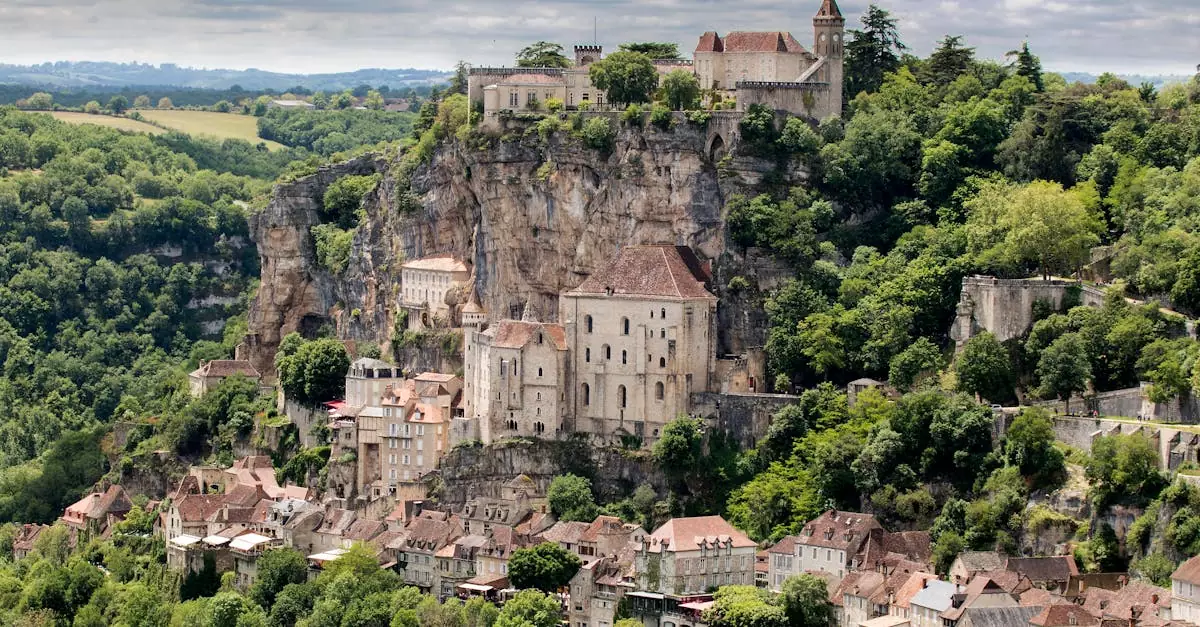
For travelers seeking a break from the everyday, France’s countryside offers a compelling alternative to its bustling cities. The allure lies in its unhurried pace, picturesque landscapes, and the chance to immerse oneself in a more traditional way of life. Venturing beyond Paris and Nice opens up a world of authentic experiences that resonate deeply with those looking for genuine connection and tranquility.
Experiencing Authentic French Village Life
The true heart of France beats in its villages. Here, life unfolds at a gentler rhythm, centered around local markets, boulangeries, and the convivial atmosphere of a village square. Residents are eager to share their local traditions and culinary heritage, creating a welcoming spirit. Wandering through cobblestone streets lined with stone houses and blooming flowers connects you to centuries of history and culture. It’s an opportunity to step back in time and appreciate the simple pleasures that define rural French living.
Escaping the Crowds: Serenity in Rural France
One of the most significant draws of the French countryside is its ability to offer genuine peace and quiet. Unlike well-trodden tourist paths, rural France provides expansive landscapes where you can truly disconnect. Whether it’s the rolling vineyards of Burgundy, the lavender fields of Provence, or the dramatic coastline of Brittany, these areas invite quiet contemplation and a chance to recharge. For travelers prioritizing tranquility, the best countryside towns in France are invaluable for their serene settings.
A Feast for the Senses: Nature and Gastronomy
French rural regions are renowned for their natural beauty and exceptional cuisine. Each area boasts unique landscapes, from the verdant valleys of the Loire to the rugged mountains of the Auvergne. This natural bounty directly influences local gastronomy, with fresh, seasonal ingredients forming the basis of regional specialties. Visiting local farms, attending wine tastings, and dining in family-run auberges offer immersive culinary journeys. It’s a chance to savor authentic flavors and understand the deep connection between the land and the table.
Top 5 Charming Countryside Towns in France You Must Visit
France is known for its vibrant cities, but its true magic often lies in its smaller villages and towns. Escaping to the French countryside provides an opportunity to experience a slower pace of life, savor regional flavors, and immerse yourself in history and natural beauty. If you’re seeking an authentic escape, these top countryside towns promise unforgettable experiences.
Colmar, Alsace: Fairytale Architecture and Wine Routes
Colmar, in the Alsace region, feels like stepping into a storybook. Its well-preserved old town features colorful half-timbered houses, flower-draped balconies, and picturesque canals, earning it the nickname “Little Venice.” Wandering its cobblestone streets is a delight, with charming boutiques, artisan shops, and traditional Alsatian restaurants at every turn.
The town is also a gateway to the Alsace Wine Route, one of France’s oldest and most scenic wine trails. Renting a car or joining a guided tour lets you visit local vineyards, sample renowned white wines like Riesling and Gewürztraminer, and enjoy the rolling vineyard landscapes.
Traveler Tip: Visit during the Christmas market season (late November to December) for a magical atmosphere filled with festive lights and traditional crafts.
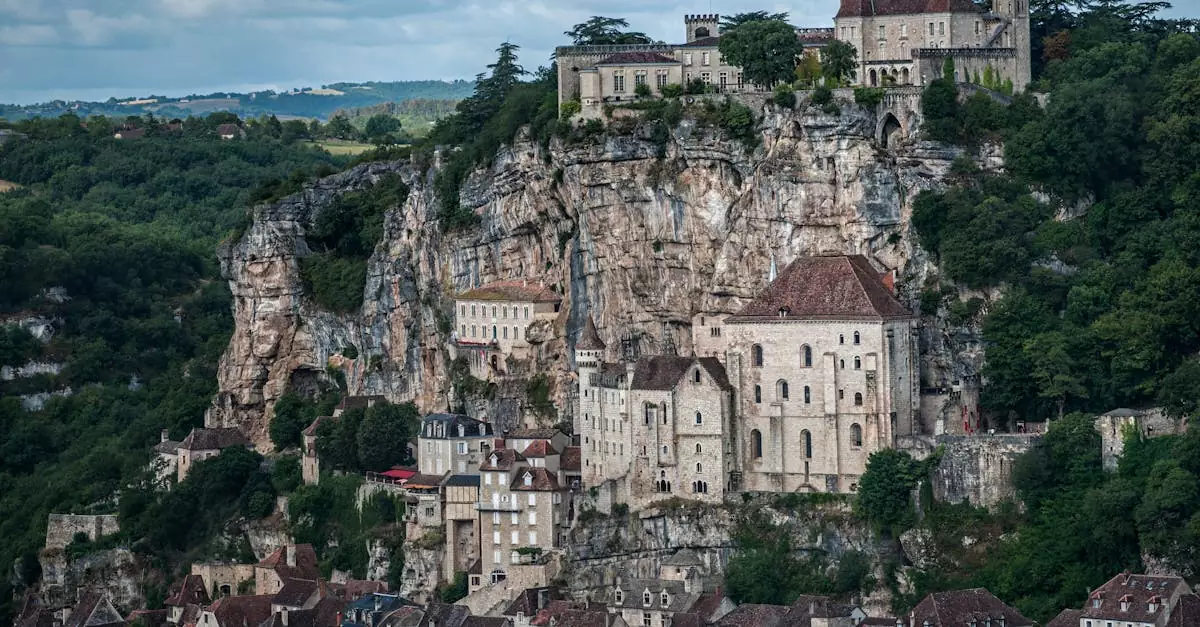
Rocamadour, Lot: A Medieval Pilgrimage Site on the Cliffs
Perched dramatically on a cliff in the Lot department, Rocamadour is a breathtaking medieval village steeped in spiritual history. This ancient pilgrimage site draws visitors with its cluster of religious buildings, including the sanctuary and chapels built into the rock. The views from the village over the Alzou canyon are spectacular.
Exploring Rocamadour involves climbing numerous stairs, but the journey rewards you with stunning architecture and panoramic vistas. The village is small, yet its historical significance and unique setting make it a standout destination. It’s also an excellent base for exploring the wider Dordogne region, known for its prehistoric caves and châteaux.
Logistics: Rocamadour is best reached by car. Parking is available at the lower part of the village, with shuttle services or a significant walk to the upper levels.
Gordes, Provence: Perched Village with Lavender Fields
Gordes, a quintessential Provençal hilltop village, offers sweeping views of the Luberon valley and is surrounded by the fragrant lavender fields that define the region. Its honey-colored stone buildings cascade down the hillside, creating a postcard-perfect scene. The village’s narrow streets, arches, and ancient fountains invite leisurely exploration.
In summer, the countryside bursts into vibrant purple with blooming lavender, making it an incredibly scenic time to visit. Nearby attractions include the Sénanque Abbey, a Cistercian monastery famous for its lavender-filled courtyards, and the Ochre Trail (Sentier des Ocres) in Roussillon.
Best Time to Visit: For the lavender blooms, plan your visit for late June to mid-July.
Saint-Émilion, Bordeaux: UNESCO Wine Village and Underground Catacombs
Saint-Émilion, a UNESCO World Heritage site in the heart of the Bordeaux wine region, is a must-visit for any wine enthusiast. This charming medieval town is famous for its prestigious Grand Cru wines and unique underground architecture. The most striking feature is the monolithic church, carved directly from limestone rock in the 12th century.
Guided tours offer a fascinating glimpse into the town’s history, including visits to the subterranean church, catacombs, and hermit caves. Beyond the underground wonders, Saint-Émilion’s cobblestone streets are lined with wine shops, tasting rooms, and elegant restaurants. Exploring the surrounding vineyards, perhaps by bike or on a wine tour, is an essential part of the experience.
Budget Consideration: While wine tasting and tours can add up, many châteaux offer affordable tasting experiences, and the town itself is free to wander.
Beyond the Famous: Uncovering Hidden Gem Countryside Towns
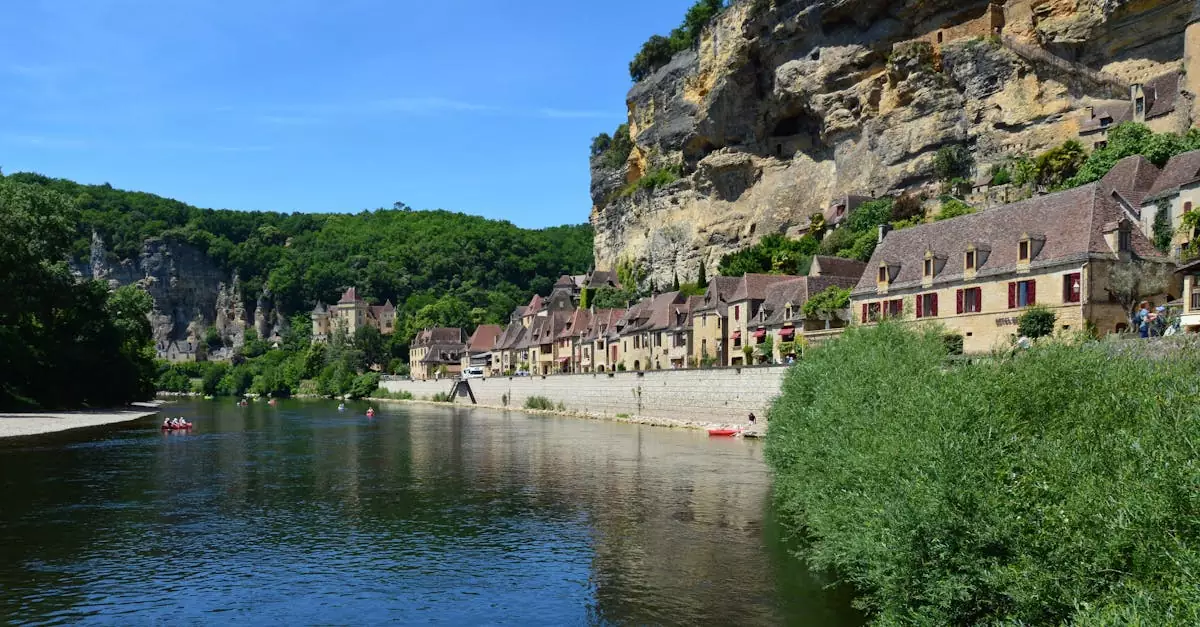
While Paris and the Riviera draw crowds, France’s true charm often lies in its lesser-known villages. These destinations provide a more intimate glimpse into French life, with fewer tourists and a stronger sense of local culture. If you’re seeking an authentic escape, consider these captivating countryside towns that deliver history, beauty, and tranquility.
Conques, Aveyron: A Romanesque Masterpiece on the Camino
Perched dramatically on a hillside overlooking the Dourdou River, Conques is a medieval village that feels frozen in time. Its most striking feature is the Abbey Church of Sainte-Foy, a UNESCO World Heritage site and a jewel of Romanesque architecture. Pilgrims on the famous Camino de Santiago route have visited this spiritual haven for centuries, drawn by its sacred relics and serene atmosphere.
Wandering through Conques’ narrow, winding streets, you’ll encounter stone houses adorned with colorful flowers and artisan workshops. The village has preserved its medieval layout, creating an immersive historical experience. Be prepared for steep inclines; comfortable walking shoes are essential for navigating the cobblestone paths.
Getting to Conques: The nearest major train station is Rodez, from which you can take a bus or taxi. Driving offers more flexibility for exploring the surrounding Aveyron region, but parking within the village itself is limited. Consider staying in a nearby town like Decazeville for easier vehicle access.
Eguisheim, Alsace: One of France’s Most Beautiful Villages
Eguisheim, also in Alsace, is renowned for its circular layout and vibrant, half-timbered houses. This picturesque village consistently ranks among “The Most Beautiful Villages of France” (Les Plus Beaux Villages de France). Its unique design, with streets spiraling outwards from the central castle, makes it a delight to explore on foot.
The village is a gateway to Alsace’s famed Wine Route. Numerous vineyards surround Eguisheim, offering opportunities for wine tasting and vineyard tours. Spring and autumn are particularly pleasant times to visit, with blooming flowers or the colors of the grape harvest.
Local Delights: Don’t miss trying local Alsatian specialties, such as tarte flambée (flammekueche) and choucroute garnie. The village’s many winstubs (traditional wine taverns) provide an authentic culinary experience.
Moncontour, Vienne: A Well-Preserved Medieval Bastide Town
Moncontour, in the Vienne department of western France, is a beautifully preserved bastide town dating back to the Middle Ages. Its strategic hilltop location offers panoramic views of the surrounding countryside. The town’s layout, with its grid of streets and fortified walls, reflects its historical significance as a defensive stronghold.
Visitors can explore the remnants of its fortifications, including old ramparts and gateways. The central square, Place du Champ de Foire, is a lively hub with local markets and cafés. Moncontour serves as an excellent base for discovering the wider Poitou region, known for its historical sites and natural beauty.
Logistical Tips for Moncontour: While Moncontour itself is small, its proximity to larger towns like Poitiers makes it accessible. Poitiers offers a TGV train station and an airport. Renting a car is highly recommended for exploring the rural landscapes and smaller villages in the Vienne department.
Planning Your French Countryside Road Trip: Routes and Logistics
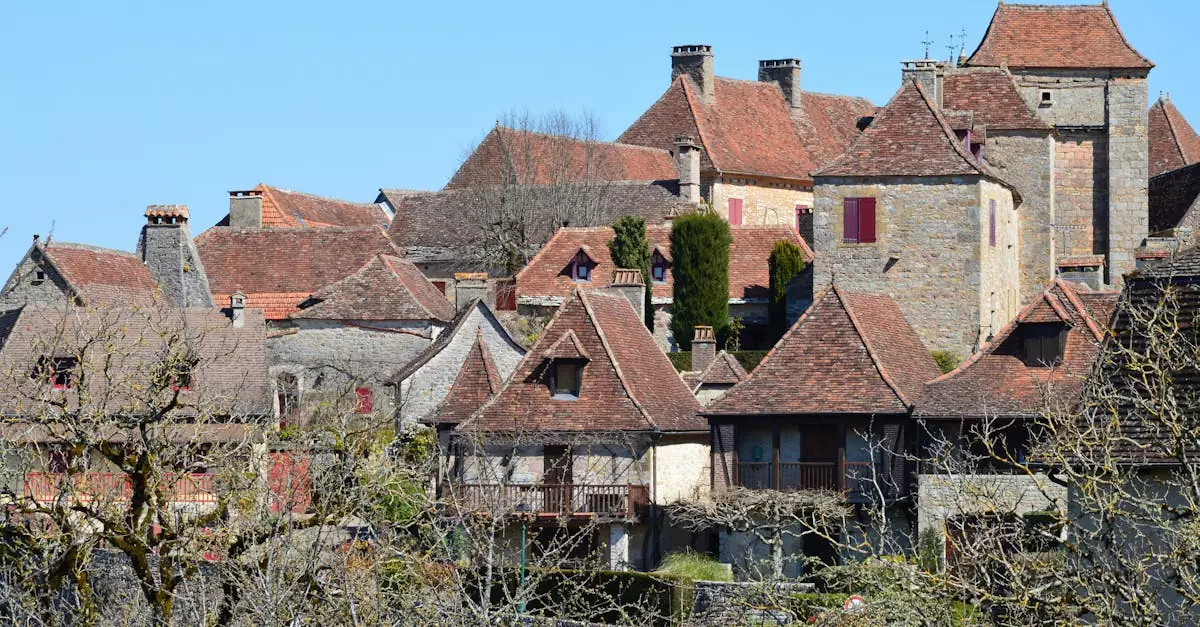
Embarking on a journey through France’s charming countryside requires thoughtful planning, especially regarding timing, transportation, and itinerary. Understanding these elements will help you craft an authentic escape away from the usual tourist trails.
Best Time to Visit France’s Countryside Towns
The ideal time to experience the best countryside towns in France depends largely on your priorities. Spring (April to June) offers blooming landscapes and pleasant temperatures, perfect for gentle exploration. Wildflowers carpet the fields, and the air is fresh, making it a beautiful season for photographers and nature lovers.
Summer (July to August) brings warmer weather and longer daylight hours, ideal for outdoor activities and village festivals. However, this is also peak tourist season, so expect larger crowds and higher prices in popular areas. Consider visiting less well-known regions during this time for a more relaxed experience.
Autumn (September to October) is delightful, characterized by harvest celebrations and stunning fall foliage. The crowds thin out, making it a more tranquil time to visit. The weather remains mild, and the changing colors of the vineyards and forests provide a picturesque backdrop.
Winter (November to March) offers a quieter, more intimate experience. While some attractions may have reduced hours, the crisp air, cozy inns, and festive Christmas markets in some towns create a unique charm. It’s a budget-friendly option for those seeking a peaceful retreat.
| Season | Months | Pros | Cons |
|---|---|---|---|
| Spring | April – June | Blooming landscapes, mild temperatures, fewer crowds than summer | Unpredictable weather can occur |
| Summer | July – August | Warmest weather, long daylight, village festivals | Peak tourist season, higher prices |
| Autumn | September – October | Harvest season, fall foliage, thinning crowds, mild weather | Shorter daylight hours begin |
| Winter | November – March | Quietest, festive markets, budget-friendly, cozy atmosphere | Reduced opening hours, colder weather |
Navigating Rural France: Car Rentals and Public Transport Options
A car is often the most practical way to explore the best countryside towns in France, offering flexibility to visit remote villages and scenic routes. Car rental agencies are readily available at major airports and in larger cities. It’s advisable to book in advance, especially during peak season, and ensure you have an International Driving Permit if required. Roads in rural France are generally well-maintained, though some smaller lanes can be narrow.
Public transport in rural France can be less frequent and may require careful planning. Trains connect larger towns, but reaching smaller villages often necessitates local buses, which can have limited schedules. For instance, reaching a village like Gordes in Provence might involve a train to Avignon followed by a bus, or more easily, a direct drive. Travelers relying solely on public transport should meticulously research bus routes and timings well in advance.
Consider these transport tips for your rural French adventure:
- Car Rental: Essential for maximum flexibility. Book compact cars for easier navigation on narrow country lanes.
- GPS/Navigation: A reliable GPS or smartphone navigation app is indispensable for rural areas where road signage can be inconsistent.
- Train Travel: Use SNCF for intercity travel, but be aware that reaching smaller villages will require further local transport.
- Local Buses: Check regional bus company websites for schedules, but be prepared for infrequent services.
- Taxis: Available in larger towns, but can be expensive for long distances. Pre-booking is recommended.
Suggested Itinerary: A 7-Day Countryside Exploration
This itinerary focuses on a blend of iconic landscapes and charming villages, offering a taste of rural French life. It assumes you have rented a car for flexibility.
Day 1-2: Loire Valley Châteaux and Villages
Arrive in the Loire Valley, perhaps near Tours. Spend your first day visiting iconic châteaux like Chambord or Chenonceau. Dedicate day two to exploring charming towns such as Amboise, with its royal château and Leonardo da Vinci’s final residence, and the picturesque village of Chinon.
Day 3-4: Normandy’s Coastal Charm and Rural Delights
Drive north to Normandy. Base yourself near Bayeux to explore its famous tapestry and cathedral. Visit the stunning Mont-Saint-Michel, a tidal island commune, and spend time in smaller coastal villages like Honfleur, known for its picturesque harbor.
Day 5-6: Provence’s Lavender Fields and Hilltop Towns
Head south to Provence. Explore the Luberon region, visiting villages like Gordes, Roussillon with its ochre cliffs, and Lourmarin. Depending on the season, you might catch the famous lavender fields in bloom. Enjoy local markets and Provençal cuisine.
Day 7: Departure
Depending on your departure point, you can either drive back to a major airport like Paris or Nice, or spend your final morning enjoying a last Provençal breakfast before heading to your departure gateway. This route offers a varied experience of France’s diverse countryside.
Savoring Local Flavors: Must-Try Foods in French Countryside Towns
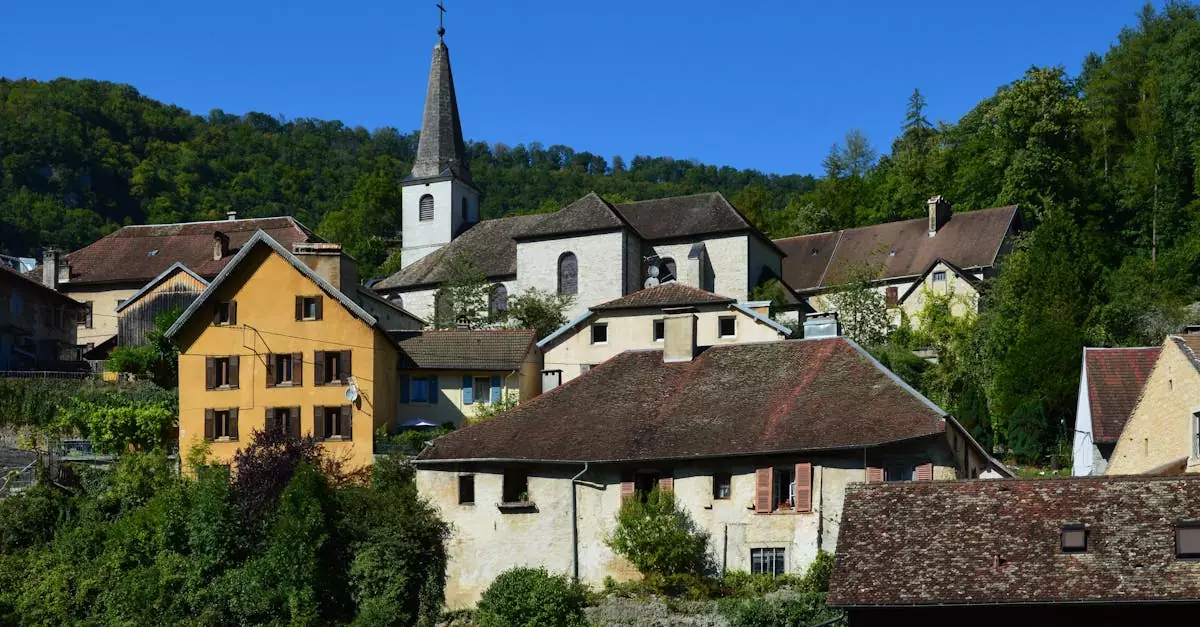
A journey through France’s countryside offers more than picturesque landscapes; it’s an invitation to indulge in a rich tapestry of regional culinary traditions. From hearty mountain fare to sun-drenched Mediterranean dishes, each town boasts unique specialties that reflect its history and local produce. Planning your culinary exploration is key to unlocking the authentic taste of rural France.
Alsatian Specialties: Tarte Flambée and Gewürztraminer
The Alsace region, with its distinct German influences, presents a delightful array of flavors. A must-try is the tarte flambée, a thin, crispy flatbread topped with crème fraîche, onions, and lardons. This simple yet satisfying dish is often enjoyed as a light meal or appetizer. Pair it with a glass of local Gewürztraminer, a fragrant white wine that beautifully complements the savory notes of the tarte flambée. Many villages in Alsace, such as Colmar or Eguisheim, offer charming restaurants where you can savor these traditional tastes.
Provençal Delights: Ratatouille and Rosé Wine
Southern France, particularly Provence, is synonymous with fresh, vibrant flavors. Ratatouille, a slow-cooked vegetable stew featuring eggplant, zucchini, tomatoes, and peppers, is a quintessential dish. Its simplicity allows the quality of sun-ripened ingredients to shine through. This dish is best enjoyed with a chilled glass of local Provençal rosé wine, a refreshing accompaniment to the region’s warm climate and light cuisine. Exploring towns like Gordes or Lourmarin provides ample opportunities to sample authentic Provençal cooking.
Bordeaux’s Gastronomy: Duck Confit and Médoc Wines
The Bordeaux region is globally renowned for its wines, but its culinary scene is equally impressive. Confit de canard, duck legs slow-cooked in their own fat until meltingly tender, is a rich specialty. This dish reflects the region’s agricultural heritage and pairs exceptionally well with robust, complex red wines from the Médoc appellation. Visiting a traditional auberge in a village like Saint-Émilion or Pauillac will offer an authentic taste of Bordeaux’s gastronomic prowess.
Regional Cheeses You Can’t Miss
France’s countryside is dotted with artisanal cheese producers, each offering a unique taste of the land. In the Loire Valley, look for Sainte-Maure de Touraine, a creamy goat cheese log coated in ash. Normandy is famous for its rich, buttery Camembert. Further south, in the Auvergne region, you’ll find robust, blue-veined cheeses like Bleu d’Auvergne or Cantal. Visiting local markets or farm shops is the best way to discover these regional treasures, often allowing you to sample them before purchasing. Consider a cheese-tasting tour to truly appreciate the diversity.
Frequently Asked Questions About Visiting French Countryside Towns
What is the best way to get around smaller French countryside towns?
Navigating smaller French countryside towns often requires a car. Public transport can be infrequent, with limited bus routes and train stations sometimes located a distance from the village center. Renting a car offers the most flexibility for day trips and reaching remote villages.
For exploring within larger villages or towns, walking is usually sufficient. Many have charming, compact centers that are best appreciated on foot. Consider bringing a bicycle if you plan to explore the surrounding rural landscapes extensively.
Are French countryside towns generally safe for tourists?
Yes, French countryside towns are generally very safe. Petty crime like pickpocketing is uncommon, especially compared to major cities. The primary concerns are usually related to road safety when driving or cycling, and being aware of your surroundings in any unfamiliar place.
It’s always wise to take standard precautions: secure your belongings, especially in rental cars, and be mindful of local customs. Emergency numbers in France are unified under 112.
What should I pack for a trip to the French countryside?
Packing for a trip to the French countryside depends heavily on the season. Comfortable walking shoes are essential, as you’ll likely be doing a lot of exploring on foot, often on cobblestone streets.
For warmer months, pack light layers, sun protection (hat, sunglasses, sunscreen), and insect repellent. In cooler seasons, layers are key, including a waterproof jacket, a warm sweater or fleece, and a scarf. Don’t forget a portable power bank for your devices, as charging points might be scarce when you’re out and about.
What are some common tourist mistakes to avoid in rural France?
A common mistake is expecting everything to be open all day, especially outside major tourist hubs. Many smaller shops and bakeries close for a few hours in the afternoon, typically between 12:30 PM and 2:30 PM. Plan your shopping and meal times accordingly.
Another frequent error is not learning a few basic French phrases. While many people in tourist areas speak some English, making an effort to use simple greetings and thank-yous in French is greatly appreciated and enhances your experience. Finally, be aware of driving on rural roads, which can be narrow and winding, and observe local speed limits.