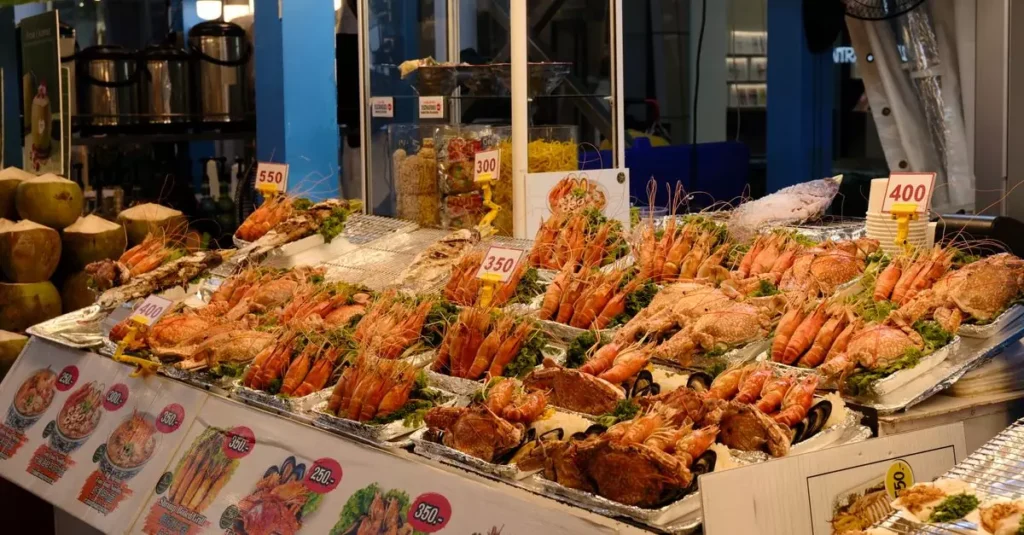
For culinary travelers, the world’s best seafood markets provide an immersive experience that goes beyond merely buying fish. These lively hubs bring together local culture, daily life, and the freshest ocean bounty. Exploring these bustling environments offers a unique chance to connect with a destination’s authentic flavors and traditions.
In this guide, you’ll learn what makes these markets special, from the excitement of discovering the freshest catch to understanding the intricacies of local commerce. We’ll cover how to identify peak seasonality, navigate crowded stalls, and make sustainable choices. Get ready to embark on a sensory journey that celebrates the sea’s incredible offerings and the communities that bring them to our tables.
Why Seek Out the World’s Best Seafood Markets?
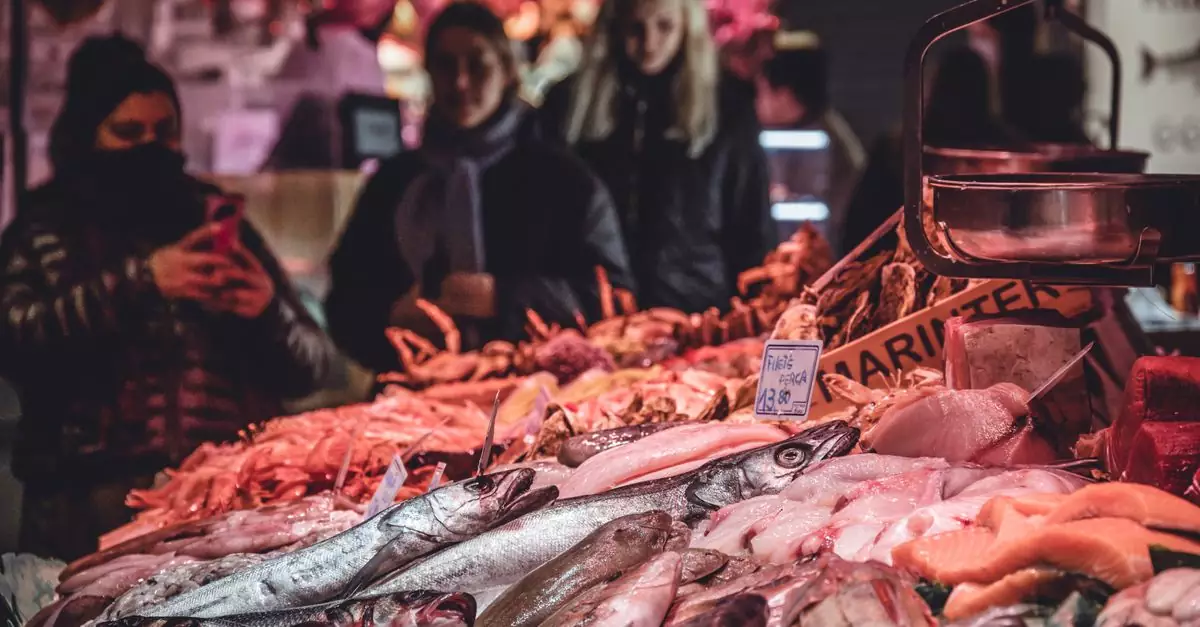
Visiting the world’s best seafood markets provides a unique perspective on a destination’s soul. These vibrant centers are more than just places to buy fish; they are dynamic locales of local life, economic activity, and culinary tradition. For food enthusiasts, these markets represent an unmatched opportunity to engage with a region’s authentic flavors and culture.
Experiencing Authentic Local Culture Through Food
The primary reason to visit a premier seafood market is the rich cultural experience it offers. Here, you witness daily routines, observe local interactions, and taste ingredients that form the backbone of regional cuisine. From the lively calls of vendors to the distinct aromas of brine and fresh catch, your senses come alive. Engaging with fishmongers, even across language barriers, can provide insights into local fishing practices and culinary preferences. Sampling freshly prepared delicacies on-site, such as grilled oysters or ceviche, forges an immediate connection to the community. This is where you discover the true taste of a place, far removed from tourist-centric restaurants.
Finding the Freshest Catch for Home Cooking
For travelers who enjoy cooking, the allure of a top-tier seafood market lies in its promise of unmatched freshness. These markets are often the first point of sale for fishermen, meaning the seafood is typically caught within hours of your visit. The sheer variety can be astonishing, featuring species you may never encounter in your local grocery store. Picture sourcing plump scallops directly from the boat or selecting a vibrant whole snapper for a memorable meal. Planning your trip around a renowned market can elevate a self-catered vacation, allowing you to prepare dishes with ingredients at their absolute peak. This direct access to quality produce transforms ordinary cooking into an extraordinary culinary adventure.
The Thrill of Discovery: Unearthing Hidden Culinary Gems
Beyond the well-known establishments, countless smaller, local seafood markets offer unique charms and discoveries. The excitement of finding these lesser-known spots lies in the element of surprise and the potential for uncovering exceptional culinary experiences. These hidden gems may be tucked away in quiet harbors or bustling neighborhoods, often overlooked by guidebooks. They can provide a more intimate and authentic encounter, where local chefs source their ingredients or where you can find regional specialties prepared with generations of expertise. The adventure of seeking out these places rewards the curious traveler with unique flavors and a deeper appreciation for how communities interact with their marine resources. It’s about the journey of discovery, unexpected encounters, and the satisfaction of uncovering a culinary treasure, perhaps even in unexpected corners of South America.
Top Seafood Markets in Europe for Unrivaled Freshness
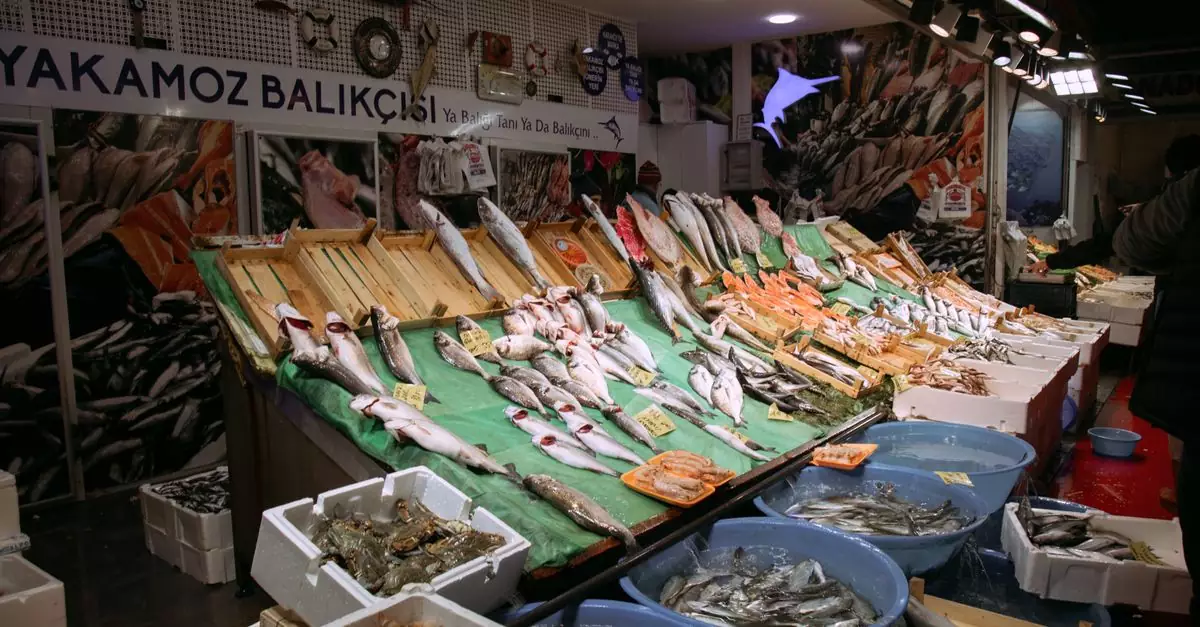
Europe boasts a rich maritime heritage, reflected in its vibrant and historic seafood markets. These bustling centers offer a direct connection to the day’s catch, showcasing the freshest offerings from local waters. For any culinary traveler, visiting these markets is essential, providing a sensory immersion into local life and a chance to sample the best of regional aquatic cuisine.
La Boqueria Market, Barcelona: Beyond the Tapas
While Barcelona is known for its tapas, a visit to La Boqueria Market offers a deeper culinary adventure. Located just off Las Ramblas, this iconic market is a kaleidoscope of colors, sounds, and aromas. Beyond the stalls piled high with fresh produce, you’ll discover an impressive array of seafood. From glistening sardines and plump mussels to intricate displays of octopus and cuttlefish, the variety is astounding.
Travelers can often find small bars within the market serving freshly prepared seafood dishes. Opt for a plate of grilled razor clams or a perfectly cooked piece of sea bass. The energy of La Boqueria is palpable, especially in the morning when fishermen deliver their hauls. Arriving early, ideally between 8 AM and 10 AM, allows you to experience the market at its most vibrant and secure the freshest selection.
- Best Time to Visit: Morning (8 AM – 10 AM)
- Getting There: Metro L3 (Liceu station) or L1/L3 (Catalunya station)
- Budget Tip: While some prepared dishes can be pricey, buying raw ingredients to cook yourself is very economical.
Rialto Fish Market, Venice: A Taste of the Adriatic
Venice’s Rialto Fish Market, known locally as Pescheria, is a cornerstone of Venetian life and a must-visit for seafood lovers. Situated on the Grand Canal, this historic market has been a hub for fishmongers for centuries. The air here is thick with the briny scent of the sea, a testament to the incredible variety of fish and shellfish sourced directly from the Adriatic.
Expect to see stunning displays of regional specialties, including scampi, sole, sea bream, and various types of clams and oysters. The market operates primarily in the morning, and its charm is amplified by the surrounding historic architecture. After browsing the stalls, consider visiting a nearby bacaro (traditional Venetian bar) for cicchetti (small snacks) featuring the day’s catch. A plate of sarde in saor (sweet and sour sardines) or a simple bowl of mussels is highly recommended.
The market’s location makes it easily accessible by Vaporetto (water bus). Aim to visit on a weekday morning, as it is closed on Sundays and Mondays. The atmosphere is lively but steeped in tradition, offering a genuine glimpse into Venetian commerce and cuisine.
- Getting There: Vaporetto Line 1 or 2 (Rialto stop)
- Local Specialty: Cicchetti made with fresh Adriatic seafood.
Bergen Fish Market, Norway: Gateway to Arctic Flavors
Bergen, Norway’s second-largest city, is a picturesque port town with a world-class fish market serving as a gateway to Arctic flavors. The Fisketorget, or Fish Market, is located in the heart of the city, adjacent to the historic Bryggen wharf. This market is celebrated for its exceptional quality and abundance of seafood, much of it caught in the cold, clear waters off the Norwegian coast.
Visitors will find an impressive selection of salmon, cod, halibut, and herring. For the adventurous, there are also king crab legs and freshly shucked oysters. While you can purchase seafood to take away, many vendors offer prepared dishes, allowing you to savor grilled fish, seafood platters, or creamy fish soups right amidst the market’s vibrant energy. The market is open year-round, but the summer months provide the most pleasant experience for outdoor dining and browsing.
The Bergen Fish Market offers a fantastic opportunity to taste the pristine quality of Norwegian seafood. It’s a place where local chefs source ingredients and where travelers can enjoy a fresh, delicious meal with a view of the harbor.
- Seasonal Highlight: King crab is often available and particularly prized.
- Traveler Insight: While the market is popular, its location in a major cruise port means it can get crowded. Morning visits are best for a more relaxed experience.
Asia’s Vibrant Hubs for Incredible Seafood
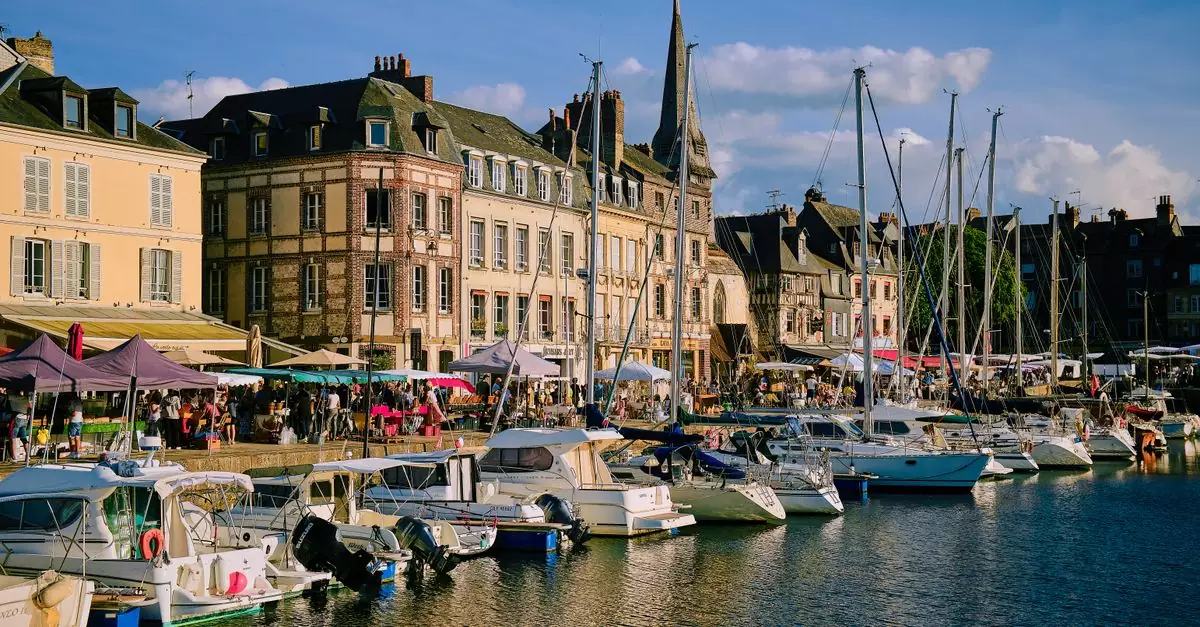
Asia is a continent where the ocean’s bounty is celebrated daily, from bustling morning markets to vibrant night bazaars. For travelers passionate about fresh, flavorful seafood, exploring these culinary hubs offers an unforgettable experience. These markets are not just places to buy fish; they are sensory journeys, showcasing local culture, culinary traditions, and the freshest catches from surrounding waters.
Tsukiji Outer Market, Tokyo: A Sushi Lover’s Paradise
While the famous inner wholesale fish market of Tsukiji moved to Toyosu in 2018, the Tsukiji Outer Market remains a vibrant destination for seafood lovers in Tokyo. This bustling area is packed with over 400 shops and restaurants, offering an incredible array of fresh seafood, produce, and kitchenware. Visitors can sample some of the world’s freshest sushi and sashimi, grilled scallops, oysters, and various other prepared seafood dishes right on the spot.
Practical Tips for Tsukiji Outer Market:
- Timing: Arrive early, ideally between 8 AM and 1 PM, to experience the market at its liveliest and find the best selection.
- Transportation: Easily accessible via the Tokyo Metro. The nearest stations are Tsukiji Station (Hibiya Line) and Tsukijishijo Station (Oedo Line).
- Budget: While some high-end sushi restaurants can be pricey, many stalls offer delicious and affordable snacks and small meals. Expect to spend ¥1,000–¥3,000 for a satisfying street food experience.
Chatuchak Weekend Market, Bangkok: From Street Food to Fresh Catches
Chatuchak Weekend Market in Bangkok is one of the world’s largest and most diverse markets, drawing millions of visitors annually. Beyond its vast selection of clothing, art, and handicrafts, Chatuchak features an impressive array of food stalls, including a dedicated section for fresh seafood. Here, you can find everything from live prawns and crabs to whole fish, often prepared on-site by skilled vendors. It’s a fantastic place to try grilled seafood skewers, spicy seafood salads, and flavorful noodle dishes.
Navigating Chatuchak’s Seafood:
- Best Time to Visit: The market is open on Saturdays and Sundays from approximately 9 AM to 6 PM. Arrive in the morning to avoid peak crowds and heat.
- Getting There: Take the BTS Skytrain to Mo Chit station or the MRT subway to Chatuchak Park station.
- What to Try: Look for freshly grilled river prawns, steamed crab with chili and lime, and oyster omelets. Many vendors offer pre-marinated seafood ready for grilling.
George Town Wet Market, Penang: Malaysian Seafood Delights
George Town’s Wet Market in Penang, Malaysia, provides a quintessential Southeast Asian market experience. Located near the historic heart of the city, this bustling market is a feast for the senses, filled with the calls of vendors, the aroma of spices, and the vibrant colors of fresh produce. For seafood enthusiasts, it’s a treasure trove, offering a wide variety of fish, prawns, squid, and shellfish sourced daily from the surrounding waters. Many local eateries and hawker stalls source their ingredients directly from this market, ensuring exceptional freshness.
Experiencing George Town’s Market:
- When to Go: The market is most active in the early morning, from around 6 AM to 11 AM. This is when the freshest catches arrive.
- Getting Around: The market is easily walkable from many hotels in George Town’s UNESCO World Heritage Site. Local buses also serve the area.
- Culinary Opportunities: After selecting your seafood, consider visiting a nearby hawker stall that offers cooking services. You can have your fresh catch prepared in various delicious Malaysian styles, such as sambal, curry, or steamed with ginger and soy sauce.
North America’s Coastal Treasures for Seafood Aficionados
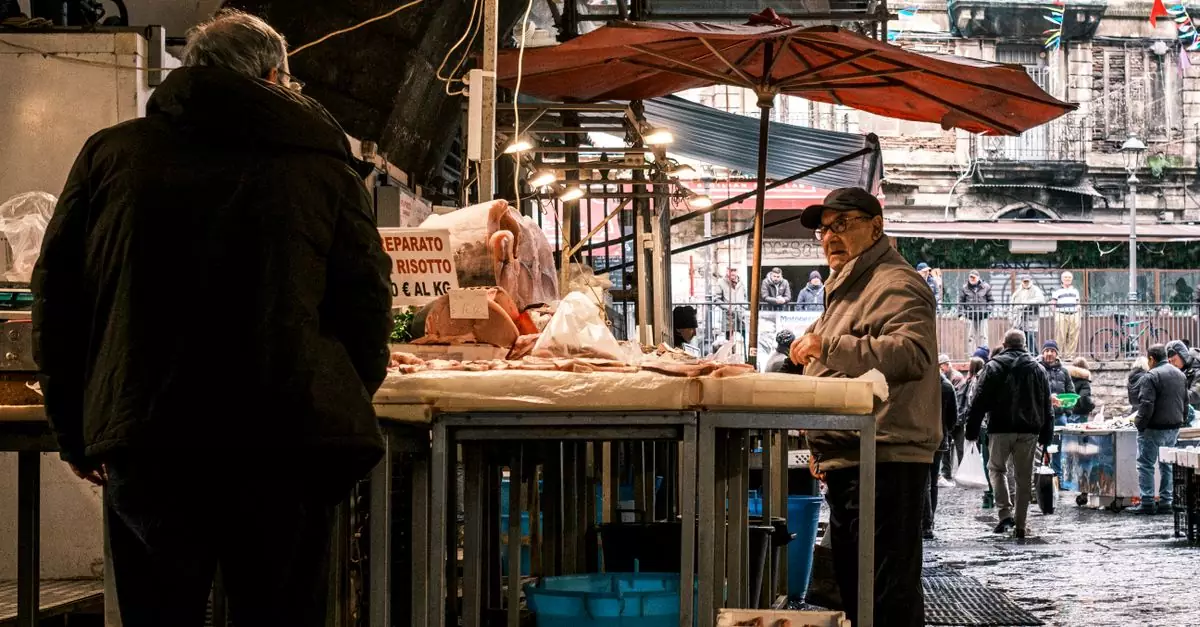
North America boasts a stunning array of coastal cities, each offering unique access to the world’s best seafood markets. From the bustling docks of the Pacific Northwest to the historic harbors of the East Coast, these destinations provide a true taste of the ocean’s bounty. For any culinary traveler, visiting these vibrant hubs is essential for experiencing regional flavors and local culture.
Pike Place Market, Seattle: Iconic Pacific Northwest Flavors
Seattle’s Pike Place Market is more than just a place to buy fish; it immerses you in the Pacific Northwest’s culinary scene. Established in 1907, it’s one of the oldest continuously operated public farmers’ markets in the United States. Here, you’ll find an impressive display of fresh catches, from glistening salmon and Dungeness crab to local oysters and geoduck. The “fish throwing” tradition highlights the market’s active trading and the freshness of its offerings.
Beyond the fish stalls, the market is a microcosm of Seattle’s vibrant food scene. Local farmers offer seasonal produce, artisanal cheese makers showcase their craft, and bakers tempt visitors with fresh bread. It’s easy to spend hours wandering through the various levels, sampling treats and soaking in the lively atmosphere.
Getting There: Pike Place Market is easily accessible via public transit, with numerous bus lines stopping nearby. For those driving, parking garages are available, though they can be expensive. The market is also a pleasant walk from many downtown hotels.
Best Time to Visit: While the market is open year-round, visiting on a weekday morning offers a less crowded experience. Summer months bring peak tourist activity but also the widest variety of fresh produce.
Faneuil Hall Marketplace, Boston: Historic East Coast Seafood
Faneuil Hall Marketplace in Boston blends history with a fantastic selection of East Coast seafood. This historic site, dating back to 1742, has served as a gathering place for locals and visitors for centuries. Within Quincy Market, the central hall, you’ll find numerous food vendors, many specializing in classic New England seafood dishes. Think steaming bowls of clam chowder, fresh lobster rolls, and fried Ipswich clams.
The market’s proximity to the harbor means that seafood arrives incredibly fresh. You can often find freshly shucked oysters, steamed mussels, and a variety of local fish prepared on the spot. It’s a dynamic environment where you can grab a quick, delicious bite or sit down for a more leisurely meal.
Local Tip: Don’t miss the chance to try a traditional New England clam bake if available, or sample lobster bisque from one of the many vendors.
Budgeting: While not the cheapest dining option, Faneuil Hall offers a range of price points. You can find affordable chowder or indulge in a more extravagant lobster dinner. Expect to spend $15-$30 per person for a substantial seafood meal.
Granville Island Market, Vancouver: Diverse Ocean Bounty
On Canada’s West Coast, Granville Island Market in Vancouver presents a diverse and high-quality seafood experience. Located on a peninsula in False Creek, this public market is a hub for local food producers and artisans. The seafood section is particularly impressive, featuring a wide array of Pacific species.
Visitors can find fresh halibut, lingcod, sablefish (black cod), and various types of salmon, including wild sockeye and coho. The market also excels in shellfish, with abundant offerings of oysters, mussels, clams, and spot prawns. Many vendors offer prepared items, allowing you to enjoy freshly cooked seafood right at the market.
Traveler Insight: Granville Island is best reached by Aquabus or False Creek Ferries, offering scenic views as you approach. Driving is an option, but parking can be challenging and costly.
Comparison: While Pike Place Market offers a raw, bustling energy, and Faneuil Hall leans into historic charm, Granville Island provides a refined yet vibrant atmosphere with an exceptional diversity of Pacific seafood. All three are essential stops for seafood lovers visiting North America.
What to Look For When Visiting a Top Seafood Market
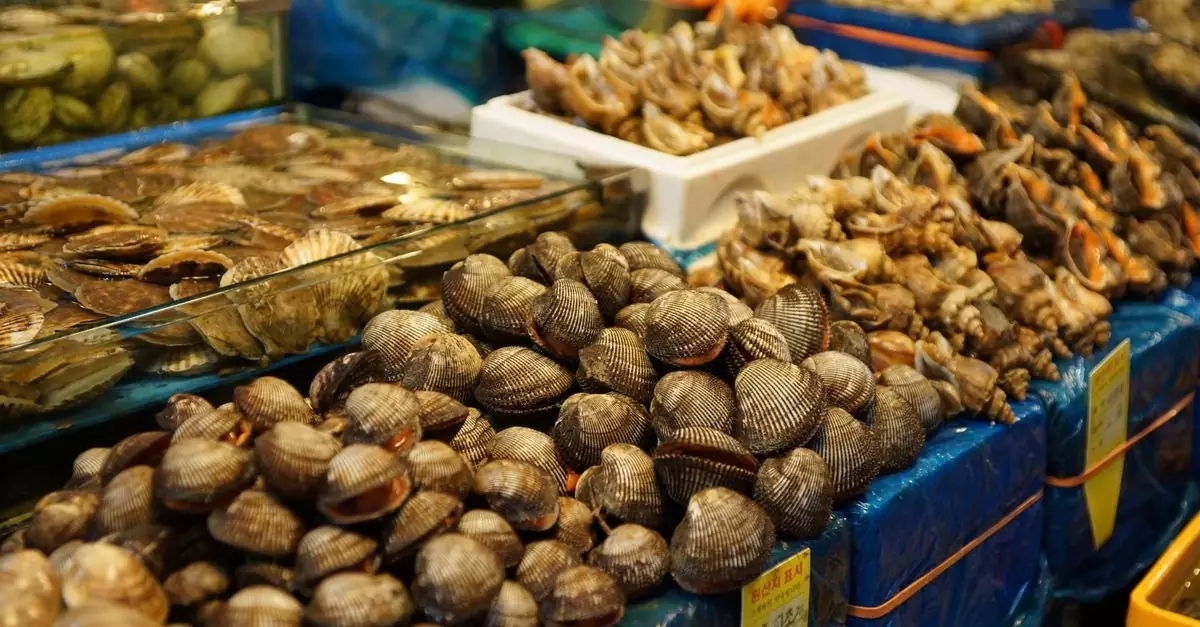
Navigating the vibrant chaos of the world’s best seafood markets requires a blend of local savvy and a keen eye. Whether you’re looking to find the freshest catch for a home-cooked meal or simply want to soak in the atmosphere, understanding a few key elements will enhance your experience. From identifying the prime time to visit to knowing how to gauge quality, these insights will help you make the most of your culinary exploration.
Identifying Peak Seasonality for Different Species
Understanding seasonality is crucial for experiencing seafood at its best. Fish and shellfish have specific breeding and feeding cycles that directly impact their availability and flavor. For example, scallops are often at their peak during colder months, while certain types of shrimp may be more abundant in warmer seasons.
Local vendors are invaluable resources for this information. Don’t hesitate to ask about what’s currently in season and why. They can guide you toward the freshest, most flavorful options, often reflecting the bounty of nearby waters. Researching regional fishing calendars before your trip can provide a helpful baseline, but always rely on the expertise of those on the ground.
Tips for Navigating Crowded Marketplaces
Many celebrated fish markets are bustling hubs of activity, particularly during peak hours. Arriving early, often just as the market opens, is the best strategy to avoid the densest crowds and secure the choicest selections. This timing also allows you to observe the market’s daily rhythm.
Wear comfortable, closed-toe shoes, as floors can be wet and slippery. Keep your belongings secure and close to your body to guard against pickpockets. If you plan to purchase a significant amount, consider bringing a cooler bag or insulated tote to keep your haul fresh, especially if you have a long journey back to your accommodation.
Understanding Local Pricing and Bargaining Etiquette
Prices at seafood markets can fluctuate based on supply, demand, and the specific day of the week. While some markets operate with fixed prices, others allow for negotiation, particularly if you’re buying in larger quantities. Observe how locals interact with vendors before attempting to bargain yourself.
In many cultures, a friendly demeanor and genuine interest in the product go a long way. It’s often more about polite back-and-forth than aggressive haggling. If a vendor is open to negotiation, start with a reasonable offer but be prepared to meet them in the middle. Always be respectful, even if you don’t reach an agreement.
Choosing Sustainable Seafood Options
As culinary travelers, we have a responsibility to support sustainable fishing practices. Look for markets that provide clear information about the origin of their seafood and how it was caught. Many vendors are increasingly knowledgeable about sustainability and can explain their sourcing methods.
Consider opting for species that are abundant and not overfished. Resources like the Monterey Bay Aquarium Seafood Watch guide can offer valuable insights, though local recommendations are often the most practical when you’re abroad. Supporting markets that prioritize responsible sourcing helps ensure the health of marine ecosystems for future generations.
Frequently Asked Questions About Global Seafood Markets
What are the best times of day to visit seafood markets?
The ideal time to visit most best seafood markets world is early morning. This is when the freshest catches arrive directly from boats, and vendors are most eager to make sales. Arriving before 9 AM often guarantees the widest selection and the best prices, especially in bustling port cities. Some markets also have a lively evening atmosphere, particularly those featuring prepared food stalls, offering a different but equally rewarding experience.
How can I transport fresh seafood safely if I’m traveling?
Transporting fresh seafood requires careful planning. For short distances, insulated bags with ice packs are essential. Ensure seafood is well-wrapped to prevent leaks. If traveling further, especially by air, check airline regulations regarding the transport of perishable goods. Many travelers opt to purchase seafood items that can be safely stored or preserved, like smoked fish or canned specialties, rather than live or raw catches. For longer journeys within regions like South America, consider purchasing items closer to your final destination or utilizing reputable local couriers if available.
Are there specific etiquette rules for interacting with vendors?
Respectful interaction is key. Many vendors appreciate a friendly greeting and genuine interest in their products. It’s common to ask about the origin of the fish or inquire about their specialties. Bargaining is acceptable in some markets, particularly in Asia and parts of South America, but always do so politely and with a good understanding of fair pricing. Avoid touching seafood directly unless invited to do so. A smile and a thank you go a long way.
Which markets offer the best opportunities for tasting prepared dishes?
Several markets excel in offering prepared seafood dishes alongside fresh produce. In places like Tokyo’s Tsukiji Outer Market (though the inner wholesale market has moved), you can find numerous stalls serving incredibly fresh sushi and grilled seafood. Similarly, the Borough Market in London offers a diverse range of prepared seafood options, from oysters to fish pies. Many Southeast Asian markets, such as those in Bangkok or Penang, are renowned for their vibrant street food scenes where you can sample expertly cooked fish, prawns, and calamari right on the spot. These markets are often as much about the culinary experience of tasting as they are about the shopping.