Greece is a land where history comes alive, offering an extraordinary journey through ancient civilizations. For travelers fascinated by the past, knowing the best historical places in Greece is crucial for creating an unforgettable itinerary. This guide will highlight the most significant and intriguing ancient sites, from the iconic Acropolis of Athens to the mythical Oracle of Delphi and the birthplace of the Olympic Games in Olympia.
You’ll uncover the stories behind these legendary landmarks, explore their architectural marvels, and gain insights into the daily lives, beliefs, and achievements of the people who shaped Western civilization. Prepare to delve into the foundations of democracy, philosophy, and art as we explore Greece’s enduring historical legacy.
Unveiling Ancient Wonders: Top Historical Sites in Greece
Greece, a cradle of Western civilization, is home to some of the most significant historical sites on Earth. For travelers eager to connect with the past, the country offers an unparalleled journey through time. From iconic landmarks to lesser-known ruins, understanding the best historical places in Greece is essential for planning an unforgettable trip. This guide highlights key sites that every visitor should consider.
Acropolis of Athens: The Crown Jewel
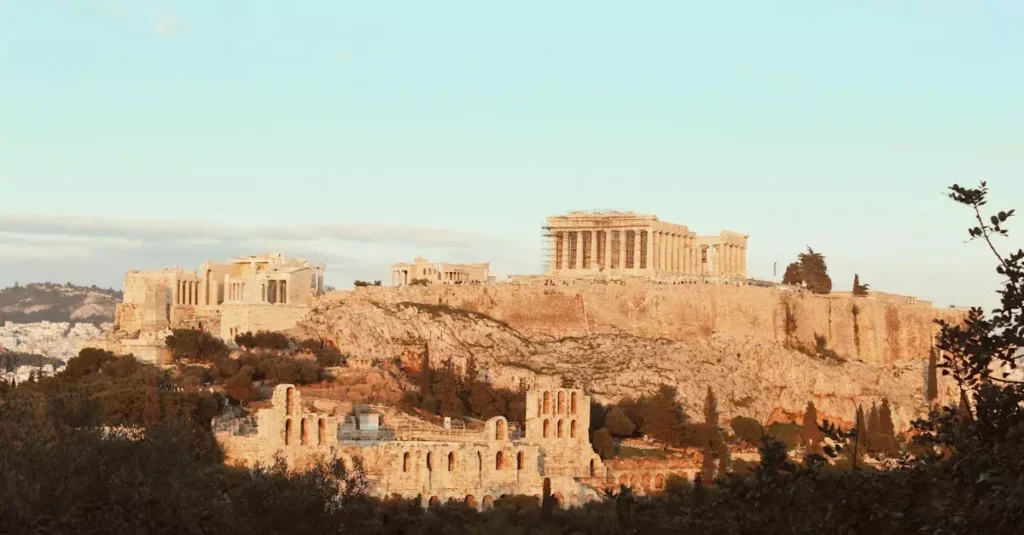
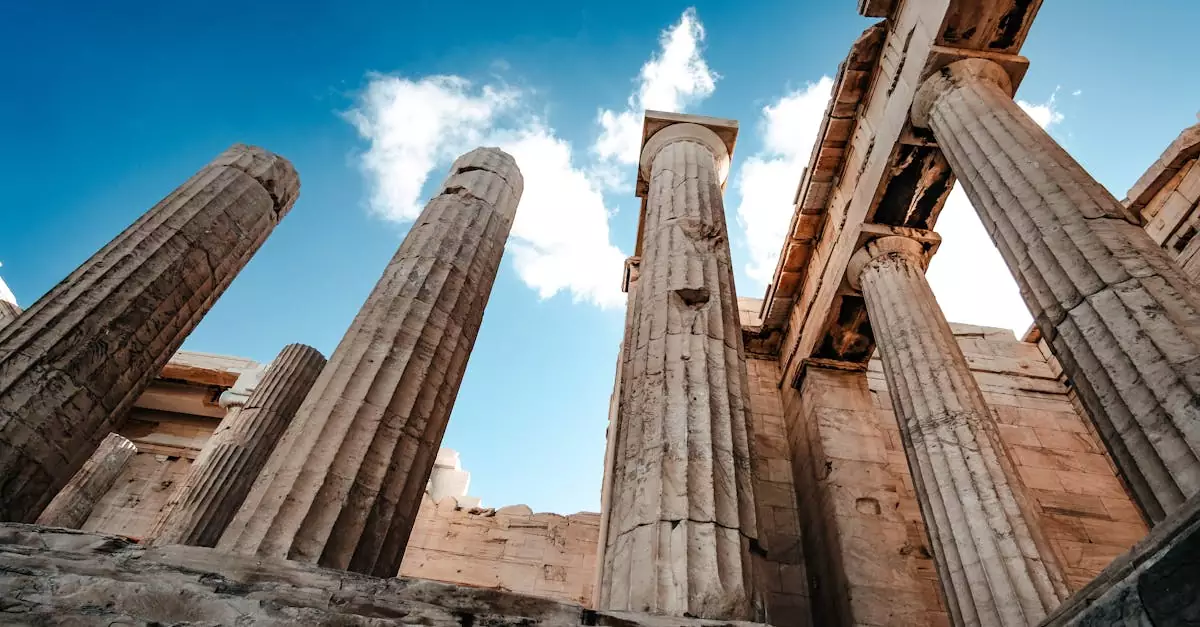
No exploration of Greece’s historical treasures is complete without a visit to the Acropolis of Athens. This ancient citadel, overlooking the modern city, is a UNESCO World Heritage site and a powerful symbol of classical Greece. The Parthenon, dedicated to the goddess Athena, stands as the masterpiece, its majestic columns showcasing architectural brilliance. Beyond the Parthenon, the Erechtheion with its famous Caryatids and the Propylaea, the monumental gateway, provide further insights into ancient Athenian life and worship.
Visitor Tips:
- Timing: Arrive early in the morning or late in the afternoon to avoid peak crowds and the midday sun, especially in summer.
- Tickets: Consider purchasing a combined ticket that grants access to the Acropolis and several other archaeological sites in Athens, offering better value.
- Footwear: Wear comfortable, sturdy shoes as the pathways can be uneven and slippery.
Ancient Agora of Athens: Heart of the City
Located below the Acropolis, the Ancient Agora served as the administrative, political, and social center of classical Athens. This expansive archaeological site was once a vibrant marketplace and a hub for public discourse, philosophy, and daily life. As you walk through the ruins, you can envision Socrates debating with his students or citizens gathering for civic assemblies. Notable structures include the remarkably well-preserved Temple of Hephaestus, dedicated to the god of metalworking, and the Stoa of Attalos, a reconstructed covered walkway now housing a museum detailing the Agora’s history.
Logistics: The Agora is easily accessible on foot from the Acropolis and other central Athens attractions. Allow at least two hours to explore the site and visit the museum.
Delphi: Oracle of the Ancient World
Perched on the slopes of Mount Parnassus, Delphi was considered by ancient Greeks to be the center of the world. Here, the Oracle of Apollo, a priestess known as the Pythia, delivered prophecies that influenced the course of history for kings and commoners alike. The archaeological site itself is breathtaking, featuring the Temple of Apollo, an ancient theater with stunning views, and the stadium where athletic competitions were held. The Delphi Archaeological Museum houses significant artifacts, including the Charioteer of Delphi.
Getting There: Delphi is a popular day trip from Athens, approximately a 2.5 to 3-hour drive. Organized tours are readily available, or you can rent a car for more flexibility. The scenic drive through the Greek countryside is an added bonus.
Olympia: Birthplace of the Games
Deep in the Peloponnese peninsula lies Olympia, the revered sanctuary where the ancient Olympic Games originated in 776 BCE. This vast archaeological complex was dedicated to Zeus and hosted religious festivals and athletic contests that united Greeks from across the Hellenic world. Visitors can explore the ruins of the Temple of Zeus, the ancient stadium where athletes once competed, and the gymnasium where they trained. The Olympia Archaeological Museum features impressive sculptures from the Temple of Zeus and the iconic bronze statue of Zeus.
Comparison: While the Acropolis offers a glimpse into Athenian civic and religious life, and Delphi reflects the spiritual heart of ancient Greece, Olympia provides a tangible connection to the athletic heritage that has influenced global sports for millennia. Each site presents a unique facet of Greece’s rich historical tapestry.
| Site Name | Primary Focus | Key Structures | Location |
|---|---|---|---|
| Acropolis of Athens | Athenian democracy, religion, architecture | Parthenon, Erechtheion, Propylaea | Athens |
| Ancient Agora | Civic life, marketplace, philosophy | Temple of Hephaestus, Stoa of Attalos | Athens |
| Delphi | Oracle, panhellenic sanctuary, mythology | Temple of Apollo, ancient theater, stadium | Mount Parnassus |
| Olympia | Birthplace of Olympic Games, Zeus sanctuary | Temple of Zeus, ancient stadium, gymnasium | Peloponnese Peninsula |
Beyond the Mainland: Island Historical Treasures
While mainland Greece boasts an impressive concentration of ancient wonders, its islands offer distinct historical narratives shaped by unique maritime cultures and strategic importance. Exploring these sites provides a different lens through which to appreciate Greece’s vast past.
Knossos Palace, Crete: Minoan Civilization Hub
Crete, the largest of the Greek islands, is home to the legendary Knossos Palace, the center of the Minoan civilization. This sprawling Bronze Age archaeological site, once thought to be the mythical Labyrinth of King Minos, offers a vivid glimpse into a sophisticated pre-Greek culture. Visitors can wander through reconstructed frescoes, royal apartments, and storage areas, imagining the vibrant life that once thrived here.
Traveler Tip: Knossos is best visited in the morning to avoid the midday heat and large tour groups. Wear comfortable shoes, as the site involves considerable walking on uneven surfaces. Consider purchasing tickets online in advance to save time.
Rhodes Old Town: Medieval Knights’ Legacy
The medieval Old Town of Rhodes, a UNESCO World Heritage site, transports visitors back to the era of the Knights of St. John. This remarkably preserved fortified city features imposing walls, cobblestone streets, and the magnificent Palace of the Grand Master. Walking through its gates feels like stepping into a living history book, showcasing architectural styles from Gothic to Renaissance.
Logistics: Rhodes Old Town is highly walkable, but its narrow streets can become crowded. The island is accessible by ferry from mainland Greece or by air. Accommodations range from boutique hotels within the Old Town walls to larger resorts outside.
Mycenae: Citadel of the Bronze Age
Though located on the Peloponnese mainland, Mycenae is often grouped with island historical sites due to its profound connection to the Aegean Bronze Age. This archaeological site was the center of Mycenaean civilization, a powerful warrior society that dominated Greece from around 1600 to 1100 BC. Key features include the Lion Gate, the Cyclopean Walls, and the Treasury of Atreus, a stunning beehive tomb.
Historical Significance: Mycenae is crucial for understanding the transition from the Minoan to the Mycenaean era and its influence on later Greek mythology and history.
Delos: Sacred Island of Apollo
The small island of Delos, located near Mykonos, is one of Greece’s most important archaeological and mythological sites. Considered the birthplace of Apollo and Artemis, it served as a major religious sanctuary and trading center in antiquity. Today, the island is an open-air museum featuring the Terrace of the Lions, the Sanctuary of Apollo, and intricate mosaics.
Visitor Information: Delos is accessible only by boat, typically from Mykonos or Naxos. Day trips are common, and it’s essential to bring water, sun protection, and comfortable footwear, as there are no services on the island. The site is quite exposed to the sun.
| Island Historical Site | Primary Era | Key Features | Accessibility |
|---|---|---|---|
| Knossos Palace | Minoan | Frescoes, Palace ruins | Road access (Crete) |
| Rhodes Old Town | Medieval | Fortifications, Palace of Grand Master | Ferry/Air access (Rhodes) |
| Mycenae | Bronze Age | Lion Gate, Cyclopean Walls | Road access (Peloponnese) |
| Delos | Ancient | Terrace of Lions, Sanctuaries | Boat access (from Mykonos/Naxos) |
Experiencing Greece’s Best Historical Places: A Traveler’s Itinerary
Planning a trip to Greece often centers on its remarkable historical sites. To help you craft the perfect journey, here are a few itinerary ideas, ranging from classic mainland explorations to focused island adventures. Each option highlights some of Greece’s best historical places, balancing iconic landmarks with practical travel considerations.
7-Day Historical Greece Itinerary: Athens & Peloponnese
This itinerary provides a comprehensive introduction to Greece’s ancient past, focusing on the capital city and the historically rich Peloponnese peninsula. It’s a well-rounded trip for those wishing to see major archaeological sites without excessive travel time.
Day 1-3: Athens
Begin in Athens, the cradle of Western civilization. Dedicate at least two full days to the Acropolis, home to the Parthenon, and the Acropolis Museum. Don’t miss the Ancient Agora, the Temple of Olympian Zeus, and the National Archaeological Museum, which houses an incredible collection of artifacts. Strolling through the Plaka district offers a charming contrast to the ancient ruins.
Day 4: Corinth & Mycenae
Rent a car or join a guided tour for a day trip to the Peloponnese. Your first stop is Ancient Corinth, a significant city in antiquity, followed by the Bronze Age citadel of Mycenae, legendary home of King Agamemnon. The Treasury of Atreus at Mycenae is particularly awe-inspiring.
Day 5: Epidaurus & Nafplio
Continue to the Sanctuary of Asclepius at Epidaurus, renowned for its remarkably preserved ancient theater, famous for its acoustics. Afterwards, visit the picturesque coastal town of Nafplio, Greece’s first capital, with its Venetian fortress, Palamidi.
Day 6: Olympia
Travel to the western Peloponnese to explore Ancient Olympia, the birthplace of the Olympic Games. Wander through the ruins of the temples and the stadium where the ancient games were held.
Day 7: Return to Athens
Drive back to Athens, allowing ample time for your departure.
Logistics: This route is best managed with a rental car for flexibility. Alternatively, organized day tours from Athens can cover Corinth, Mycenae, and Epidaurus. Public transportation between major Peloponnese towns is possible but less convenient for this packed schedule. Accommodations range from boutique hotels in Nafplio to standard hotels in Athens.
10-Day Island Hopping: Crete & Rhodes Historical Focus
For travelers seeking a blend of ancient history, stunning landscapes, and island charm, this 10-day itinerary focuses on two of Greece’s most historically significant islands. This trip provides a unique perspective on Greek history, incorporating Minoan and medieval influences.
Day 1-4: Crete (Heraklion & Knossos)
Fly into Heraklion, Crete. Dedicate a full day to the Palace of Knossos, the heart of the Minoan civilization. The Heraklion Archaeological Museum is essential for understanding Minoan art and culture. Explore the Venetian harbor and old town of Heraklion. Consider a day trip to the Minoan sites of Phaistos or Gortyna.
Day 5-9: Rhodes
Take a ferry or a short flight from Crete to Rhodes. Upon arrival, immerse yourself in the medieval Old Town of Rhodes, a UNESCO World Heritage site. Explore the Palace of the Grand Master of the Knights of Rhodes, walk the Street of the Knights, and admire the medieval fortifications. Visit the ancient acropolis of Lindos, with its Temple of Athena, offering breathtaking views. Day trips can also include the ancient city of Kamiros.
Day 10: Departure
Depart from Rhodes.
Logistics: This itinerary relies on inter-island ferries or flights. Booking these in advance is recommended, especially during peak season. Rental cars are highly beneficial on both Crete and Rhodes for reaching sites outside the main cities. Accommodations vary from luxury resorts to charming guesthouses.
A 3-Day Deep Dive into Ancient Athens
If time is limited, a focused exploration of Athens allows for an in-depth experience of its unparalleled historical significance. This short itinerary prioritizes the most iconic ancient sites.
Day 1: The Acropolis and its Museum
Start your visit with the Acropolis. Arrive early to avoid crowds and the midday sun. Spend several hours admiring the Parthenon, Erechtheion, and the Propylaea. Descend to the Acropolis Museum, which provides essential context and showcases stunning artifacts found on the site.
Day 2: Agora and Museums
Explore the Ancient Agora, the political and social heart of ancient Athens. Visit the well-preserved Temple of Hephaestus and the Stoa of Attalos. In the afternoon, delve into the National Archaeological Museum, one of the world’s most important archaeological museums, housing treasures from across Greece.
Day 3: Temple of Olympian Zeus & Hadrian’s Arch
Visit the colossal ruins of the Temple of Olympian Zeus and Hadrian’s Arch. Depending on your flight schedule, you might have time for a walk through the historic Plaka district or a visit to the Panathenaic Stadium, site of the first modern Olympic Games.
Logistics: Athens is highly walkable, and many historical sites are clustered in the city center. The metro system is efficient for reaching areas further afield. Numerous hotels are available, from budget-friendly hostels to luxury accommodations. Safety in Athens is generally good, but standard precautions against pickpocketing in crowded tourist areas are advised.
Planning Your Visit to Greece’s Historic Landmarks
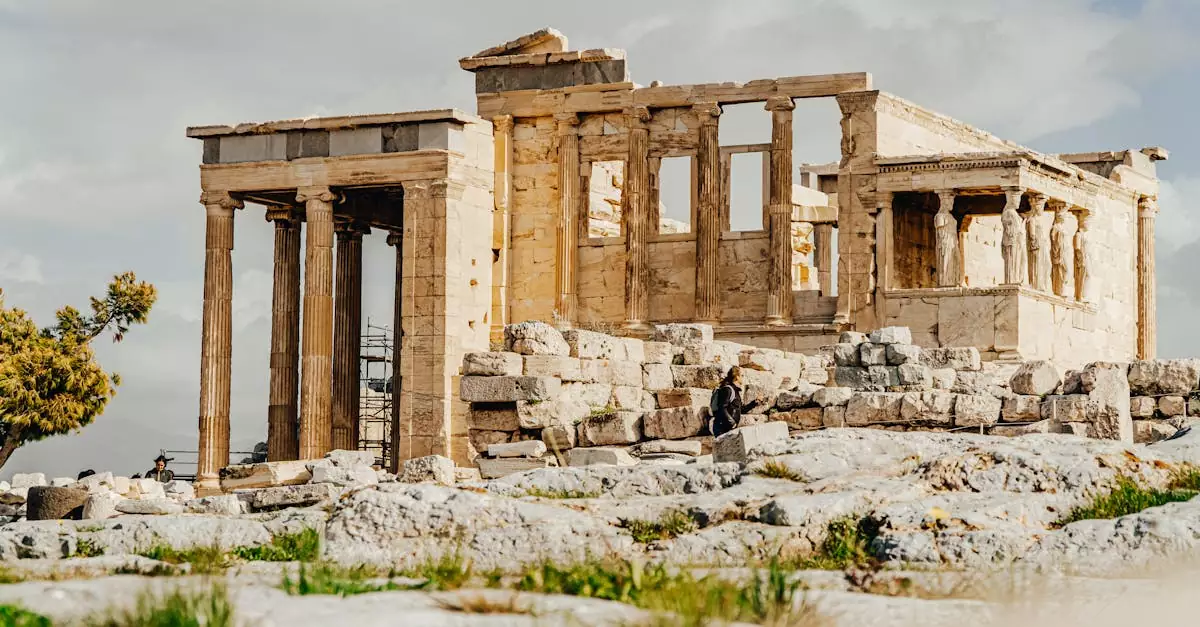
Greece beckons with an exceptional wealth of ancient wonders, drawing travelers eager to walk in the footsteps of history. Planning a trip focused on these best historical places in Greece requires consideration of timing, transportation, and accommodations. Understanding these logistics will significantly enhance your journey through millennia of civilization.
Best Time to Visit Greece for Historical Exploration
The shoulder seasons, spring (April-May) and autumn (September-October), offer the most pleasant conditions for visiting Greece’s historical sites. During these months, the weather is mild, with average temperatures ranging from 15-25°C (59-77°F), making it comfortable for extensive walking and outdoor exploration. The summer months (June-August) can be intensely hot, with temperatures often exceeding 30°C (86°F), making visits to ancient ruins challenging, especially at midday. Winter (November-March) sees fewer crowds and lower prices, but some sites may have reduced hours, and the weather can be unpredictable.
Here’s a quick look at seasonal advantages:
| Season | Weather Comfort | Crowd Levels | Pricing | Notes |
|---|---|---|---|---|
| Spring | Excellent | Moderate | Moderate | Wildflowers bloom, pleasant for sightseeing. |
| Summer | Hot | High | High | Best for island hopping, but can be intense. |
| Autumn | Excellent | Moderate | Moderate | Harvest season, beautiful light for photos. |
| Winter | Cool/Chilly | Low | Low | Fewer tourists, some sites may have limited access. |
Navigating Greece: Transportation Options for Ancient Sites
Getting to and between Greece’s historical treasures involves various options, depending on your itinerary and budget. For travel within Athens and to major sites like the Acropolis, the metro system is efficient and affordable. Intercity travel often relies on buses or ferries. The national bus network (KTEL) connects most towns and cities, offering a cost-effective way to reach historical areas not served by rail.
Ferries are essential for island hopping and reaching historical sites on islands such as Crete or Rhodes. Booking ferry tickets in advance is advisable, especially during peak season. For greater flexibility and access to more remote locations, renting a car is a popular choice. This is particularly useful for exploring the Peloponnese peninsula, where ancient sites like Mycenae and Epidaurus are spread out. Be aware that driving in some Greek cities can be challenging due to narrow streets and traffic.
Accommodation Near Key Historical Attractions
Choosing your accommodation wisely can place you within easy reach of Greece’s most significant historical landmarks. In Athens, areas like Plaka, Monastiraki, and Syntagma offer a range of hotels and apartments, from luxury options to budget-friendly guesthouses, all within walking distance or a short metro ride from the Acropolis and its surrounding ancient sites.
When visiting other regions, consider staying in smaller towns or villages close to major archaeological parks. For instance, staying in Nafplio provides convenient access to Mycenae, Epidaurus, and Tiryns. On Crete, staying near Heraklion allows for easy visits to the Palace of Knossos. Booking accommodations in advance is highly advisable, particularly for stays during the popular spring and autumn months. Many boutique hotels and traditional guesthouses offer a more immersive experience, often located in charming historic buildings themselves.
What Are the Most Photogenic Historical Spots in Greece?
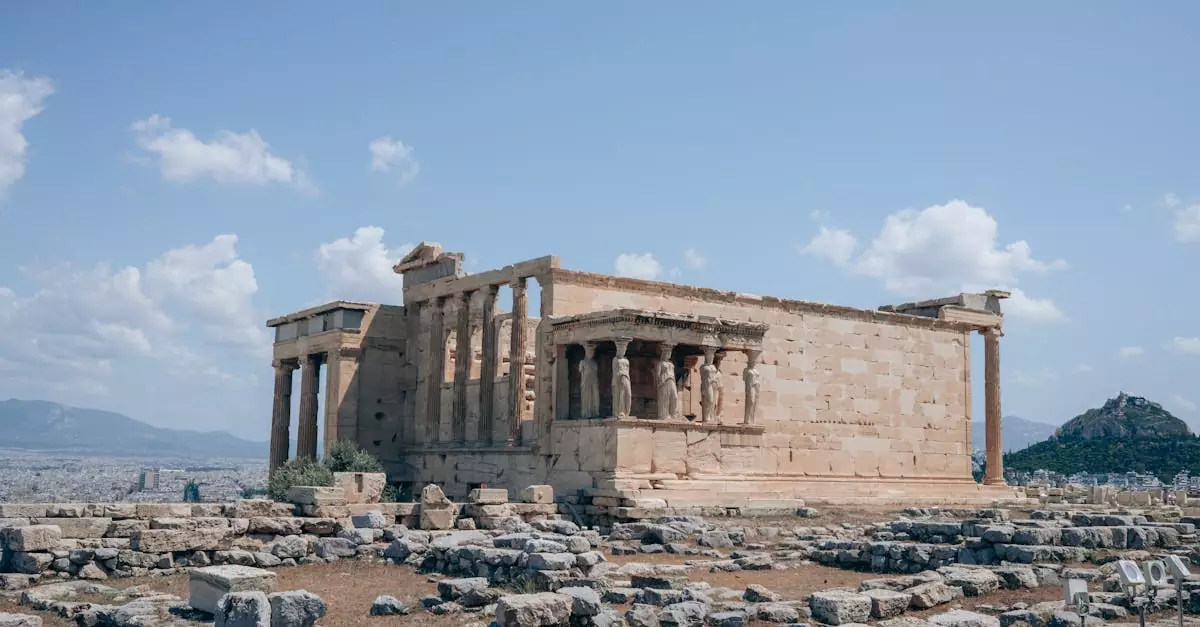
Greece is a treasure trove for anyone looking to capture stunning historical sites. From ancient ruins bathed in golden light to medieval towns with winding alleys, the visual opportunities are endless. Planning your itinerary with photography in mind can elevate your trip, ensuring you get those postcard-perfect shots.
Capturing the Acropolis at Sunset
The Acropolis of Athens, a UNESCO World Heritage site, is undoubtedly one of the best historical places in Greece for photography, especially as the sun begins to set. The marble structures of the Parthenon, Erechtheion, and Propylaea glow with a warm light during golden hour. Arrive at least an hour before sunset to secure a good vantage point and avoid the largest crowds.
Consider shooting from Philopappos Hill opposite the Acropolis for panoramic views that include the ancient citadel and the sprawling city of Athens. Early morning offers a less crowded experience and softer light, ideal for capturing architectural details without the harsh midday sun. The site is accessible via the Acropolis Metro station.
Mystical Views of Delphi’s Temple of Apollo
Delphi, once considered the center of the ancient world, offers a breathtaking historical landscape set against dramatic mountain scenery. The ruins of the Temple of Apollo, the ancient theater, and the stadium are perched on the slopes of Mount Parnassus, providing incredible photographic opportunities. The sense of history and the sheer scale of the site are palpable.
The best light for photography here is often in the late afternoon when shadows lengthen, accentuating the contours of the ruins and the rugged terrain. Visiting during spring or autumn avoids the summer heat and offers pleasant weather for exploring the extensive archaeological site. Getting to Delphi typically involves a bus journey from Athens, which takes approximately three hours.
Charming Streets of Rhodes Old Town for Photography
Rhodes Old Town, another UNESCO World Heritage site, transports visitors back to the time of the Knights of St. John. Its well-preserved medieval architecture, cobblestone streets, and imposing fortifications create a photogenic labyrinth. Wandering through its narrow alleys, you’ll discover hidden courtyards, ancient gates, and the magnificent Palace of the Grand Master.
The best photographic opportunities arise from capturing the textures of the stone walls, the play of light and shadow in the winding streets, and the vibrant bougainvillea cascading over balconies. Early mornings or late afternoons provide softer light and fewer people, allowing for more intimate shots. The Old Town is easily walkable, and its central location makes it a convenient base for exploring the island of Rhodes.
Frequently Asked Questions About Greece’s Historical Sites
Are there guided tours for the best historical places in Greece?
Yes, guided tours are widely available for most significant historical sites across Greece, from the Acropolis in Athens to the ruins of Delphi. Many tours offer specialized insights into mythology, architecture, and history. Options range from large group tours to private excursions, catering to different budgets and interests. Booking in advance is often recommended, especially during peak tourist seasons.
What is the best way to get between major historical sites?
Inter-city travel in Greece relies heavily on a combination of buses and ferries. The KTEL bus network connects most towns and cities, offering a cost-effective way to travel overland. For island hopping, ferries are essential. Within cities like Athens, the metro system is efficient for reaching major attractions. Renting a car provides flexibility for exploring more remote historical locations, though parking can be challenging in urban centers.
Here’s a general overview of transportation options:
| Mode of Transport | Typical Use | Pros | Cons |
|---|---|---|---|
| Intercity Bus | Mainland travel, connecting towns | Affordable, extensive network | Slower than driving, can be crowded |
| Ferry | Island travel, some coastal mainland routes | Scenic, access to islands | Weather-dependent, can be expensive |
| Metro (Athens) | Urban transport, reaching key sites | Fast, efficient, avoids traffic | Limited to Athens, can be crowded |
| Rental Car | Flexible exploration, rural areas | Freedom, convenience | Expensive, parking issues, tolls |
| Domestic Flights | Long distances, island access | Fastest for remote locations | Costly, airport transfers needed |
Are historical sites in Greece suitable for families with children?
Many historical sites in Greece can be enjoyable for families, though suitability varies. Sites with extensive open spaces, like ancient stadiums or amphitheaters, often capture children’s attention. However, some locations involve uneven terrain, steep climbs, or intense sun exposure, requiring careful planning. Bringing plenty of water, sun protection, and snacks is advisable. Engaging children with stories or simple scavenger hunts can enhance their experience.
What local foods should I try near these historical locations?
Sampling local cuisine is an integral part of experiencing Greece. Near historical sites, you’ll find traditional tavernas serving regional specialties. In Athens, look for souvlaki and moussaka. On the islands, fresh seafood, like grilled octopus or calamari, is a must. Don’t miss trying Greek salad (horiatiki) with its fresh feta and olive oil, or spanakopita (spinach pie). For a sweet treat, loukoumades (honey puffs) are a delightful option.