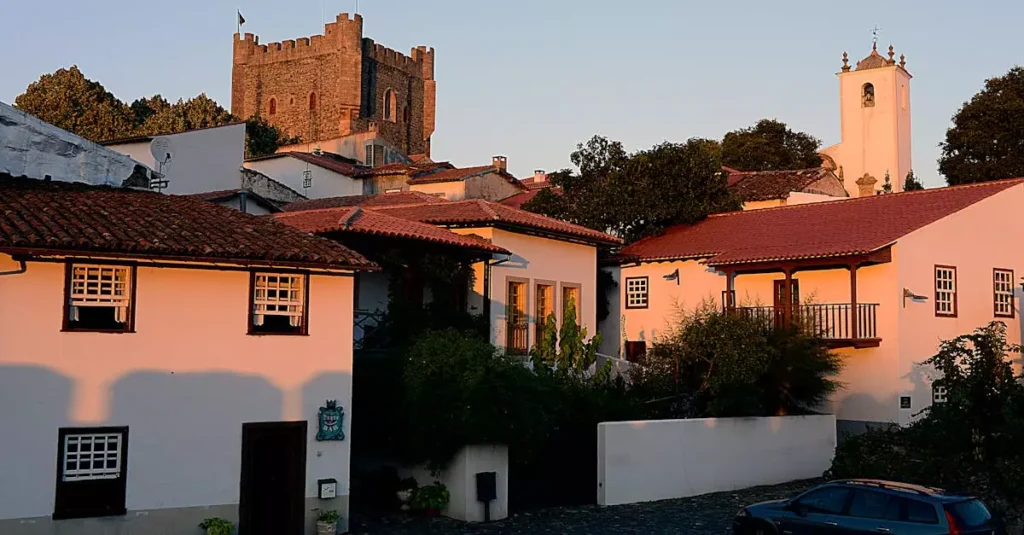
Portugal’s charm extends beyond its bustling cities, revealing its heart in captivating villages. These smaller communities offer an authentic glimpse into a country rich in tradition, where life moves at a gentler pace and natural beauty flourishes. If you seek to escape the crowds and immerse yourself in genuine Portuguese culture, exploring the best villages in Portugal is essential.
In this guide, we’ll travel from the rugged northern coastlines and serene mountain retreats to the sun-drenched hamlets of the south. You’ll uncover hidden gems with unique histories, stunning architecture, and mouthwatering local cuisine. We’ll provide insights into what makes each region special, the best times to visit, how to get around, and the experiences that await you. Prepare to be enchanted by the timeless appeal of Portugal’s most picturesque villages.
Why Portugal’s Villages Capture the Heart
The Allure of Authentic Portuguese Village Life
Portugal’s appeal goes beyond its famous cities and coastlines. The true magic often lies in its smaller communities, where time seems to slow down and traditional ways of life endure. These villages offer a glimpse into a Portugal that remains deeply connected to its history and natural landscapes. Visitors seeking genuine cultural immersion will find that the best villages in Portugal provide an unparalleled experience, far from the tourist crowds. Here, you can witness local artisans at work, savor regional cuisine prepared with age-old recipes, and experience the warmth of Portuguese hospitality.
Beyond Lisbon and Porto: Unveiling Hidden Gems
While Lisbon and Porto are undeniably captivating, venturing into Portugal’s interior and lesser-known coastal stretches reveals a treasure trove of charming villages. These hidden gems offer diverse experiences, from the dramatic cliffs of the Algarve’s western edge to the serene rolling hills of the Alentejo or the rugged mountains of the north. Each village boasts its own unique character, shaped by centuries of history, geography, and local traditions. Discovering these places often involves a sense of adventure and a willingness to stray from the beaten path, rewarding travelers with authentic encounters and breathtaking scenery.
Experiencing Traditional Culture in Rural Portugal
Rural Portugal is the heartland of many of the country’s cherished traditions. In these villages, you can witness festivals celebrated for generations, taste wines from local vineyards, and appreciate architectural styles that reflect regional materials and historical influences. The pace of life encourages connection, whether sharing a coffee in the village square or learning about local crafts. For travelers interested in understanding the soul of Portugal, engaging with the culture in these smaller communities is essential. It offers a richer, more nuanced perspective than what can be found in larger urban centers, fostering a deeper appreciation for the nation’s heritage.
Northern Portugal’s Enchanting Villages
Northern Portugal offers rugged beauty and a profound sense of history, with villages that feel like stepping back in time. This region, often overlooked for the sunnier south, rewards visitors with dramatic landscapes and authentic cultural experiences. From ancient stone hamlets nestled in national parks to riverside towns with baroque charm, these locations provide a captivating side of Portugal.
Peneda-Gerês National Park: Ancient Stone Hamlets
Within the expansive Peneda-Gerês National Park, you’ll find villages seemingly untouched by modernity. Here, granite houses cluster around communal granaries or simple churches. Expect to see wild Garrano horses roaming freely and shepherds tending their flocks along ancient paths. The atmosphere is one of profound tranquility, a stark contrast to bustling city life.
Reaching these remote hamlets typically requires a car, as public transport options are limited. Roads can be narrow and winding, so allow ample time for travel. Accommodations are usually in small guesthouses or rural tourism houses (casas rurais), offering a genuine taste of local hospitality. It’s advisable to book these in advance, especially during peak summer months.
Amarante: Riverside Beauty and Baroque Architecture
Amarante, situated along the Tâmega River, is a picturesque town known for its vibrant flower displays and striking baroque architecture. The iconic Ponte de São Gonçalo, with its distinctive arches, dominates the riverfront, providing superb views of the town and surrounding hills. The Igreja de São Gonçalo, a significant pilgrimage site, features an ornate interior that showcases Portuguese baroque artistry.
The town center is easily walkable, with charming streets lined with pastel-colored buildings. Amarante is also celebrated for its pastries, particularly the pão de Ló, a light sponge cake. Numerous cafes and restaurants offer local delicacies. For those arriving by car, parking can be found in designated lots, though it may be challenging in the narrowest streets.
Guimarães: Birthplace of Portugal’s First King
Guimarães holds immense historical significance as the birthplace of Portugal’s first king, Afonso Henriques. The town’s well-preserved medieval center is a UNESCO World Heritage site, featuring narrow cobblestone streets, Gothic arches, and charming squares. Dominating the skyline are the imposing Guimarães Castle and the Palace of the Dukes of Braganza, both offering a glimpse into the nation’s origins.
The town is best explored on foot, allowing you to fully appreciate its historical ambiance. From the main Largo da Oliveira, you can wander through alleys leading to hidden courtyards and artisan shops. Guimarães is well-connected by train, making it an accessible day trip or a base for exploring the wider region. For a more authentic experience, consider visiting outside the main summer tourist season.
| Village | Region | Key Attraction | Best For |
|---|---|---|---|
| Peneda-Gerês NP | Northern | Ancient stone hamlets, wild nature | Hikers, nature lovers, tranquility seekers |
| Amarante | Northern | Baroque architecture, river views | Culture enthusiasts, foodies, photographers |
| Guimarães | Northern | Medieval center, birthplace history | History buffs, walkers, cultural explorers |
Central Portugal’s Historic and Artistic Villages
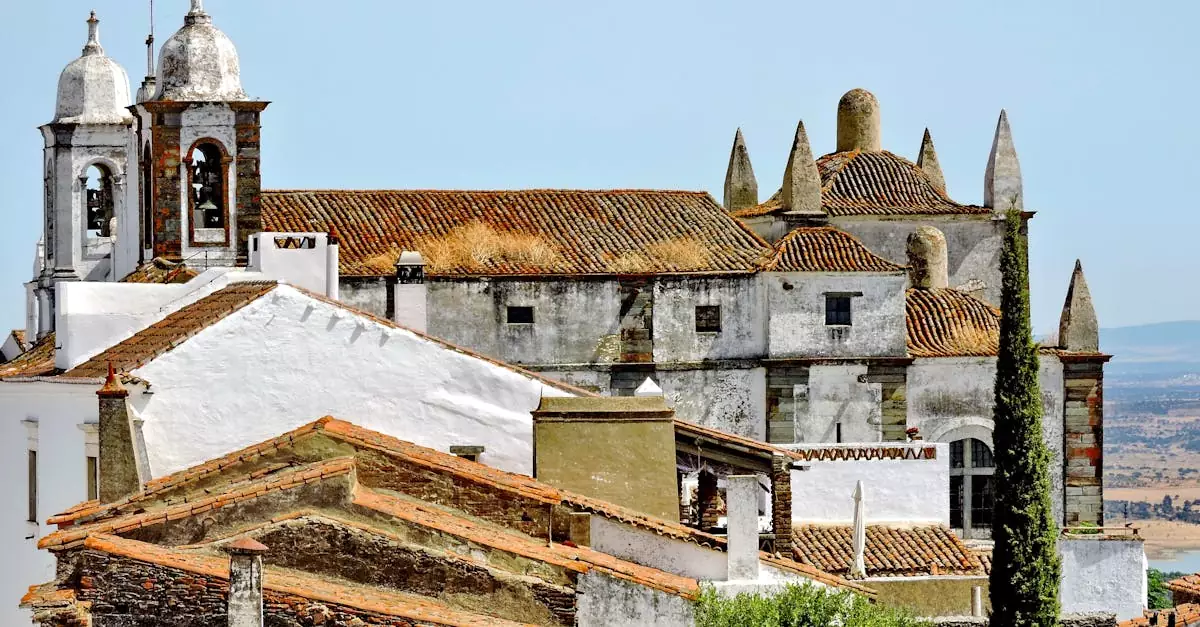
Central Portugal offers a rich tapestry of villages, each with a distinct character shaped by history, art, and unique traditions. From medieval fortifications to dramatic coastlines, these destinations provide a compelling glimpse into Portuguese heritage.
Óbidos: The Medieval Walled Town
Óbidos is a living museum, a perfectly preserved medieval town enclosed by ancient walls. Walking its cobblestone streets feels like stepping back centuries. The whitewashed houses, adorned with vibrant bougainvillea, lead to charming squares and hidden courtyards.
The main attraction is undoubtedly the castle, now a Pousada (historic hotel), offering a luxurious stay within its ramparts. Visitors can stroll along the castle walls for panoramic views of the surrounding countryside and the Atlantic Ocean in the distance. The town is also known for its Ginja de Óbidos, a sweet cherry liqueur often served in a chocolate cup—a delightful treat to sample as you explore artisan shops selling local crafts and ceramics.
- Getting there: Óbidos is easily accessible by bus from Lisbon, with regular services taking around an hour. Driving is also straightforward, with parking available outside the town walls.
- Best time to visit: Spring and autumn offer pleasant weather for exploration. The Christmas Village event in December is particularly magical.
- Budget: Expect mid-range prices for accommodation and dining, with many souvenir shops.
Monsanto: The ‘Most Portuguese Village’
Perched dramatically on a hilltop, Monsanto is a village like no other, famously declared the “most Portuguese village” in 1938. Its defining feature is the integration of enormous granite boulders into its very structure. Houses are built around, under, and even between these colossal stones, creating a unique architectural landscape.
The ruins of a medieval castle crown the summit, providing breathtaking 360-degree views. Exploring Monsanto involves navigating steep, winding paths and marveling at how residents have adapted to their stony environment for centuries. The village exudes a sense of timelessness and resilience, capturing the spirit of rural Portugal.
- Logistics: Monsanto is more remote. A car is highly recommended for reaching it and for onward travel, as public transport options are limited.
- Experience: The best way to appreciate Monsanto is on foot, allowing you to discover its hidden nooks and admire the ingenious use of natural rock formations.
- Accommodation: Options are limited, with a few guesthouses offering a rustic experience. Booking in advance is advisable.
Nazaré: Famous for Giant Waves and Traditional Fishing
Nazaré presents a dual personality: a vibrant fishing town and a world-renowned surfing destination. The lower part of town, by the beach, showcases traditional fishing heritage. On any given day, you might see fishermen mending nets or women in their traditional seven-skirt outfits drying fish on the promenade.
However, Nazaré is globally famous for the Praia do Norte, a beach known for its colossal waves during the winter months. These giant waves attract professional surfers from around the world, creating a spectacular, albeit dangerous, natural phenomenon. Even outside of surf season, the dramatic coastline and the charming Sítio, a clifftop district offering stunning ocean vistas, are well worth a visit.
- Seasonal highlight: For the truly adventurous, witnessing the giant waves (typically October to March) is an unforgettable spectacle.
- Transportation: Nazaré is well-connected by bus from Lisbon and other regional towns. Parking can be challenging, especially during peak tourist season.
- Coastal comparison: While smaller than the Algarve’s resort towns, Nazaré offers a more authentic Portuguese coastal experience, blending tradition with dramatic natural beauty.
Southern Portugal’s Sun-Drenched Coastal and Inland Villages
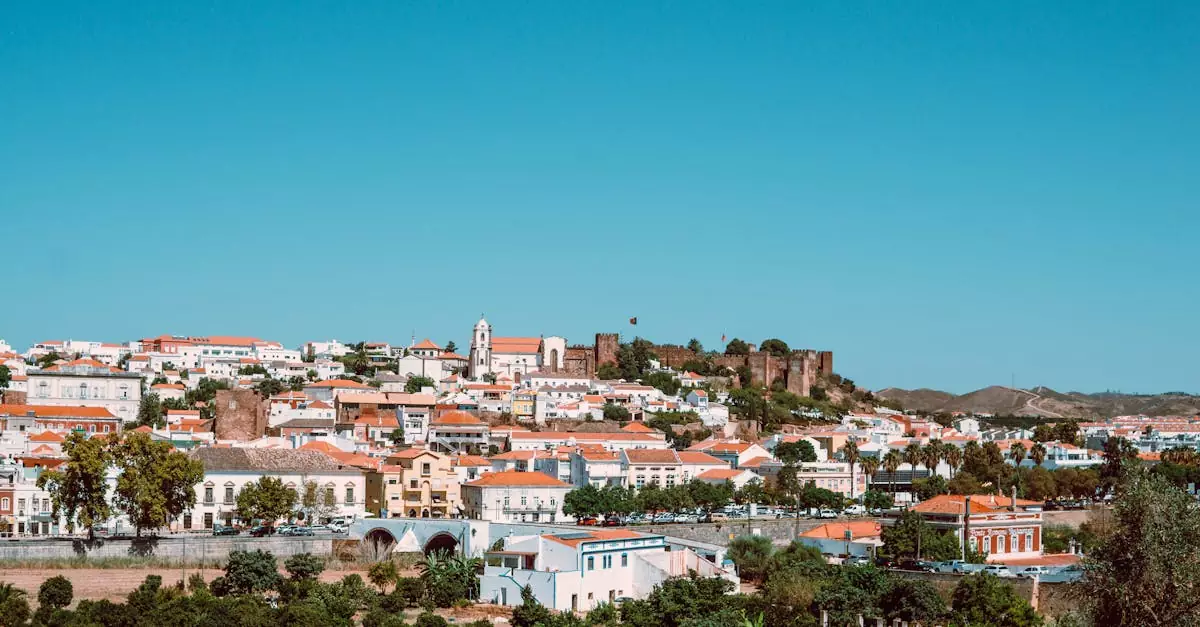
Southern Portugal, particularly the Algarve and its hinterland, offers a diverse array of charming villages. These locations blend historic significance with stunning natural beauty, from rugged coastlines to rolling countryside. Travelers seeking a more authentic Portuguese experience away from the busier resort towns will find much to appreciate here.
Aljezur: Wild Coastline and Moorish History
Aljezur sits on the western edge of the Algarve, a region known for its dramatic cliffs and less developed beaches. This whitewashed village is divided by the Aljezur River, with the older Moorish quarter perched on a hill crowned by a castle ruin. The castle offers panoramic views of the surrounding landscape, a patchwork of green fields and the distant Atlantic.
For beach lovers, Aljezur is a prime base. Praia da Arrifana, a stunning cove popular with surfers, is just a short drive away. Further north, Praia da Amoreira boasts a vast expanse of sand and a unique river mouth that forms natural pools at low tide. The village itself retains a laid-back atmosphere, with local markets and traditional restaurants serving fresh seafood.
Getting to Aljezur:
- From Faro Airport: Renting a car is the most convenient option, offering flexibility for exploring the coast. The drive takes approximately 1 hour and 15 minutes. Public transport involves a bus from Faro to Lagos, then another bus to Aljezur, which can take over 3 hours.
- Driving: Well-signposted from the A22 motorway.
Best time to visit: Spring (April-May) and autumn (September-October) offer pleasant weather for outdoor activities and fewer crowds. Summer is ideal for beach holidays but can be busier.
Tavira: Gateway to the Eastern Algarve’s Islands
Tavira, often considered the jewel of the eastern Algarve, is a picturesque town bisected by the Gilão River. Its historic center is a labyrinth of cobblestone streets, traditional tiled houses, and ancient churches. A Roman bridge spans the river, connecting the two halves of the town and offering lovely views.
The true magic of Tavira lies in its proximity to the Ilha de Tavira, a long, sandy barrier island accessible by a short ferry ride. This island forms part of the Ria Formosa Natural Park, a protected lagoon system. Visitors can spend days relaxing on pristine beaches, birdwatching, or enjoying fresh grilled fish at beachside restaurants. The eastern Algarve’s calmer waters and less commercialized feel make it a distinct experience from the central and western Algarve.
Local tip: Take the ferry from Quatro Águas, a small fishing hamlet just outside Tavira, for a more authentic experience.
Accommodation in Tavira: Options range from boutique hotels in historic buildings to charming guesthouses and apartments, many of which offer views of the river or the town’s rooftops.
Silves: Ancient Moorish Capital with a Majestic Castle
Inland from the coast, Silves stands as a testament to Portugal’s rich history, particularly its Moorish past. This former capital of the Algarve is dominated by its imposing red sandstone castle, one of the best-preserved Moorish castles in Portugal. Exploring the castle ramparts provides a fascinating glimpse into medieval Silves and offers commanding views over the surrounding orange groves and the Arade River.
The town itself focuses more on heritage than tourism. Wander through narrow streets, visit the Gothic cathedral built on the site of a former mosque, and discover the archaeological museum. Silves offers a tranquil and historically rich experience compared to coastal towns. It’s an excellent base for exploring the Serra de Monchique mountains or enjoying the region’s citrus-scented countryside.
Transportation to Silves:
- By Car: Approximately 20-30 minutes from the coastal towns of Portimão or Albufeira via the N124.
- By Train: Silves has a train station on the Algarve line, connecting it to major towns like Faro, Portimão, and Lagos.
Budget considerations: Silves tends to be more budget-friendly for dining and accommodation than its coastal counterparts, providing excellent value for a historical immersion.
Planning Your Portuguese Village Itinerary
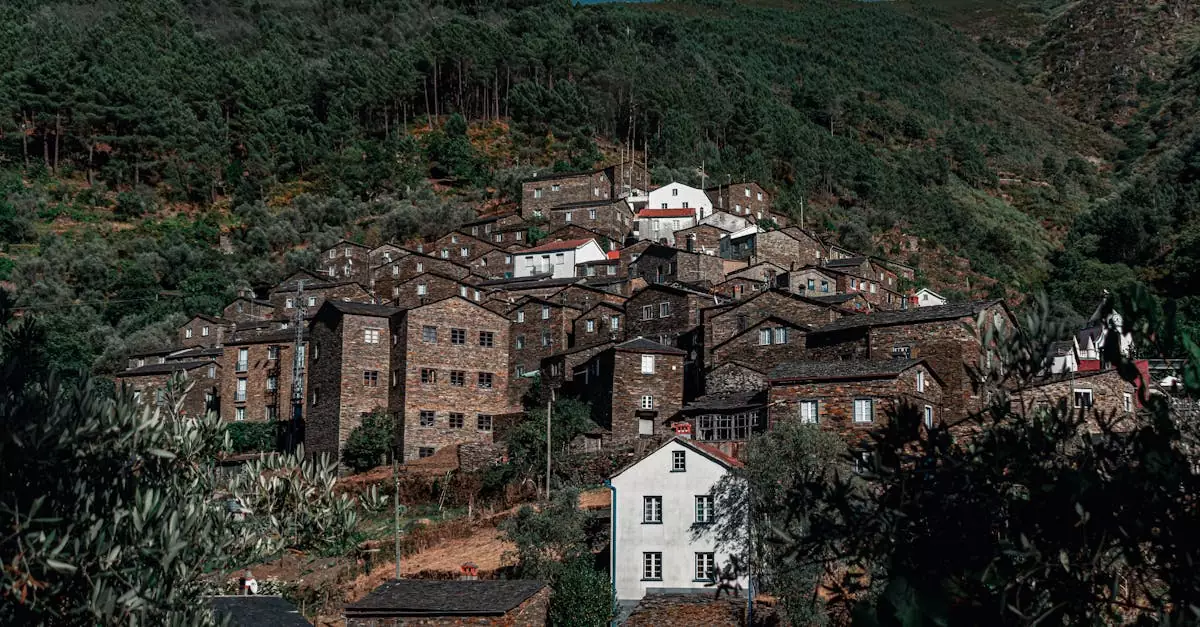
Choosing the best villages in Portugal for your trip requires strategic planning, especially considering the diverse landscapes and regional differences across the country. From the sun-drenched coast to the rugged interior, each area offers a unique experience. This section will guide you through essential considerations for crafting a memorable village-hopping adventure.
Best Time to Visit Portugal’s Villages
The ideal time to experience Portugal’s charming villages largely depends on your preferences for weather and crowd levels. Spring (April to June) and autumn (September to October) offer pleasant temperatures, fewer tourists, and vibrant natural scenery. Wildflowers bloom profusely in spring, while autumn brings harvest festivals and beautiful displays of changing leaves in the interior.
Summer (July and August) is peak tourist season, characterized by warm to hot weather, especially along the coast. While lively, expect larger crowds and higher accommodation prices. If you prefer a quieter experience and milder weather, aim for the shoulder seasons. Winter (November to March) can be cool and rainy, particularly in the north, but offers a more authentic, local feel and lower prices. Coastal areas generally remain milder than mountainous regions.
Getting Around: Car Rentals and Public Transport Options
Navigating between Portugal’s villages is often best achieved with a rental car, providing the flexibility to stop at scenic viewpoints and discover hidden hamlets. Major car rental companies operate at airports and in larger cities like Lisbon and Porto. Be prepared for tolls on many highways, and familiarize yourself with Portuguese driving laws.
Public transport connects larger towns and cities, but reaching smaller, more remote villages can be challenging. Trains are efficient for intercity travel, and buses serve a wider network. However, schedules can be infrequent, and you may need to combine bus and taxi services to reach your final destination. For a truly immersive experience in the countryside, a car is highly recommended.
Here’s a quick look at common transport methods:
| Transport Type | Pros | Cons | Best For |
|---|---|---|---|
| Rental Car | Flexibility, access to remote areas | Cost, tolls, parking in small villages | Exploring multiple villages, scenic routes |
| Train | Efficient between major cities, comfortable | Limited reach to smaller villages | Intercity travel, connecting larger towns |
| Bus | Wider network than trains, cost-effective | Slower, less frequent schedules to villages | Budget travelers, connecting towns |
| Taxis/Ride-share | Convenient for short distances, door-to-door | Can be expensive for longer journeys | Last-mile connections, city transfers |
Sample 7-Day Village Hopping Itinerary
This itinerary blends coastal and inland villages, offering a taste of Portugal’s diverse beauty. It assumes you have a rental car for maximum flexibility.
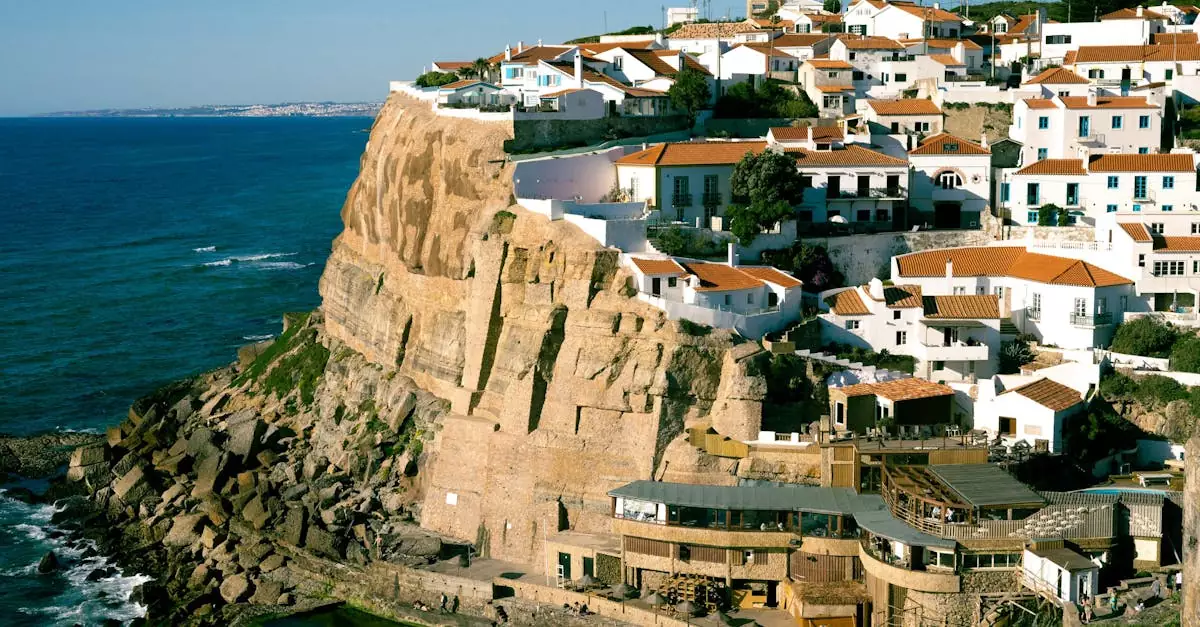
- Day 1-2: Sintra & Surroundings: Begin near Lisbon with the fairytale town of Sintra, known for its palaces and misty hills. Explore nearby coastal villages like Azenhas do Mar for dramatic cliffside views.
- Day 3-4: Óbidos & Nazaré: Drive north to the walled medieval town of Óbidos, a picturesque gem. Continue to Nazaré, famous for its giant waves (in winter) and traditional fishing culture.
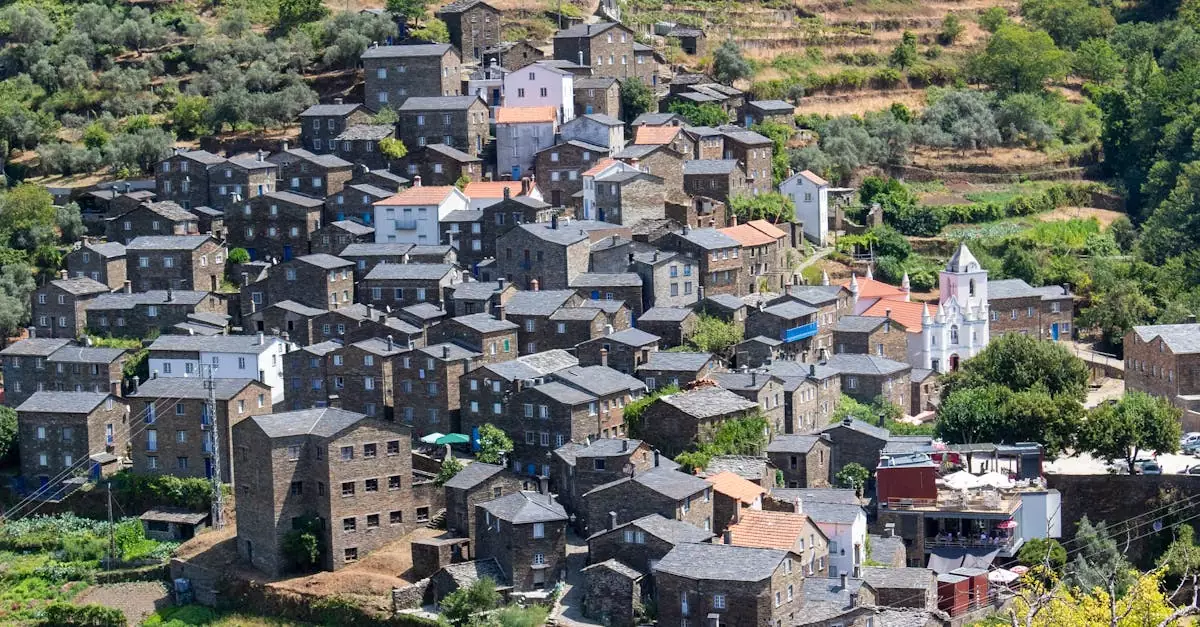
- Day 5-6: Piódão & Serra da Estrela: Head inland to the Schist Village of Piódão, nestled in a mountain valley. Use it as a base to explore the Serra da Estrela Natural Park, Portugal’s highest mountain range, for stunning landscapes and hiking opportunities.
- Day 7: Return Journey: Begin your drive back towards your departure point, perhaps stopping in a smaller town like Tomar with its Knights Templar history.
This is just one example; you can easily tailor it to focus on the Douro Valley’s wine villages or the Alentejo’s whitewashed hamlets.
Budgeting for Your Rural Portuguese Adventure
The cost of visiting Portugal’s villages can vary significantly based on your travel style, the season, and the specific regions you choose to visit. Rural areas tend to be more affordable than major tourist hubs like Lisbon or the Algarve.
Accommodation in guesthouses (pousadas), small hotels, or rural tourism houses (casas rurais) can range from €50 to €150 per night. Dining at local tascas (taverns) for traditional meals will be much cheaper than upscale restaurants, typically costing €10-€20 per person. Factor in fuel and toll costs if you’re renting a car. Entrance fees to attractions like castles and palaces can add up, so prioritize which ones are most important to you.
A reasonable daily budget for a mid-range traveler, excluding flights and car rental, might fall between €80 and €150 per person. Budget travelers could manage on €50-€70 per day by staying in hostels or basic guesthouses and eating at local markets or simple eateries. For a more luxurious experience, expect to spend €200+ per day. Planning your itinerary and booking accommodations in advance, especially during peak season, can help control costs.
Frequently Asked Questions About Visiting Portuguese Villages
What are the essential things to pack for a village trip?
Packing for a Portuguese village visit depends on the season and specific region. For summer, lightweight clothing, a hat, and sunscreen are essential, especially for exploring sun-drenched coastal towns. In cooler months, a waterproof jacket and comfortable walking shoes are crucial for navigating cobblestone streets and potentially damp mountain paths. Don’t forget a portable power bank for your devices, as charging points might be less common in more remote locations.
Are Portugal’s villages safe for solo travelers?
Portugal is generally a very safe country for solo travelers, and its villages are no exception. Petty crime is rare, and locals are typically welcoming and helpful. However, as with any travel, it’s wise to exercise common sense. Keep valuables secure, be aware of your surroundings, and let someone know your general itinerary. For those venturing into more remote or mountainous areas, it’s a good idea to have a reliable map and consider informing your accommodation of your plans.
What local foods should I try in each region?
The culinary landscape of Portugal’s villages offers delightful regional specialties. In the north, expect hearty dishes like Cozido à Portuguesa (a rich meat and vegetable stew) and Bacalhau à Gomes de Sá (codfish with potatoes and olives). The central region is known for its Leitão Assado (roast suckling pig) and convent sweets like Pastéis de Tentúgal. Along the coast, fresh seafood reigns supreme, with grilled sardines and Arroz de Marisco (seafood rice) being popular choices. Don’t miss the local cheeses and wines, which vary significantly from one region to the next.
Where can I find the best photography spots in these villages?
Capturing the charm of Portuguese villages is a photographer’s dream. Look for narrow, winding streets with colorful tiled facades, often found in historic centers like those in the Algarve or Alentejo. Churches and their bell towers often provide elevated views, offering panoramic shots of the surrounding landscape. In coastal villages, fishing boats and harbors at sunrise or sunset create stunning scenes. For mountain retreats, seek out viewpoints overlooking valleys and traditional stone houses. Many of the best spots are discovered simply by wandering and observing local life unfold.