For travelers captivated by the raw power and stunning beauty of our planet, exploring both active and dormant volcanoes offers an unforgettable adventure. From witnessing fiery eruptions to hiking across ancient lava fields, these destinations provide a unique connection to Earth’s geological forces. This guide highlights the best volcano destinations worldwide, detailing what makes each location special. You’ll learn about ideal sites for challenging treks, breathtaking sunrise views, and family-friendly geothermal wonders. Essential tips for planning your visit, including optimal times to go and packing recommendations, will ensure a safe and awe-inspiring journey. Prepare to explore some of the most dynamic and visually stunning places on Earth.
Top 5 Active Volcanoes for Adventurous Travelers
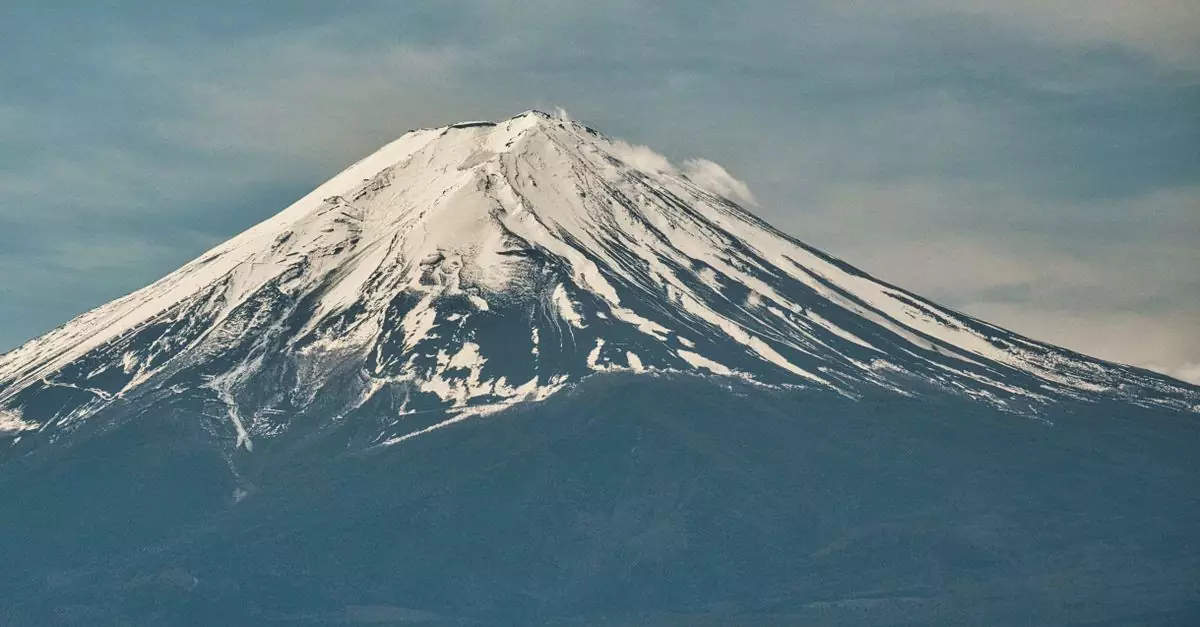
For those seeking geological power and breathtaking landscapes, visiting an active volcano presents an unparalleled travel experience. These destinations offer opportunities for challenging hikes, stunning vistas, and a profound connection with Earth’s dynamic forces. Planning a trip to these awe-inspiring sites requires attention to safety, local conditions, and the best times to visit.
Mount Bromo, Indonesia: Sunrise Views and Crater Hikes
Mount Bromo, part of the Tengger massif in East Java, Indonesia, is one of the most iconic volcanic landscapes in Southeast Asia. Its caldera presents a dramatic panorama, especially at sunrise when the sky illuminates the surrounding peaks, including Mount Batok and Mount Semeru. The experience often begins with an early morning jeep ride across the Sea of Sand, a vast volcanic ash plain, leading to a viewpoint like Penanjakan.
From this vantage point, you can descend into the caldera and hike up to the rim of Mount Bromo’s crater. The air is often thick with sulfurous fumes, a constant reminder of the volcano’s activity. The climb is relatively short but steep, with stairs leading to the very edge.
- Best Time to Visit: The dry season, from April to October, offers clearer skies and more pleasant trekking conditions.
- Getting There: Fly into Surabaya (SUB) and arrange a private car or join a tour to Cemoro Lawang, the closest village to Bromo.
- Accommodation: Guesthouses and hotels in Cemoro Lawang range from budget-friendly to mid-range.
Volcán Pacaya, Guatemala: Trekking Near Lava Flows
Volcán Pacaya, near Antigua, Guatemala, is popular for its accessibility and the thrill of witnessing volcanic activity up close. While not constantly erupting, guided treks often take visitors to areas where heat can be felt on the ground, and steam vents are visible. The hike is moderately challenging, traversing lava fields and volcanic ash.
Local guides are essential for safety and navigating the terrain, which can change due to volcanic activity. They often carry marshmallows to roast over hot spots, creating a memorable experience. The summit offers panoramic views of the surrounding Guatemalan highlands and other volcanoes.
- Safety: Always go with a licensed guide. Conditions can change rapidly.
- Logistics: Day trips from Antigua are common and can be booked through local tour operators.
- What to Bring: Sturdy hiking boots, a jacket for cooler altitudes, and plenty of water.
Mount Fuji, Japan: Iconic Summit and Cultural Significance
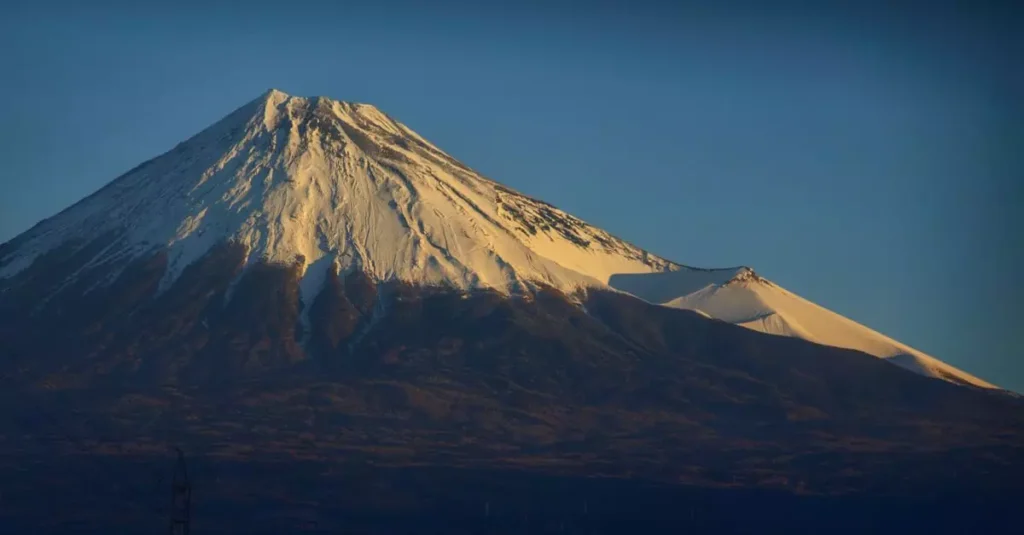
Mount Fuji, Japan’s tallest peak, is a dormant stratovolcano and a UNESCO World Heritage site. Its last eruption occurred in 1707, but its majestic presence dominates the Japanese landscape and holds deep cultural significance. Climbing Fuji is a rite of passage for many, offering a challenging ascent with rewarding summit views.
The climbing season typically runs from early July to early September. During this period, mountain huts are open, and the trails are well-maintained. There are four main trails, with the Yoshida Trail being the most popular. Many climbers opt for an overnight ascent to witness the sunrise, known as “Goraiko,” from the summit.
- Climbing Season: July 1 to September 10 (approximate dates).
- Transportation: Access to the 5th Station (the starting point for most climbers) is via bus from major cities like Tokyo or Kawaguchiko.
- Budget Considerations: Factor in costs for transportation, mountain hut stays, food, and potentially gear rental.
Stromboli, Italy: Europe’s ‘Lighthouse of the Mediterranean’
Stromboli, one of the Aeolian Islands off the coast of Sicily, is renowned for its persistent volcanic activity, earning it the nickname “Lighthouse of the Mediterranean.” This active volcano offers a unique spectacle with regular small eruptions that send incandescent lava bombs into the night sky. Access to the summit requires a guided tour due to safety regulations.
Guided treks typically start in the late afternoon, allowing hikers to reach vantage points before sunset. As darkness falls, the eruptions become even more dramatic and visible. The climb can be strenuous, involving steep ascents over loose volcanic scree.
- Guided Tours: Essential for summit access. Book in advance, especially during peak season.
- Best Viewing: From the Sciara del Fuoco (Stream of Fire) overlook, accessible by boat tours for those who prefer not to hike.
- Island Hopping: Stromboli is part of a larger volcanic archipelago, making it a great stop on a tour of the Aeolian Islands.
Ojos del Salado, Chile/Argentina: Highest Active Volcano
Ojos del Salado, straddling the border between Chile and Argentina, is the world’s highest active volcano, reaching an impressive 6,893 meters (22,615 feet). While its volcanic activity is limited to fumaroles (steam vents) and sulfur deposits, its sheer scale and altitude make it a compelling destination for serious adventurers.
The surrounding landscape is stark and arid, typical of the high Andes. Access is generally from the Chilean side via the town of Copiapó, or from Argentina via Fiambalá. Due to the extreme altitude and remote location, proper acclimatization and extensive mountaineering experience are crucial.
- Altitude: Extreme. Requires significant acclimatization and physical fitness.
- Logistics: Typically requires a 4×4 vehicle to reach the base camps.
- Seasonality: The climbing season is usually from December to March, during the Southern Hemisphere’s summer.
| Volcano | Country | Type of Activity | Difficulty (Climb) | Best Viewing Time |
|---|---|---|---|---|
| Mount Bromo | Indonesia | Fumarolic, occasional ash emissions | Moderate | Sunrise |
| Volcán Pacaya | Guatemala | Fumarolic, sporadic lava flows | Moderate | Daytime |
| Mount Fuji | Japan | Dormant (last erupted 1707) | Strenuous | Sunrise from summit |
| Stromboli | Italy | Persistent strombolian eruptions | Moderate to Strenuous | Nighttime |
| Ojos del Salado | Chile/Argentina | Fumarolic, minor geothermal activity | Very Strenuous | Daytime |
Which Volcano Destinations Offer the Best Hiking Experiences?
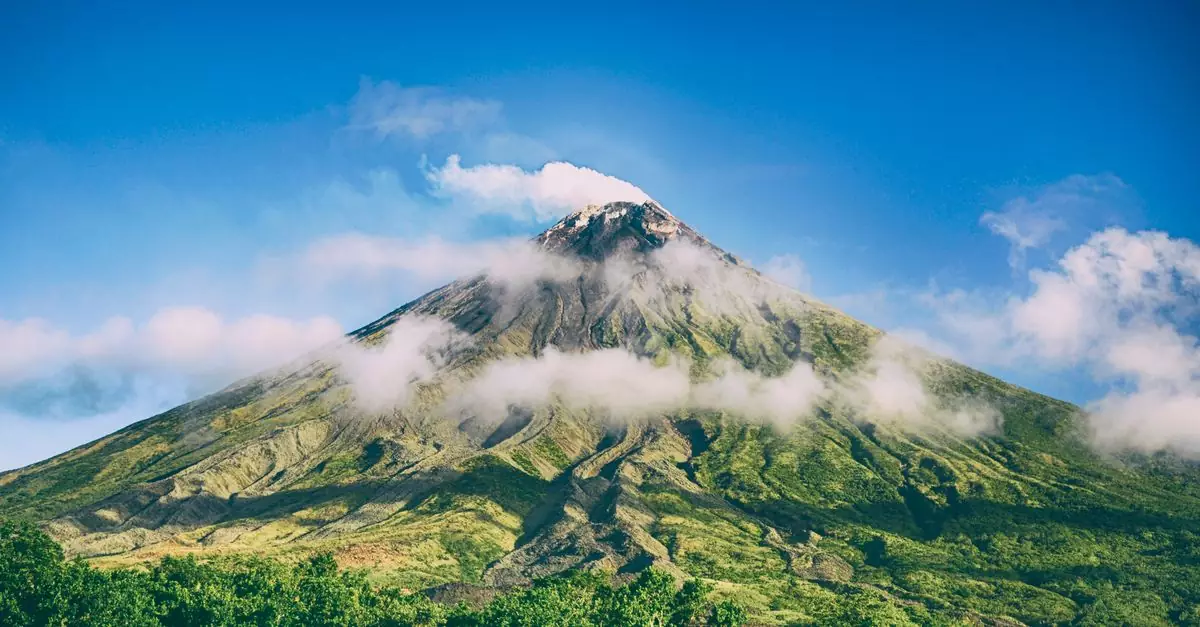
For those seeking adventure on foot, several volcanic landscapes around the globe present unparalleled hiking opportunities. These treks often combine challenging ascents with breathtaking views, rewarding climbers with a profound sense of accomplishment and stunning natural beauty. The best volcano destinations for hikers typically offer well-maintained trails, varying difficulty levels, and the chance to witness unique geological phenomena.
Conquering Mount Kilimanjaro, Tanzania: A High-Altitude Challenge
Mount Kilimanjaro, the world’s highest free-standing mountain, is an iconic volcanic peak that draws trekkers from all continents. Its three cones – Shira, Kibo, and Mawenzi – are remnants of ancient volcanoes. The most popular route, the Marangu route, offers a gradual ascent over five to seven days, with basic hut accommodations along the way.
This high-altitude climb requires significant physical preparation and acclimatization. Trekkers will traverse diverse ecological zones, from lush rainforests at the base to alpine deserts and finally the arctic summit zone. Safety is paramount; trekkers are advised to ascend slowly to prevent altitude sickness. Hiring a licensed guide and a support crew is mandatory and crucial for a successful ascent.
Key Considerations for Kilimanjaro:
- Best Time to Climb: January-March and June-October offer drier conditions.
- Duration: 5-9 days depending on the chosen route and acclimatization.
- Difficulty: Strenuous, requiring good physical fitness.
- Accommodation: Basic mountain huts or camping.
- Permits & Guides: Mandatory and significant cost.
Exploring the Peaks of Mount Rainier National Park, USA
Mount Rainier, a majestic stratovolcano in Washington State, is a prominent feature of the Cascade Range. The national park surrounding it offers a variety of hiking trails, from gentle strolls through wildflower meadows to challenging climbs on glaciers. For serious mountaineers, summiting Rainier is a significant undertaking requiring technical climbing skills and experience.
Day hikers can enjoy routes like the Skyline Trail at Paradise, which provides stunning views of the volcano and its surrounding glaciers, especially in summer when wildflowers are in full bloom. The park also features lower-elevation trails in areas like Grove of the Patriarchs, showcasing old-growth forests. Planning is essential, especially for overnight stays, as accommodations and campsites book up months in advance.
Mount Rainier Hiking Highlights:
- Paradise Area: Known for wildflower displays and panoramic volcano views.
- Sunrise Area: Offers high-alpine scenery and access to various trails.
- Backpacking: Permits are required for overnight trips, often obtained via lottery.
- Best Season: July and August for snow-free trails at higher elevations.
Trekking the Andes: Cotopaxi Volcano, Ecuador
Cotopaxi, one of Ecuador’s most impressive active volcanoes, stands at over 5,897 meters (19,347 feet) in the Andes Mountains. Its near-perfect conical shape is a spectacular sight. While the summit is accessible to experienced climbers, many visitors opt for day hikes to the refuge or explore the surrounding national park, which offers incredible biodiversity and dramatic volcanic landscapes.
The Cotopaxi National Park is home to vicuñas, wild horses, and numerous bird species. Hiking trails wind through páramo (high-altitude grassland) and offer breathtaking views of the volcano and its glaciers. Climbing to the summit requires glacier travel experience, specialized equipment, and a certified guide. Due to its active nature, access to the summit can be restricted based on volcanic activity, so it’s wise to check current conditions before planning a trip.
Cotopaxi National Park Insights:
- Access: Accessible from Quito or Latacunga.
- Summit Climb: Requires advanced mountaineering skills and acclimatization.
- Park Trails: Offer opportunities for wildlife viewing and experiencing the páramo ecosystem.
- Volcanic Activity: Monitor local advisories regarding summit access.
These destinations represent some of the most awe-inspiring volcano hikes available, each offering a unique challenge and a profound connection with the Earth’s powerful geological forces.
Safest Volcanoes for First-Time Visitors and Families
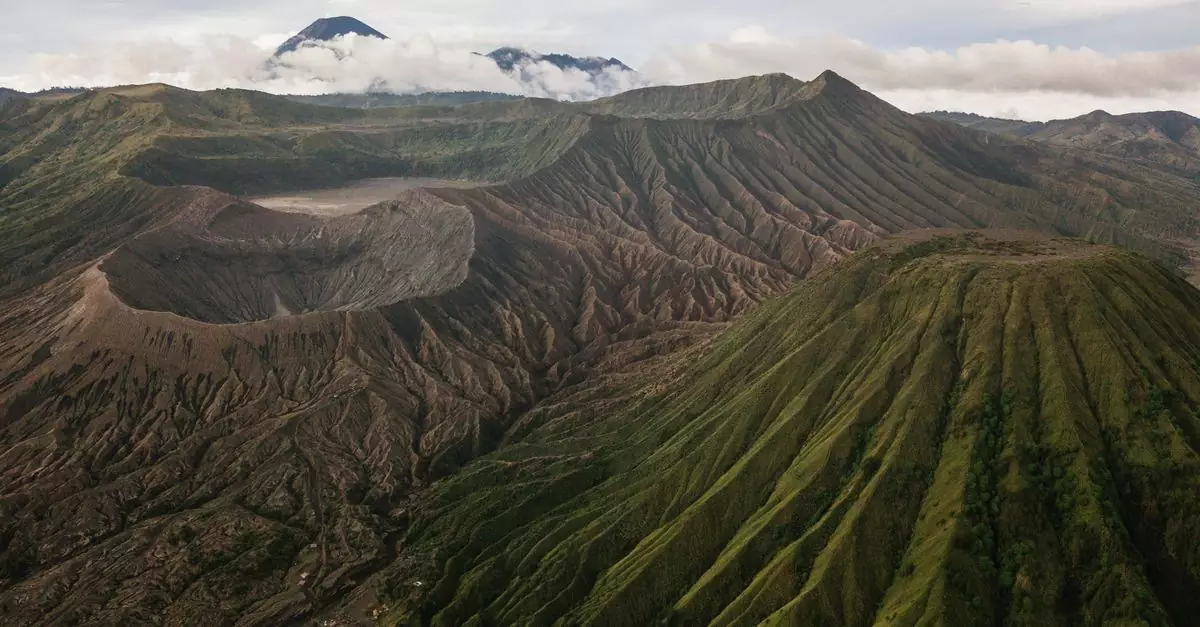
For travelers new to volcanic landscapes or those visiting with children, choosing a destination that prioritizes safety and accessibility is crucial. These volcanoes provide remarkable geological experiences without compromising visitor well-being, often featuring well-maintained trails, visitor centers, and guided tour options. They offer a fantastic introduction to the dynamic forces shaping our planet.
Mount Tarawera, New Zealand: Geothermal Wonders and Hot Springs
Mount Tarawera in New Zealand’s North Island offers a unique perspective on volcanic activity, having last erupted in 1886. This event dramatically reshaped the landscape, creating the Waimangu Volcanic Valley. Today, visitors can explore the area via guided walks or thrilling quad bike tours. The valley is renowned for its geothermal features, including geysers and vibrant hot springs, making it a visually stunning and geologically fascinating destination.
Safety is key, with marked trails and experienced guides ensuring visitors stay within secure zones. The area is not actively erupting, allowing for safe exploration of the crater rim and surrounding geothermal areas. Many tours include opportunities to visit nearby hot springs, providing a relaxing end to a day of discovery.
| Activity | Duration | Cost Estimate (NZD) | Notes |
|---|---|---|---|
| Guided Walking Tour | 3-4 hours | $100 – $150 | Covers crater rim and geothermal valley. |
| Quad Bike Adventure | 2-3 hours | $180 – $250 | Includes guided off-road exploration. |
| Waimangu Geothermal Cruise | 1.5 hours | $60 – $80 | Lake cruise with geothermal viewpoints. |
Kīlauea Volcano, Hawaii: Accessible Lava Tubes and Viewing Platforms
Kīlauea, located on Hawaii Island, is one of the most active volcanoes on Earth, yet it offers remarkably safe and accessible ways for visitors to witness volcanic phenomena. Hawaiʻi Volcanoes National Park provides numerous viewing areas, including overlooks for current lava flows (when active and safe) and well-maintained paths through ancient lava tubes. The Jaggar Museum overlook, for instance, offers panoramic views of the Kīlauea caldera.
The park’s infrastructure is designed for public access, with paved roads, clear signage, and ranger-led programs. While active lava flows can pose hazards, designated safe viewing points and strict park regulations ensure visitor safety. Exploring the Thurston Lava Tube (Nāhuku) is a popular family-friendly activity, allowing you to walk through a solidified lava channel.
Transportation within the park is primarily by car. Several accommodation options are available in nearby towns like Volcano Village or Hilo, ranging from budget-friendly motels to comfortable hotels. It’s advisable to check the Hawaiʻi Volcanoes National Park website for current eruption status and safety advisories before visiting.
Mount Etna, Sicily: Guided Tours and Cable Car Ascents
Mount Etna, Europe’s most active volcano and a UNESCO World Heritage site, presents an exhilarating yet manageable experience for visitors. Located in Sicily, Italy, Etna offers various exploration options, from driving to the lower craters to taking a cable car and guided 4×4 excursions to higher altitudes. The volcanic landscape is dramatic, with vast lava fields, craters, and unique flora adapted to volcanic soil.
Guided tours are highly recommended for higher elevations, ensuring safety and providing expert insights into the volcano’s geology and history. The cable car ascent offers stunning views of the surrounding region and the summit craters. For families, exploring the lower craters and lava caves accessible by foot or guided tour provides a memorable and educational experience.
| Altitude Level | Access Method | Typical Cost (EUR) | Safety Considerations |
|---|---|---|---|
| Base (Rifugio Sapienza) | Car/Bus | Free | Accessible lava fields and smaller craters. |
| Mid-Altitude | Cable Car + 4×4 Bus | €60 – €100 | Requires guides for higher excursions. |
| Summit Craters | Guided Trekking (from cable car stop) | €100+ | Weather-dependent, requires good fitness, experienced guides mandatory. |
When planning a visit to any of these incredible volcanic destinations, always prioritize checking local conditions and following the guidance of park authorities and tour operators.
Unforgettable Volcano Photography Spots Around the Globe
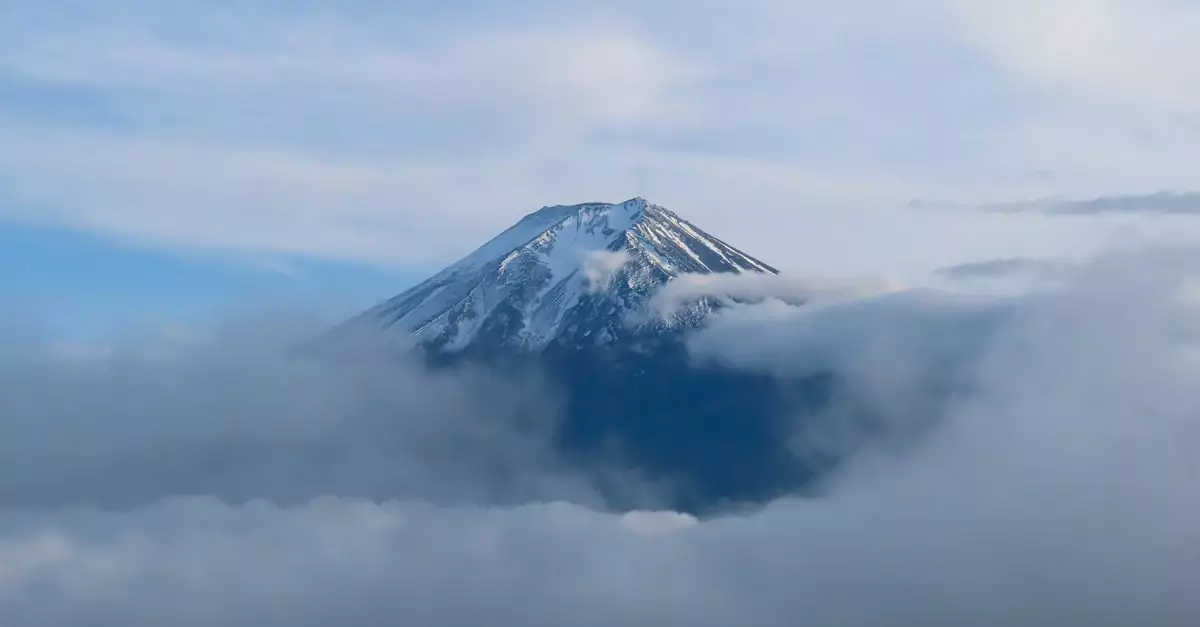
Capturing the raw power and dramatic landscapes of volcanoes offers a unique photographic challenge and reward. From fiery eruptions to serene, caldera-filled horizons, these destinations provide unparalleled opportunities for stunning shots. Planning is key to safely and effectively photograph these geological wonders.
The Caldera of Santorini, Greece: Dramatic Island Vistas
Santorini’s iconic caldera, formed by a massive volcanic eruption thousands of years ago, offers some of the most breathtaking island scenery in the world. The crescent-shaped island, with its whitewashed villages clinging to steep cliffs, overlooks the submerged volcanic crater. Photographers flock here for the dramatic sunsets that paint the sky in vibrant hues, reflecting off the Aegean Sea and volcanic rock formations.
While Santorini is a popular tourist destination, capturing its volcanic beauty requires strategic timing. Oia is renowned for its sunset views, but crowds can be overwhelming. Consider exploring less-visited villages like Imerovigli or Firostefani for a more intimate photographic experience. Early morning light also offers a softer, less crowded opportunity to capture the caldera’s grandeur. Boat tours that venture into the caldera provide unique perspectives of the volcanic islands of Nea Kameni and Palea Kameni, allowing for shots that showcase the sheer scale of the geological event.
- Best Time for Photography: Sunset and sunrise.
- Photography Focus: Caldera views, whitewashed villages, sunset colors, sea vistas.
- Getting Around: Local buses, ATVs, taxis, and boat tours.
Ijen Crater, Indonesia: Blue Fire and Acid Lake
The Kawah Ijen complex on Java, Indonesia, is famous for its extraordinary natural phenomena: the “blue fire” that emanates from volcanic gas vents and its highly acidic crater lake. This otherworldly landscape presents a challenging yet rewarding subject for photographers willing to venture into the pre-dawn darkness. The ethereal blue glow, a result of burning sulfuric gases, is a truly unique spectacle.
Visiting Ijen requires an early start, often beginning around 2 or 3 AM, to witness the blue flames. The trek to the crater rim is moderately strenuous and takes about 1.5 to 2 hours. Visibility can be poor due to sulfurous fumes, so protective gear, including a mask and goggles, is essential for comfort and safety. The acidic lake, striking in its turquoise color, is one of the largest and most acidic crater lakes globally. Photographers should be mindful of the fumes and the rough terrain. Consider hiring a local guide for both safety and to navigate the best vantage points.
- Key Attractions: Blue fire phenomenon, turquoise acidic crater lake, sulfur miners.
- Logistics: Pre-dawn start essential, sturdy hiking boots, gas mask, and goggles are a must.
- Photography Tips: Use a tripod for low-light conditions, protect your camera from acidic fumes.
Volcanoes National Park, Rwanda: Gorillas and Grassy Slopes
While not defined by fiery eruptions, Volcanoes National Park in Rwanda is home to the majestic Virunga Mountains, a chain of volcanoes that provide a dramatic backdrop for its most famous inhabitants: mountain gorillas. The lush, volcanic slopes create a unique ecosystem, offering a different kind of awe-inspiring volcanic landscape. This park is a premier destination for wildlife photography, with the volcanoes adding a majestic element to every frame.
Gorilla trekking is the primary activity here, and permits are required and should be booked well in advance. The treks can be challenging, involving hiking through dense jungle, but the reward of encountering a gorilla family in their natural habitat is unparalleled. The volcanic terrain contributes to the park’s stunning biodiversity. While direct volcanic activity is rare within the park’s tourist areas, the presence of Mount Karisimbi and Mount Bisoke, both dormant volcanoes, shapes the entire landscape and offers incredible panoramic views for those who undertake longer treks.
- Primary Draw: Mountain gorilla encounters.
- Volcanic Feature: Virunga Mountains, Mount Karisimbi, Mount Bisoke.
- Travel Advice: Book gorilla permits months in advance, prepare for strenuous hikes, and pack rain gear.
Planning Your Trip: Best Time to Visit and Essential Packing
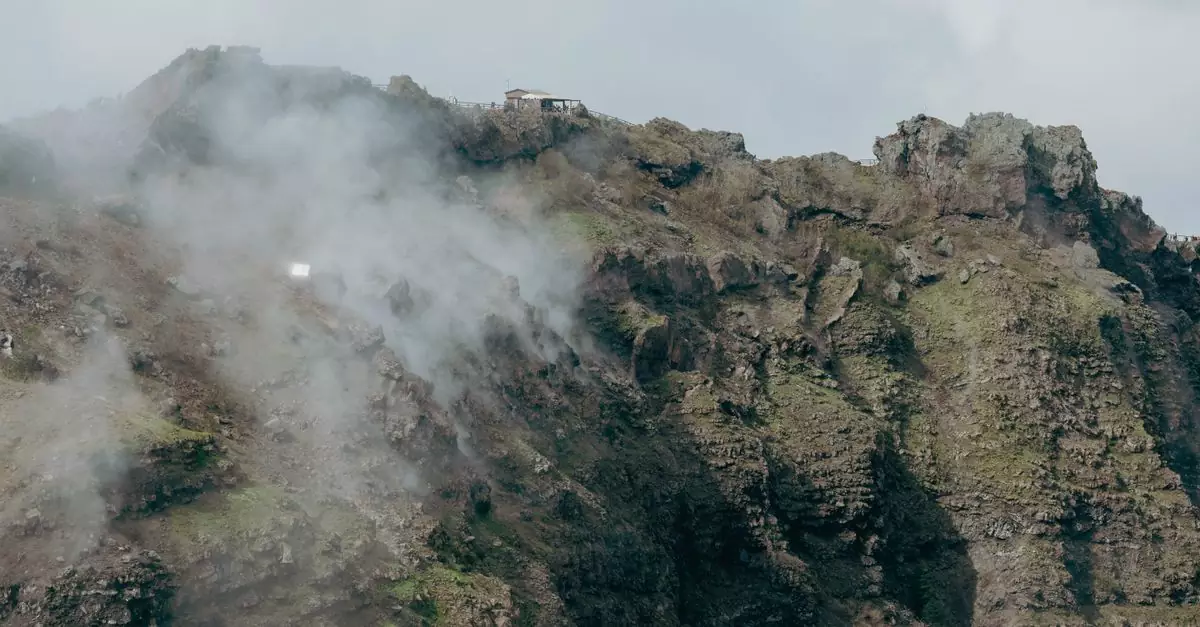
When planning an adventure to the world’s most awe-inspiring volcano destinations, understanding seasonal weather patterns and packing appropriately are crucial for a safe and enjoyable experience. These volcanic landscapes often present unique environmental challenges, from unpredictable weather to rugged terrain.
Seasonal Weather Patterns at Major Volcano Sites
Volcanic regions span diverse climates, meaning the “best” time to visit varies significantly. For destinations like Mount Fuji in Japan, the prime climbing season is typically July and August, offering clear skies and accessible trails. In contrast, the Galápagos Islands, home to active volcanoes like Sierra Negra, enjoy a stable climate year-round, though the dry season from July to December often provides more comfortable hiking conditions.
Conversely, locations such as Mount Bromo in Indonesia experience distinct wet and dry seasons. The dry season, from April to October, is generally preferred for clearer views and easier access to viewpoints. For those seeking dramatic landscapes shaped by volcanic activity, consider the shoulder seasons in places like Iceland, where late spring or early autumn can offer fewer crowds and a chance to witness the Northern Lights against a volcanic backdrop. Always check specific regional forecasts before your trip, as microclimates can change rapidly.
What to Pack for Volcanic Treks and Sightseeing
Packing for volcano destinations requires a focus on versatility and preparedness for varied conditions. Sturdy, broken-in hiking boots are essential for providing ankle support on uneven, rocky, volcanic scree. Layers are key; think moisture-wicking base layers, insulating mid-layers like fleece, and a waterproof and windproof outer shell.
Sun protection is also crucial, even in cooler climates, as volcanic landscapes can be exposed. A wide-brimmed hat, sunglasses, and high SPF sunscreen are vital. For treks, a comfortable daypack is essential to carry water, snacks, a first-aid kit, and extra clothing. Consider a headlamp for early morning starts or late finishes, especially if you’re aiming for a sunrise summit. Insect repellent can be useful in certain tropical volcanic regions.
Here’s a quick packing checklist:
- Footwear: Broken-in hiking boots, comfortable walking shoes for rest days.
- Clothing: Moisture-wicking base layers, insulating mid-layers (fleece, down vest), waterproof/windproof jacket and pants, hiking socks, quick-dry trousers or shorts.
- Protection: Sunscreen, sunglasses, wide-brimmed hat, lip balm with SPF, insect repellent.
- Gear: Daypack, reusable water bottles or hydration reservoir, headlamp or flashlight, basic first-aid kit, trekking poles (optional but recommended for steep ascents/descents).
- Documents & Money: Passport, visa (if required), credit/debit cards, local currency.
Navigating Transportation to Remote Volcano Locations
Reaching many of the world’s most impressive volcano destinations often involves a multi-stage transportation plan. Flights are usually the first step, bringing you to the nearest major international or domestic airport. From there, local transport options can range from private car hires and shared taxis to buses and even ferries, depending on the region.
For instance, accessing Mount Kilimanjaro in Tanzania involves flying into Kilimanjaro International Airport (JRO) and then arranging transport to the park gates, often through a tour operator. Similarly, reaching the volcanoes of South America might involve flights between major cities followed by bus journeys or organized tours to national parks.
| Destination Type | Typical First Leg Transport | Common Local Transport Options | Budget Consideration |
|---|---|---|---|
| Major Peaks (e.g., Fuji) | International/Domestic Flight | Trains, buses, taxis | Moderate |
| Remote National Parks | Domestic Flight | Rental car, private driver, organized tours, local buses | Moderate to High |
| Island Volcanoes (e.g., Galápagos) | International/Domestic Flight | Flights between islands, ferries, taxis, organized boat tours | High |
Many remote volcano sites are best accessed via organized tours, which often include transportation, guides, and park permits, simplifying logistics considerably. Researching specific transportation networks for your chosen destination well in advance is essential. For those venturing into less developed areas, consider the reliability of local transport and factor in potential delays.
Frequently Asked Questions About Volcano Tourism
What are the risks associated with visiting active volcanoes?
Visiting active volcanoes carries inherent risks, including potential eruptions, ashfall, lava flows, and toxic gas emissions. Safety protocols are paramount. Always heed warnings from park authorities and guides, stay on marked trails, and maintain a safe distance from active vents. Volcanic activity can change rapidly, so staying informed about current conditions is crucial for a safe experience.
How do I choose the right volcano for my fitness level?
The best volcano destinations cater to a range of physical abilities. For strenuous adventures, consider climbing Mount Kilimanjaro in Tanzania or hiking the challenging trails around Mount Fuji in Japan. If you prefer less demanding experiences, many volcanoes offer scenic drives, short accessible walks to viewpoints, or boat tours for panoramic vistas. Researching trail difficulty, elevation gain, and accessibility beforehand is key. A visit to Kīlauea in Hawaii Volcanoes National Park offers accessible boardwalks and viewpoints suitable for most visitors, while climbing its summit requires significant preparation.
Are there budget-friendly volcano destinations?
Yes, several impressive volcano destinations offer more affordable travel options. Countries in Southeast Asia and parts of South America often provide lower costs for accommodation, food, and local transportation. For example, visiting Mount Bromo in Indonesia can be done on a relatively modest budget, especially if you opt for local guesthouses and eat at warungs (local eateries). While some iconic peaks may require more investment due to park fees or guided tours, exploring volcanic landscapes through national parks in countries like Iceland or Chile can also be managed with careful planning and by utilizing public transport where available.
| Destination | Estimated Daily Budget (USD) | Notes |
|---|---|---|
| Mount Bromo, Indonesia | $30 – $60 | Affordable local food and guesthouses |
| Ijen Crater, Indonesia | $40 – $70 | Requires guide, but transport is cheap |
| Volcán Pacaya, Guatemala | $50 – $80 | Day tours from Antigua are common |
| Mount Etna, Italy | $80 – $150 | Higher costs, but accessible via cable car |
What kind of accommodation is typical near volcano parks?
Accommodation options near volcano parks vary widely, from basic guesthouses and hostels to luxury resorts. Many destinations offer eco-lodges and boutique hotels emphasizing proximity to nature. In more remote areas, camping or glamping might be available. For popular sites like those in South America, you’ll find a spectrum of choices, from budget-friendly hostels in nearby towns to upscale lodges with volcano views. Booking in advance is highly recommended, especially during peak tourist seasons.