South America is a continent rich in wildlife, offering some of the world’s most remarkable opportunities for nature enthusiasts. From the unique evolutionary wonders of the Galapagos Islands to the incredible biodiversity of the Amazon rainforest and the jaguar-rich wetlands of the Pantanal, planning a wildlife-focused trip requires an understanding of what makes each destination special. This guide will highlight the top locations for unforgettable animal encounters, detailing the best times to visit, key species to observe, and practical tips for navigating these stunning natural environments. Get ready to explore a continent where nature reigns supreme, promising awe-inspiring connections with the wild.
Unforgettable Wildlife Encounters: Top South American Destinations

South America boasts unparalleled biodiversity, offering extraordinary opportunities for wildlife viewing. From volcanic islands to vast wetlands and dense rainforests, these destinations promise experiences that will linger long after your journey. Planning your trip around the best wildlife experiences requires insight into each region’s unique features.
Galapagos Islands: Darwin’s Living Laboratory
The Galapagos Islands are a premier destination for observing wildlife that has evolved in isolation. Here, animals show little fear of humans, allowing for incredibly close and respectful interactions. Expect to see giant tortoises, marine iguanas, blue-footed boobies, and playful sea lions in their natural habitats.
Getting There and Around: Flights depart from mainland Ecuador (Quito or Guayaquil) to Baltra or San Cristobal Islands. Travel between islands typically involves small cruise ships or inter-island ferries.
Best Time to Visit: The Galapagos can be enjoyed year-round, with different seasons offering distinct advantages. The warm season (December to May) is ideal for snorkeling and observing nesting seabirds, while the dry season (June to November) brings cooler waters, better for whale shark sightings and more active marine life.
What to Expect: Guided tours are required for most visitor sites, ensuring minimal impact on the fragile ecosystem. These tours are led by certified naturalist guides who provide invaluable insights into the islands’ natural history.
Pantanal Wetlands: Jaguar and Capybara Safaris
The Pantanal, the world’s largest tropical wetland, is one of the best places to spot jaguars. This vast savanna is also home to an incredible density of wildlife, including capybaras, giant otters, caimans, and a staggering variety of bird species.
Key Wildlife: Jaguars are the stars here, often seen lounging on riverbanks or hunting. Capybaras, the world’s largest rodents, are commonly found in large family groups. The wetlands also host anacondas, tapirs, and numerous monkey species.
Getting There: Access is usually via Cuiabá or Campo Grande in Brazil. From these cities, travelers typically take organized tours that include transportation into the Pantanal, often by 4×4 vehicles or boats.
Best Time to Visit: The dry season (May to September) is considered prime time. With receding waters, animals gather around remaining water sources, making them easier to spot. This period also offers clearer skies and more comfortable temperatures.
Amazon Rainforest: Biodiversity Hotspots in Peru and Ecuador
The Amazon basin, spanning several countries, is the planet’s most biodiverse terrestrial ecosystem. In regions like Peru’s Tambopata National Reserve or Ecuador’s Yasuni National Park, immerse yourself in a world of unparalleled natural richness.
Wildlife Highlights: Expect to see monkeys, sloths, macaws, toucans, river dolphins, and countless insect and plant species. Guided jungle treks and canoe trips reveal hidden wonders, from tiny poison dart frogs to elusive tapirs.
Logistics and Accommodations: Lodges range from rustic to luxurious, often offering all-inclusive packages that include guided excursions. Many lodges are accessible only by boat, adding to the sense of adventure. Getting to gateway cities like Iquitos (Peru) or Coca (Ecuador) usually involves flights from major South American capitals.
When to Go: The Amazon can be visited year-round. The wet season (roughly December to May) offers higher river levels for deeper exploration by boat, while the dry season (June to November) means more accessible trails and concentrated wildlife along riverbanks.
Iguazu Falls: Birdlife and Rainforest Ecosystems
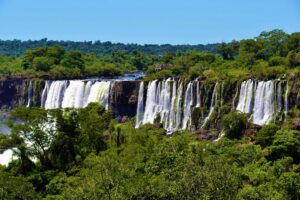
While the thundering cascades of Iguazu Falls attract many visitors, the surrounding Atlantic Rainforest is a haven for diverse wildlife, particularly birds. The sheer scale of the falls creates a unique microclimate that supports a vibrant ecosystem.
Avian Diversity: Over 700 bird species have been recorded in the Iguazu area, including vibrant toucans, majestic harpy eagles (though rare), and countless parrots and macaws that add splashes of color against the mist.
Other Wildlife: Beyond birds, visitors might spot coatis, monkeys, and various reptiles and amphibians along the well-maintained trails. The surrounding parkland is a crucial habitat for many species.
Visiting Iguazu: The falls are accessible from both Argentina and Brazil. Each side offers distinct perspectives and wildlife viewing opportunities. The Argentinian side has more extensive trail systems within the rainforest, while the Brazilian side provides panoramic views of the falls and surrounding jungle. Flights connect to nearby airports in Puerto Iguazú (Argentina) or Foz do Iguaçu (Brazil).
Planning Your South American Wildlife Adventure
South America offers unmatched opportunities for wildlife encounters, from the vibrant Amazon rainforest to the majestic Andes mountains. Planning a trip focused on observing nature requires careful consideration of timing, itinerary, and logistics. Understanding these elements will significantly enhance your chances of unforgettable sightings and a smoother journey across this diverse continent.
Best Time to Visit for Wildlife Sightings
The optimal time for wildlife viewing varies greatly by region and the specific animals you hope to see. Generally, dry seasons in most areas offer concentrated wildlife activity as animals gather near water sources.
In the Amazon Basin, the dry season (roughly June to November) is often preferred. Rivers recede, creating beaches and making wildlife more visible along riverbanks. However, the wet season (December to May) has its advantages, including higher water levels for deeper exploration and easier sightings of arboreal animals.
The Pantanal is best visited during its dry season (May to September), when water levels drop, concentrating wildlife, especially jaguars, capybaras, and caimans.
For birdwatching in the Andes and Patagonia, spring (September to November) and autumn (March to May) provide excellent viewing opportunities with fewer crowds and pleasant weather.
| Region | Best Dry Season | Best Wet Season | Notes |
|---|---|---|---|
| Amazon | June – Nov | Dec – May | Dry season for river access; wet season for deeper boat exploration. |
| Pantanal | May – Sep | Oct – Apr | Dry season ideal for jaguar and general wildlife spotting. |
| Patagonia | Oct – Apr | May – Sep | Summer offers better weather, but shoulder seasons have fewer crowds. |
| Andes | Year-round | Varies | Altitude and specific microclimates affect local wildlife patterns. |
Choosing Your Ideal Wildlife Itinerary: From Amazon to Andes
Designing a wildlife-focused itinerary in South America requires balancing diverse ecosystems and travel times. Many travelers opt for an Amazonian adventure, often flying into gateway cities like Iquitos (Peru), Manaus (Brazil), or Coca (Ecuador). From these hubs, boat trips and lodge stays provide access to diverse flora and fauna, including monkeys, sloths, macaws, and river dolphins. A typical Amazonian experience might last 4-7 days.
For those seeking iconic megafauna, the Pantanal in Brazil or Bolivia is a prime destination. Jaguar sightings are a major draw, along with capybaras, giant otters, and a remarkable array of birdlife. A dedicated Pantanal trip usually requires 3-5 days, often accessed via Cuiabá (Brazil) or Santa Cruz (Bolivia).
The Galapagos Islands (Ecuador) offer a unique, albeit pricier, wildlife experience with endemic species found nowhere else. This volcanic archipelago is renowned for its marine iguanas, giant tortoises, blue-footed boobies, and sea lions. Cruises are the most common way to visit, with itineraries ranging from 4 to 15 days.
For a different perspective, consider the cloud forests of Mindo (Ecuador) or Monteverde (Costa Rica, though technically Central America, it’s often combined with South American trips) for exceptional birdwatching, particularly hummingbirds and quetzals. Patagonia, spanning southern Chile and Argentina, provides opportunities to see penguins, whales, condors, and guanacos, especially during warmer months.
Navigating South America: Flights, Buses, and Local Transport
Getting around South America for wildlife excursions involves a mix of transportation methods, often dictated by the remoteness of destinations. Flights are essential for covering long distances between major cities and accessing remote regions quickly. For instance, flying into Quito is a common starting point for exploring the Ecuadorian Amazon or the Galapagos.
Within countries, long-distance buses are a popular and budget-friendly option for inter-city travel. While generally safe, journeys can be long and sometimes uncomfortable. Companies like Cruz del Sur in Peru or Andesmar in Argentina offer reliable services. However, reaching many prime wildlife lodges or remote parks may require local buses, taxis, or pre-arranged transfers.
Accessing areas like the Amazon or Pantanal often involves boat travel once you reach a gateway town. Riverboats range from large ferries to smaller speedboats, and lodge packages typically include these transfers.
When planning your route, consider the time needed for each leg of the journey. A trip that looks short on a map can take an entire day or more by bus or boat. Booking flights and bus tickets in advance is advisable, especially during peak seasons. For a comprehensive overview of the continent, consult resources like National Geographic’s South America travel section.
Expert Tips for Maximizing Your Wildlife Photography
Capturing the incredible biodiversity of South America requires more than just a good camera; it demands preparation, patience, and respect for the natural world. Whether you’re aiming to photograph playful sea lions in the Galapagos or elusive jaguars in the Pantanal, these tips will help you achieve the shots you envision. Understanding the nuances of wildlife photography in these unique environments is key to a rewarding experience.
Essential Camera Gear for Wildlife Photography
When embarking on a wildlife photography trip across South America, selecting the right equipment is crucial. A telephoto lens, typically 300mm or longer, is vital for capturing distant subjects without disturbing them. Consider a zoom lens for versatility, allowing you to quickly adjust your focal length. A sturdy tripod or monopod can stabilize your shots, especially in low-light conditions common in dense rainforests or during dawn and dusk.
In addition to lenses, a durable camera body capable of fast burst shooting and excellent autofocus will be beneficial for tracking moving animals. Extra batteries are essential, as cold temperatures or frequent use can drain them quickly. Waterproof or weather-sealed gear is advisable, particularly for coastal or humid environments like the Amazon basin. Don’t forget ample memory cards to store your collection of images.
Best Photography Spots in the Galapagos
The Galapagos Islands offer unique opportunities for close-up wildlife encounters. The fearlessness of the animals, a result of their isolation, allows photographers to capture intimate portraits. Española Island is renowned for its waved albatrosses during their breeding season (April to December), providing chances to photograph their elaborate courtship rituals.
For marine life, snorkeling or diving around Wolf and Darwin Islands offers incredible underwater photography opportunities with sea lions, marine iguanas, and a vibrant array of fish. On Santa Cruz Island, the highlands are a prime location to photograph giant tortoises in their natural habitat. Regulations protect the wildlife; always maintain a respectful distance and never feed the animals.
Capturing the Majestic Jaguars of the Pantanal
The Pantanal is the premier destination for jaguar sightings in South America. The best time to photograph these magnificent cats is during the dry season, from June to October, when they congregate along riverbanks in search of prey. Boat-based safaris on rivers like the Cuiabá offer the most consistent viewing opportunities.
Patience is essential; jaguar sightings can be unpredictable. Early morning and late afternoon provide the best light and the highest chances of activity. Using a telephoto lens is critical, as you’ll likely be viewing from a boat. Be prepared for long waits, but the reward of capturing a jaguar in its element is immense. Respecting the animal’s space and avoiding actions that might stress it are vital for ethical photography.
Ethical Wildlife Photography Practices
Responsible wildlife photography goes beyond capturing stunning images; it ensures the well-being of the animals and their habitats. Always maintain a safe and respectful distance. Never bait, feed, or disturb animals to get a better shot, as this can alter their natural behavior, impact their health, and endanger them.
Adhere to local regulations and guidelines set by park authorities or tour operators. In sensitive areas, specific rules may govern flash photography or approaching certain species. Educate yourself about the animals you are photographing to better anticipate their behavior and minimize your impact. The ultimate goal is to document wildlife without causing harm, preserving these precious creatures for future generations.
Where to Stay for Immersive Wildlife Experiences
Choosing the right accommodation is crucial for maximizing wildlife encounters in South America. Beyond just a place to sleep, these locations often serve as gateways to nature, offering guided excursions, educational programs, and direct access to diverse ecosystems. Consider your budget, desired comfort level, and proximity to specific habitats when making your choice.
Eco-Lodges in the Amazon Rainforest
For an intimate Amazon experience, eco-lodges provide a sustainable and educational base. These lodges are typically built with local materials and operate with minimal environmental impact, often employing local guides with extensive knowledge of the rainforest’s flora and fauna. Staying in an eco-lodge means you’re often deep within the jungle, allowing for early morning birdwatching and late-night wildlife spotting opportunities right outside your door. Many lodges offer guided canoe trips, jungle treks, and piranha fishing excursions, all designed to showcase the incredible biodiversity.
When selecting an Amazon eco-lodge, consider its location relative to major entry points like Iquitos, Peru, or Manaus, Brazil. Access often involves a boat journey, which itself can be a wildlife viewing opportunity. Prices can vary significantly, from rustic, budget-friendly options to more luxurious retreats with private balconies overlooking the river. Booking packages that include meals and guided tours is generally the most cost-effective approach.
Unique Stays near the Pantanal
The Pantanal provides a more accessible yet equally spectacular wildlife viewing experience compared to the dense Amazon. Accommodations range from traditional fazendas (ranches) that offer a glimpse into local life alongside wildlife tours, to dedicated eco-lodges and houseboats. Staying on a fazenda provides a unique cultural immersion, where you can learn about cattle ranching and conservation efforts while embarking on safaris.
Transportation to Pantanal lodges often involves flights to regional airports like Campo Grande or Cuiabá, followed by road transfers. Many lodges offer all-inclusive packages covering accommodation, meals, and guided activities such as jeep safaris, boat tours, and horseback riding. These activities are crucial for spotting iconic species like jaguars, capybaras, caimans, and an astonishing array of birds. Given the open nature of the Pantanal, spotting wildlife is often easier than in the thick jungle.
Galapagos Island Accommodations: From Santa Cruz to Isabela
The Galapagos Islands present unique lodging challenges, as much of the wildlife viewing occurs on organized boat tours or day trips from specific islands. Your accommodation choice will significantly influence your itinerary and access to different visitor sites. Santa Cruz Island is the most developed, offering a range of hotels and guesthouses in Puerto Ayora, the main town. From Santa Cruz, you can arrange day trips to nearby islands like North Seymour, Bartolomé, and South Plaza.
Isabela Island, the largest in the archipelago, offers a more laid-back atmosphere with accommodations in Puerto Villamil. Staying on Isabela allows for easier access to sites like the Tintoreras islet for marine iguanas and penguins, and the Wall of Tears for historical context and potential land iguana sightings. Other islands, like San Cristóbal, also have tourist infrastructure.
When planning your Galapagos stay, keep in mind that many sought-after visitor sites are only accessible via multi-day cruises. For those preferring land-based stays, booking accommodations on islands like Santa Cruz or Isabela and joining day tours provides a flexible and often budget-friendly way to experience the islands’ endemic wildlife. It’s advisable to book accommodations and popular day tours well in advance, especially during peak seasons.
| Island/Location | Accommodation Types | Key Wildlife Focus | Accessibility |
|---|---|---|---|
| Amazon Rainforest (e.g., Peru, Brazil, Ecuador) | Eco-lodges, Jungle Cabins | Monkeys, Macaws, Pink River Dolphins, Sloths | Boat transfer from main cities |
| Pantanal (Brazil) | Fazendas, Eco-lodges, Houseboats | Jaguars, Capybaras, Caimans, Giant Otters | Flight to regional airport + road transfer |
| Galapagos Islands (Ecuador) | Hotels, Guesthouses (on islands), Cruise Ships | Giant Tortoises, Marine Iguanas, Blue-footed Boobies, Sea Lions | Flights to Baltra or San Cristóbal |
What to Pack for a South American Wildlife Trip
Preparing for a wildlife adventure in South America requires thoughtful packing that balances comfort with the demands of diverse environments. From the humid Amazon rainforest to the drier Pantanal or the cooler Andes, your gear needs to be versatile. Understanding the climate of your chosen destinations is the first step in curating an effective packing list for these incredible nature encounters.
Essential Clothing and Footwear for Tropical Climates
When venturing into South America’s lush, biodiverse regions, lightweight, breathable, and quick-drying clothing is essential. Long-sleeved shirts and trousers provide sun protection and guard against insect bites, especially in areas like the Amazon basin. Opt for neutral colors like khaki, olive green, or brown, as bright colors can startle wildlife. Moisture-wicking fabrics keep you comfortable during strenuous hikes or boat excursions.
For footwear, sturdy, waterproof hiking boots are a must for trekking through muddy trails or uneven terrain. Ensure they are well broken-in before your trip to avoid blisters. In wetter environments, consider bringing waterproof gaiters to keep mud and water out of your boots. For relaxed moments or boat trips, a pair of comfortable, closed-toe sandals or water shoes can be useful. Don’t forget a wide-brimmed hat for sun protection and a lightweight rain jacket or poncho, as tropical downpours can be sudden and intense.
Health and Safety Precautions for Remote Areas
Prioritizing health and safety is crucial for any journey focused on wildlife observation in remote South American locales. Before departing, consult your doctor about necessary vaccinations, such as Yellow Fever, Hepatitis A, and Typhoid, depending on your itinerary. Malaria prophylaxis might also be recommended for certain jungle regions. Carry a well-stocked first-aid kit with essentials like antiseptic wipes, bandages, pain relievers, and any personal medications.
Insect repellent containing DEET or picaridin is essential for warding off mosquitoes and other biting insects that can transmit diseases. Apply it regularly, especially at dawn and dusk. Staying hydrated is also key; carry a reusable water bottle and consider a water purification system or tablets if you’re unsure about water sources. Always follow your guide’s instructions regarding safe food and water consumption and be mindful of your surroundings to avoid potential hazards like venomous creatures or unstable ground. Familiarizing yourself with general safety tips for travel in South America can enhance your peace of mind.
Binoculars and Field Guides for Enhanced Observation
To truly appreciate the richness of South America’s wildlife, high-quality binoculars are an indispensable tool. A magnification of 8x or 10x with a wide field of view will allow you to spot distant creatures and track their movements with ease. Look for binoculars that are lightweight, durable, and ideally waterproof or water-resistant, as they will be exposed to various weather conditions. Bringing a comfortable neck strap will ensure they are always within reach.
Complementing your binoculars with a reliable field guide for the specific region you’re visiting will significantly enhance your understanding of the flora and fauna. These guides often include detailed illustrations or photographs, descriptions, and range maps, helping you identify species and learn about their behavior. While digital apps are available, a physical guide can be more reliable in areas with limited connectivity. For instance, a guide focused on Amazonian birds or Pantanal mammals can transform a casual sighting into an educational moment, deepening your connection with the natural world.
Frequently Asked Questions About South American Wildlife Travel
What are the most common wildlife viewing tours?
Wildlife viewing tours in South America often focus on primate spotting in the Amazon rainforest, whale watching along the Pacific coast, penguin colonies in Patagonia, and observing diverse birdlife in the Pantanal. Many tours combine multiple ecosystems to maximize sightings. For example, a trip might start in the cloud forests of Ecuador and move to the Galápagos Islands.
Is South America safe for solo wildlife travelers?
South America is generally safe for solo wildlife travelers, provided standard precautions are taken. Choosing reputable tour operators with good safety records is crucial, especially in remote areas. Many lodges and tour operators cater to solo travelers and often pair them with small groups. Researching specific destinations and understanding local customs will enhance your safety. For general safety tips, consult Wikipedia’s South America page.
What is the average budget for a two-week wildlife trip?
A two-week wildlife trip to South America can vary significantly in cost. A mid-range budget, including flights from North America or Europe, accommodations, internal transport, and guided tours, typically falls between $3,500 and $6,000 per person. Budget travelers might spend closer to $2,500, while luxury experiences can exceed $8,000. Costs vary greatly depending on the destination; the Galápagos Islands are generally more expensive than parts of the Amazon or Pantanal.
| Destination Type | Estimated Daily Cost (USD) | Notes |
|---|---|---|
| Amazon Lodge | $200 – $400 | Includes accommodation, meals, and guided excursions. |
| Patagonia Tour | $250 – $500 | Can include park fees, lodging, and guided hikes. |
| Galápagos Cruise | $400 – $800+ | Varies by ship size, itinerary, and cabin. |
| Pantanal Lodge | $180 – $350 | Similar to Amazon lodges, often all-inclusive. |
How can I minimize my environmental impact on wildlife tours?
Minimizing your environmental impact involves making conscious choices. Opt for eco-lodges that practice sustainability, such as waste management and renewable energy. Always follow your guide’s instructions to avoid disturbing wildlife or their habitats. Avoid single-use plastics by bringing a reusable water bottle and shopping bag. Supporting local communities through purchasing handicrafts or dining at local establishments also contributes positively. Consider choosing tours that are part of conservation efforts or contribute to local research.