Bastogne, a name etched in the annals of World War II, holds profound significance for anyone seeking to understand the pivotal moments of the Battle of the Bulge. This small Belgian town became the epicenter of fierce fighting, symbolizing unwavering resistance against overwhelming odds. Exploring the World War II sites in Bastogne offers a tangible connection to the courage, sacrifice, and tenacity displayed by soldiers in one of history’s most critical campaigns.
In this guide, you’ll discover essential locations that bring this history to life. We’ll explore the Bastogne War Museum, the poignant Mardasson Memorial, the historic foxholes of Bois Jacques, and the iconic McAuliffe Square. Learn about Bastogne’s strategic importance, the battle’s impact on the town, and practical advice for planning your visit, ensuring a meaningful journey through this vital chapter of the 20th century.
Understanding Bastogne’s Crucial Role in World War II
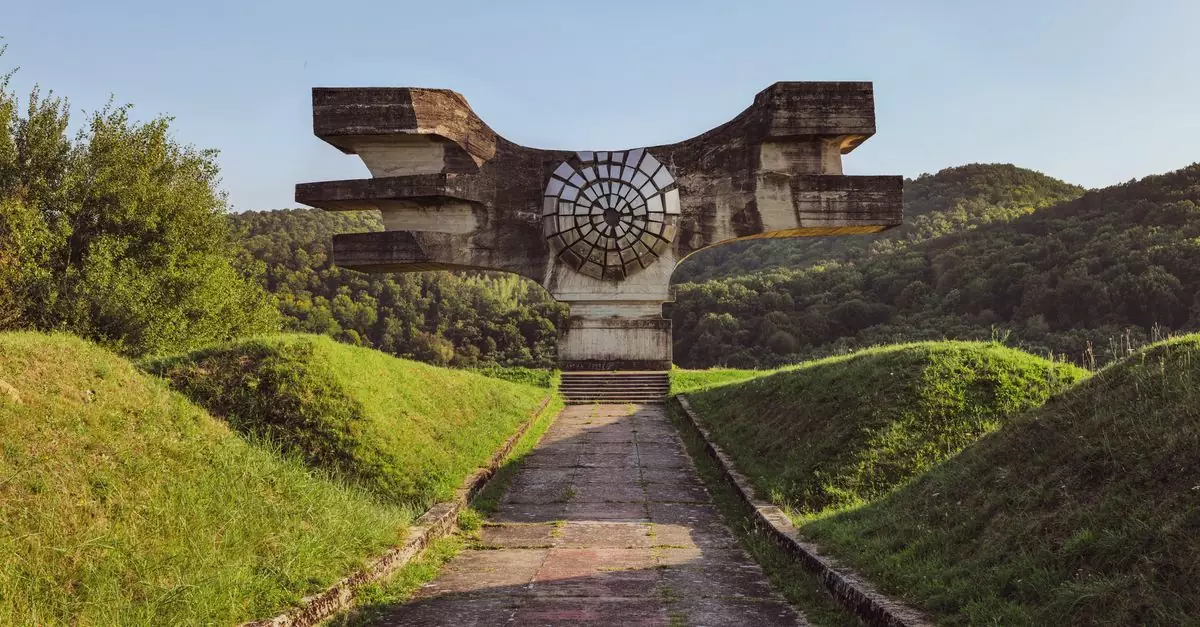
Bastogne, a small town in the Belgian Ardennes, holds immense significance for those interested in World War II. Its strategic location and the fierce fighting during the Battle of the Bulge cemented its place in military history. Understanding this context is key to appreciating the World War II sites in Bastogne you’ll encounter.
The Siege of Bastogne: A Turning Point
The Siege of Bastogne was a critical phase of the Battle of the Bulge, a major German offensive launched in December 1944. The town became a vital crossroads, and its control was fiercely contested. American forces, famously outnumbered and surrounded, held the town against relentless German assaults, buying crucial time for Allied reinforcements to arrive. This stubborn defense exemplifies the resilience and determination of the soldiers.
Why Bastogne Became a Strategic Objective for German Forces
Bastogne’s importance stemmed from its position at the intersection of several key roads. German High Command recognized that capturing these routes would allow their armored divisions to advance rapidly through the Ardennes, splitting Allied forces and potentially reaching the port of Antwerp. Securing Bastogne was a linchpin for their entire offensive strategy, making its defense paramount for the Allies.
The Impact of the Battle of the Bulge on Bastogne
The Battle of the Bulge, particularly the fighting around Bastogne, had a devastating impact on the town and its surroundings. Much of Bastogne was reduced to rubble by intense artillery fire and bombing. The civilian population suffered greatly, caught between opposing armies. Today, many memorials and preserved sites honor the soldiers and remember the profound suffering of the local people and the town’s subsequent rebuilding. The scars of this conflict remain visible, serving as a poignant reminder of the human cost of war.
Must-Visit World War II Sites in and Around Bastogne
Bastogne, Belgium, is synonymous with one of the most pivotal battles of World War II: the Battle of the Bulge. For history enthusiasts, the area offers a profound journey back in time. Visiting these World War II sites in Bastogne provides a direct connection to the courage and sacrifice of soldiers on all sides. Planning your visit involves understanding the key locations and their historical significance.
The Bastogne War Museum: Immersive Exhibits
The Bastogne War Museum serves as an excellent starting point for understanding the Battle of the Bulge. This modern facility employs interactive exhibits, personal testimonies, and authentic artifacts to narrate the battle from multiple perspectives. Visitors can engage with multimedia displays that vividly illustrate the harsh realities of winter warfare and the civilian experience.
Allocate at least two to three hours to fully appreciate the museum’s offerings. Conveniently located near the Mardasson Memorial, it’s easy to combine visits. Consider going during weekdays to avoid larger crowds, especially during peak tourist seasons.
The Mardasson Memorial: Honoring the Fallen
The Mardasson Memorial stands as a powerful symbol of remembrance, dedicated to the American soldiers who fought and fell in the Ardennes. This imposing monument, shaped like a star, features striking bas-relief sculptures depicting scenes of battle and sacrifice. Inside, a crypt holds an eternal flame, and a chapel offers a space for quiet reflection.
Its elevated position provides panoramic views of the surrounding landscape, particularly poignant when imagining the battlefield. It’s a place that commands respect and invites solemn contemplation for anyone interested in the World War II history of Bastogne.
Bois Jacques (The Woods of Jacques): Foxholes of the 101st Airborne
Just outside Bastogne lies Bois Jacques, a forest deeply etched into the memory of the Battle of the Bulge. Here, elements of the 101st Airborne Division, famously surrounded and outnumbered, held their defensive positions. Visitors can walk through the woods and see the remarkably preserved foxholes dug by American soldiers.
Walking among these foxholes provides a visceral understanding of the conditions soldiers endured. The terrain can be uneven, so sturdy footwear is essential, especially in wetter months. The silence of the woods today contrasts sharply with the sounds of battle that once echoed here, making it a deeply moving site.
The McAuliffe Square and “Nuts!” Monument
In the heart of Bastogne, McAuliffe Square commemorates Brigadier General Anthony McAuliffe and his legendary defiant response to a German surrender ultimatum: “Nuts!” The square itself is a hub of activity, with its focal point being the impressive monument celebrating this iconic moment.
The square also hosts the Bastogne Historical Centre and the famous Sherman tank, serving as constant reminders of the town’s wartime significance. It’s a vibrant public space where history and daily life intersect, providing a central point for exploring the town’s wartime heritage.
Planning Your World War II Bastogne Itinerary
When planning a visit to the significant World War II sites in Bastogne, the duration of your stay will greatly influence the depth of your experience. Whether you have a single day or a long weekend, a thoughtful itinerary ensures you make the most of your historical immersion. Consider your interests and available time to craft a plan that resonates with your passion for this pivotal period in history.
A One-Day Deep Dive into Bastogne’s Battlefields
For travelers with limited time, a concentrated one-day itinerary offers a powerful glimpse into the Battle of the Bulge. This focused approach allows you to visit the most impactful sites without feeling rushed. Start your day early at the Bastogne War Museum, which provides excellent context and exhibits detailing the battle’s events and human stories. Allocate at least two to three hours here.
After the museum, head directly to the Mardasson Memorial. This iconic monument stands as a tribute to the American soldiers who fought in the Ardennes, offering a solemn space for reflection. From Mardasson, a short drive or brisk walk can take you to the nearby McAuliffe Square in the heart of Bastogne. Here, you can see the Sherman tank, a potent symbol of the American defense, and the statue of General Anthony McAuliffe, famously associated with the “Nuts!” reply to the German surrender demand.
A Three-Day Immersive Historical Journey
A three-day visit allows for a more comprehensive exploration of Bastogne and its surrounding historical landscape. This extended timeframe permits a slower pace, deeper engagement with exhibits, and the opportunity to visit less central but equally significant locations.
Day 1: Begin with a thorough exploration of the Bastogne War Museum and the Mardasson Memorial, dedicating ample time to absorb the exhibits and atmosphere. In the afternoon, explore the town center, including McAuliffe Square. Consider a guided walking tour of Bastogne itself to uncover hidden historical markers and gain local insights.
Day 2: Focus on the broader battlefield. Renting a car is highly recommended for this day. Visit sites like Bois Jacques (Easy Company Woods), famous for its trenches, and “The Circle” viewpoint overlooking the strategic terrain. Explore smaller, poignant memorials scattered throughout the countryside, often telling incredibly personal stories of bravery and sacrifice.
Day 3: Dedicate this day to understanding the wider strategic context and the experiences of different participants. This could involve visiting sites related to the German advance or the Allied counter-offensives. Depending on your interests, you might also explore nearby towns that played roles in the Ardennes campaign, such as Foy or La Gleize, which houses the December 1944 Museum.
Combining Bastogne with Nearby Ardennes Battle Sites
Bastogne is a cornerstone of any Ardennes campaign tour, but its historical significance is amplified when combined with other key locations. For those seeking a comprehensive understanding of the entire battle, extending your trip to include surrounding areas is advisable.
A logical extension from Bastogne is to travel north toward La Gleize, home to the impressive December 1944 Museum, featuring a King Tiger tank. Further exploration could lead you to areas around Houffalize and the Elsenborn Ridge, sites of intense fighting. These locations provide a broader perspective on the German offensive’s objectives and the determined Allied defense across the Ardennes region of Europe.
When planning a multi-day trip that spans Bastogne and other Ardennes sites, consider transportation logistics. While Bastogne is relatively walkable, accessing dispersed battlefield locations requires a vehicle. Renting a car offers the flexibility to set your own pace and stop at points of interest. Public transport options are limited for reaching these specific historical markers.
Here is a sample itinerary overview for a three-day trip:
| Day | Focus Area | Key Sites | Transportation Suggestion |
|---|---|---|---|
| 1 | Bastogne Core | Bastogne War Museum, Mardasson Memorial, McAuliffe Square, Town Center | Walking/Local Taxi |
| 2 | Battlefield Exploration | Bois Jacques, “The Circle,” surrounding memorials, Foy | Rental Car |
| 3 | Wider Ardennes Context | La Gleize (December 1944 Museum), Elsenborn Ridge, Houffalize (optional) | Rental Car |
Accommodation options in Bastogne range from comfortable hotels to charming bed and breakfasts, providing a good base for your explorations. Booking in advance is recommended, especially during peak historical commemoration periods. Expect moderate costs for accommodations and meals, with museum entrance fees being a significant but worthwhile expense.
How to Get to Bastogne’s World War II Landmarks
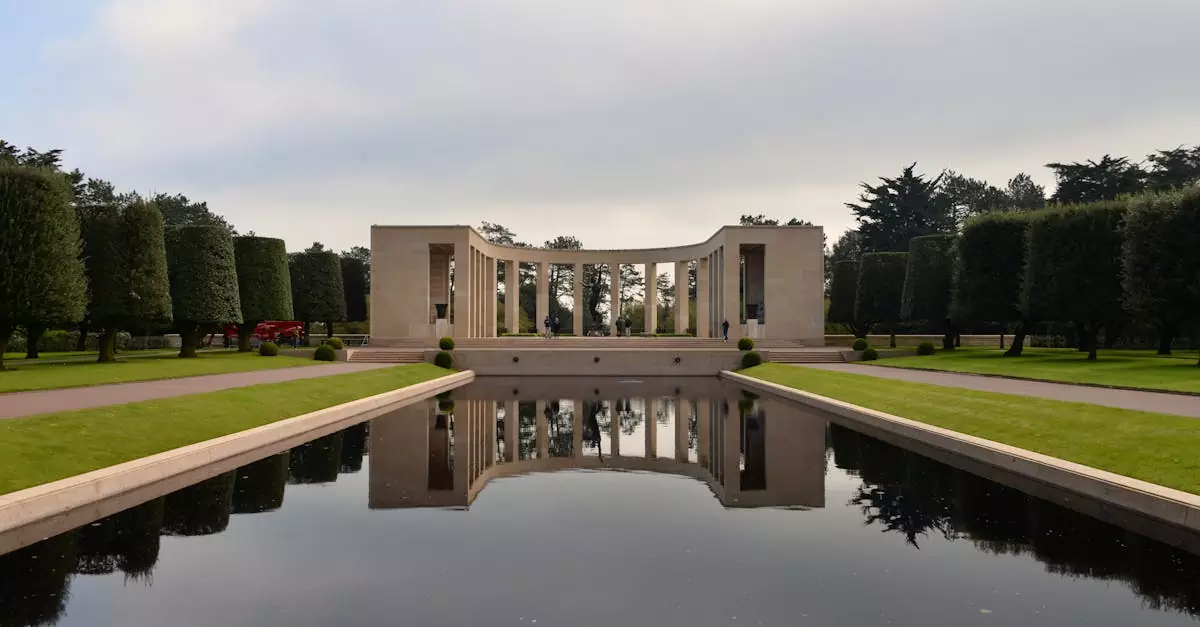
Bastogne, Belgium, serves as a pivotal point for understanding the Battle of the Bulge. Reaching its significant World War II sites is straightforward, whether you prefer independent exploration or guided experiences. Planning your transportation in advance ensures a more focused and impactful visit to these hallowed grounds.
Navigating Bastogne: Public Transport and Walking Routes
Within Bastogne, many key historical locations are accessible on foot, particularly those clustered around the town center. The Bastogne War Museum and the Mardasson Memorial are within reasonable walking distance of each other and the central square, making a self-guided walking tour a viable option for those staying in the town.
Public transport options are limited. Local buses connect some surrounding areas, but they do not efficiently service all dispersed battlefield sites. For instance, reaching specific points on the former front lines or smaller, more remote memorials would be challenging using only public transit. Travelers relying on buses should meticulously plan their routes and schedules, factoring in significant walking times between stops.
- Walking Tip: Wear comfortable shoes, as you’ll be covering ground between historical markers and museums.
- Logistics: Check local bus schedules in advance, as service frequency can vary, especially on weekends and holidays.
Driving Tours of Ardennes WWII Sites
For a comprehensive experience of the Ardennes region’s World War II history, renting a car is highly recommended. This offers the flexibility to visit numerous sites spread across a wider area, including those outside of Bastogne itself. Many travelers opt for a multi-day driving tour to fully appreciate the scale of the battle.
A car allows easy access to locations like Bois Jacques (Easy Company Woods), the La Gleize museum with its German King Tiger tank, and various smaller cemeteries and monuments scattered throughout the Belgian and Luxembourgish countryside. GPS navigation or a good map are essential. Many visitors create their own itineraries, linking key battle locations.
Consider a route that includes key towns like Houffalize and St. Vith, which also bear significant historical importance from this period. This approach provides a broader understanding of the military operations and their impact on the landscape. Driving through the Ardennes also showcases scenic beauty, particularly in autumn.
Guided Tours vs. Self-Guided Exploration of Bastogne’s History
Deciding between a guided tour and self-guided exploration depends on your priorities and available time.
Guided Tours:
These provide the benefit of expert commentary, offering historical context and narratives that might be missed otherwise. Local guides often share personal anecdotes or lesser-known facts, enriching the experience. Tours typically cover the main World War II sites in Bastogne and can be booked as half-day or full-day excursions. This option is excellent for those with limited time or who prefer having all logistics handled. Some tours might include transportation, eliminating the need for car rental.
Self-Guided Exploration:
This offers maximum flexibility. You can set your own pace, linger at sites of particular interest, and deviate from a standard itinerary. With a rental car, you can craft a personalized journey through the Ardennes. This method requires more planning, including researching each site, understanding its significance, and mapping your route. It can also be more budget-friendly if you are comfortable navigating and don’t require a guide’s in-depth interpretation.
Comparison Table: Tour Options
| Feature | Guided Tour | Self-Guided Exploration (Car) |
|---|---|---|
| Cost | Higher (includes guide, often transport) | Lower (car rental, fuel, entrance fees) |
| Flexibility | Limited by itinerary | High; set your own pace and route |
| Historical Depth | High (expert commentary) | Variable (depends on traveler’s research) |
| Logistics | Minimal planning required | Requires significant planning and navigation |
| Time Efficiency | Can be very efficient, covering key sites quickly | Allows for deeper dives, may take longer |
| Best For | Time-constrained travelers, those seeking context | Independent travelers, history enthusiasts |
Whether you choose to be led by an expert or chart your own course, Bastogne and its surrounding areas offer profound insights into a pivotal moment in Europe‘s history.
Experiencing Bastogne: Beyond the WWII Battlefields
While the echoes of World War II are profound in Bastogne, the town and its surrounding Ardennes region offer a richer tapestry of experiences for visitors. Engaging with local culture, savoring regional flavors, and discovering unique historical remnants can deepen your appreciation for this part of Europe.
Local Ardennes Cuisine: What to Eat in Bastogne
The Ardennes region is renowned for its hearty and flavorful cuisine, a welcome contrast to the solemnity of the battlefields. Expect rich stews, game meats, and delicious local cheeses. A must-try is the Ardennes ham, a cured specialty with a distinct smoky flavor. Many restaurants in Bastogne serve carbonnade flamande, a beef stew slow-cooked in beer, often accompanied by thick-cut fries. For dessert, look for cougnou, a sweet bread typically enjoyed around Christmas but sometimes found year-round, or local fruit tarts. Pairing your meal with a Belgian beer is practically mandatory; the Ardennes has a strong brewing tradition.
When dining in Bastogne, consider visiting a traditional auberge for an authentic experience. These often offer set menus that showcase seasonal ingredients. Prices for a main course typically range from €15 to €25, with multi-course meals available for around €30-€40.
Best Photo Spots for Capturing Bastogne’s Atmosphere
Beyond the iconic monuments, Bastogne offers subtle yet evocative scenes for photographers. The rolling hills of the Ardennes, especially in autumn or spring, provide a stunning natural backdrop. Look for charming rural villages dotted throughout the countryside, where stone farmhouses and quiet lanes speak of a slower pace of life. The town center itself, with its blend of historic architecture and modern life, presents opportunities for street photography.
For a unique perspective, consider visiting smaller hamlets surrounding Bastogne. Places like Foy or Mande-Saint-Étienne, while significant for their WWII history, also possess a quiet, timeless beauty. Capturing the mist rising over fields in the early morning or the golden light of sunset can add a profound emotional layer to your images, connecting the landscape to the human stories of the past.
Discovering Lesser-Known WWII Artifacts in the Region
While the main museums in Bastogne are essential visits, delving deeper into the region can reveal more intimate connections to the war. Many smaller communities have local historical societies or tiny, privately run exhibits that house fascinating artifacts and personal stories. These often provide a more personal glimpse into the lives of soldiers and civilians during the Battle of the Bulge.
Exploring the countryside can also lead to unexpected discoveries. Keep an eye out for remnants of old fortifications, shell craters that have become part of the natural landscape, or plaques commemorating specific events or fallen soldiers in remote locations. Visiting these less-publicized sites requires more effort, often involving local inquiry or careful map study, but the reward is a more profound connection to the history of the Ardennes. Consider renting a car to access these more remote locations, as public transport is limited in the rural areas surrounding Bastogne.
Frequently Asked Questions About Visiting Bastogne’s WWII Sites
What is the best time of year to visit Bastogne for WWII history?
The most poignant time to visit Bastogne is during the winter months, particularly around December, to commemorate the Battle of the Bulge. The weather can be harsh, with cold temperatures and potential snow, mirroring the conditions faced by soldiers. However, this season offers a deeply immersive experience, with fewer crowds and the possibility of participating in remembrance events. For more comfortable weather and easier travel across Europe, spring (April-May) and autumn (September-October) are excellent alternatives. These periods offer milder temperatures and beautiful natural scenery, ideal for exploring outdoor memorials and surrounding areas.
Are there any specific etiquette guidelines for visiting war memorials?
When visiting war memorials and cemeteries, maintaining a respectful demeanor is paramount. Dress modestly, avoiding overly casual or revealing clothing. Speak softly and refrain from loud conversations or disruptive behavior. Taking photographs is generally permitted, but always be mindful of other visitors and avoid intrusive shots, especially of individuals paying their respects. It is customary to observe a moment of silence at significant sites. If laying a wreath or flowers, do so with care and consideration. Remember that these are places of remembrance and solemn reflection for many.
What are the accommodation options near the main Bastogne WWII attractions?
Bastogne offers a range of accommodation to suit different budgets and preferences, with options conveniently located near key historical sites.
| Accommodation Type | Proximity to Main Sites | Typical Price Range (per night) | Notes |
|---|---|---|---|
| Hotels | Within walking distance or short drive | €80 – €150 | Offer standard amenities; booking in advance is recommended, especially during peak seasons. |
| Bed & Breakfasts (B&Bs) | Often in town center or nearby villages | €60 – €100 | Provide a more local feel and personalized service. |
| Vacation Rentals | Varied locations | €70 – €130 | Good for families or longer stays, offering kitchen facilities. |
| Hostels | Limited, but some available | €25 – €40 | Budget-friendly option, often with shared facilities. |
Many hotels and B&Bs are situated close to the Bastogne War Museum and the Mardasson Memorial, making logistics for a history-focused trip straightforward. Consider booking accommodations that offer easy access to public transport or parking if you plan to visit more distant battle sites.