Planning an unforgettable African adventure in Botswana requires careful preparation, and knowing the best Botswana safari tips can make a significant difference. From understanding the optimal times to visit and the diverse landscapes to navigate, to efficient packing and smart budgeting, every detail contributes to a seamless and enriching experience. This guide will equip you with essential insights to maximize your journey. You’ll discover the ideal seasons for wildlife viewing, learn about the unique ecosystems of the Okavango Delta, Chobe National Park, and the Kalahari, and gain practical advice on getting around, what to pack, and how to manage costs. Prepare to delve into the heart of Botswana’s wilderness with confidence.
When is the Best Time for a Botswana Safari?
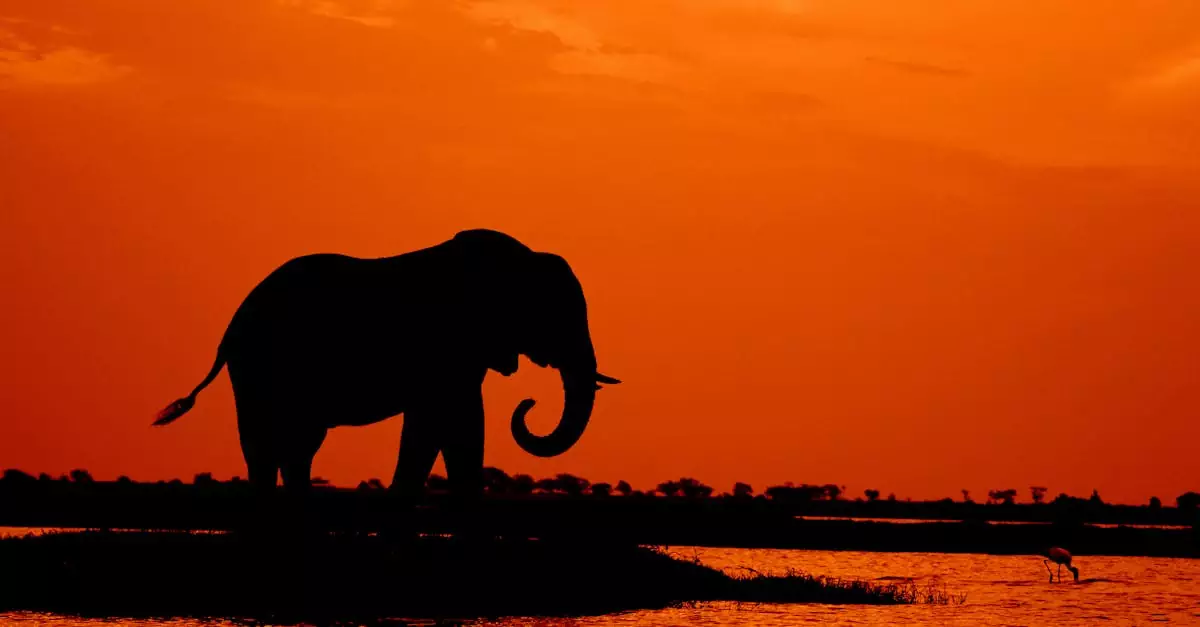
Choosing the right time to visit Botswana significantly impacts your safari experience, influencing wildlife sightings, landscapes, crowd levels, and overall costs. Understanding the distinct seasons helps in planning an adventure that aligns with your priorities, whether that’s spotting predators in action or enjoying vibrant birdlife.
Botswana’s Dry Season: Peak Wildlife Viewing in the Okavango Delta
The dry season, generally from May to October, is widely regarded as the prime time for a Botswana safari. During these months, temperatures are milder, and water sources become scarce, forcing animals to congregate around permanent waterholes and rivers. This concentration of wildlife creates exceptional game viewing opportunities.
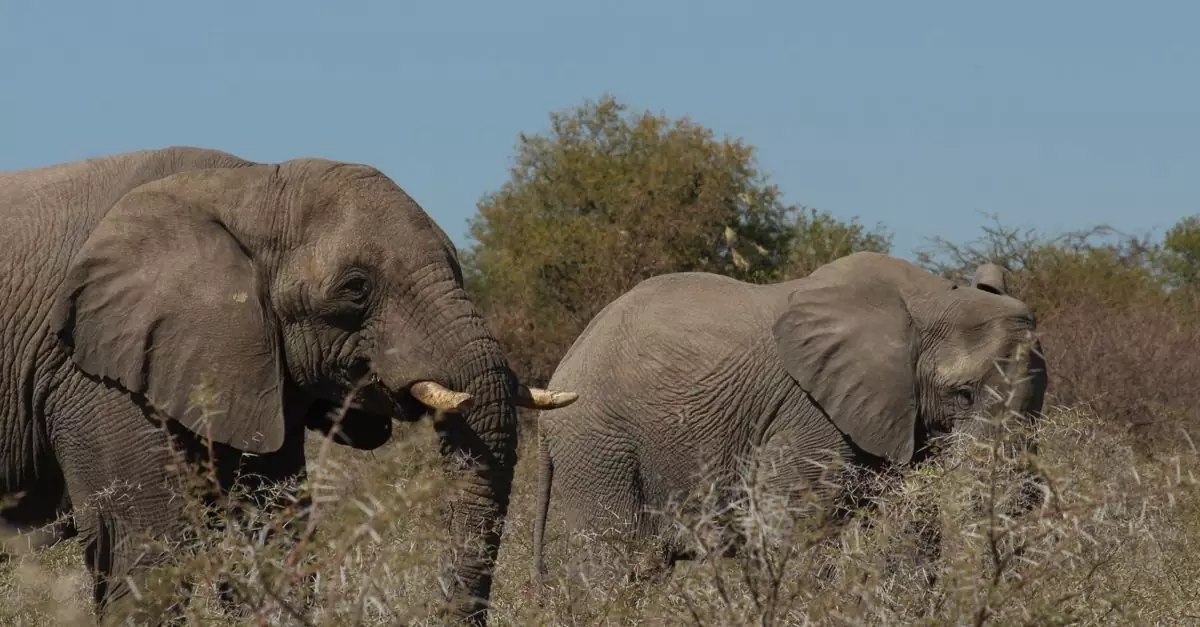
The Okavango Delta, a UNESCO World Heritage site, transforms during this period. As floodwaters recede from the Angolan highlands, the Delta becomes a vast wetland, attracting large numbers of animals. Predators like lions, leopards, and wild dogs are more visible as they hunt the thirsty herds of wildebeest, zebras, and buffalo. Elephant populations peak during this time, often seen in impressive groups.
This peak travel period means accommodations and flights can be pricier and should be booked well in advance. The weather is generally pleasant, with sunny days and cooler nights, making for comfortable game drives.
Botswana’s Wet Season: Birdwatching and Lush Landscapes
Botswana’s wet season runs from November to April, transforming the landscape into a vibrant, green paradise. While it’s the “low season” for many tourists, it offers a unique and rewarding experience for those seeking different sights and sounds.
The rains breathe life into the desert, creating lush vegetation. This is an excellent time for birdwatchers, as migratory birds arrive and resident species are in their breeding plumage. The scenery is picturesque, with dramatic skies and thriving plant life.
Game viewing can be more challenging, as animals disperse across the wider landscape, and thicker vegetation makes spotting them harder. However, many species have newborn young during this time, offering opportunities to observe tender family moments. The weather is hotter and more humid, with frequent afternoon thunderstorms. This season often comes with lower prices for safaris and fewer visitors.
Shoulder Seasons: Balancing Crowds and Wildlife Opportunities
The shoulder seasons, typically April to May and October to November, offer a compelling compromise for many travelers. These periods bridge the gap between the dry and wet seasons, often providing a good balance of wildlife viewing, pleasant weather, and manageable crowds.
In April and May, the end of the rains leaves the landscape relatively green, but the dry season’s concentration of animals is beginning to build. Temperatures are comfortable, and peak season crowds have not yet fully arrived.
October and November mark the transition into the wet season. The heat starts to build, and the first rains might begin. Wildlife viewing can still be excellent as animals gather at remaining water sources before the rains fully replenish the land. Birdlife begins to increase as well. These months can offer slightly lower prices than the absolute peak dry season and a more relaxed atmosphere.
To help visualize the differences, consider this overview:
| Season | Months | Wildlife Viewing | Landscape | Birdwatching | Crowds | Price Range | Weather |
|---|---|---|---|---|---|---|---|
| Dry (Peak) | May – Oct | Excellent | Dry, sparse | Good | High | $$$ | Mild, dry |
| Wet (Low) | Nov – Apr | Fair | Lush, green | Excellent | Low | $$ | Hot, humid |
| Shoulder | Apr-May, Oct-Nov | Good | Transitioning | Very Good | Moderate | $$ – $$$ | Warm, pleasant |
When planning your trip, consider your primary interests. For reliable and concentrated wildlife sightings, especially of large mammals, aim for the dry season. If you’re a keen birder or prefer lush scenery and fewer people, the wet season offers a different, yet equally rewarding, Botswana safari experience. The shoulder seasons provide a good middle ground for a varied and often more budget-friendly adventure. Remember that booking your safari well in advance is crucial, regardless of the season, especially for popular lodges and during peak times.
Choosing Your Botswana Safari Destination: Beyond the Usual Parks
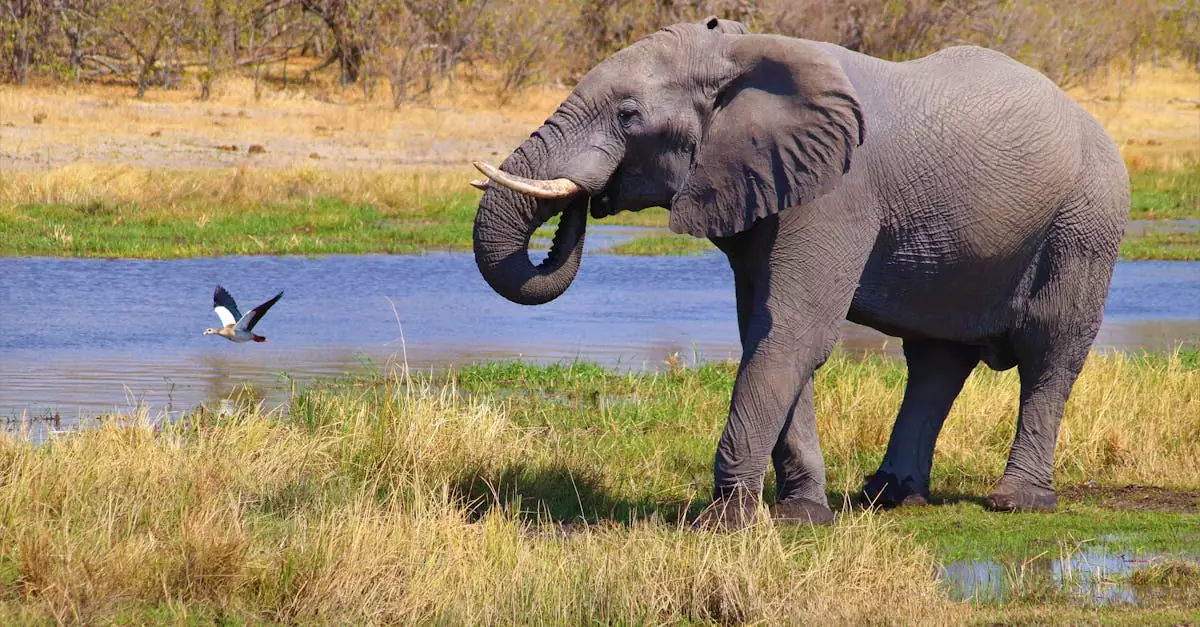
Botswana offers a diverse range of safari experiences, each with its unique appeal. Deciding where to go is the first crucial step in planning your African adventure. While popular areas attract crowds, lesser-known regions provide equally spectacular wildlife viewing with a more exclusive feel. Understanding the distinct characteristics of each region will help you tailor your trip to your interests, whether that’s abundant water-based activities, vast elephant herds, unique desert landscapes, or predator-rich wilderness.
Exploring the Okavango Delta: Mokoro Safaris and Water-Based Adventures
The Okavango Delta, a UNESCO World Heritage Site, is a unique inland delta that floods seasonally, transforming the landscape into a labyrinth of channels, lagoons, and islands. This creates unparalleled opportunities for water-based safaris. The most iconic experience here is a mokoro excursion, where you glide silently through shallow waterways in a traditional dugout canoe, guided by a skilled poler. This offers an intimate perspective of the delta’s abundant birdlife and smaller creatures often missed from a vehicle.
Beyond mokoros, motorboats allow exploration of larger channels and lagoons, ideal for spotting hippos, crocodiles, and water-dependent mammals like lechwe and sitatunga. Some camps also offer walking safaris and canoe trails for the more adventurous. The delta is most spectacular when flooded, typically from June to October, though water levels can vary. Accommodations range from luxurious lodges perched on stilts overlooking the water to more rustic, mobile camps. Access is usually via light aircraft from Maun or Kasane, adding to the exclusive feel.
Chobe National Park: Witnessing the World’s Largest Elephant Herds
Chobe National Park is renowned for its staggering concentration of wildlife, particularly its massive elephant population. The Chobe Riverfront area, especially during the dry season (May to October), becomes a magnet for elephants, often seen in herds numbering in the hundreds, coming to drink and socialize. Boat safaris on the Chobe River are a highlight, offering incredible close-up views of elephants, hippos, crocodiles, and a vast array of waterbirds.
While elephants are the stars, Chobe also boasts excellent sightings of lions, leopards, buffalo, and various antelope species. The park is easily accessible by road from Kasane, making it a popular choice for self-drive safaris or as part of a broader Botswana itinerary. Lodging options include lodges and campsites within and just outside the park, catering to different budgets. The dry season offers the most reliable game viewing due to animals congregating around water sources.
The Kalahari Desert: Unique Desert-Adapted Wildlife and San Culture
The Kalahari Desert presents a starkly different safari experience, characterized by vast, arid plains, ancient fossilized riverbeds, and iconic camel thorn trees. This seemingly harsh environment supports a surprising array of wildlife adapted to survive with limited water. Here, you can track desert-adapted species such as gemsbok, springbok, hartebeest, and meerkats. Predator sightings can be exceptional, with lions, leopards, and cheetahs often seen hunting in the open grasslands.
Beyond wildlife, the Kalahari is home to the San people, one of Africa’s oldest indigenous groups. Visiting a San community offers a unique cultural immersion, providing insights into their traditional way of life, ancient tracking skills, and deep connection to the land. The best time to visit is during the wetter season (roughly December to April), when the landscape is greener and more animals are present. However, the dry season can offer more concentrated game viewing around waterholes. Camps in the Kalahari often offer a blend of game drives and cultural interactions.
Linyanti Wildlife Reserve: Exclusive Game Drives and Predator Sightings
Adjacent to Chobe National Park, the Linyanti Wildlife Reserve offers a more exclusive and wilder safari experience. This private concession is known for its exceptional predator sightings, particularly lions, wild dogs, and leopards, often seen in high densities. The Linyanti River and surrounding swamps attract large numbers of elephants, buffalo, and hippos, creating dynamic predator-prey interactions.
Game drives in Linyanti are conducted in open 4×4 vehicles, and the ability to go off-road and conduct night drives allows for unparalleled opportunities to witness nocturnal animals and observe predator hunts. Walking safaris are also a popular activity, offering a chance to connect with the bush on foot. Due to its private status, visitor numbers are limited, ensuring a more intimate and uncrowded safari. Access is typically via light aircraft, and accommodations are generally high-end lodges and tented camps that offer a luxurious wilderness escape. The dry season (May to October) is generally considered the prime time for game viewing.
| Destination | Primary Appeal | Best Time to Visit (Wildlife) | Typical Activities | Budget Range (Per Person/Night) | Access |
|---|---|---|---|---|---|
| Okavango Delta | Water-based safaris, mokoros, birdlife, unique ecosystem | June – October | Mokoro, boat cruises, walking, fishing | $$$$ – $$$$$ | Light aircraft from Maun/Kasane |
| Chobe NP | Elephant herds, riverine wildlife, birdlife | May – October | Boat cruises, game drives | $$$ – $$$$ | Road from Kasane, light aircraft |
| Kalahari Desert | Desert-adapted wildlife, San culture, vast landscapes | December – April (wetter) | Game drives, walking, cultural visits | $$$ – $$$$ | Light aircraft from Maun/Gaborone, 4×4 |
| Linyanti Reserve | Predators, wild dogs, elephants, exclusive experience | May – October | Game drives (day/night), walking, off-road driving | $$$$$ | Light aircraft from Maun/Kasane |
Navigating Botswana: Getting Around for Your Safari
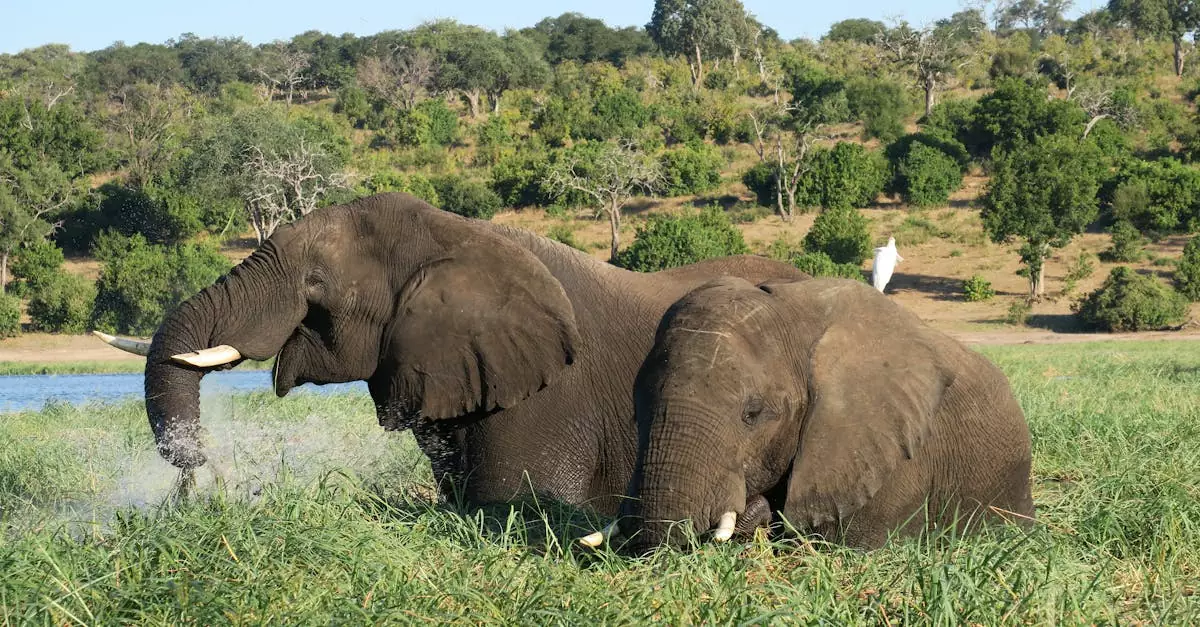
Understanding how to move around Botswana is key to a successful safari. The country’s vast size and limited infrastructure mean that transportation choices significantly impact your experience, budget, and the areas you can access. Whether you prefer the independence of a self-drive adventure or the seamless convenience of organized transfers, planning your logistics in advance is crucial. This section outlines the primary ways to navigate Botswana, from international arrivals to local game drives.
Flying into Botswana: Major Airports and Internal Flights
Most international travelers arrive in Botswana via Sir Seretse Khama International Airport (Gaborone) (GBE) or Kasane International Airport (BBK) in the north, which serves as a gateway to the Chobe National Park region. Victoria Falls Airport (VFA) in neighboring Zimbabwe is also a popular entry point for those heading to northern Botswana.
Once in the country, internal flights are the most efficient way to cover long distances and access remote safari camps. Botswana’s safari industry relies heavily on light aircraft charters and scheduled bush flights. These flights connect major hubs like Maun (MUB), the primary gateway to the Okavango Delta, with various private airstrips near lodges.
Key Considerations for Internal Flights:
- Booking: Flights should be booked well in advance, especially during peak season (June to October). Safari operators often arrange these flights as part of a package.
- Luggage: Strict luggage restrictions apply, typically around 20 kg (44 lbs) per person in soft-sided bags due to aircraft size and weight limitations.
- Cost: Internal flights represent a significant portion of a Botswana safari budget, but they save considerable time and offer incredible aerial views of the landscape and wildlife.
- Airstrips: Many remote camps are accessible only by air, making these flights an integral part of the safari experience.
Self-Drive Safaris: Vehicle Requirements and Road Conditions
For the adventurous traveler, a self-drive safari offers unparalleled freedom. However, it requires careful planning and a suitable vehicle. Botswana’s road network varies dramatically. Main routes between larger towns are generally paved, but as you venture towards national parks and private reserves, roads quickly deteriorate into sand tracks.
Vehicle Recommendations:
- 4×4 Vehicle: A robust 4×4 is essential for most self-drive safaris, particularly if you plan to visit areas like the Okavango Delta panhandle or the Central Kalahari Game Reserve. These vehicles offer better ground clearance and traction on sandy terrain.
- Reliability: Ensure your vehicle is in excellent mechanical condition. Consider renting from a reputable local company that offers 24/7 support.
- Equipment: Pack essential recovery gear, including a spare tire, jack, shovel, tire pressure gauge, and jumper cables. GPS navigation is highly recommended, as road signage can be minimal.
Road Conditions:
- Sand Tracks: Expect deep sand, corrugations, and potential washouts, especially after rain. Drive slowly and steadily, and be prepared to engage 4×4.
- Paved Roads: The main highways between Gaborone, Francistown, and Maun are generally good, though potholes can be present.
- Fuel: Fuel stations are scarce in remote areas. Always fill up when you have the opportunity and carry extra fuel if venturing into the wilderness.
- Safety: Driving at night is strongly discouraged due to wildlife on the roads. Plan your travel to arrive at your destination before sunset.
Guided Safaris: The Ease of Lodge Transfers and Game Drives
Opting for a guided safari, whether staying at lodges or on mobile camping tours, eliminates the complexities of self-navigation. This is the most popular way to experience Botswana’s wildlife.
Lodge Transfers:
Safari lodges typically arrange transfers from the nearest airport or designated meeting point. These transfers are usually conducted in specialized safari vehicles, often open-sided 4x4s, driven by experienced guides. This service is typically included in lodge rates.
Game Drives:
Daily game drives are the cornerstone of a guided safari. These are conducted in open 4×4 vehicles designed for optimal wildlife viewing and photography. Guides are highly knowledgeable about animal behavior, tracking, and the best locations for sightings.
Benefits of Guided Safaris:
- Expertise: Guides provide invaluable insights into the ecosystem and animal behavior.
- Safety: You are in safe hands with experienced drivers who know wildlife.
- Convenience: All logistics, from transfers to daily activities, are handled.
- Access: Guides know the best routes and times to maximize wildlife encounters, often accessing areas not easily reachable by self-drivers.
Types of Guided Safaris:
- Lodge-Based: Stay in a permanent camp or lodge with daily game drives.
- Mobile Camping: A more adventurous option where you travel with a crew and camp in different locations, often in more remote areas.
- Luxury Fly-In: Combines internal flights to remote camps with exclusive game drives and activities.
The choice between self-drive and guided safaris ultimately depends on your budget, desired level of independence, and comfort with off-road driving. For many, the unparalleled knowledge and safety provided by a guided experience make it the preferred method for a Botswana safari. For those considering independent travel, thorough preparation and a robust vehicle are essential. You can find more information on tourism in Africa at the African Tourism Board.
Essential Botswana Safari Packing List: What to Bring and What to Leave
Packing for a Botswana safari requires careful consideration to ensure comfort, practicality, and respect for the environment. The key is to pack light, versatile items that cater to varying temperatures and activities, from early morning game drives to relaxed evenings. Understanding what to bring and what to leave behind can significantly enhance your African adventure.
Clothing Essentials: Neutral Colors for Wildlife Viewing
When selecting your safari wardrobe, prioritize neutral and muted colors such as khaki, olive green, beige, and brown. These shades help you blend into the natural surroundings, making wildlife sightings more frequent and less disruptive. Bright colors, particularly white, can startle animals and attract insects. Layers are crucial, as temperatures can fluctuate dramatically between dawn, midday, and dusk.
Pack lightweight, breathable long-sleeved shirts and trousers. These protect you from the sun’s intense rays and provide a barrier against mosquitoes and other biting insects, especially during early morning and late evening game drives. A fleece jacket or a warm sweater is essential for cooler mornings and evenings, even in warmer months. Avoid denim, as it can be heavy and slow to dry.
Footwear and Accessories: Comfortable and Practical Choices
Comfortable footwear is paramount for a safari. Closed-toe walking shoes or sturdy hiking boots are recommended for any walking safaris or excursions. For general wear and travel within camps, comfortable sandals or trainers suffice. Ensure your footwear is broken in before your trip to avoid blisters.
A wide-brimmed hat is indispensable for sun protection, shielding your face, neck, and ears. Sunglasses are also vital to protect your eyes from glare. Binoculars are a must-have for enhancing wildlife viewing, allowing you to spot animals from a distance and observe their behavior in detail. Consider packing a lightweight scarf or bandana, which can be used for sun protection, warmth, or to keep dust out of your face.
Health and Safety Items: Malaria Prevention and First Aid
Given that Botswana is a malaria-endemic country, consulting your doctor about malaria prophylaxis well in advance of your trip is crucial. Pack any prescribed antimalarial medication along with insect repellent containing DEET for maximum protection. Hand sanitizer is also a valuable item for maintaining hygiene, especially when access to soap and water is limited.
A basic first-aid kit should include essentials like antiseptic wipes, bandages, pain relievers, blister treatment, and any personal medications. Consider including motion sickness medication if you are prone to it, as safari vehicles can be bumpy. Staying hydrated is also important; while lodges provide purified water, it’s wise to carry a reusable water bottle.
Photography Gear: Capturing Botswana’s Stunning Wildlife
Botswana offers unparalleled photographic opportunities, so bringing the right gear can help you capture unforgettable memories. A good quality camera with a telephoto lens (e.g., 300mm or longer) is highly recommended for wildlife photography. This allows you to get close-up shots without disturbing the animals.
Extra batteries and memory cards are essential, as you’ll likely be taking many photos and power sources might be limited in remote camps. A dust-proof camera bag or cover is advisable to protect your equipment from the dusty conditions. Consider a tripod or monopod for stability, especially when shooting in low light conditions or with heavier lenses.
Budgeting for Your Botswana Safari: Costs and Savings
Planning a Botswana safari involves understanding its pricing structure, which generally positions it as a more premium African travel destination. While this can seem daunting, with careful planning and informed choices, an unforgettable adventure is achievable without breaking the bank. This section breaks down typical costs and offers practical strategies for making your dream trip more accessible.
Understanding Safari Package Costs: Luxury vs. Mid-Range Options
Botswana’s safari experiences often come in all-inclusive packages, covering accommodation, meals, drinks, and game drives. The primary differentiator in cost is the level of luxury and exclusivity. High-end lodges in prime wildlife areas, offering private concessions and personalized service, can command prices upwards of $1,000 per person per night. These often include gourmet dining, premium beverages, and specialized activities like walking safaris or mokoro excursions.
Mid-range options, while still offering excellent comfort and service, might be located in more accessible areas or have larger camps. These can range from $500 to $800 per person per night. They provide a fantastic safari experience with knowledgeable guides and comfortable accommodations, often without the ultra-exclusive feel of the top-tier lodges. Choosing between these tiers significantly impacts your overall budget. It’s worth noting that some operators offer fly-in safari packages, which include light aircraft transfers between camps, adding to the cost but saving considerable travel time, especially for multi-location itineraries.
Estimating Daily Expenses: Park Fees, Drinks, and Tips
Beyond the package price, several daily expenses need to be factored in. National park and concession fees are mandatory and vary depending on the area. For instance, entry into Chobe National Park or Moremi Game Reserve incurs daily fees per person and per vehicle. While often included in package deals, it’s essential to confirm this.
Beverages, particularly alcoholic ones, can add up if not part of an all-inclusive rate. Many mid-range lodges include house wines and local beers, but imported spirits or premium wines might incur extra charges. Tipping is customary and appreciated by guides, camp staff, and drivers. A general guideline is to budget around $10-$20 per guest per day for tips, distributed among the team. These smaller costs, when aggregated, can significantly influence your total trip expenditure.
Tips for Saving Money on Your Botswana Safari
Several strategies can help reduce the overall cost of a Botswana safari. Traveling during the shoulder seasons, such as the Green Season (November to March), can offer lower accommodation rates. While this is the rainy season, it brings lush landscapes and excellent birdwatching, and wildlife sightings are still abundant, especially in areas like the Okavango Delta.
Opting for lodges that are more accessible by road rather than exclusively fly-in can also save money, though this will increase travel time. Consider combining different types of accommodations; for example, spending a few nights at a more affordable lodge or campsite and then splurging on a few nights at a luxury camp. Many tour operators also offer last-minute deals, though booking well in advance is generally recommended for the best availability, especially for peak season travel. Exploring packages that combine Botswana with neighboring countries like Namibia or Zimbabwe can sometimes present cost efficiencies, particularly for longer trips. You can find more information on regional travel on the African Tourism Board.
Estimated Safari Cost Comparison (Per Person, Per Night)
| Lodge Type | Typical Price Range (USD) | Inclusions | Best For |
|---|---|---|---|
| Luxury | $1,000 – $2,500+ | All meals, premium drinks, all activities, park fees, transfers (often fly-in) | Exclusive experiences, high comfort |
| Mid-Range | $500 – $900 | All meals, select drinks, most activities, park fees | Excellent value, comfortable safari experience |
| Budget/Camping | $200 – $450 | Meals, limited drinks, guided drives/walks, park fees (basic accommodation) | Adventurous travelers, keen on nature |
Note: Prices are estimates and can fluctuate based on season, specific lodge, and inclusions.
Frequently Asked Questions About Botswana Safaris
Is Botswana a Safe Safari Destination?
Botswana is widely considered one of the safest safari destinations in Africa. The country maintains a low crime rate, particularly in tourist areas and national parks. Wildlife viewing is managed by experienced guides who prioritize guest safety. While wild animals should always be treated with respect and caution, the risk of dangerous encounters is minimized through proper guidance and adherence to park rules. Visitors generally feel secure throughout their safari experience.
What is the Best Way to See Wildlife in Botswana?
The most effective way to experience Botswana’s incredible wildlife is through guided game drives. These typically occur in open-top 4×4 vehicles, allowing for unobstructed views and excellent photographic opportunities. Early morning and late afternoon drives are most productive, coinciding with peak animal activity. For a unique perspective, consider mokoro (traditional dugout canoe) excursions in areas like the Okavango Delta, offering a silent, water-level view of smaller creatures and birdlife. Walking safaris, led by armed rangers, provide an intimate encounter with the bush.
What Should I Know About Tipping on a Botswana Safari?
Tipping is customary and appreciated for good service on a Botswana safari. Most safari lodges and camps will provide guidelines on tipping, often suggesting amounts per guest per day for guides, camp staff, and sometimes lodge managers. It is common to tip your primary guide separately at the end of your stay. Pack cash in US dollars or local currency (Botswana Pula) for gratuities, as card facilities may not always be available.
Can You See the Big Five in Botswana?
Yes, Botswana is an excellent destination for spotting the Big Five: lion, leopard, elephant, rhinoceros, and buffalo. While lions and elephants are abundant and relatively easy to find, rhinos (both black and white) are rarer and more elusive. Dedicated conservation efforts are in place to protect rhino populations, particularly in areas like the Moremi Game Reserve and Chobe National Park. Patience and a bit of luck are key to a successful Big Five sighting.