Africa’s vast landscapes and incredible biodiversity offer some of the world’s most sought-after wildlife encounters. Planning the perfect trip involves understanding each region’s unique offerings and aligning them with your travel style and interests. This guide will help you navigate the options to discover the best safari experiences Africa has to offer.
You’ll learn about iconic destinations renowned for their wildlife, from the Great Migration spectacle in the Serengeti and Masai Mara to unique water-based adventures in the Okavango Delta and Big Five viewing in Kruger. We’ll also delve into the practicalities of planning, including the best times to visit for optimal game viewing, various types of safari accommodations to suit different budgets and preferences, and the wildlife you can realistically expect to see. Get ready to plan an unforgettable journey into the heart of the wild.
Top 5 African Destinations for Unforgettable Safari Experiences
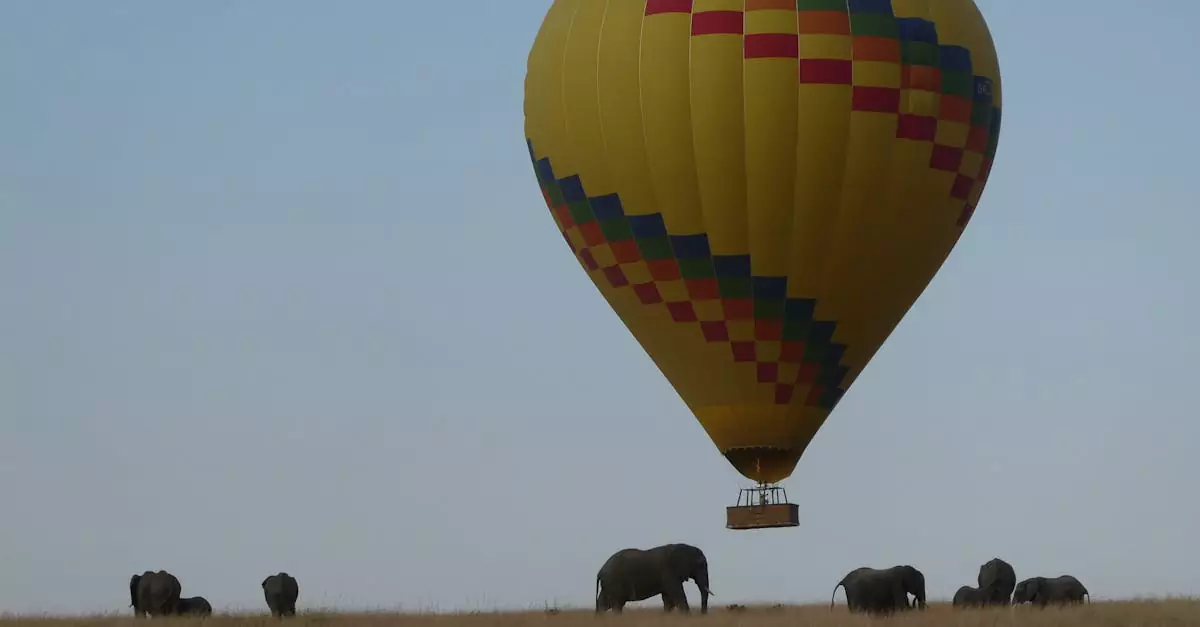
Africa offers a kaleidoscope of wildlife encounters, from vast savannas teeming with predators to unique aquatic ecosystems. Choosing the right destination can be the difference between a good trip and an extraordinary one. Here are five of the best African safari destinations, each offering a distinct and memorable experience.
Serengeti National Park, Tanzania: The Great Migration Spectacle
The Serengeti is arguably the most famous safari destination in the world, primarily for hosting the Great Migration. This colossal movement of over 1.5 million wildebeest and zebras, followed by their predators, is a natural phenomenon unlike any other. Witnessing thousands of animals crossing the plains or braving the crocodile-infested Grumeti and Mara Rivers is a profound experience.
Beyond the migration, the Serengeti boasts a high concentration of predators, including lions, cheetahs, leopards, and hyenas. The vast, open grasslands provide excellent visibility for spotting wildlife. The best time to visit depends on which part of the migration you wish to see. The calving season (December-February) occurs in the southern Serengeti, while the river crossings typically take place in the north from July to October.
Logistics: Most travelers fly into Kilimanjaro International Airport (JRO) and then take a smaller bush plane or arrange road transfers to the park. Accommodations range from luxury lodges and tented camps to budget-friendly options. Booking well in advance is crucial, especially during peak migration months.
Okavango Delta, Botswana: A Unique Water-Based Safari Adventure
The Okavango Delta is a UNESCO World Heritage Site and a rare inland delta that floods seasonally, creating a labyrinth of channels, lagoons, and islands. This unique environment supports an incredible diversity of wildlife and offers a safari experience distinct from typical savanna game drives.
Here, you can explore by mokoro (a traditional dugout canoe), gliding silently through papyrus-lined waterways. This offers intimate views of aquatic birds, hippos, crocodiles, and sometimes even elephants and other mammals coming to drink. Motorized boat safaris and walking safaris are also popular, providing different perspectives on the delta’s rich ecosystem. The prime wildlife viewing season is during the dry months (May to October) when water levels are high, concentrating animals around permanent water sources.
Budget Considerations: Botswana is generally considered a more premium safari destination due to its conservation focus and low-impact tourism model. Accommodations are typically high-end lodges and tented camps, with prices reflecting the exclusive nature of the experience.
Kruger National Park, South Africa: Diverse Wildlife Viewing Opportunities
Kruger National Park is one of Africa’s largest and most established game reserves, offering a classic safari experience with exceptional wildlife diversity. It is renowned for its high density of the “Big Five” – lion, leopard, elephant, rhino, and buffalo – making it a top choice for those seeking to spot these iconic animals.
The park’s vast size and varied habitats, from savanna woodlands to riverine forests, support an incredible array of species, including cheetahs, wild dogs, giraffes, zebras, and hundreds of bird species. Kruger offers a range of safari styles, from self-drive adventures for independent travelers to guided game drives and walking safaris led by experienced rangers.
Accessibility: Kruger is easily accessible via road from Johannesburg or by flying into one of its internal airports like Skukuza or Hoedspruit. The park has a well-maintained road network and various accommodation options, including rest camps with bungalows and campsites, as well as private luxury lodges on its borders.
Masai Mara National Reserve, Kenya: Iconic Big Five Encounters
The Masai Mara is a world-renowned wildlife sanctuary, part of the larger Serengeti-Mara ecosystem. It is most famous for the annual Great Migration, where millions of wildebeest and zebras traverse the plains between July and October, providing thrilling predator-prey interactions.
Beyond the migration, the Mara is a prime location for spotting the Big Five, with lions, leopards, and cheetahs being particularly common. The open savanna landscape offers excellent game viewing opportunities throughout the year. Cultural encounters with the Maasai people, who have inhabited the region for centuries, add another rich dimension to the safari experience.
Timing: While the migration is a major draw, the Mara offers excellent wildlife viewing year-round. The dry season (June to October) is popular for game viewing due to animals congregating around water sources, but the green season (November to May) brings lush landscapes and fewer crowds.
South Luangwa National Park, Zambia: Pioneering Walking Safaris
South Luangwa is celebrated as the birthplace of the walking safari. This approach offers a more intimate and immersive way to experience the bush, allowing you to track animals on foot with expert guides. The park’s diverse habitats, including the Luangwa River and surrounding woodlands, support a rich variety of wildlife, including large prides of lions, leopards, elephants, and hippos.
Walking safaris provide a unique perspective, focusing on the smaller details of the ecosystem, such as animal tracks, insects, and plant life, alongside the thrill of encountering larger mammals. The park is also home to a significant population of leopards, making it one of the best places in Africa to spot these elusive cats. The dry season (May to October) is the most popular time for safaris, as the river recedes and wildlife congregates along its banks.
Conservation Focus: Zambia’s parks, including South Luangwa, are known for their strong conservation efforts and community involvement, contributing to sustainable tourism practices.
Planning Your Best Safari Experience: When to Go and What to Expect
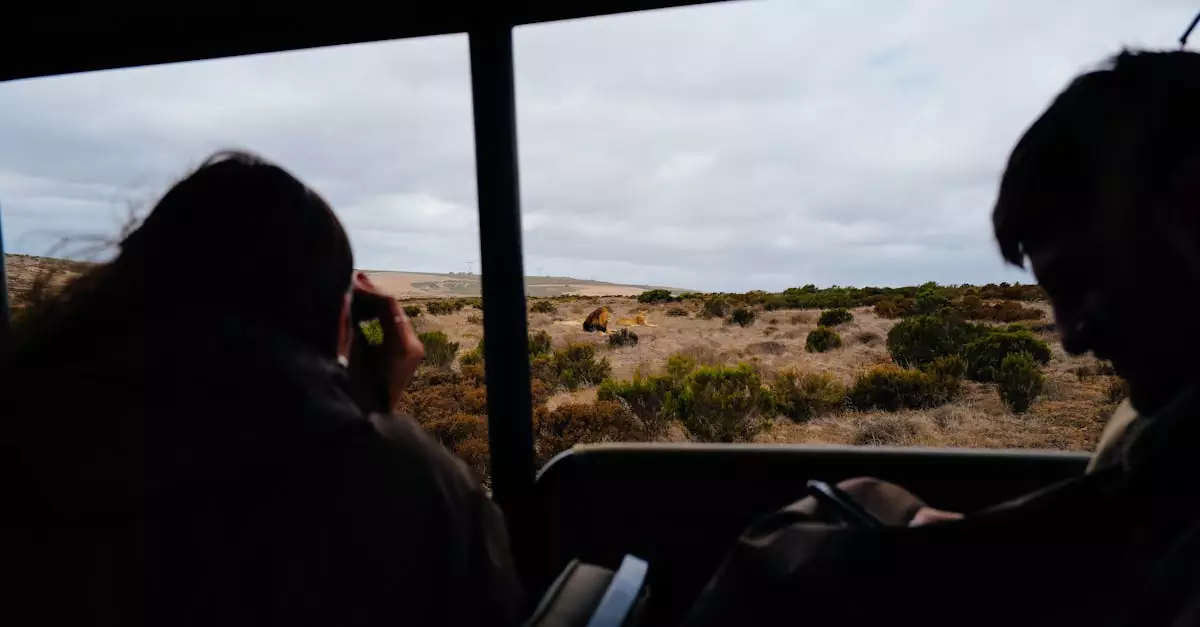
Embarking on an African safari is a dream for many, but understanding the nuances of timing, cost, and what to anticipate is crucial for a successful trip. The “best” safari experience often hinges on aligning your travel dates with optimal wildlife viewing conditions and your budget. Africa is a vast continent, and the ideal time to visit varies significantly by region, influencing everything from animal migrations to the likelihood of rain.
Best Time to Visit for Wildlife Viewing by Region
Wildlife viewing on an African safari is heavily influenced by seasonal changes, particularly rainfall patterns. These patterns dictate animal movements, as herds follow water sources and fresh grazing, and also affect vegetation density, which can make spotting animals easier or harder.
- East Africa (Kenya & Tanzania): The dry season, from June to October, is prime time for viewing. This is when the Great Migration typically crosses the Mara River in the Masai Mara (Kenya) and Serengeti (Tanzania), offering spectacular predator-prey action. The shorter dry season from January to March is also excellent, especially for birdwatching and calving season in the southern Serengeti.
- Southern Africa (Botswana, South Africa, Zambia, Zimbabwe): The dry winter months (May to October) are generally considered the best. Waterholes become focal points for animals, congregating in large numbers and making them easier to spot against sparser vegetation. This period also sees fewer mosquitoes.
- Rwanda & Uganda: These destinations are known for gorilla trekking, which can be done year-round. However, the slightly drier periods from February to May and September to November can make trekking conditions more comfortable, with less muddy terrain.
Understanding Safari Seasons: Dry vs. Wet
Safari seasons are broadly categorized into dry and wet periods, each offering distinct advantages and disadvantages for wildlife viewing and the overall travel experience.
The dry season typically runs from June to October in East Africa and May to October in Southern Africa. During this time, vegetation thins out, and animals congregate around permanent water sources, making them more visible. This is also when many iconic migrations occur. However, it’s peak tourist season, meaning higher prices and more crowded parks. The weather is generally cooler and less humid.
The wet season (or green season) usually falls between November and May, though this can vary. While it might mean more rain, it also brings lush landscapes, newborn animals, and fewer crowds. Birdwatching is often exceptional during this period, as migratory birds arrive. For those on a tighter budget, the wet season can offer significant savings. Some parks may have limited accessibility due to road conditions.
Average Safari Costs and Budgeting for Your Trip
The cost of an African safari varies dramatically based on destination, accommodation style, duration, and activities. A budget safari might cost around $250-$350 per person per day, while mid-range options can range from $400-$700. Luxury safaris can easily exceed $1,000 per person per day.
These costs typically include accommodation, park fees, meals, and game drives with a guide. International flights, visas, travel insurance, tips, and personal expenses are usually additional.
Here’s a simplified breakdown of what influences safari costs:
| Factor | Budget Impact | Notes |
|---|---|---|
| Destination | High | Botswana and Tanzania are generally more expensive than Kenya or South Africa. |
| Accommodation | High | Camping and budget lodges are cheapest; luxury tented camps and lodges are most expensive. |
| Duration | Moderate | Longer stays increase overall cost but may offer better per-day value. |
| Private vs. Group | High | Private tours and vehicles significantly increase daily rates. |
| Time of Year | Moderate to High | Peak season (dry months) is more expensive than the green season. |
| Activities | Moderate | Hot air ballooning, walking safaris, and special night drives add to the cost. |
When budgeting, consider factors like the distance to your chosen park from the nearest airport. For instance, reaching remote areas in Botswana might involve light aircraft transfers, which are costly but offer incredible aerial views. Planning your trip through a reputable tour operator can help manage logistics and often secure better rates. For more general information on African travel, the African Tourism Board offers valuable resources.
Choosing Your Perfect Safari Type: From Luxury Lodges to Budget Camping
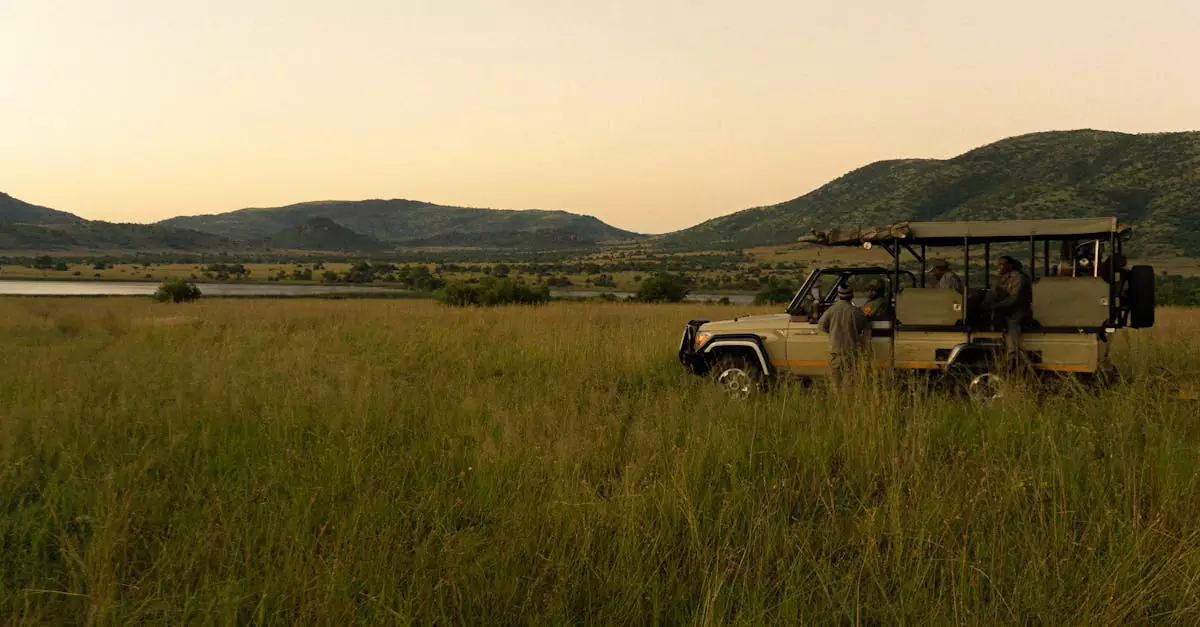
Selecting the right safari experience in Africa is crucial for an unforgettable adventure. The continent offers a diverse range of options, catering to every traveler’s budget, comfort level, and desired immersion. Understanding these different safari styles will help you pinpoint the best experiences for your specific needs.
Luxury Safari Lodges: Ultimate Comfort and Exclusive Access
For those seeking unparalleled comfort and service, luxury safari lodges provide an opulent way to experience the wilderness. These lodges often feature spacious suites, private plunge pools, gourmet dining, and personalized butler service. Many are situated in prime wildlife viewing areas, sometimes within private concessions, offering exclusive access to game drives and walking safaris away from the crowds. This type of safari is ideal for travelers celebrating a special occasion or those who prioritize relaxation alongside wildlife encounters. Expect to pay a premium for these amenities and the intimate experience they provide.
Mid-Range Safari Camps: Balancing Comfort and Authenticity
Mid-range safari camps strike a balance between comfort and authentic bush living. Accommodations might include comfortable tented rooms with en-suite bathrooms or charming bandas (bungalows). While not as lavish as luxury lodges, they still offer excellent service, delicious meals, and knowledgeable guides. These camps are often located in well-established national parks or game reserves, providing reliable wildlife viewing opportunities. They are a great choice for travelers who want a comfortable base for their adventures without the highest price tag. Many offer a blend of game drives and other activities, giving a well-rounded taste of the African wilderness.
Budget-Friendly Camping Safaris: An Adventurous Experience
Camping safaris appeal to the adventurous spirit and offer a more intimate connection with nature. These trips can range from participatory camping, where all equipment and meals are provided by a tour operator, to fully self-sufficient mobile camping. Accommodations typically involve setting up tents in designated campsites, often within or near national parks. While basic, these safaris are incredibly rewarding, allowing for campfire stories under the stars and a raw, unfiltered wildlife experience. This option is excellent for budget-conscious travelers and those who enjoy a more hands-on, rustic adventure. It’s important to research reputable operators for safety and logistics when opting for this style.
Family-Friendly Safaris: Tailoring the Experience for All Ages
Planning a safari with children requires careful consideration of activities, accommodation, and safety. Many lodges and tour operators now specialize in family-friendly safaris, offering child-friendly game drives, educational activities, and family suites. Some parks and reserves are also known for their calmer wildlife viewing, making them more suitable for younger travelers. The focus is on creating an engaging and educational experience that is both fun and safe for everyone. Choosing a destination with shorter travel times between activities and a variety of non-wildlife attractions can also enhance the trip for families.
Here’s a general comparison of safari types:
| Safari Type | Accommodation Style | Typical Price Range (per person, per night) | Key Features | Best Suited For |
|---|---|---|---|---|
| Luxury Lodge | Suites, private villas, high-end amenities | $800 – $2,500+ | Exclusive access, gourmet dining, personalized service, spa facilities | Honeymooners, special occasions, comfort seekers |
| Mid-Range Camp | Tented rooms, en-suite bathrooms, comfortable beds | $300 – $700 | Good wildlife viewing, balanced comfort and authenticity, guided activities | Families, couples, travelers seeking value |
| Budget Camping | Tents, shared facilities, basic amenities | $100 – $250 | Immersive nature experience, campfire evenings, adventurous spirit | Backpackers, young travelers, budget-conscious |
| Family-Focused | Family suites, connecting rooms, activity centers | $350 – $900 | Child-friendly activities, educational programs, safety-focused | Families with children of varying ages |
When planning your trip, consider which of these safari experiences aligns most closely with your travel aspirations.
What Wildlife Will I See on an African Safari?
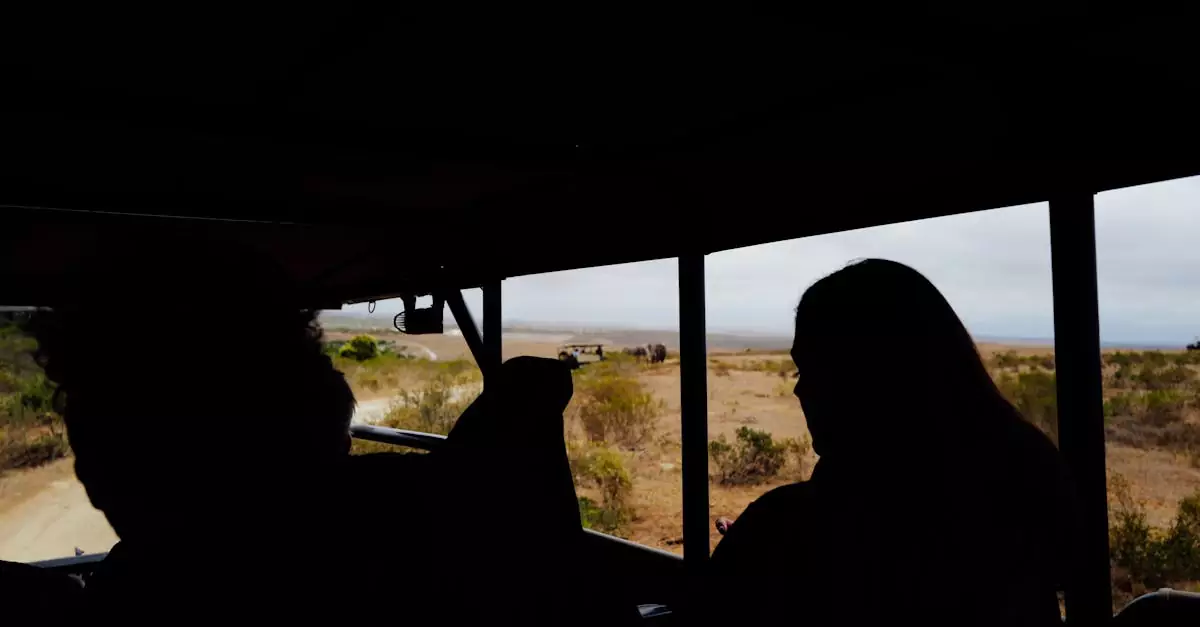
Embarking on an African safari is a dream for many, promising encounters with iconic wildlife in their natural habitats. The sheer diversity of fauna across the continent offers unparalleled viewing opportunities, from the majestic “Big Five” to a dazzling array of birdlife. Understanding what you might see, and where, is key to planning an unforgettable wildlife adventure.
Spotting the ‘Big Five’: Lions, Leopards, Elephants, Rhinos, and Buffalo
The term “Big Five” originated with big-game hunters, referring to the five most challenging animals to hunt on foot: the lion, leopard, elephant, rhinoceros, and Cape buffalo. Today, it represents the ultimate safari checklist for wildlife enthusiasts. These magnificent creatures are a primary draw for many seeking the best safari experiences in Africa.
- Lions: Often seen lounging in prides or on the hunt, particularly in the Serengeti, Maasai Mara, and Kruger National Park. Dawn and dusk are prime viewing times.
- Leopards: Elusive and solitary, leopards are masters of camouflage. The Maasai Mara and South Luangwa National Park in Zambia are excellent, though sightings require patience and luck.
- Elephants: These gentle giants are a common sight in many parks, with large herds often congregating near water sources. Chobe National Park in Botswana is renowned for its massive elephant populations.
- Rhinos: Both black and white rhinos can be found, though they are critically endangered. Sanctuaries like the Ol Pejeta Conservancy in Kenya and parts of Kruger National Park offer dedicated protection and viewing opportunities.
- Cape Buffalo: Known for their formidable horns and herd behavior, buffalo are widespread. They are often seen in large numbers in the Kruger and Serengeti ecosystems.
| Destination | Primary Big Five Habitat | Best Time for Sightings |
|---|---|---|
| Kruger National Park | All five | Dry season (May-Oct) |
| Maasai Mara | Lion, Leopard, Buffalo | Dry season (July-Oct) |
| Serengeti National Park | Lion, Elephant, Buffalo | Dry season (June-Oct) |
| Chobe National Park | Elephant, Buffalo | Dry season (May-Oct) |
| Ol Pejeta Conservancy | Rhino (Black & White) | Year-round |
Beyond the Big Five: Discovering Diverse Fauna
While the Big Five command much attention, the African savanna teems with countless other fascinating animals. Expanding your focus beyond these icons reveals the true richness of the continent’s biodiversity. Many of the best safari experiences in Africa involve observing these lesser-known but equally captivating species.
Consider the plains game, which forms the foundation of the predator-prey ecosystem. Herds of wildebeest and zebra undertake epic migrations, a spectacle best witnessed in the Serengeti and Maasai Mara during specific months. Giraffes, with their elegant stature, are a common and welcome sight, browsing on acacia trees. Antelopes, in their many forms – gazelles, impalas, springboks, elands – are ubiquitous and add dynamic movement to the landscape.
Don’t overlook the primates. Gorillas and chimpanzees offer a profound connection to our closest relatives. Trekking to see mountain gorillas in Rwanda’s Volcanoes National Park or Uganda’s Bwindi Impenetrable Forest is a life-changing experience. Chimpanzee tracking in Gombe Stream National Park, Tanzania, or Kibale Forest National Park, Uganda, provides insights into their complex social structures.
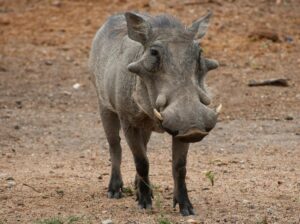
The smaller mammals also deserve attention. Look for cheetahs, the fastest land animals, often seen on open plains scanning for prey. Hyenas, both spotted and striped, are highly intelligent and social creatures, playing a vital role as scavengers and predators. Wild dogs, with their distinctive markings, are incredibly efficient hunters, though increasingly rare. Smaller wonders include mongooses, warthogs, baboons, and various species of monkeys.
Birdwatching Highlights on an African Safari
Africa is a birdwatcher’s paradise, boasting an astonishing number of species, many of which are endemic or migratory. While not always the primary focus for general safari-goers, avian life adds another vibrant layer to the wildlife viewing experience. Birding can be rewarding at any time of year, though breeding seasons can offer particularly spectacular plumage.
The sheer variety is astounding, from massive ostriches, the world’s largest birds, to tiny sunbirds flitting among flowers. Raptors are prominent, with eagles, buzzards, and kites soaring overhead or perched in trees. Keep an eye out for the majestic Martial Eagle, the Crowned Eagle, and various species of vultures that are crucial to the ecosystem.
Water bodies attract a host of waterfowl, waders, and striking birds like the African Fish Eagle with its distinctive call. Flamingos often form vast, vibrant colonies in alkaline lakes, such as those found in Kenya’s Great Rift Valley. Waders, storks, herons, and kingfishers are common along rivers and lakeshores.
Among the most sought-after sightings are the colorful rollers, bee-eaters, and hornbills. The Lilac-breasted Roller, with its kaleidoscope of colors, is a photographer’s favorite. Ground hornbills, with their striking black plumage and red wattles, are also a memorable sight. Many lodges offer specialized birding walks or drives, providing expert guides to help identify the incredible diversity. For serious birders, destinations like South Africa and Botswana offer exceptional avian diversity alongside their more famous mammal populations.
Essential Packing List for Your African Safari Adventure
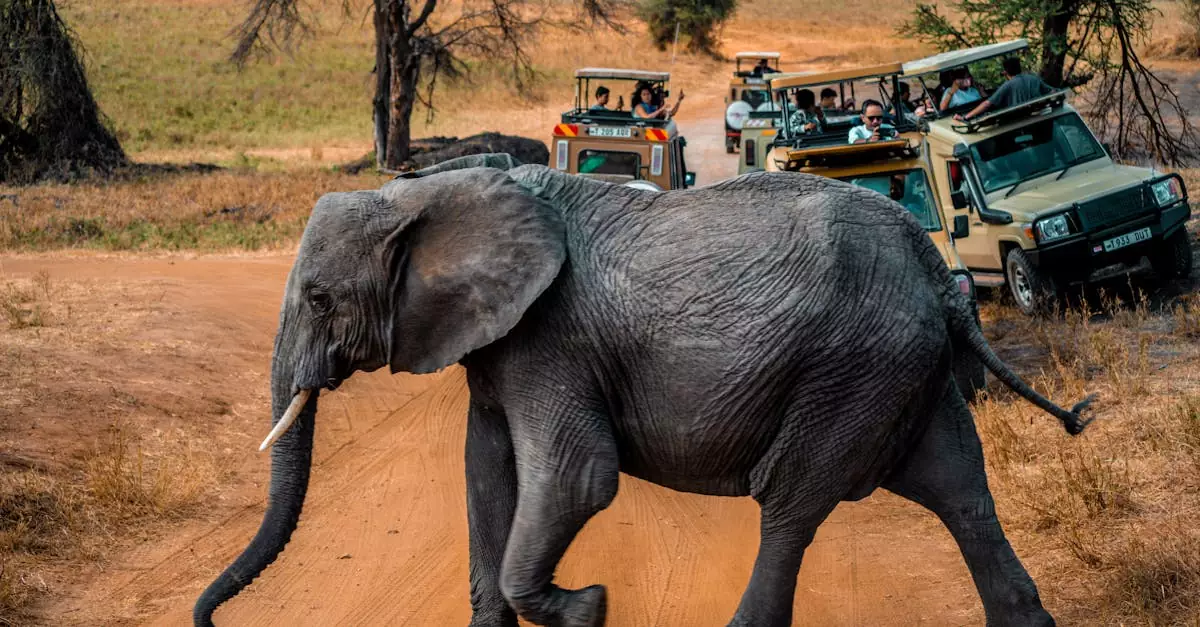
Preparing for an African safari involves more than just booking flights; it requires thoughtful packing to ensure comfort, safety, and an enjoyable experience. The best safari experiences in Africa are enhanced by being well-equipped for the varied environments and activities. Focus on versatile items that can be layered and used for different situations, from early morning game drives to bush walks.
Clothing Essentials: Layers, Neutral Colors, and Sun Protection
When packing clothing for a safari, opt for lightweight, breathable fabrics in neutral colors like khaki, olive green, beige, and brown. These shades help you blend into the natural environment, making you less conspicuous to wildlife, and they also hide dust better than lighter colors. Avoid bright colors, which can startle animals, and dark colors like black or navy, which can attract tsetse flies in some regions.
Layering is key due to fluctuating temperatures. Mornings and evenings can be cool, especially during winter months or at higher altitudes, while midday can be quite warm. Pack long-sleeved shirts and trousers to protect against the sun and insects, even in warmer weather. A fleece jacket or warm sweater is essential for cooler periods.
Sun protection is paramount. The African sun can be intense, so include a wide-brimmed hat that offers good shade for your face and neck. Don’t forget high SPF sunscreen, lip balm with SPF, and sunglasses. A lightweight scarf or bandana can also provide extra protection for your neck or be used as a head covering.
Footwear and Accessories for Game Drives and Walking Safaris
Comfortable and practical footwear is crucial for any safari. For game drives, sturdy closed-toe shoes are sufficient. However, if your itinerary includes walking safaris, which are becoming increasingly popular for a more immersive experience, you’ll need good quality hiking boots. Ensure they are broken in before your trip to avoid blisters.
Beyond footwear, consider a few other accessories. Binoculars are essential for spotting distant wildlife and appreciating finer details. A good pair of binoculars can significantly enhance your viewing experience. A camera with a good zoom lens will help you capture memories, and extra batteries or a power bank are highly recommended as charging opportunities can be limited.
A small, comfortable daypack is useful for carrying essentials like water, snacks, sunscreen, and your camera during game drives and excursions. Many lodges offer laundry services, so you don’t need to pack an outfit for every single day. Pack versatile items that can be mixed and matched.
Health and Safety Items: First-Aid Kit and Insect Repellent
A well-stocked first-aid kit is a must-have for any trip to Africa. Include essentials like bandages, antiseptic wipes, pain relievers, motion sickness medication (if needed for bumpy roads), and any personal prescriptions. It’s also wise to pack blister treatment, antihistamines for allergic reactions, and rehydration salts.
Insect repellent containing DEET is vital, especially for evenings and in areas where malaria is present. Always check with your doctor or a travel clinic about necessary vaccinations and malaria precautions before your trip. Some regions may also require proof of Yellow Fever vaccination.
Beyond personal items, familiarize yourself with basic safety guidelines. Always listen to your guide’s instructions, never leave the vehicle or lodge premises without permission, and maintain a safe distance from wildlife. Understanding local customs and respecting the environment are also key components of responsible and safe safari travel. For more information on tourism in Africa, consult resources like the African Tourism Board.
Frequently Asked Questions About African Safari Experiences
Is it safe to go on an African safari?
Safety is a top priority for most travelers considering an African safari. Generally, safaris are very safe when planned with reputable operators and by following park regulations. Most wildlife encounters are managed by experienced guides who understand animal behavior and maintain safe distances. It’s crucial to listen to your guide’s instructions at all times, especially regarding staying within vehicles or designated areas.
Many national parks and private reserves have well-established safety protocols. These include trained rangers who patrol areas, and lodges often have security measures in place. When choosing a safari destination, research the specific safety record of the region and the tour operator. For general information about travel in Africa, consult your country’s foreign travel advisories.
What is the best way to travel between safari destinations?
Travel between safari destinations in Africa often involves a combination of flights and ground transfers. For longer distances between countries or major parks, light aircraft flights are common and efficient, saving considerable travel time. These small planes often land on unpaved airstrips directly within or near the reserves, offering scenic aerial views.
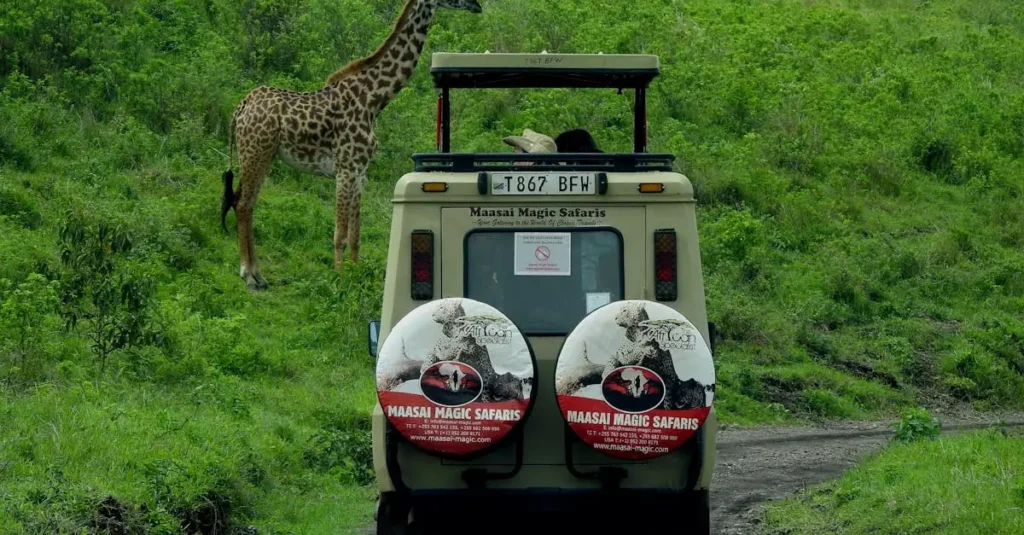
Within parks or reserves, 4×4 safari vehicles are standard for game drives. These specialized vehicles are designed for off-road conditions and offer excellent visibility. For travelers moving between lodges within the same park, road transfers are typical. The choice of transport depends heavily on the itinerary, budget, and specific locations you plan to visit.
Here’s a look at common transportation methods:
| Transport Method | Typical Use | Pros | Cons |
|---|---|---|---|
| Light Aircraft Flights | Between major parks/countries, remote camps | Fast, efficient, scenic | Expensive, weather-dependent |
| 4×4 Safari Vehicles | Game drives, transfers within parks | Excellent for wildlife viewing, off-road | Slower for long distances, limited capacity |
| Road Transfers | Between lodges, airport to park | Convenient for shorter distances | Can be dusty, time-consuming |
| Walking Safaris | Guided walks in specific areas | Immersive, intimate wildlife experience | Limited range, safety dependent on guide |
How can I ensure a sustainable and responsible safari experience?
Ensuring a sustainable and responsible safari experience is vital for preserving Africa’s incredible wildlife and supporting local communities. Choose tour operators and lodges that demonstrate a strong commitment to conservation and community engagement. Look for certifications or affiliations with reputable environmental organizations.
When on safari, adhere strictly to park rules. This includes maintaining a safe distance from wildlife, avoiding feeding animals, and never leaving litter behind. Support local economies by purchasing authentic crafts directly from artisans and by choosing accommodations that employ local staff and source local produce. Respecting local cultures and traditions is also an integral part of responsible travel. Organizations like the African Tourism Board offer resources and insights into responsible tourism practices across the continent.